Asbestopluma monticola
Taxonomy
This page represents the following TreeOfLife-200M taxonomic path.[1]
- Kingdom: Animalia
- Phylum: Porifera
- Class: Demospongiae
- Order: Poecilosclerida
- Family: Cladorhizidae
- Genus: Asbestopluma
- Species: Asbestopluma monticola
Species overview
Asbestopluma monticola is a deep-sea carnivorous sponge belonging to the family Cladorhizidae (order Poecilosclerida). It was described as a new species from the Northeast Pacific by Lundsten, Reiswig & Austin (2014). [2][3]
Visual Description
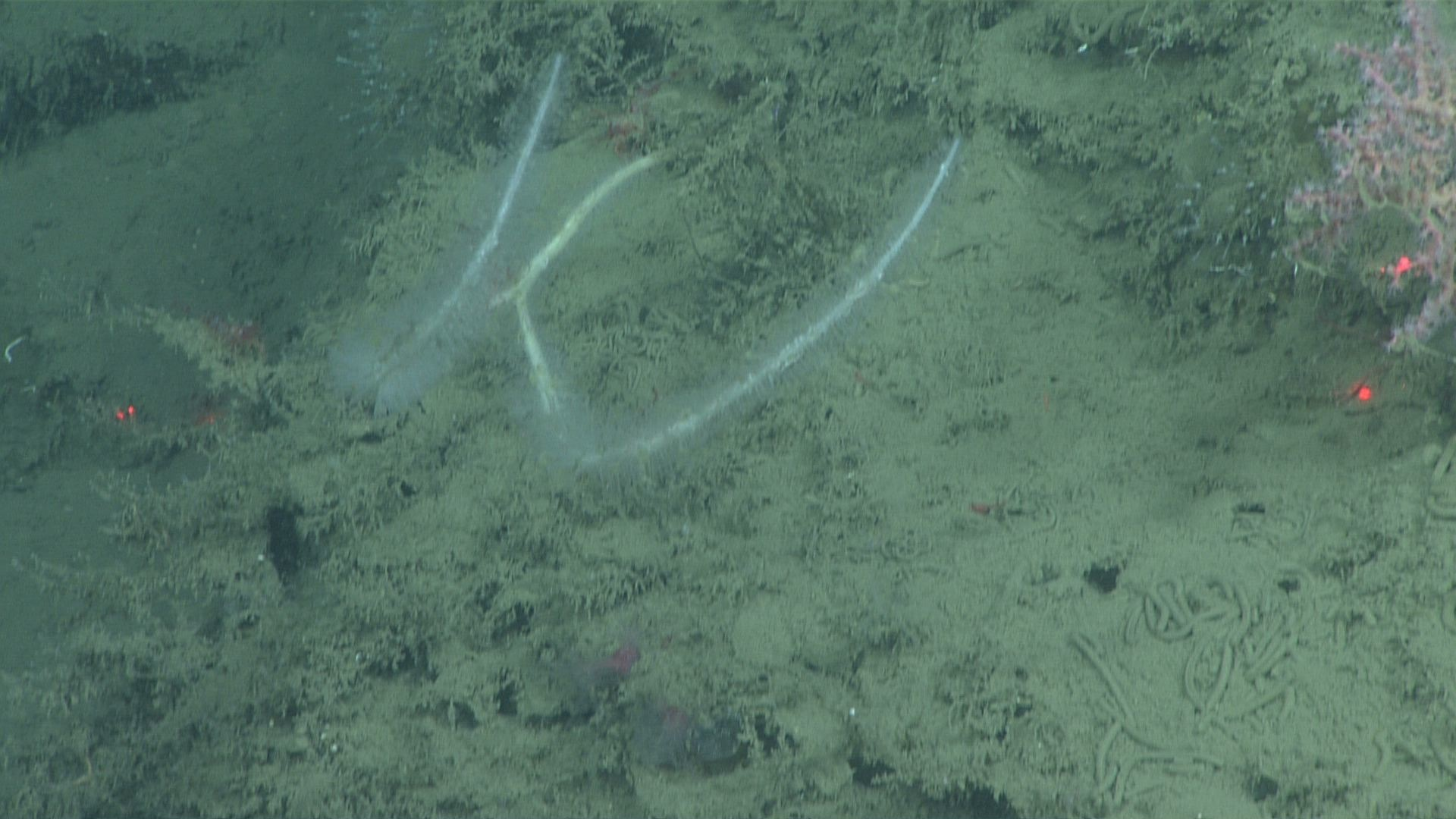
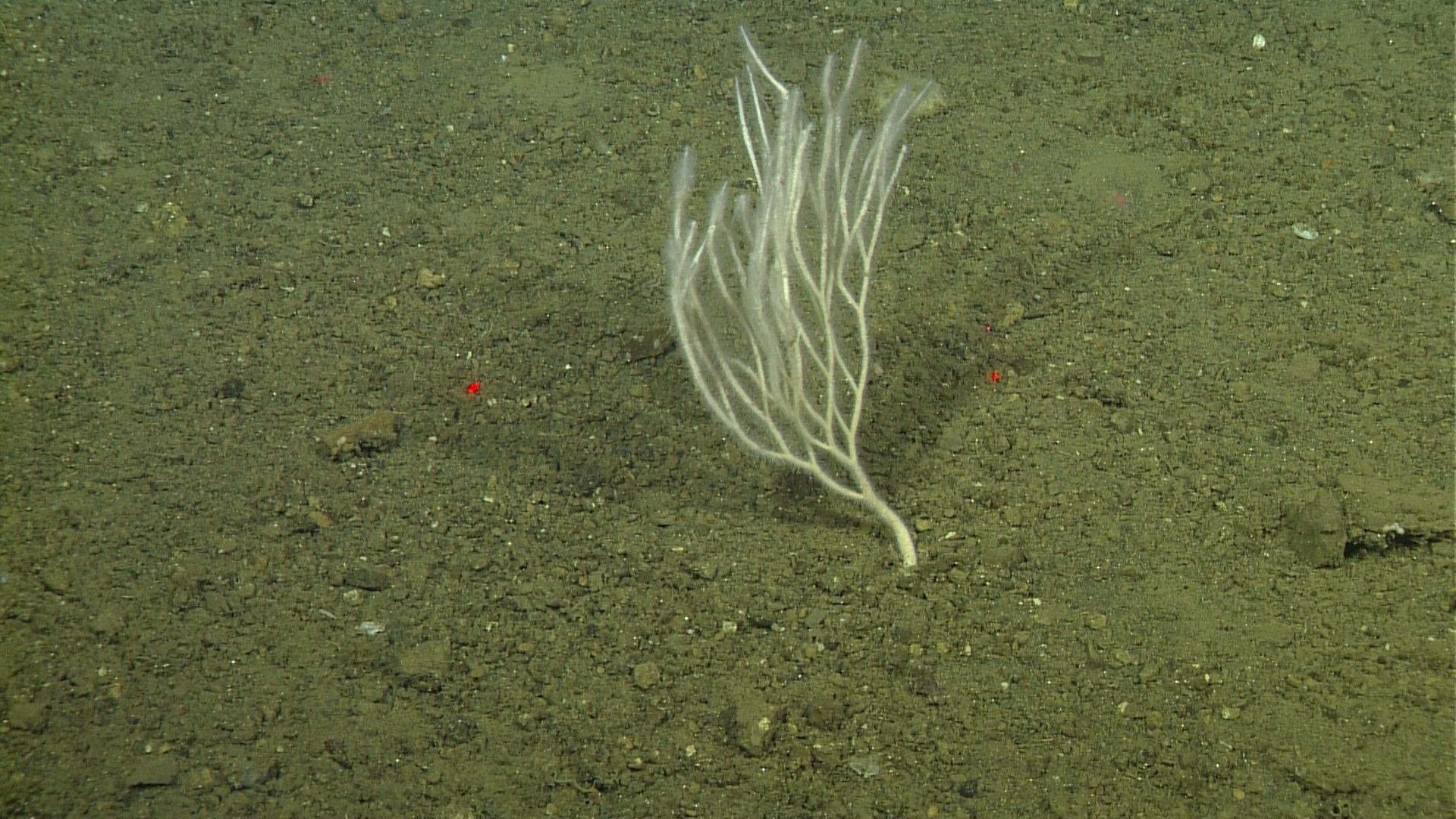
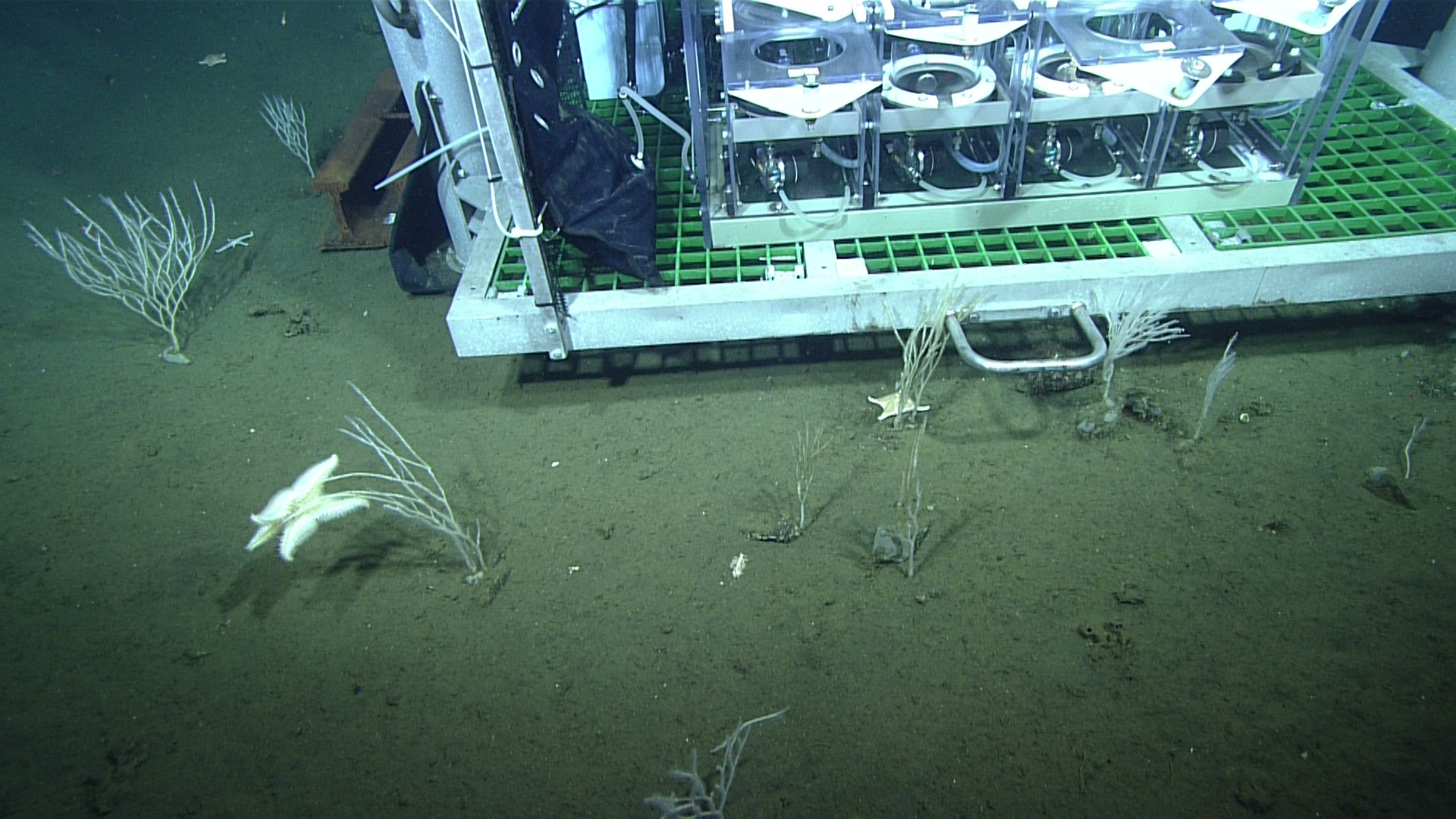
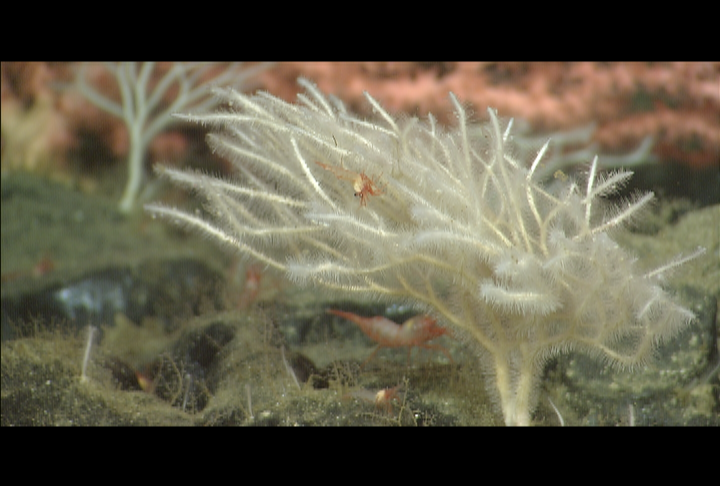
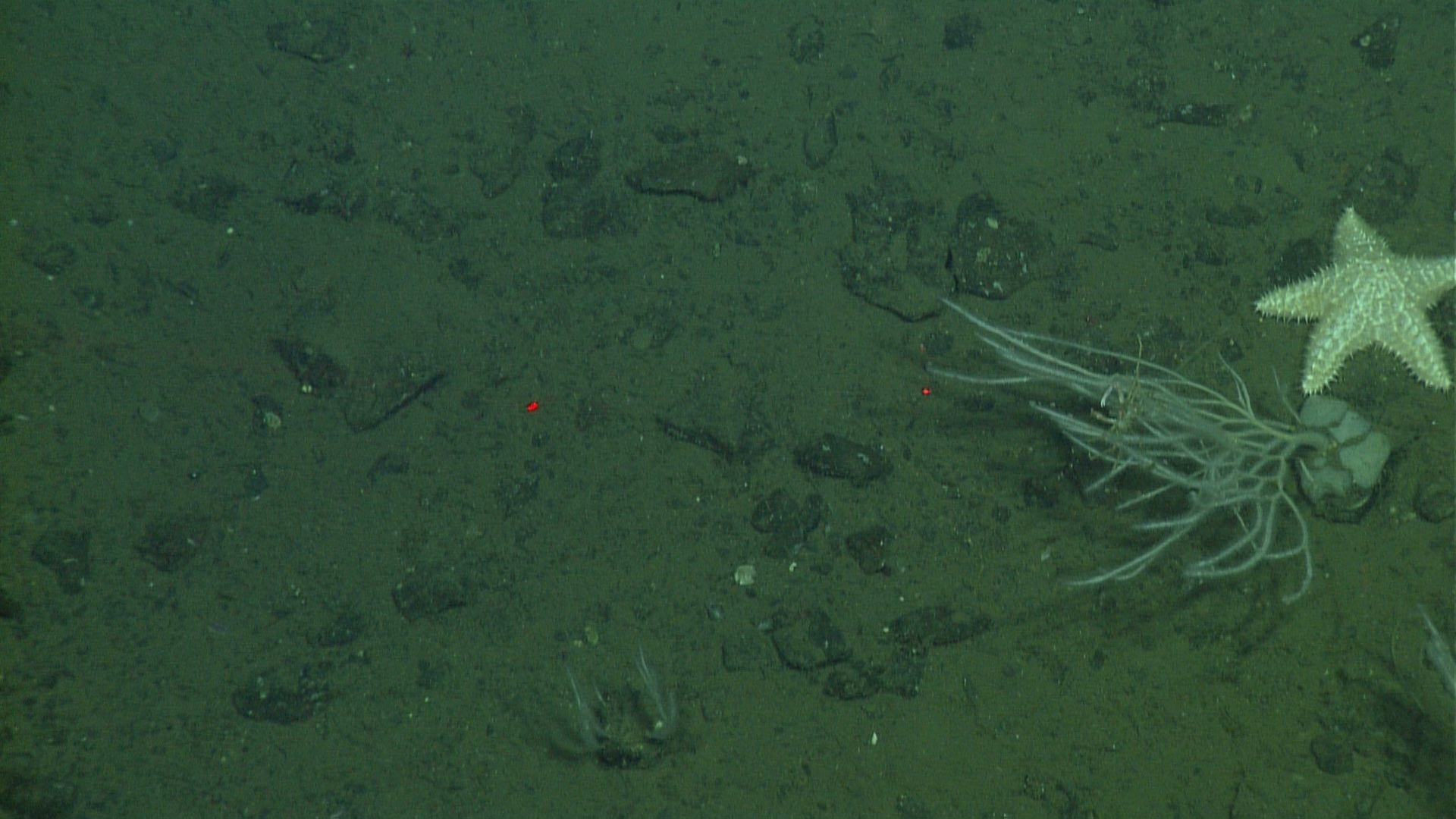
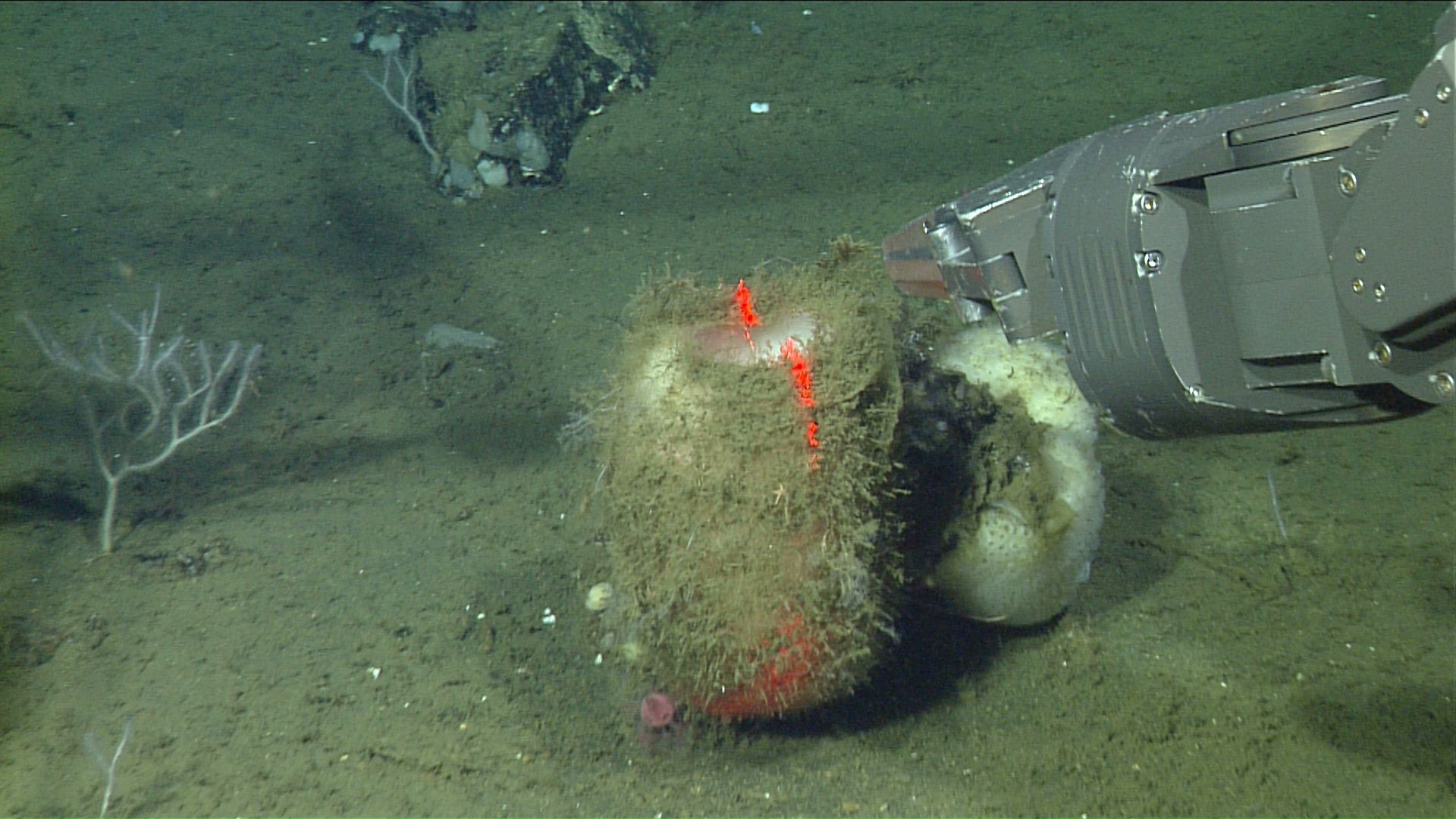
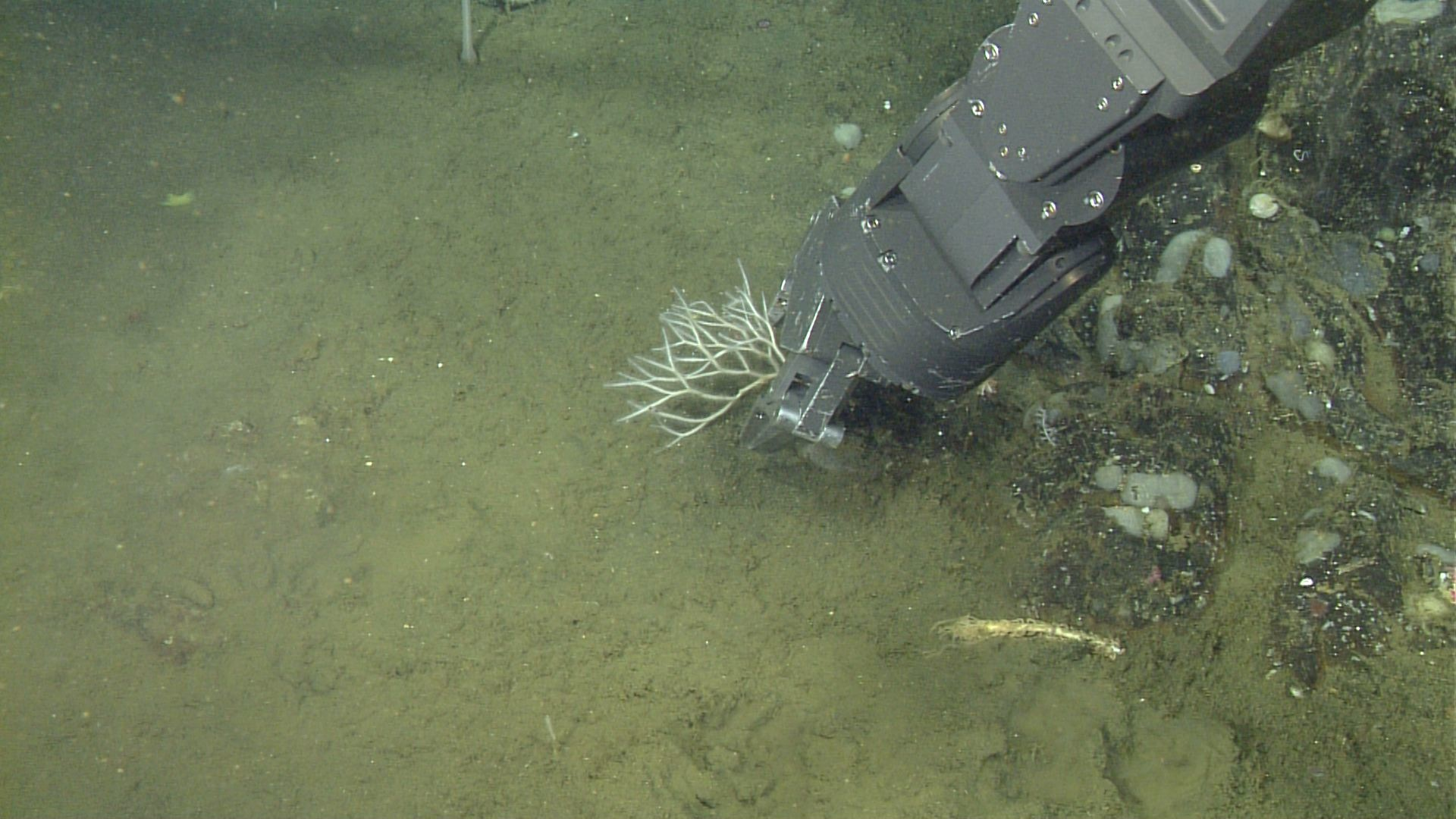
This species is described from deep-sea observations as an arborescent, branching “bottle-brush” sponge with a conic holdfast disk for attachment to hard substrate. [3]
Diagnosis and distinguishing features
The original description diagnoses A. monticola using both external form and spicule characters, including: three size classes of megasclere styles and three microsclere types (acanthose tylostyles, sigmas, and palmate anisochelae). [3]
Type material, locality, and depth
The holotype is reported from Davidson Seamount (central California, USA) at approximately 1280 m, with a paratype from Monterey Canyon at approximately 1323 m. [3]
Distribution, habitat, and ecology
Asbestopluma monticola is reported from the Northeast Pacific, with observations indicating it is abundant/dense at Davidson Seamount and in Monterey Canyon, extending to central Oregon. The reported average observation depth is about 1236 m. [3]
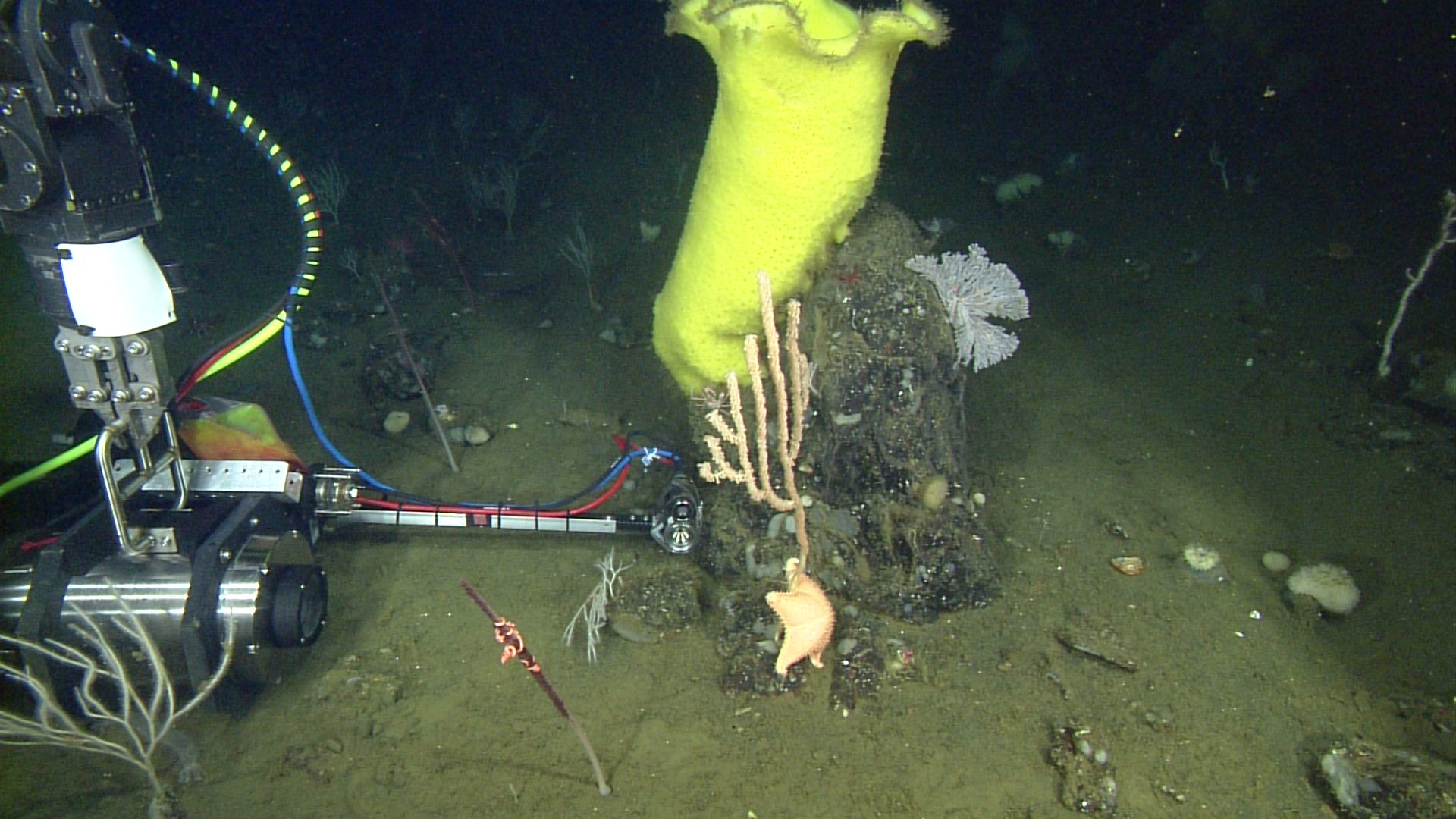
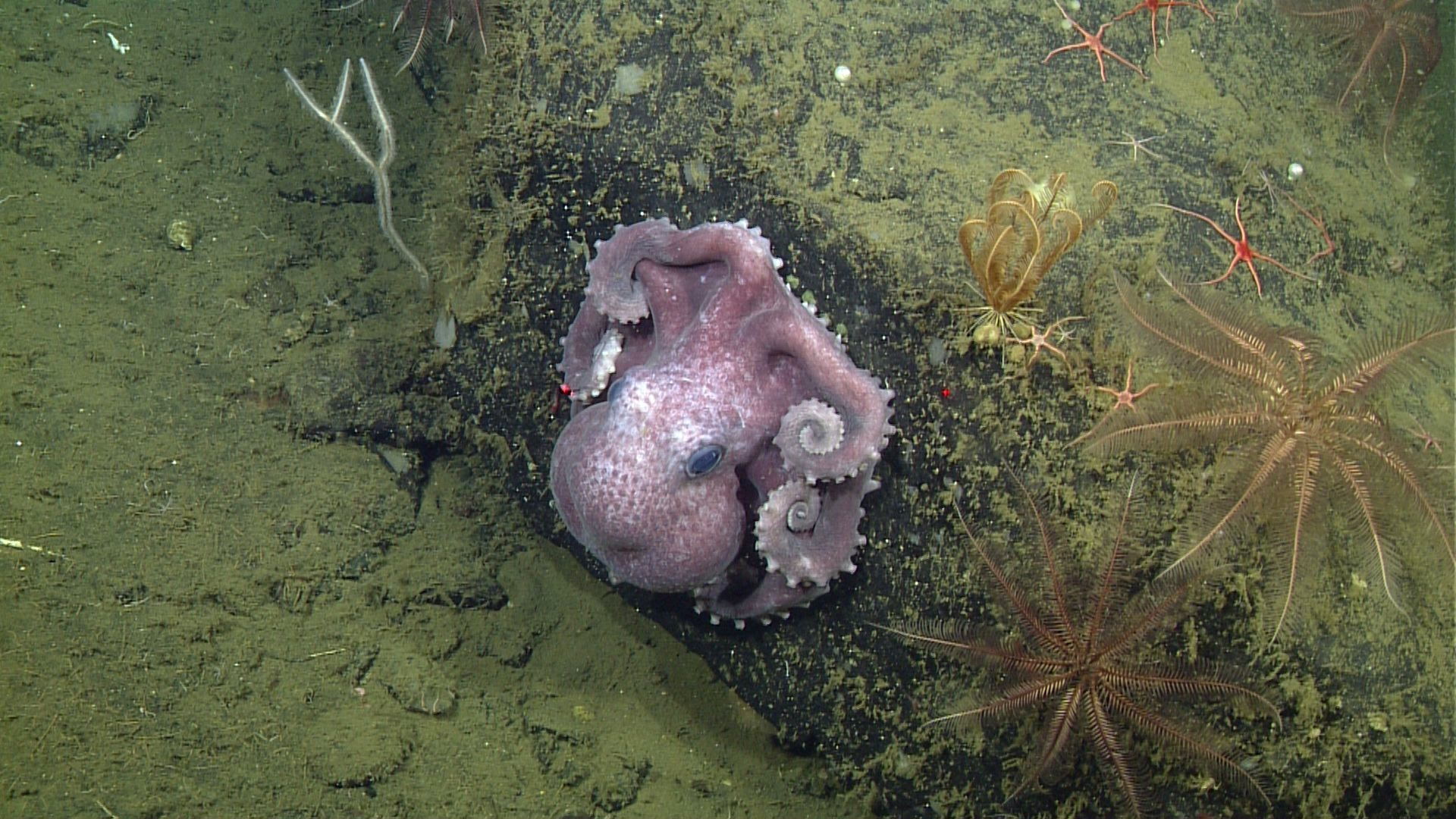
Ecologically, it occurs on hard substrate and is commonly seen alongside many other benthic taxa (including corals, crustaceans, echinoderms, and fish). The paper also documents potential feeding associations typical for cladorhizid carnivory (e.g., observations of small crustacean prey and shrimp interacting with sponge branches). [3]
Plazi treatment
A Plazi TreatmentBank record exists for Asbestopluma monticola (as described in 2014). [4]
Gallery
References
- ↑ Dataset view for Animalia / Porifera / Demospongiae / Poecilosclerida / Cladorhizidae / Asbestopluma / monticola constructed from imageomics/TreeOfLife-200M records under this taxonomic path. Hugging Face Datasets. https://huggingface.co/datasets/imageomics/TreeOfLife-200M.
- ↑ Asbestopluma monticola Lundsten, Reiswig & Austin, 2014. GBIF. https://www.gbif.org/species/7894524. Accessed 2026-07-09.
- 1 2 3 4 5 6 Lonny Lundsten; Henry M. Reiswig; William C. Austin. Four new species of Cladorhizidae (Porifera, Demospongiae, Poecilosclerida) from the Northeast Pacific. Zootaxa. 2014. https://doi.org/10.11646/zootaxa.3786.2.1.
- ↑ Asbestopluma monticola Lundsten & Reiswig & Austin 2014, sp. nov. - Plazi TreatmentBank. Plazi TreatmentBank. http://tb.plazi.org/GgServer/xhtml/C65487809D35FFC9E3EFFF5BF7F1FD80. Accessed 2026-07-11.