Asbestopluma furcata
Taxonomy
This page represents the following TreeOfLife-200M taxonomic path.[1]
- Kingdom: Animalia
- Phylum: Porifera
- Class: Demospongiae
- Order: Poecilosclerida
- Family: Cladorhizidae
- Genus: Asbestopluma
- Species: Asbestopluma furcata
Visual Description
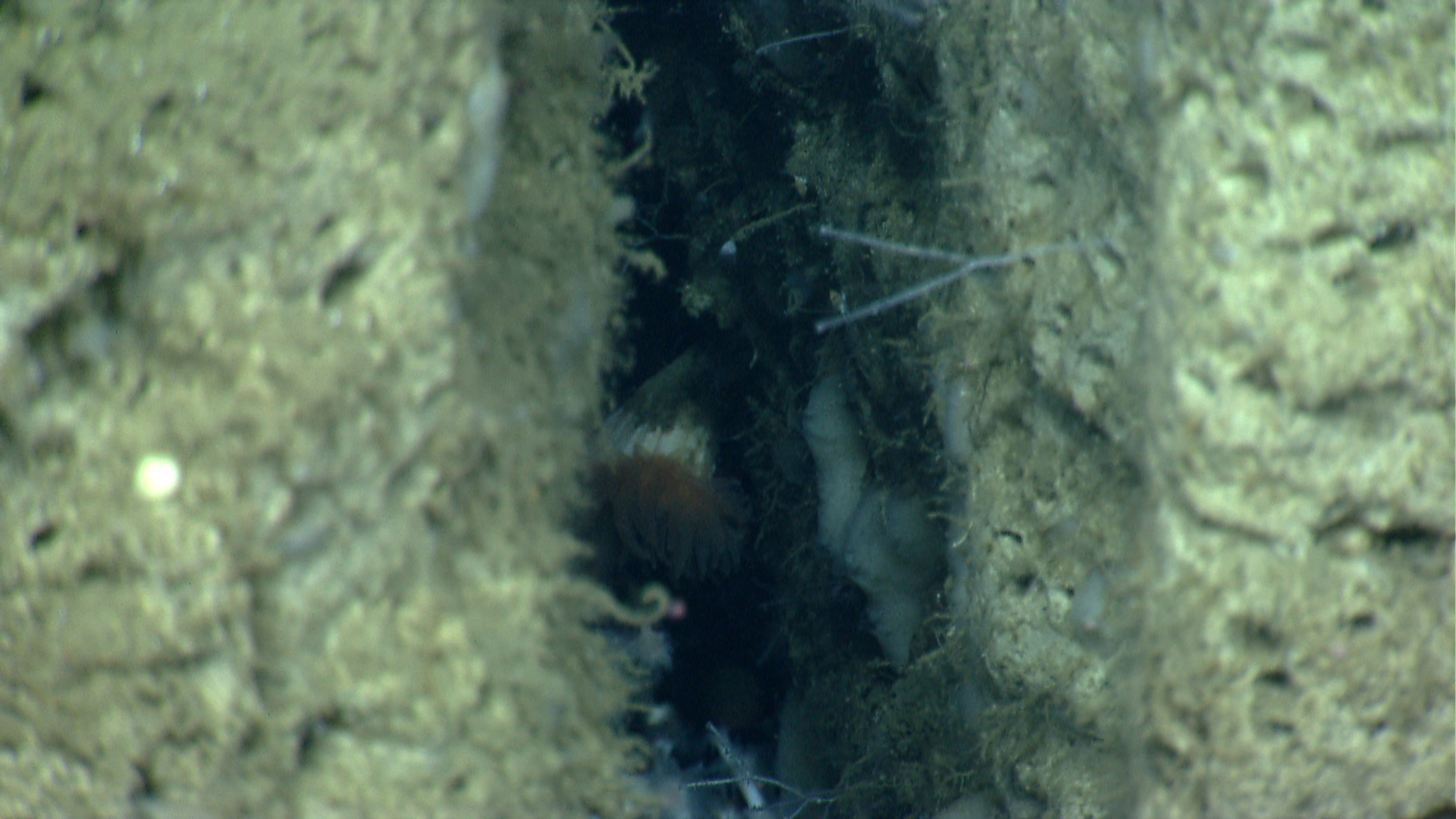
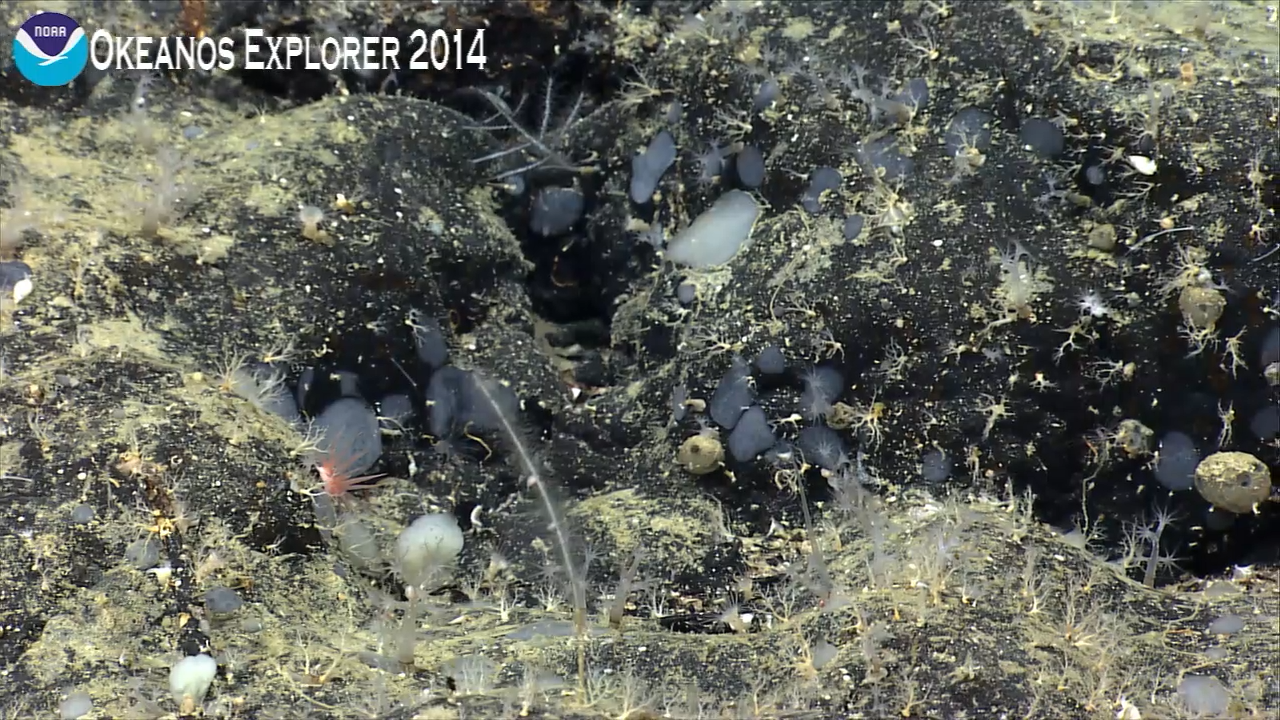
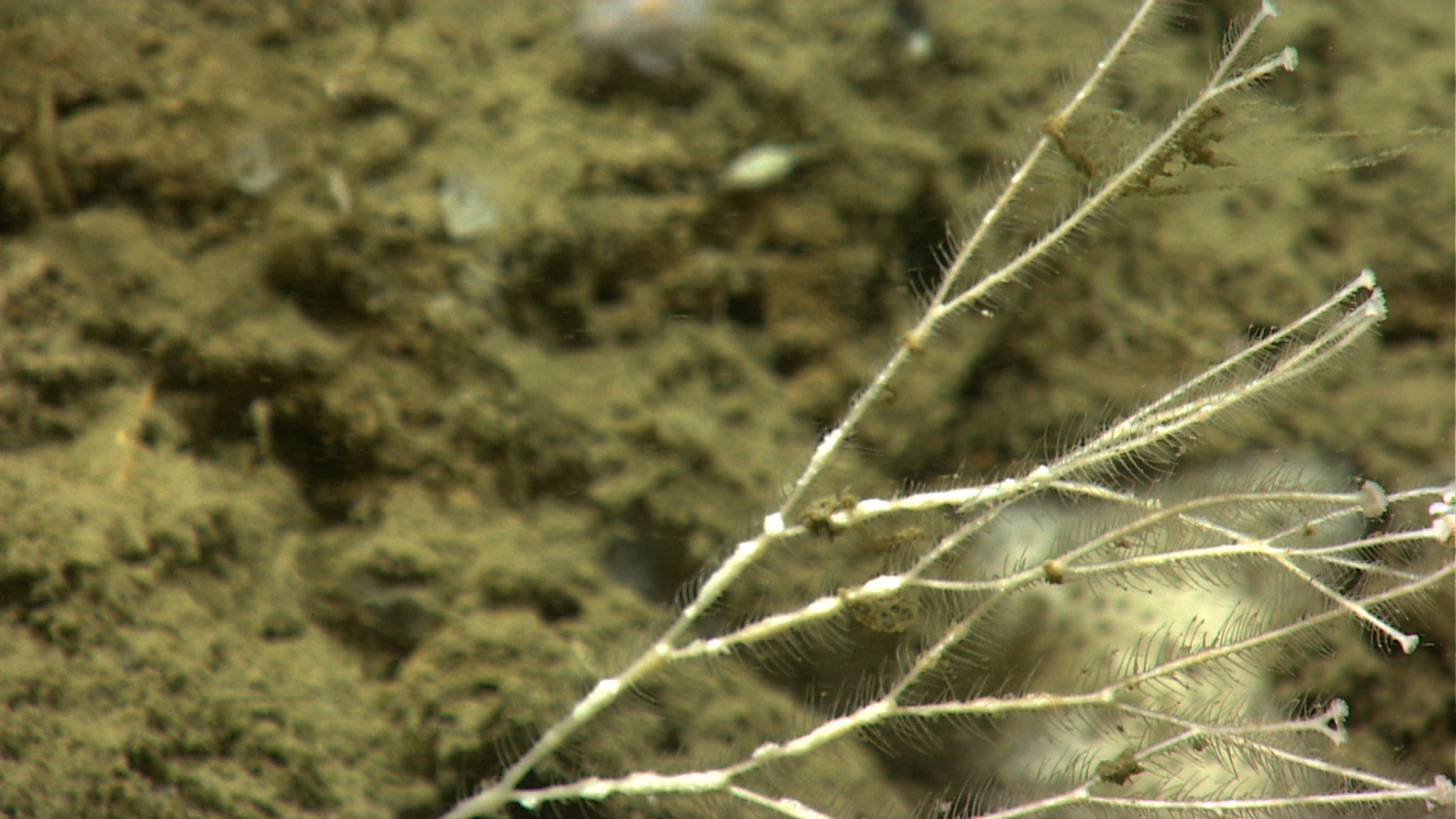
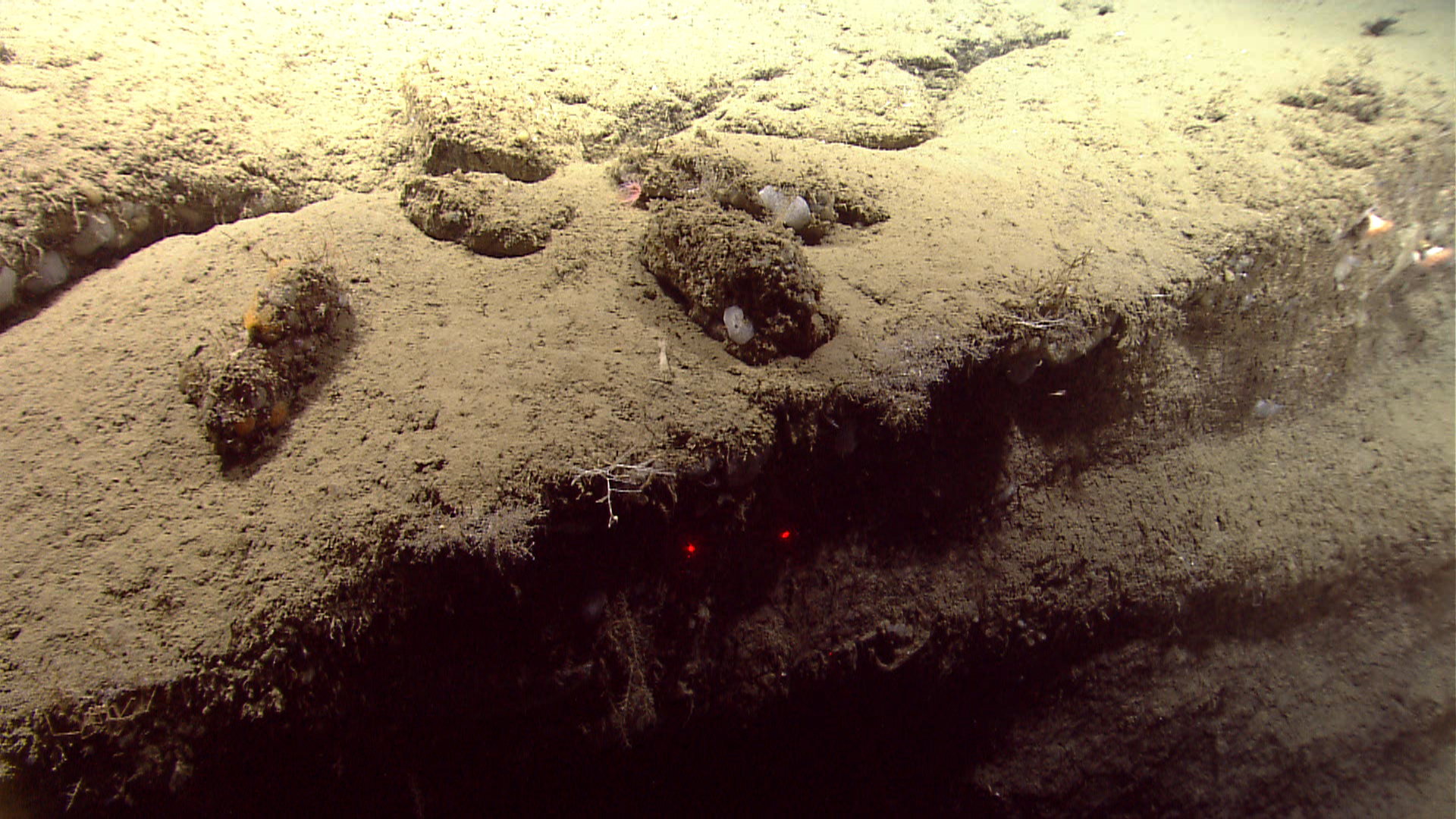
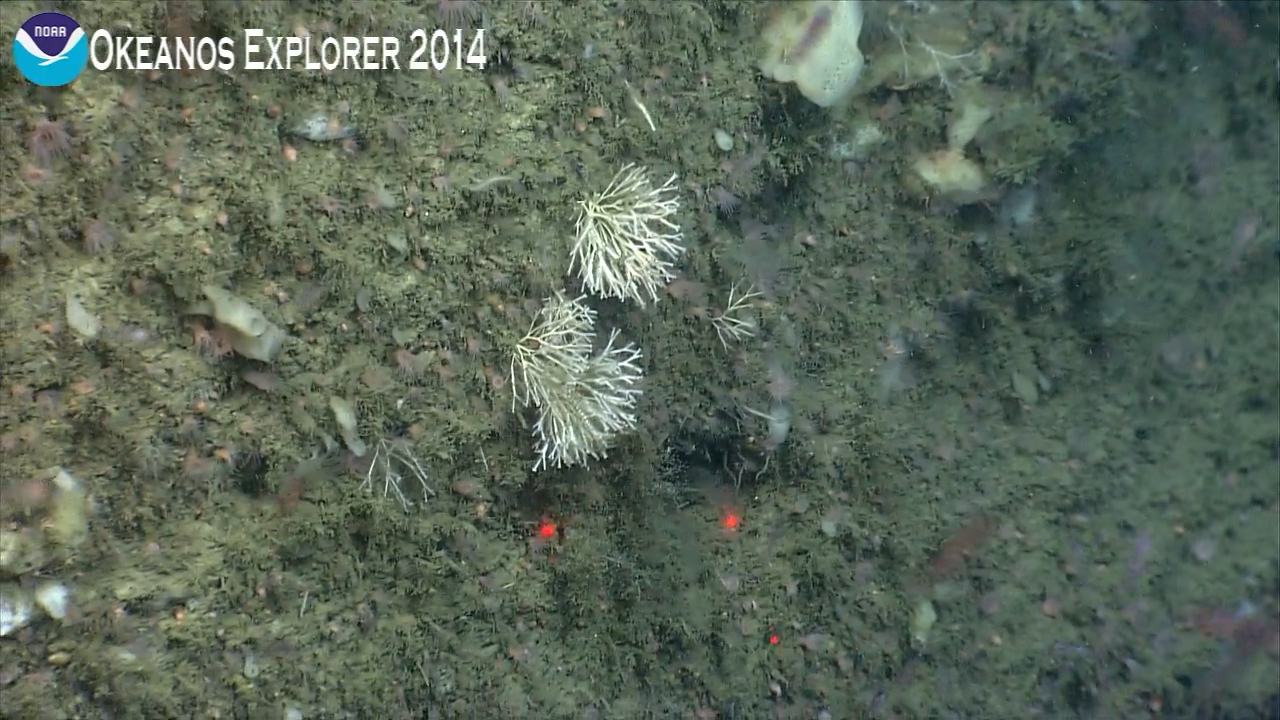
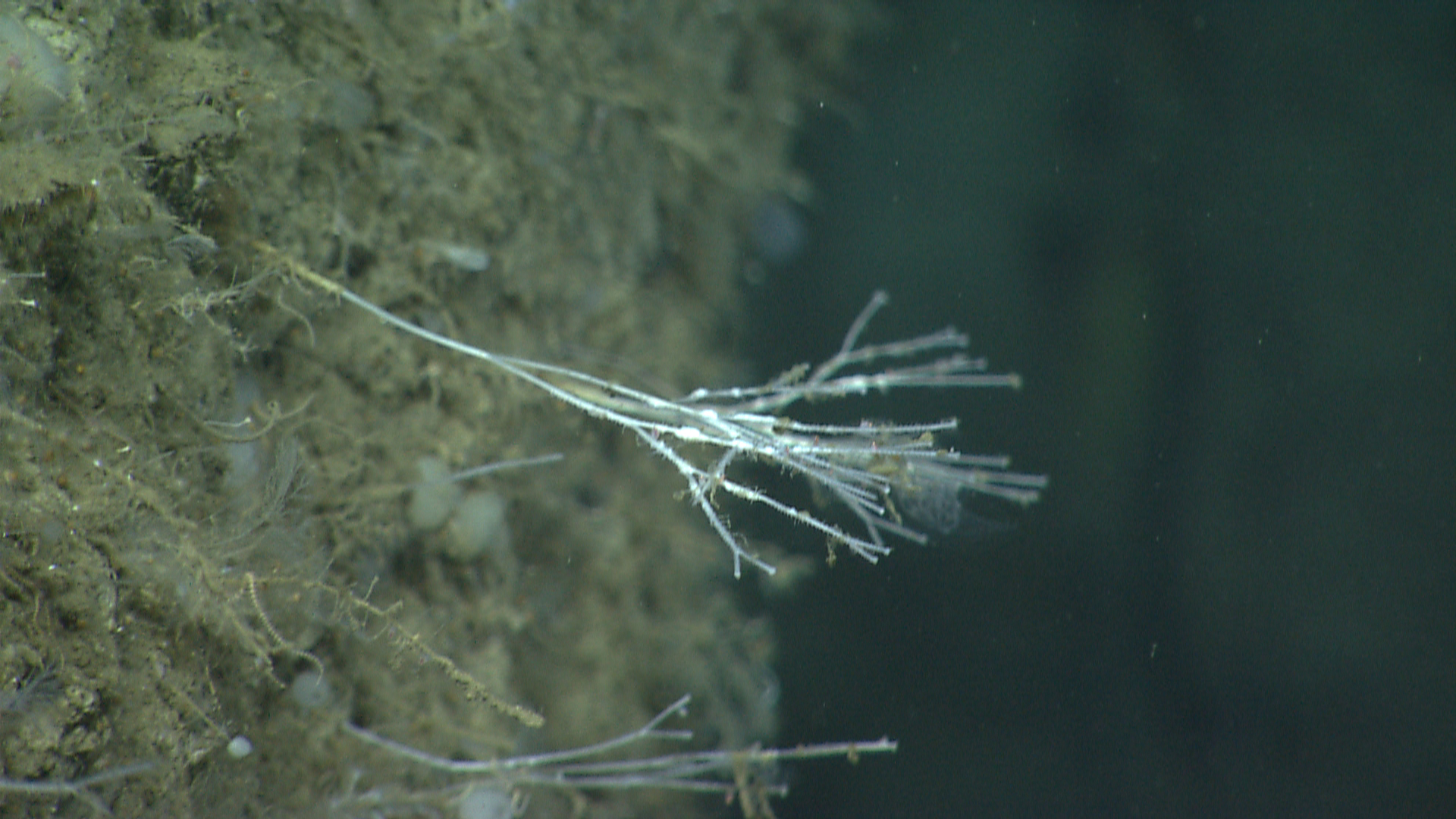
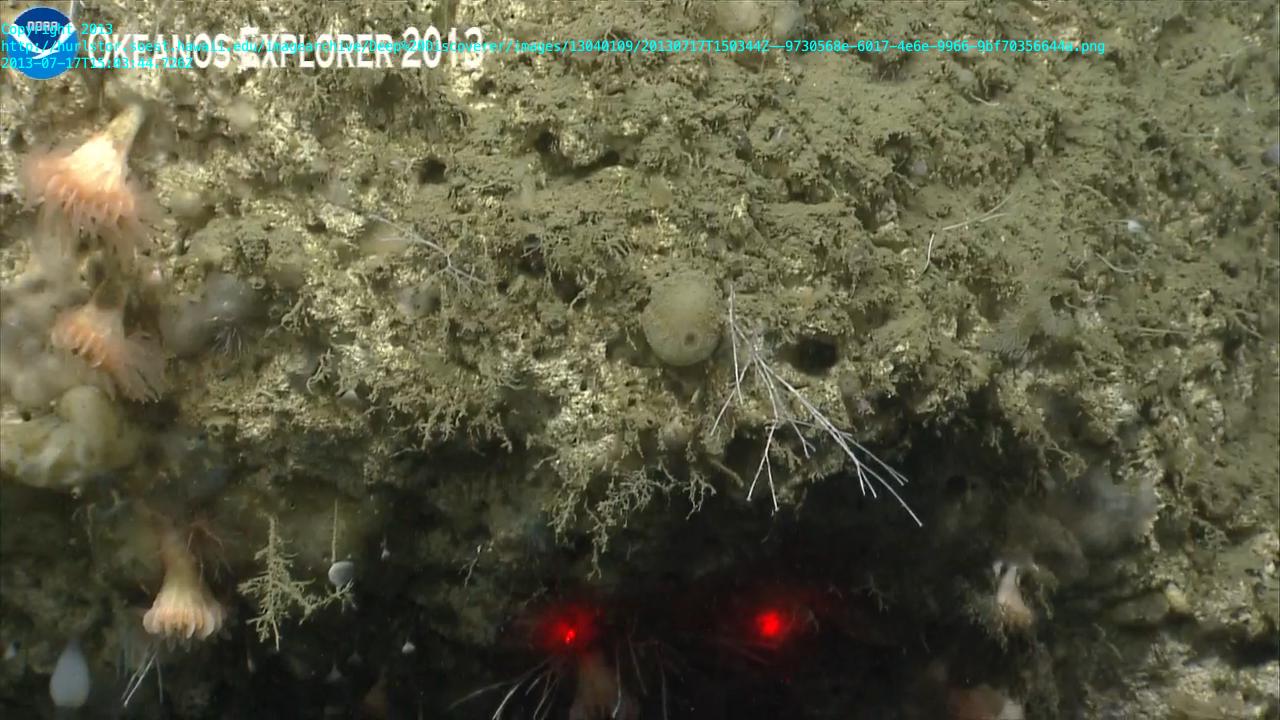
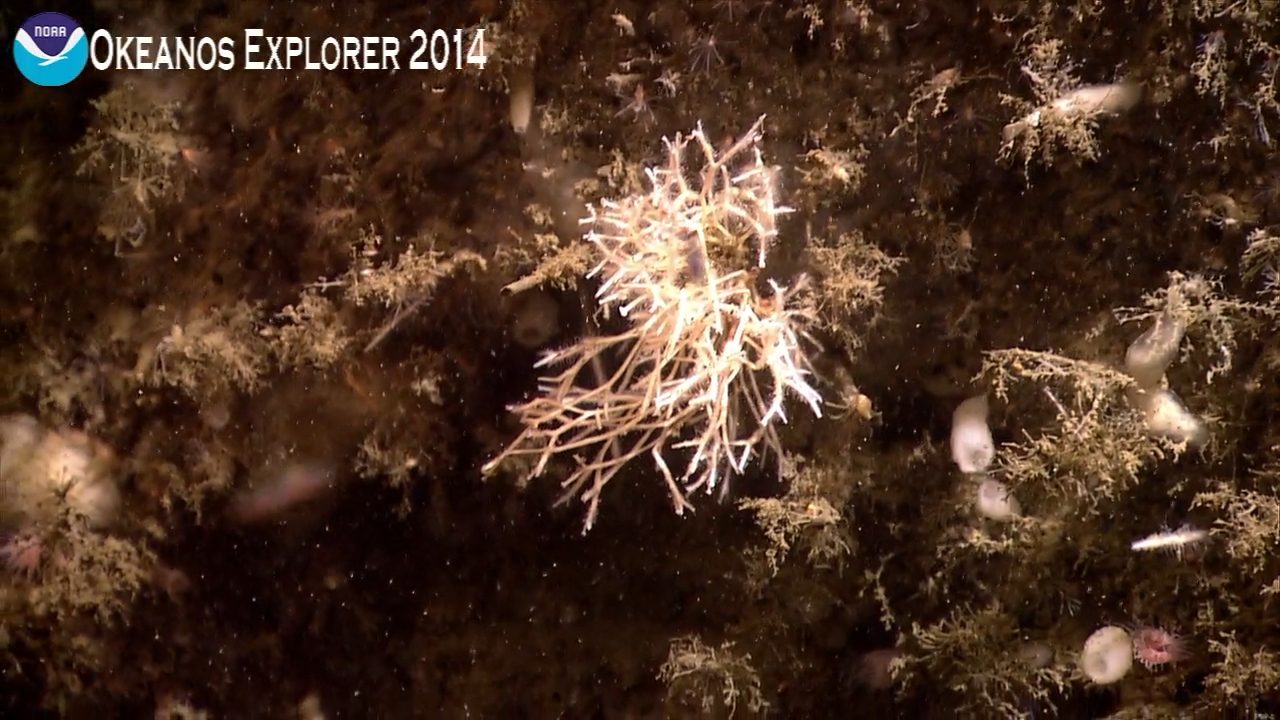
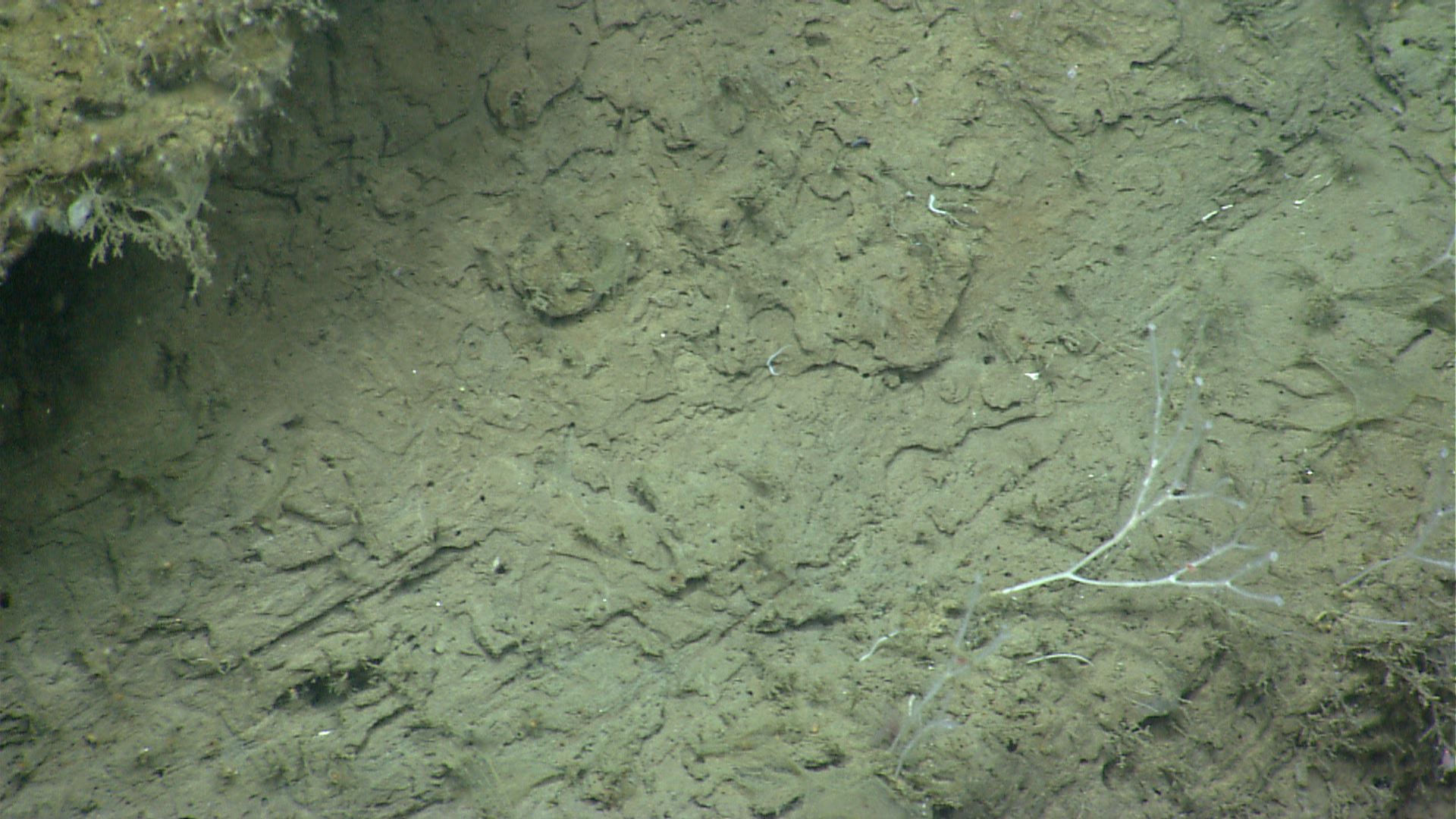
Asbestopluma furcata is depicted in GBIF-sourced images (via TreeOfLife-200M) as a deep-sea sponge form with a branching, erect to semi-erect growth architecture (often appearing “fan-like” or claw/branch-like rather than an even encrustation). The surface appears light-toned in the source imagery and the overall form suggests the externally protruding feeding structures characteristic of carnivorous (cladorhizid) sponges.
Taxonomic status and citation
The name Asbestopluma furcata (authorship shown on GBIF as Lundbeck, 1905) is treated as an accepted species in GBIF.
Ecology and microbiome context (family-level, generalizable)
Cladorhizidae are carnivorous demosponges, and cladorhizid sponges are known to harbor complex microbial communities. A study focused on carnivorous cladorhizids (including comparisons across environments) reports that cladorhizid-associated microbiomes are often dominated by groups such as Gamma- and Alphaproteobacteria, Flavobacteriaceae, and Thaumarchaeota, with differences among sampling sites. The same work discusses chemolithoautotrophic symbiosis as an ecosystem-relevant functional lens in cladorhizids, emphasizing that strong methanotrophic symbiosis is documented for Cladorhiza methanophila and appears not widespread across Cladorhizidae.
Gallery
References
- ↑ Dataset view for Animalia / Porifera / Demospongiae / Poecilosclerida / Cladorhizidae / Asbestopluma / furcata constructed from imageomics/TreeOfLife-200M records under this taxonomic path. Hugging Face Datasets. https://huggingface.co/datasets/imageomics/TreeOfLife-200M.