Asbestopluma
Taxonomy
This page represents the following TreeOfLife-200M taxonomic path.[1]
- Kingdom: Animalia
- Phylum: Porifera
- Class: Demospongiae
- Order: Poecilosclerida
- Family: Cladorhizidae
- Genus: Asbestopluma
Visual Description
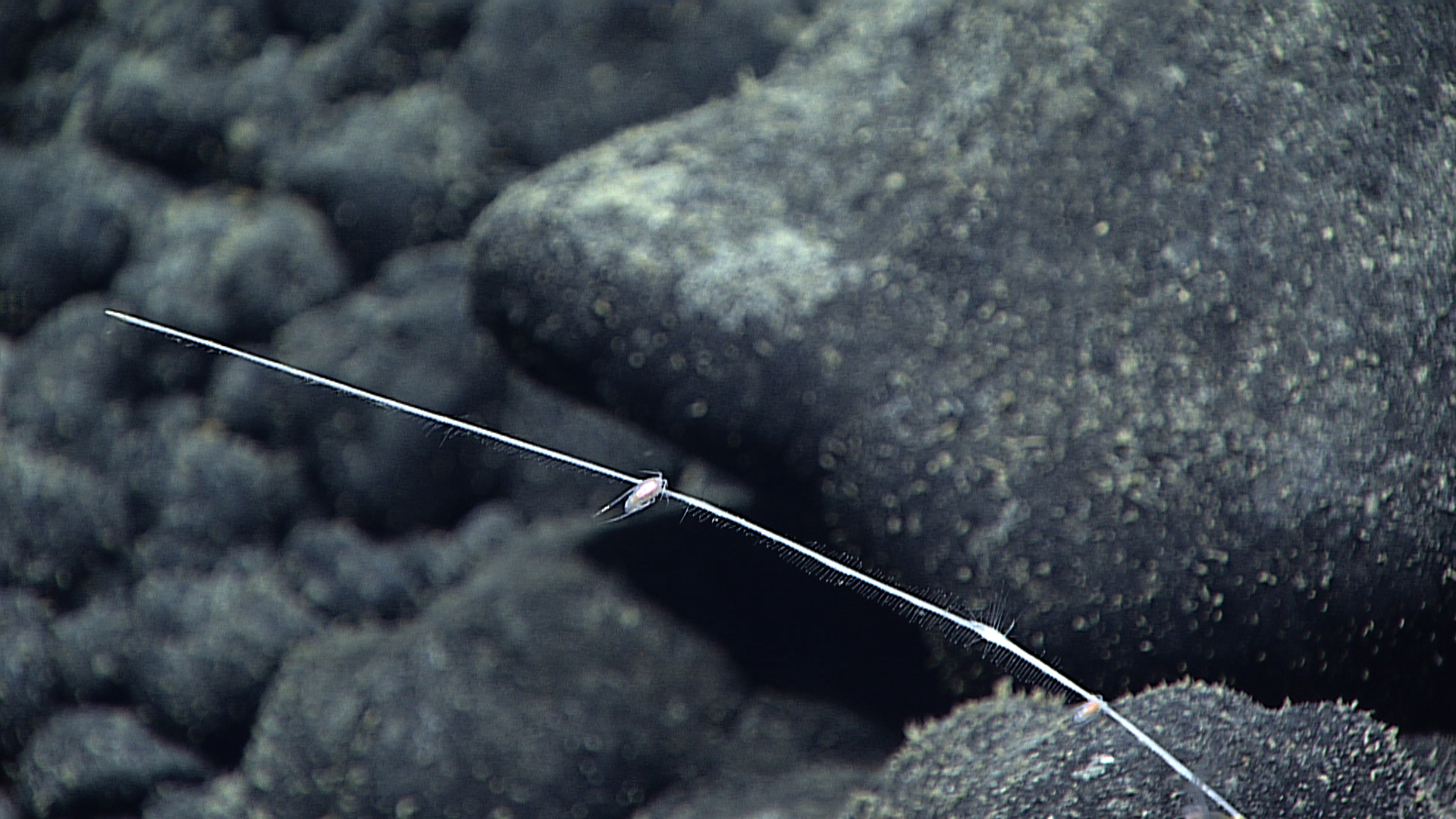
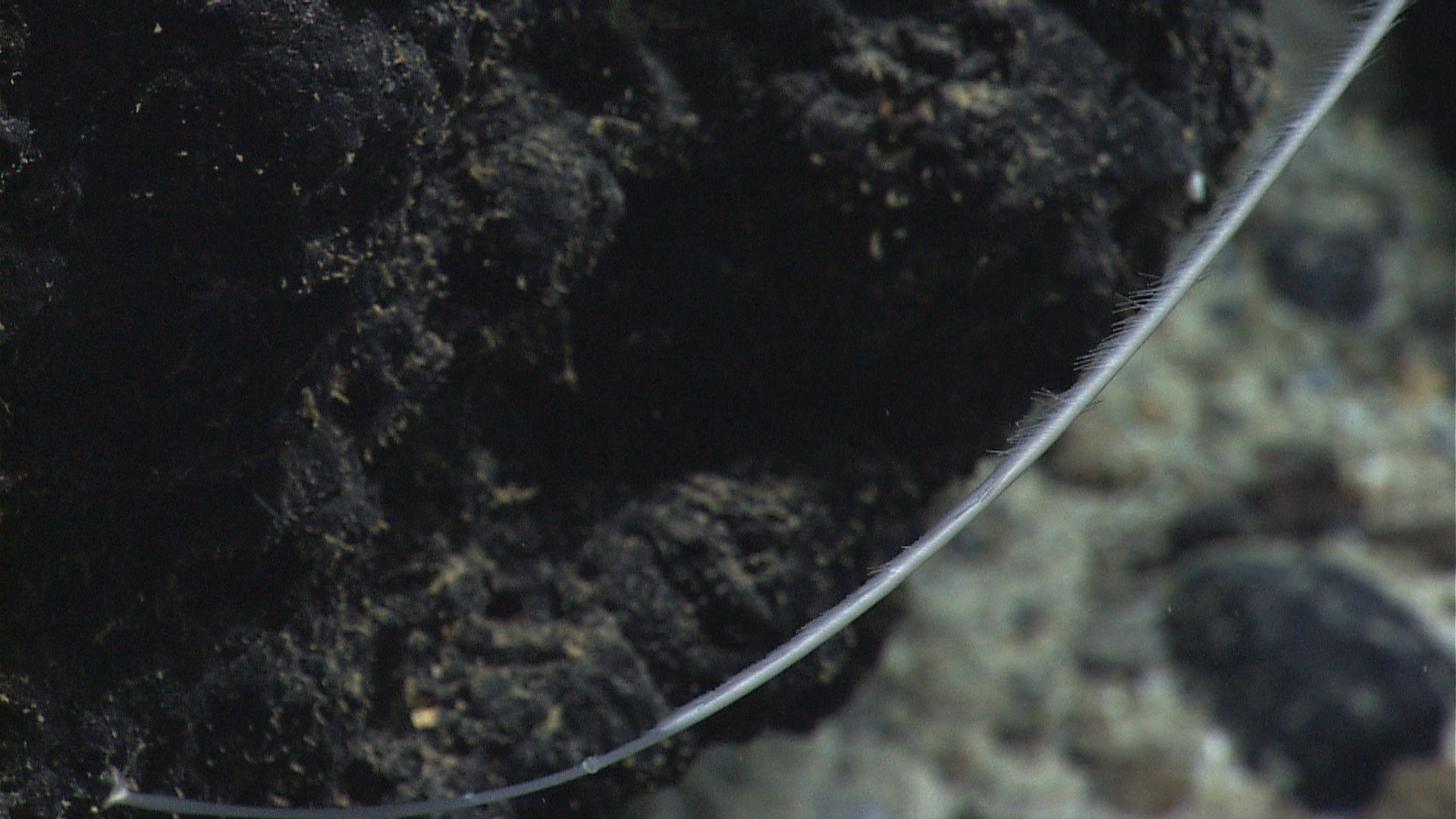
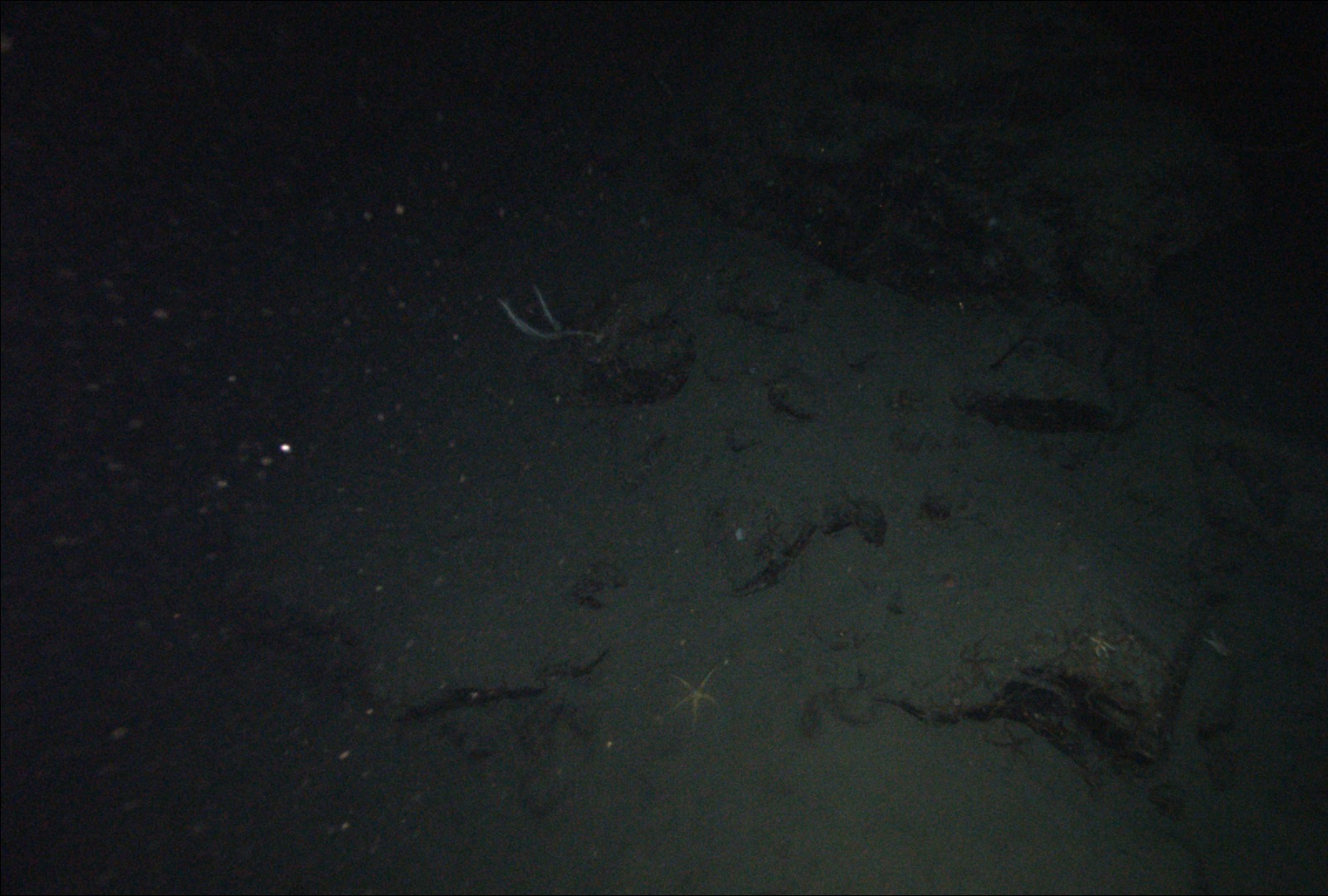
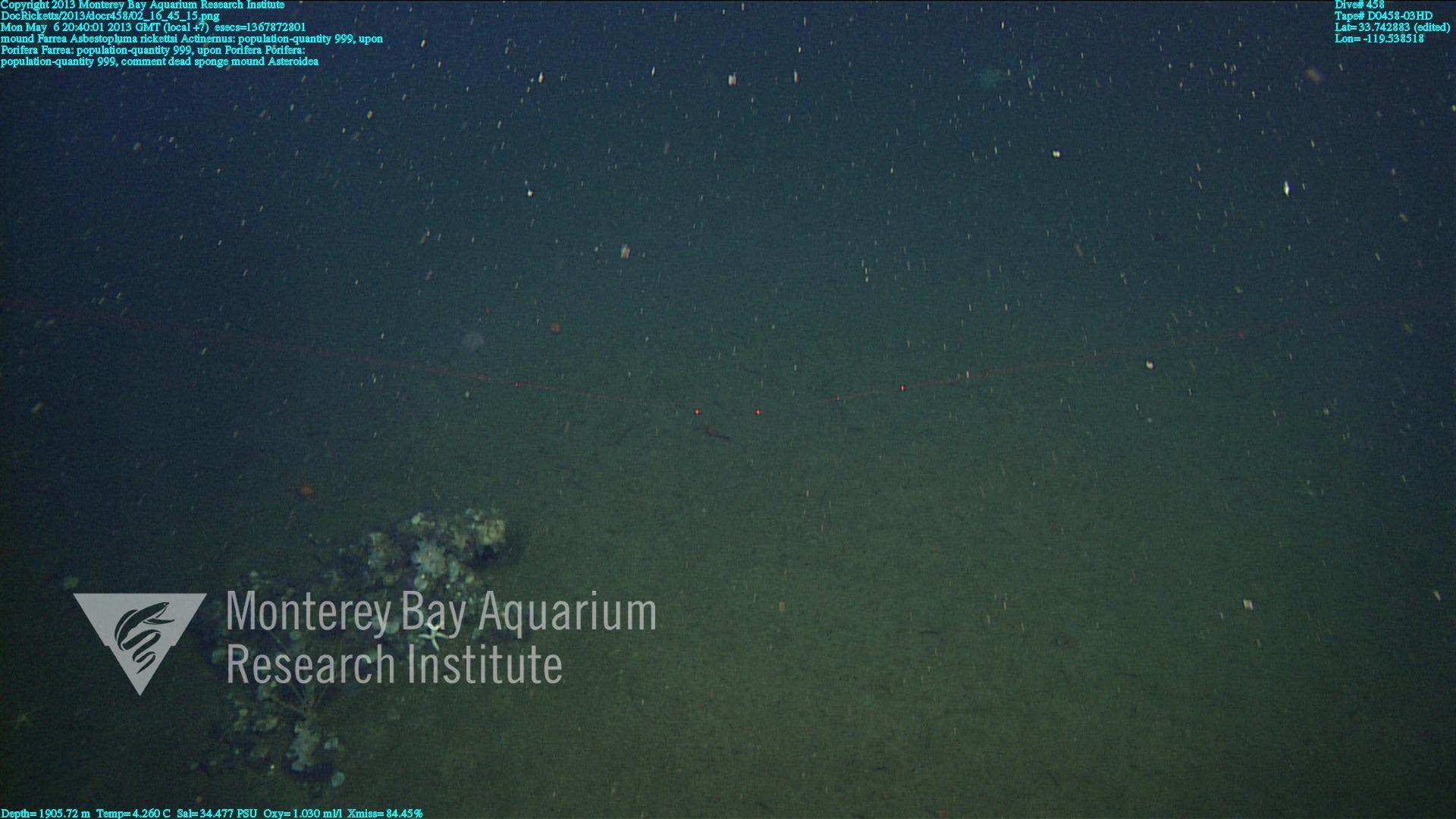
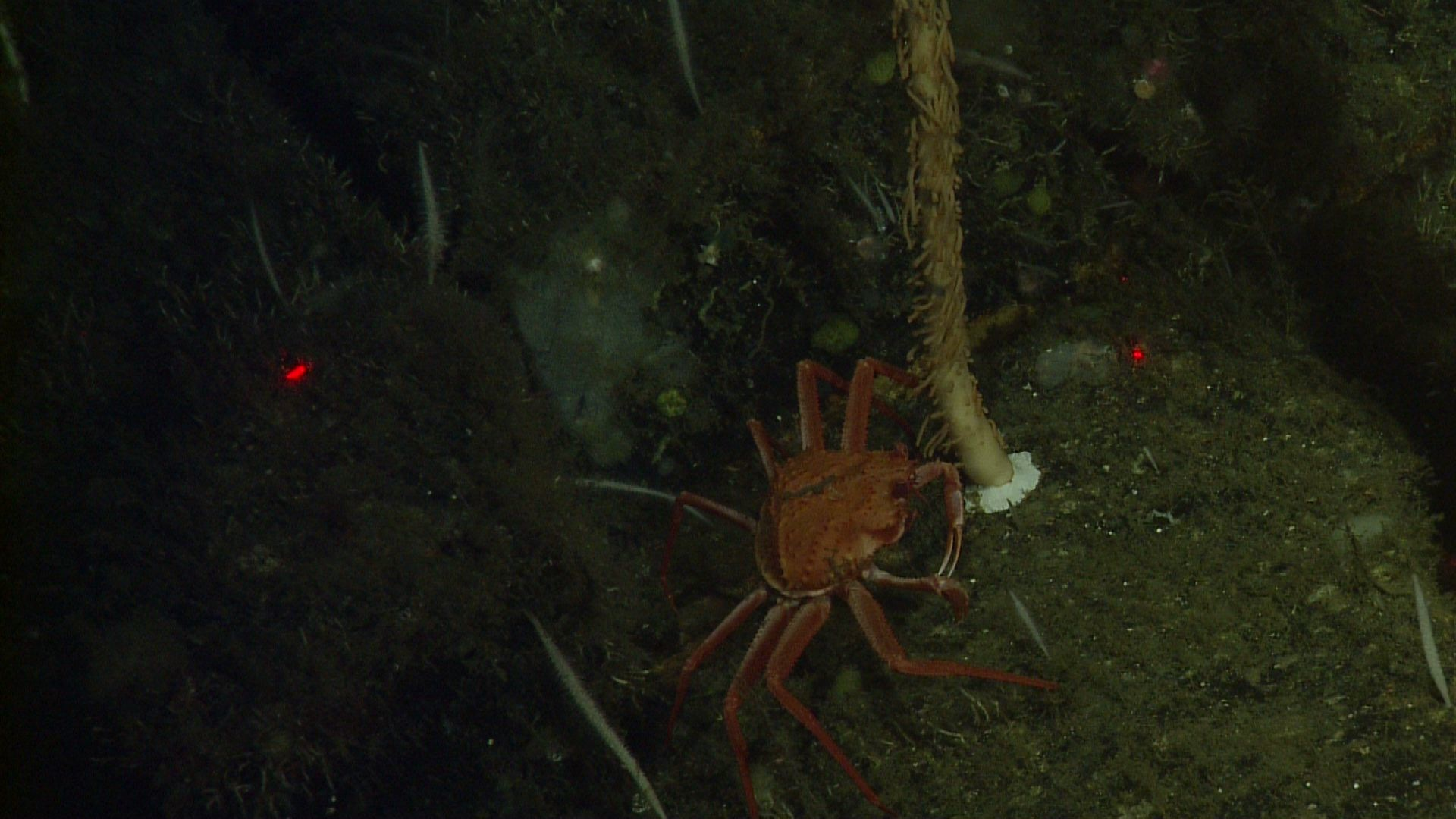
Cladorhizid sponges of the genus Asbestopluma are typically represented as stalked/pendant sponges with a hanging or upright growth form, and a fringe of surface projections (“filaments”/brush-like projections) lining the stalk along its length.
Taxonomic identity and naming
Asbestopluma is an accepted genus-level name (Topsent, 1901) in GBIF. [2]
Ecology and feeding biology (cladorhizid carnivory)
Cladorhizidae are carnivorous sponges that capture prey with specialized trapping surfaces rather than filter-feeding. For a shallow-water Antarctic species description from McMurdo Sound (Asbestopluma ( Asbestopluma ) vaceleti sp. nov.), the sponge is described as carnivorous and using a sticky, fringed surface to capture small crustaceans; the description includes an in situ context showing small prey attached to the sponge surface. [3]
Diagnostic traits used in species-level identification
In forceps-bearing Asbestopluma taxa, species-level separation is linked to the microsclere complement (including forceps, and accompanying chelae/anisochelae forms) together with stalk and surface architecture.
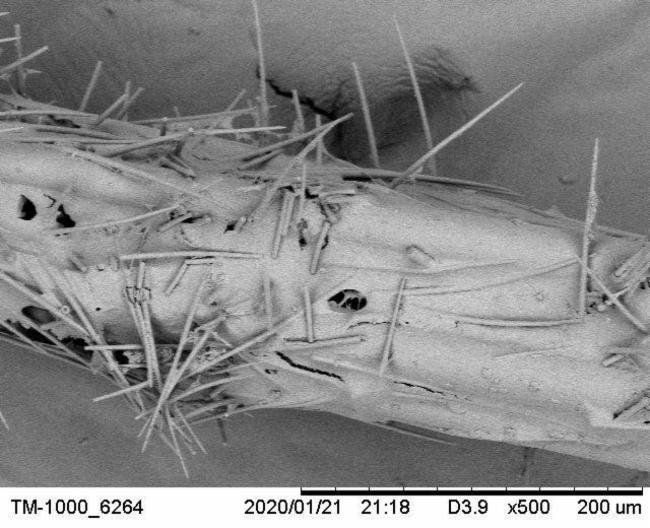
In A. (A.) vaceleti, the highlighted diagnostic features include the presence of forceps microscleres plus a distinctive additional category of reduced anisochelae. The accompanying description also details stalk organization (long styles arranged centrally in parallel), surface “filaments” (bundles of styles projecting at right angles from the central axis), and a dense surface lining of chelae (anisochelae and chelae). [3]
Gallery



References
- ↑ Dataset view for Animalia / Porifera / Demospongiae / Poecilosclerida / Cladorhizidae / Asbestopluma constructed from imageomics/TreeOfLife-200M records under this taxonomic path. Hugging Face Datasets. https://huggingface.co/datasets/imageomics/TreeOfLife-200M.
- ↑ Asbestopluma Topsent, 1901. GBIF. https://www.gbif.org/species/2243463. Accessed 2026-07-09.
- 1 2 Rob W. M. van Soest; Bill J. Baker. A new carnivorous shallow-water sponge from McMurdo Sound, Antarctica (Porifera, Poecilosclerida). Marine Biodiversity. 2010. https://doi.org/10.1007/s12526-010-0076-6.