Arenomydas
Taxonomy
This page represents the following TreeOfLife-200M taxonomic path.[1]
- Kingdom: Animalia
- Phylum: Arthropoda
- Class: Insecta
- Order: Diptera
- Family: Mydidae
- Genus: Arenomydas
Visual Description
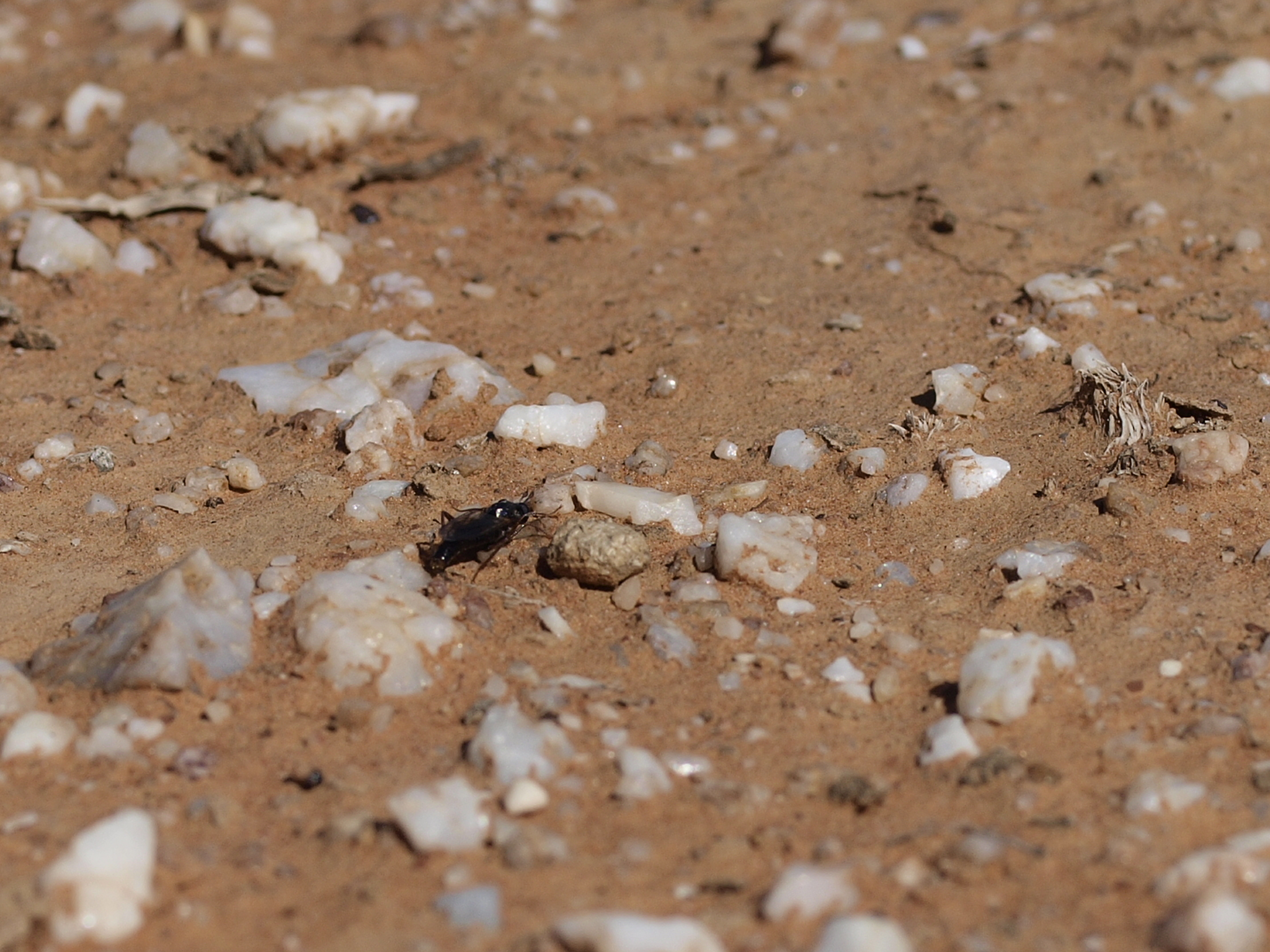
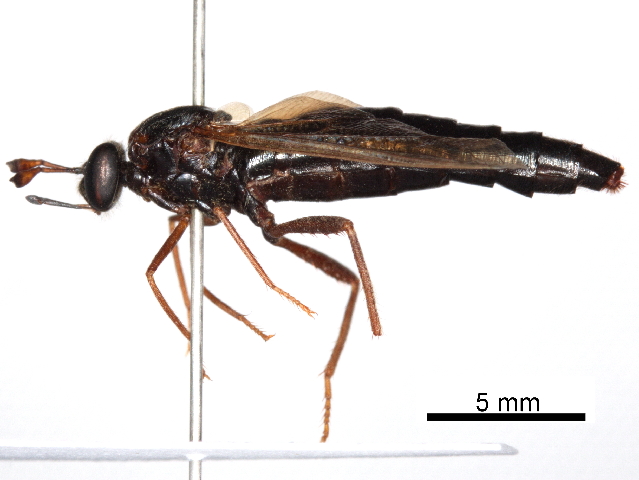
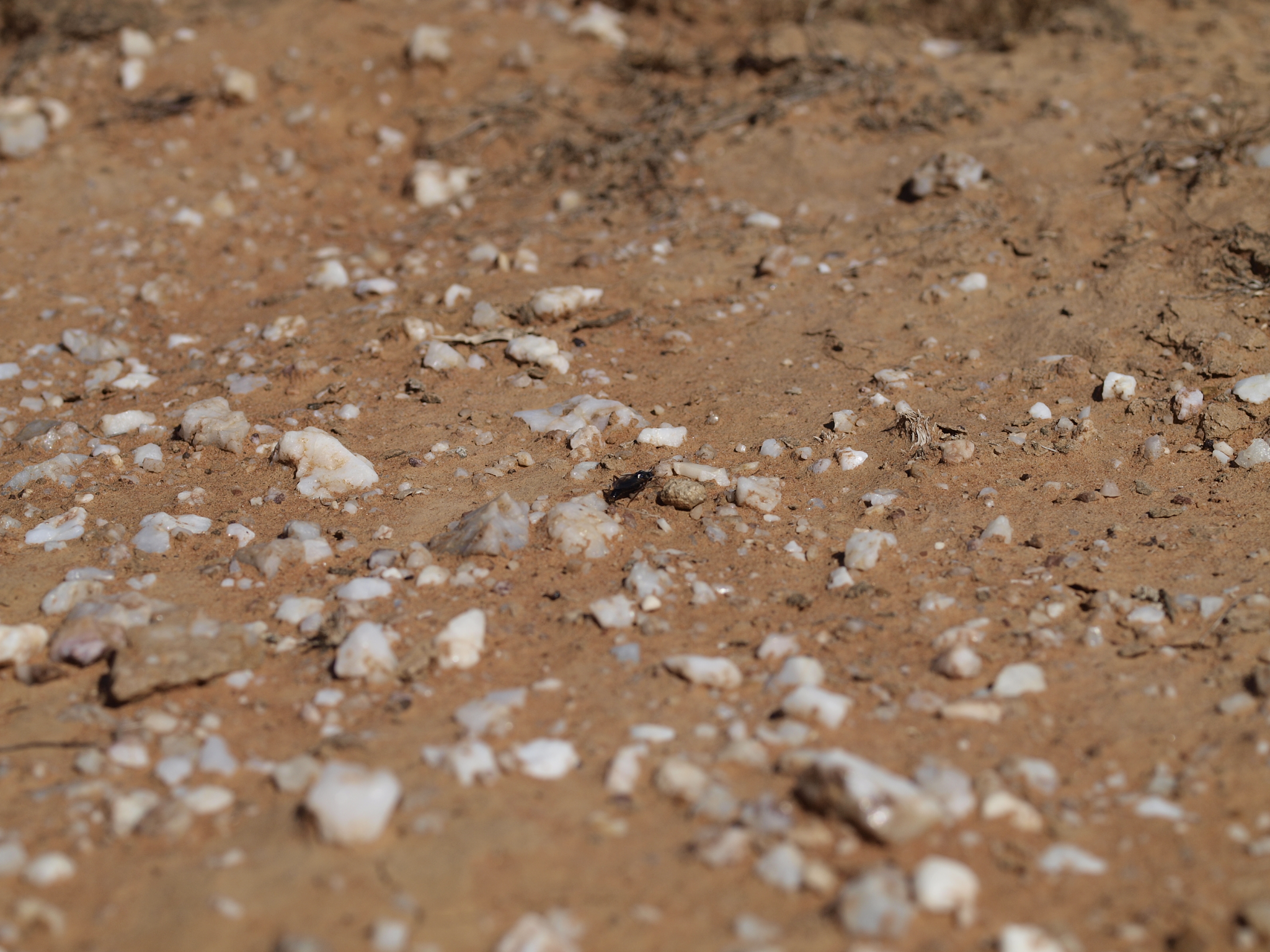
Based on observations from the TreeOfLife-200M dataset, members of the genus Arenomydas exhibit typical characteristics of the family Mydidae.[1] These flies are generally robust in form. Visible traits include a distinct, elongated body structure and prominent, often clubbed antennae, which are characteristic of mydid flies. The coloration observed in specimens ranges from dark, sometimes blackish tones to lighter, more varied patterns depending on the specific species.[1]
General Information
Arenomydas is a genus of flies within the family Mydidae, first described by A.J. Hesse in 1969 in his work on the Mydaidae of Southern Africa.[2] The family Mydidae itself is a relatively small group of flies, comprising nearly 500 described species with a nearly worldwide distribution, typically inhabiting warm, arid, or semi-arid climates.[3]
While the specific biology of Arenomydas is not extensively documented, adult mydid flies are generally considered to be nectarophagous or pollen-feeders that visit flowers. The larvae of Mydidae are known to be predators of other insect larvae and pupae, particularly those of beetles, found in soil, wood, or the nests of ants, termites, or mammals.[3]
Gallery
References
- 1 2 3 Dataset view for Animalia / Arthropoda / Insecta / Diptera / Mydidae / Arenomydas constructed from imageomics/TreeOfLife-200M records under this taxonomic path. Hugging Face Datasets. https://huggingface.co/datasets/imageomics/TreeOfLife-200M.
- ↑ Arenomydas Hesse, 1969. GBIF. https://www.gbif.org/species/1591563. Accessed 2026-07-16.
- 1 2 André Nel; Sonja Wedmann. The first mydid fly (Diptera: Mydidae) from the Paleocene maar of Menat (France). Palaeobiodiversity and Palaeoenvironments. 2024. https://doi.org/10.1007/s12549-024-00613-6.