Architipula
Architipula is a genus of extinct crane flies within the family Limoniidae, primarily known from the Jurassic Period. It is considered the largest genus within the subfamily Architipulinae, containing approximately 50 described species.
Taxonomy
This page represents the following TreeOfLife-200M taxonomic path.[1]
- Kingdom: Animalia
- Phylum: Arthropoda
- Class: Insecta
- Order: Diptera
- Family: Limoniidae
- Genus: Architipula
Visual Description
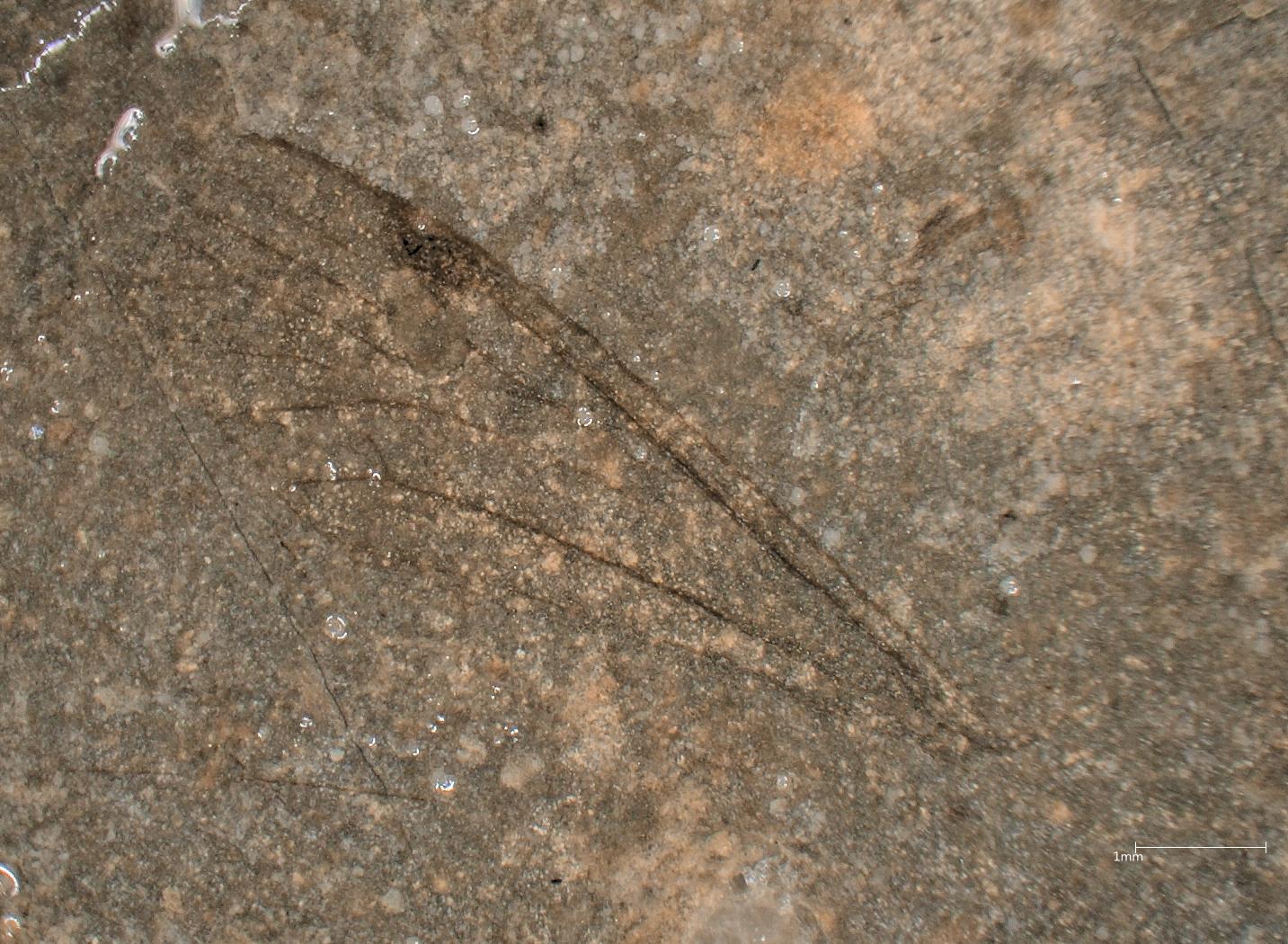
Based on fossil specimens, Architipula is characterized by its wing morphology. Observations from the TreeOfLife-200M dataset reveal the preserved venation patterns typical of these fossilized insects, which are essential for their identification.[1] The wings exhibit a long radial sector (Rs) and a distinctively indented discal cell (d-cell) in its basal region.[2]
Characteristics and Distribution
The genus was established by Handlirsch in 1906.[3] Its diagnostic features include:
- Vein Sc ends after the fork of Rs into R2+3+4 and R5.[2]
- The d-cell is deeply indented basally, with the upper part 1.5–2 times longer than the lower part.[2]
- Cross-vein m-m is distinctly inclined, and vein M3 is typically sinuous.[2]
The oldest known representative is A. youngi from the Norian (Upper Triassic) of North America.[2] The genus is particularly well-represented in the Lower Jurassic (Toarcian) deposits of Europe, including Germany and England.[2]
Gallery
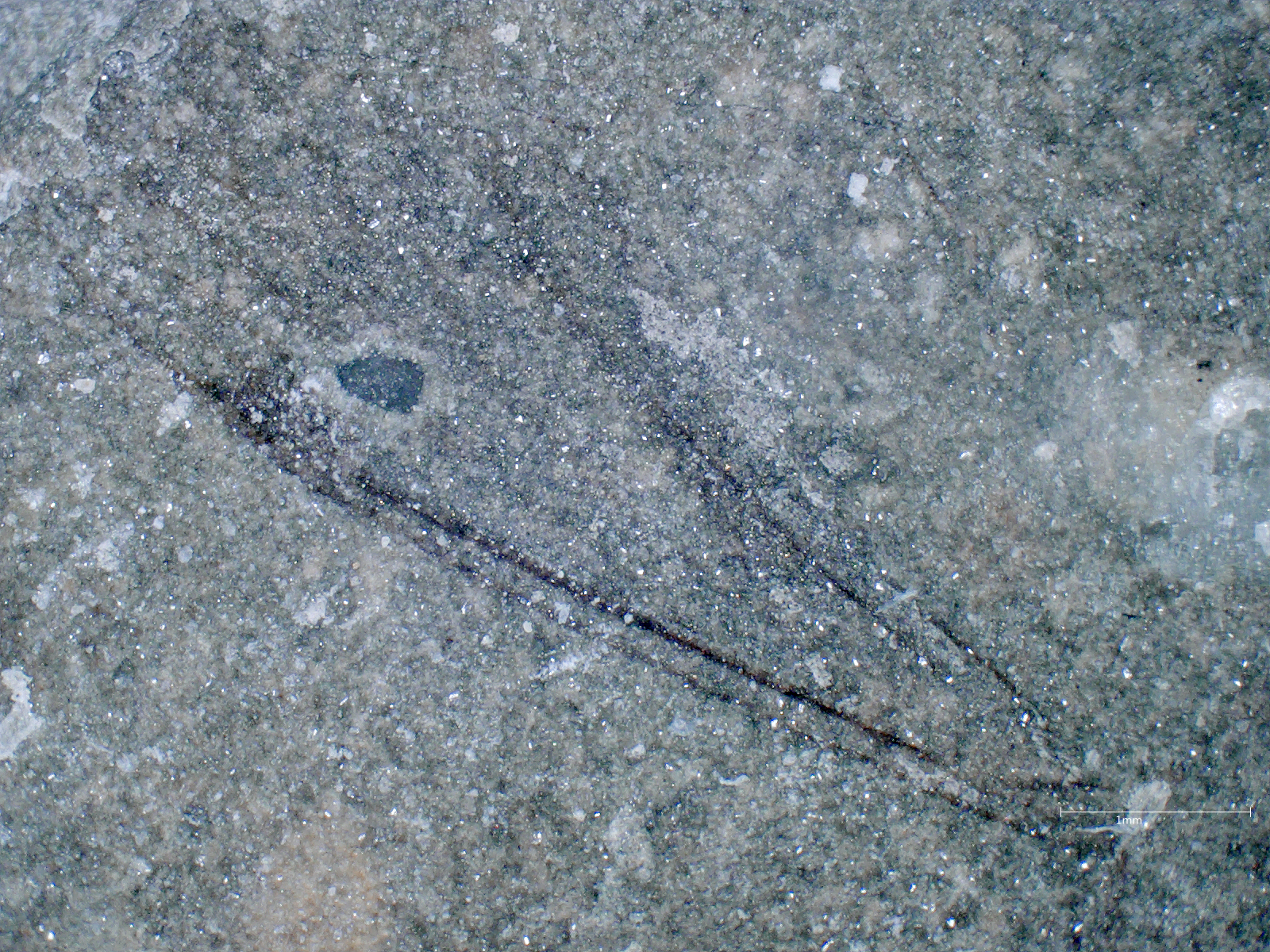
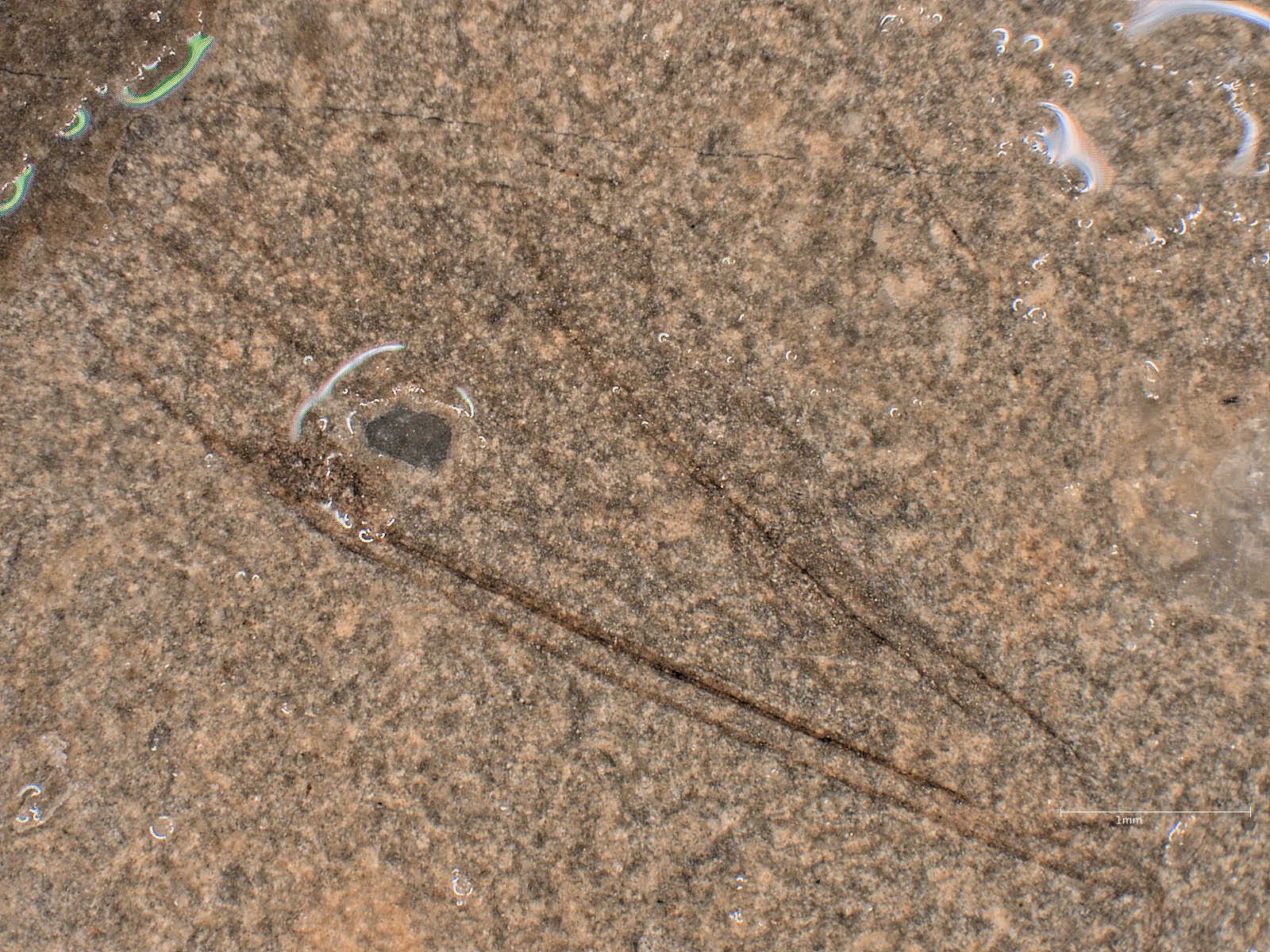
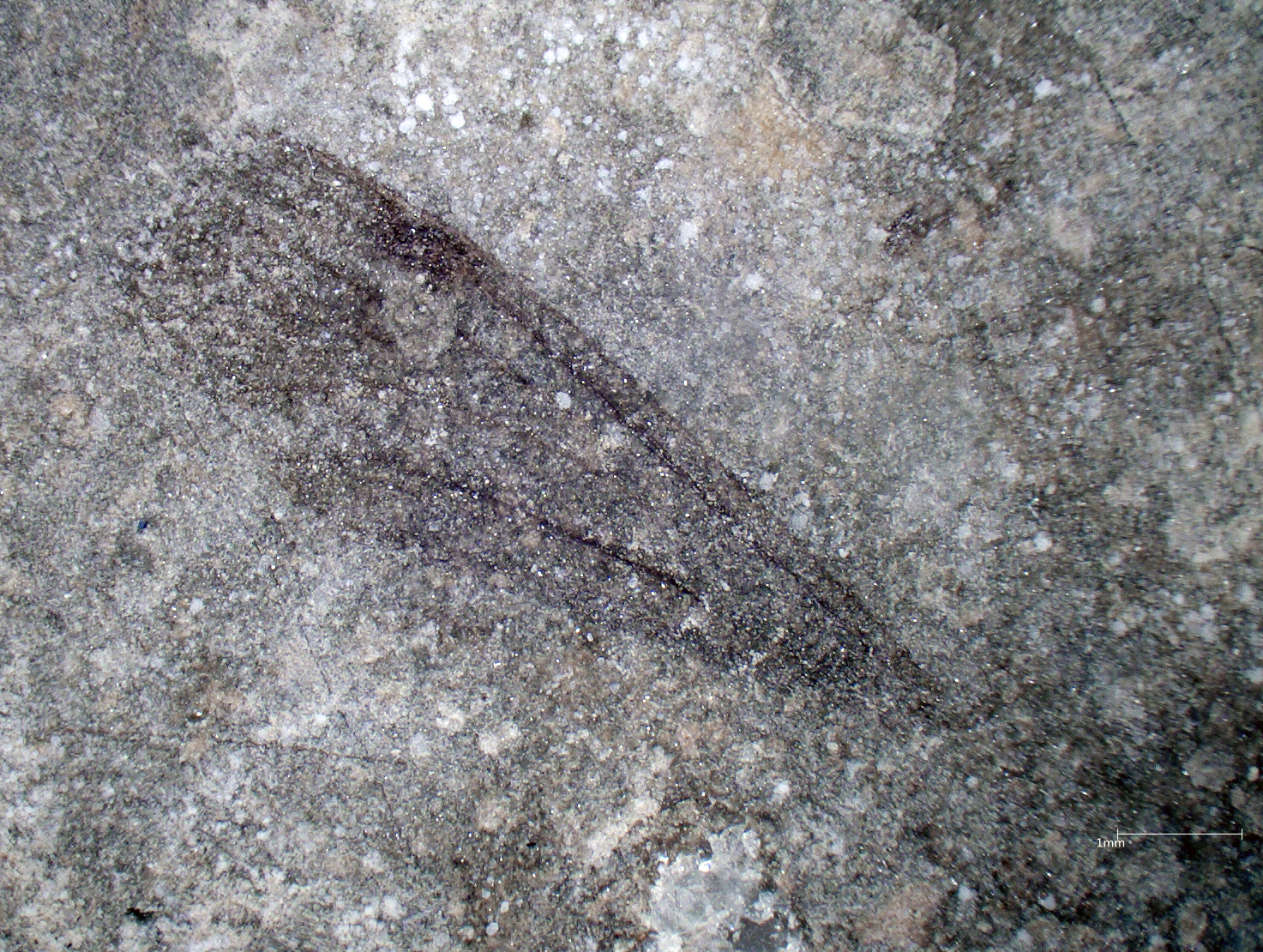
References
- 1 2 Dataset view for Animalia / Arthropoda / Insecta / Diptera / Limoniidae / Architipula constructed from imageomics/TreeOfLife-200M records under this taxonomic path. Hugging Face Datasets. https://huggingface.co/datasets/imageomics/TreeOfLife-200M.
- 1 2 3 4 5 6 Katarzyna Kopeć; Wiesław Krzemiński; Kamil Skowron; Robert A. Coram. The genera Architipula Handlirsch, 1906 and Grimmenia Krzemiński and Zessin, 1990 (Diptera: Limoniidae) from the Lower Jurassic of England. Palaeontologia Electronica. 2017. https://doi.org/10.26879/637.
- ↑ Architipula Handlirsch, 1906. GBIF. https://www.gbif.org/species/4790638. Accessed 2026-07-16.