Archilestris wenzeli
Taxonomy
This page represents the following TreeOfLife-200M taxonomic path.[1]
- Kingdom: Animalia
- Phylum: Arthropoda
- Class: Insecta
- Order: Diptera
- Family: Asilidae
- Genus: Archilestris
- Species: Archilestris wenzeli
Visual Description
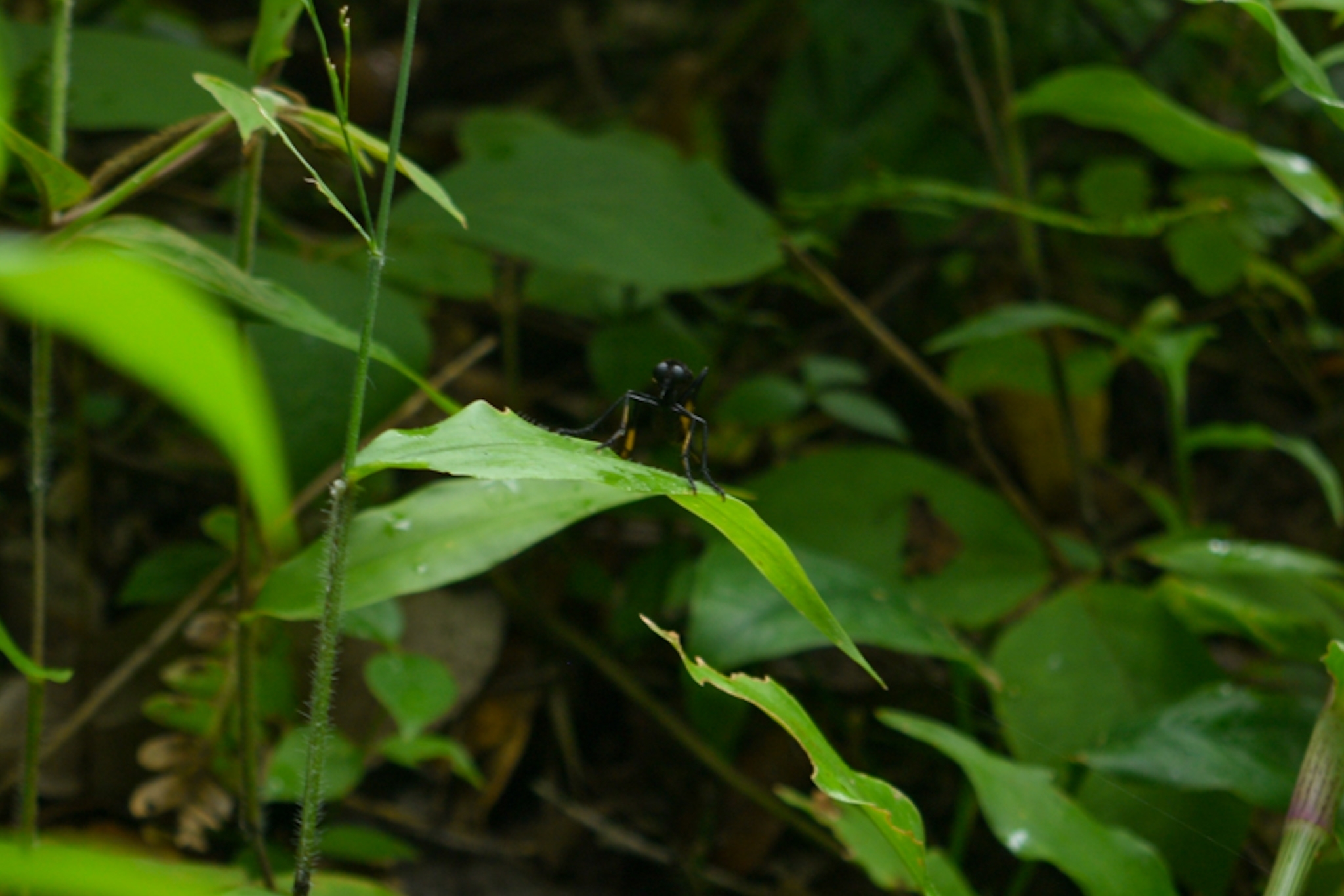
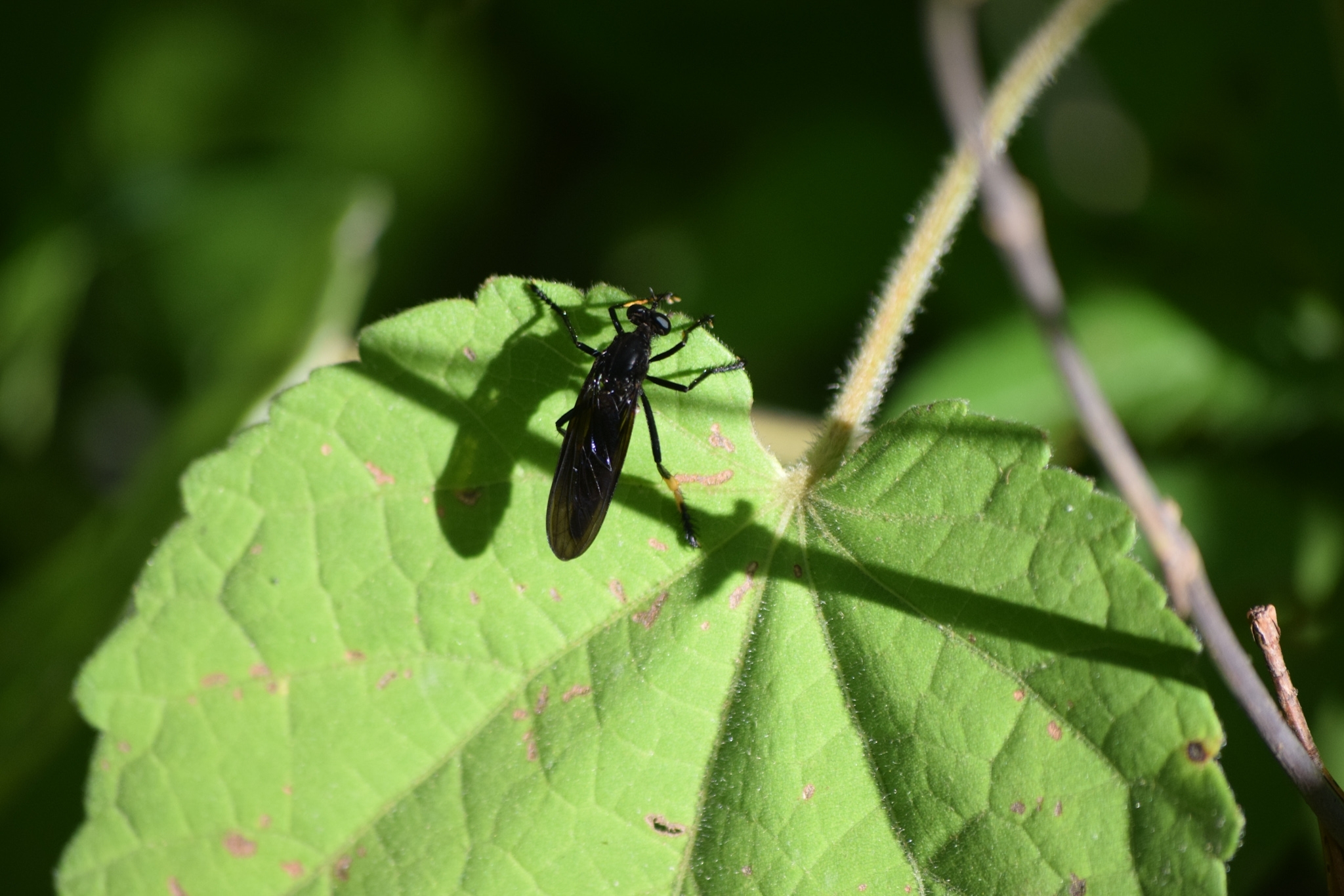
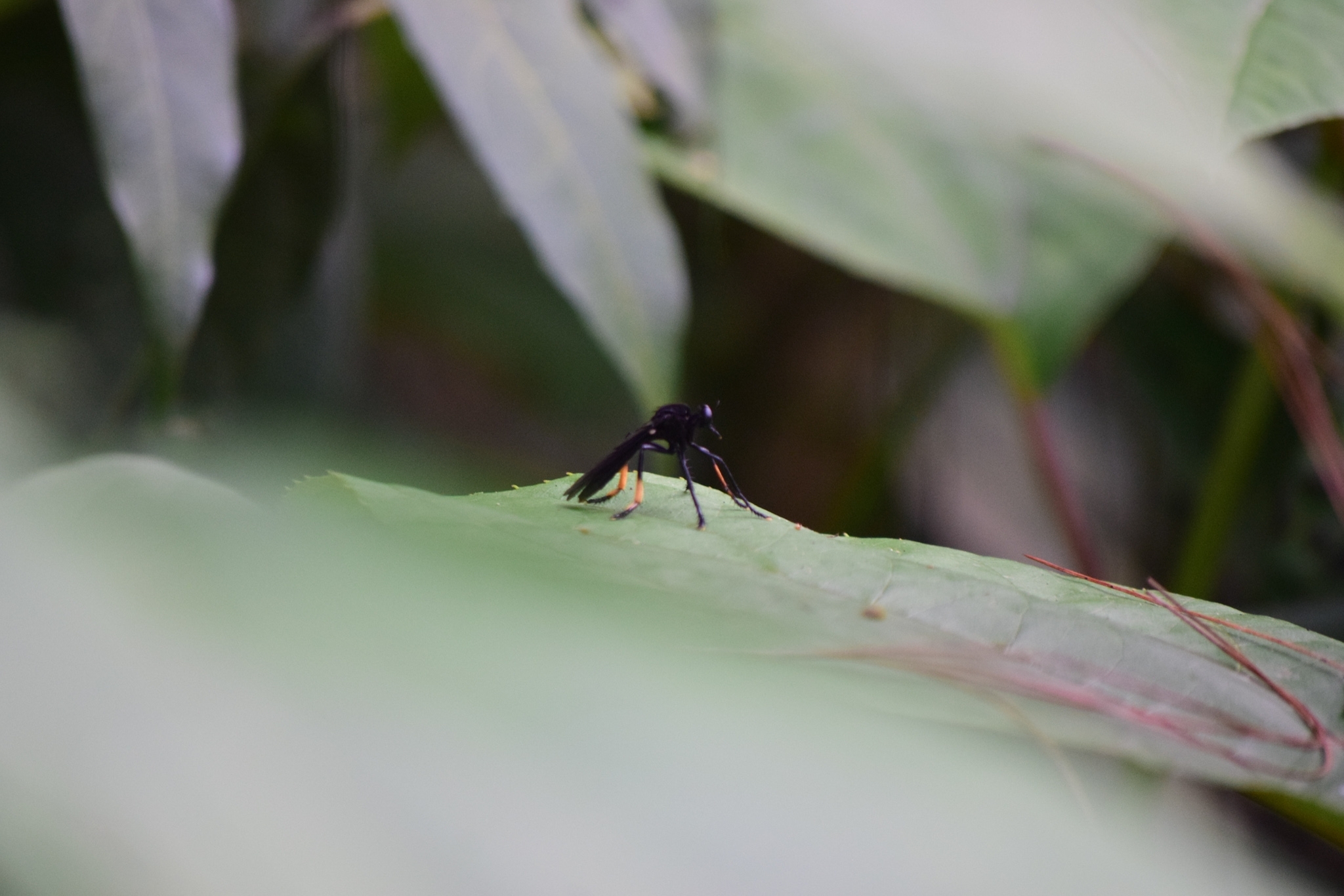
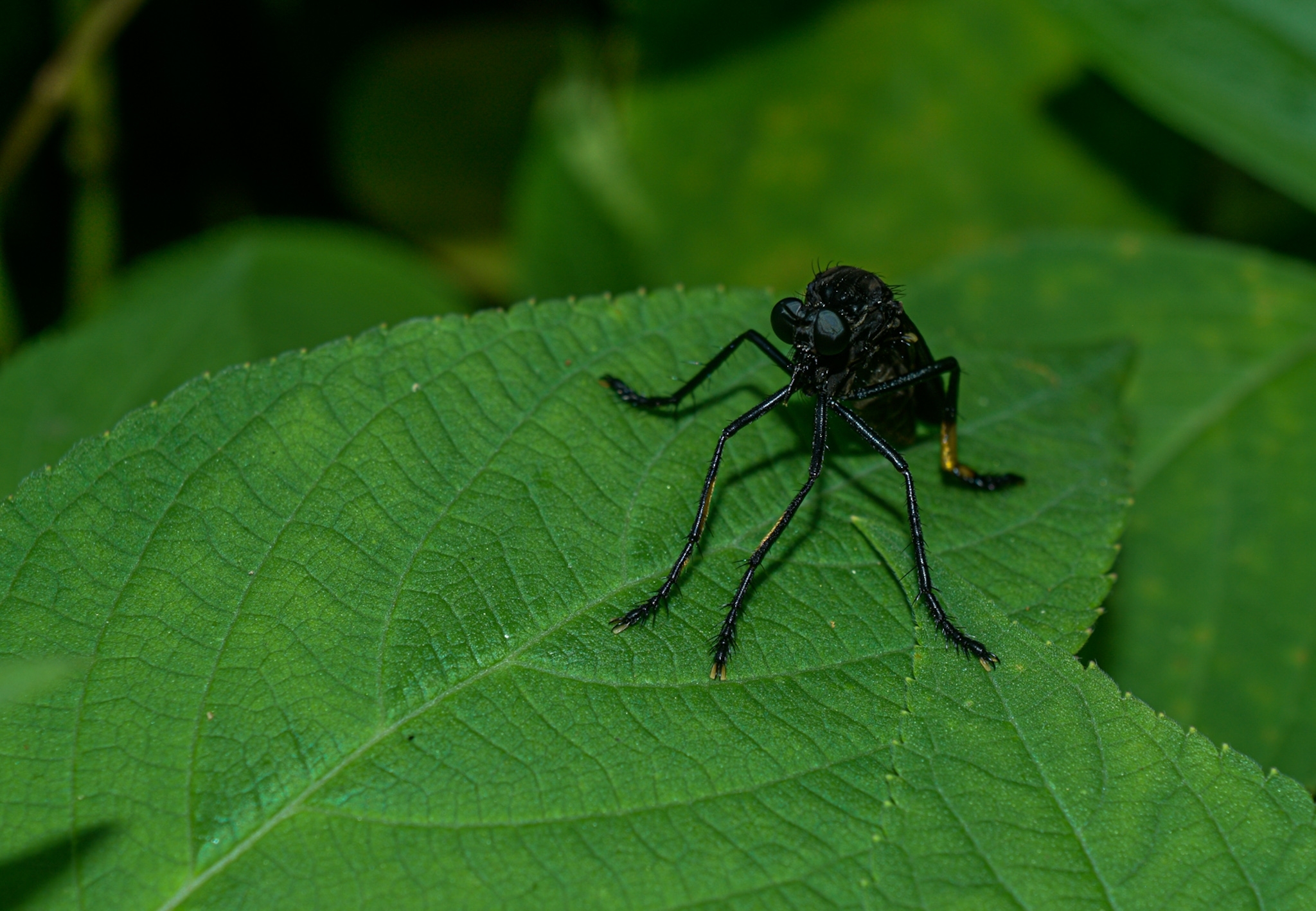
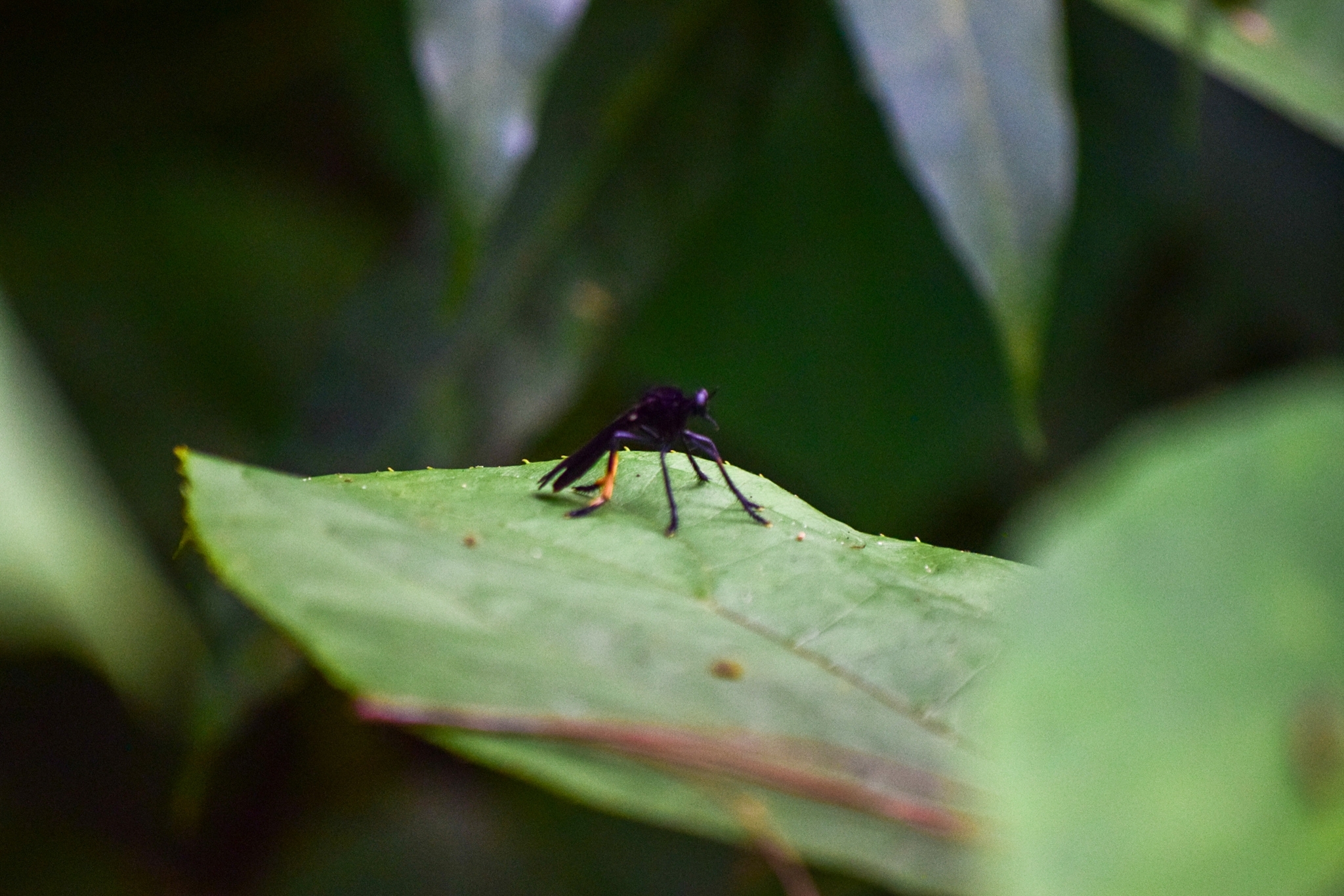
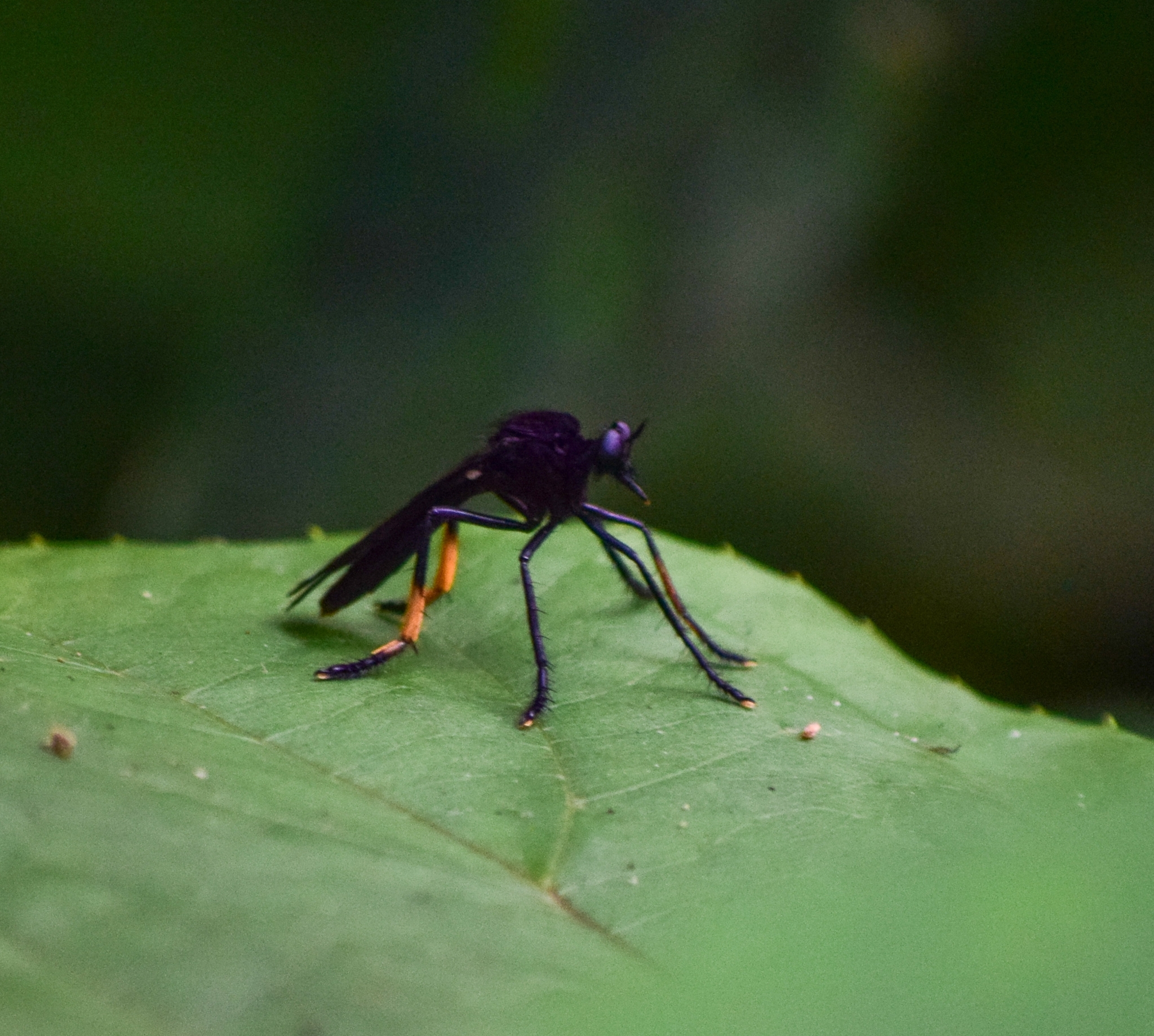
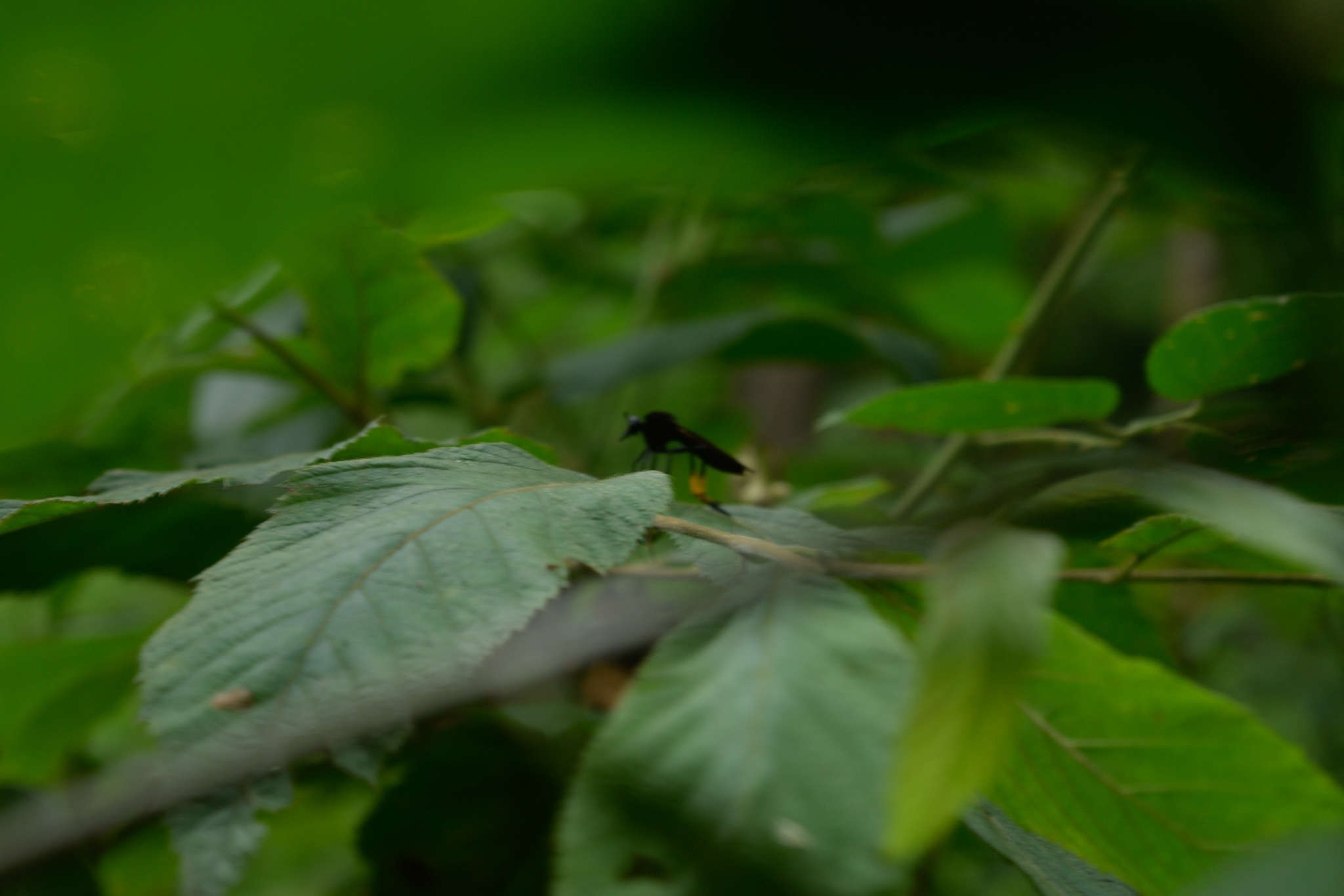
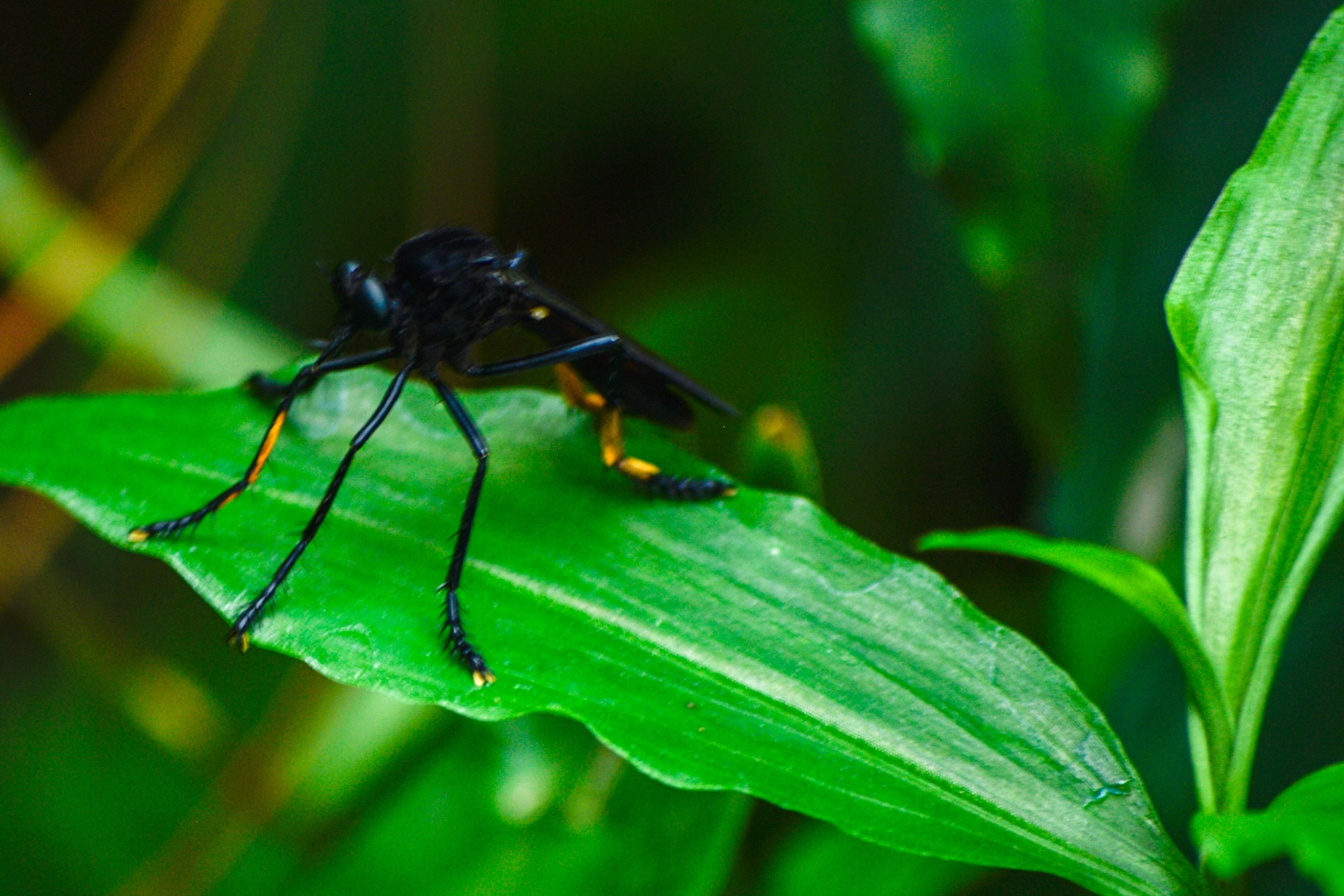
Archilestris wenzeli is a robust robber fly characterized by a predominantly black appearance. Observations from the TreeOfLife-200M dataset indicate that the body is covered in dark, often black, vestiture, including black bristles and hairs on the head and abdomen.[1] The head features a black mystax, and the thorax is marked by ochre-brownish pollinosity. A diagnostic feature of the genus, visible in high-resolution specimens, is the third antennal segment, which possesses a spoon-shaped apical concavity bearing a spine. The legs are generally black, with specialized golden-yellowish hairs arranged in horizontal rows on the ventral surface of the hind tibiae and hind metatarsus.[2]
Biology and Distribution
Archilestris wenzeli was described by Papavero and Bernardi in 1974 from specimens collected in Guatemala.[3] It is considered an intermediate species within the genus Archilestris, bridging the gap between South American species groups and the more derived North American A. magnifica. Morphologically, it shares a narrow face with South American relatives while exhibiting derived antennal structures similar to A. magnifica. The species is hypothesized to inhabit forest environments in Central America. Adults typically reach a body length of 21–24 mm, with a wing length of 18–19 mm.[2]
Gallery
References
- 1 2 Dataset view for Animalia / Arthropoda / Insecta / Diptera / Asilidae / Archilestris / wenzeli constructed from imageomics/TreeOfLife-200M records under this taxonomic path. Hugging Face Datasets. https://huggingface.co/datasets/imageomics/TreeOfLife-200M.
- 1 2 Nelson Papavero; Nelson Bernardi. Archilestris Loew in the Americas, with the description of two new neotropical species (Diptera, Asilidae, Stenopogoninae). Papéis Avulsos de Zoologia. 1974. https://doi.org/10.11606/0031-1049.1974.27.p263-278.
- ↑ Archilestris wenzeli Papavero & Bernardi, 1974. GBIF. https://www.gbif.org/species/1663343. Accessed 2026-07-14.