Archiceroptera
Taxonomy
This page represents the following TreeOfLife-200M taxonomic path.[1]
- Kingdom: Animalia
- Phylum: Arthropoda
- Class: Insecta
- Order: Diptera
- Family: Sphaeroceridae
- Genus: Archiceroptera
Visual Description
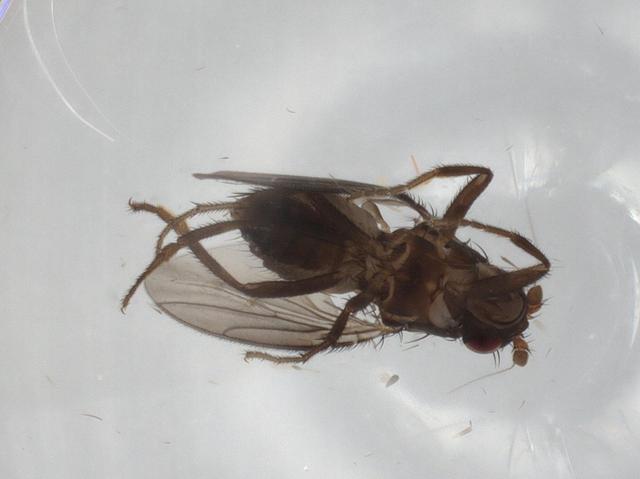
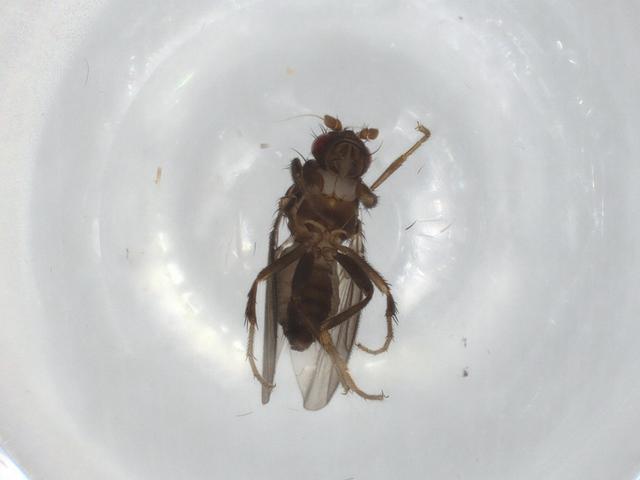
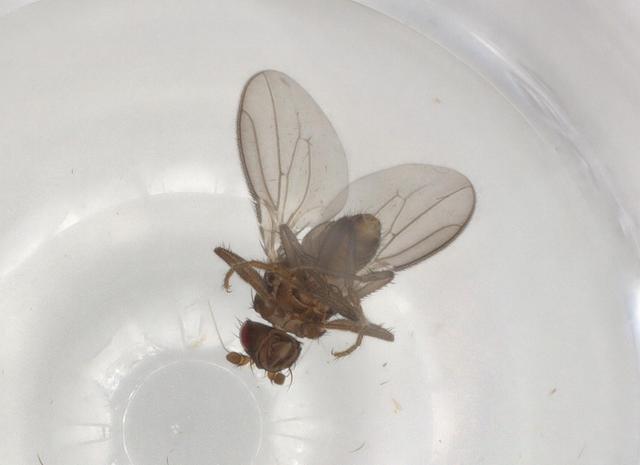
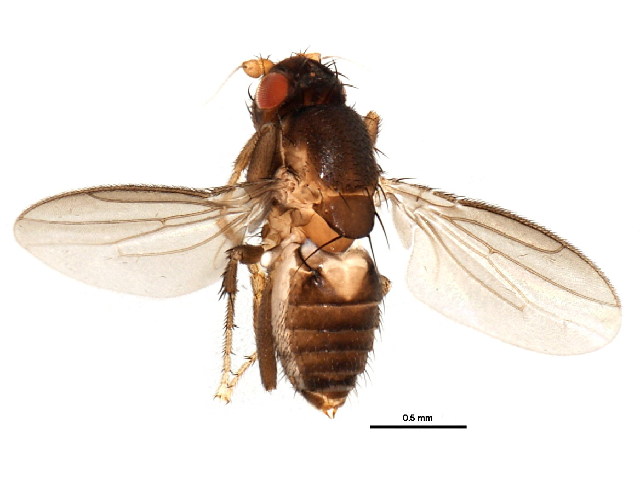
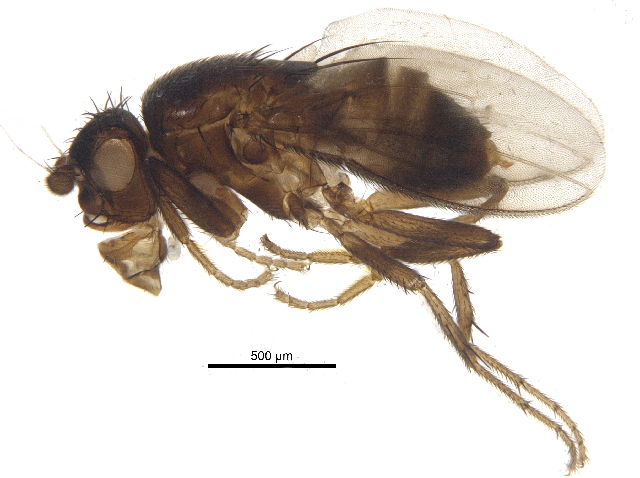
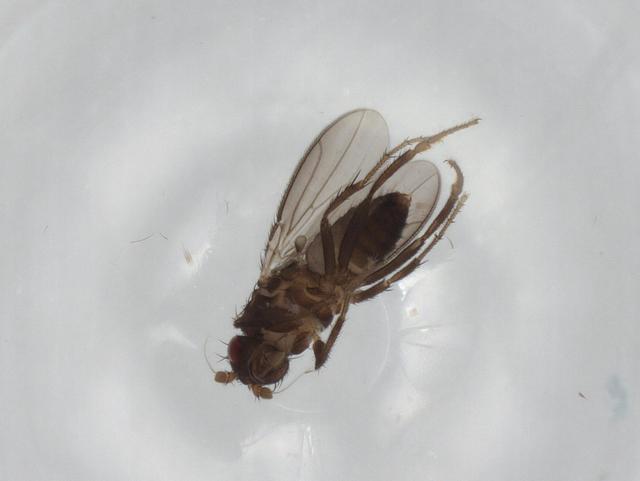
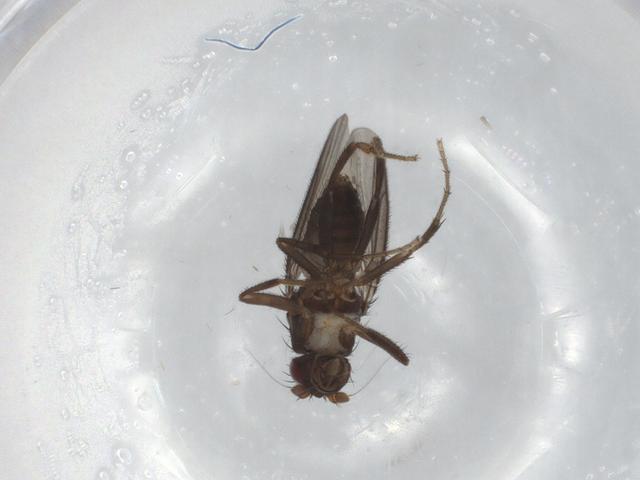
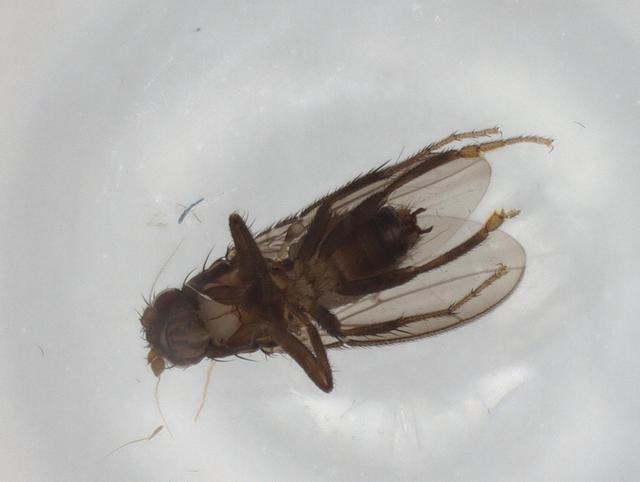
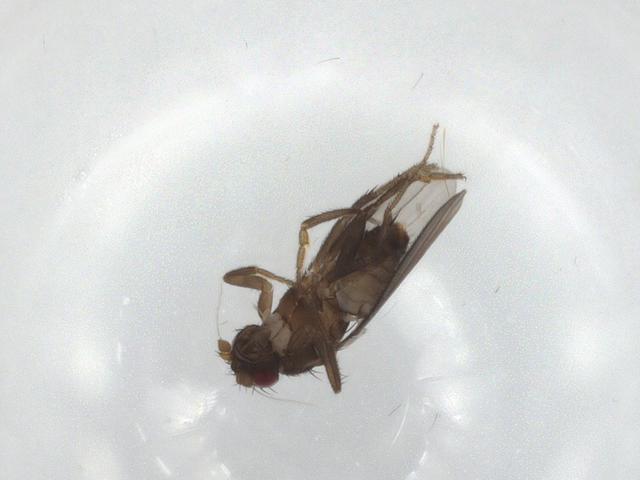
Archiceroptera is a genus of small flies within the family Sphaeroceridae. While specific morphological details vary across the genus, members are generally characterized by their small size and specific wing venation patterns, such as the M1 vein extending as a pseudovein to the wing margin.[2] Observations of museum specimens from the TreeOfLife-200M dataset reveal typical sphaerocerid body forms, including a compact thorax and abdomen, and dark, often brownish or blackish, coloration.[1]
Biology and Classification
Archiceroptera was described by Papp in 1977.[3] It is a member of the "Archiceroptera genus complex," a large, predominantly Neotropical clade within the subfamily Limosininae. This complex also includes genera such as Rudolfina, Robustagramma, Pterogramma, Aptilotella, Bitheca, and Bromeloecia.[2]
Members of this complex share a unique morphological trait: a process extending medially from the lower right margin of the epandrium to the hypandrium.[2] Archiceroptera can be distinguished from related genera like Rudolfina by features of the female terminalia (e.g., a medially desclerotized epiproct), wing venation (e.g., M1 extending as a pseudovein), male genitalia (e.g., a free cercus with a ventral process), and chaetotaxy (e.g., five or more dorsal mid-tibial setae).[2]
Gallery

References
- 1 2 Dataset view for Animalia / Arthropoda / Insecta / Diptera / Sphaeroceridae / Archiceroptera constructed from imageomics/TreeOfLife-200M records under this taxonomic path. Hugging Face Datasets. https://huggingface.co/datasets/imageomics/TreeOfLife-200M.
- 1 2 3 4 Steven M. Paiero; Stephen A. Marshall. A revision of the genus Rudolfina Roháček (Sphaeroceridae: Limosininae). European Journal of Taxonomy. 2020. https://doi.org/10.5852/ejt.2020.593.
- ↑ Archiceroptera Papp, 1977. GBIF. https://www.gbif.org/species/1589204. Accessed 2026-07-16.