Archaeosyconidae
Taxonomy
This page represents the following TreeOfLife-200M taxonomic path.[1]
- Kingdom: Animalia
- Phylum: Porifera
- Class: Archaeosyconidae
Visual Description
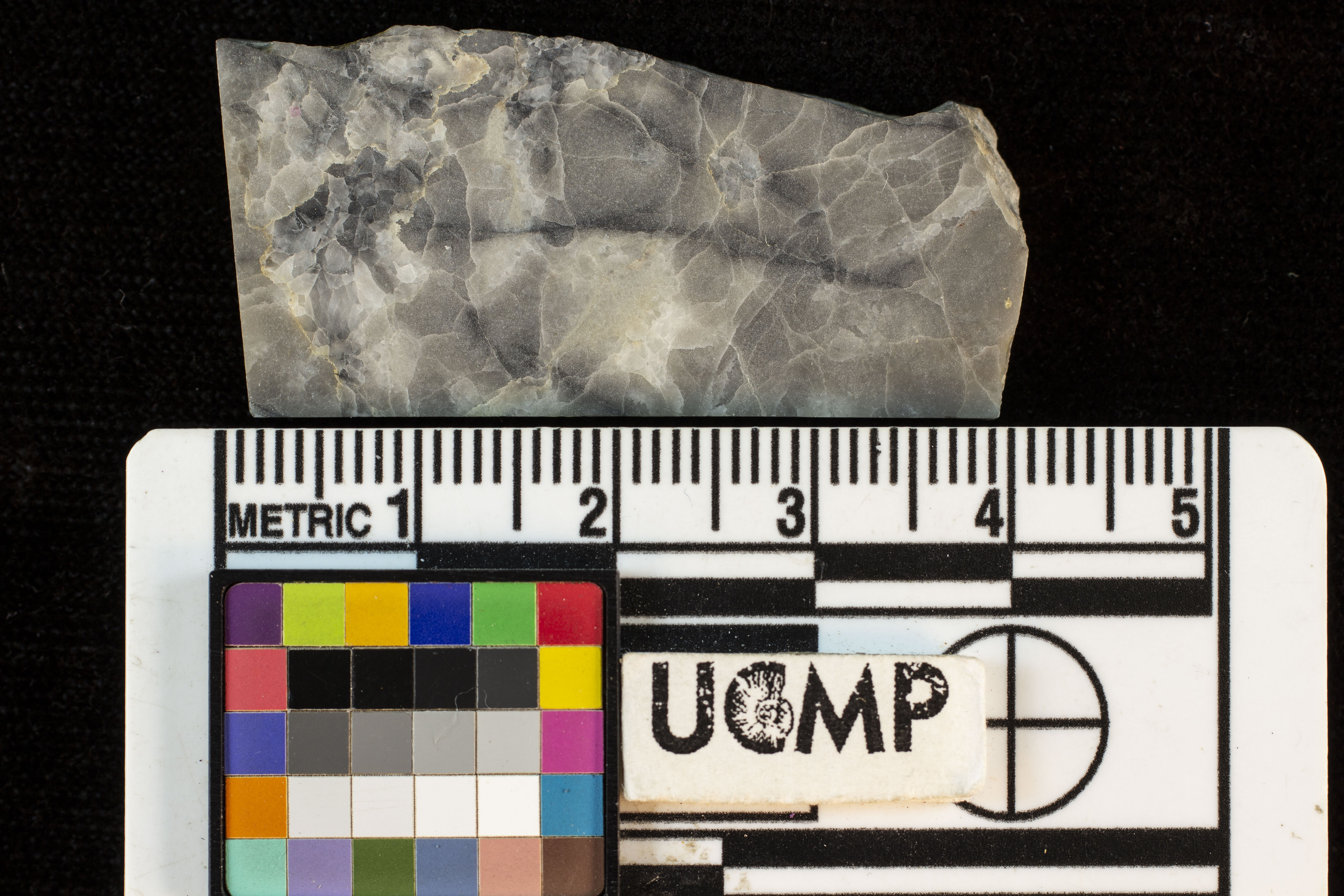
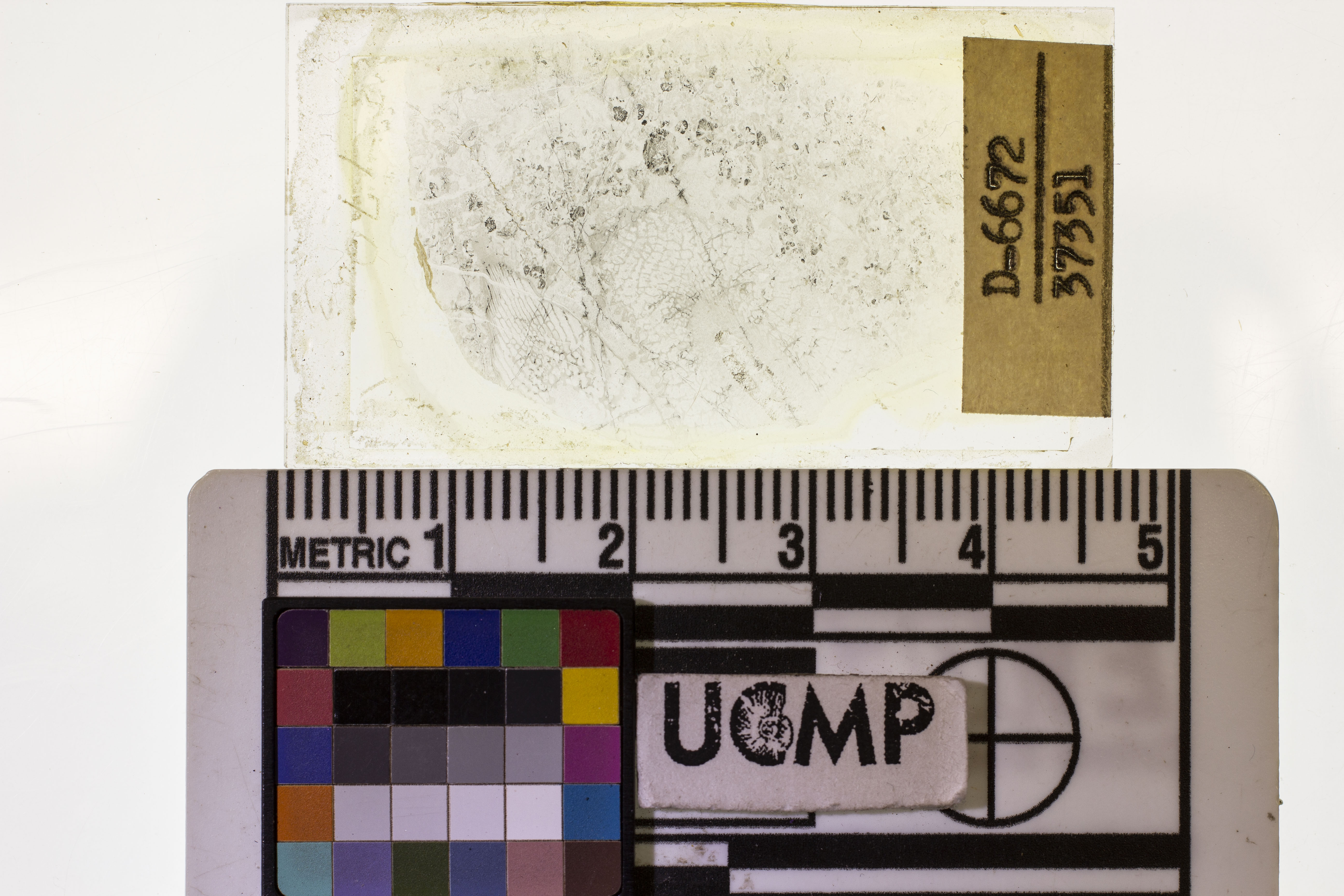
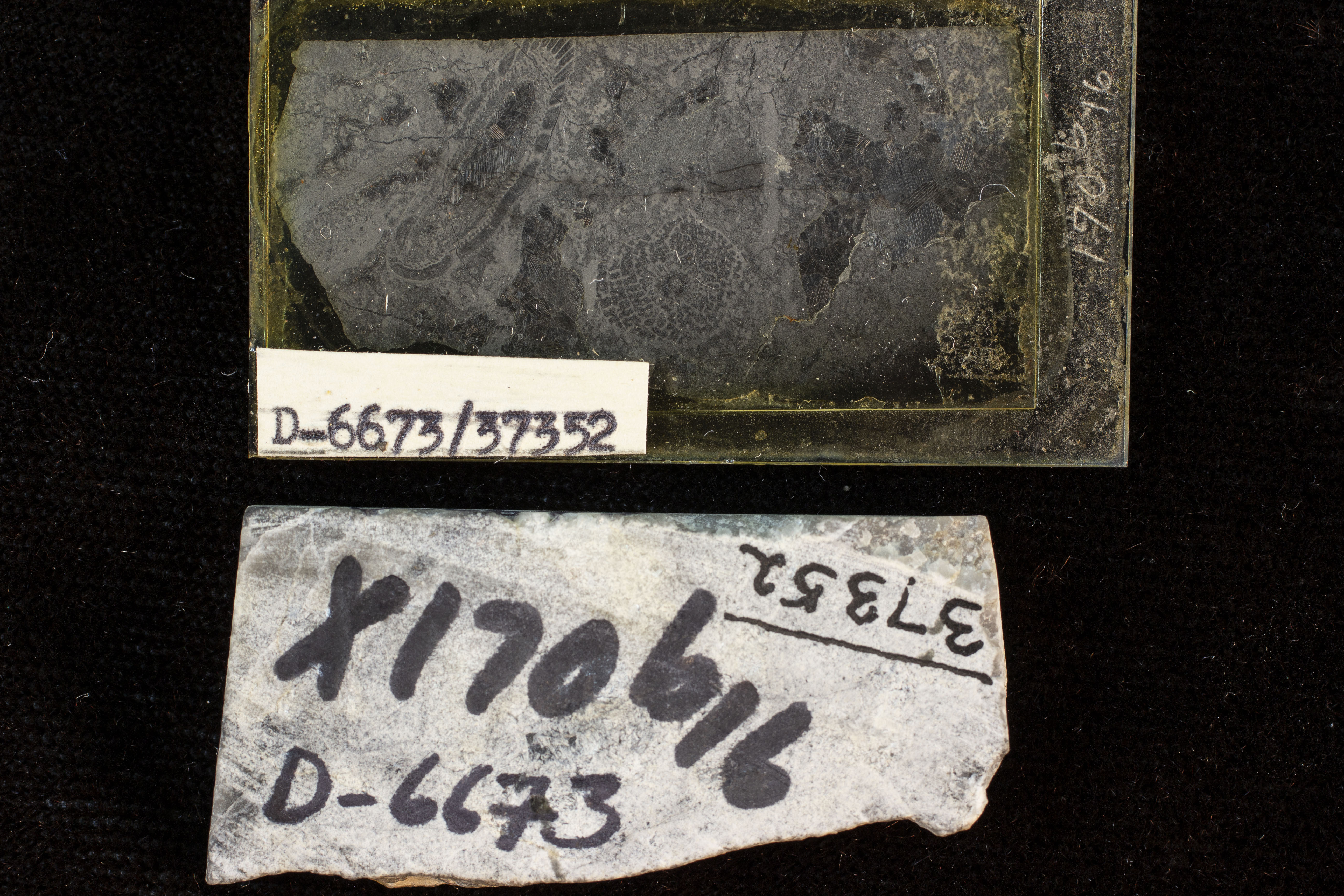
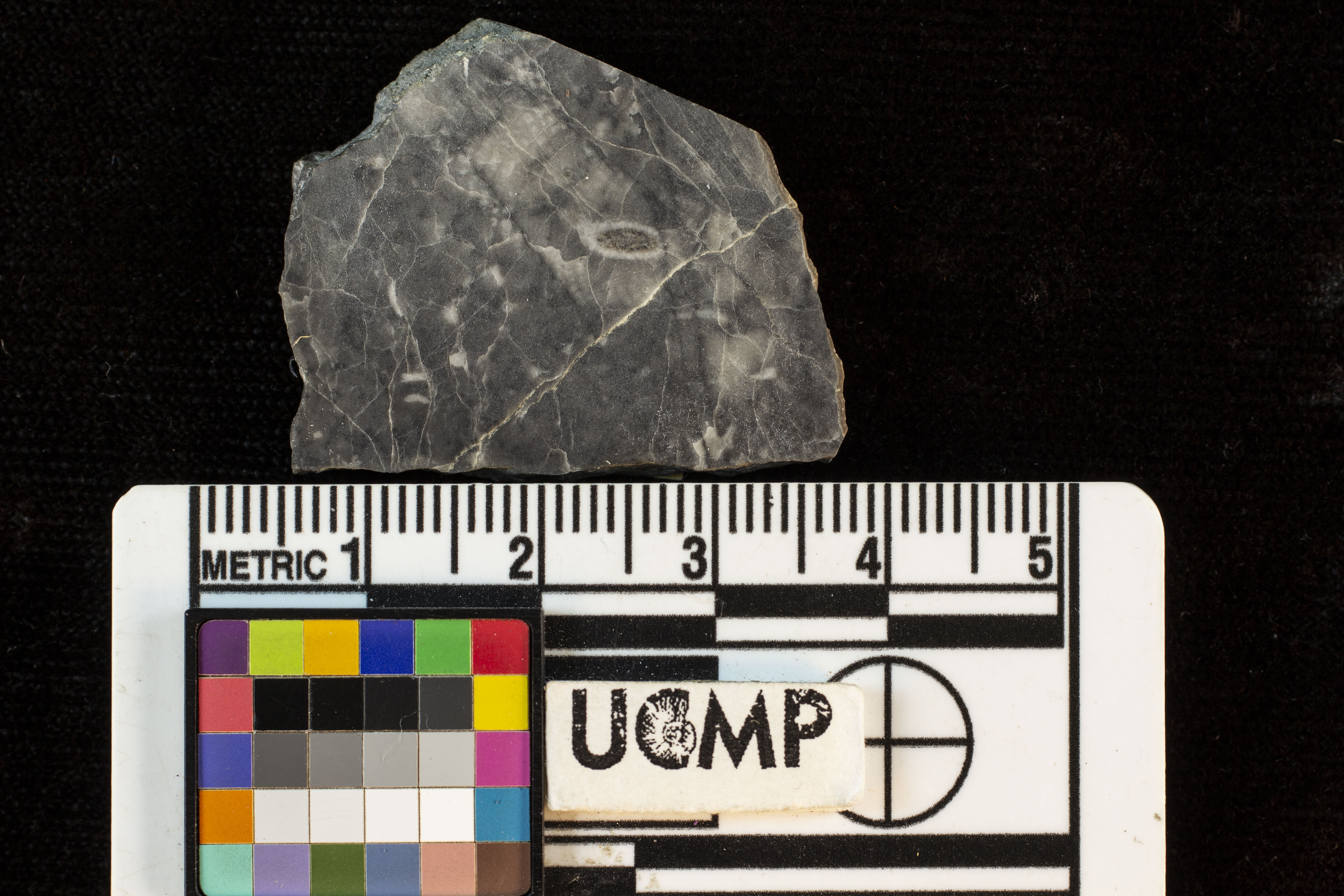
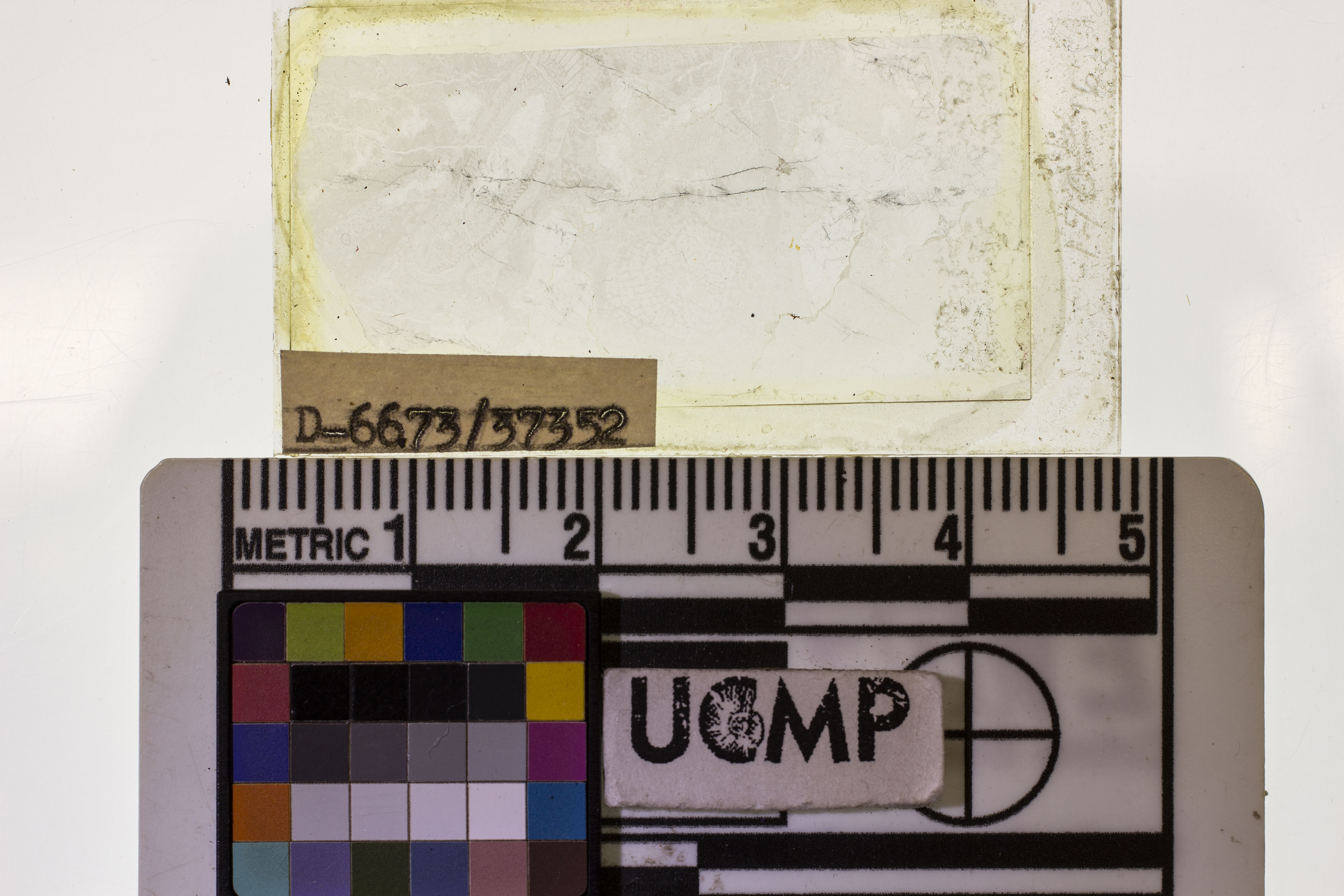
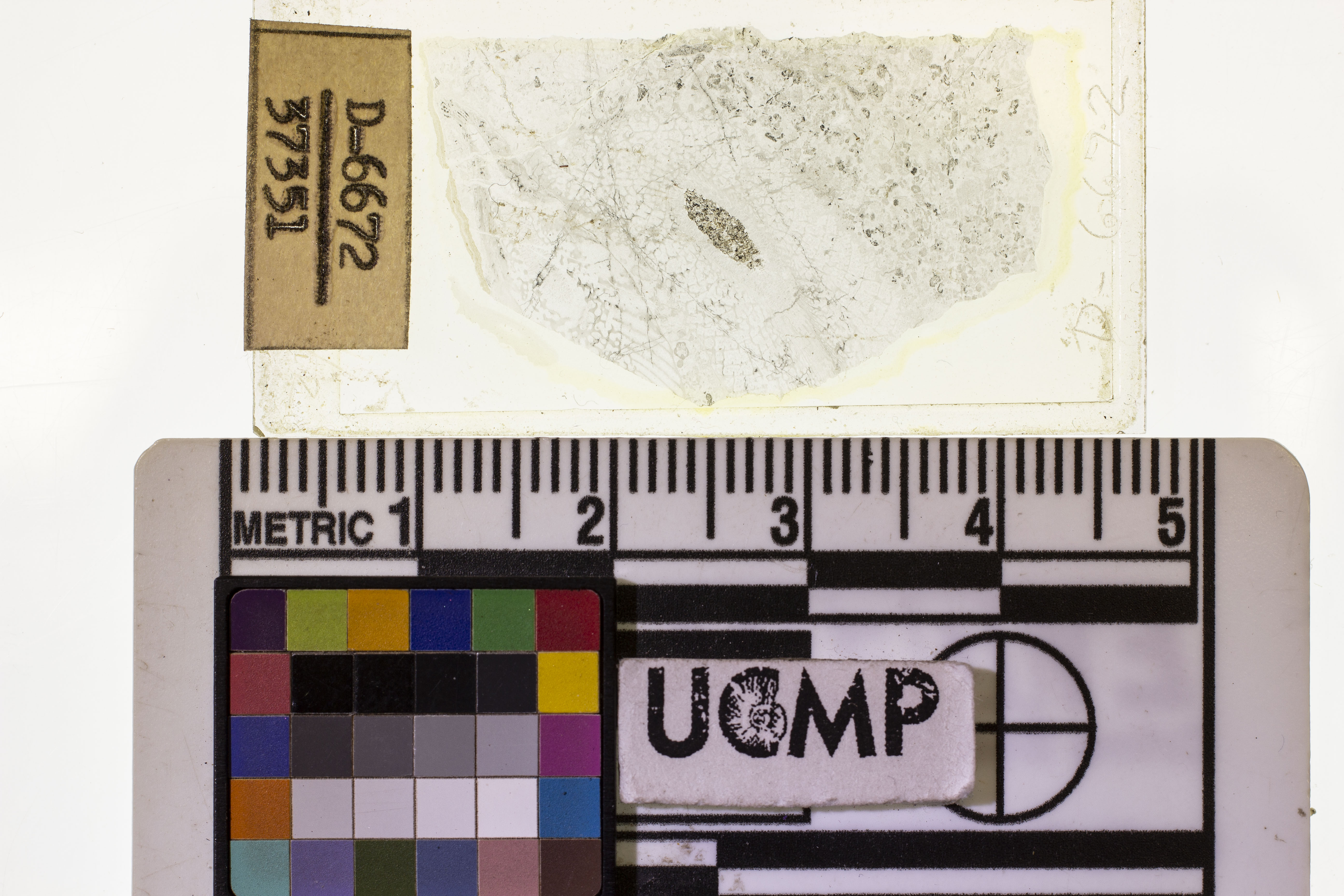
Dataset images for Archaeosyconidae include fossil “sponge cup” specimens (assigned at the dataset level to Archaeosycon). The visible morphology is dominated by a calcareous cup wall surrounding a central/internal cavity; the cup wall surface appears porous/mesh-like, consistent with archaeocyathan cup-wall architectures.
Overview
Archaeosyconidae are Cambrian sponges (class-level concept) characterized by nonspiculate, calcareous cup skeletons with microgranular microstructure. Their cup architecture is generally “archaeocyathan,” typically involving one or two porous walls that bound an internal/central cavity; an intervallum may include porous to aporous septa and associated structural elements (e.g., pseudosepta and related networks). Some taxa may show alternative architectures (chaetetid- or thalamid-like organization). Solitary and modular growth forms are described, and a secondary calcareous skeleton may also occur. [2]
Temporal and Nomenclatural Notes
The class concept is confined to the Cambrian, spanning the Terreneuvian–Furongian interval. The historical “Archaeocyatha” concept and its class-equivalent names/variants are treated in the source, reflecting how this sponge group has been organized and named through time. [2]
Gallery
References
- ↑ Dataset view for Animalia / Porifera / Archaeosyconidae constructed from imageomics/TreeOfLife-200M records under this taxonomic path. Hugging Face Datasets. https://huggingface.co/datasets/imageomics/TreeOfLife-200M.
- 1 2 Françoise Debrenne; Andrey Yu. Zhuravlev; Peter D. Kruse. Treatise Online no. 50: Part E, Revised, Volume 4, Chapter 19: Systematic descriptions: Archaeocyatha. Treatise Online. 2012. https://doi.org/10.17161/to.v0i0.4335.