Archaeocyathus
Taxonomy
This page represents the following TreeOfLife-200M taxonomic path.[1]
- Kingdom: Animalia
- Phylum: Porifera
- Class: Metacyathidae
- Order: Archaeocyathus
Visual Description
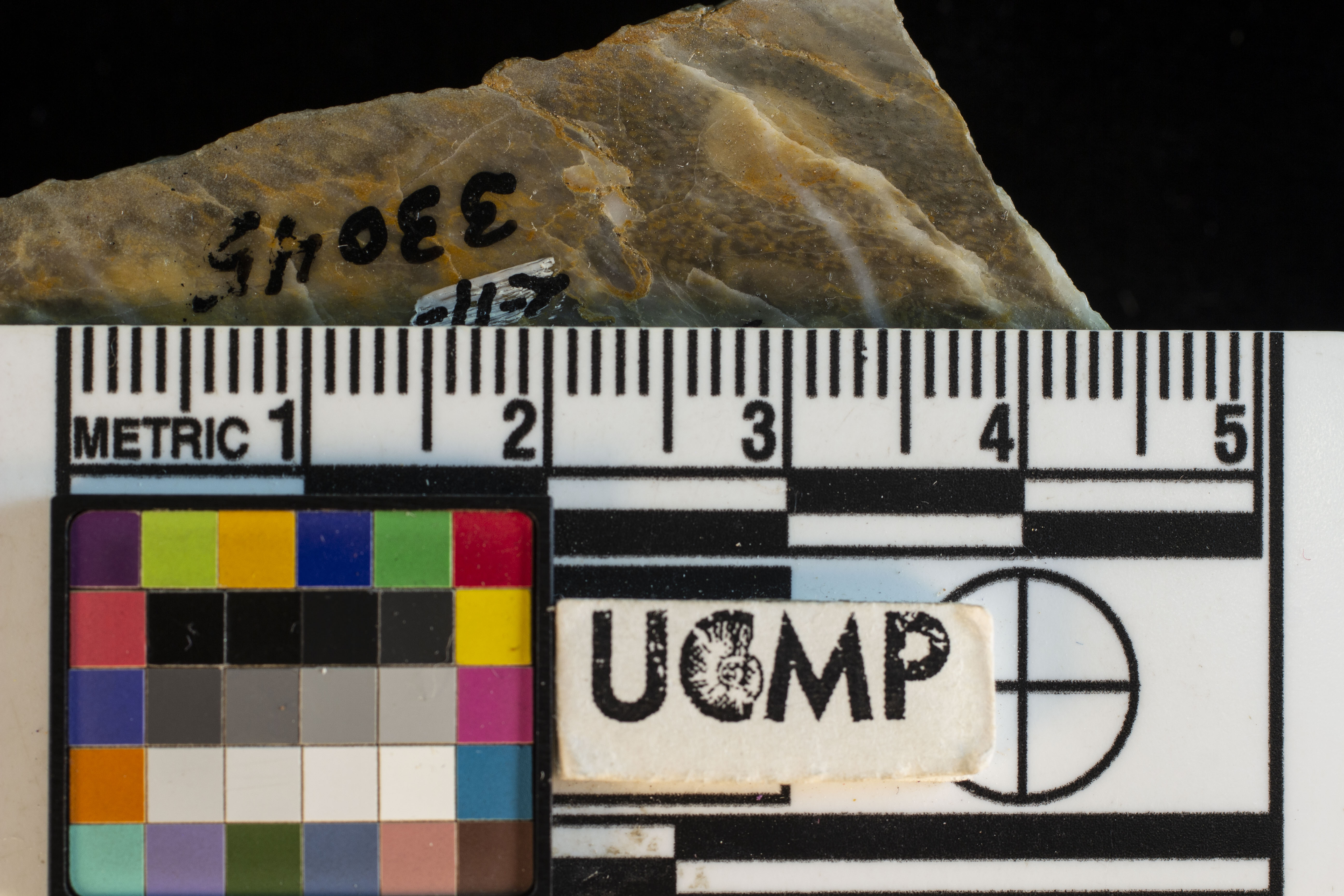
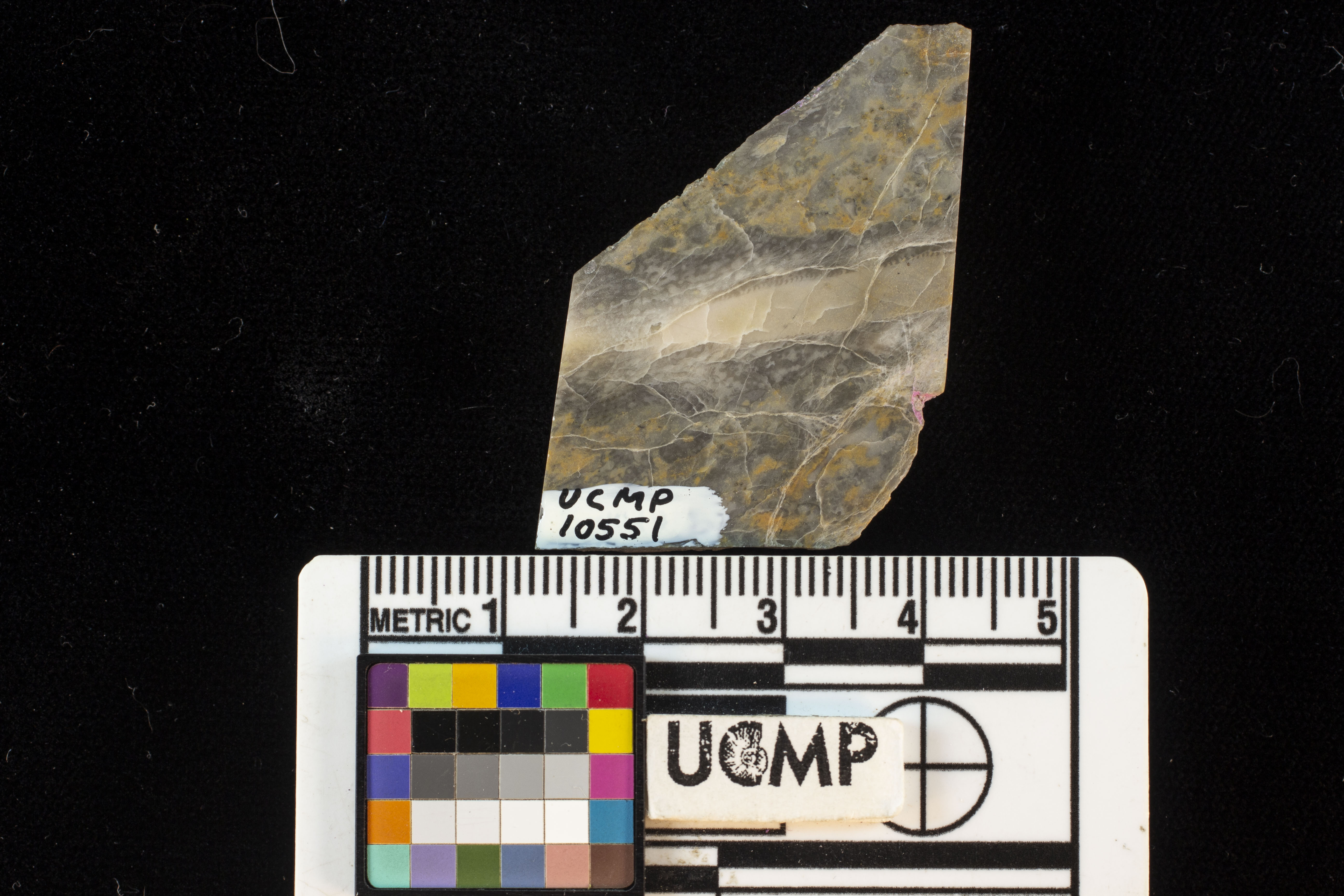
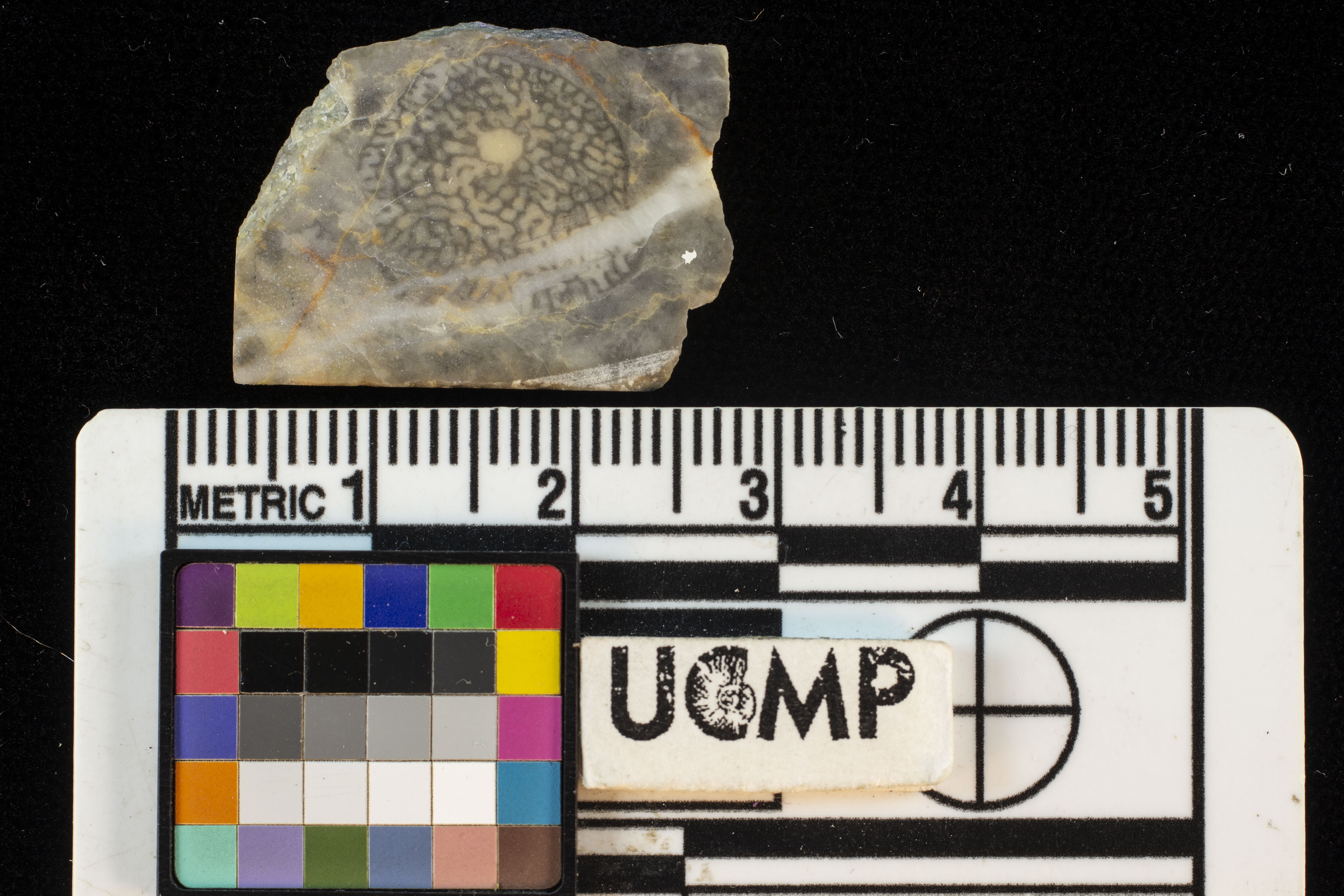
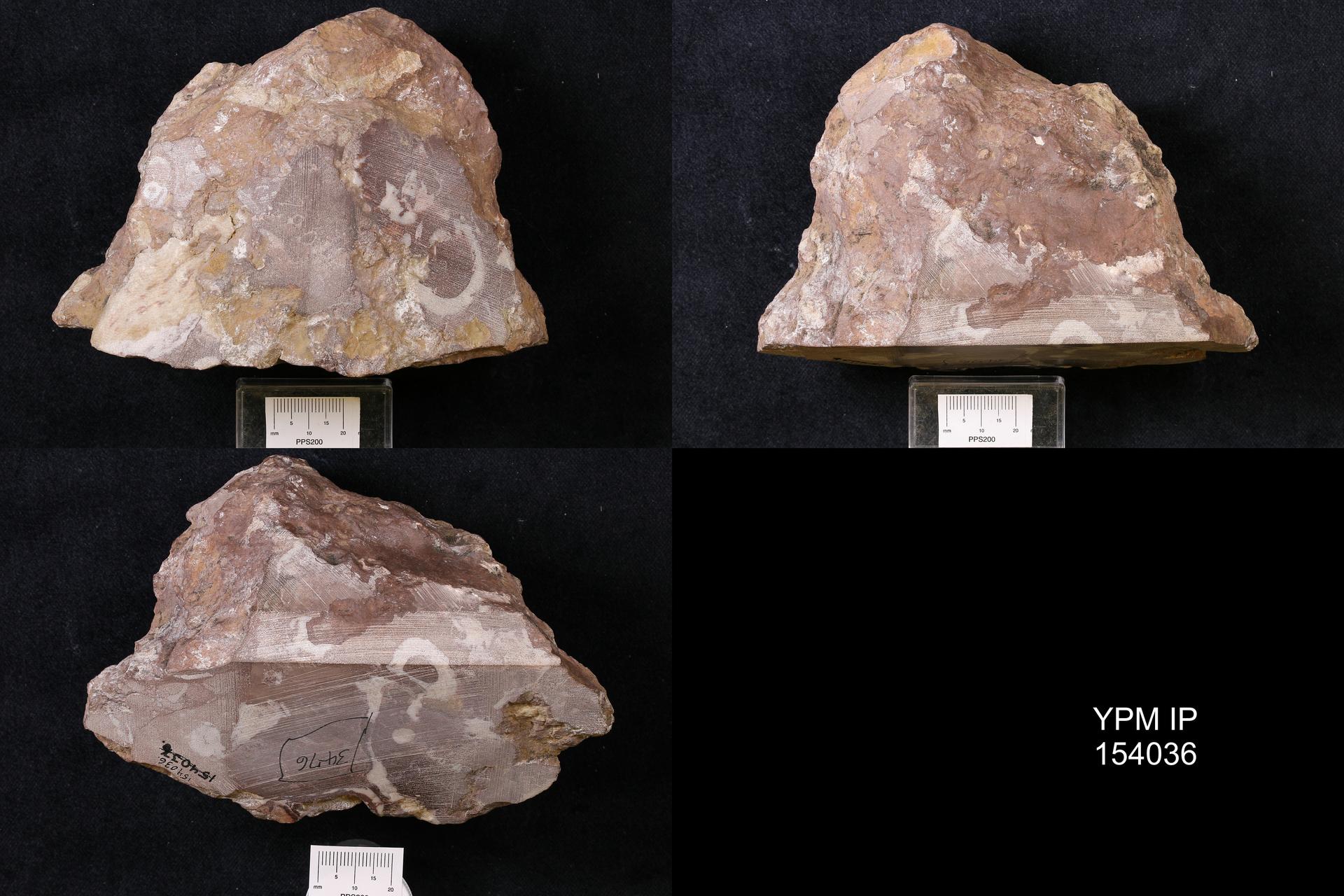
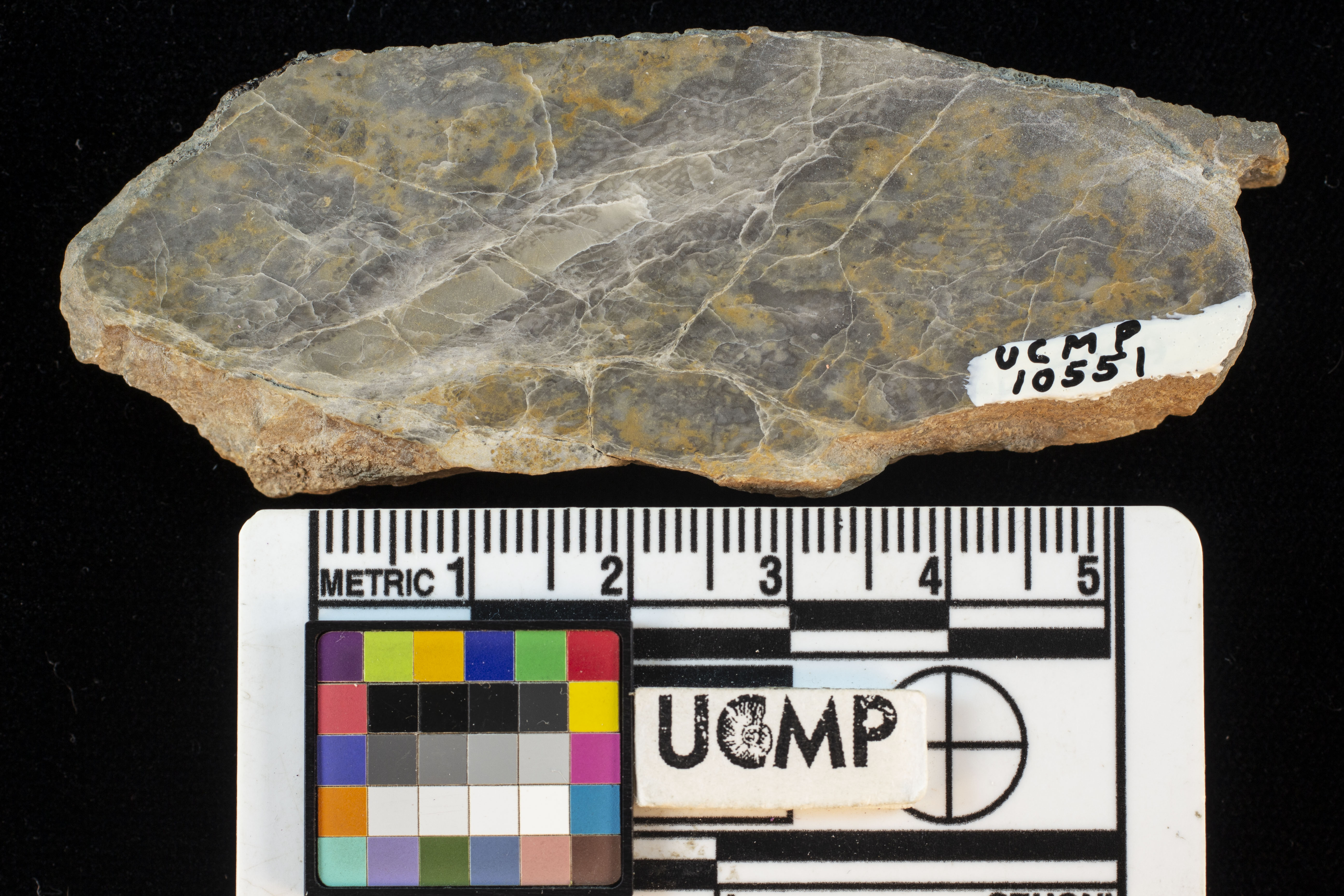
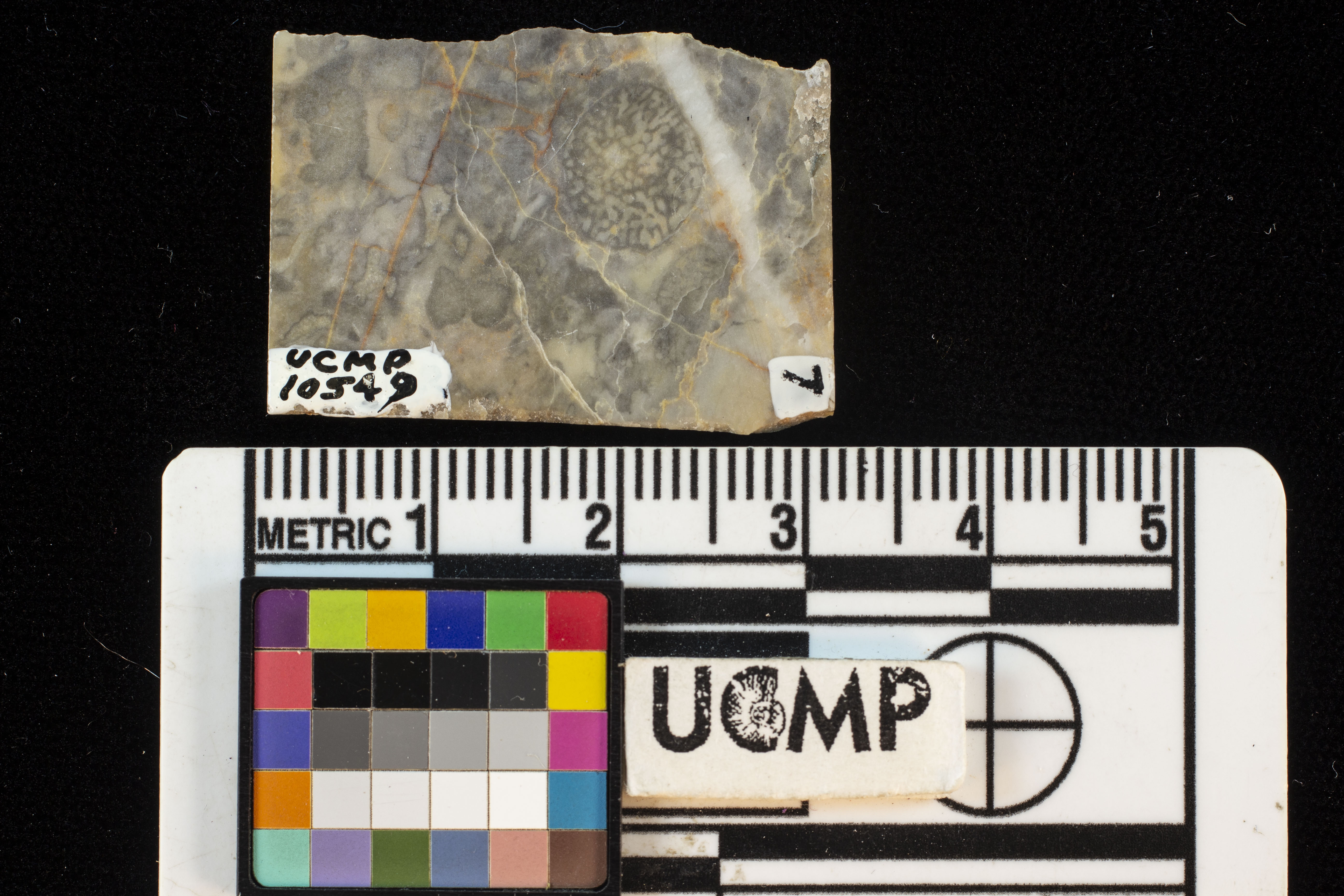
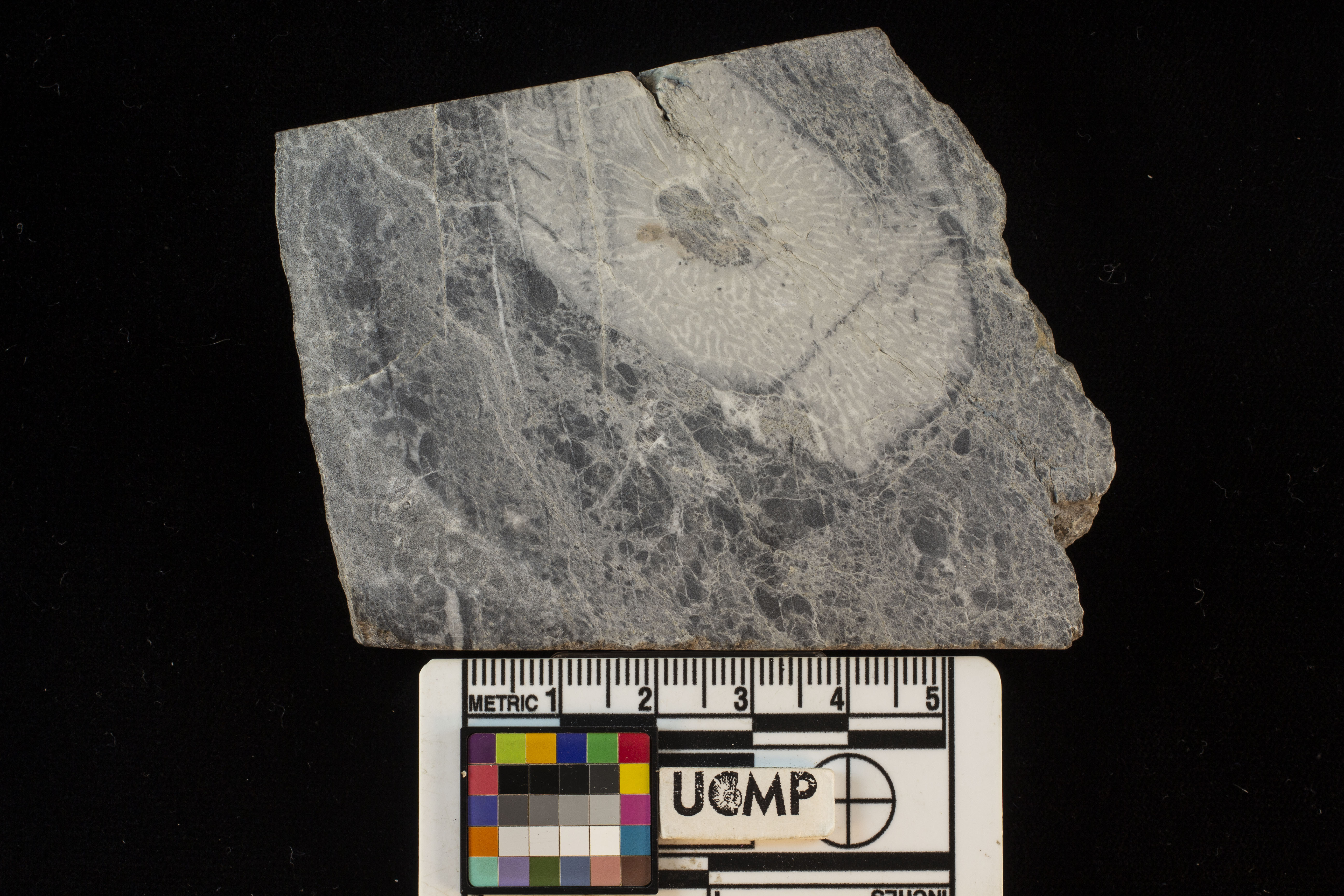
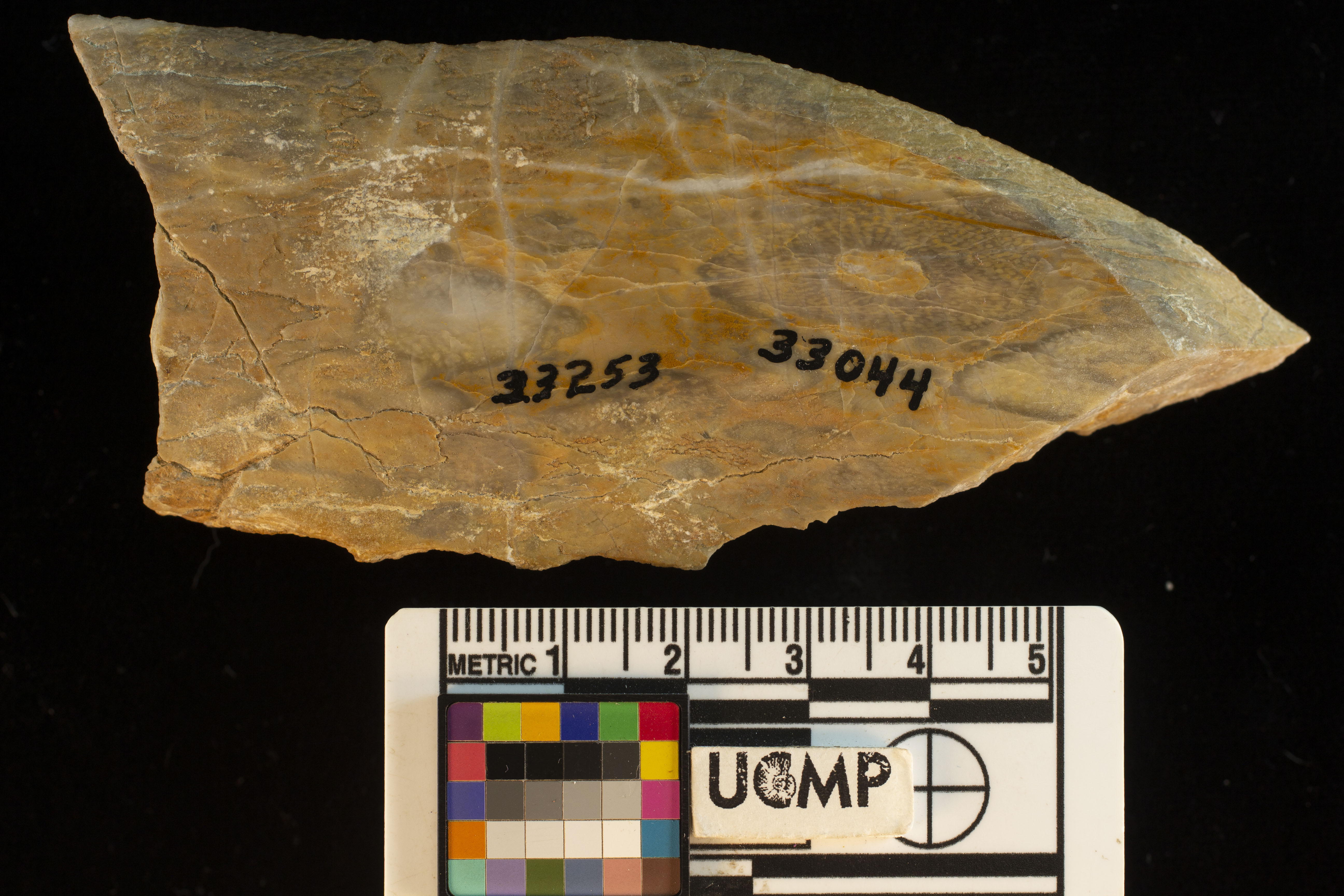
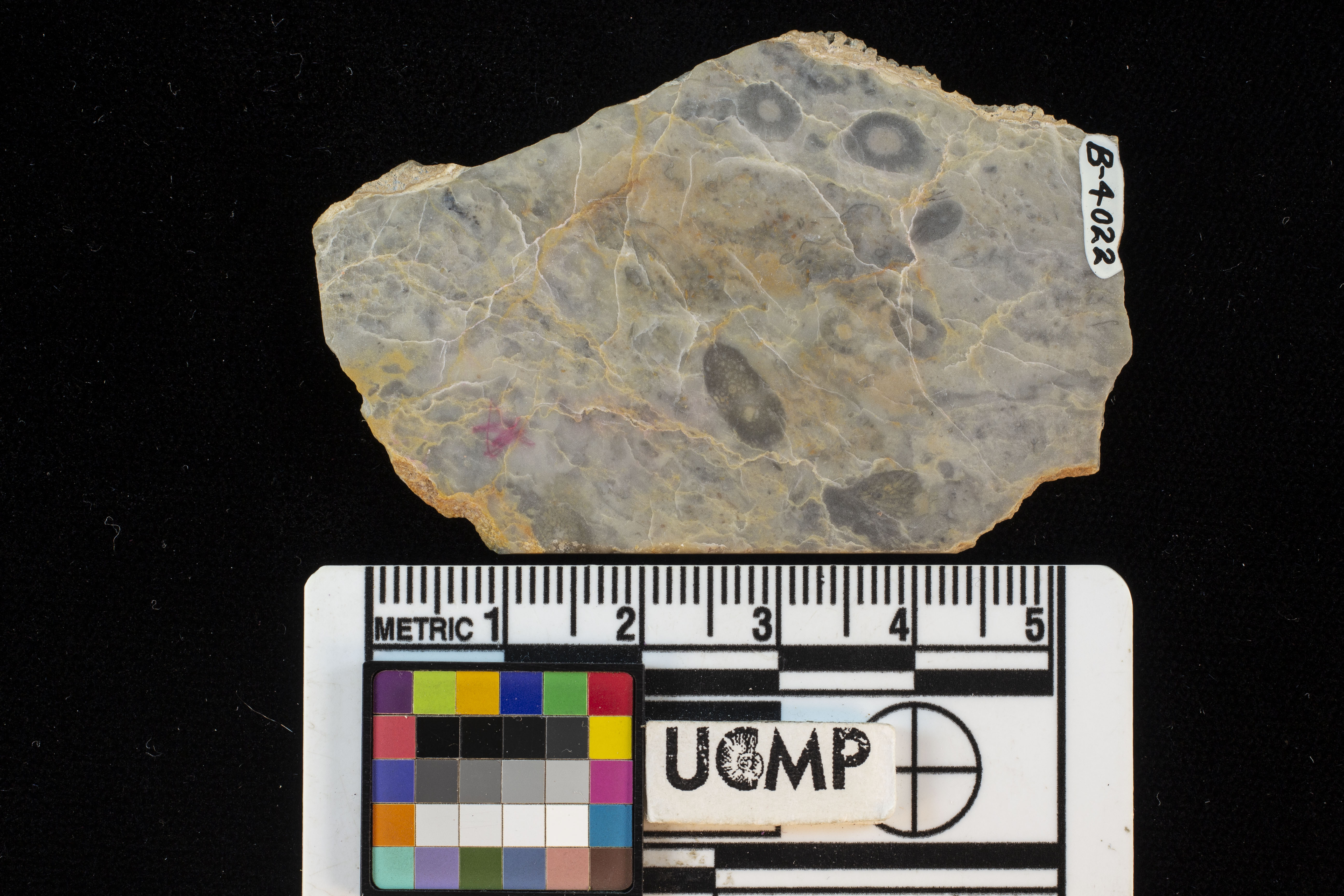
Archaeocyaths are commonly preserved as calcified, cup-shaped (often conical) skeletal structures with porous walls. The overall architecture is defined by an outer and inner wall that are connected by internal longitudinal elements (septa/related partitions), producing a characteristic cup-with-partitions look in fossil specimens.
Some growth forms can appear modular or multi-oscullar (multiple openings), yielding branching or more complex compound morphologies rather than a simple single cup.
General Background
Archaeocyaths are early Cambrian, skeleton-secreting sponges (phylum Porifera). Their diversification is a major component of early Cambrian carbonate-shelf and reef ecosystems. They are interpreted as the first substantial diversification of Porifera, including widespread occurrence on continental platforms (with the South American record treated in the literature as involving allochthonous blocks rather than an uninterrupted in situ history).
Systematic Position within Porifera
Archaeocyatha are treated as a distinct class within Porifera. Historically, their placement shifted (e.g., compared to corals or other non-poriferan groups), but later lines of evidence from living calcareous skeleton-secreting sponges supported their poriferan affinity.
Morphology and Architecture Used in Classification
Archaeocyathan taxonomy and systematics are closely tied to ontogeny and to the “order of appearance” of skeletal elements. Higher- and lower-rank distinctions are associated with particular wall/intervallum structures, while species-level differences are linked to variation in cup shape/size and in skeletal constituents.
Ecology and Paleobiogeographic Significance
Archaeocyaths acted as major “architects” of early Cambrian carbonate environments, contributing to the development of reefal and shelf settings. After their early Cambrian prominence, they decline toward a depauperate remnant stock by the Late Cambrian.
Gallery
References
- ↑ Dataset view for Animalia / Porifera / Metacyathidae / Archaeocyathus constructed from imageomics/TreeOfLife-200M records under this taxonomic path. Hugging Face Datasets. https://huggingface.co/datasets/imageomics/TreeOfLife-200M.