Archaeocyathidae
Taxonomy
This page represents the following TreeOfLife-200M taxonomic path.[1]
- Kingdom: Animalia
- Phylum: Porifera
- Class: Archaeocyathidae
Visual Description
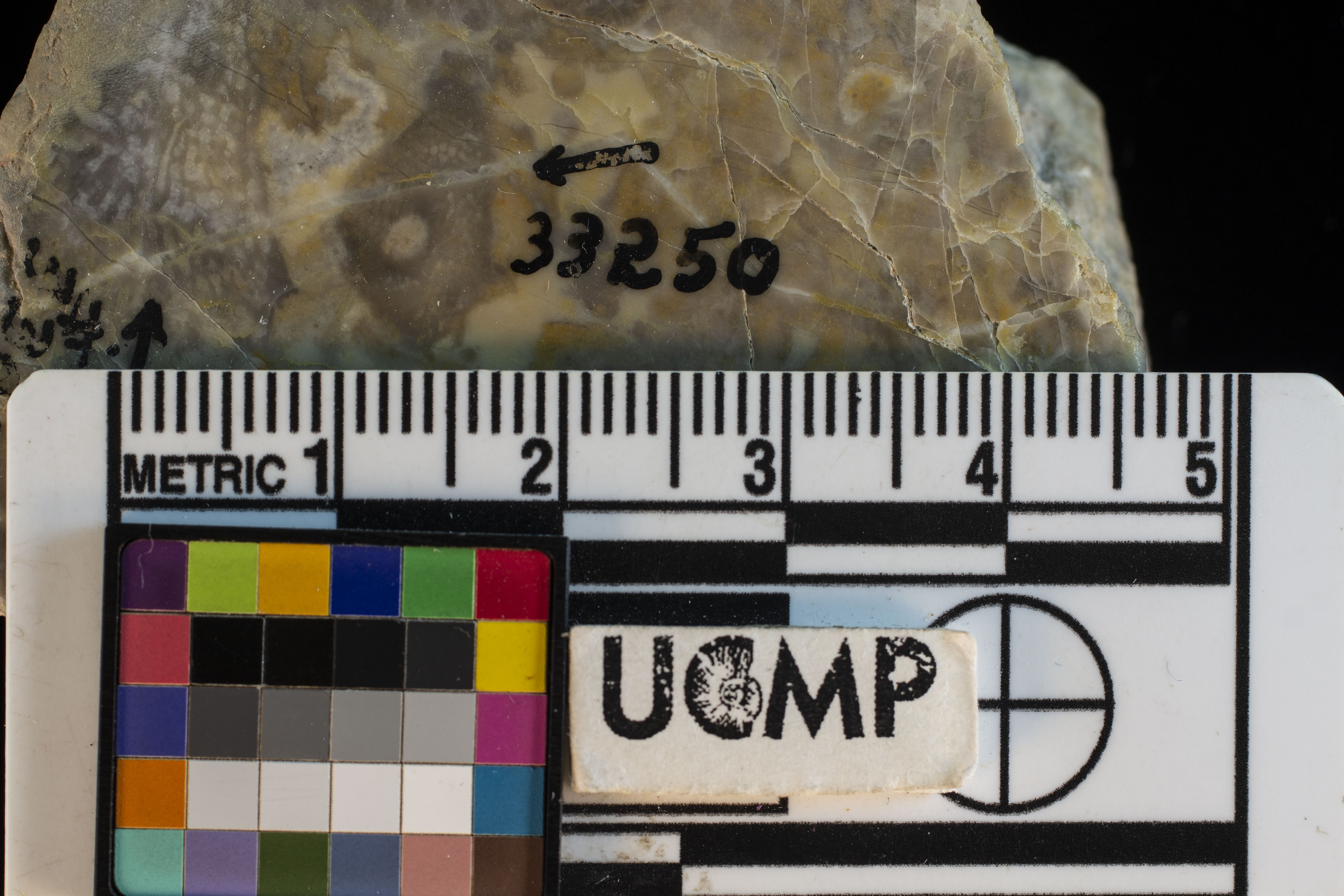
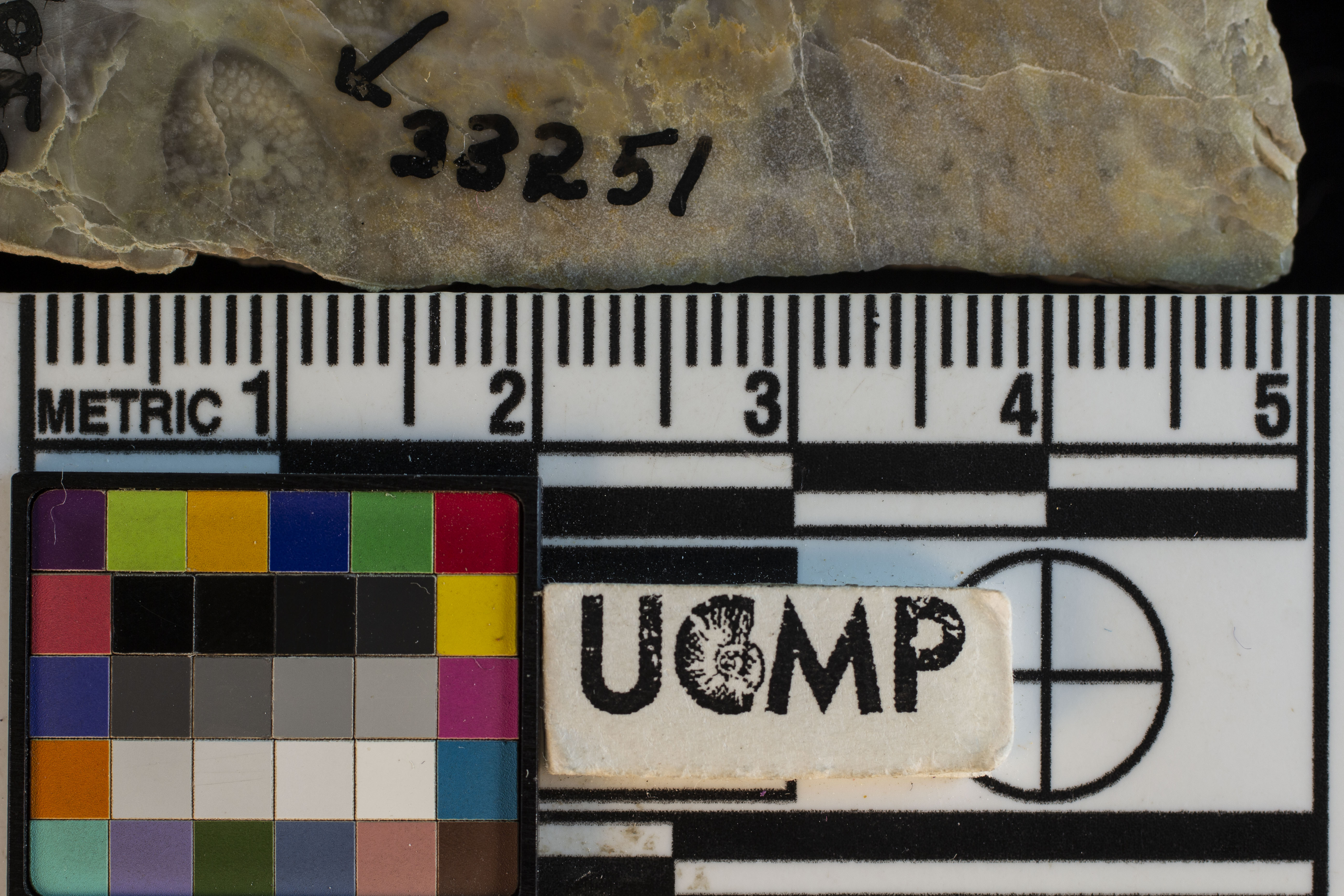
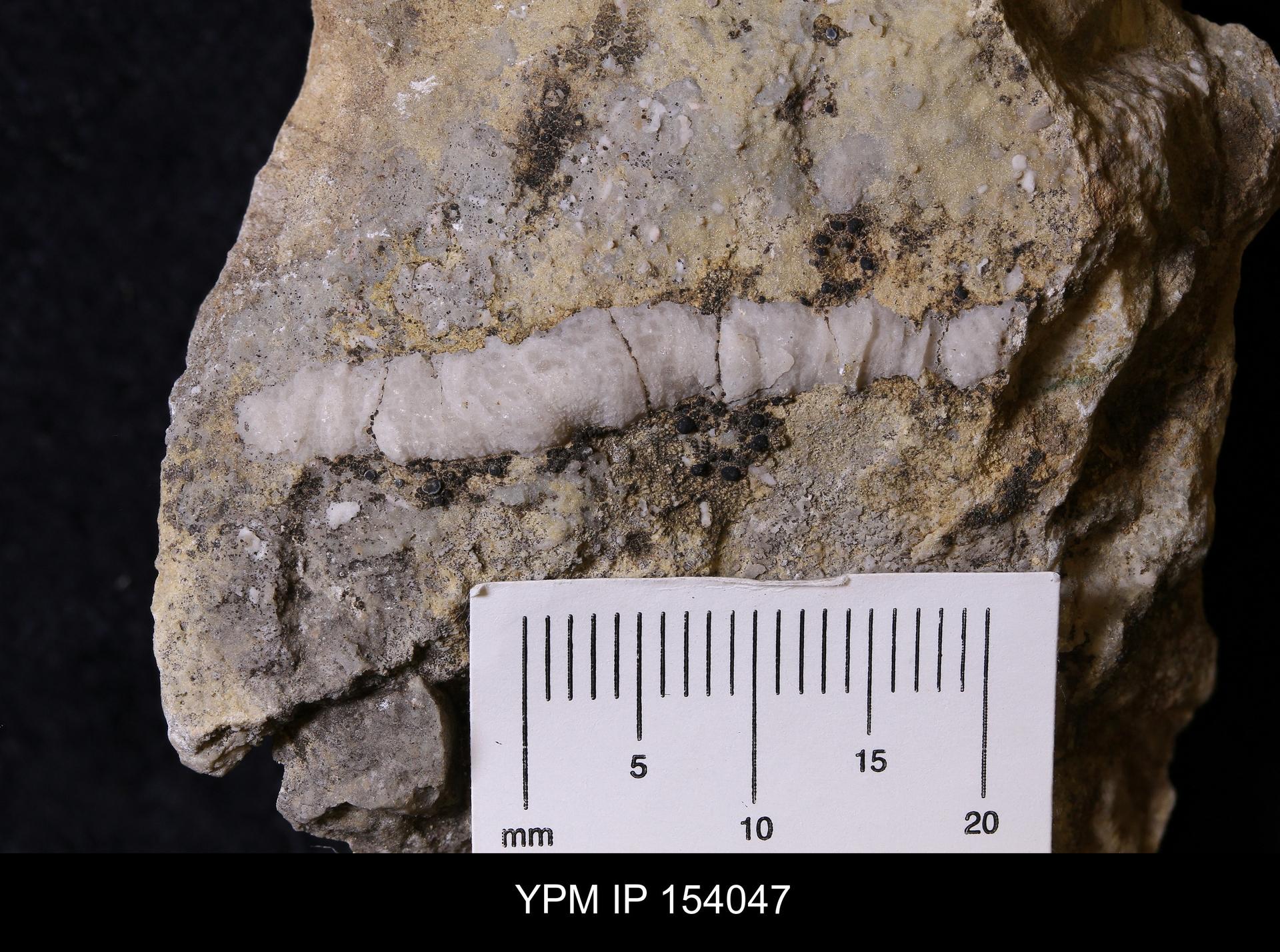
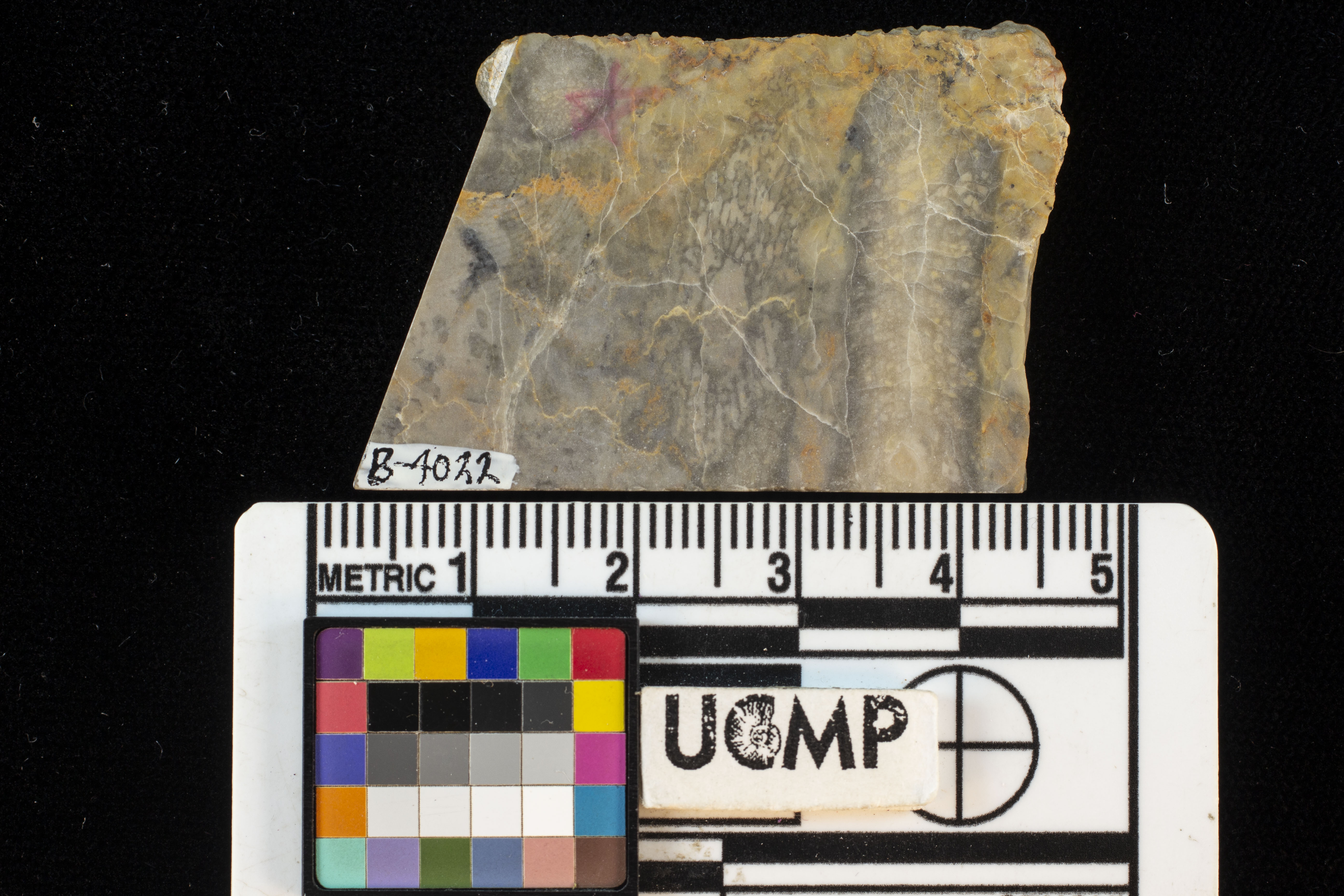
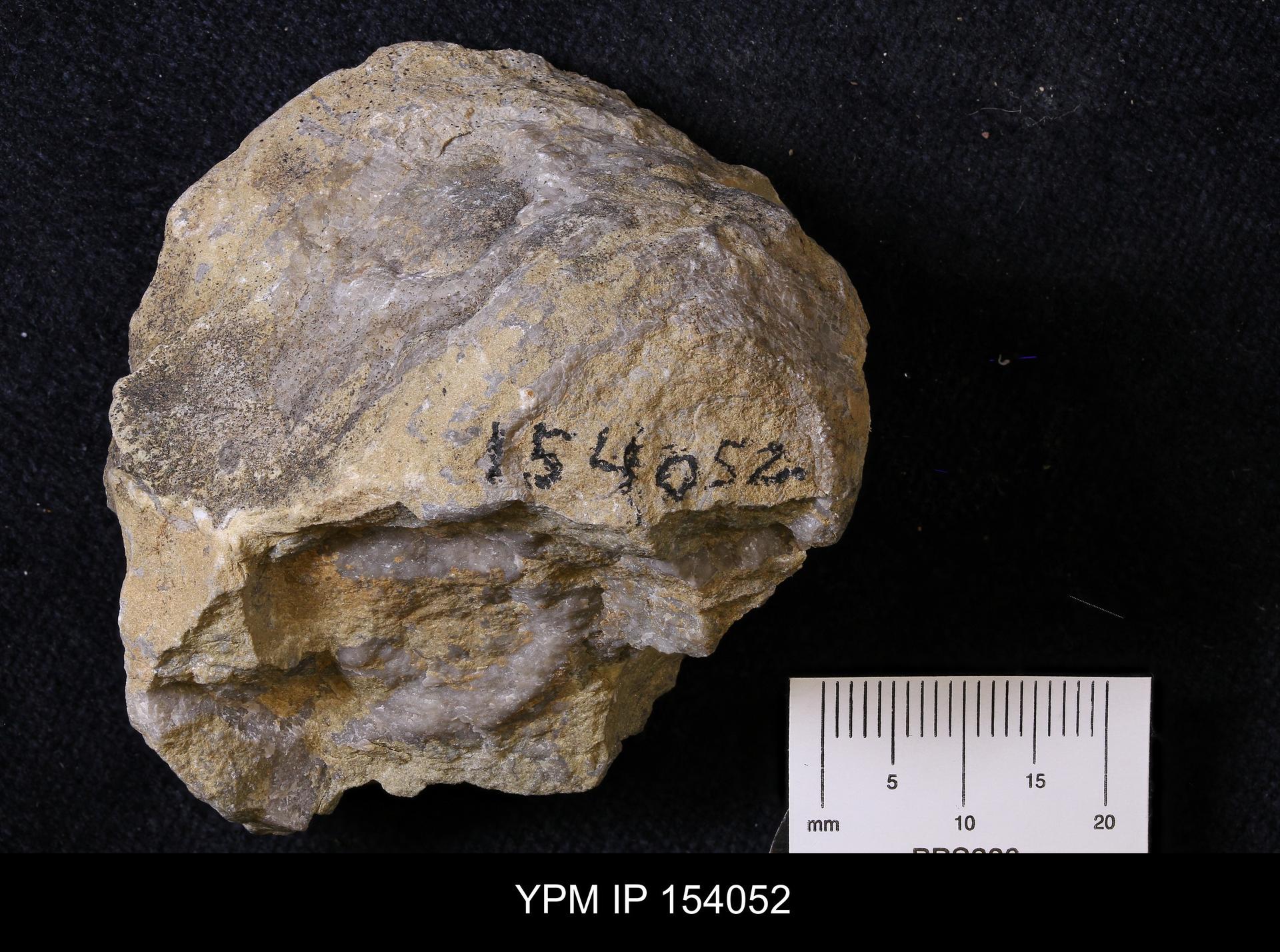
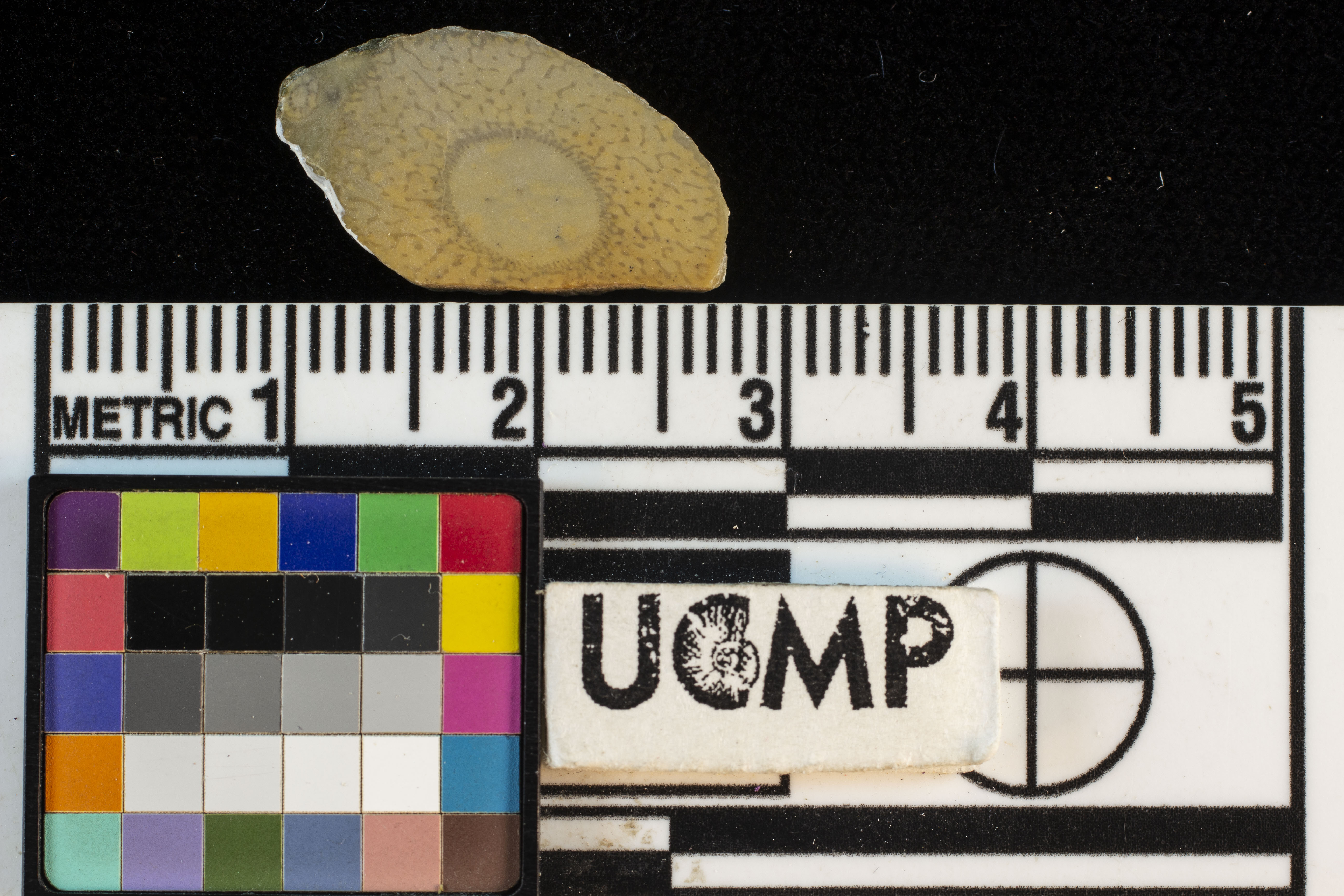
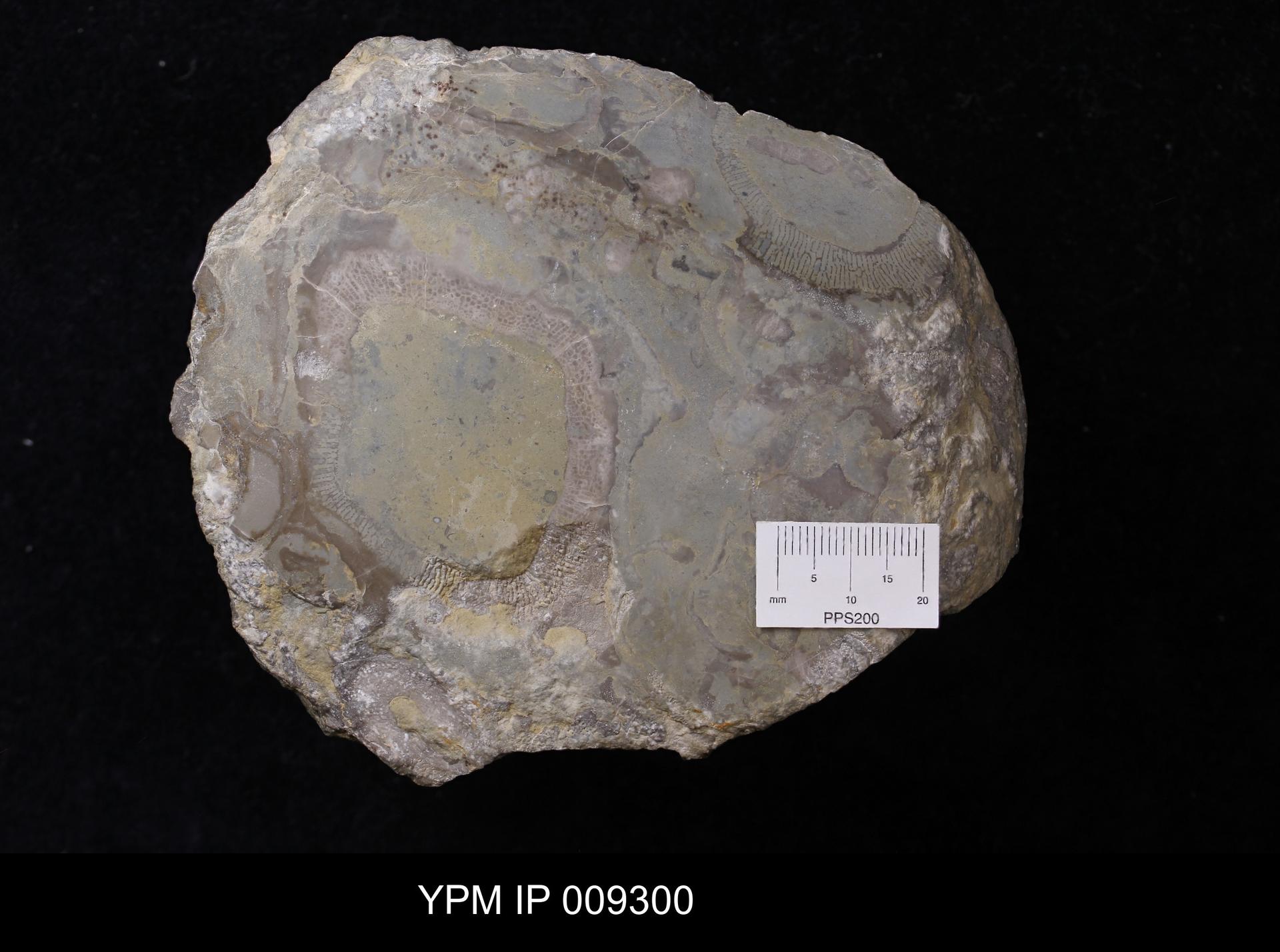
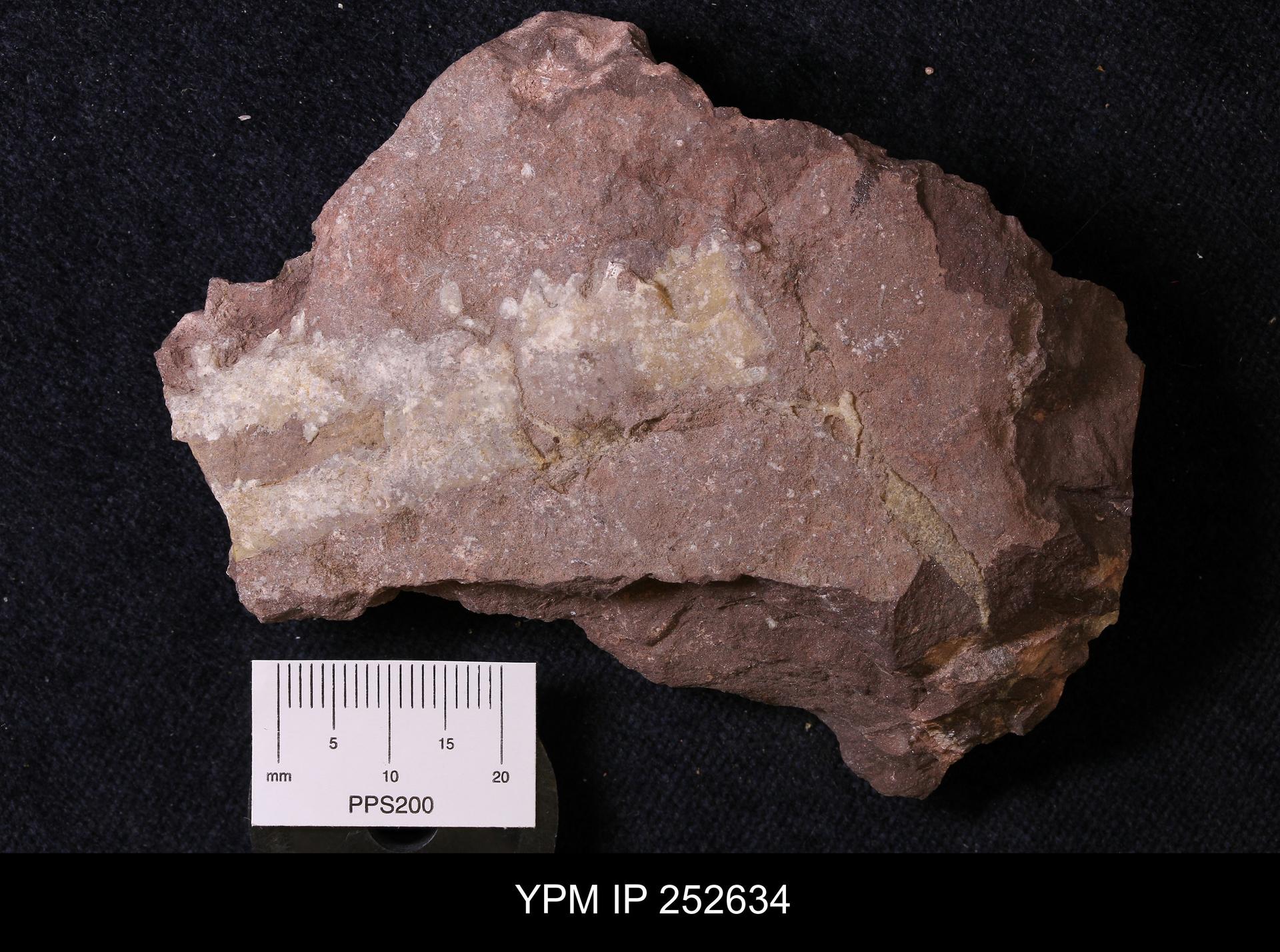
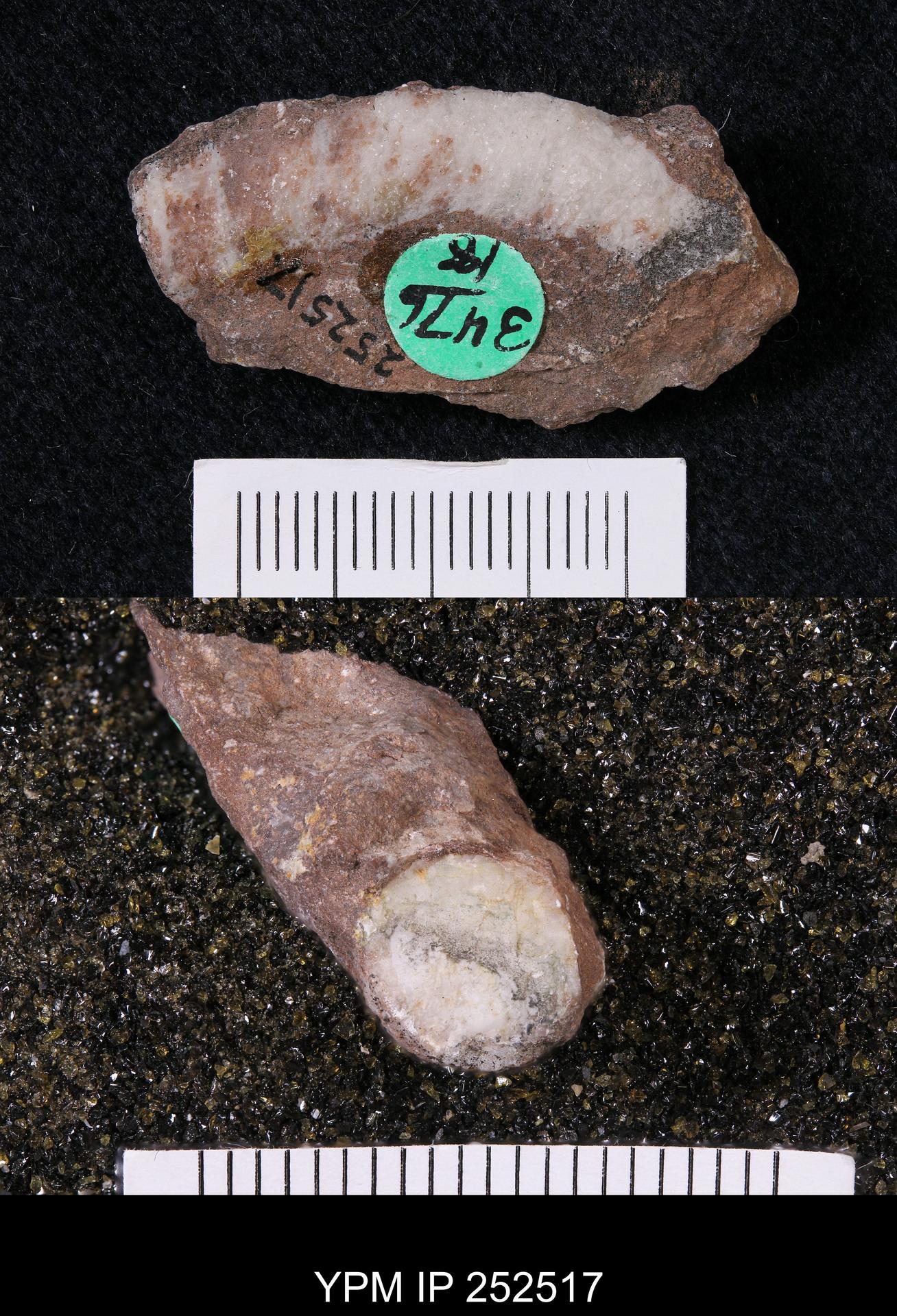
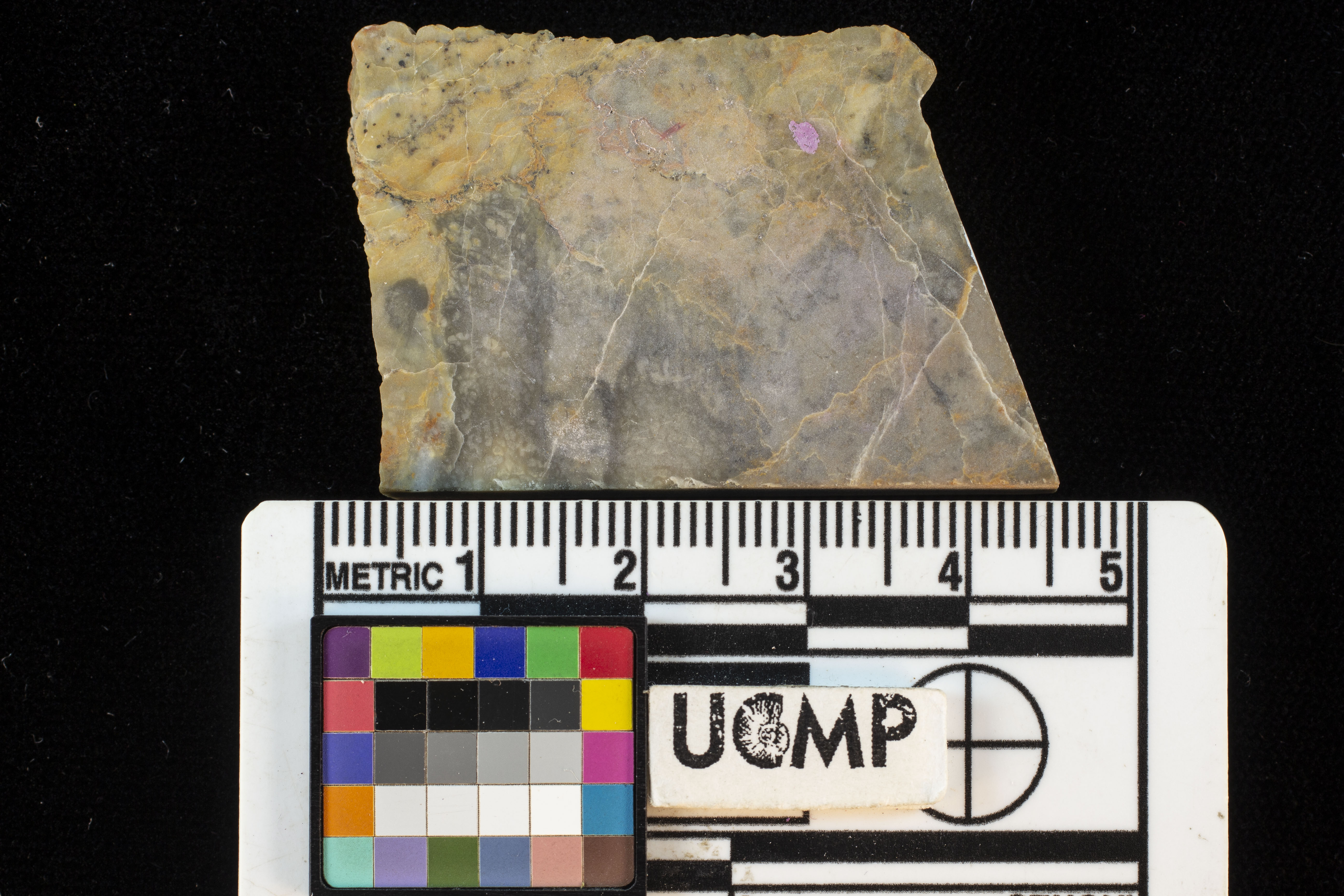
Class Archaeocyathidae is known from Cambrian-age fossil specimens preserved as cup-shaped skeletal structures. In museum images aggregated under this class, specimens are typically shown as conical to cylindro-conical or cup-like forms (often fragmentary), with a focus on the outer wall and its pore-bearing surface rather than on soft anatomy.
A representative GBIF-mapped museum view also indicates that the class is represented in curated collections by identified fossil invertebrate material associated with poriferan classification.
General Knowledge (Cambrian skeletal sponge ecology)
Archaeocyathids are Cambrian sponges with rigid, mineralized skeletons, commonly displaying cup or conical architectures that can be solitary and (in some lineages) occasionally show tendencies toward colonial growth. Diagnostic skeletal features used in family-level classifications include pore arrangement in the outer and inner walls, the structure of the intervallum (often involving pseudosepta/taeniae), and inner-wall pore-tube systems.
Stratigraphic and biogeographic context (example from North Greenland)
One well-documented Cambrian occurrence of archaeocyathids from North Greenland comes from the Paralleldal Formation (Brønlund Fjord Group) in Peary Land. The archaeocyathan assemblage in this unit includes Tegerocyathus, Archaeocyathus, and Tegerocyathella, and is assigned to the late Early Cambrian Toyonian (Elankian auctorum) stage.
The same study emphasizes broader Cambrian patterns in Archaeocyatha diversity: greatest stratigraphic extent and widest diversity during the Botomian, followed by a strong decrease in taxa and geographic distribution during the Toyonian, with pronounced species-level provincialism.
Gallery
References
- ↑ Dataset view for Animalia / Porifera / Archaeocyathidae constructed from imageomics/TreeOfLife-200M records under this taxonomic path. Hugging Face Datasets. https://huggingface.co/datasets/imageomics/TreeOfLife-200M.