Arachnocampa luminosa
Taxonomy
This page represents the following TreeOfLife-200M taxonomic path.[1]
- Kingdom: Animalia
- Phylum: Arthropoda
- Class: Insecta
- Order: Diptera
- Family: Keroplatidae
- Genus: Arachnocampa
- Species: Arachnocampa luminosa
Visual Description
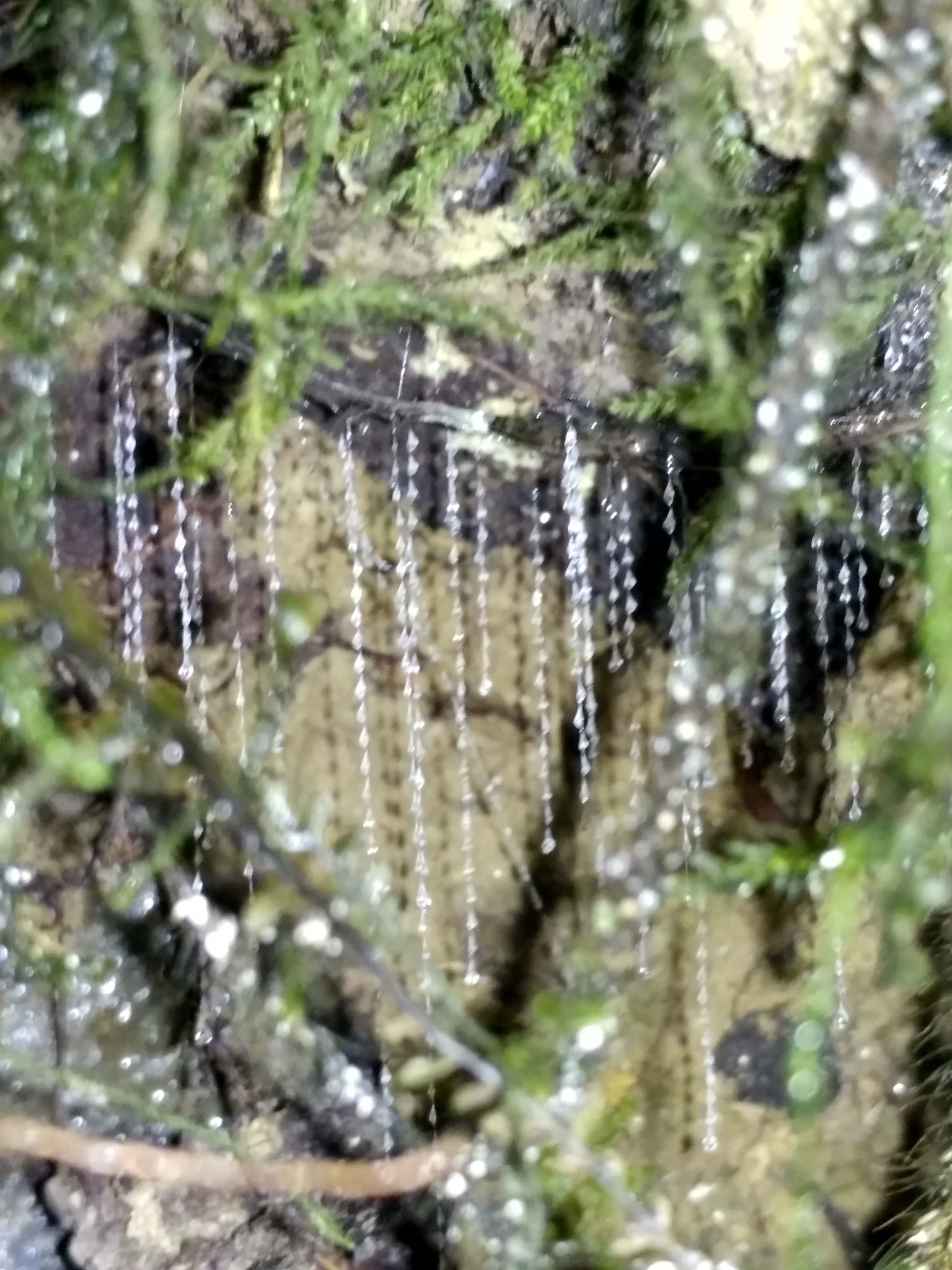
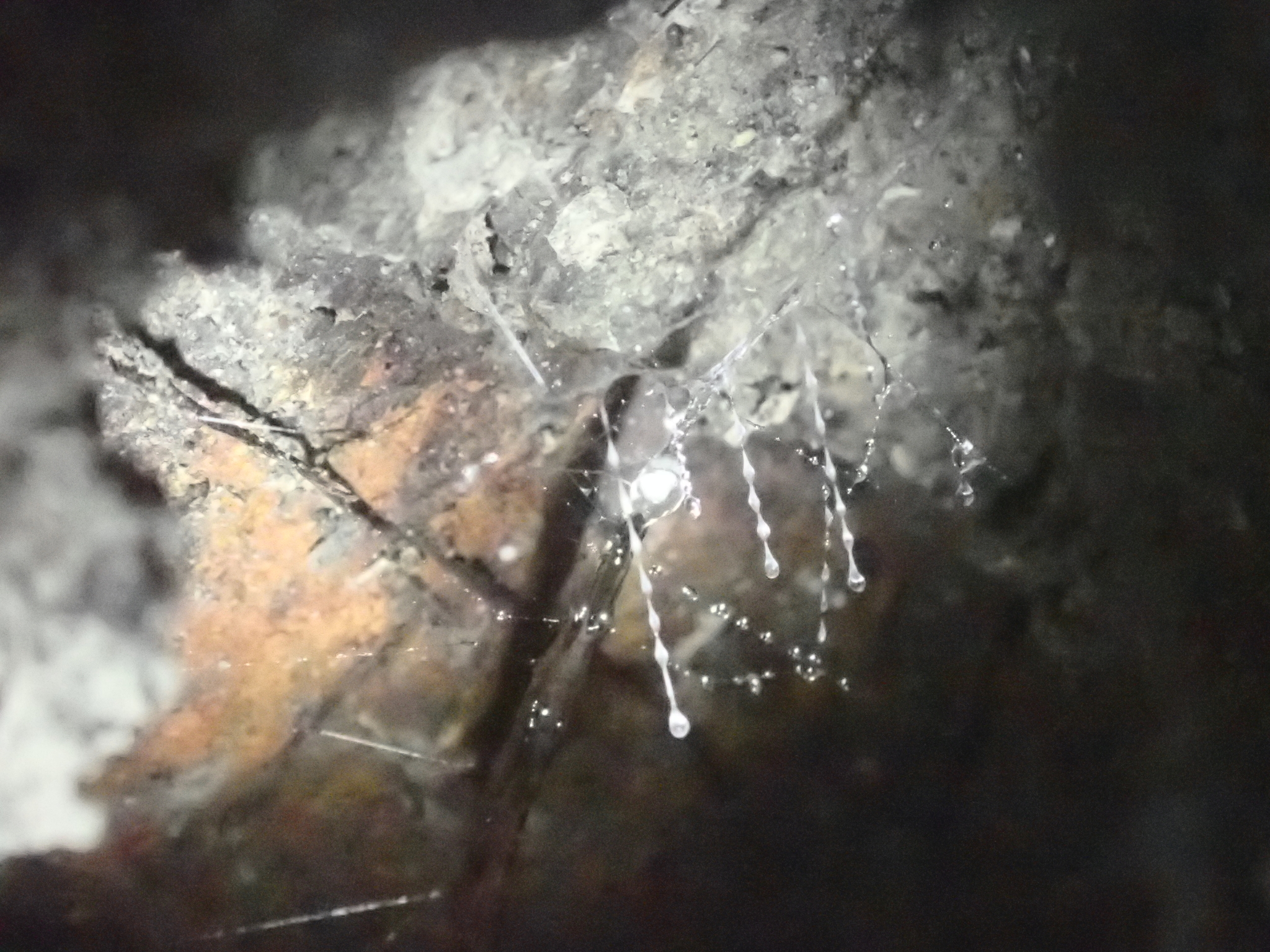
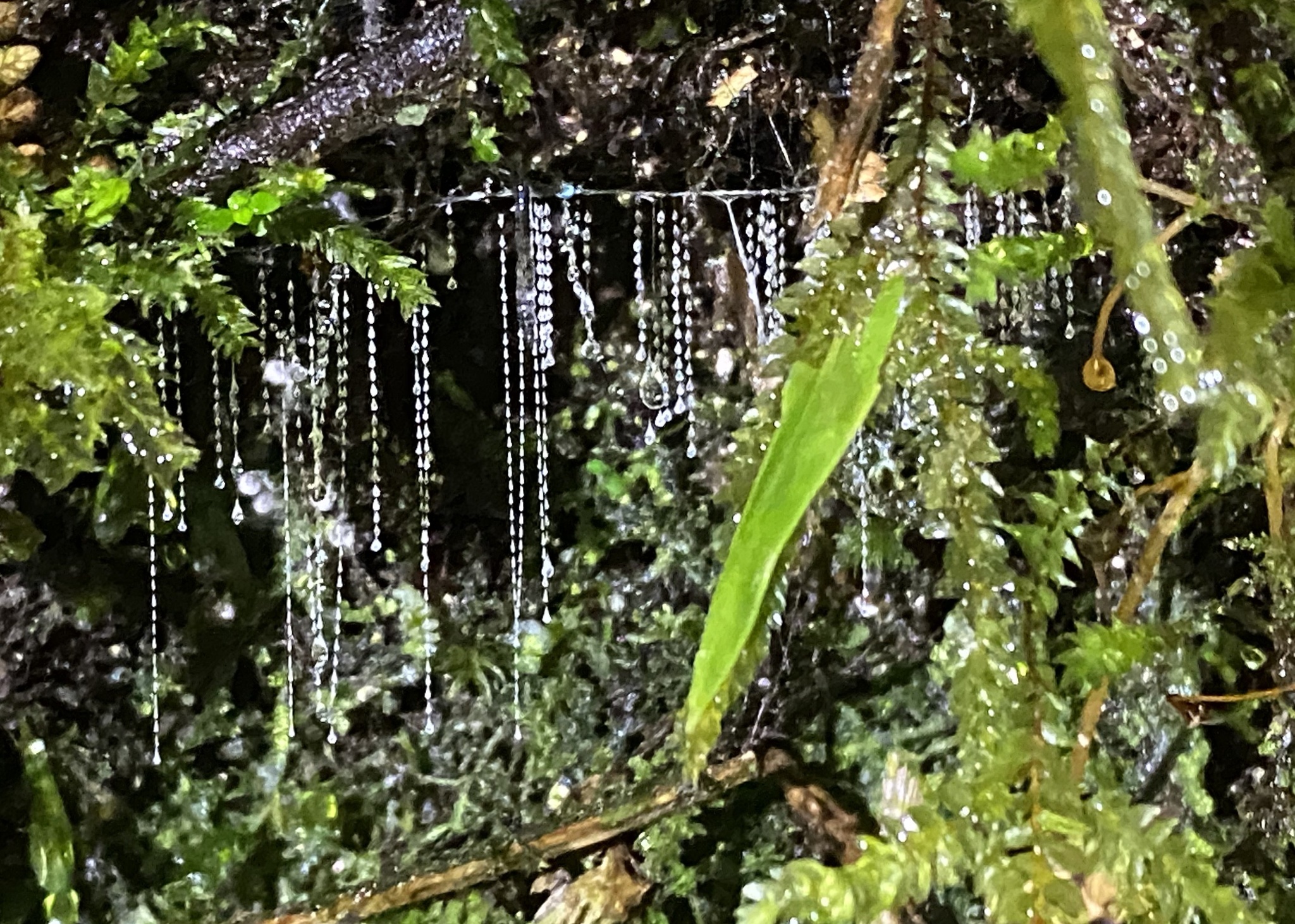
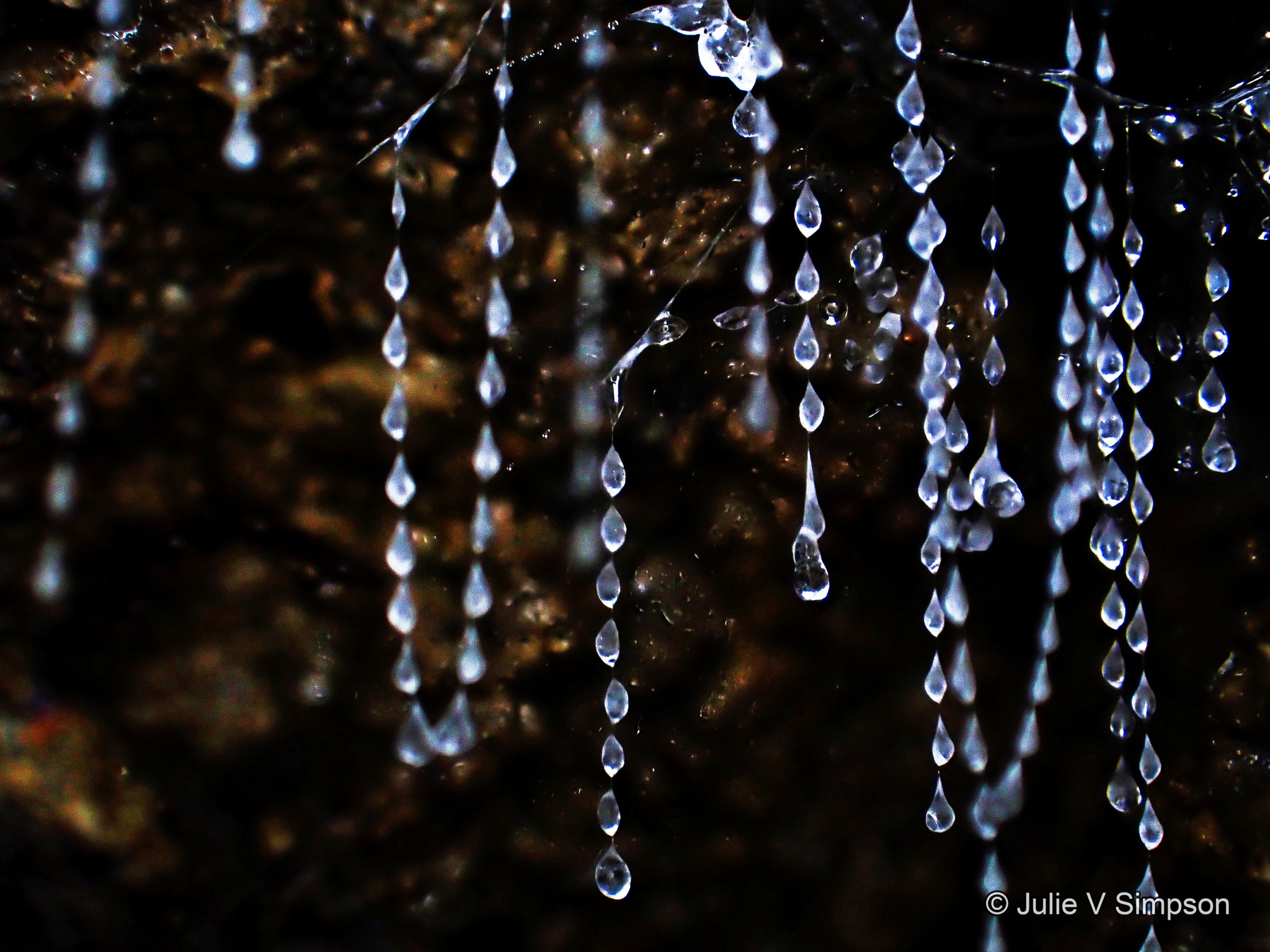
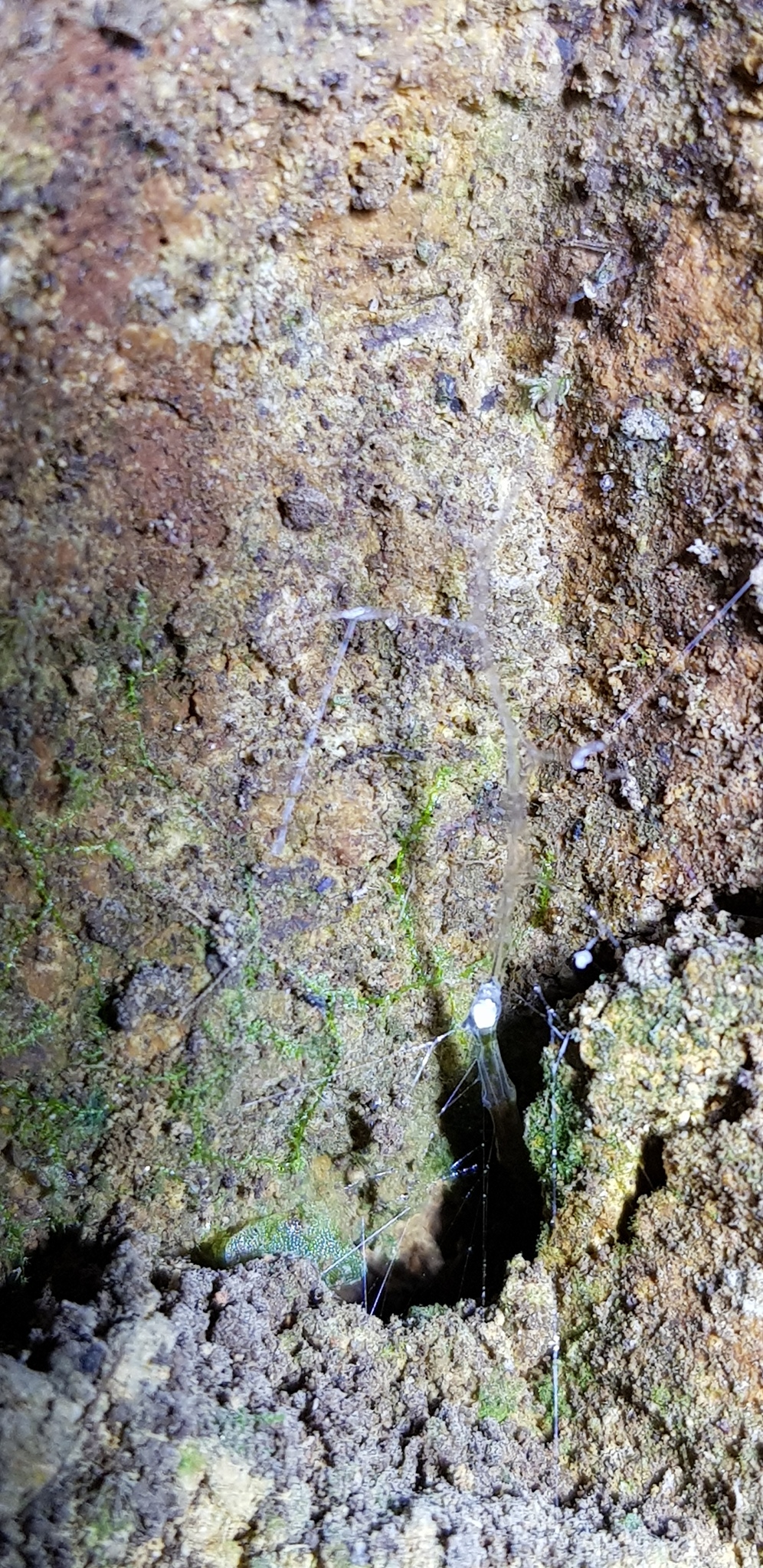
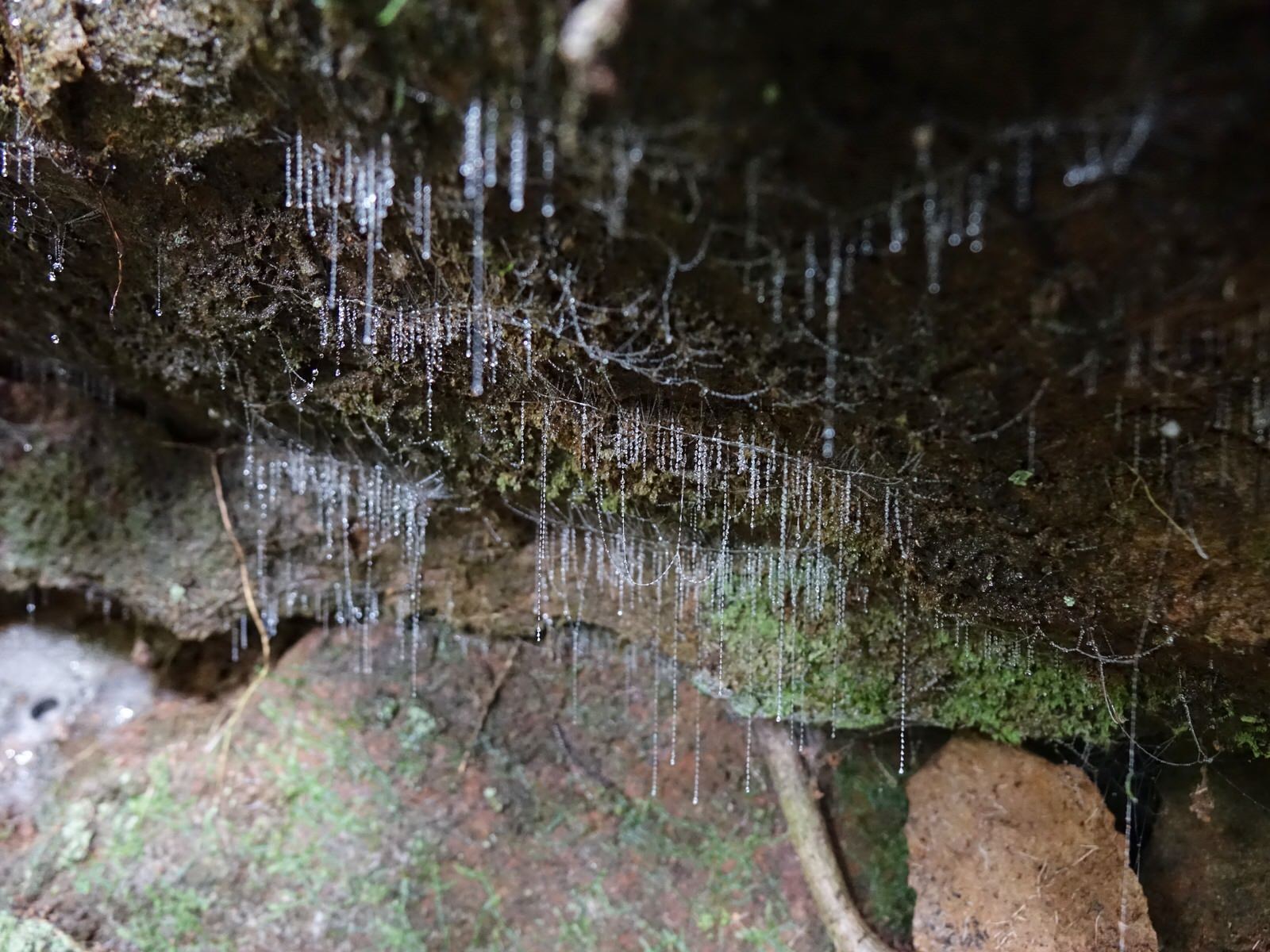
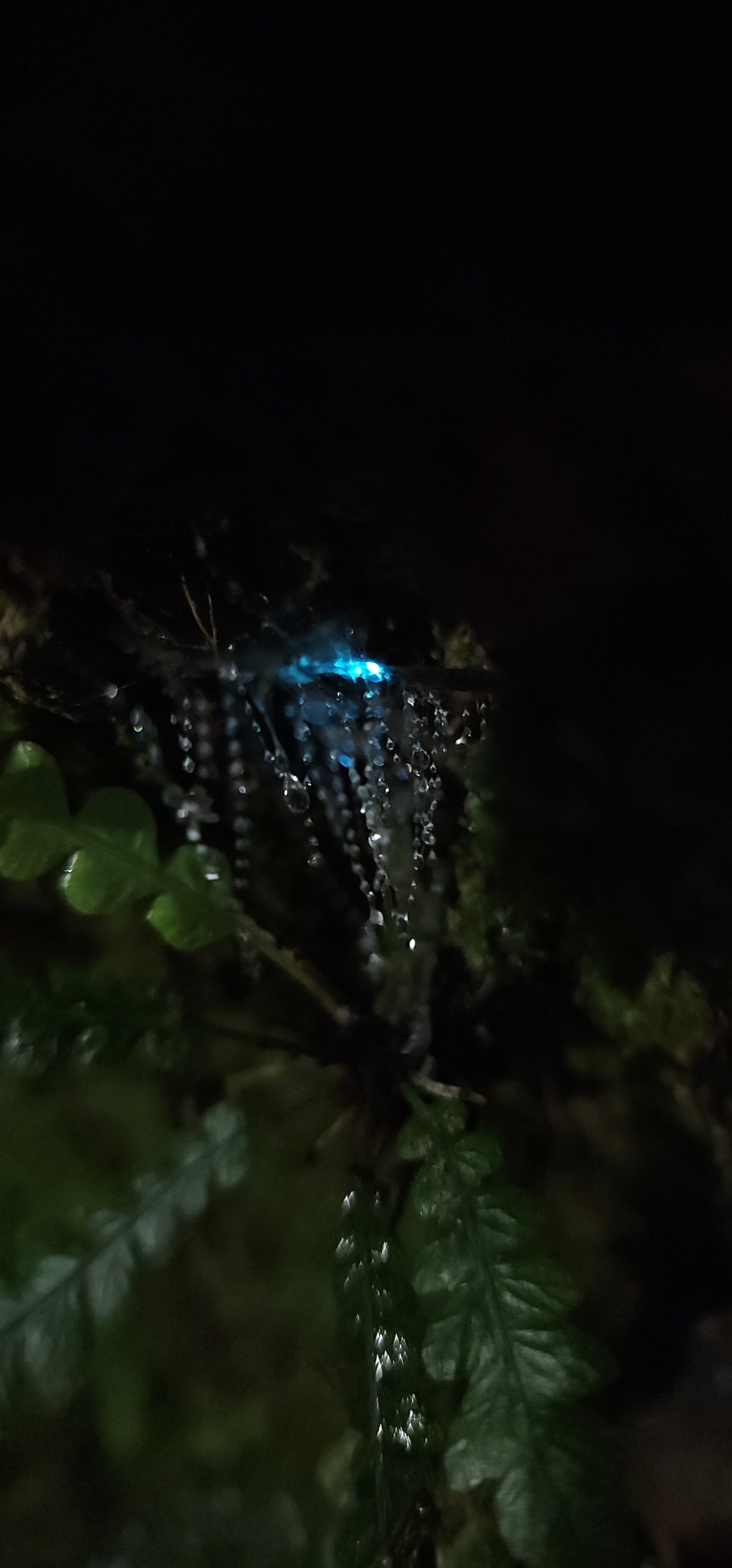
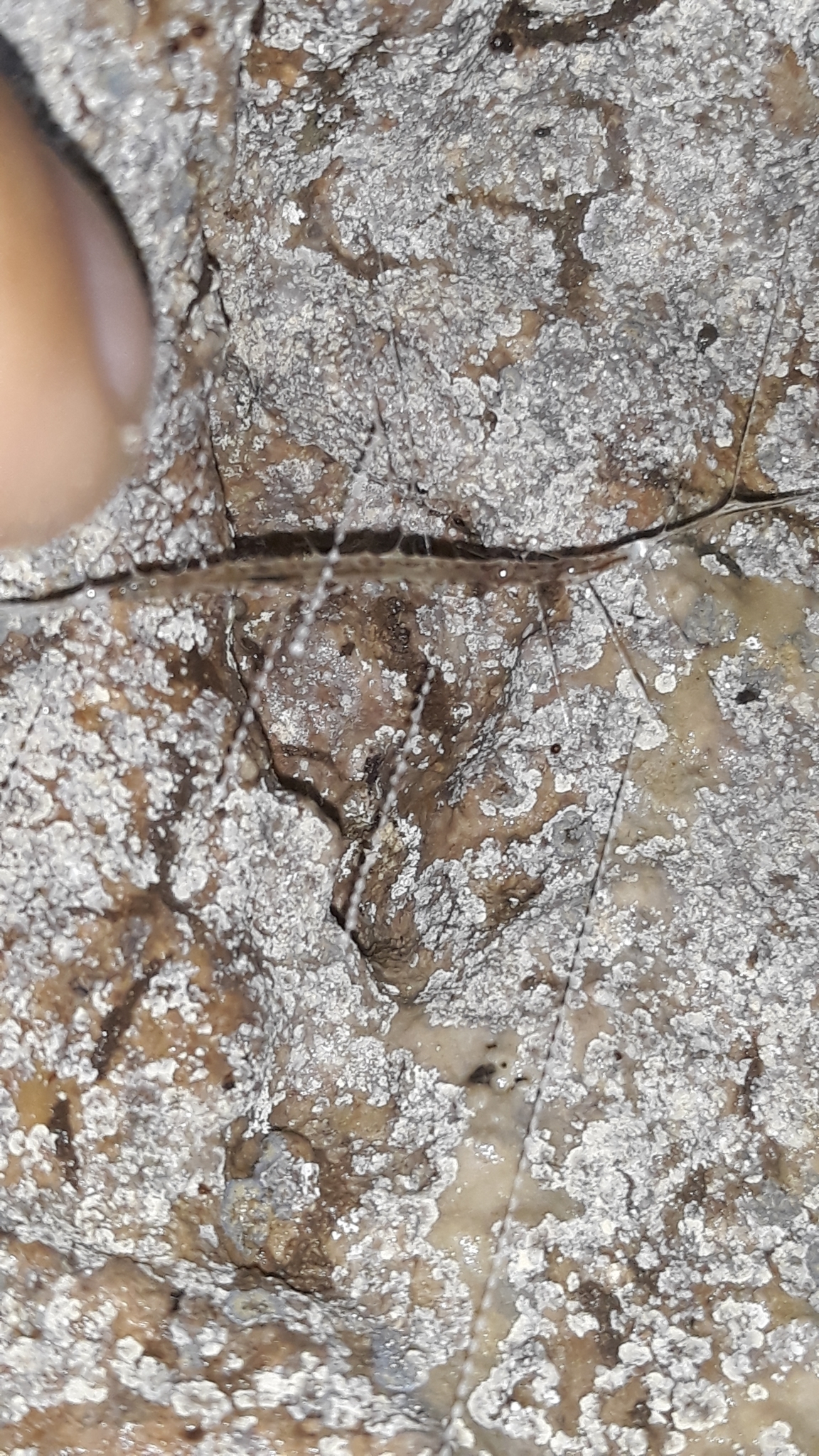
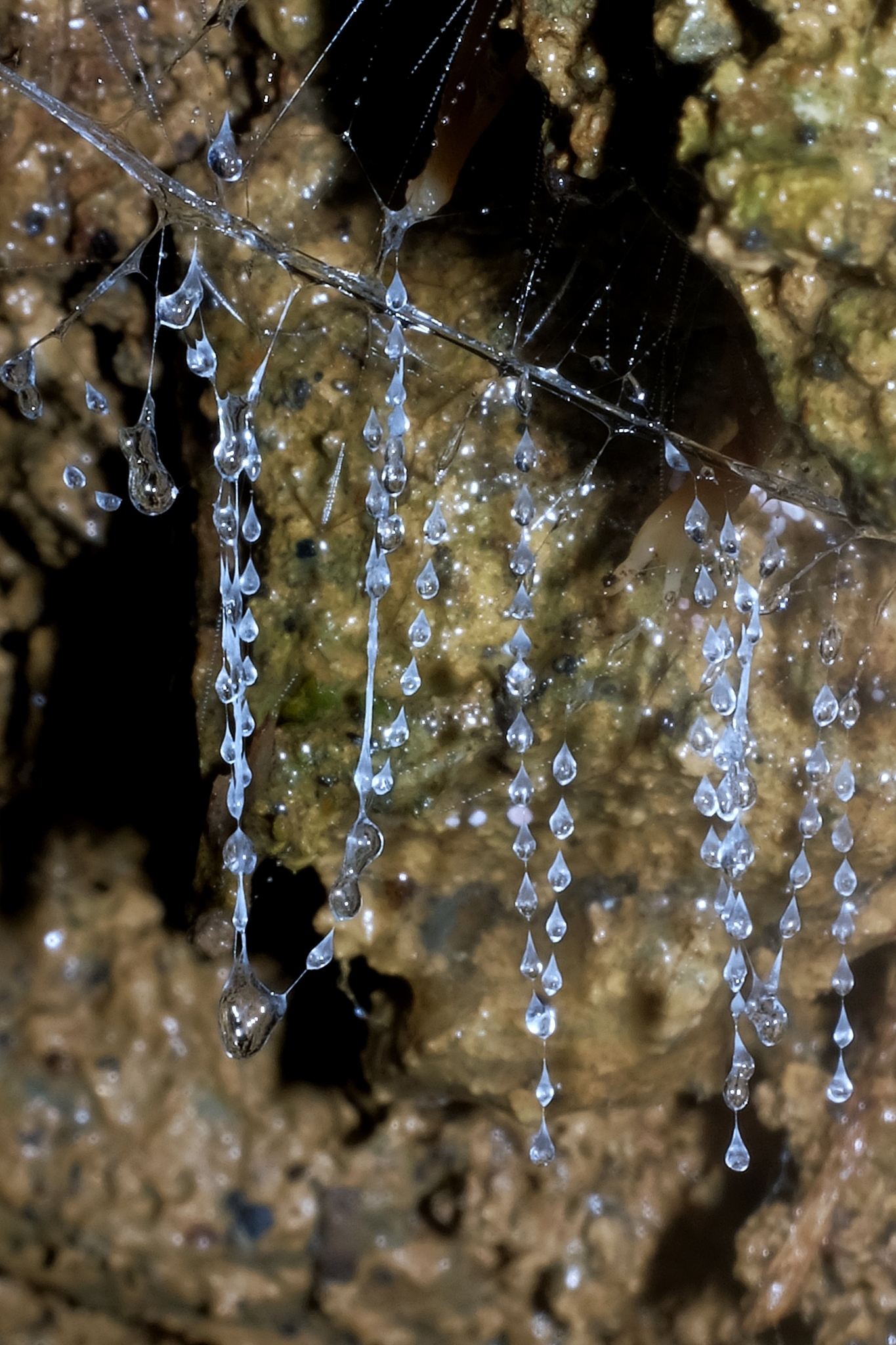
Arachnocampa luminosa larvae are characterized by a slender, elongated, and soft-bodied form. In images from the TreeOfLife-200M dataset, they are often observed suspended within a network of fine, sticky silk threads, which they construct to capture prey.[1] The larvae possess a distinct, light-emitting organ located at the posterior end of the body.[2]
Bioluminescence
The New Zealand glowworm, Arachnocampa luminosa, produces blue-green bioluminescence with a peak emission at 487 nm.[2] This light is generated by a luciferin-luciferase system that requires ATP-Mg²⁺ and oxygen.[2]
The luciferase enzyme in A. luminosa is evolutionarily distinct from that of fireflies (Coleoptera), despite sharing the same ANL superfamily of adenylating enzymes and having 31% sequence identity with firefly luciferase.[2] The two systems do not cross-react.[2]
The luciferin is chemically unique and derived from tyrosine and xanthurenic acid, which are conjugated by an unknown synthetase enzyme in the light organ.[2] The light organ itself is derived from modified Malpighian tubules.[2]
Gallery
References
- 1 2 Dataset view for Animalia / Arthropoda / Insecta / Diptera / Keroplatidae / Arachnocampa / luminosa constructed from imageomics/TreeOfLife-200M records under this taxonomic path. Hugging Face Datasets. https://huggingface.co/datasets/imageomics/TreeOfLife-200M.
- 1 2 3 4 5 6 7 Oliver C. Watkins; Miriam L. Sharpe; Nigel B. Perry; Kurt L. Krause. New Zealand glowworm (Arachnocampa luminosa) bioluminescence is produced by a firefly-like luciferase but an entirely new luciferin. Scientific Reports. 2018. https://doi.org/10.1038/s41598-018-21298-w.