Arachnocampa
Taxonomy
This page represents the following TreeOfLife-200M taxonomic path.[1]
- Kingdom: Animalia
- Phylum: Arthropoda
- Class: Insecta
- Order: Diptera
- Family: Keroplatidae
- Genus: Arachnocampa
Visual Description
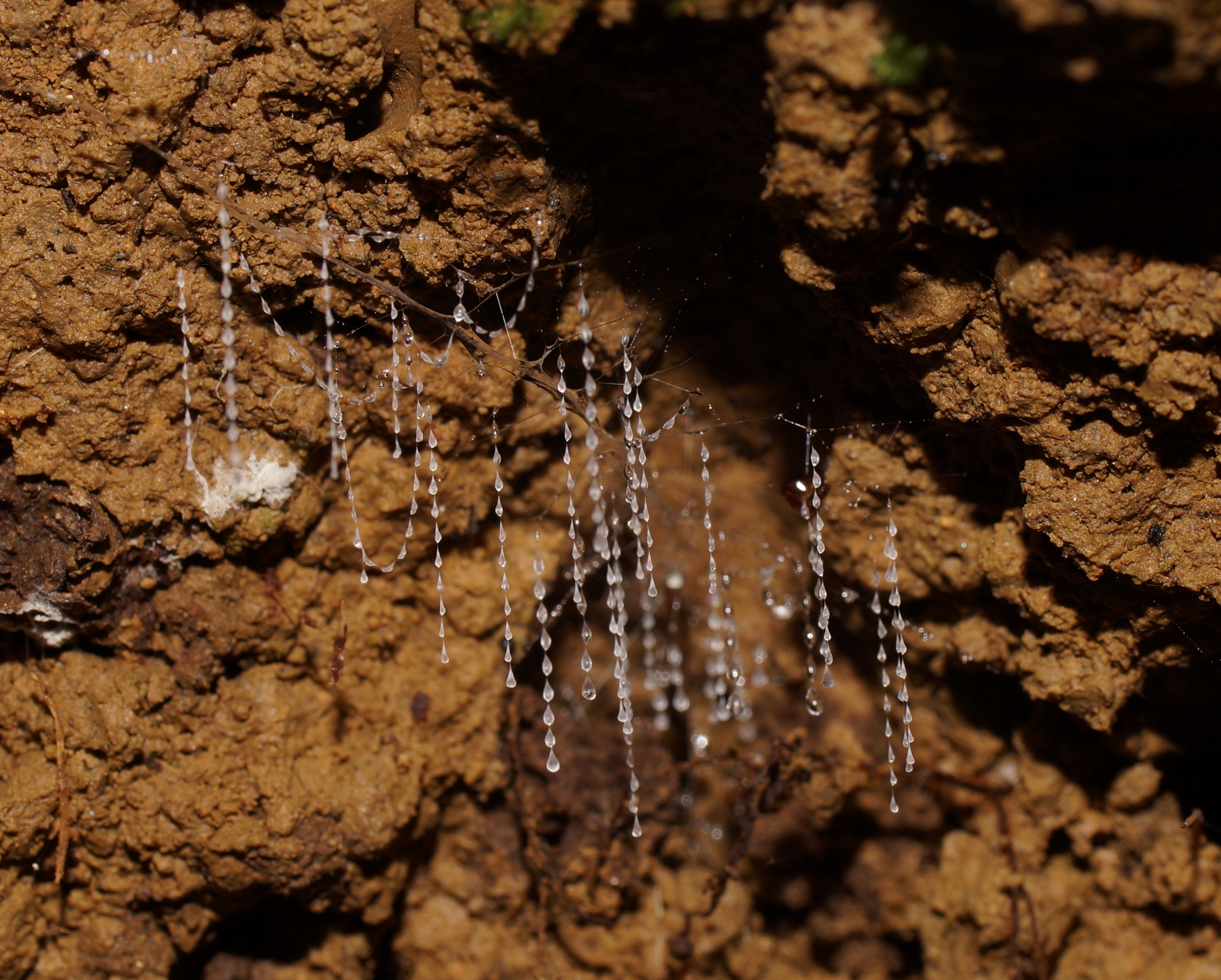
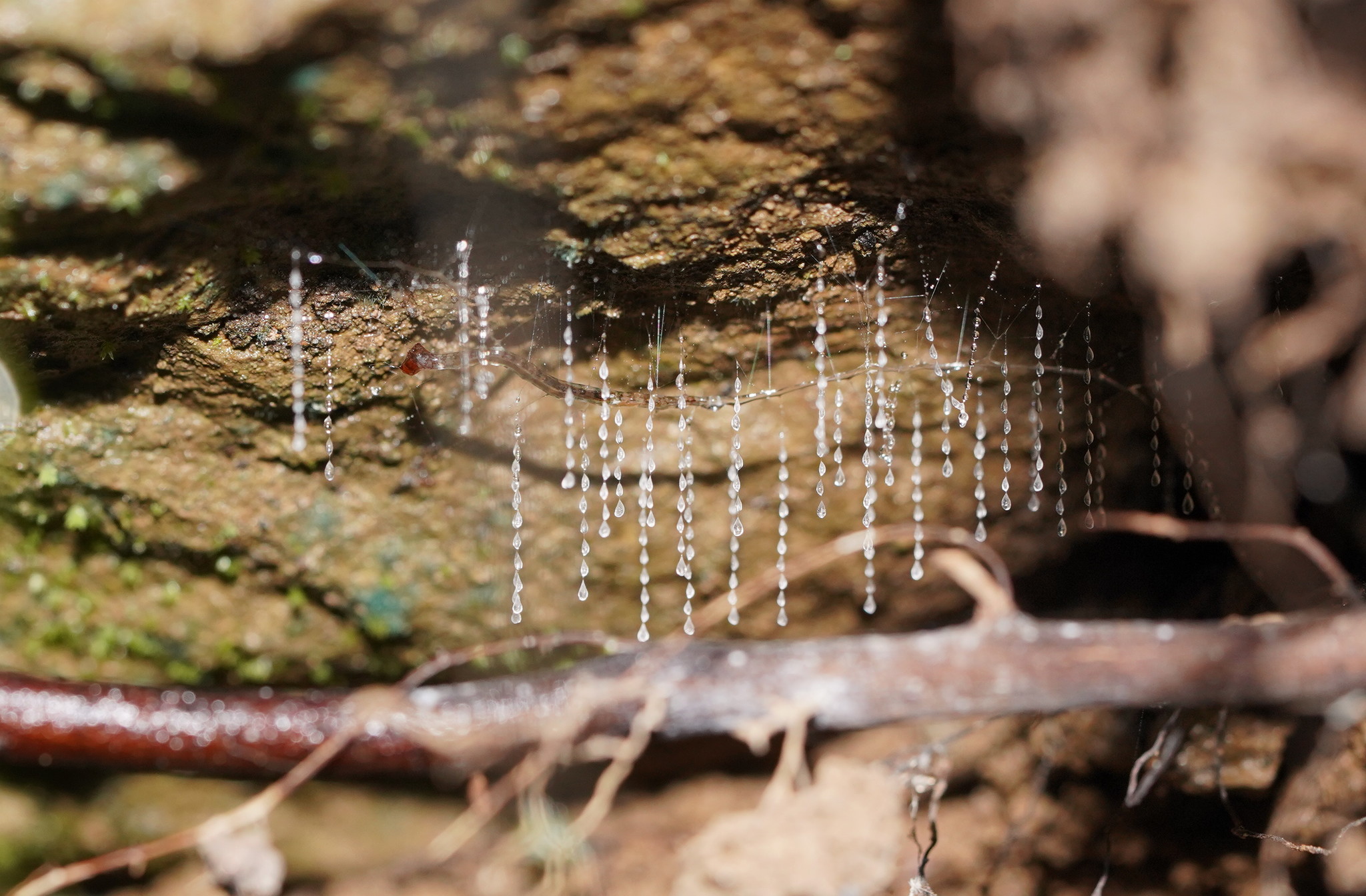
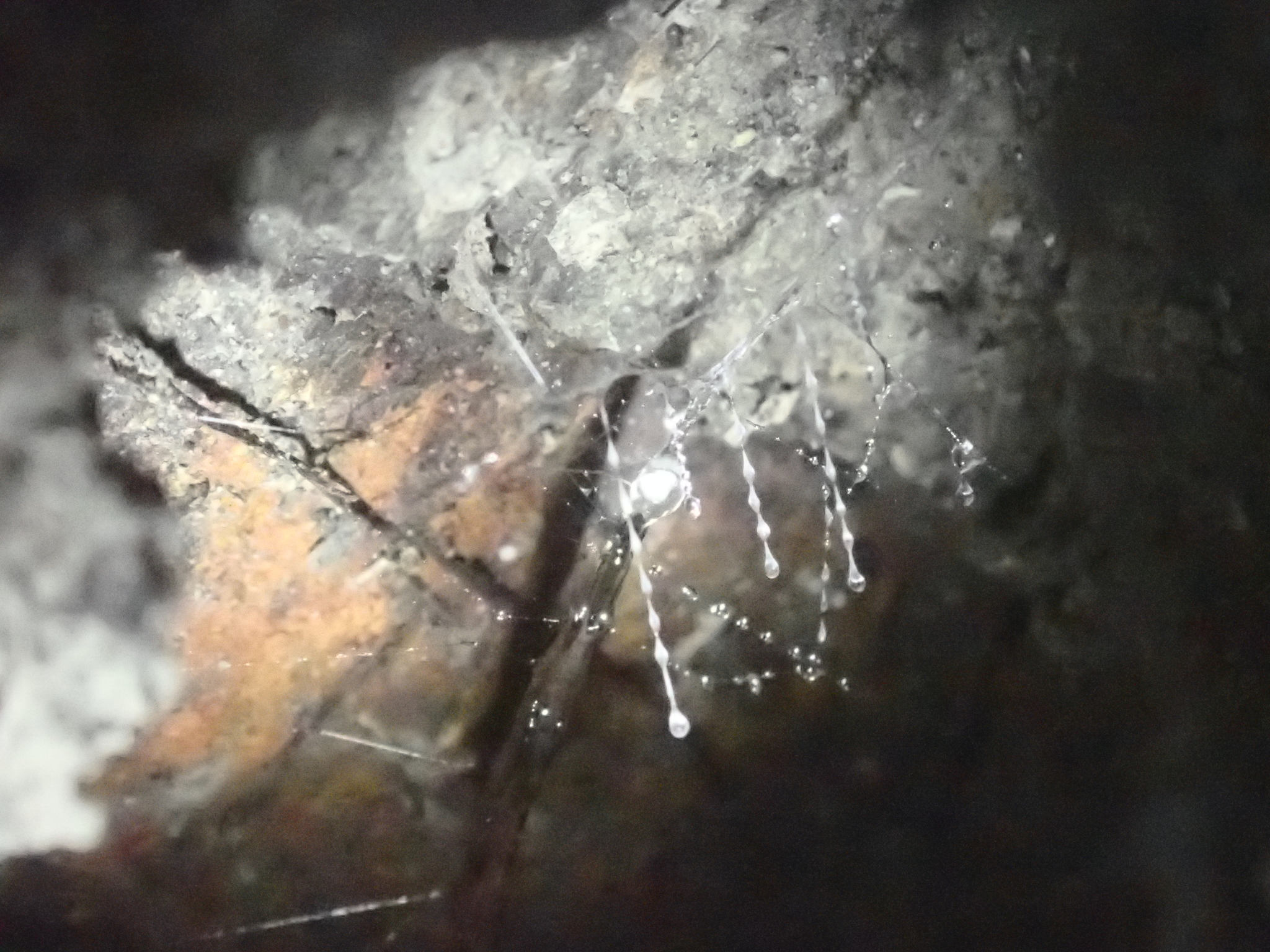
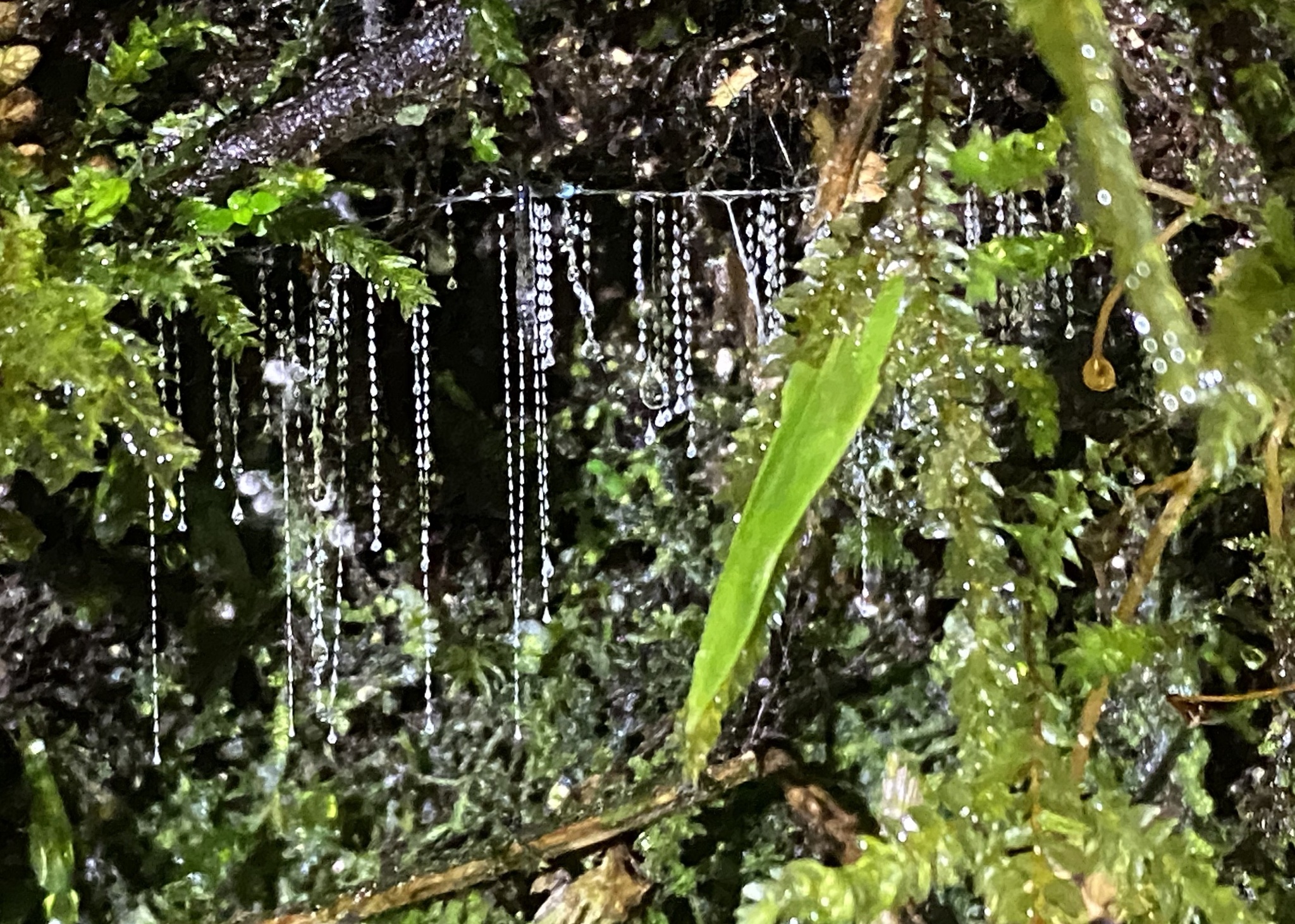
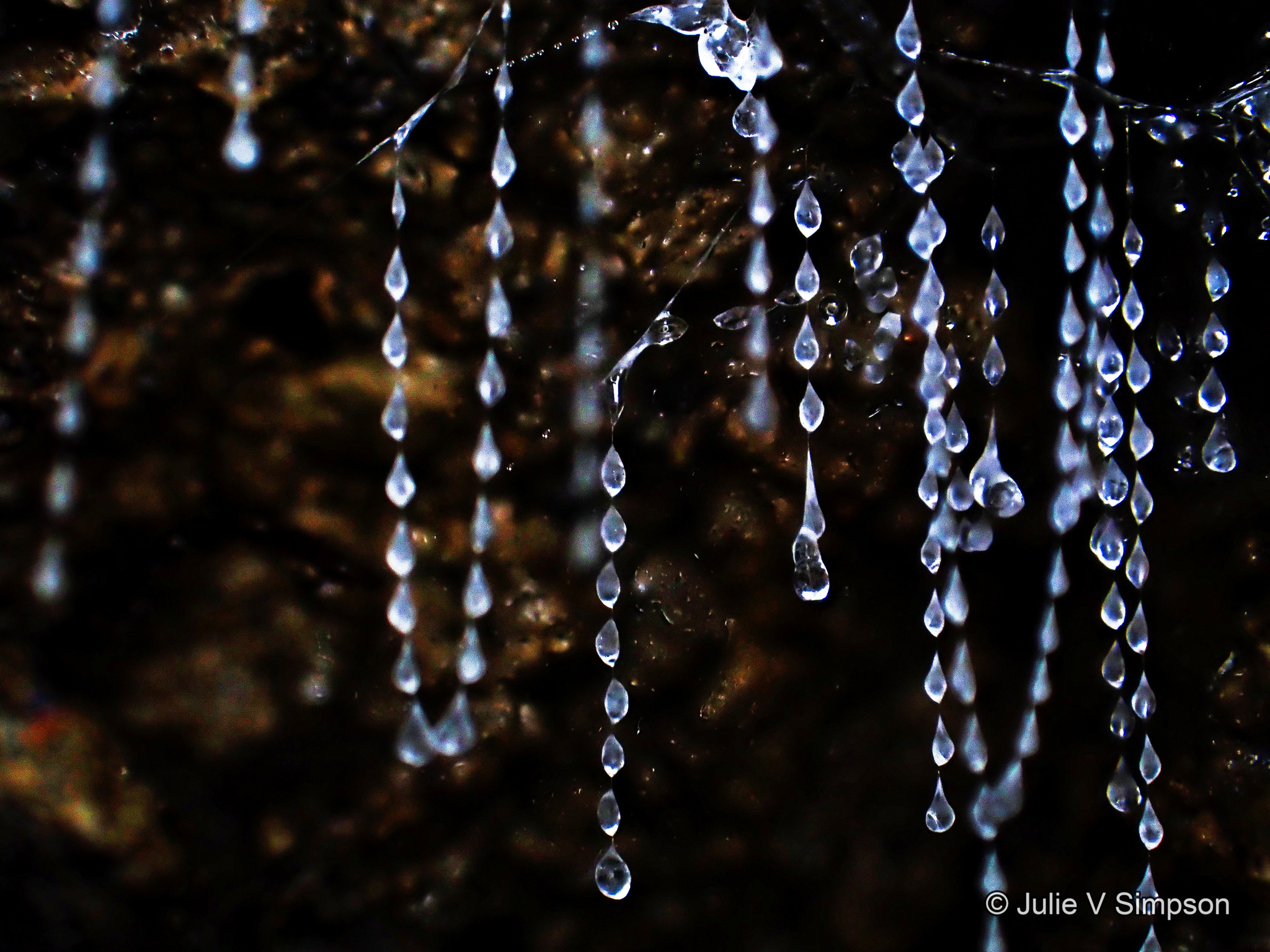
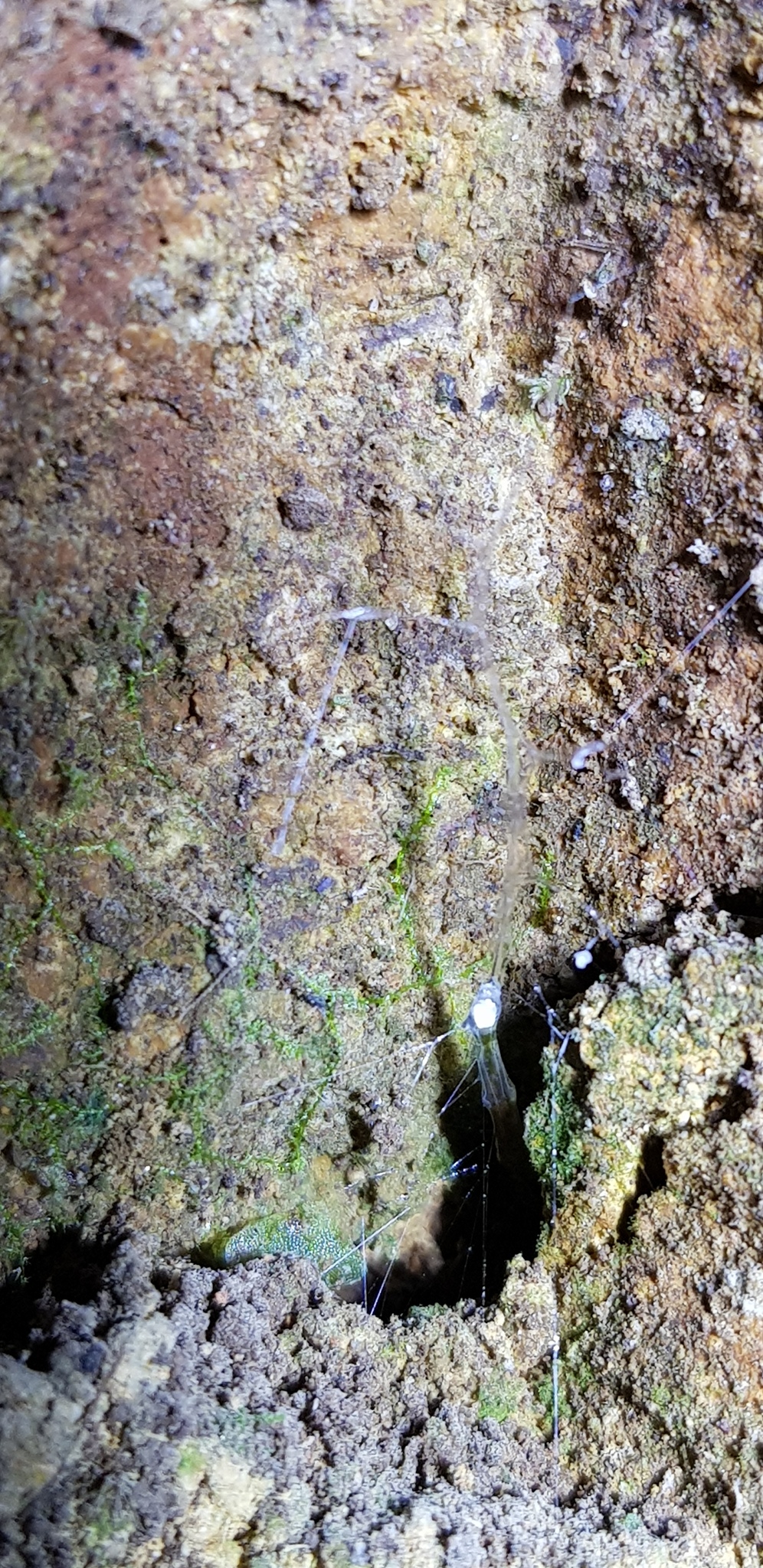
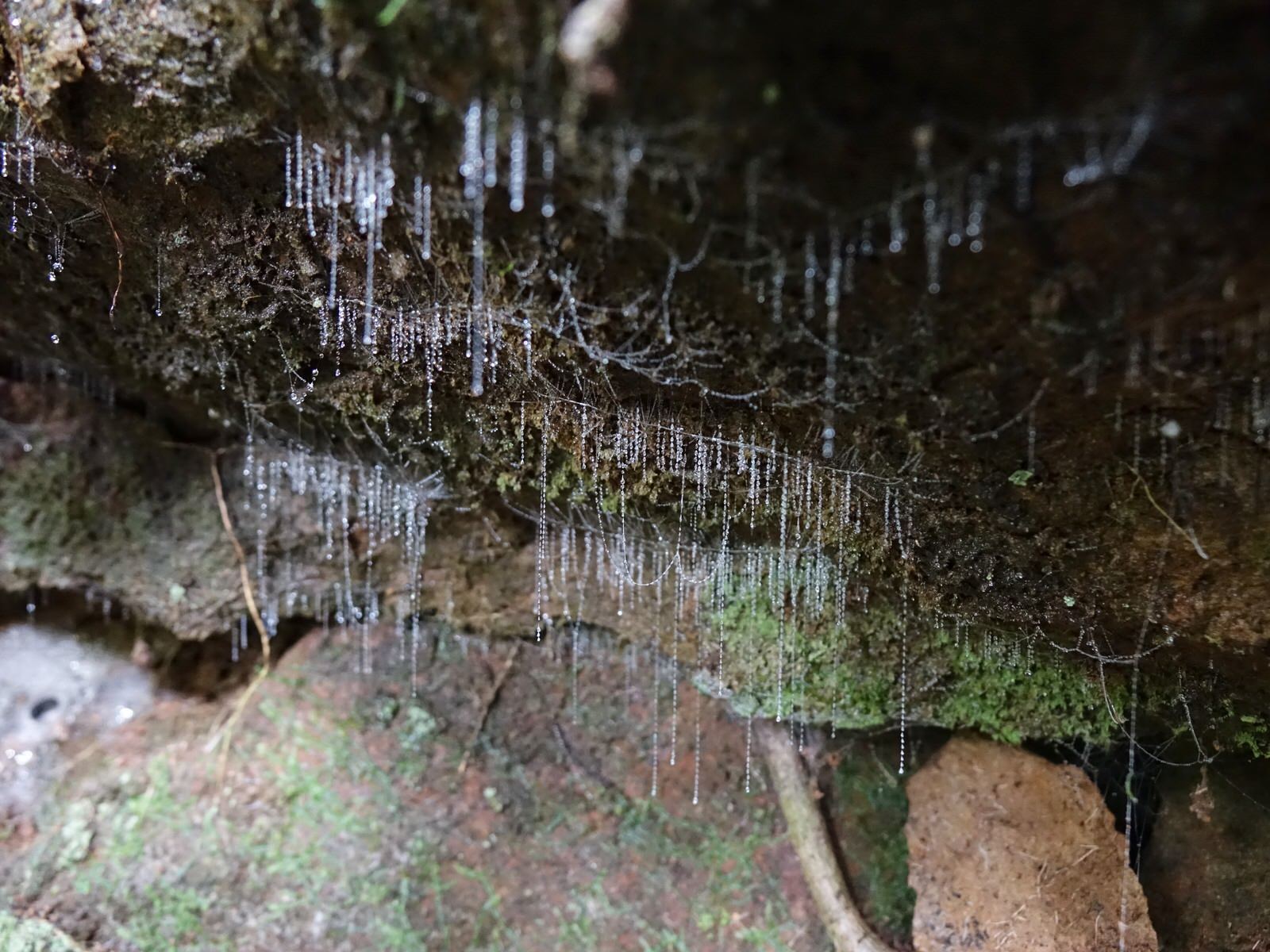
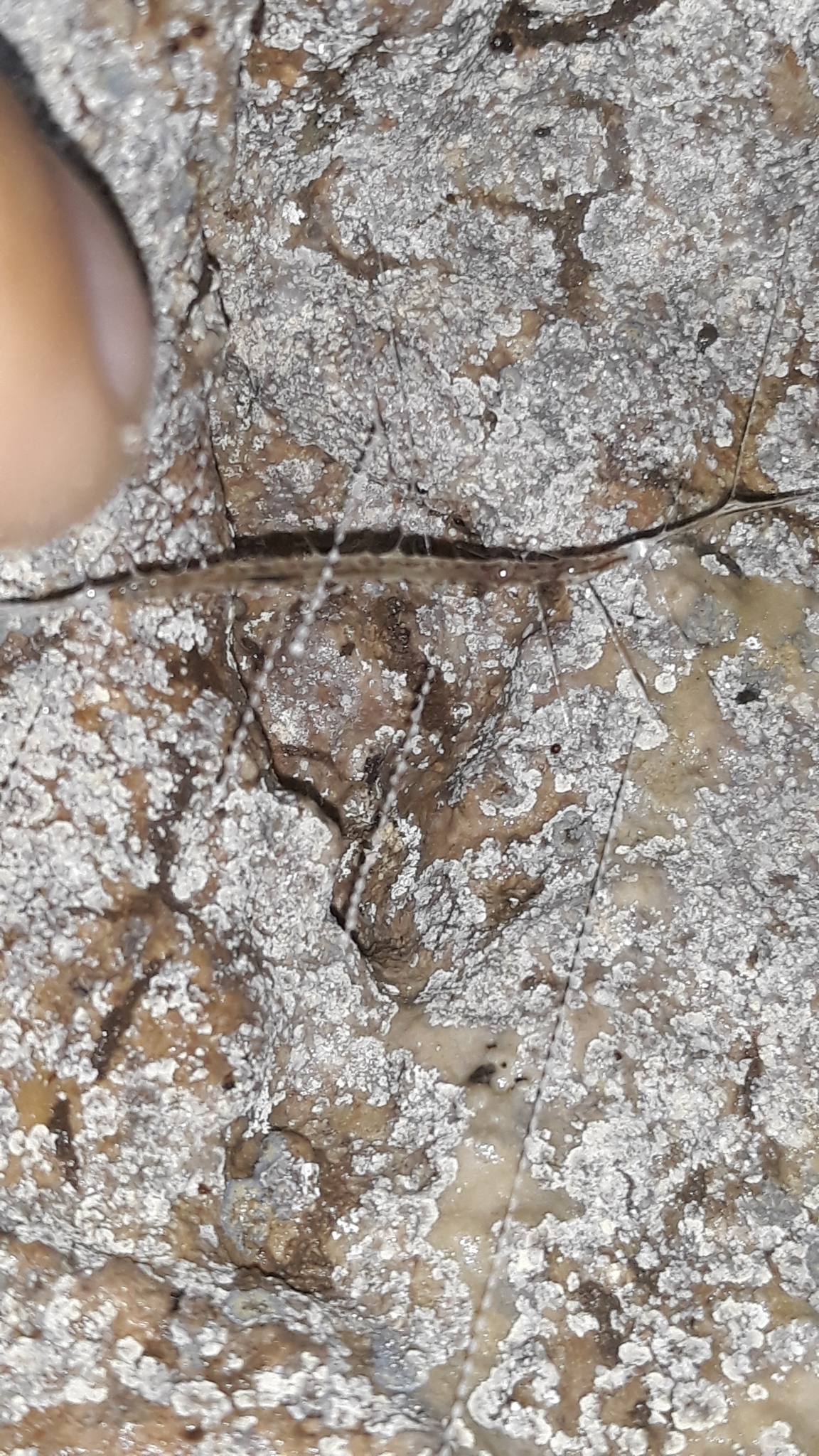
The genus Arachnocampa includes species known for their bioluminescent larval stages. Observations from the TreeOfLife-200M dataset show larvae that are typically elongated and worm-like in form.[1] They often exhibit a translucent or pale body texture, which is characteristic of their development in sheltered, humid environments such as caves or damp forests.[1]
Bioluminescence
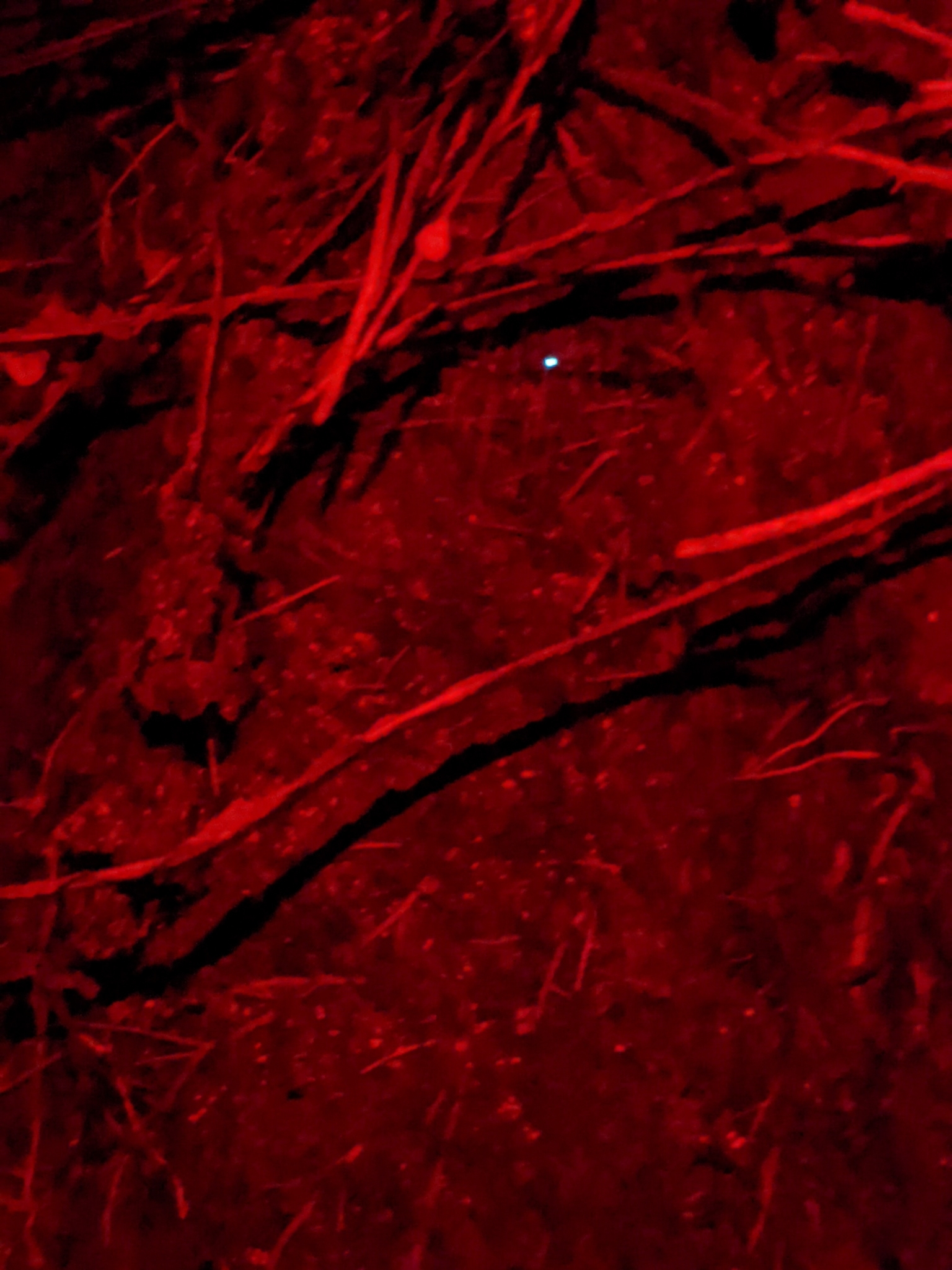
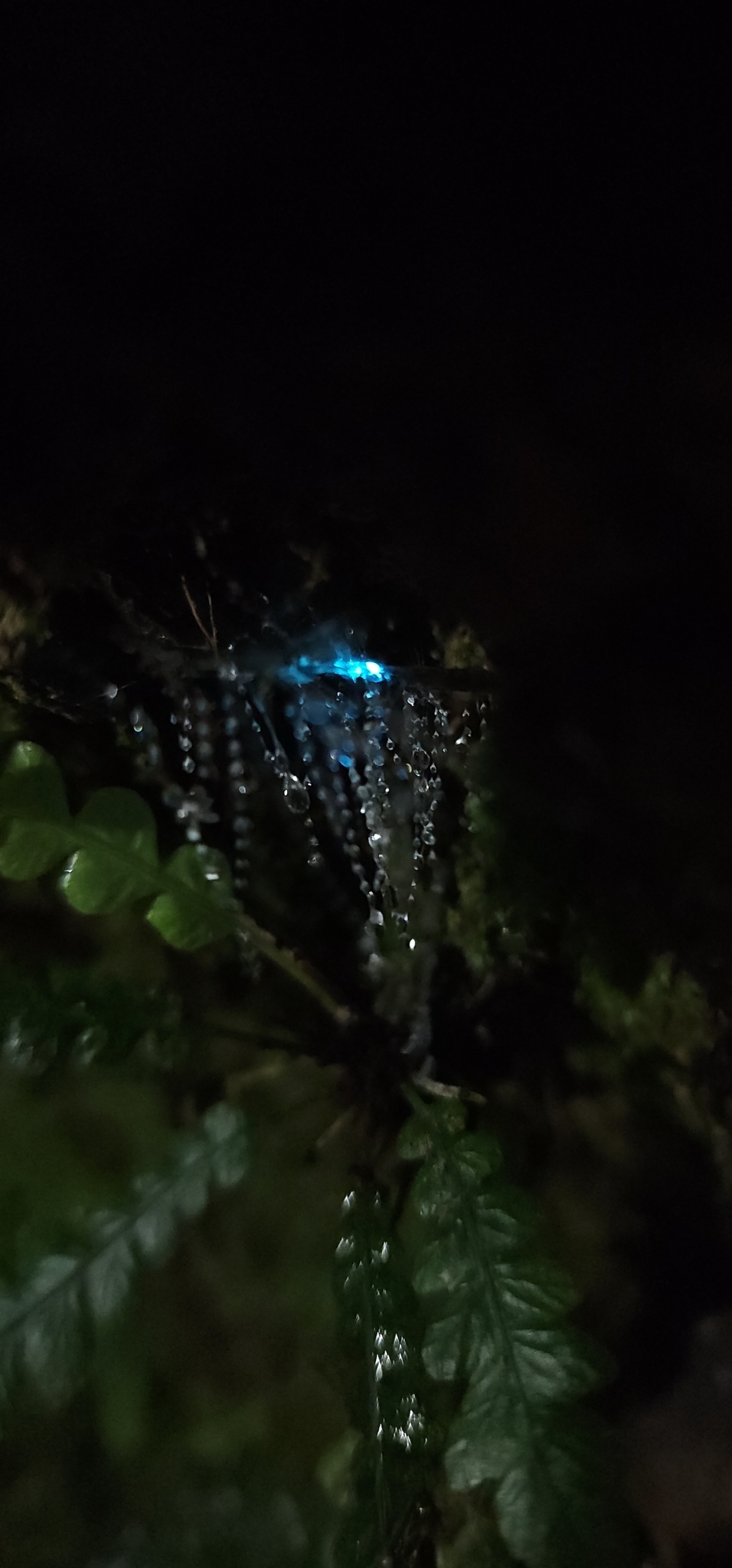
The New Zealand glowworm, Arachnocampa luminosa, is well-studied for its blue-green bioluminescence, which has a peak emission of 487 nm.[2] This light is produced by a luciferin-luciferase reaction that requires ATP-Mg²⁺ and oxygen.[2] The light organ is situated at the posterior end of the larva and is derived from modified Malpighian tubules.[2]
Although the luciferase enzyme in A. luminosa shares approximately 30% sequence identity with firefly luciferase, the bioluminescent system is evolutionarily distinct, and there is no cross-reactivity between their respective luciferins and luciferases.[2] The luciferin itself is chemically unique, requiring tyrosine and xanthurenic acid as precursors for its production.[2]
Gallery
References
- 1 2 3 Dataset view for Animalia / Arthropoda / Insecta / Diptera / Keroplatidae / Arachnocampa constructed from imageomics/TreeOfLife-200M records under this taxonomic path. Hugging Face Datasets. https://huggingface.co/datasets/imageomics/TreeOfLife-200M.
- 1 2 3 4 5 Oliver C. Watkins; Miriam L. Sharpe; Nigel B. Perry; Kurt L. Krause. New Zealand glowworm (Arachnocampa luminosa) bioluminescence is produced by a firefly-like luciferase but an entirely new luciferin. Scientific Reports. 2018. https://doi.org/10.1038/s41598-018-21298-w.