Apsectrotanypus
Taxonomy
This page represents the following TreeOfLife-200M taxonomic path.[1]
- Kingdom: Animalia
- Phylum: Arthropoda
- Class: Insecta
- Order: Diptera
- Family: Chironomidae
- Genus: Apsectrotanypus
Visual Description
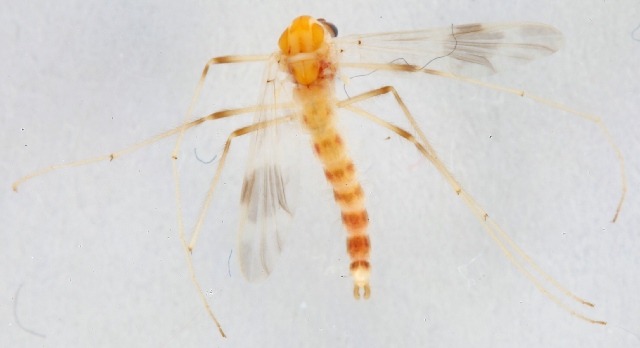
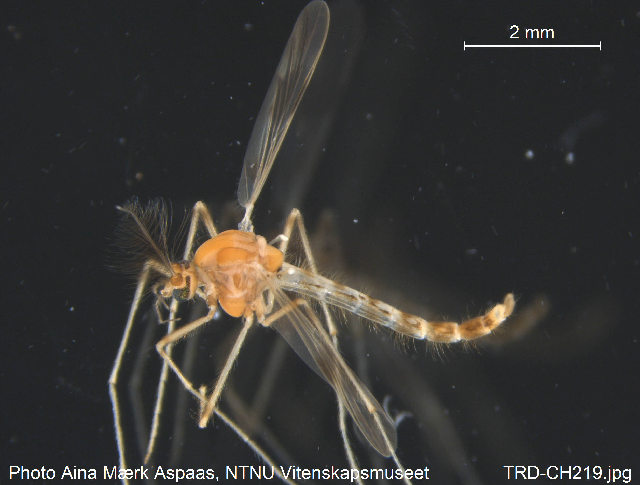
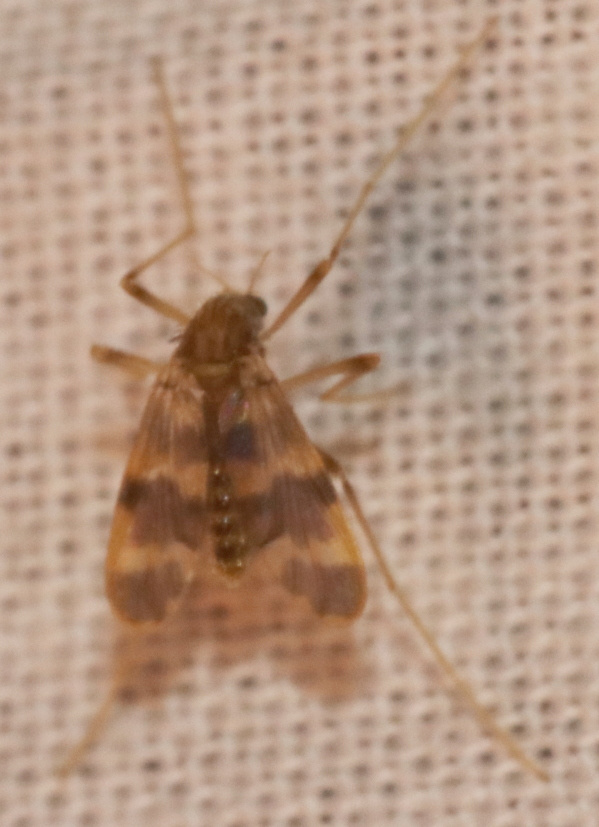
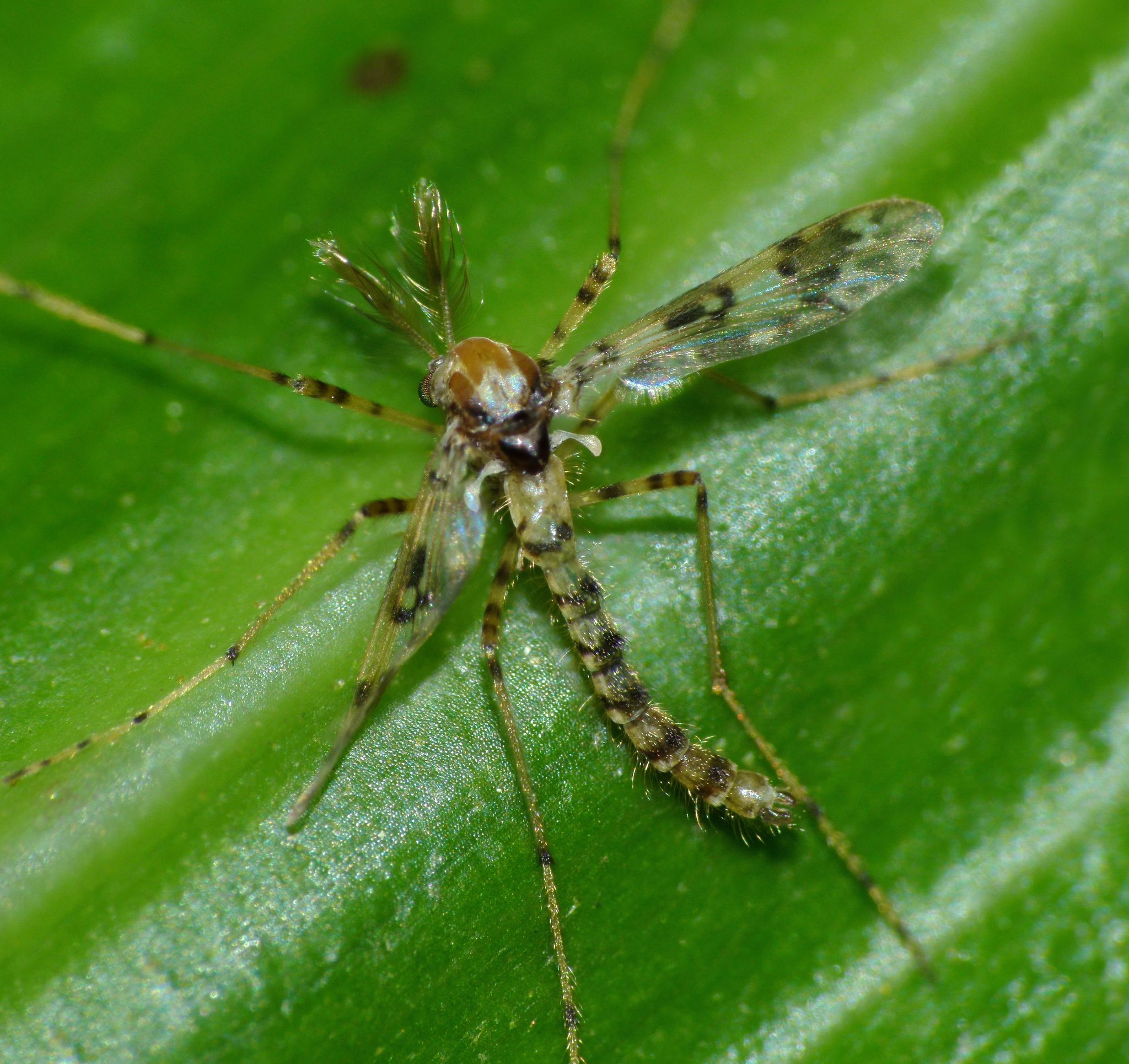
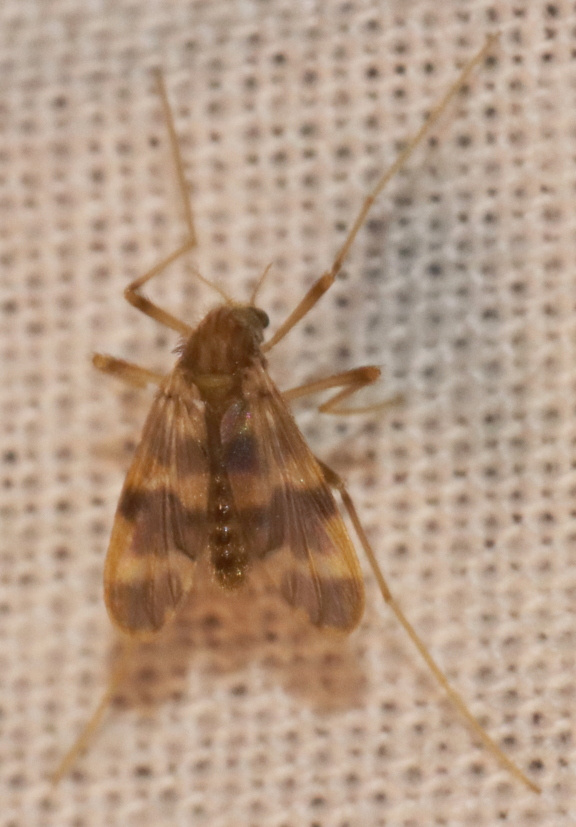
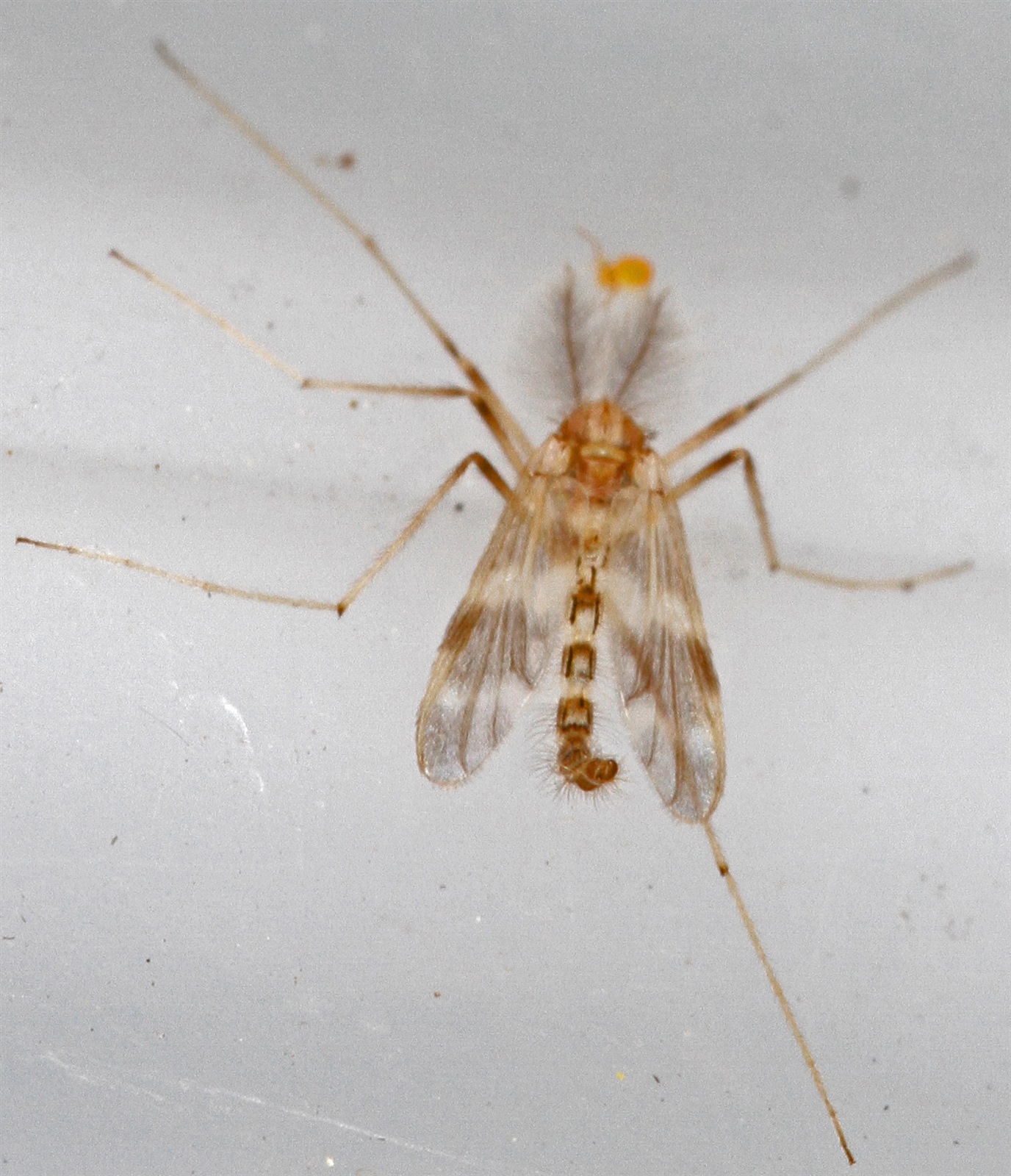
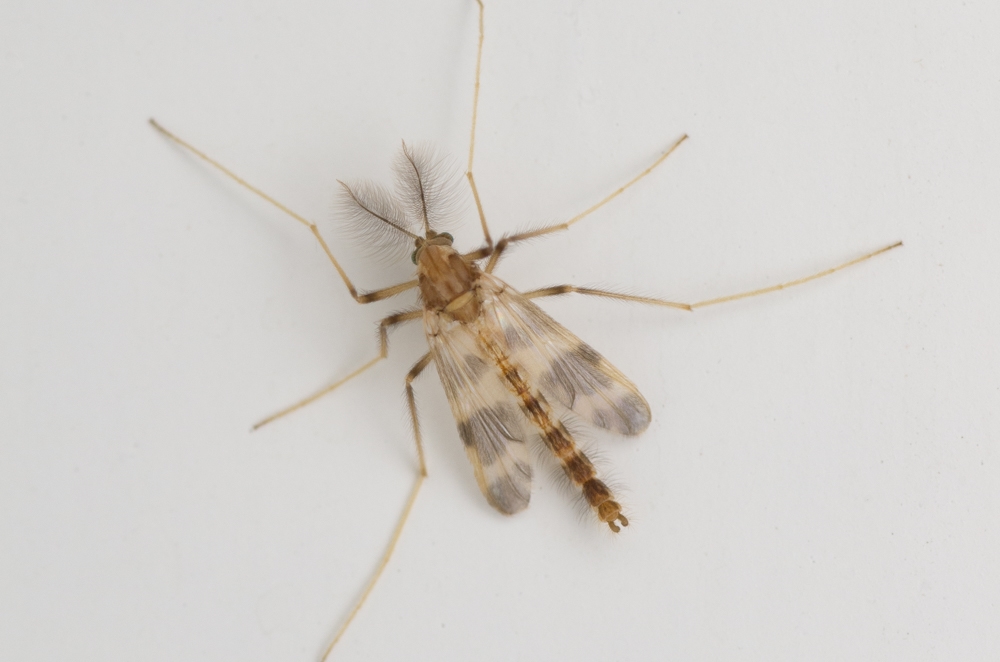
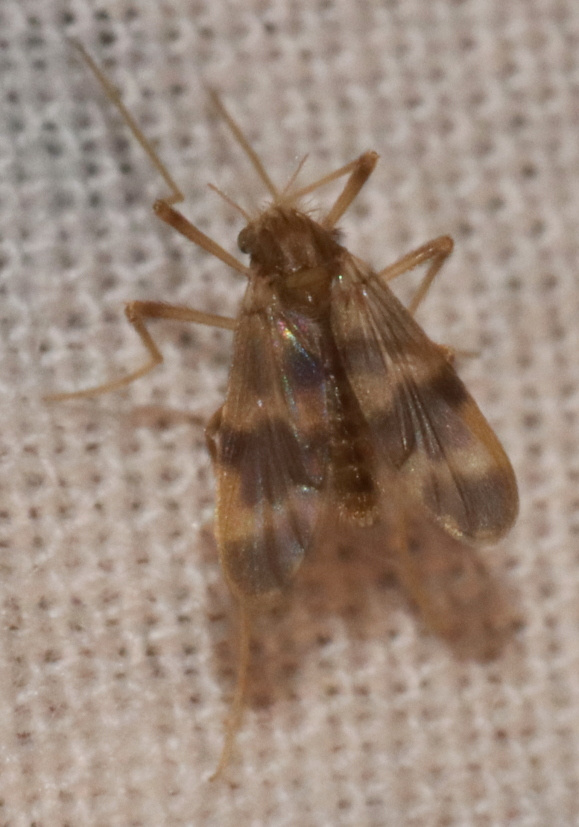
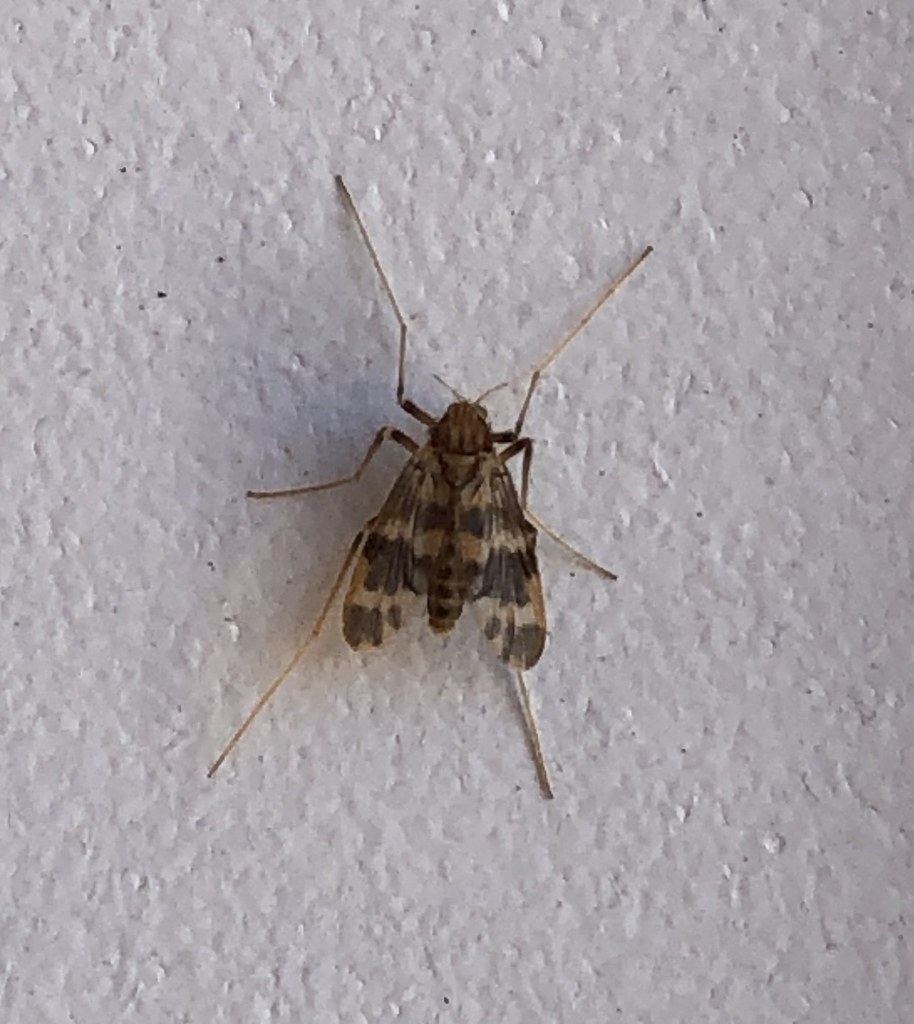
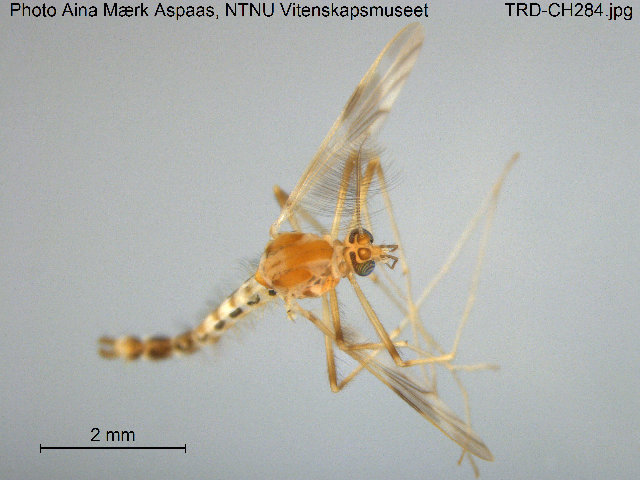
Based on observations from the TreeOfLife-200M dataset, Apsectrotanypus specimens exhibit the characteristic morphology of chironomid midges.[1] They possess slender, elongated bodies and delicate, multi-segmented antennae. The wings are typically transparent or lightly patterned, often held in a characteristic resting position along the abdomen. The legs are long and thin, typical of the family Chironomidae.[1]
Ecology and Environmental Significance
Apsectrotanypus is a genus within the family Chironomidae. Research in northern Patagonia has identified this genus in sediment core samples from Lake Moreno Oeste, where it has been present for at least the last 700 years.[2]
In these sediment records, Apsectrotanypus was the most abundant taxon, accounting for 26.4% of all recorded head capsules.[2] Its relative abundance showed a significant increase around AD 1760, a period marked by a transition from a cooler climate to a drier phase in the region.[2] Since approximately AD 1910, the presence of Apsectrotanypus has been linked to environmental changes in the littoral zone, including suburban development and the introduction of exotic salmonid fish.[2]
Gallery
References
- 1 2 3 Dataset view for Animalia / Arthropoda / Insecta / Diptera / Chironomidae / Apsectrotanypus constructed from imageomics/TreeOfLife-200M records under this taxonomic path. Hugging Face Datasets. https://huggingface.co/datasets/imageomics/TreeOfLife-200M.
- 1 2 3 4 Natalia Williams; María Rieradevall; Diego Añón Suárez; Andrea Rizzo; Romina Daga; Sergio Ribeiro Guevara; Marı́a Arribére. Chironomids as indicators of natural and human impacts in a 700-yr record from the northern Patagonian Andes. Quaternary Research. 2016. https://doi.org/10.1016/j.yqres.2016.07.002.