Apocephalus borealis
Taxonomy
This page represents the following TreeOfLife-200M taxonomic path.[1]
- Kingdom: Animalia
- Phylum: Arthropoda
- Class: Insecta
- Order: Diptera
- Family: Phoridae
- Genus: Apocephalus
- Species: Apocephalus borealis
Visual Description
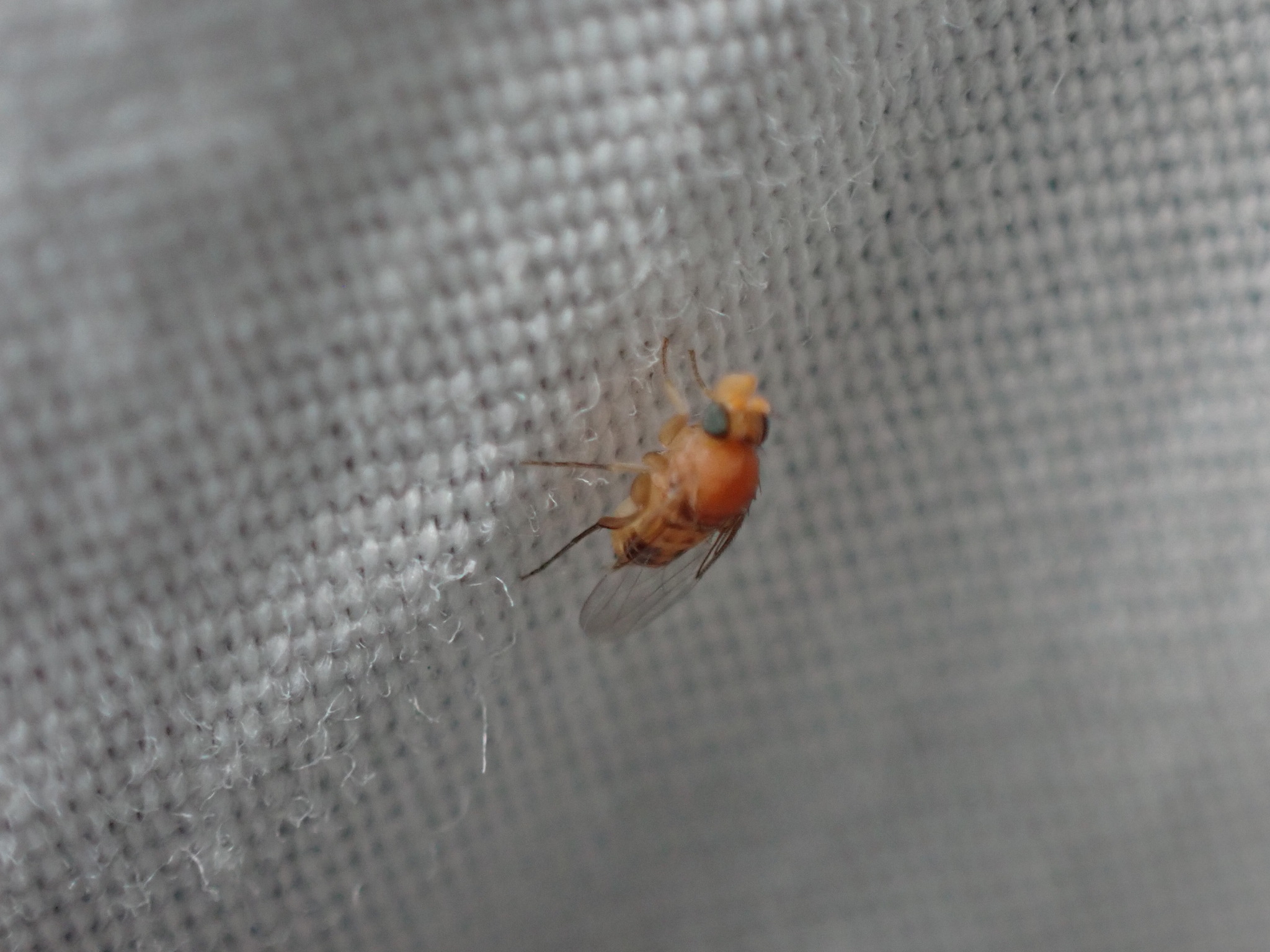
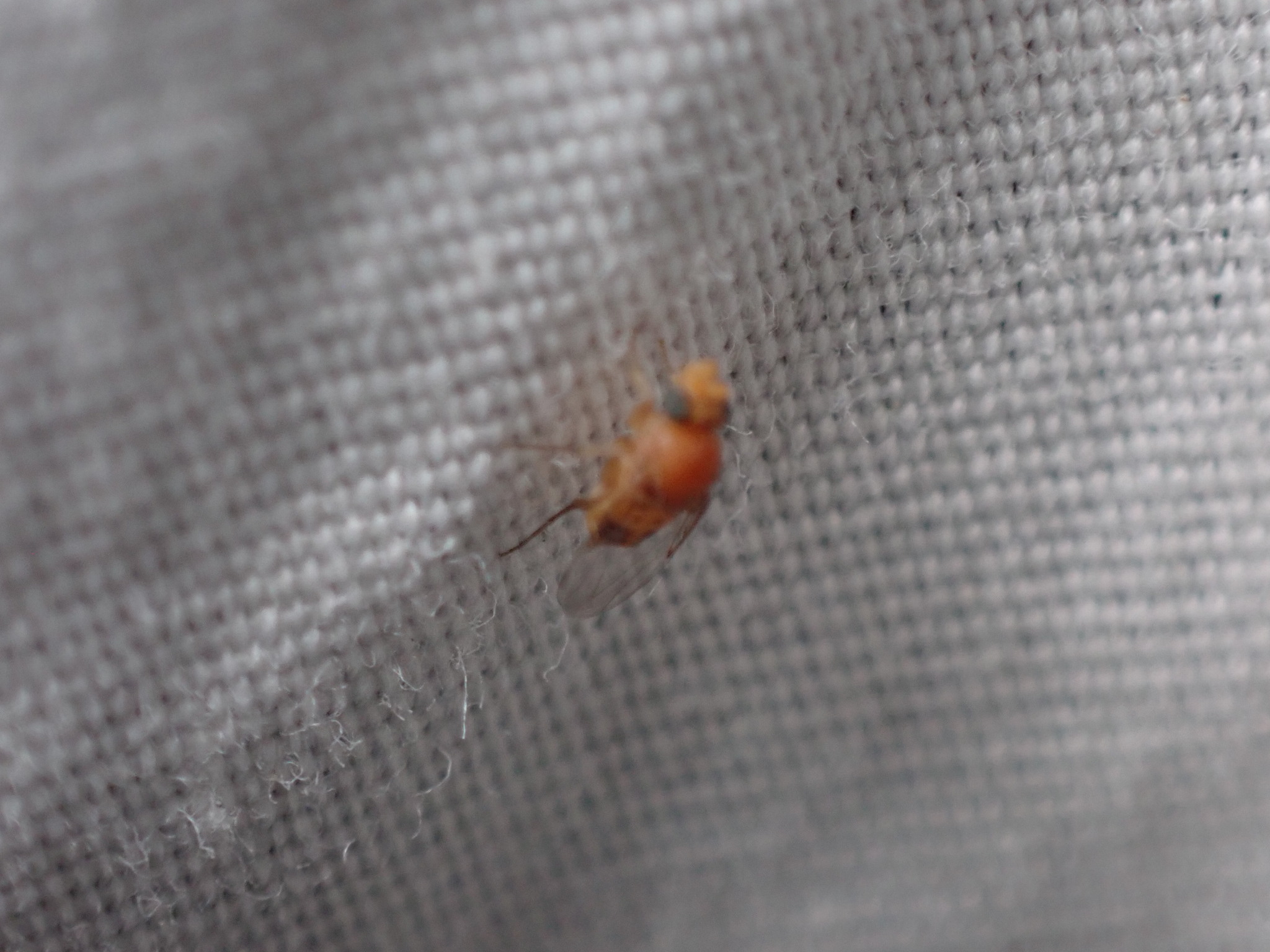
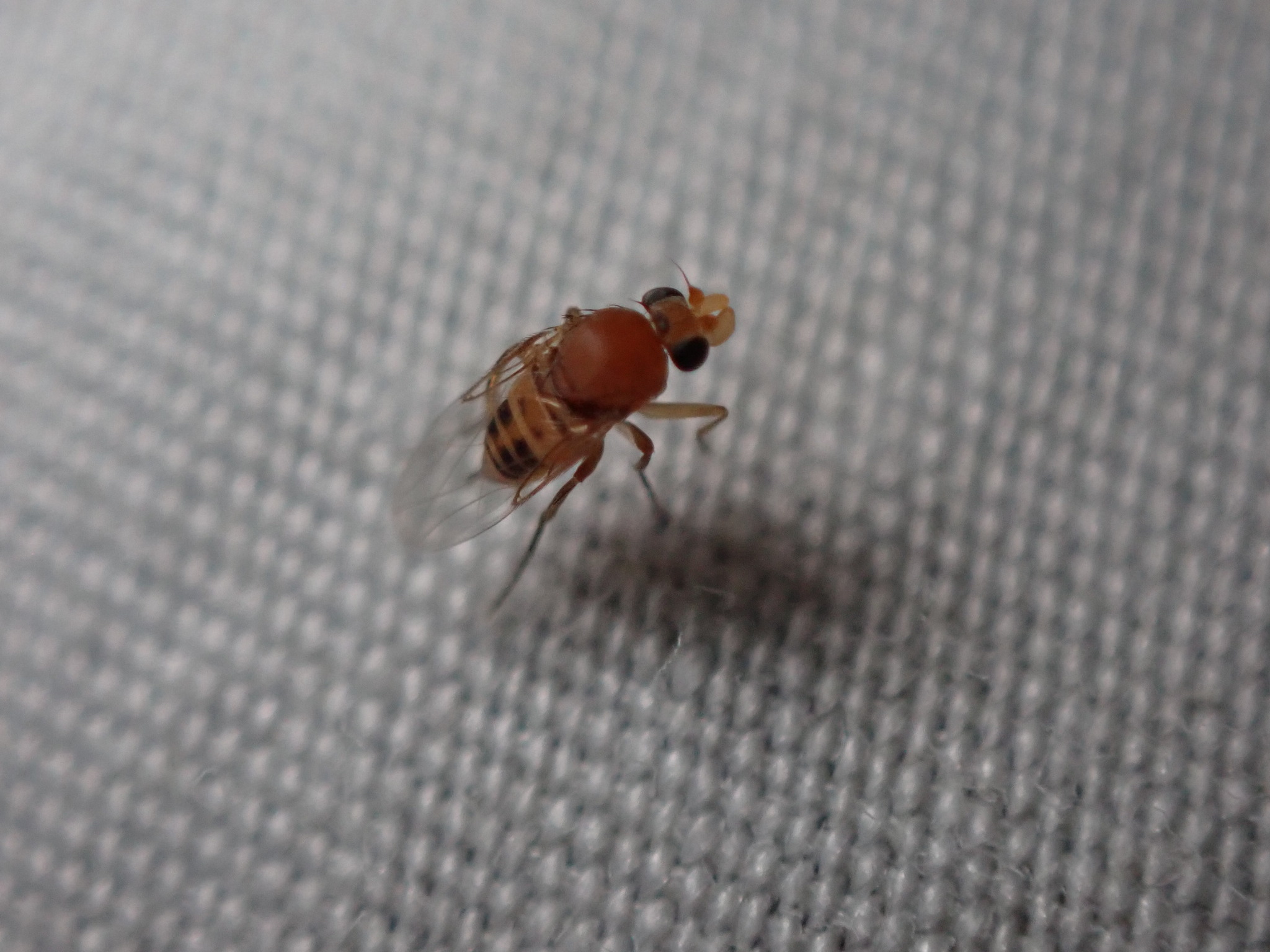
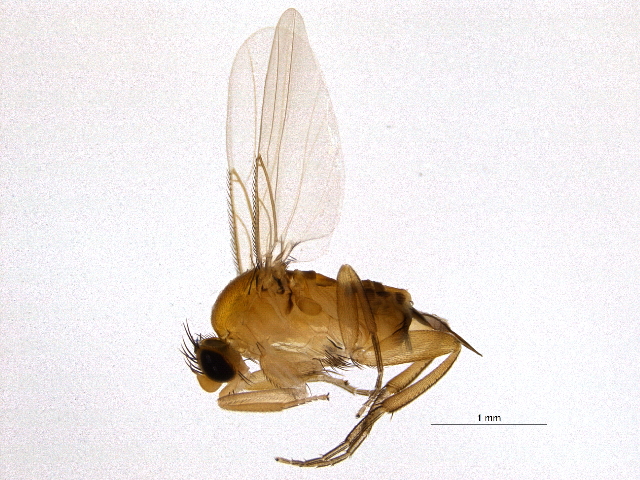
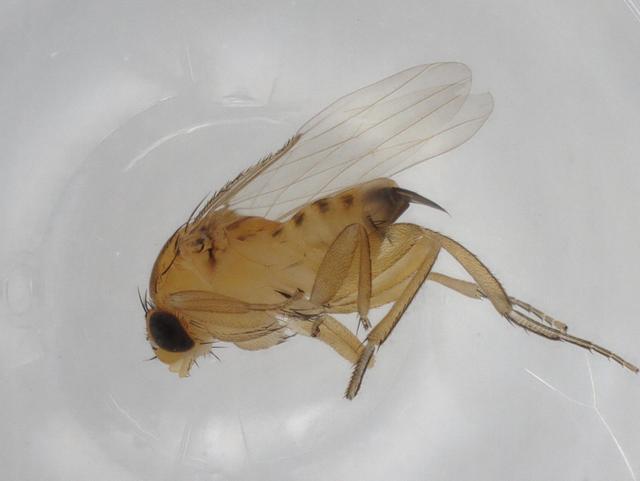
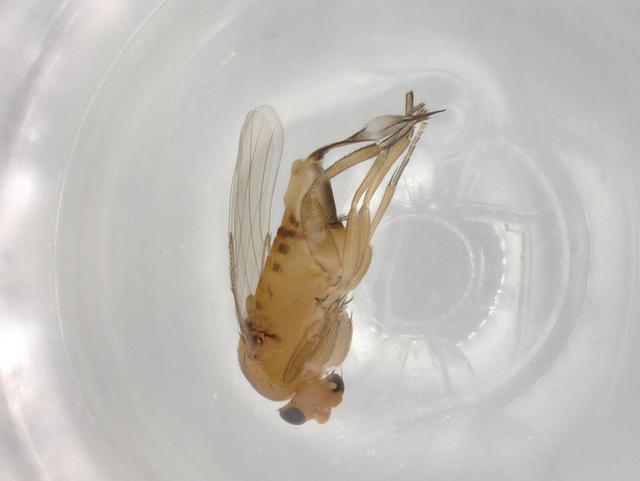
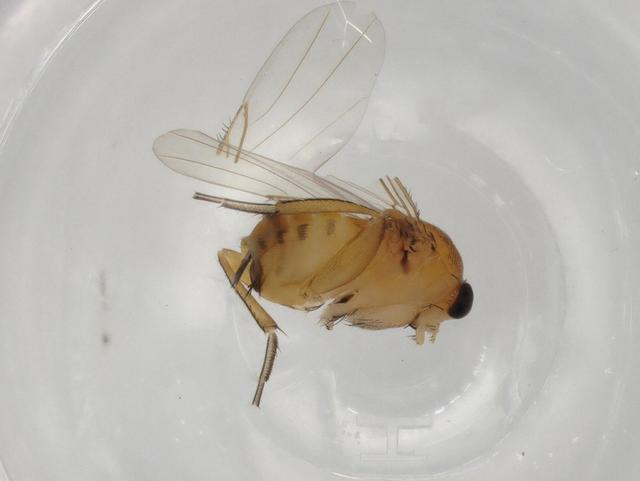
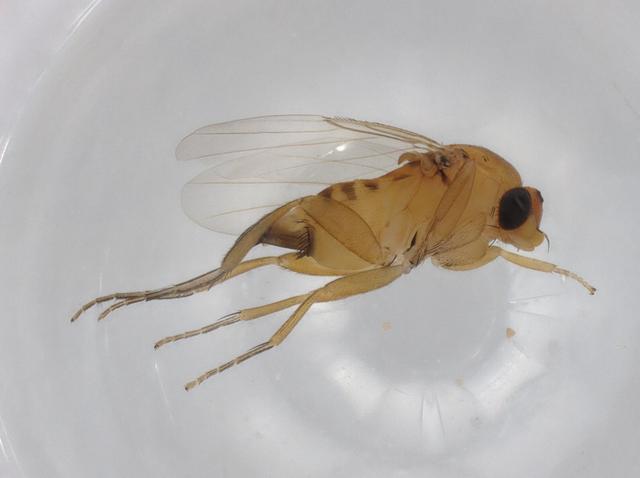
Apocephalus borealis is a small phorid fly. Based on observations of specimens in the TreeOfLife-200M dataset, the adult fly exhibits the characteristic humpbacked appearance typical of the family Phoridae, with a relatively small head and a robust thorax.[1] The body coloration is generally dark, ranging from brown to black, and the wings are clear with distinct venation patterns characteristic of the genus.[1]
Ecology and Host Interaction
Apocephalus borealis is a North American phorid fly, previously known to parasitize bumble bees and paper wasps, that has been documented as a novel parasite of the non-native honey bee (Apis mellifera) [2].
- Host Manipulation: Parasitized honey bees exhibit a distinct behavioral change, abandoning their hives at night and dying shortly thereafter. This behavior is similar to that observed in fire ants parasitized by Pseudacteon phorids, suggesting A. borealis may manipulate host behavior [2].
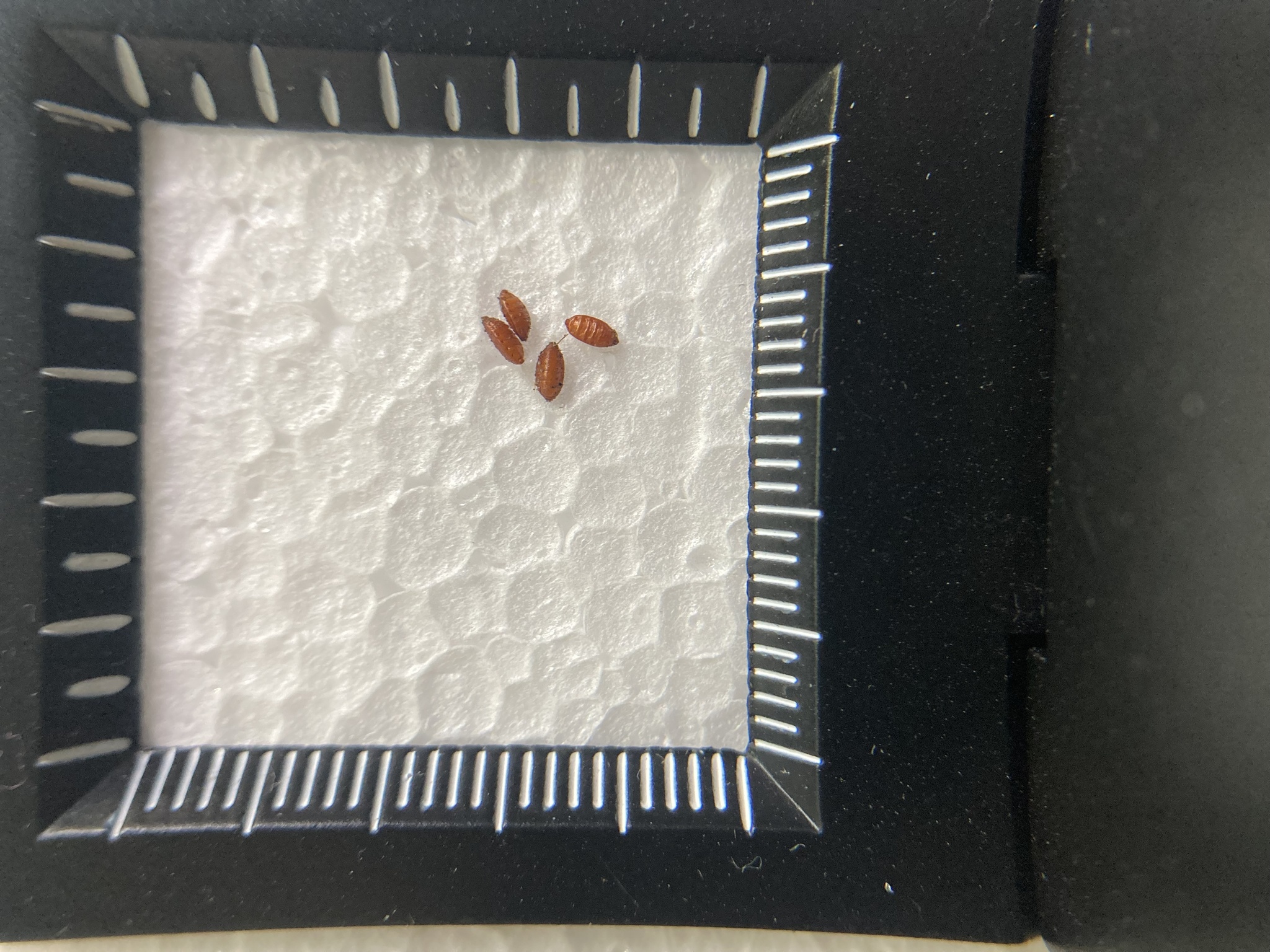
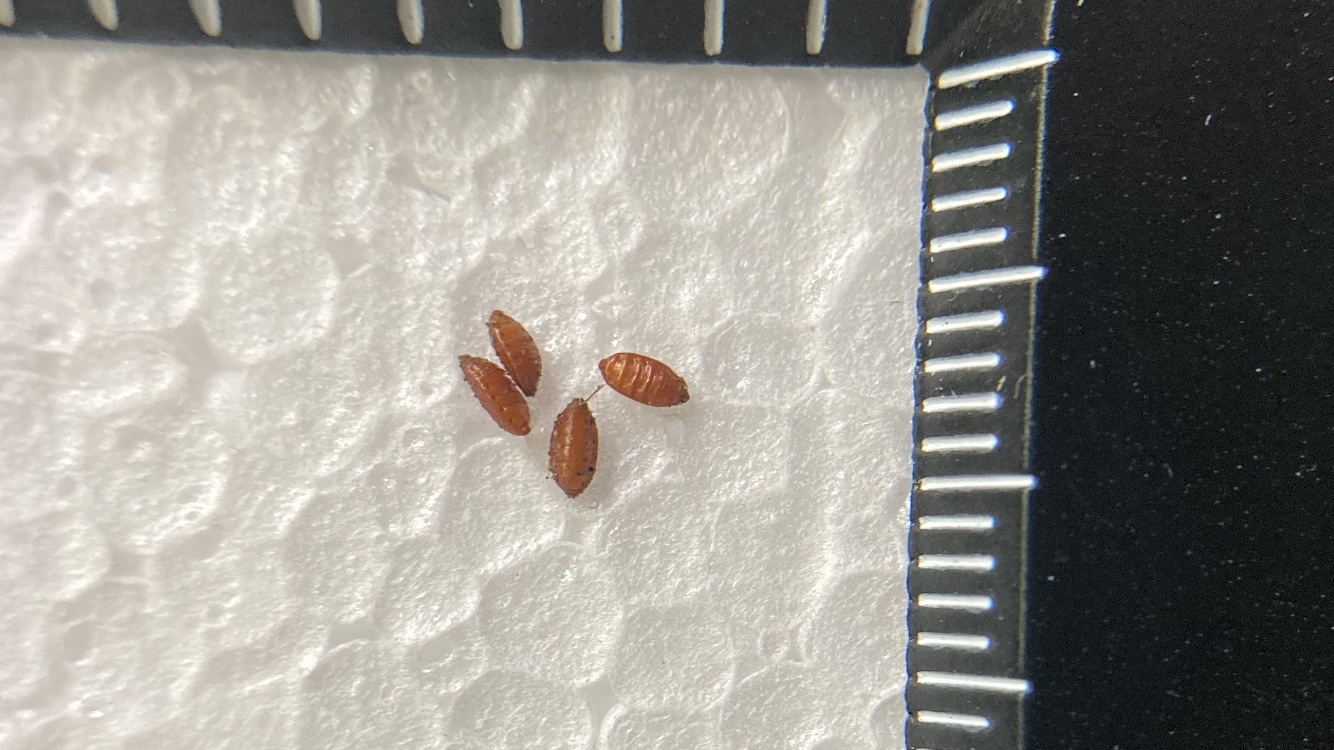
- Parasitism Process: Female flies insert their ovipositors into the abdomen of a honey bee. Mature larvae emerge from the junction between the bee's head and thorax, typically seven days after the initial attack, and move away from the host to pupate [2].
- Reproduction: Production rates from field-collected bees range from one to 13 larvae per bee, with laboratory observations showing up to 25 pupae from a single bee [2].
- Pathogen Association: A. borealis adults and larvae have tested positive for Nosema ceranae and deformed wing virus (DWV), both of which are implicated in honey bee health issues. This suggests the fly may act as a potential vector or reservoir for these pathogens [2].
Distribution and Impact
- Prevalence: In the San Francisco Bay Area, 77% of sampled sites contained honey bees parasitized by A. borealis. The fly has also been detected in commercial hives in South Dakota and California's Central Valley [2].
- Host Shift: Evidence suggests the interaction with honey bees represents a recent host shift. The fly's ability to exploit the large, year-round colonies of honey bees may allow for population increases and higher virulence compared to its impact on bumble bees, which live in smaller, seasonal colonies [2].
- Conservation Concern: The potential for A. borealis to act as a vector for pathogens or to contribute to colony decline makes it a concern for both apiculture and the conservation of native pollinators [2].
Gallery
References
- 1 2 3 Dataset view for Animalia / Arthropoda / Insecta / Diptera / Phoridae / Apocephalus / borealis constructed from imageomics/TreeOfLife-200M records under this taxonomic path. Hugging Face Datasets. https://huggingface.co/datasets/imageomics/TreeOfLife-200M.
- 1 2 3 4 5 6 7 8 Andrew Core; Charles Runckel; Jonathan Ivers; Christopher Quock; Travis Siapno; Seraphina DeNault; Brian V. Brown; Joseph L. DeRisi; Christopher D. Smith; John E. Hafernik. A New Threat to Honey Bees, the Parasitic Phorid Fly Apocephalus borealis. PLoS ONE. 2012. https://doi.org/10.1371/journal.pone.0029639.