Aplysina lendenfeldi
Taxonomy
This page represents the following TreeOfLife-200M taxonomic path.[1]
- Kingdom: Animalia
- Phylum: Porifera
- Class: Demospongiae
- Order: Verongiida
- Family: Aplysinidae
- Genus: Aplysina
- Species: Aplysina lendenfeldi
Visual Description
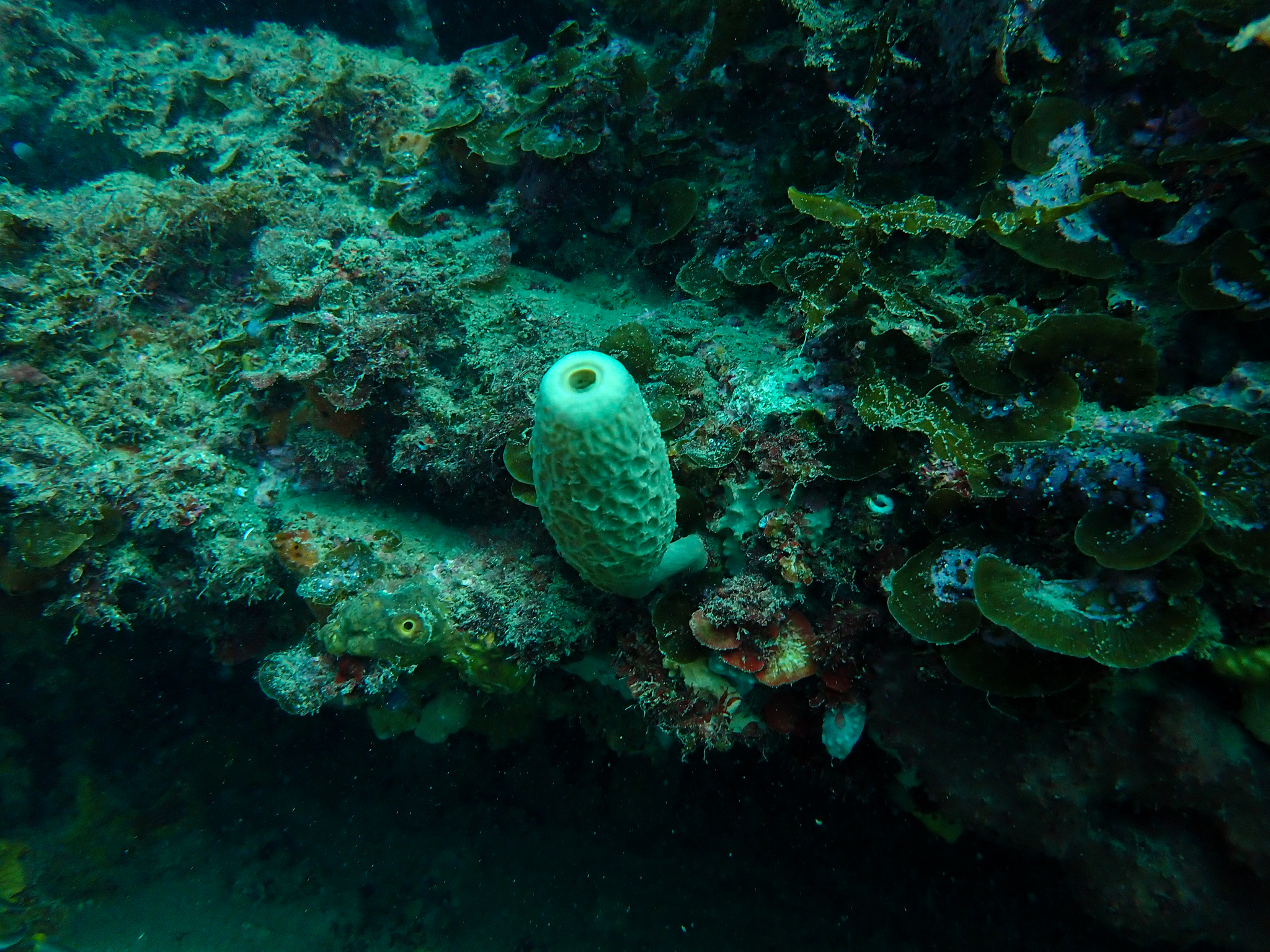
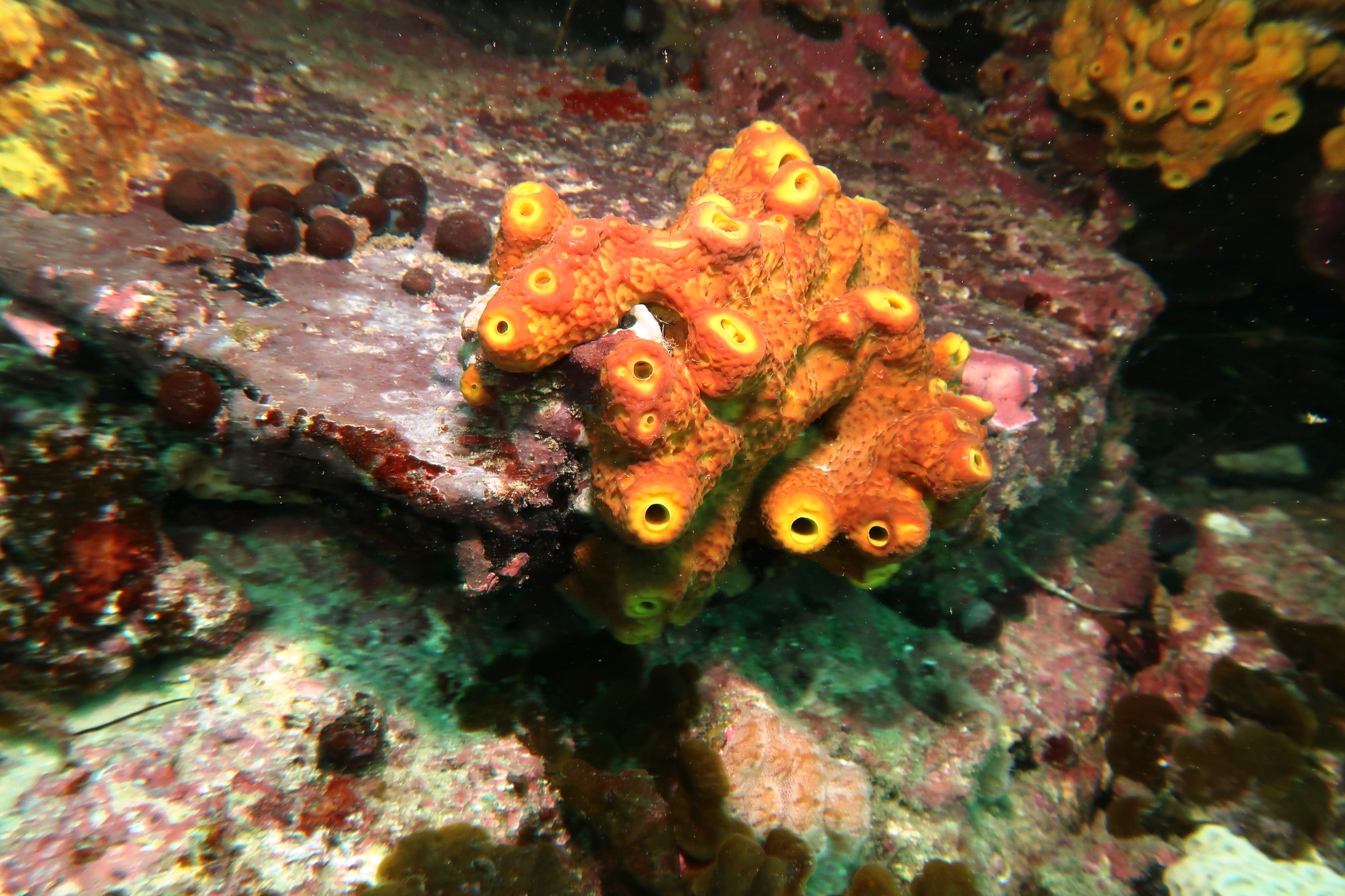
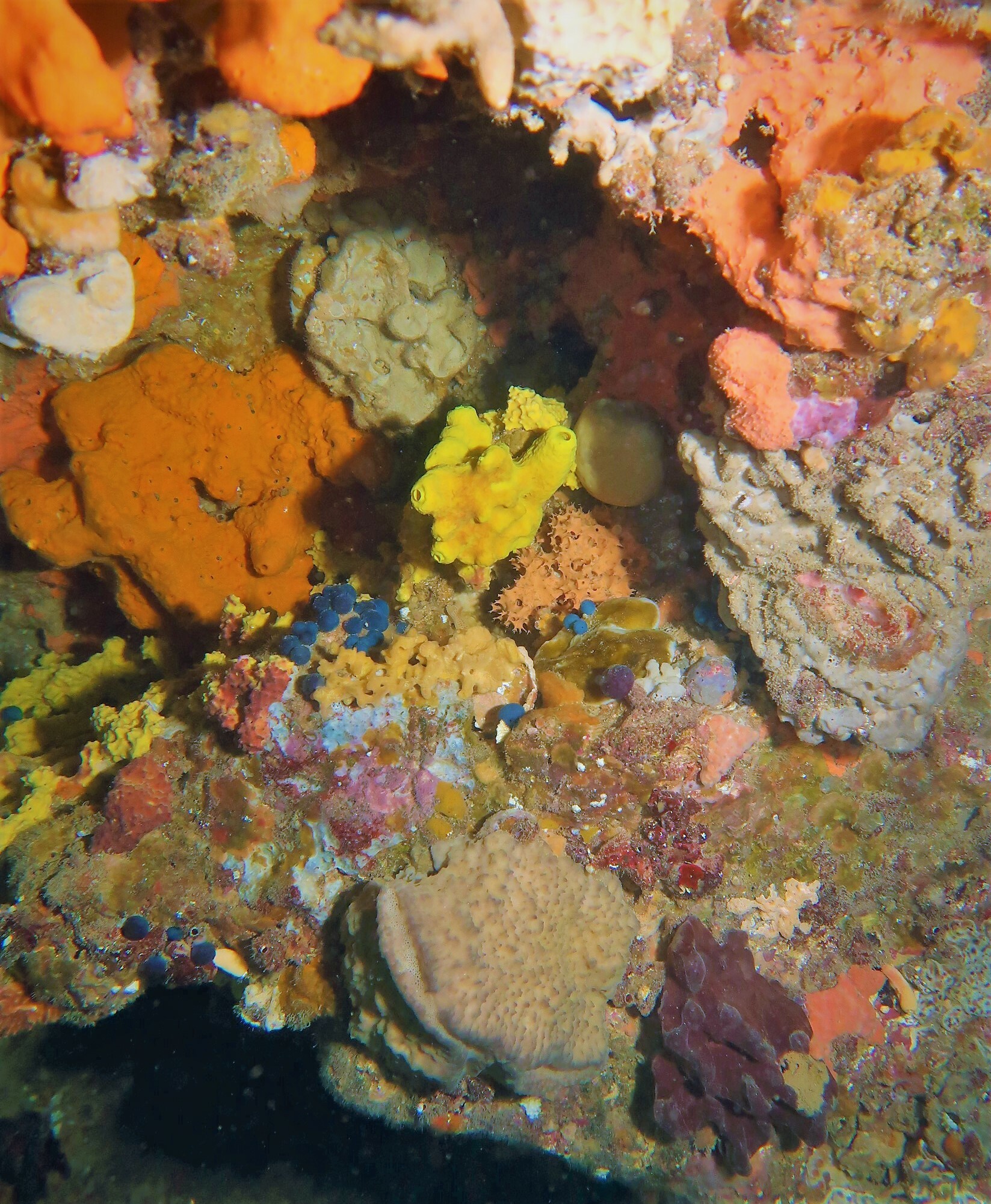
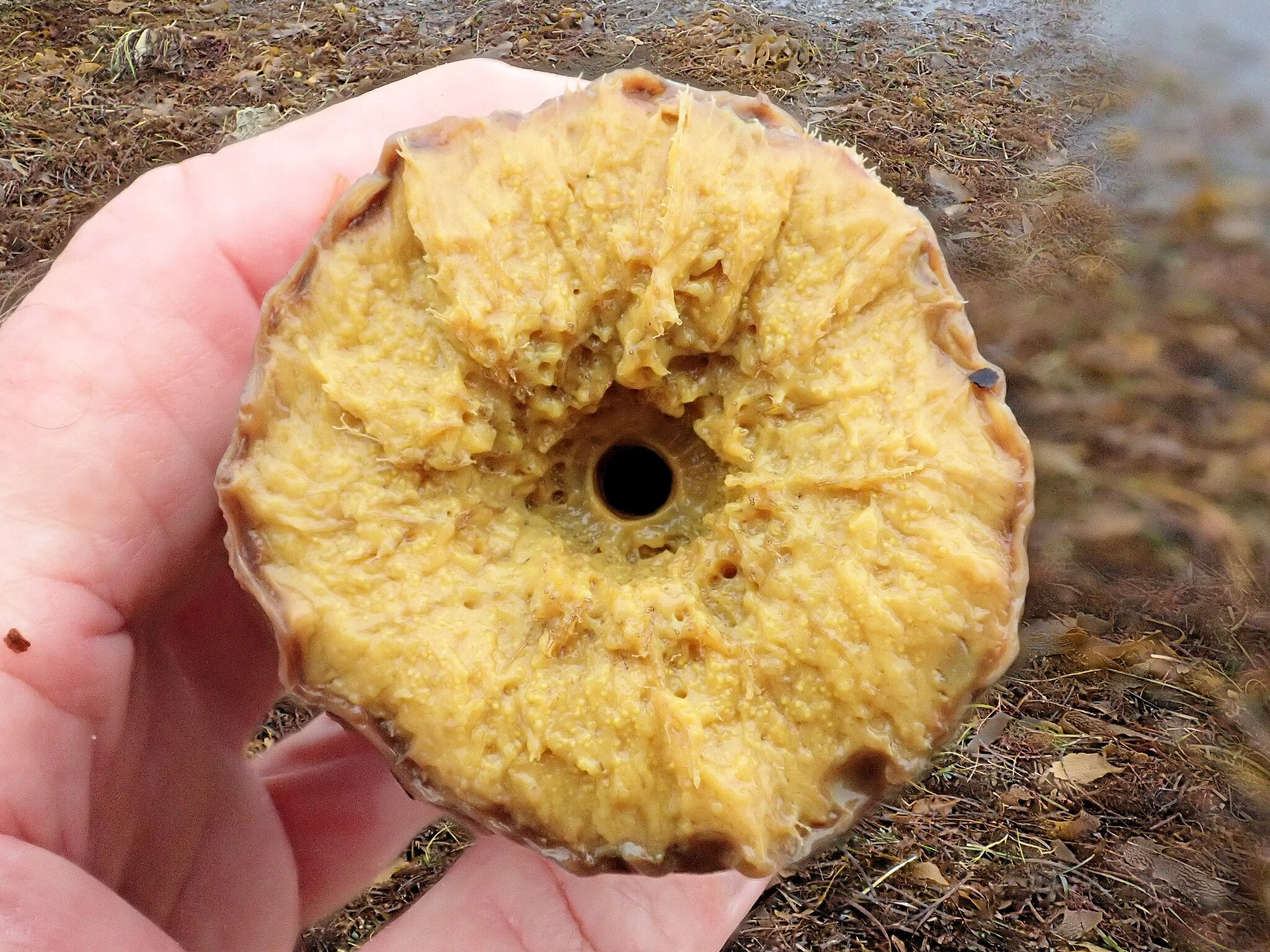
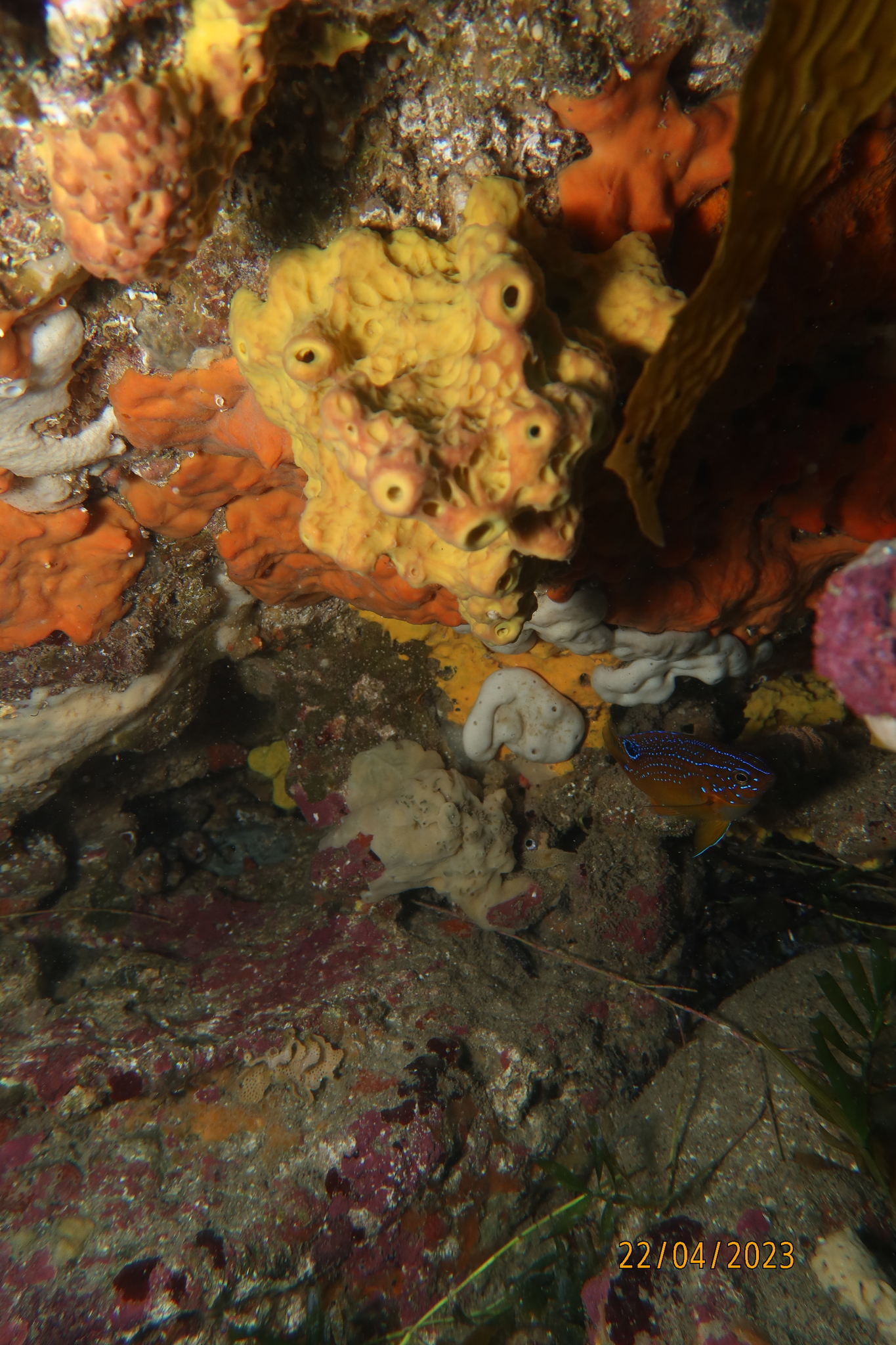
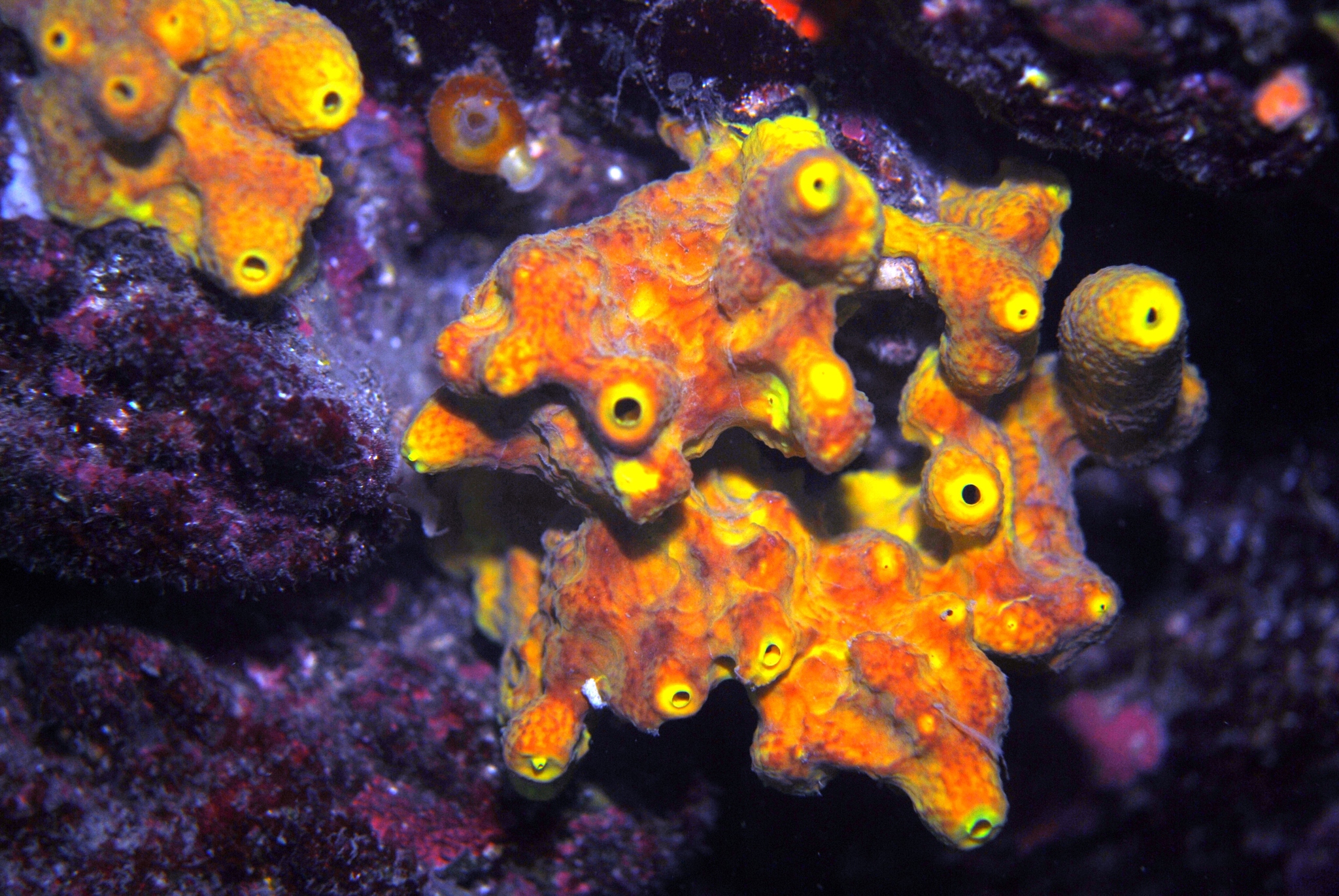
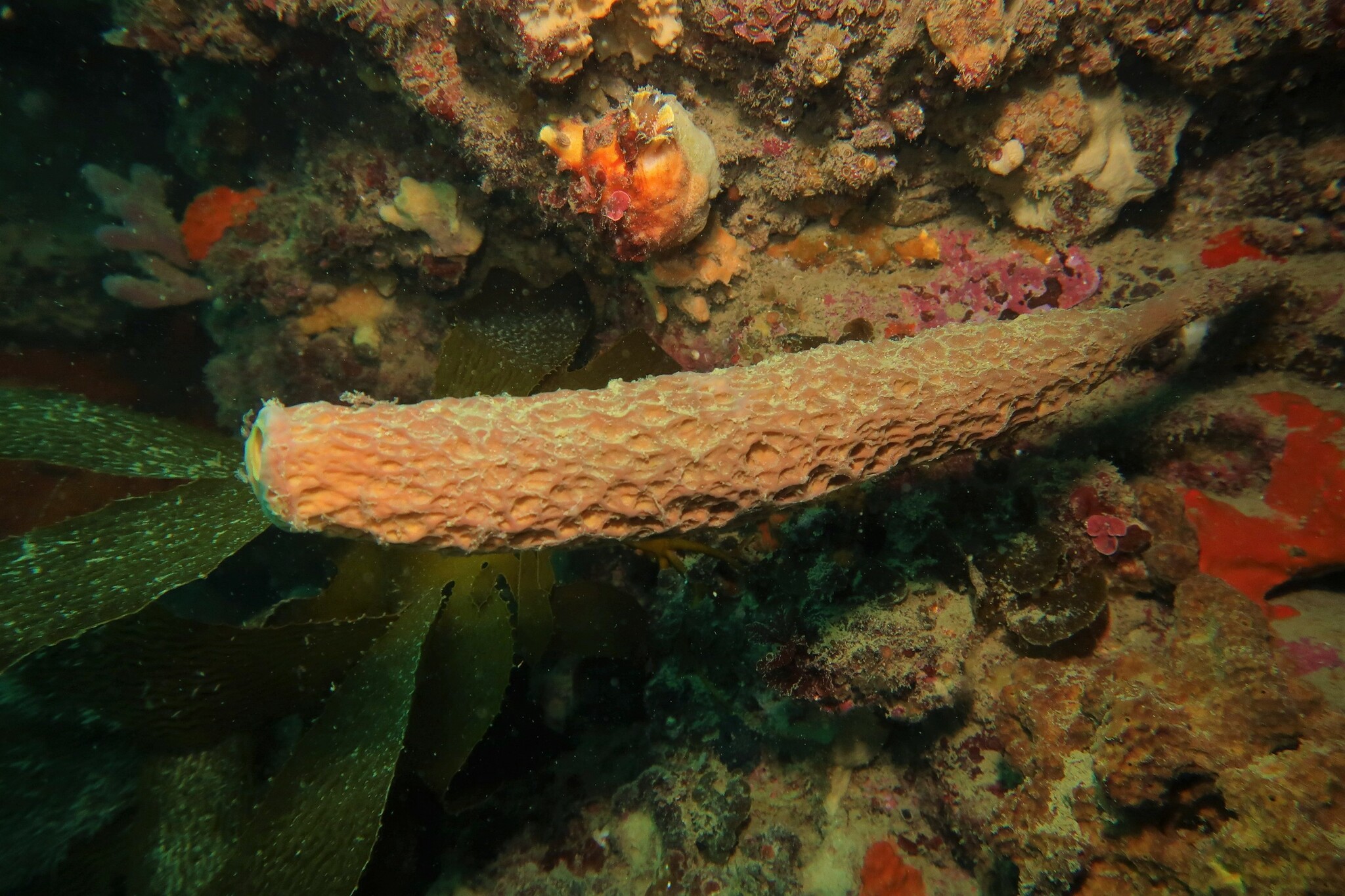
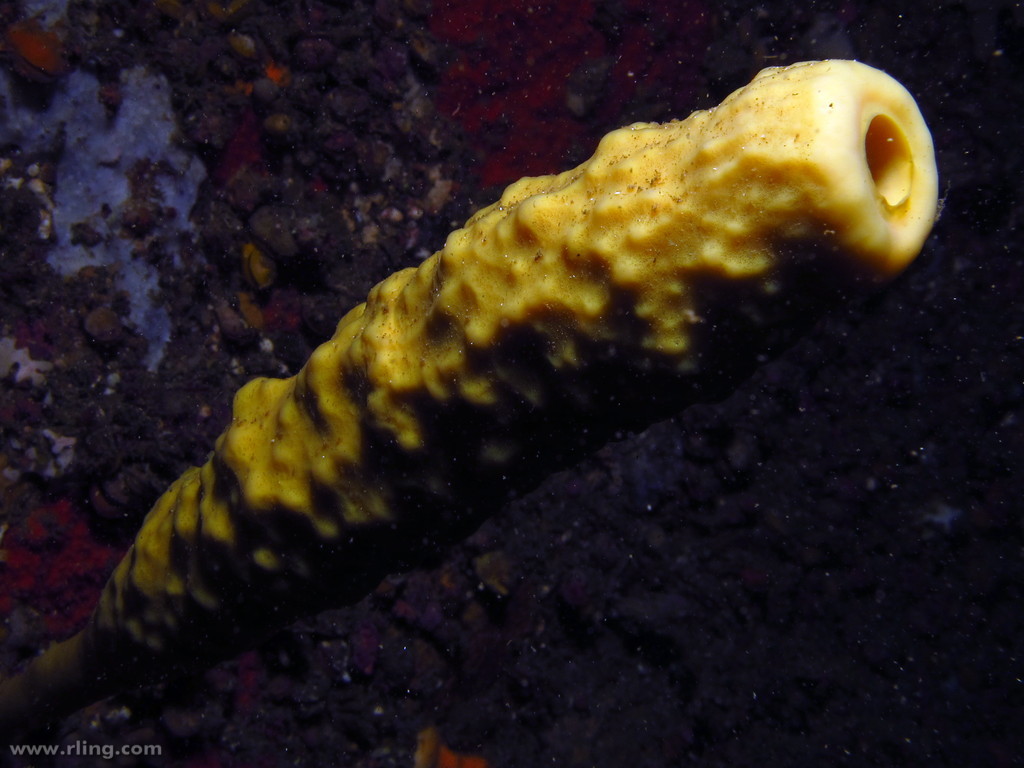
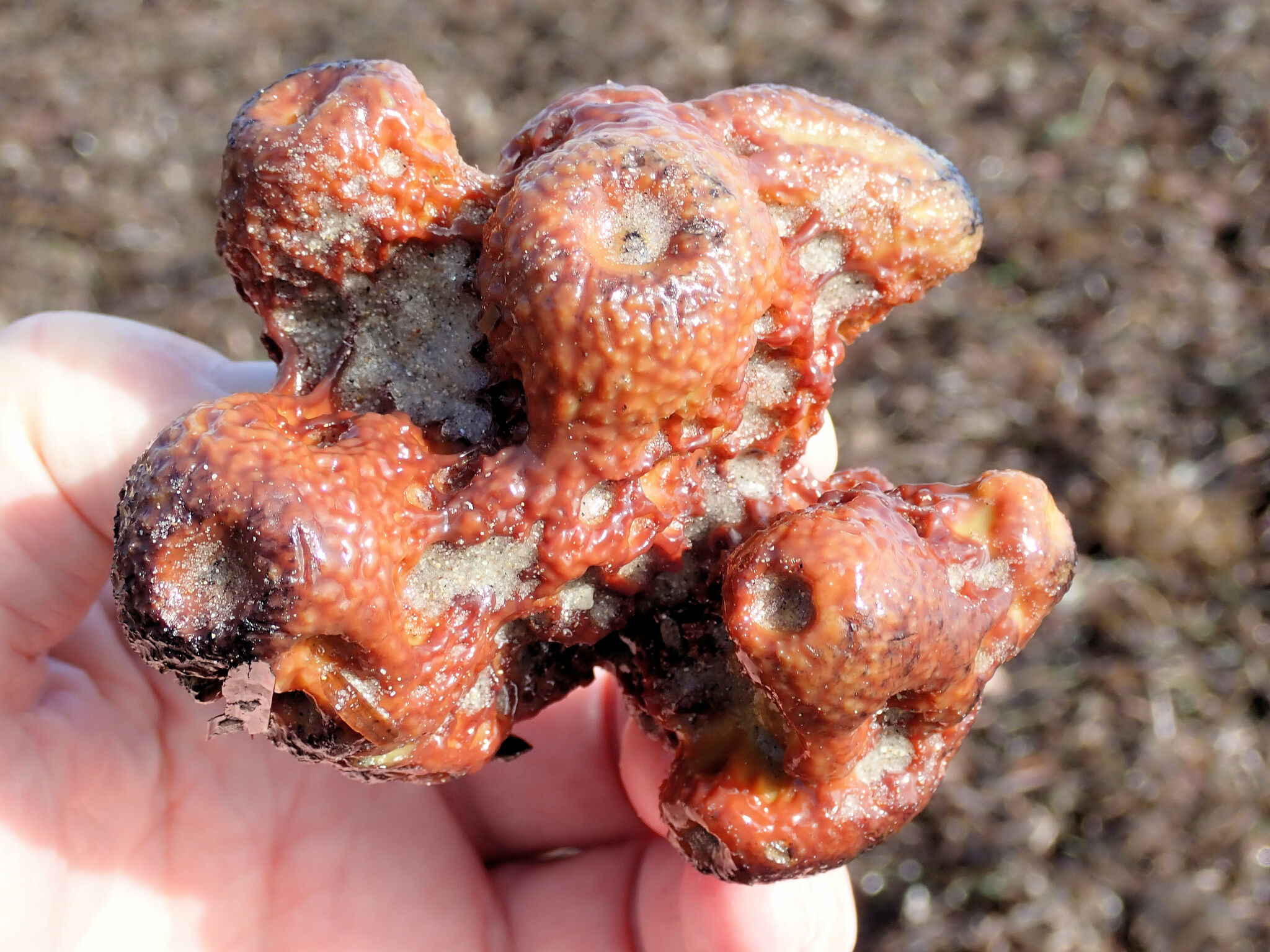
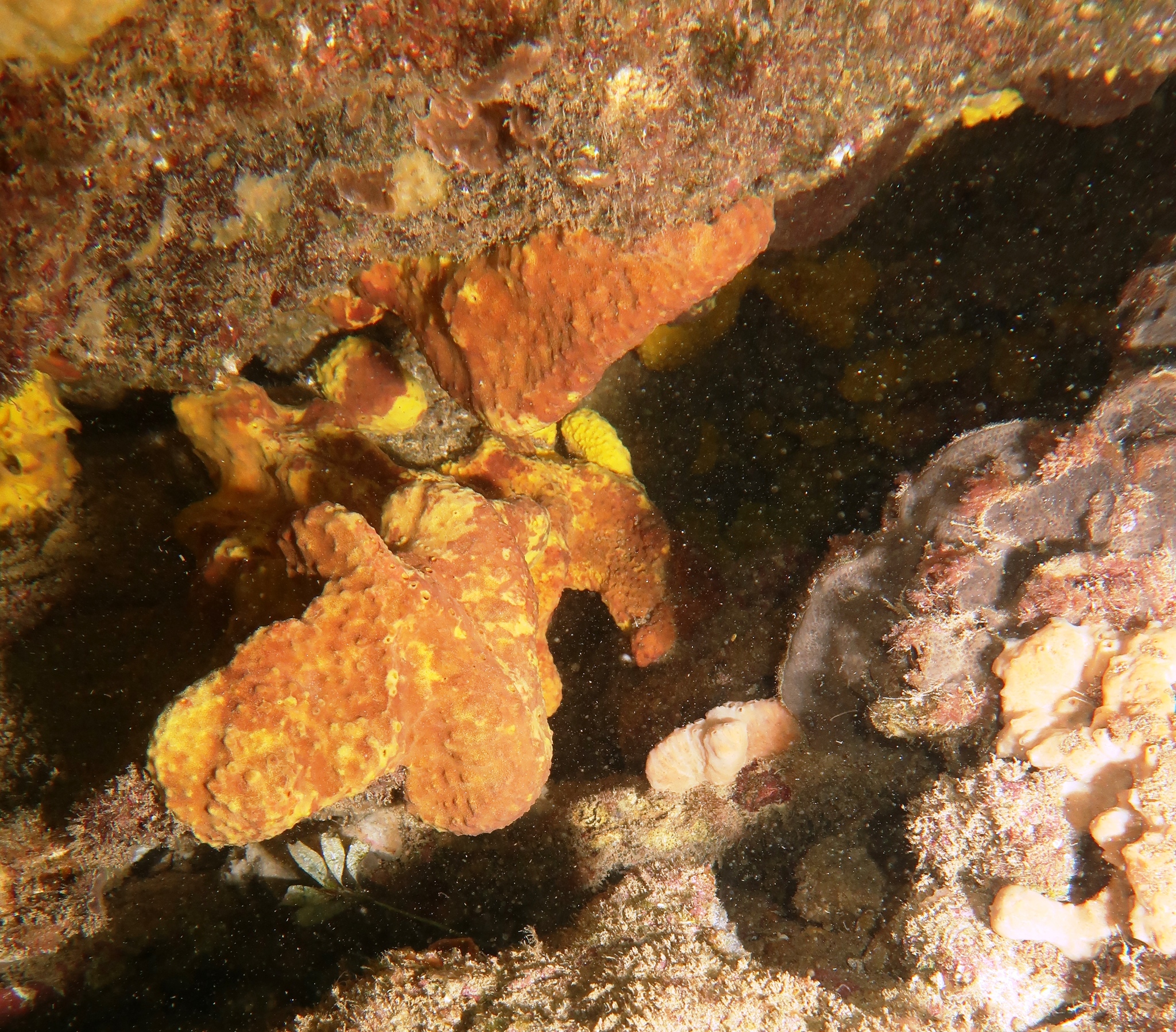
Photographs of Aplysina lendenfeldi associated with GBIF/iNaturalist and EOL show a verongid sponge with a macroscopic surface that is reticulate (net-like) to lobulate. Colony form is commonly cushion-like to massive, with a soft, non-rigid appearance. The surface may look smooth to lightly textured, and darker pore-like areas correspond to oscules/openings visible in some images. Color in available images is typically in muted natural tones (e.g., tan to brownish or grayish), rather than bright coloration.
Taxonomic notes
GBIF lists Aplysina lendenfeldi (Bergquist, 1980) as an accepted species within the genus Aplysina (family Aplysinidae).
Integrative / phylogenetic context (genus-level)
An integrative taxonomy and molecular phylogeny study focused on Aplysina from the Mexican Pacific uses morphology, chitin composition (FTIR), and molecular markers (mitochondrial COI and nuclear rDNA ITS1–5.8S–ITS2) to delimit species within Aplysina. The provided genus/family diagnostic framework in that work characterizes Aplysinidae/Verongida as having skeletons organized around a regular tridimensional polygonal reticulum, with chitin identified as the main structural component in the studied Aplysina taxa.
Gallery
References
- ↑ Dataset view for Animalia / Porifera / Demospongiae / Verongiida / Aplysinidae / Aplysina / lendenfeldi constructed from imageomics/TreeOfLife-200M records under this taxonomic path. Hugging Face Datasets. https://huggingface.co/datasets/imageomics/TreeOfLife-200M.