Aplysina cauliformis
Taxonomy
This page represents the following TreeOfLife-200M taxonomic path.[1]
- Kingdom: Animalia
- Phylum: Porifera
- Class: Demospongiae
- Order: Verongiida
- Family: Aplysinidae
- Genus: Aplysina
- Species: Aplysina cauliformis
Visual Description
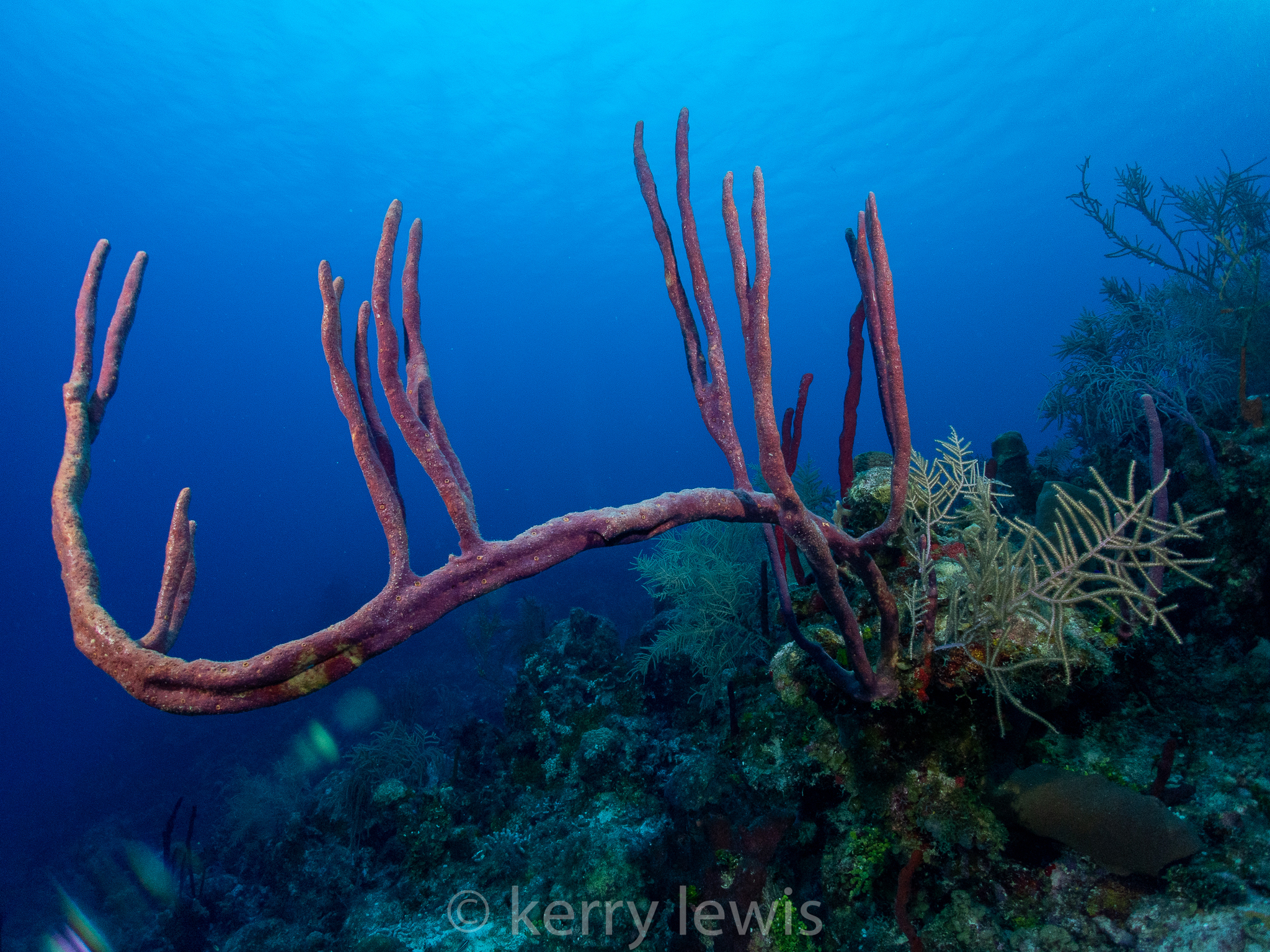
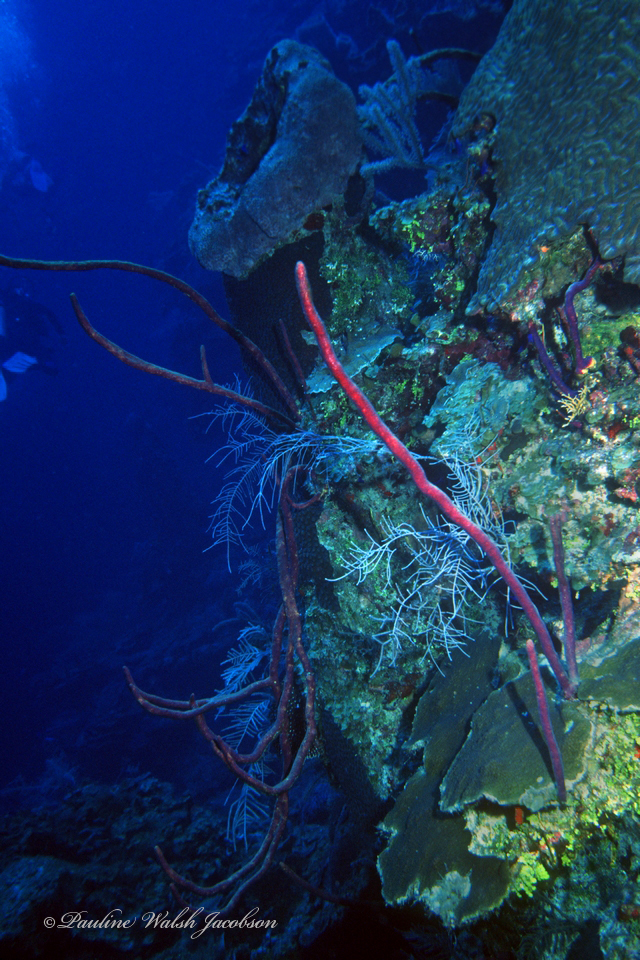
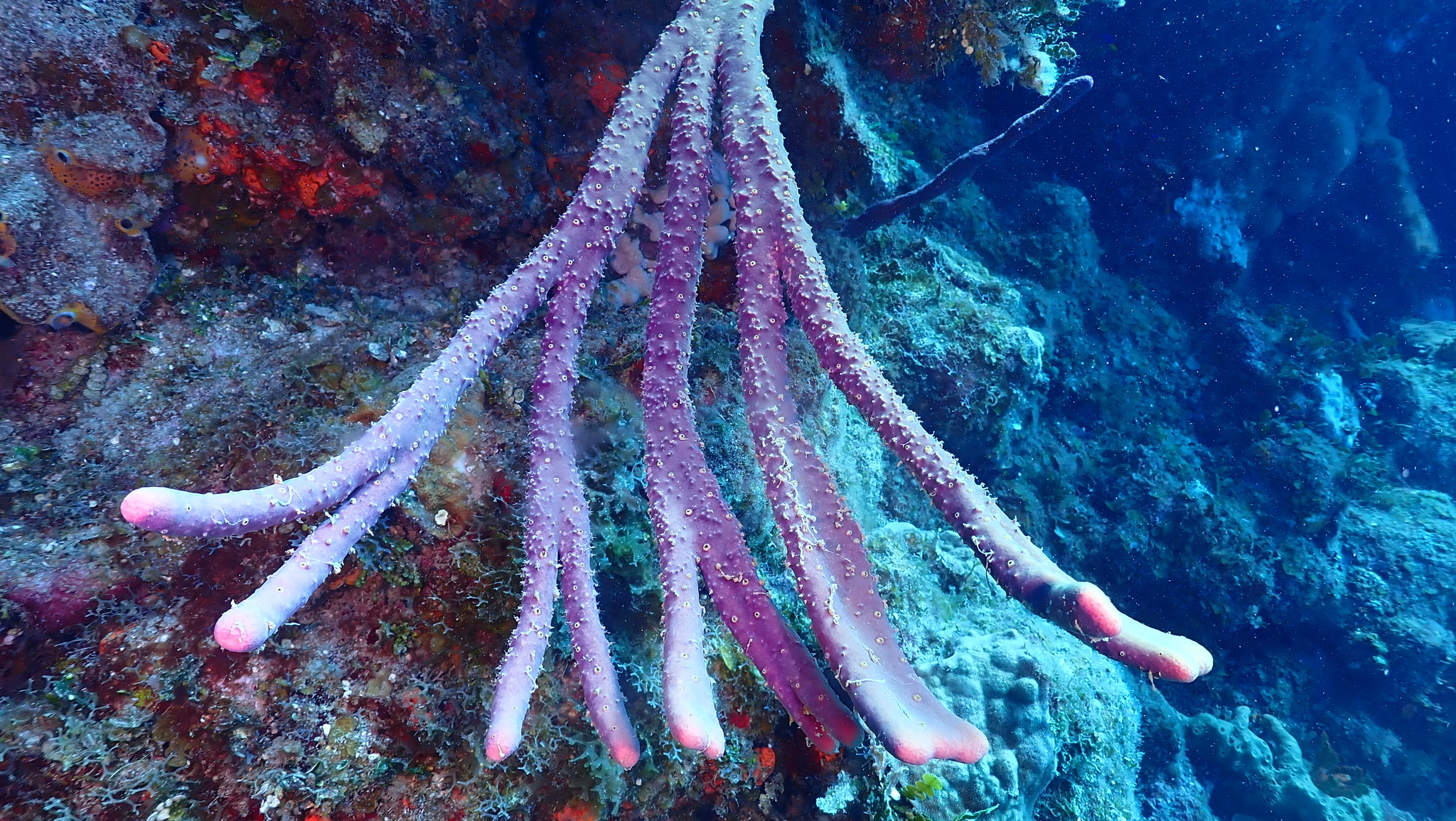
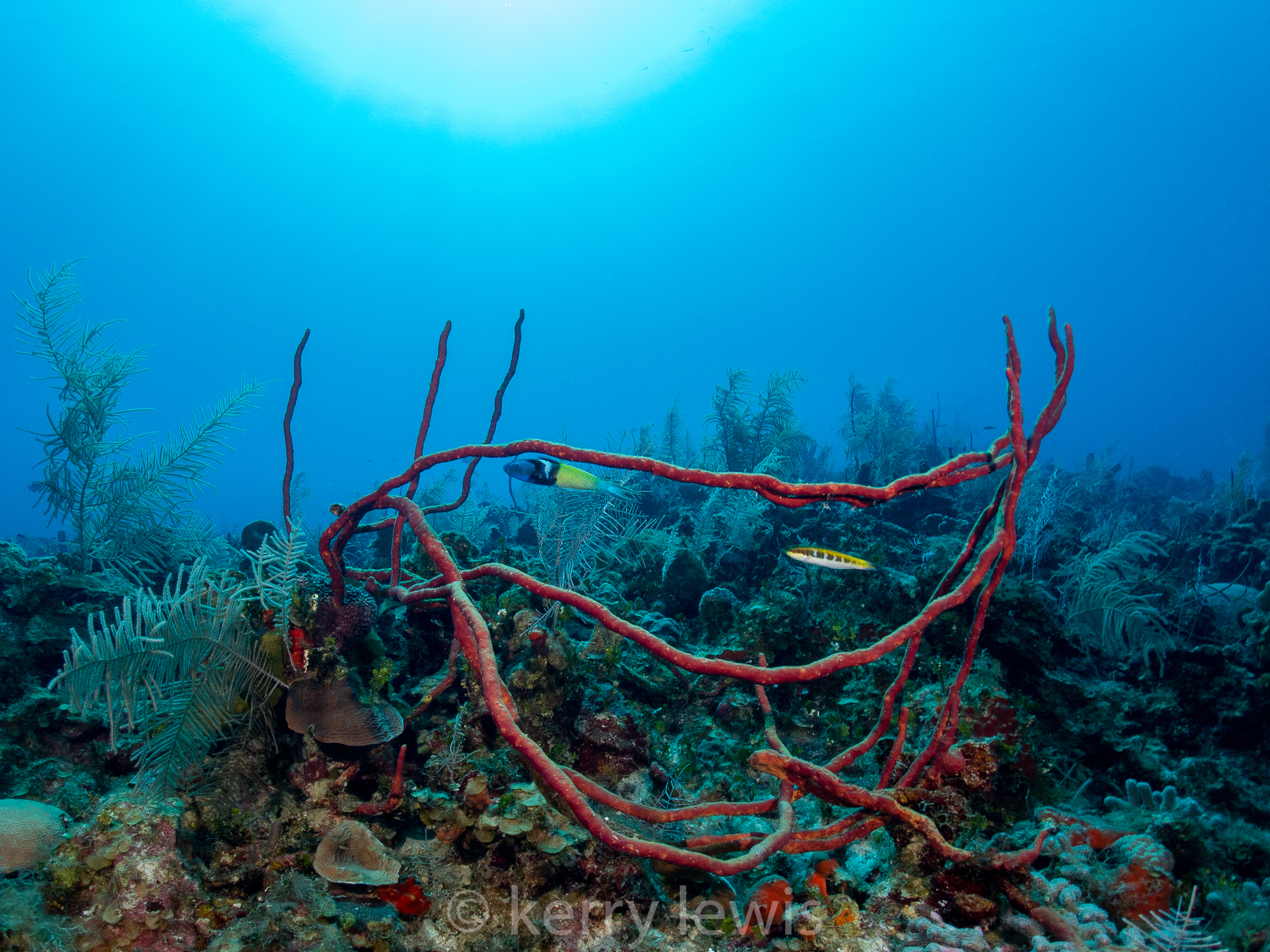
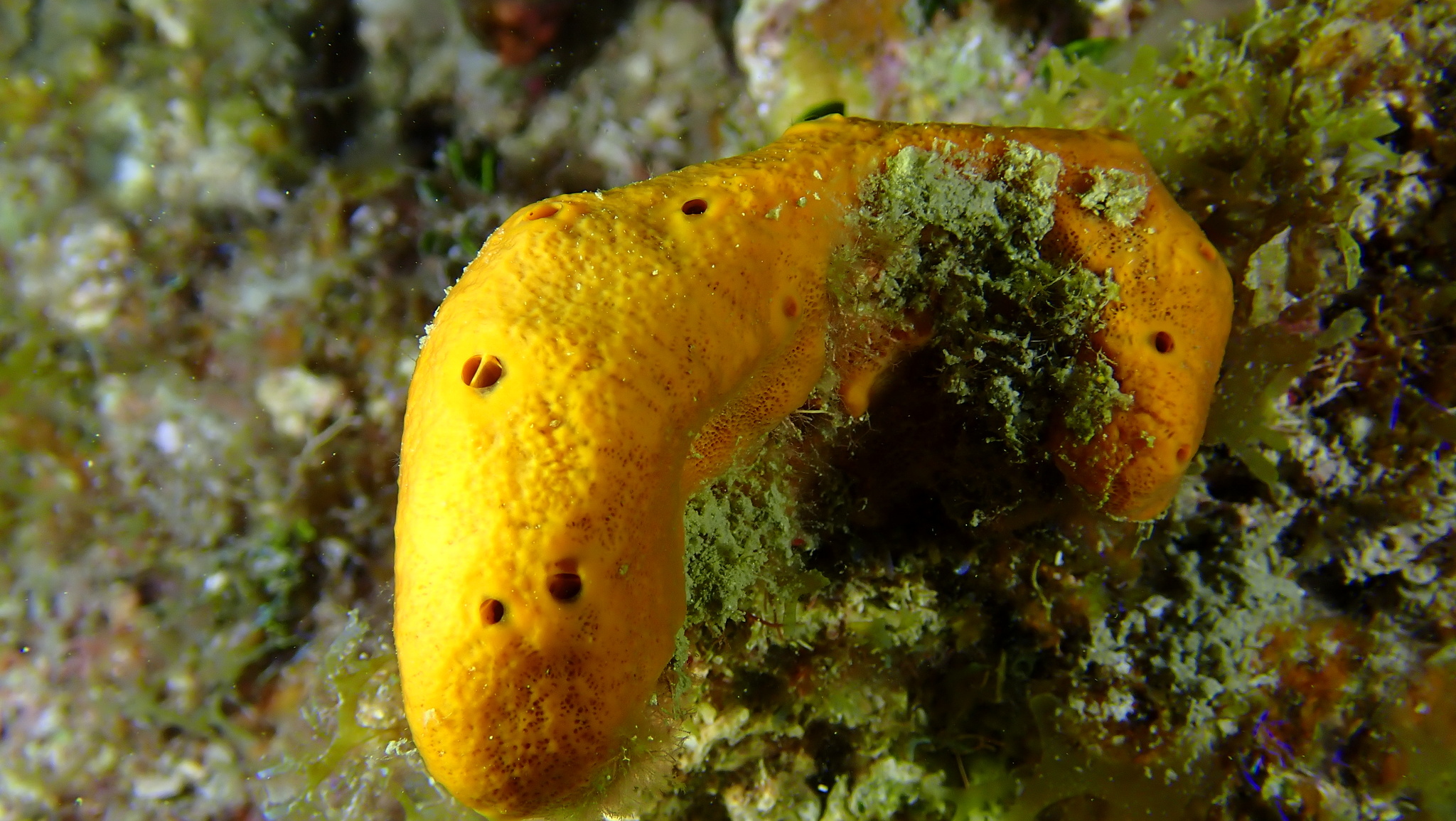
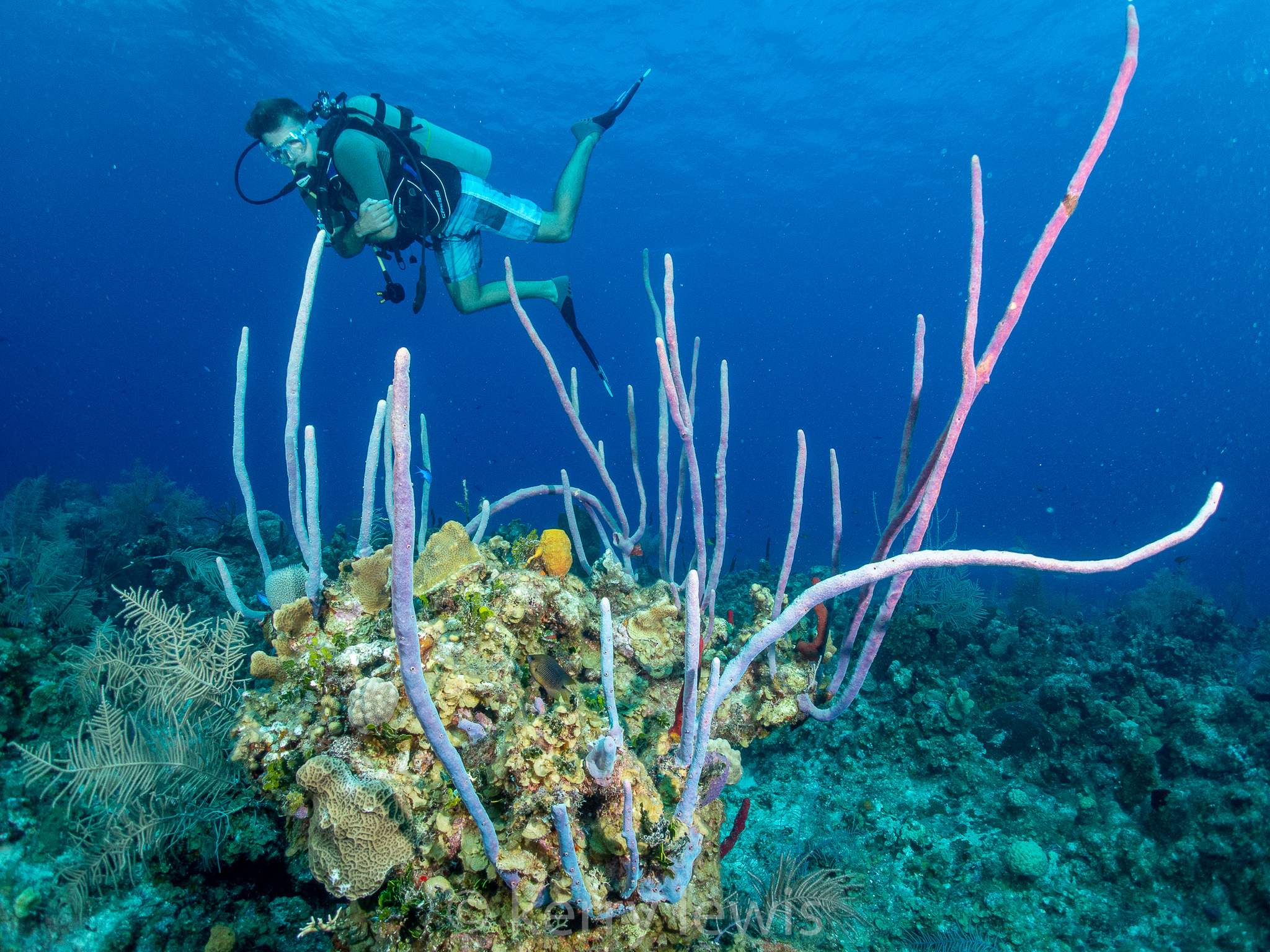
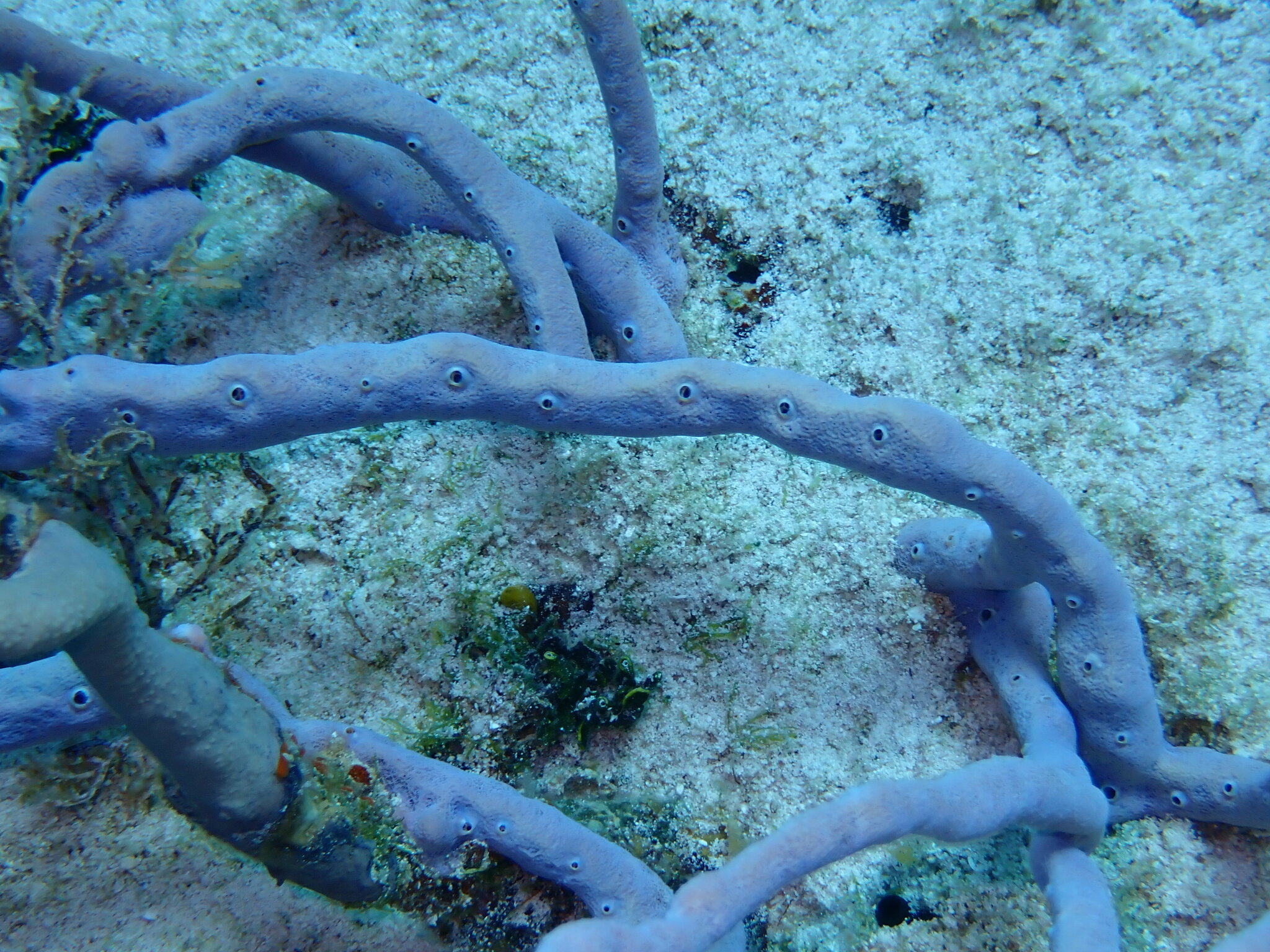
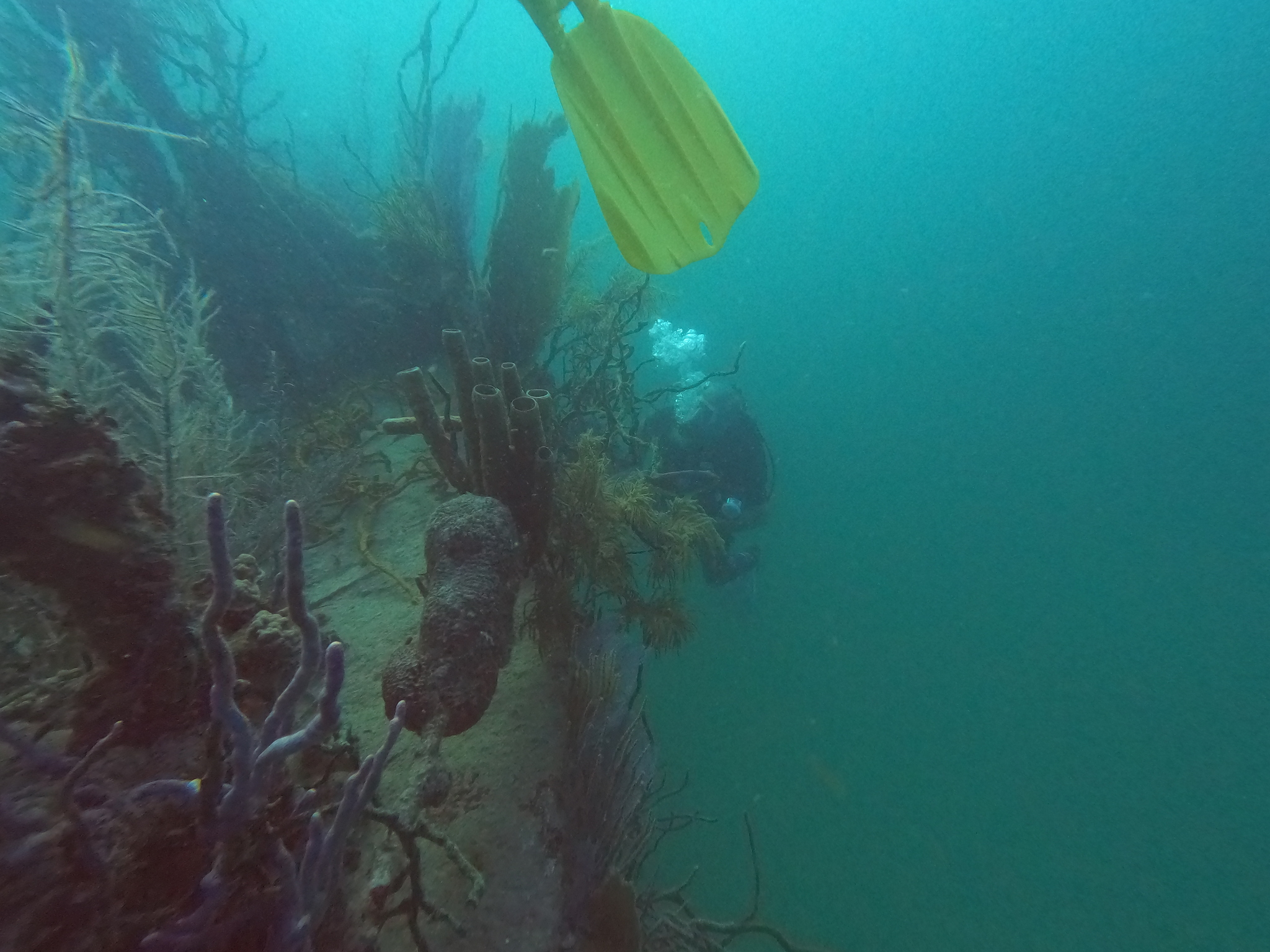
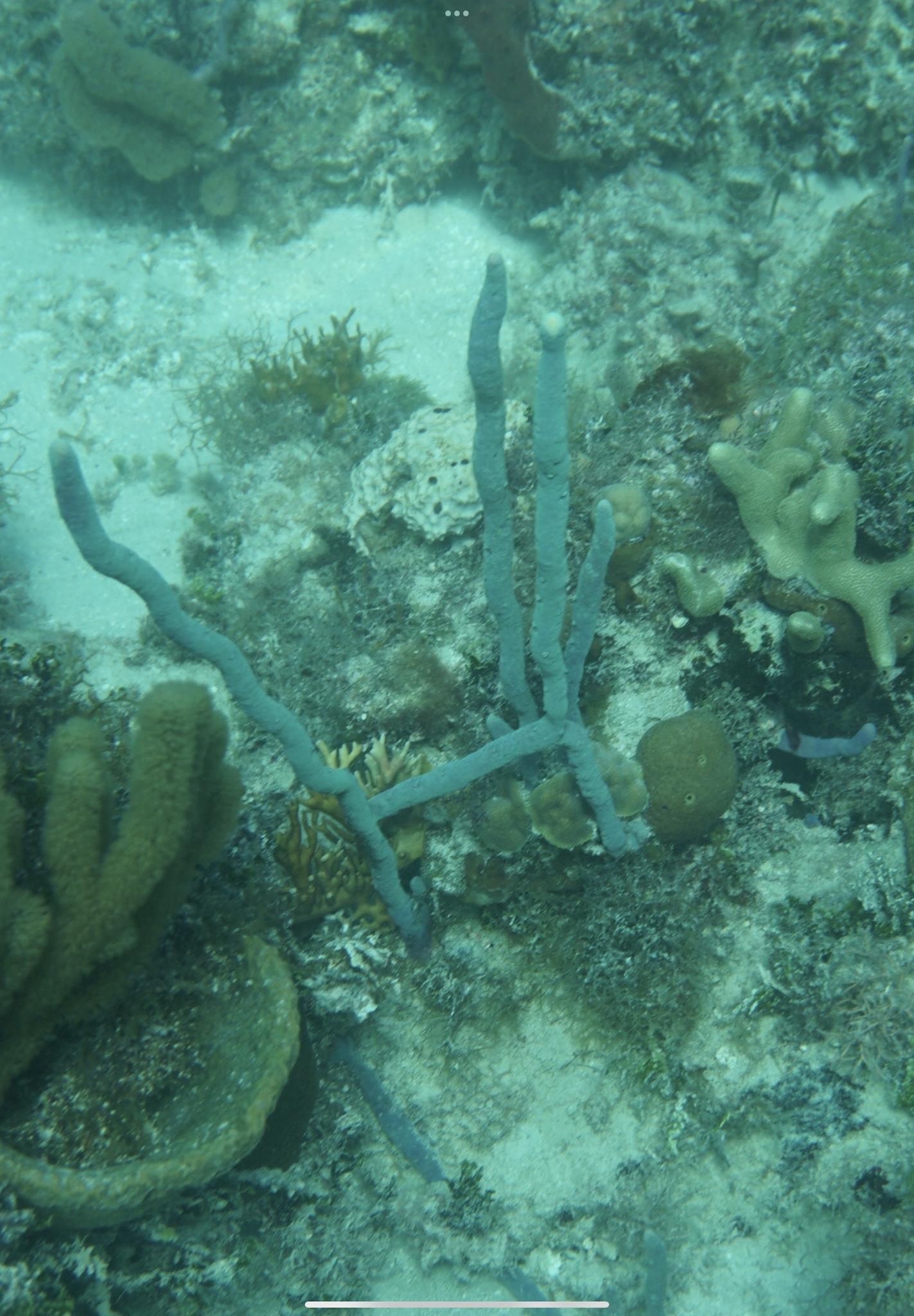
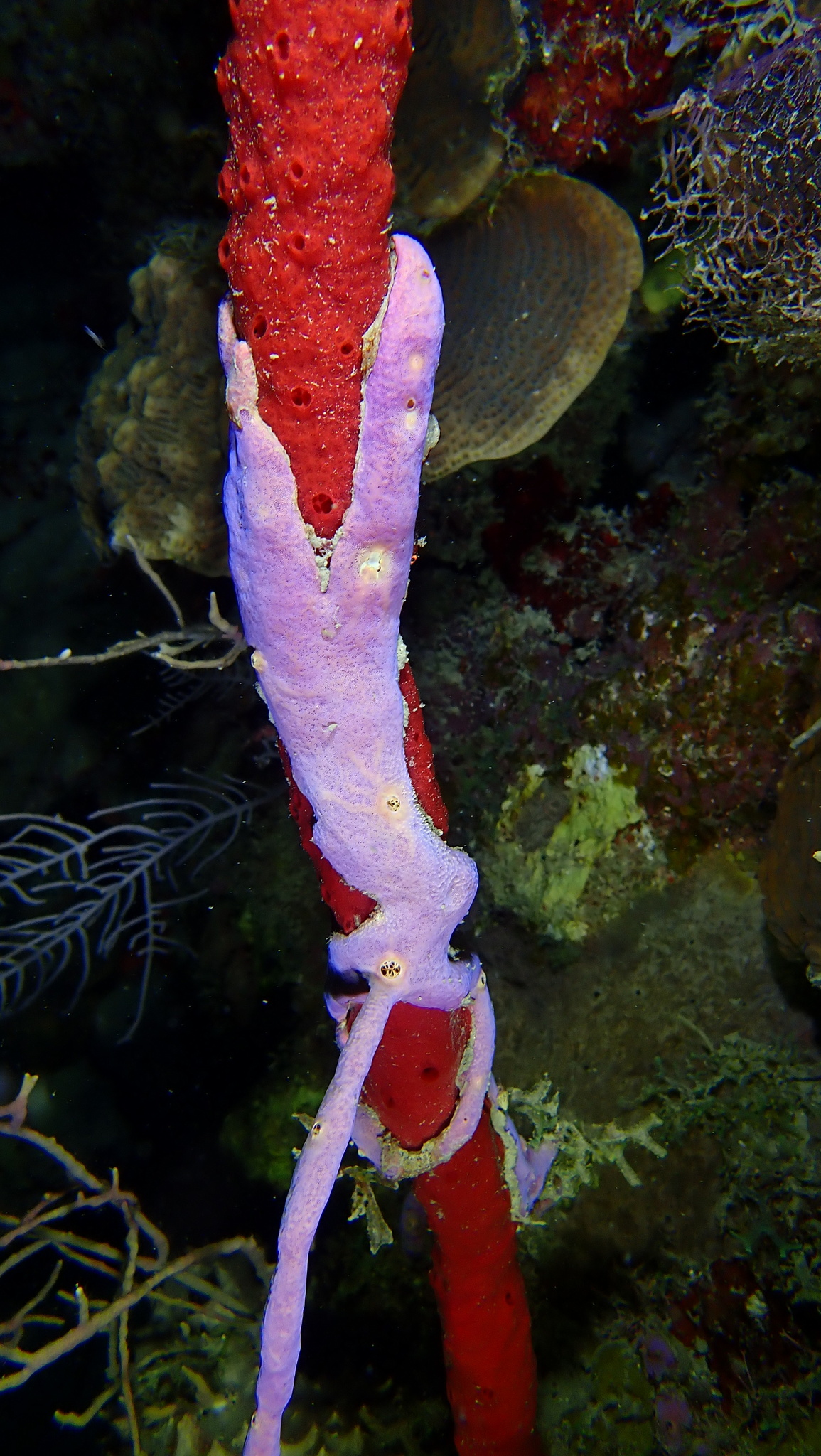
Field and specimen images aggregated under this species name show a sponge with a branched, rope-like or finger-like external form (commonly referred to as a “branching candle sponge”), consistent with the arborescent growth form typical of several Aplysina species in Aplysinidae.
Natural History and Ecology
Like other Aplysina (Aplysinidae) sponges, A. cauliformis hosts complex microbial communities. In particular, it can develop Aplysina Red Band Syndrome (ARBS), a transmissible disease associated with polymicrobial prokaryotic community shifts.
Disease: Aplysina Red Band Syndrome (ARBS)
ARBS in A. cauliformis is associated with circular lesions bordered by a red margin and the exposure of bare spongin fibers. Transmission experiments and microbial community analyses indicate ARBS involves prokaryotes and is consistent with a prokaryotic polymicrobial etiology (rather than a single consistent pathogen taxon). Cyanobacteria Leptolyngbya spp. are strongly associated with the red lesion pigmentation, but disease etiology is not explained by one organism alone; rather, multiple prokaryotic taxa show disease-linked shifts in relative abundance.
Species Interactions
Indirect interaction records compiled in Global Biotic Interactions include associations of A. cauliformis with other marine taxa (e.g., as a symbiont-of/host context for certain organisms), though the precise nature (e.g., mutualism, commensalism, or parasitism) is not specified in the dataset extract.
Gallery
References
- ↑ Dataset view for Animalia / Porifera / Demospongiae / Verongiida / Aplysinidae / Aplysina / cauliformis constructed from imageomics/TreeOfLife-200M records under this taxonomic path. Hugging Face Datasets. https://huggingface.co/datasets/imageomics/TreeOfLife-200M.