Aplomya
Taxonomy
This page represents the following TreeOfLife-200M taxonomic path.[1]
- Kingdom: Animalia
- Phylum: Arthropoda
- Class: Insecta
- Order: Diptera
- Family: Tachinidae
- Genus: Aplomya
Visual Description
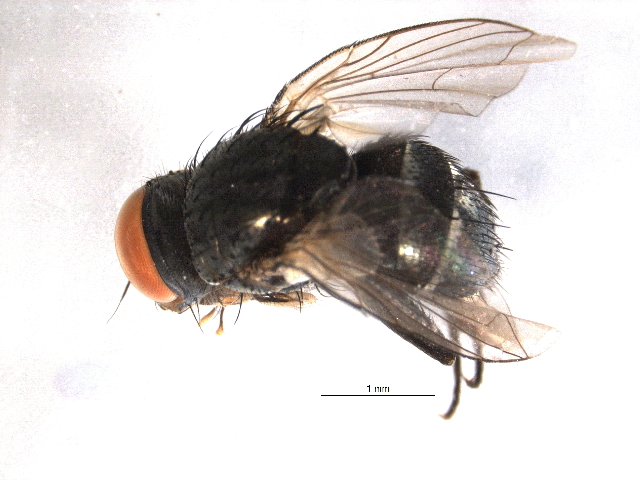
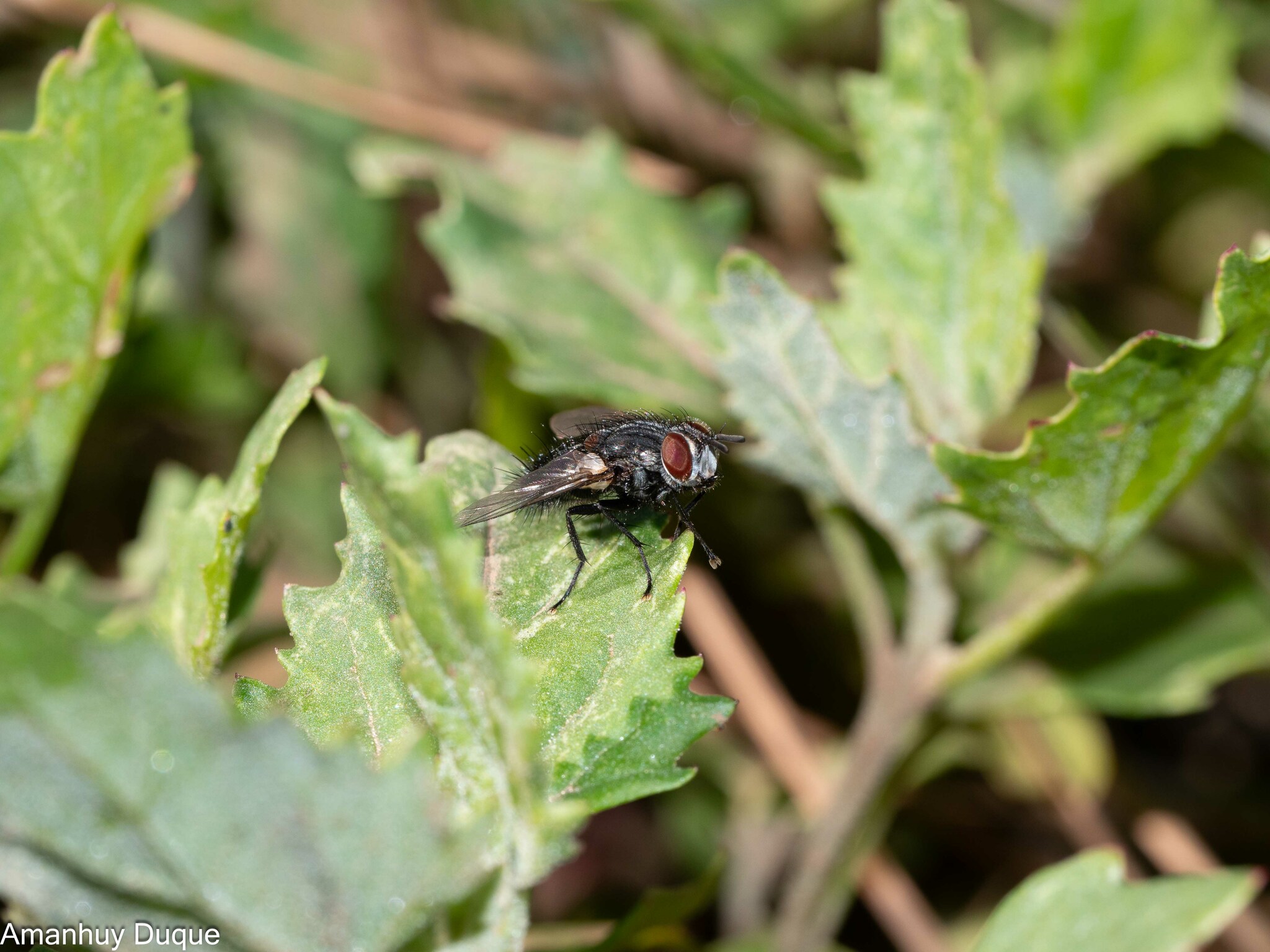
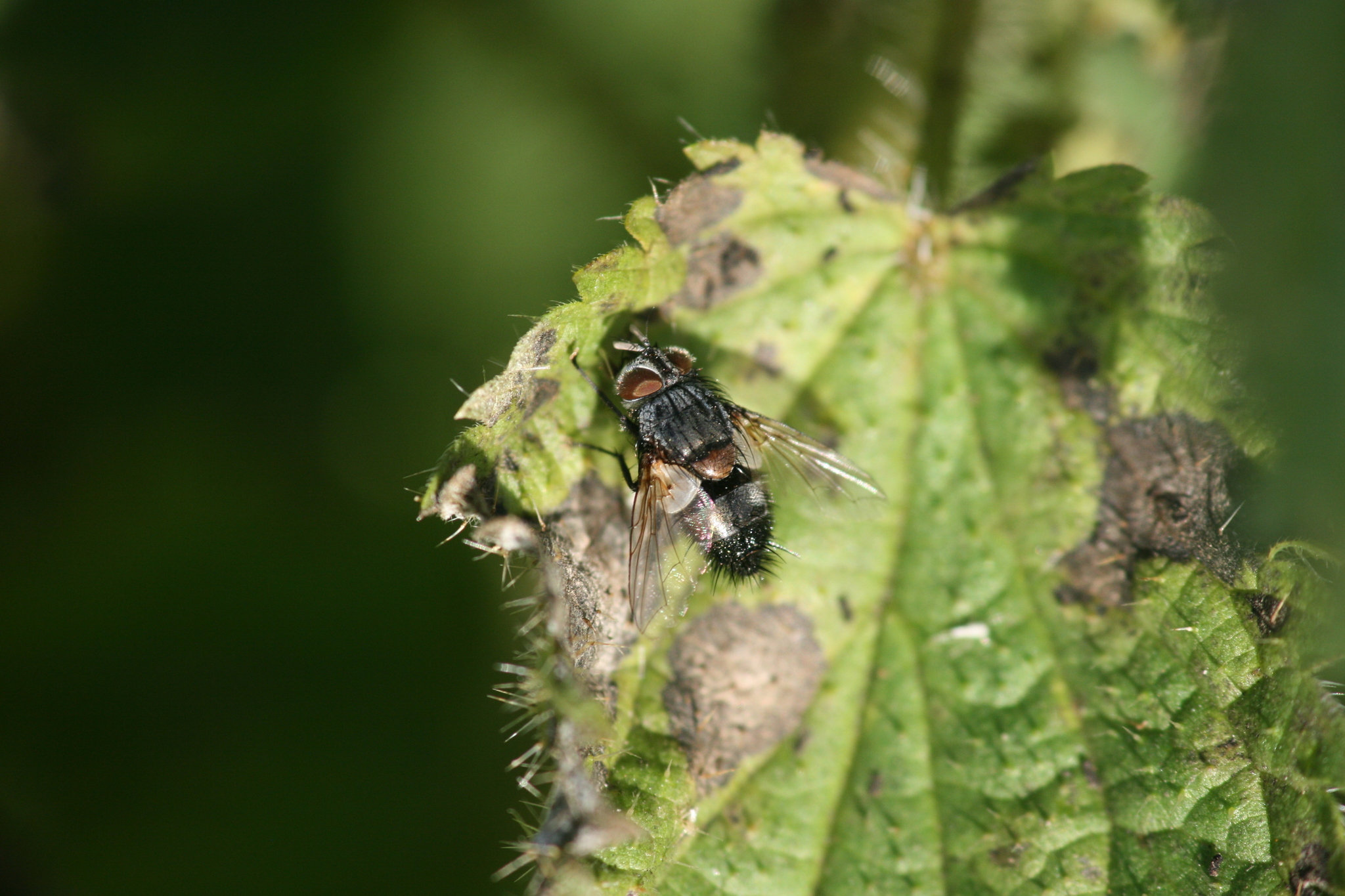
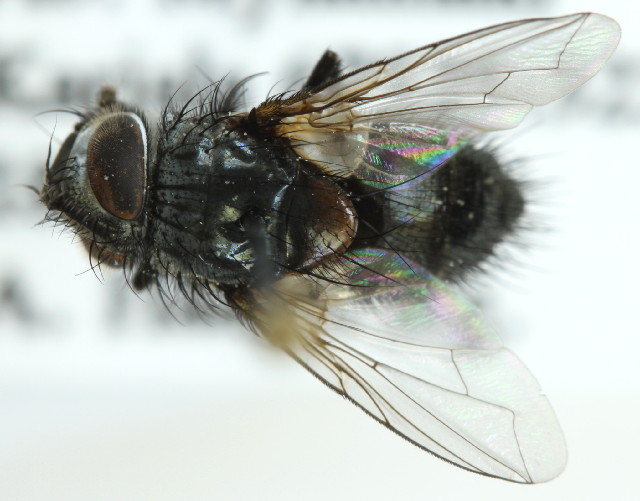
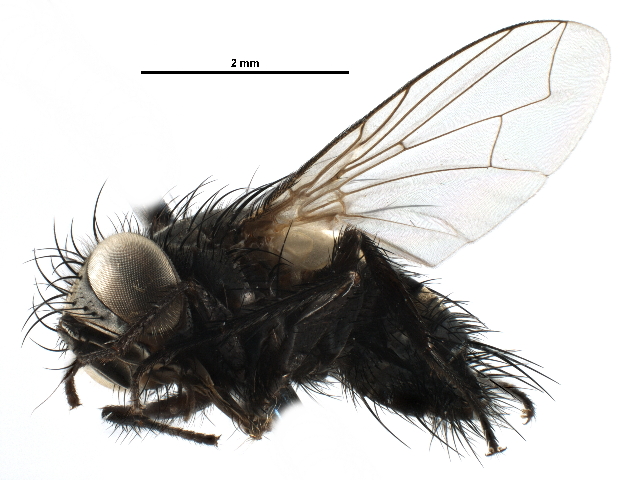
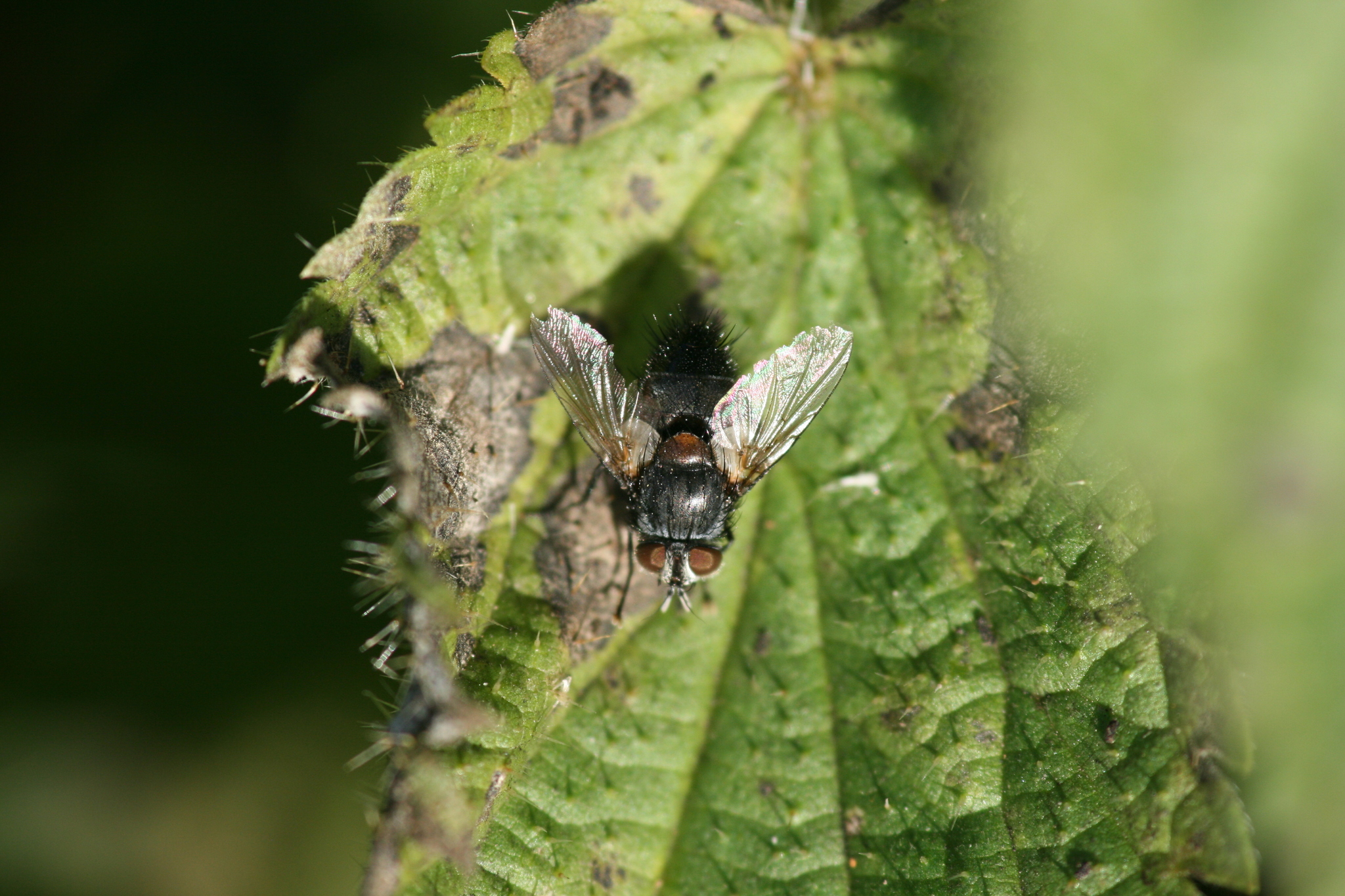
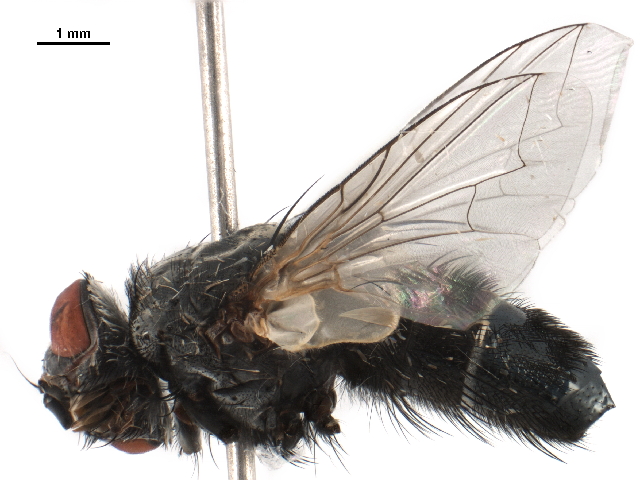
Based on observations of specimens in the TreeOfLife-200M dataset, members of the genus Aplomya are typical tachinid flies, characterized by a robust, bristly body.[1] They exhibit a distinct set of macrochaetae (large bristles) on the thorax and abdomen, which is a common feature among the family Tachinidae.[1] The overall coloration often includes metallic or dark tones, with patterns of pollinosity (a fine, dust-like coating) on the body surface.[1]
Biology and Ecology
Aplomya is a genus of parasitoid flies within the family Tachinidae, specifically belonging to the subfamily Exoristinae and tribe Eryciini.[2] As adults, these flies are typically nectar or honeydew feeders, while their larval stages are parasitoids of other arthropods, primarily insects.[2]
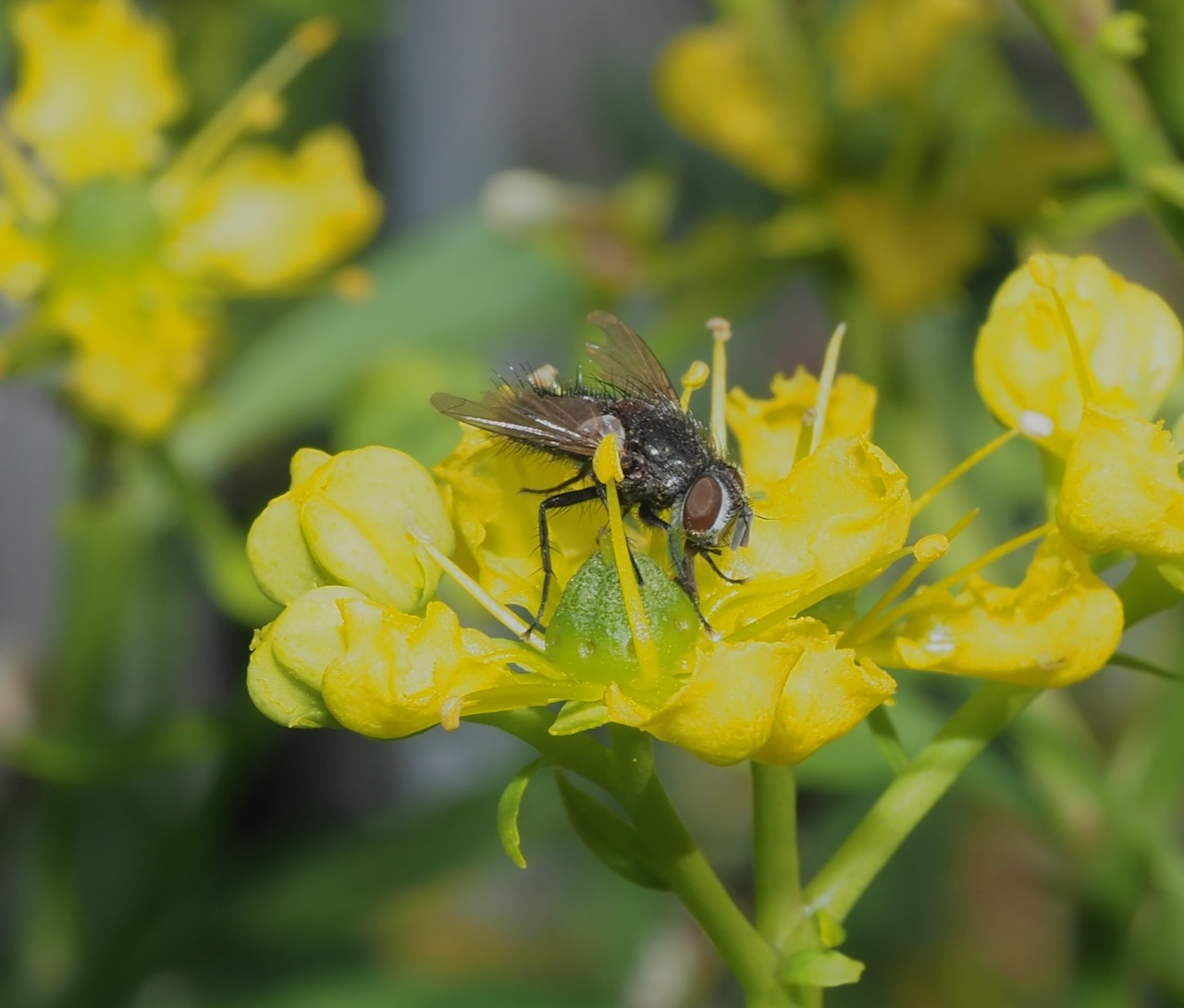
Some species, such as Aplomya confinis, have been observed to act as pollinators for various plants, including Ruta angustifolia and Helianthus annuus.[3]
Distribution and Diversity
The genus has a wide distribution. For example, Aplomya confinis (Fallén, 1820) is found across the Palaearctic, Afrotropical, and Oriental regions.[2] Another species, Aplomya metallica (Wiedemann, 1824), is also widespread, occurring in the Afrotropical, Oriental, and Palaearctic regions.[2]
Gallery
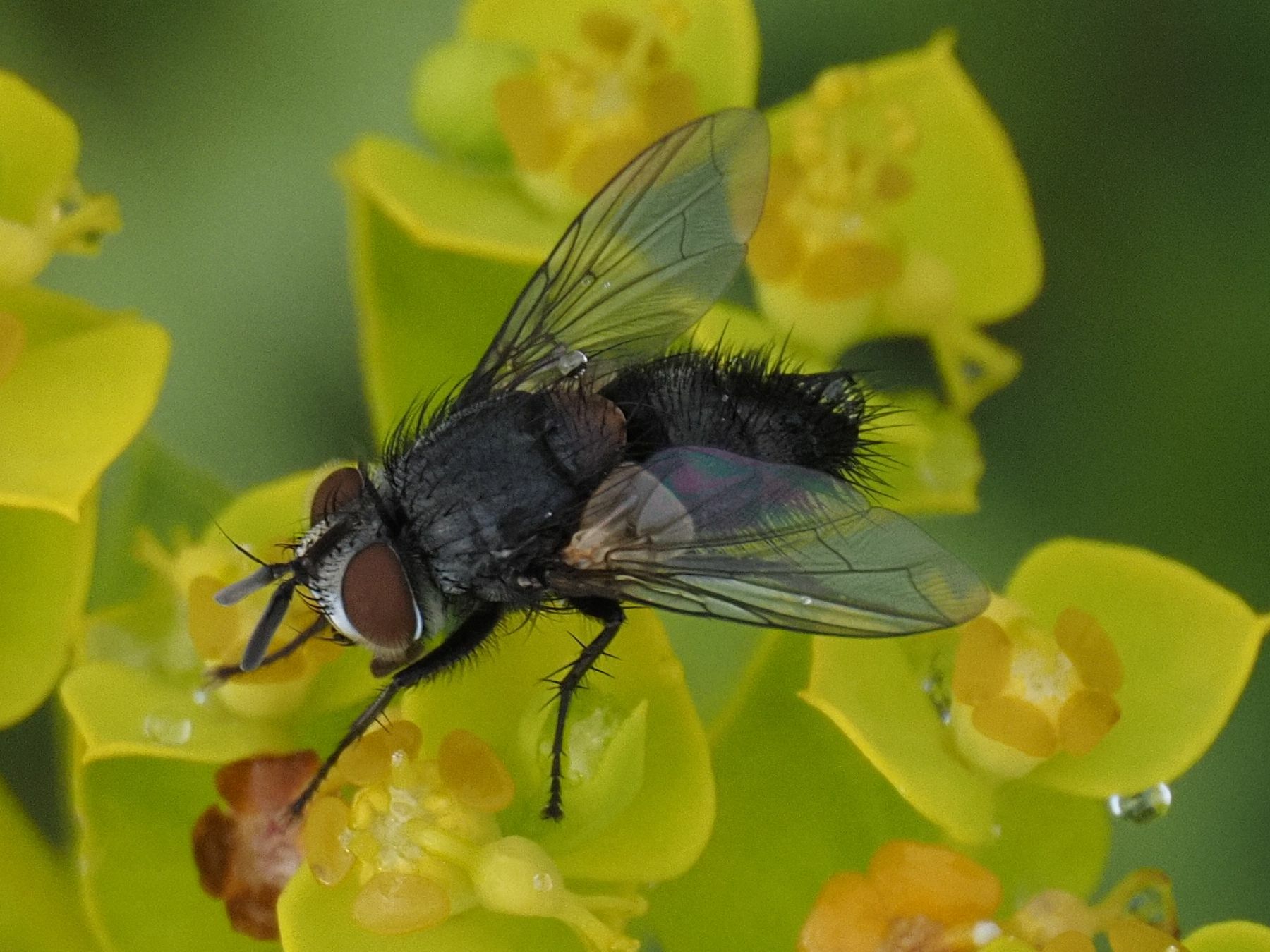
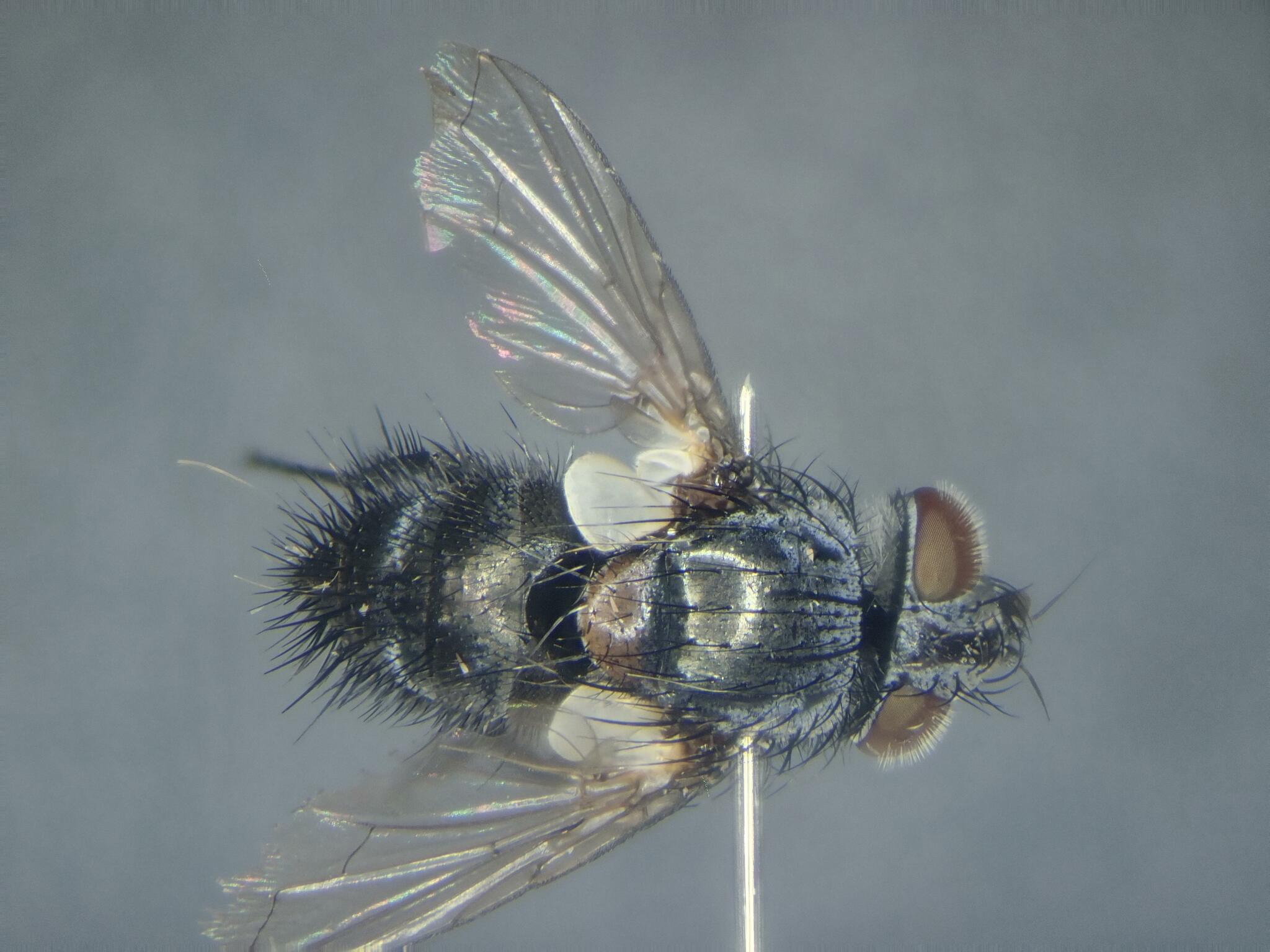
References
- 1 2 3 4 Dataset view for Animalia / Arthropoda / Insecta / Diptera / Tachinidae / Aplomya constructed from imageomics/TreeOfLife-200M records under this taxonomic path. Hugging Face Datasets. https://huggingface.co/datasets/imageomics/TreeOfLife-200M.
- 1 2 3 4 Magdi S. El-Hawagry. Catalogue of the Tachinidae of Egypt (Diptera: Oestroidea). Egyptian Journal of Biological Pest Control. 2018. https://doi.org/10.1186/s41938-018-0042-3.
- ↑ Aplomya. Global Biotic Interactions. https://www.globalbioticinteractions.org/?targetTaxon=Aplomya. Accessed 2026-07-16.