Apiocera obscura
Taxonomy
This page represents the following TreeOfLife-200M taxonomic path.[1]
- Kingdom: Animalia
- Phylum: Arthropoda
- Class: Insecta
- Order: Diptera
- Family: Apioceridae
- Genus: Apiocera
- Species: Apiocera obscura
Visual Description
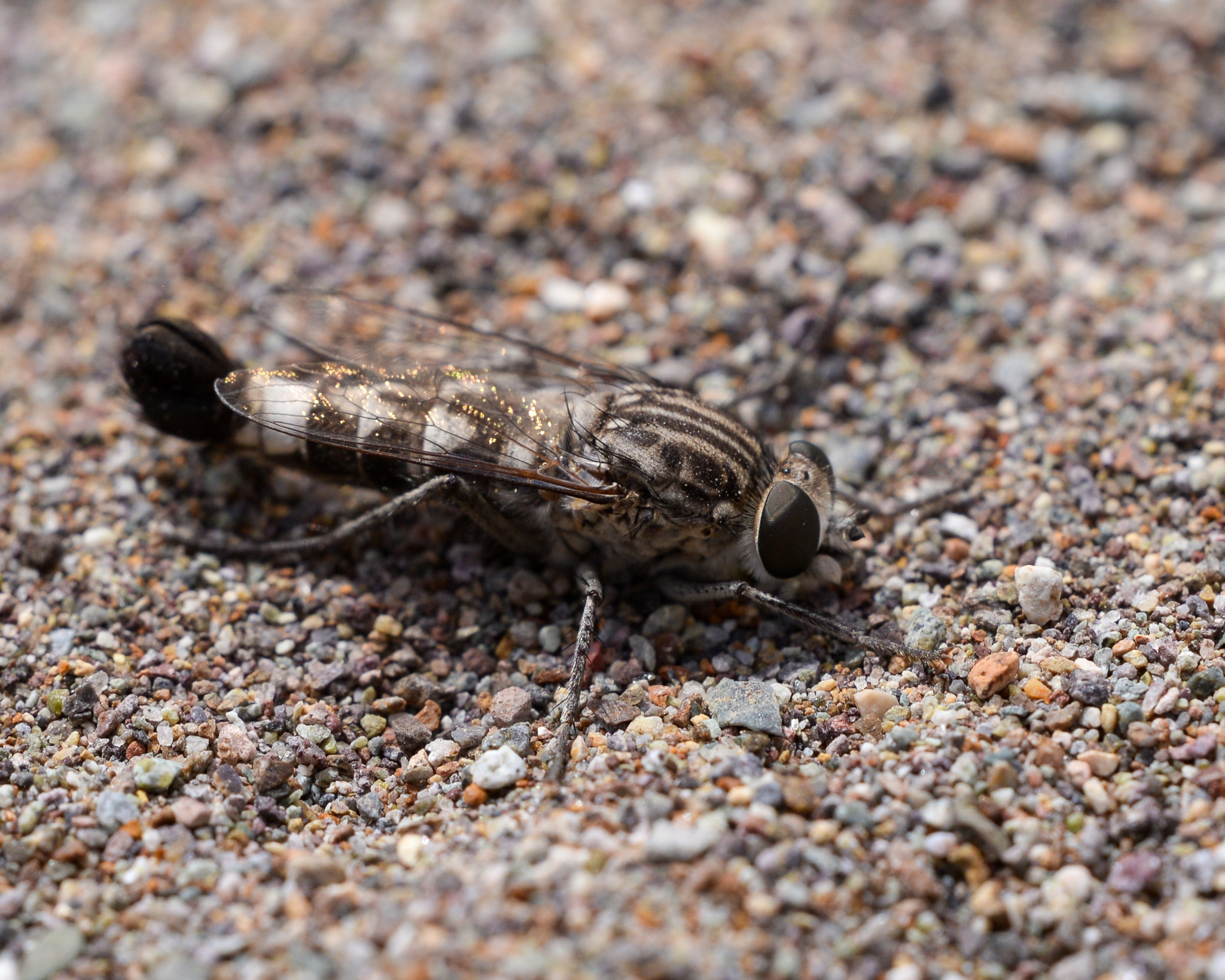
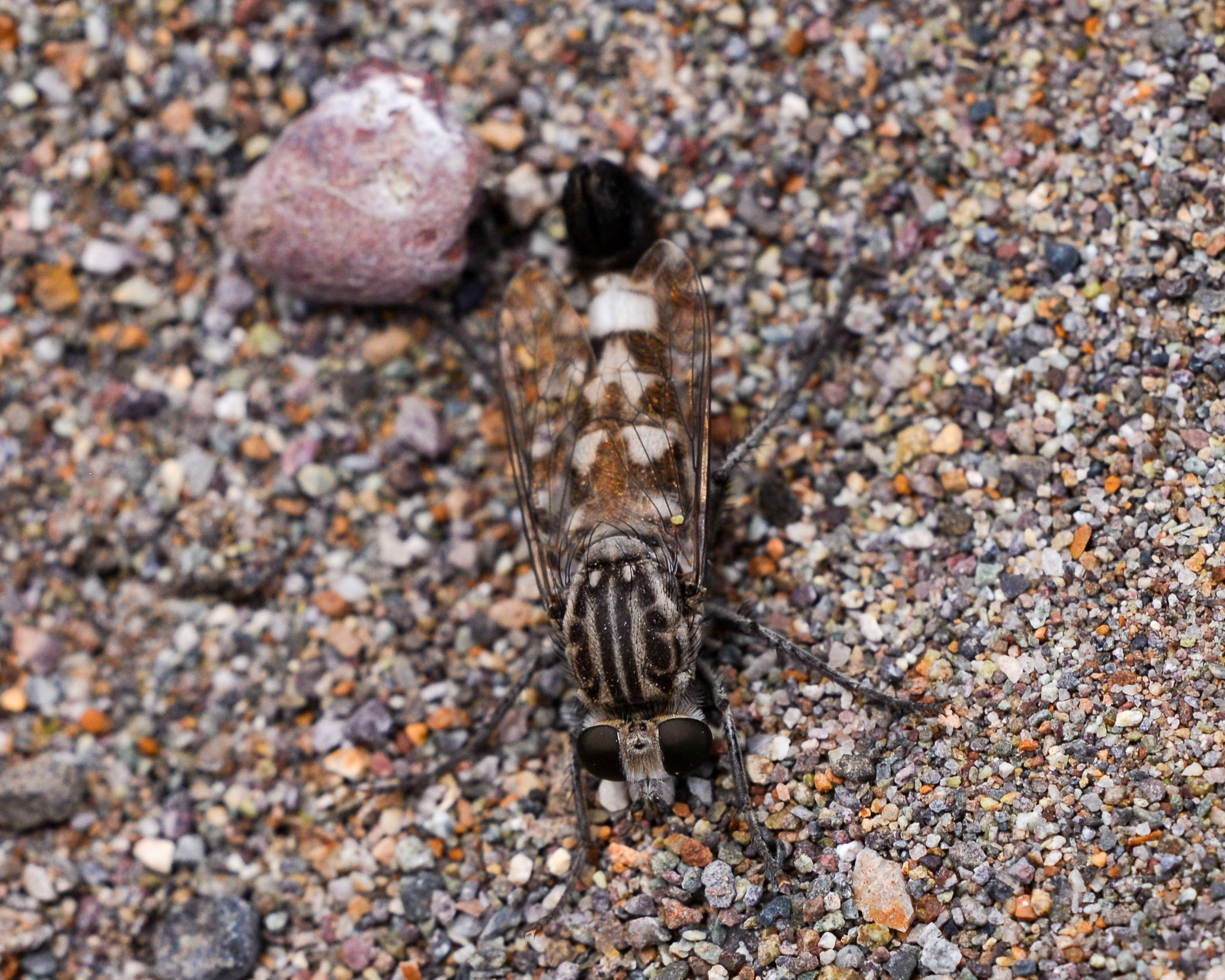
Apiocera obscura exhibits the characteristic elongated body form typical of the family Apioceridae. Based on observations from the TreeOfLife-200M dataset, individuals possess a slender, tapering abdomen and relatively long, robust legs, which are adaptations for their specialized ecological niches.[1] The head features prominent eyes, and the overall coloration often includes muted, brownish or greyish tones that provide camouflage in their preferred sandy or arid environments.[1]
Biology and Ecology
Apiocera obscura (Philippi, 1865) is a member of the family Apioceridae, commonly referred to as flower-loving flies or wader-legged flies.[2] Members of this family are primarily associated with dry, sandy habitats, including deserts in North and South America and Australia.[3]
Adults are known to visit flowers to feed on nectar and pollen, serving as important pollinators in their respective ecosystems. Their elongated legs are considered an adaptation that allows them to reach deep into floral structures.[3]
Gallery
References
- 1 2 3 Dataset view for Animalia / Arthropoda / Insecta / Diptera / Apioceridae / Apiocera / obscura constructed from imageomics/TreeOfLife-200M records under this taxonomic path. Hugging Face Datasets. https://huggingface.co/datasets/imageomics/TreeOfLife-200M.
- ↑ Apiocera obscura (Philippi, 1865). GBIF. https://www.gbif.org/species/1611737. Accessed 2026-07-14.
- 1 2 Carlos Henrique Marchiori. The families of the suborder Brachycera Schiner, 1862 (Insecta: Diptera): Part 1. Open Access Research Journal of Multidisciplinary Studies. 2024. https://doi.org/10.53022/oarjms.2024.7.1.0005.