Anthaspidella
Taxonomy
This page represents the following TreeOfLife-200M taxonomic path.[1]
- Kingdom: Animalia
- Phylum: Porifera
- Class: Anthaspidellidae
- Order: Anthaspidella
Visual Description
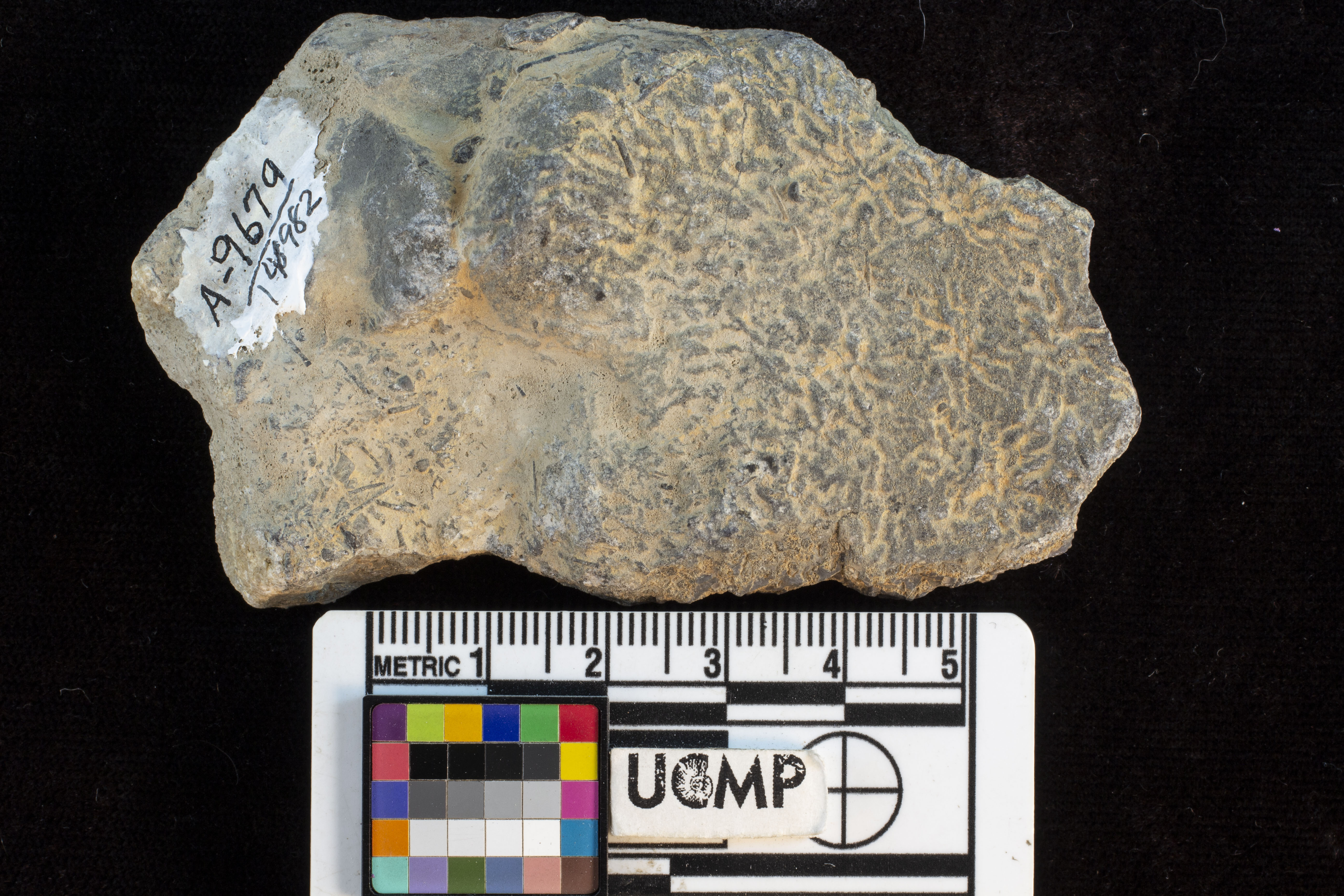
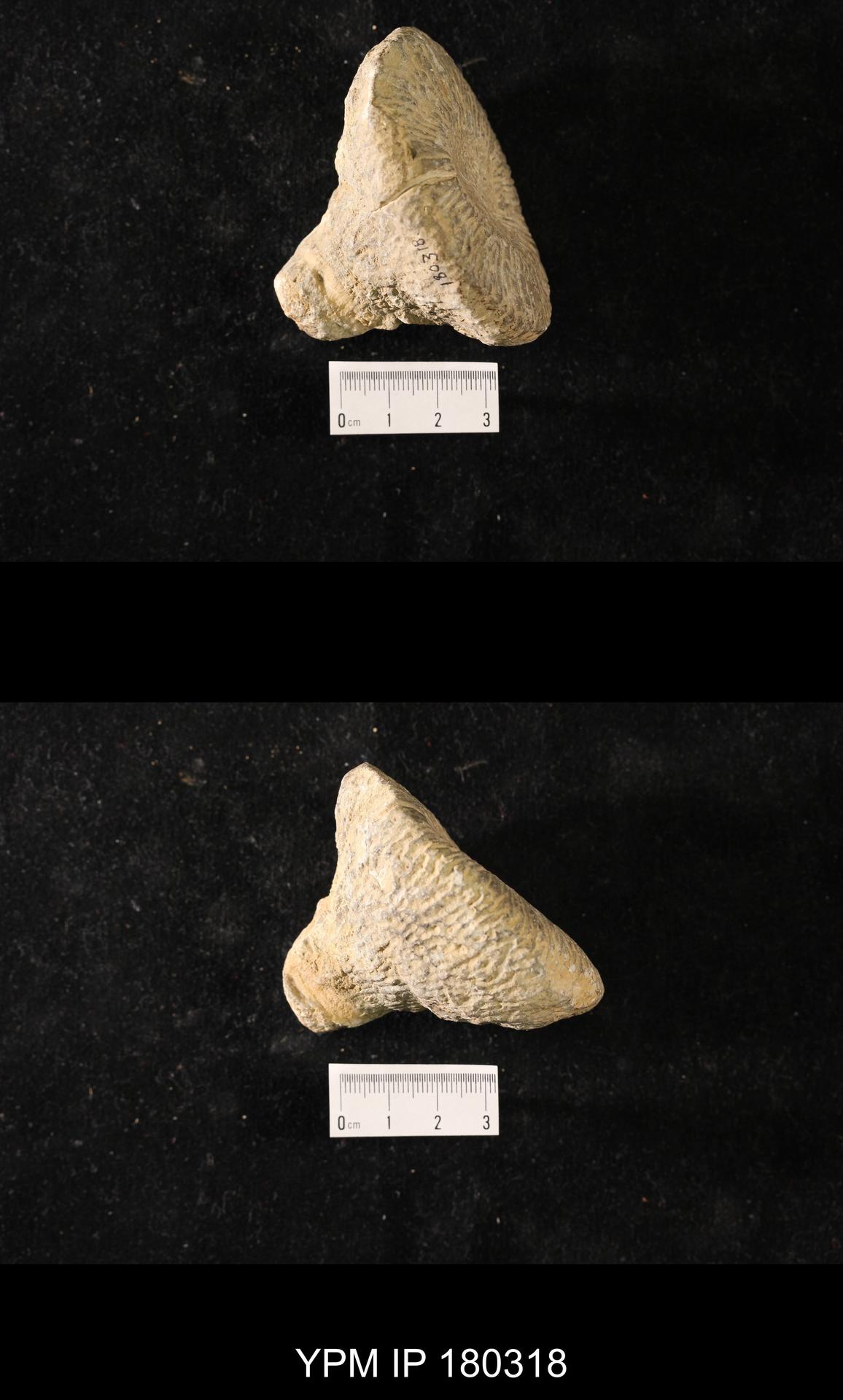
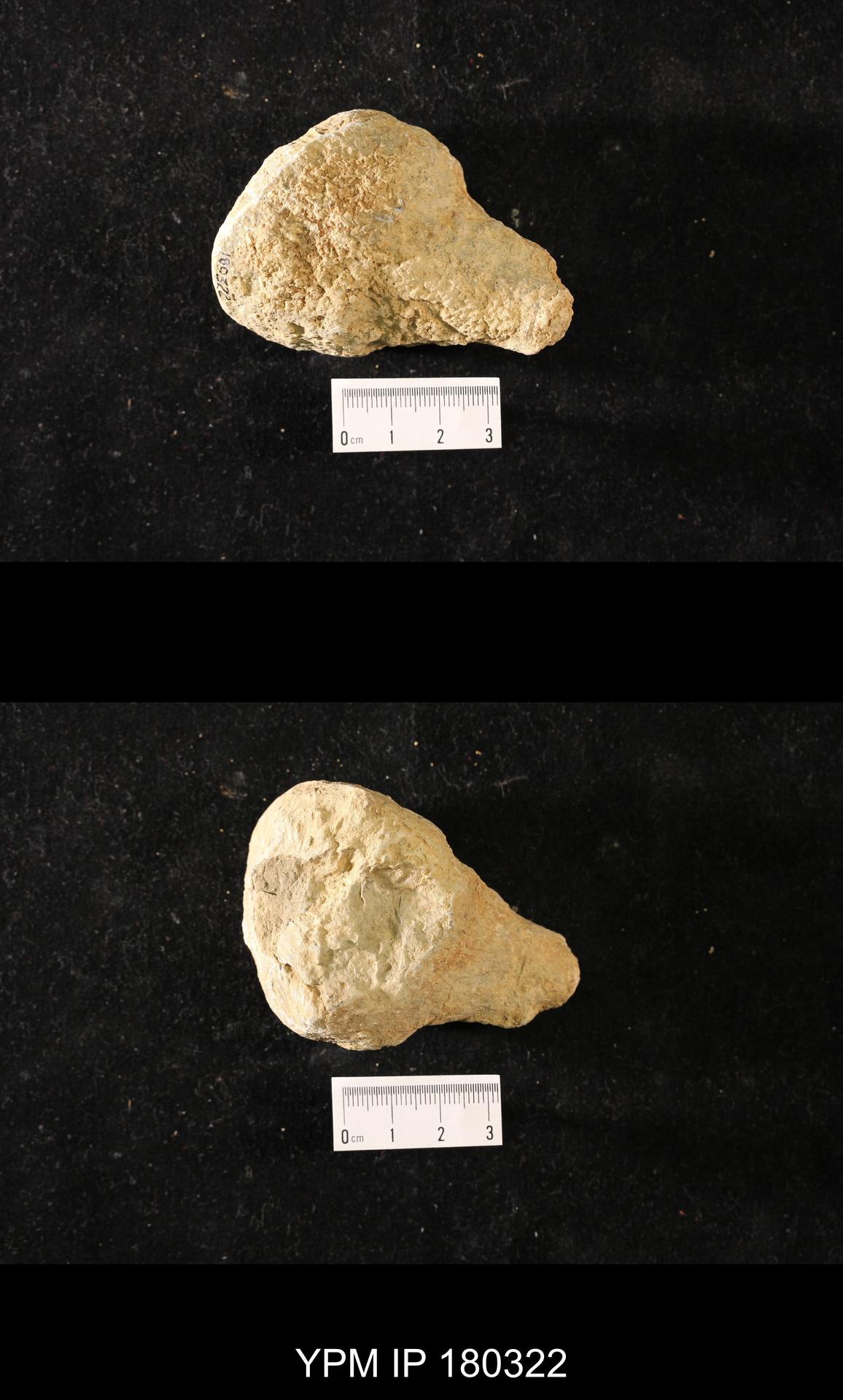
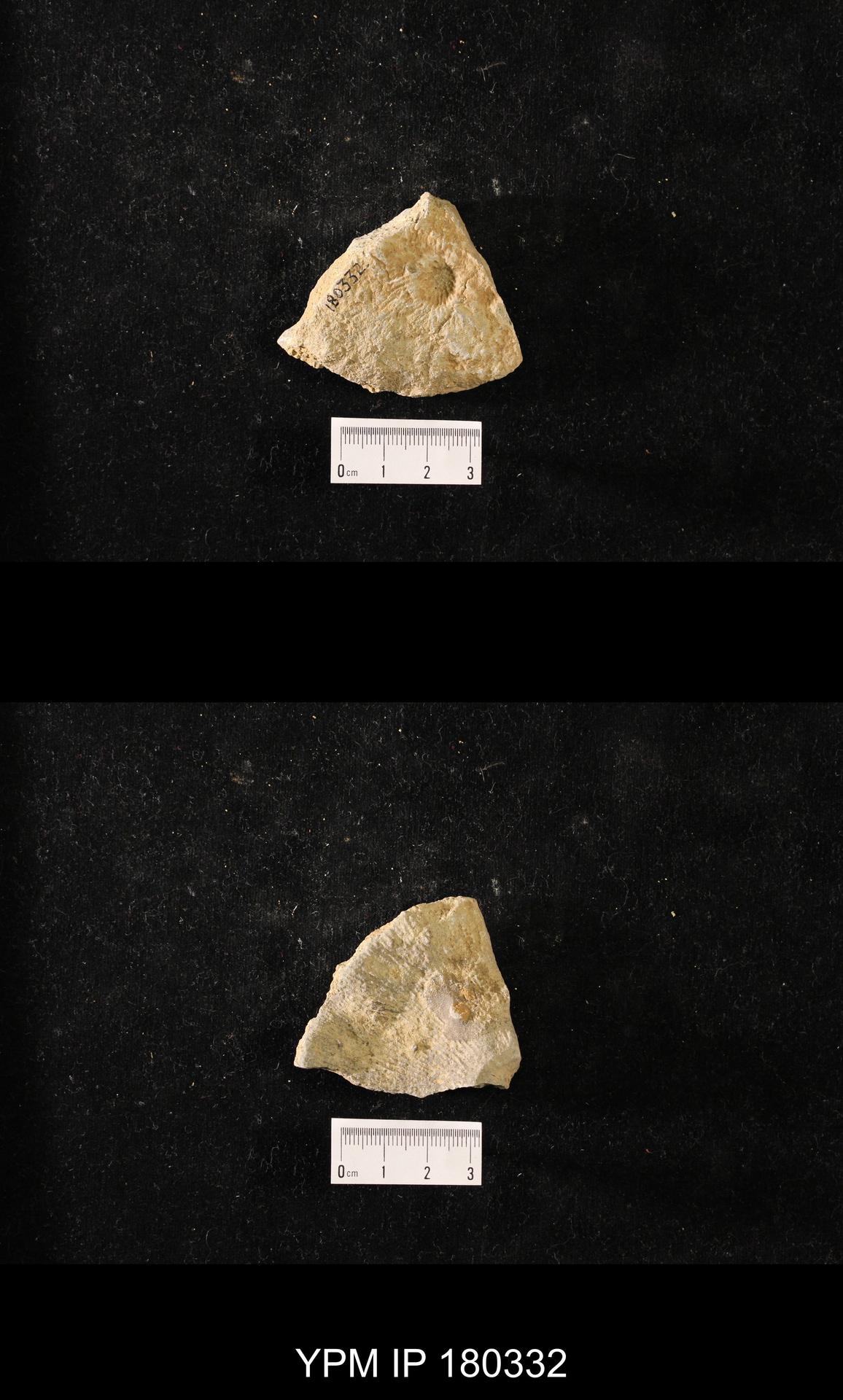
GBIF-linked museum specimens imaged in the TreeOfLife-200M under this order placement are labeled as Anthaspidella (including A. inyoensis and A. clintoni in some records). The associated metadata describes them as demosponges/sponges/animals and identifies them as preserved museum specimens rather than in situ photographs.[2]
Classification Notes
Spicule-based systematics in anthaspidellid “lithistid” frameworks uses spicular architecture and axial-system concepts for diagnoses. In closely related lithistid diagnoses, the “dicranoclone” axis is treated as erect and structurally defined (“sensu strict.”), but many fossil “dicranoclone-like” forms are described when the axis is not confidently preserved; accordingly, higher-level typification at these points is treated as architecture-based rather than relying solely on the presence of a single axis-associated feature that may be lost in preservation.[3]
When applying fossil diagnoses and spicule criteria to place taxa at or near the Anthaspidella level, axial-system-dependent interpretations should therefore be made cautiously when central structures are not observable; the literature specifically notes that the absence of an obvious axial canal in many fossil dicranocladine desmas is presumed to result from loss during fossilization, and that internal dissolution/replacement in modern relatives can similarly destroy central structures.[3]
The same source also illustrates that diagnostic recircumscriptions among adjacent lineages can be affected by desma architecture mismatches—e.g., it discusses removing Macandrewiidae (as included by Schrammen) from “Dicranocladina” and placing it into a separate suborder (Pseudorhizomorina) due to an “anthaspidellid-like structure” not matched in typical Dicranocladina, while noting intergrading features and doubtful homology for some supplemental desmas.[3]
Gallery

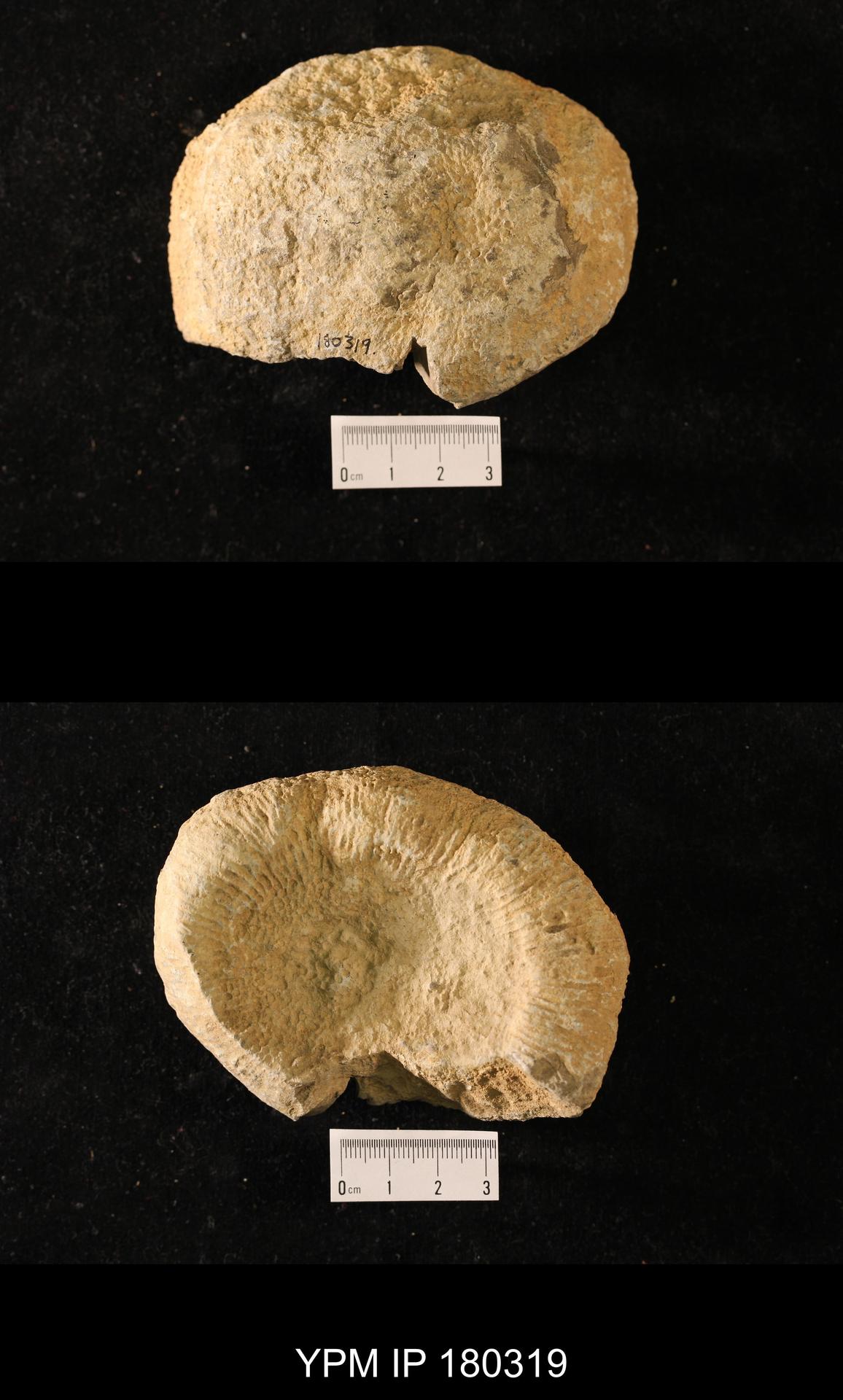
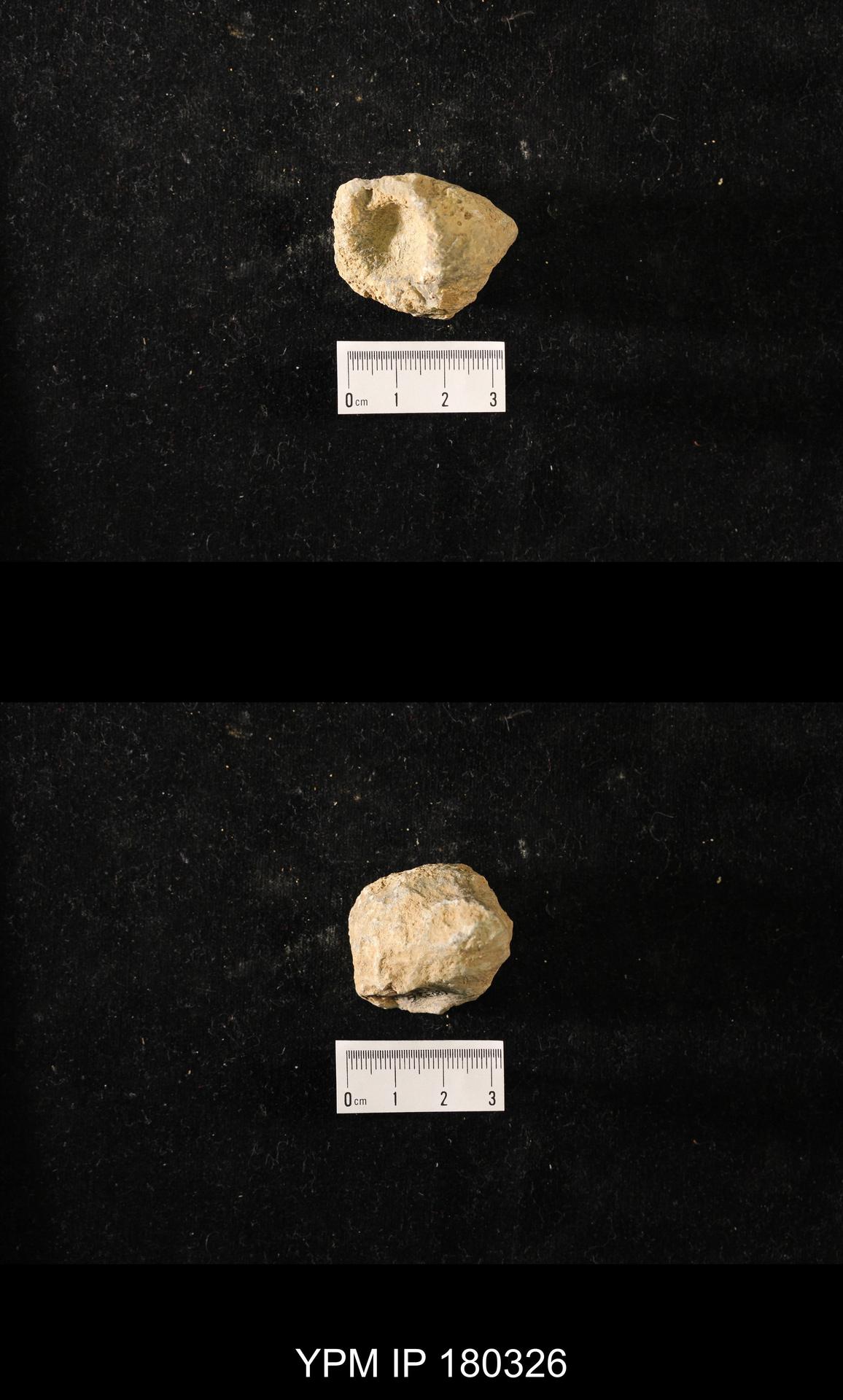

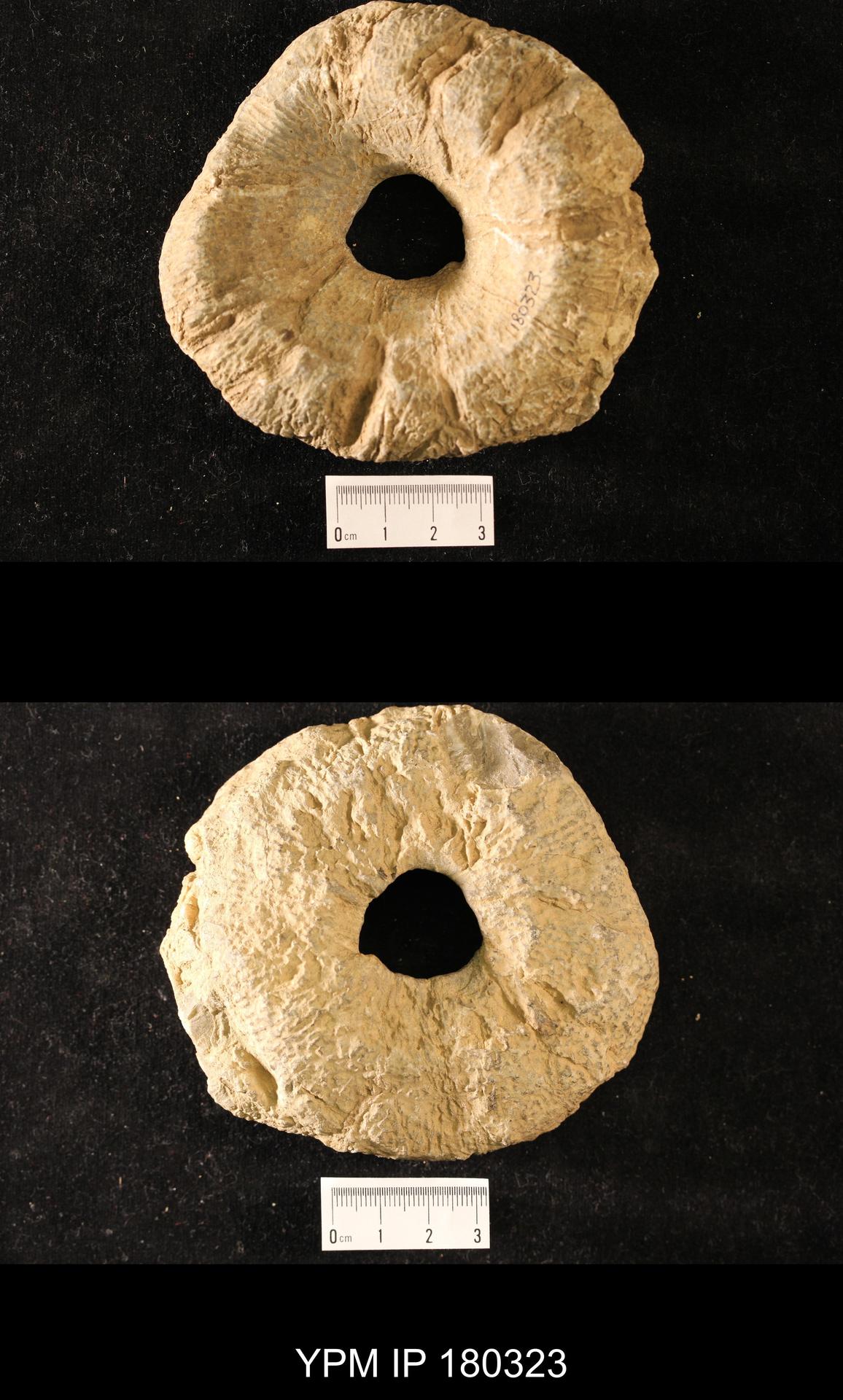
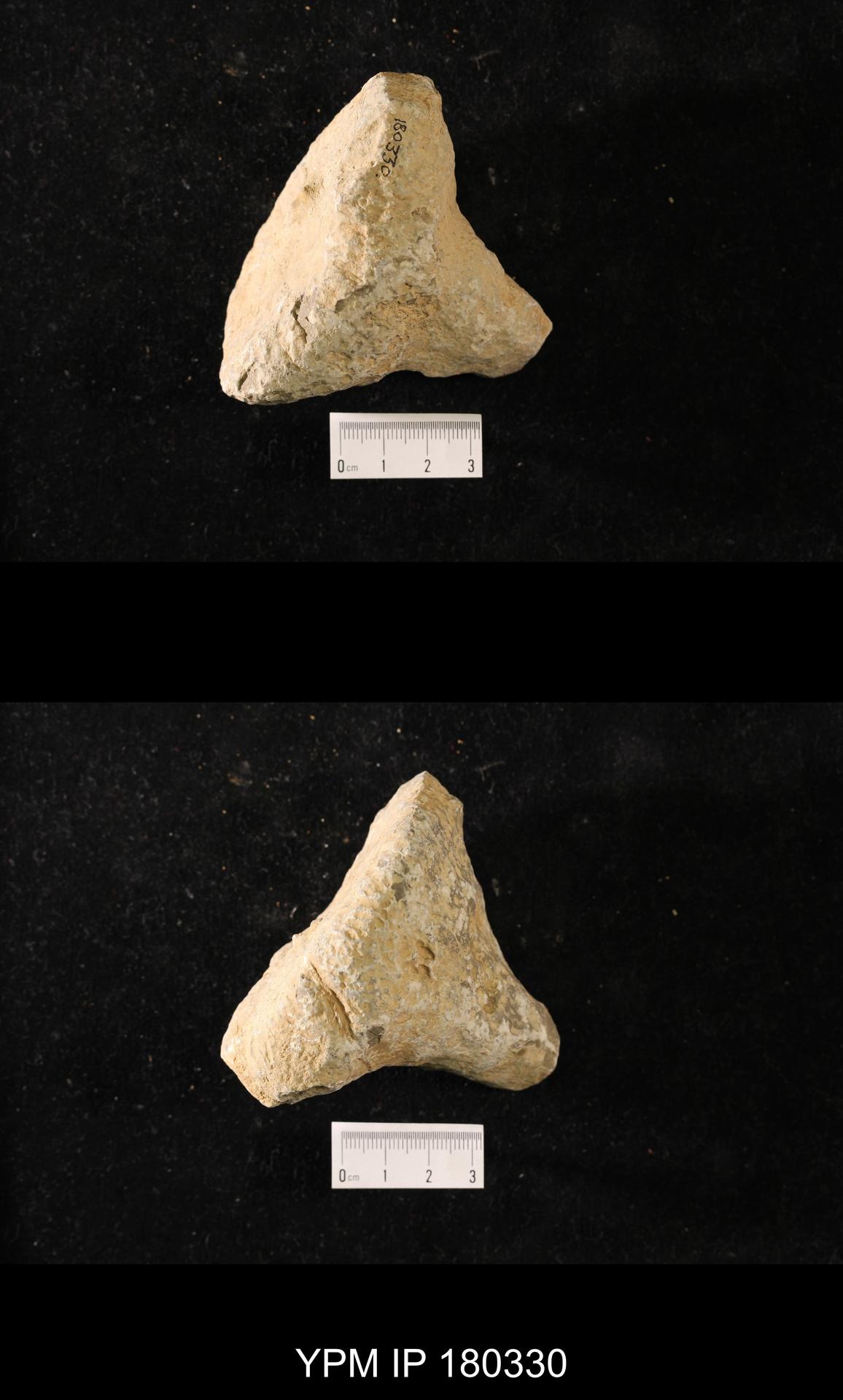
References
- ↑ Dataset view for Animalia / Porifera / Anthaspidellidae / Anthaspidella constructed from imageomics/TreeOfLife-200M records under this taxonomic path. Hugging Face Datasets. https://huggingface.co/datasets/imageomics/TreeOfLife-200M.
- ↑ Anthaspidella Ulrich & Everett, 1889. GBIF. https://www.gbif.org/species/10886646. Accessed 2026-07-09.
- 1 2 3 R. E. H. Reid. Part E, Porifera (Revised), vol. 3, Ch. 4, p. 239-274. Treatise on Invertebrate Paleontology. 2004. https://doi.org/10.17161/dt.v0i0.5148.