Anoxycalyx joubini
Taxonomy
This page represents the following TreeOfLife-200M taxonomic path.[1]
- Kingdom: Animalia
- Phylum: Porifera
- Class: Hexactinellida
- Order: Lyssacinosida
- Family: Rossellidae
- Genus: Anoxycalyx
- Species: Anoxycalyx joubini
Visual Description
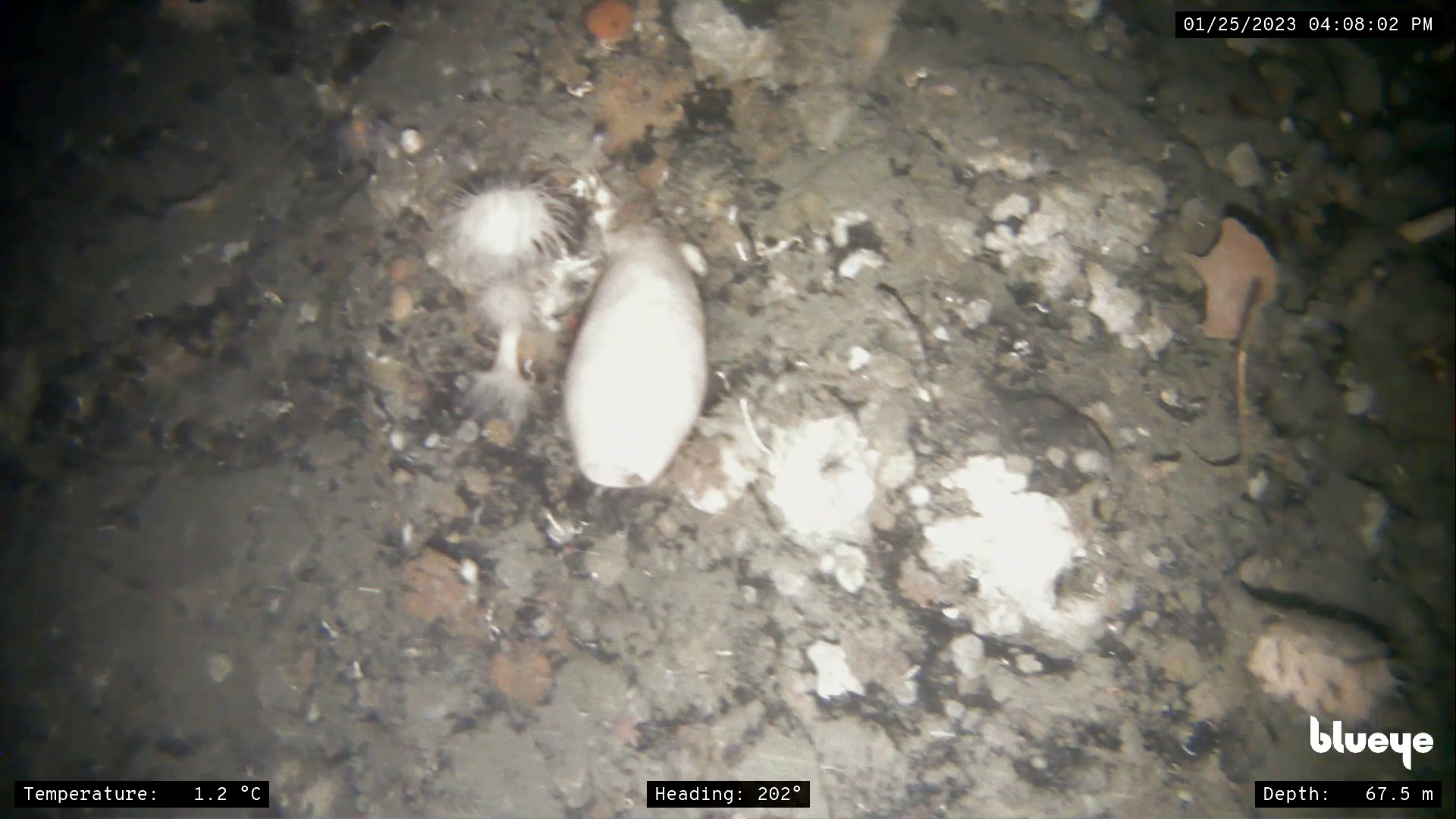
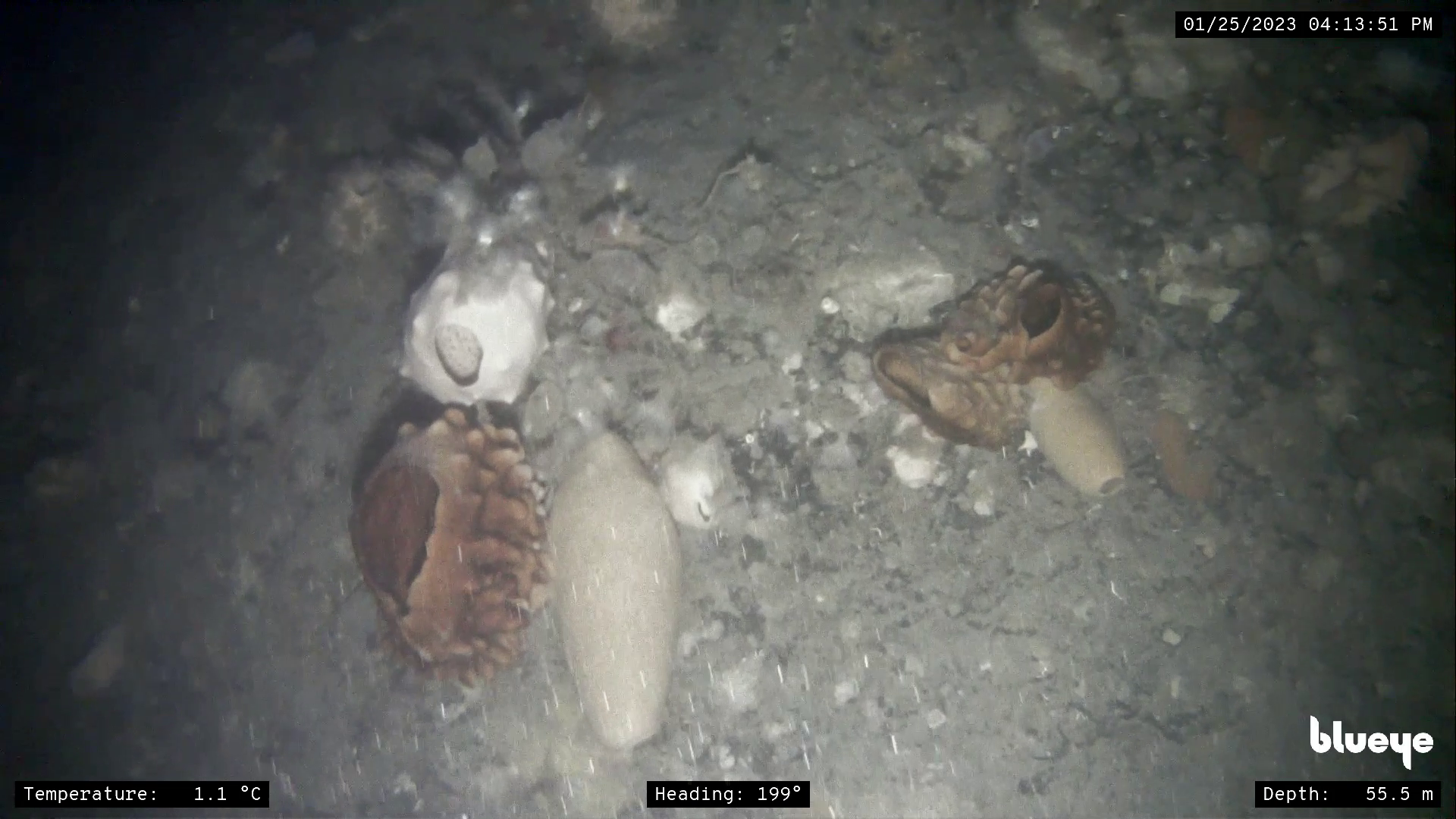
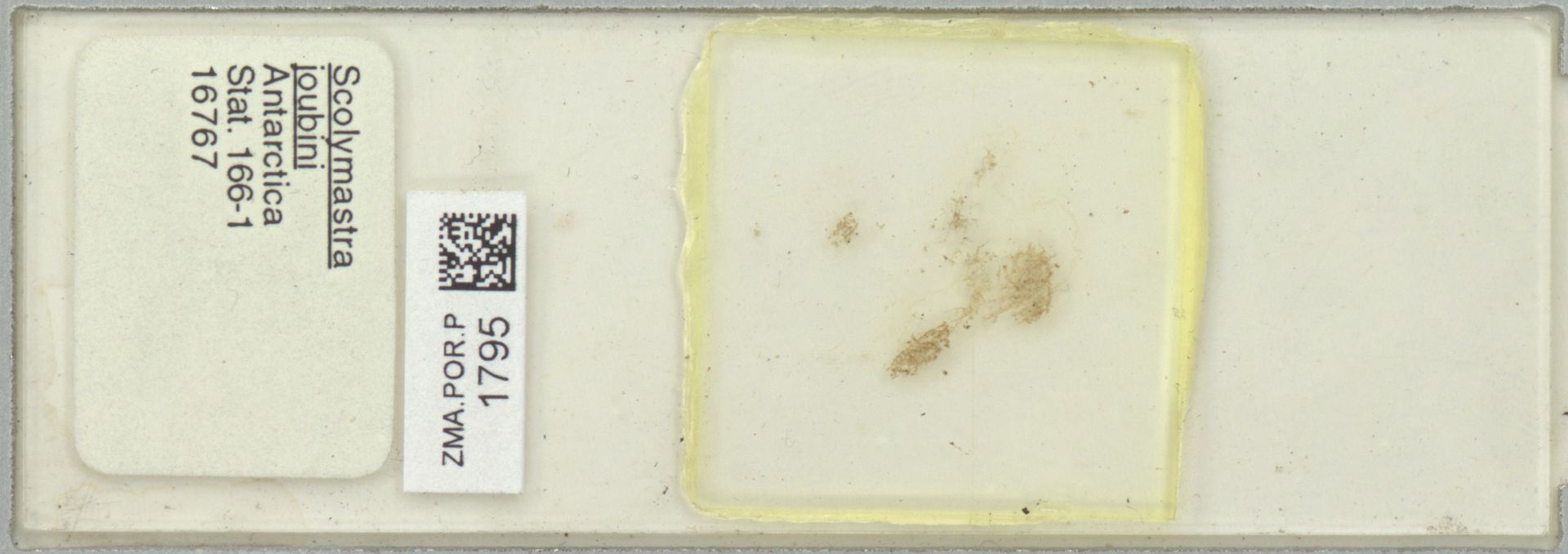
Anoxycalyx joubini is a large, conspicuous hexactinellid sponge. It exhibits a massive, often barrel-like or irregular, lobate body form. The surface texture is typically complex, characterized by a dense, porous, and often folded or convoluted appearance, which is common in large Antarctic hexactinellids. The sponge can reach significant sizes, with some individuals exceeding 2 meters in height and weighing tens of kilograms [2]. Observations from the TreeOfLife-200M dataset confirm its substantial, bulky, and irregular growth form, which often dominates the benthic substrate where it occurs [1].
Life History and Ecology
Anoxycalyx joubini is the largest and most conspicuous hexactinellid sponge in the Antarctic [2]. While historically considered a slow-growing and long-lived species with minimal recruitment, long-term monitoring (1967–2012) has demonstrated that it exhibits episodic, high-intensity recruitment and rapid growth spurts [2].
Growth is hypothesized to be linked to environmental changes, such as shifts in phytoplankton composition—specifically a transition toward smaller particles like bacteria and dinoflagellates, which serve as primary food sources for hexactinellids—often triggered by regional events like iceberg-induced blockages of nutrient-rich currents [2].
Mortality in A. joubini is often associated with the sponge detaching from its substrate and falling to the seafloor. Once on the seafloor, individuals may be consumed by predators such as the sea star Acodontaster conspicuous and the amphipod Seba antarctica, or suffer tissue damage from anchor ice [2].
Gallery

References
- 1 2 Dataset view for Animalia / Porifera / Hexactinellida / Lyssacinosida / Rossellidae / Anoxycalyx / joubini constructed from imageomics/TreeOfLife-200M records under this taxonomic path. Hugging Face Datasets. https://huggingface.co/datasets/imageomics/TreeOfLife-200M.
- 1 2 3 4 5 Paul K. Dayton; Stacy Kim; Shannon C. Jarrell; John S. Oliver; Kamille Hammerstrom; Jennifer L. Fisher; Kevin O’Connor; Julie S. Barber; Gordon A. Robilliard; James Barry; Andrew R. Thurber; Kathy Conlan. Recruitment, Growth and Mortality of an Antarctic Hexactinellid Sponge, Anoxycalyx joubini. PLoS ONE. 2013. https://doi.org/10.1371/journal.pone.0056939.