Anopheles ziemanni
Taxonomy
This page represents the following TreeOfLife-200M taxonomic path.[1]
- Kingdom: Animalia
- Phylum: Arthropoda
- Class: Insecta
- Order: Diptera
- Family: Culicidae
- Genus: Anopheles
- Species: Anopheles ziemanni
Visual Description
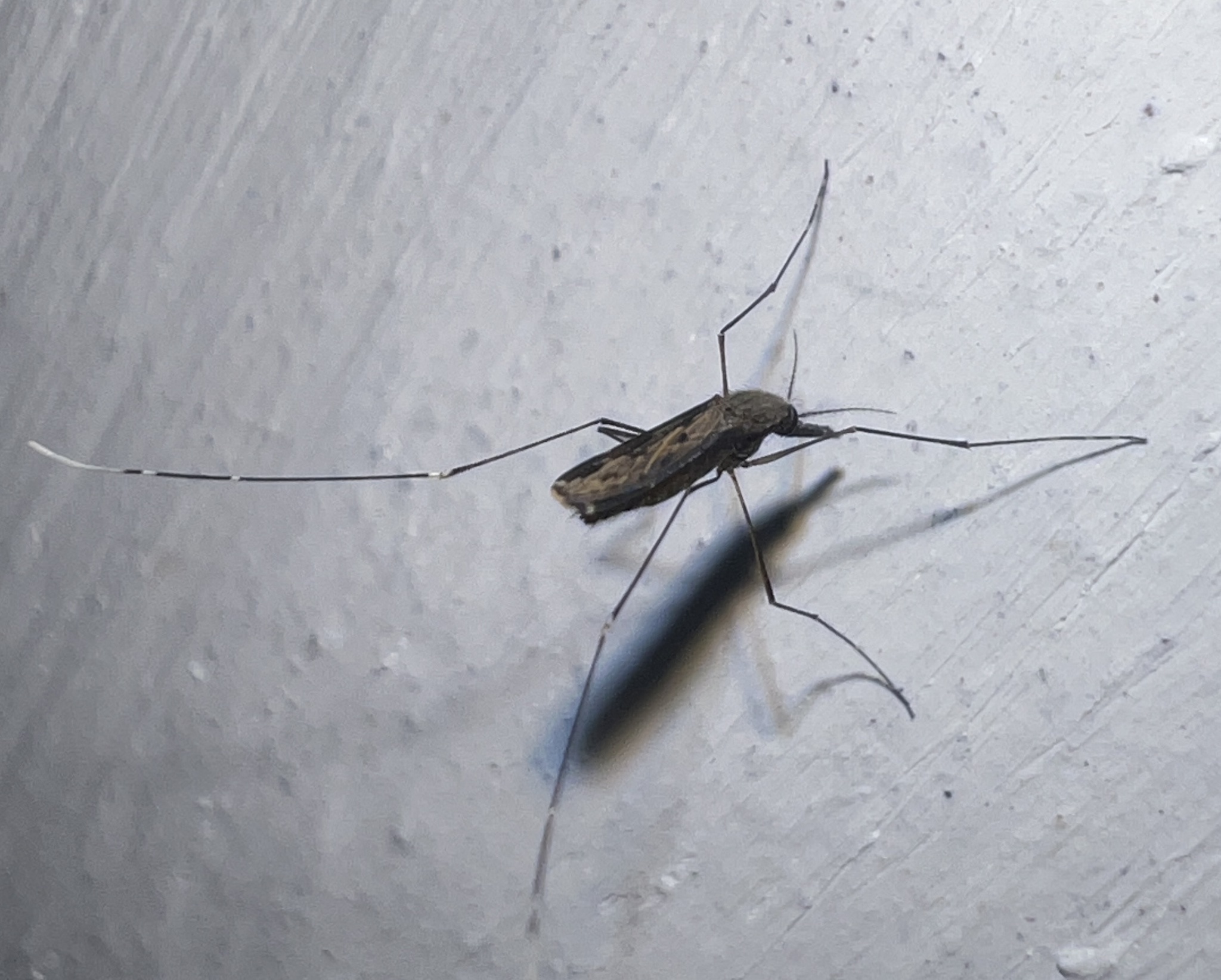
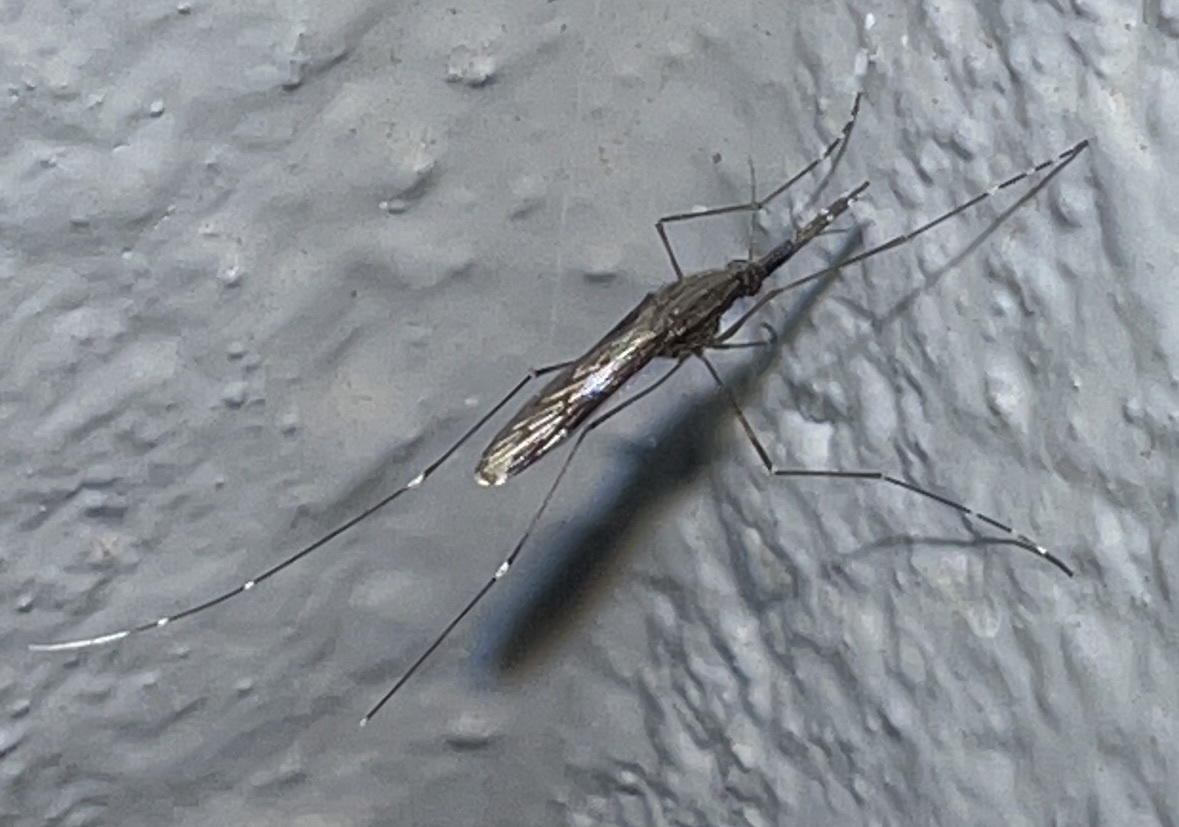
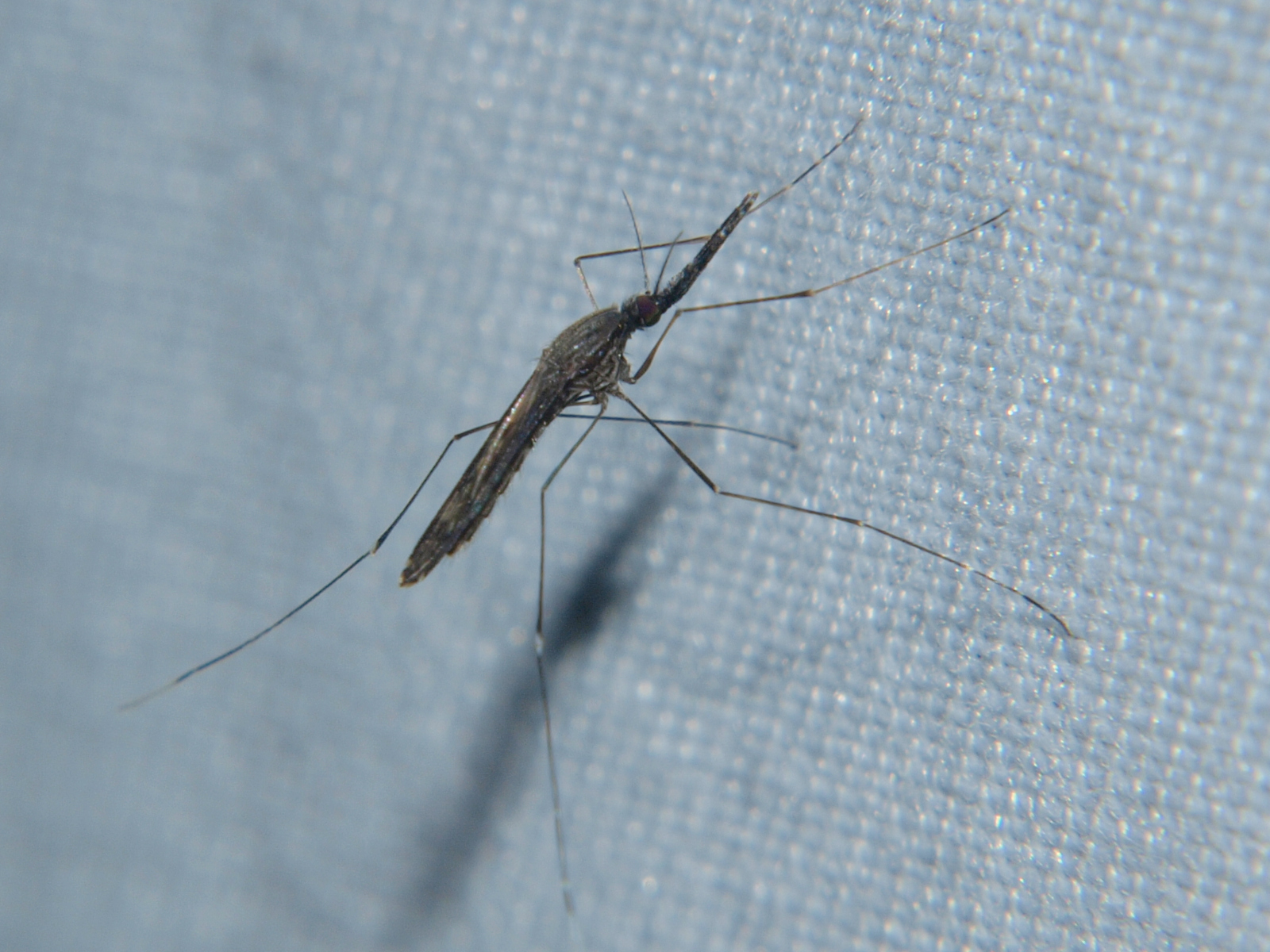
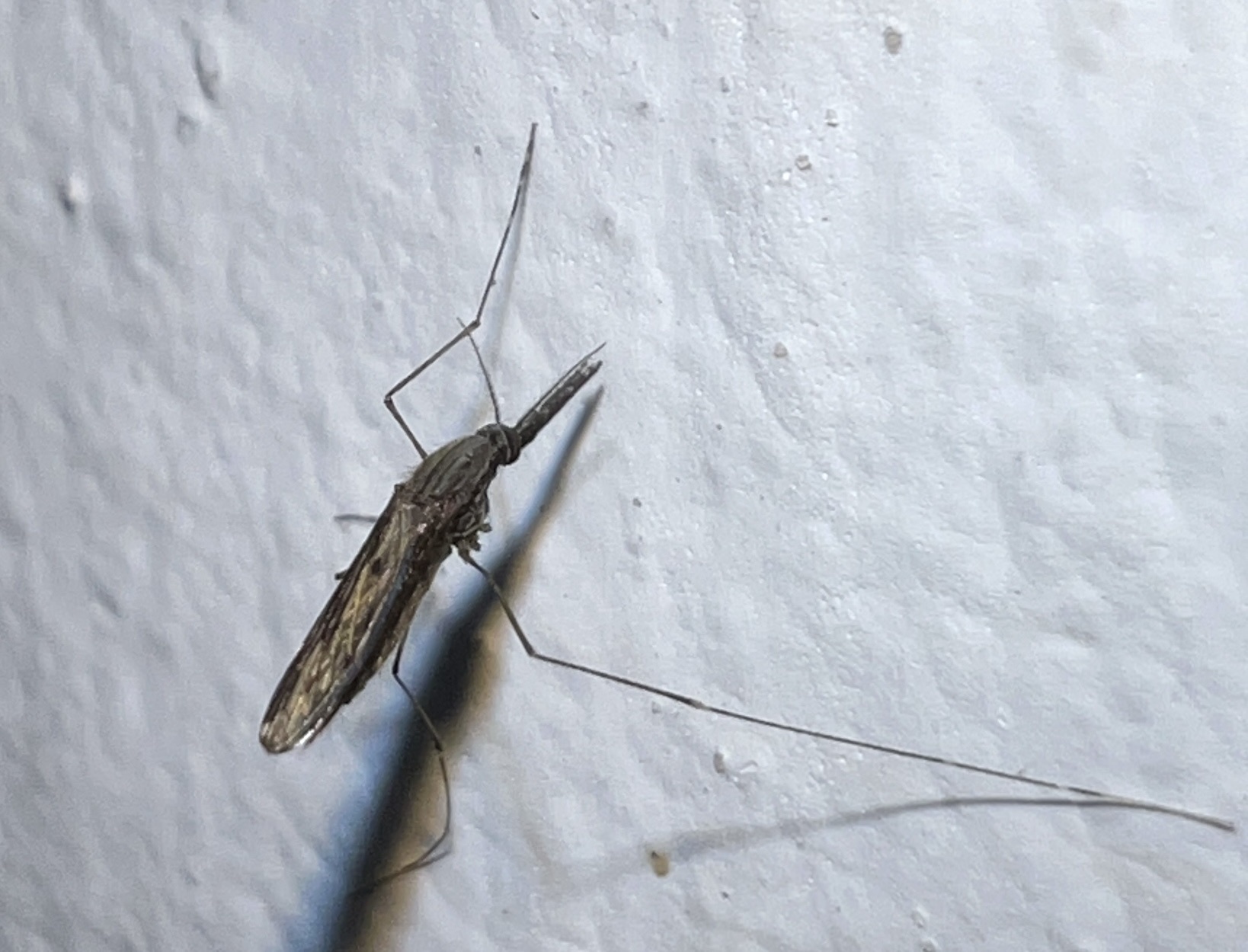
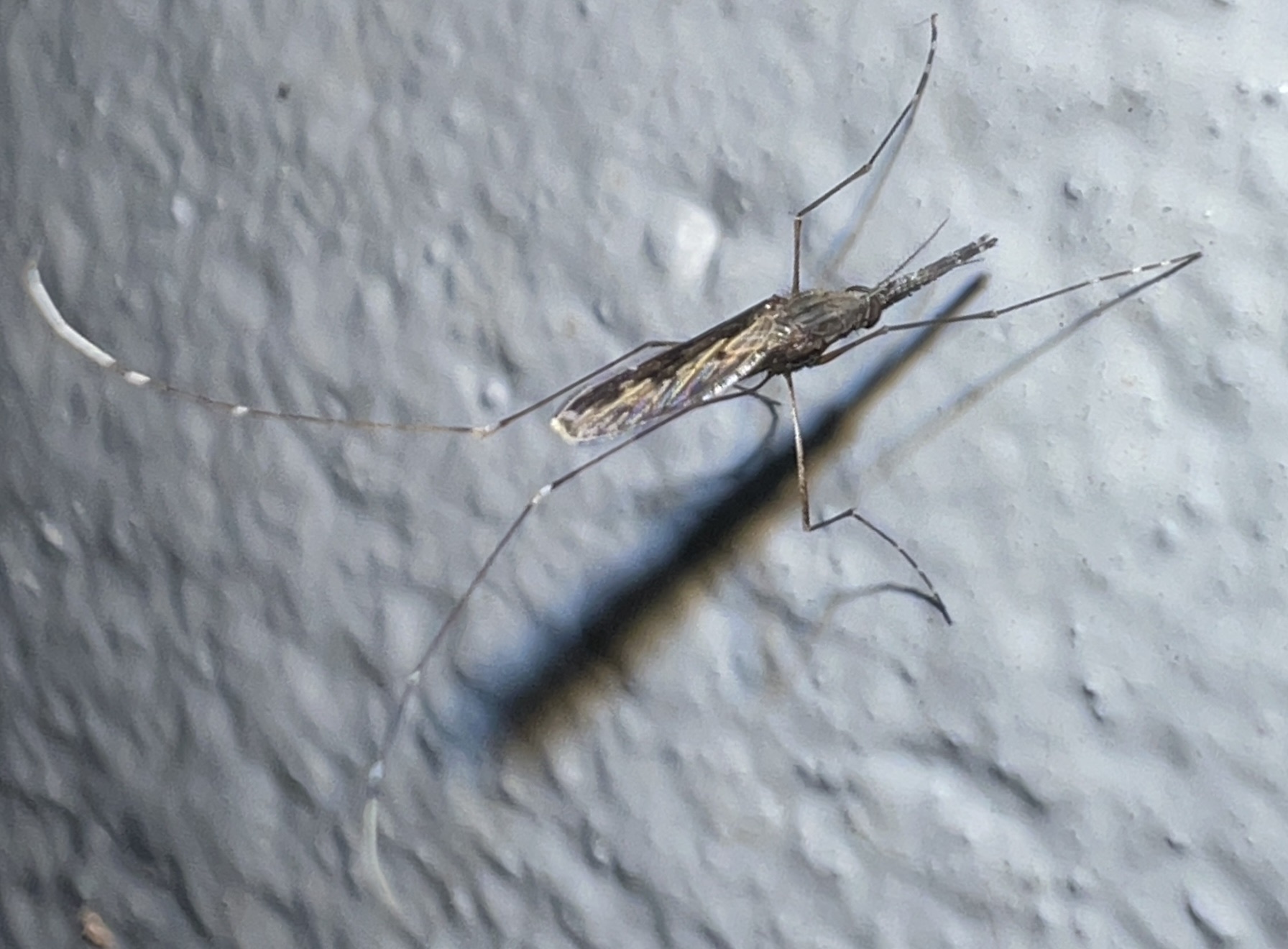
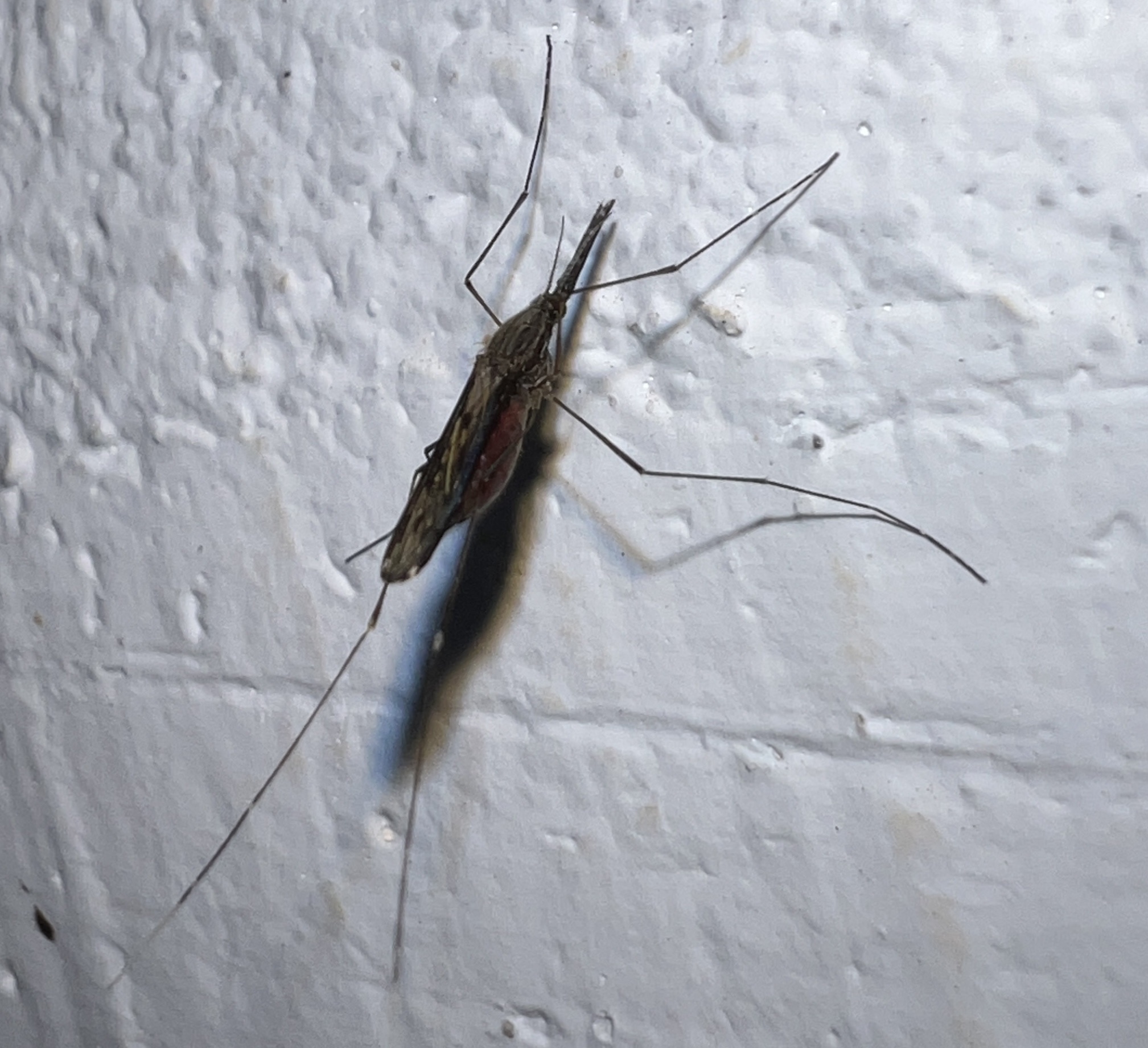
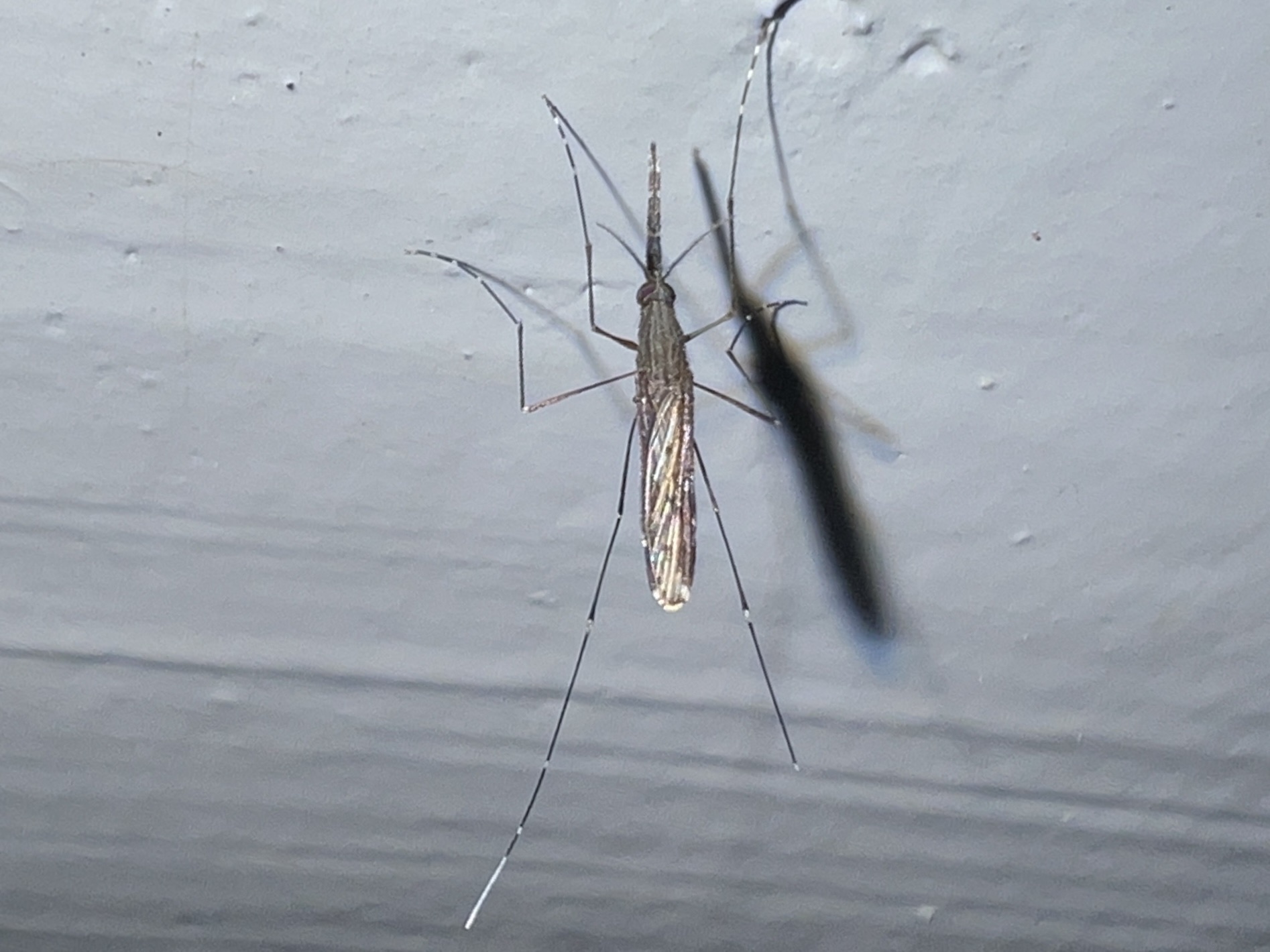
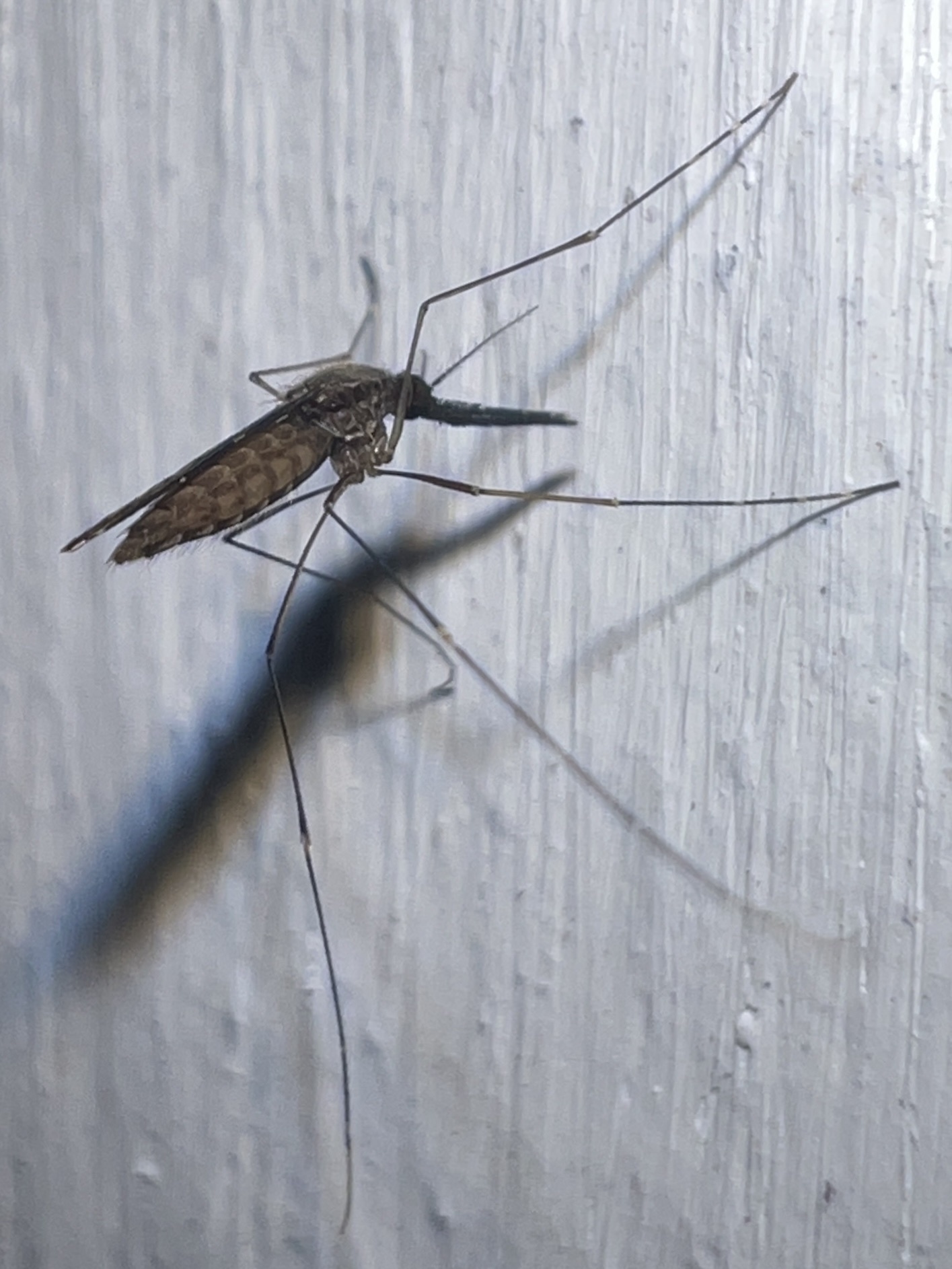
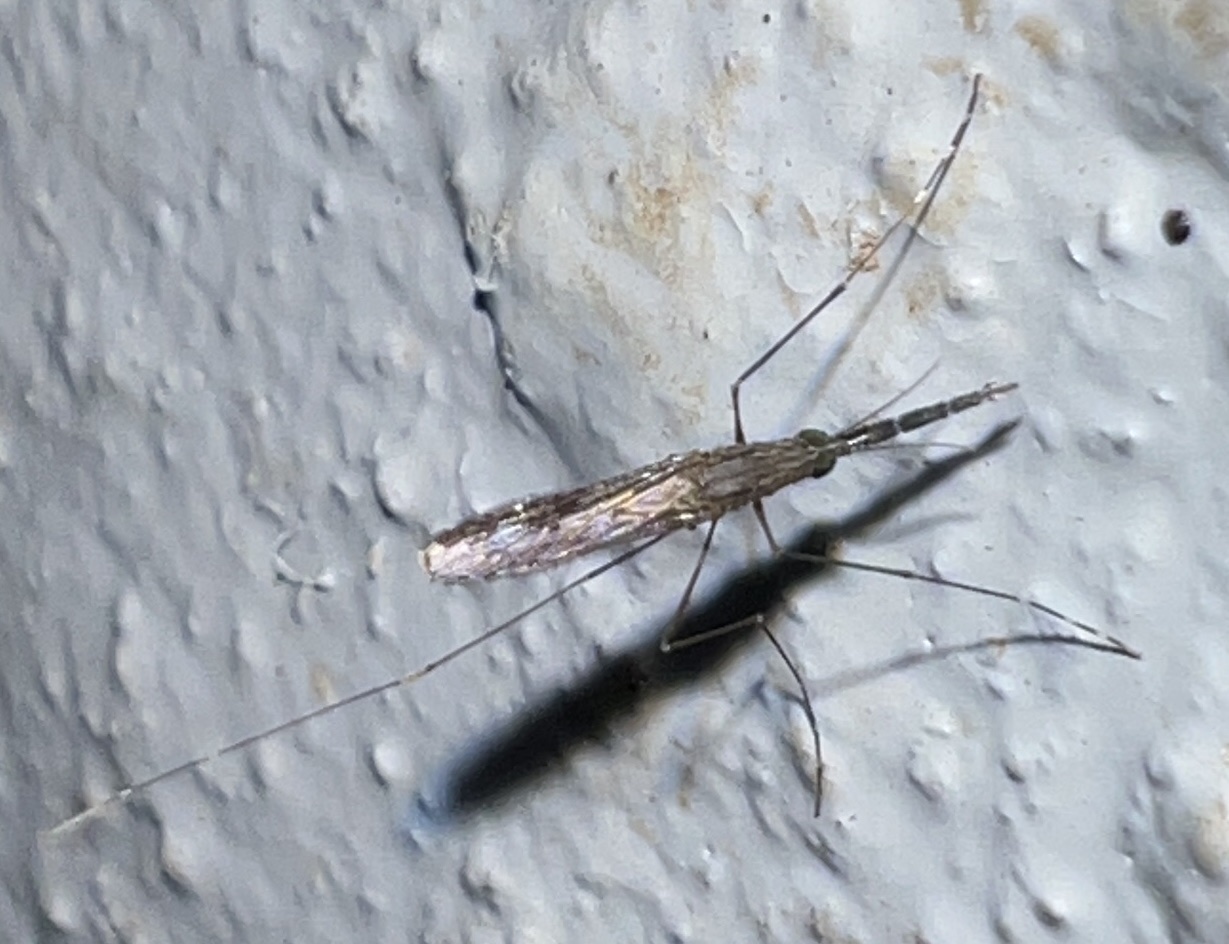
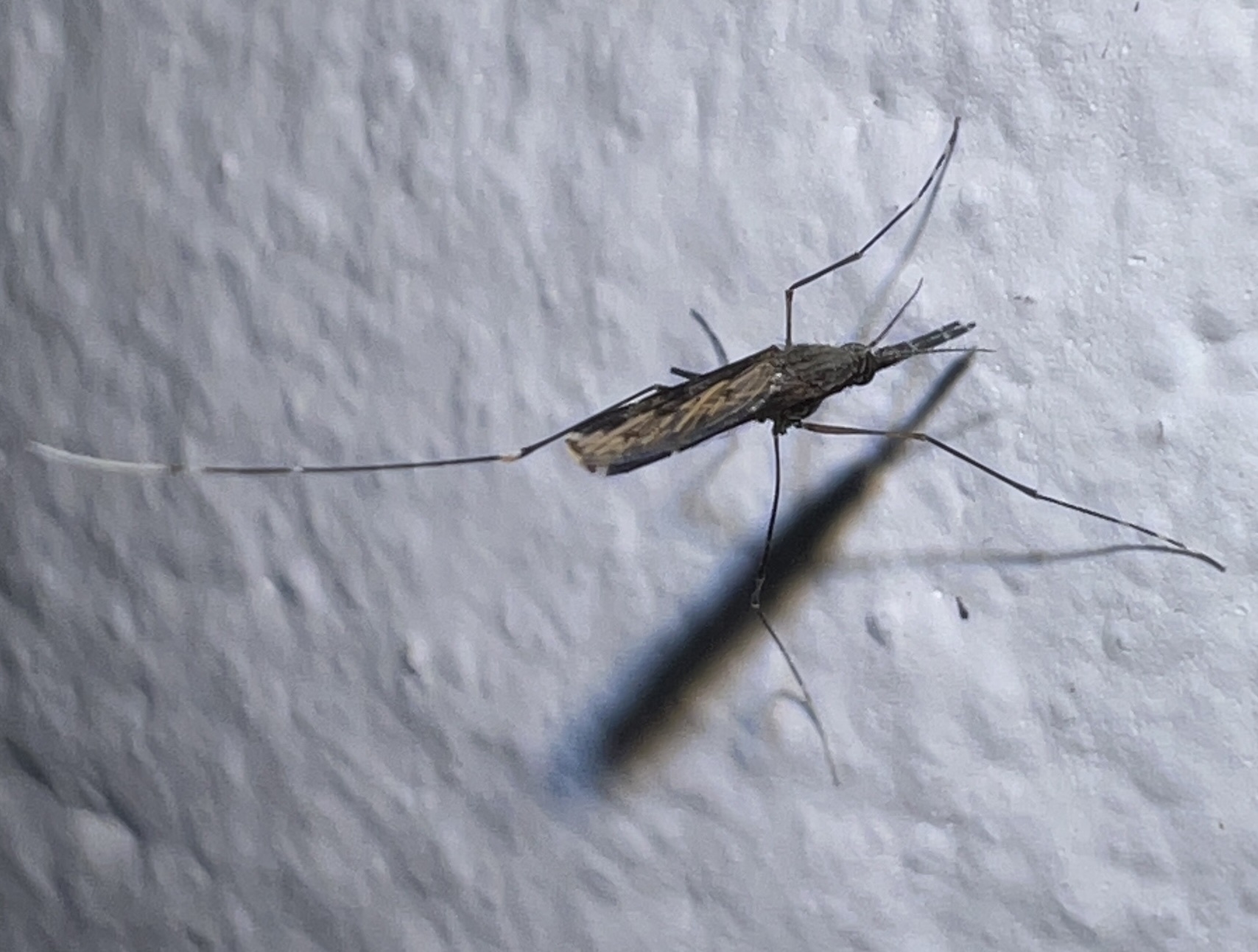
Anopheles ziemanni exhibits the characteristic morphology of the genus Anopheles. Observations from the TreeOfLife-200M dataset indicate that the species possesses slender, elongated bodies typical of mosquitoes, with long, thin legs and narrow wings. The coloration is generally muted, often featuring shades of brown and grey, which provides camouflage in its natural environment. The head is equipped with prominent, forward-projecting palps and antennae.[1]
Ecology and Medical Importance
Anopheles ziemanni has been identified as a locally important malaria vector, particularly in regions such as the Ndop health district in the northwest region of Cameroon. Field surveys have demonstrated that this species can serve as a primary malaria vector in certain areas, displaying both indoor and outdoor biting behaviors.[2]
Studies have recorded significant man-biting rates for this species, ranging from 6.75 to 8.29 bites per person per night. Furthermore, the entomological inoculation rate (EIR) for An. ziemanni has been observed to be notably high in some localities, sometimes exceeding the rates recorded for Anopheles gambiae in the same regions.[2]
Gallery
References
- 1 2 Dataset view for Animalia / Arthropoda / Insecta / Diptera / Culicidae / Anopheles / ziemanni constructed from imageomics/TreeOfLife-200M records under this taxonomic path. Hugging Face Datasets. https://huggingface.co/datasets/imageomics/TreeOfLife-200M.
- 1 2 Raymond Tabue; Thomas E. Nem; Jean Atangana; Jude D. Bigoga; Salomon Patchoké; Frédéric Tchouine; Barrière Y Fodjo; Rose G. F. Leke; Étienne Fondjo. Anopheles ziemanni a locally important malaria vector in Ndop health district, north west region of Cameroon. Parasites & Vectors. 2014. https://doi.org/10.1186/1756-3305-7-262.