Anopheles vagus
Taxonomy
This page represents the following TreeOfLife-200M taxonomic path.[1]
- Kingdom: Animalia
- Phylum: Arthropoda
- Class: Insecta
- Order: Diptera
- Family: Culicidae
- Genus: Anopheles
- Species: Anopheles vagus
Visual Description
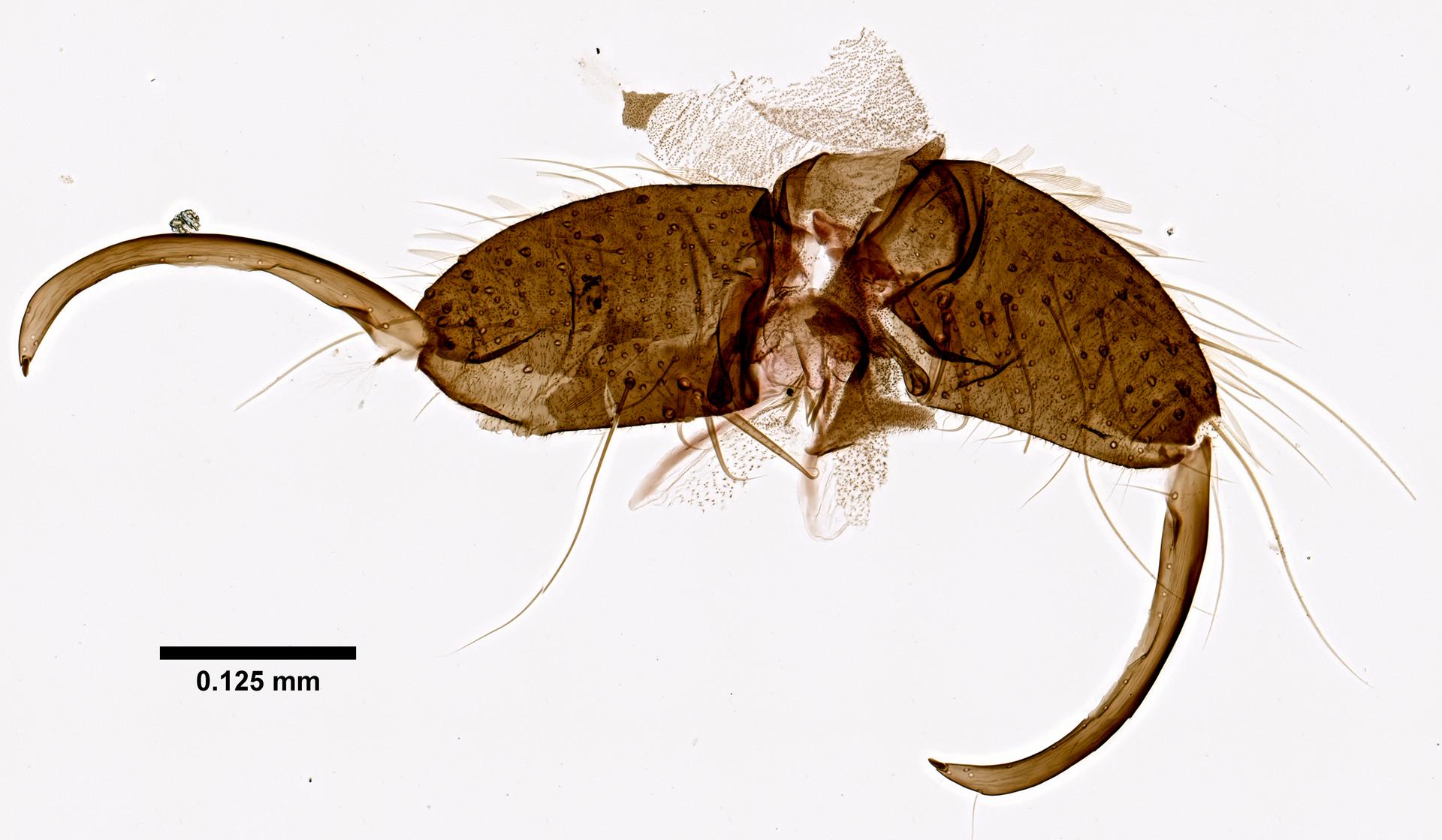
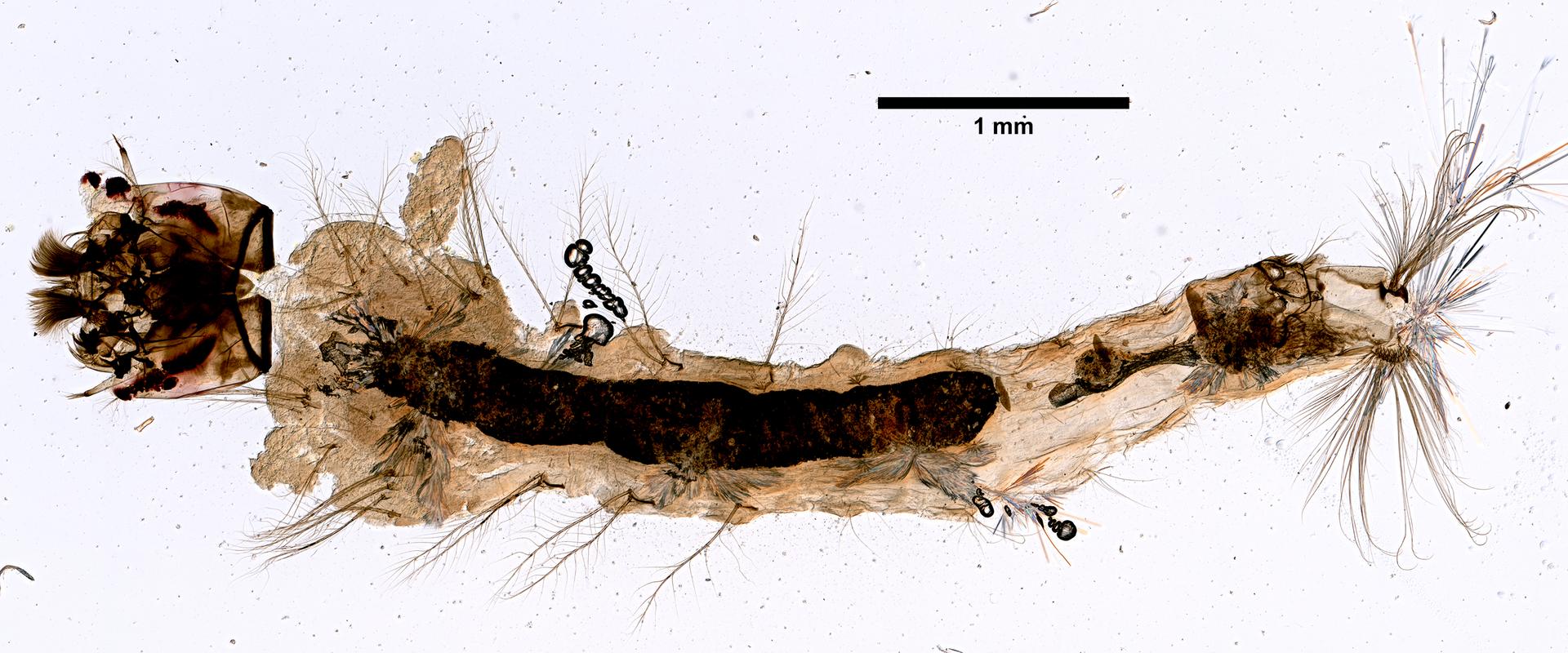
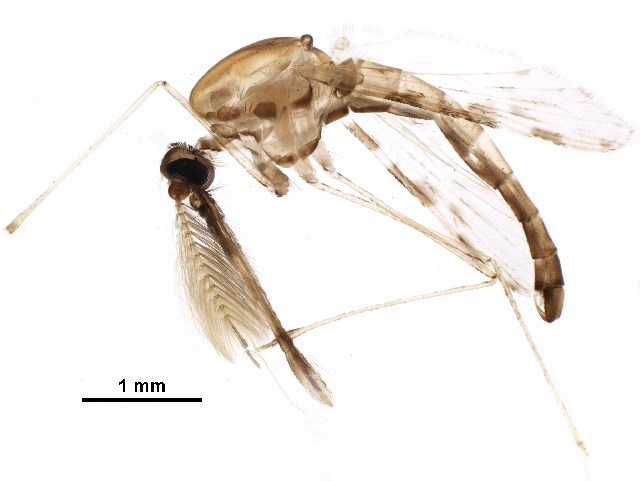
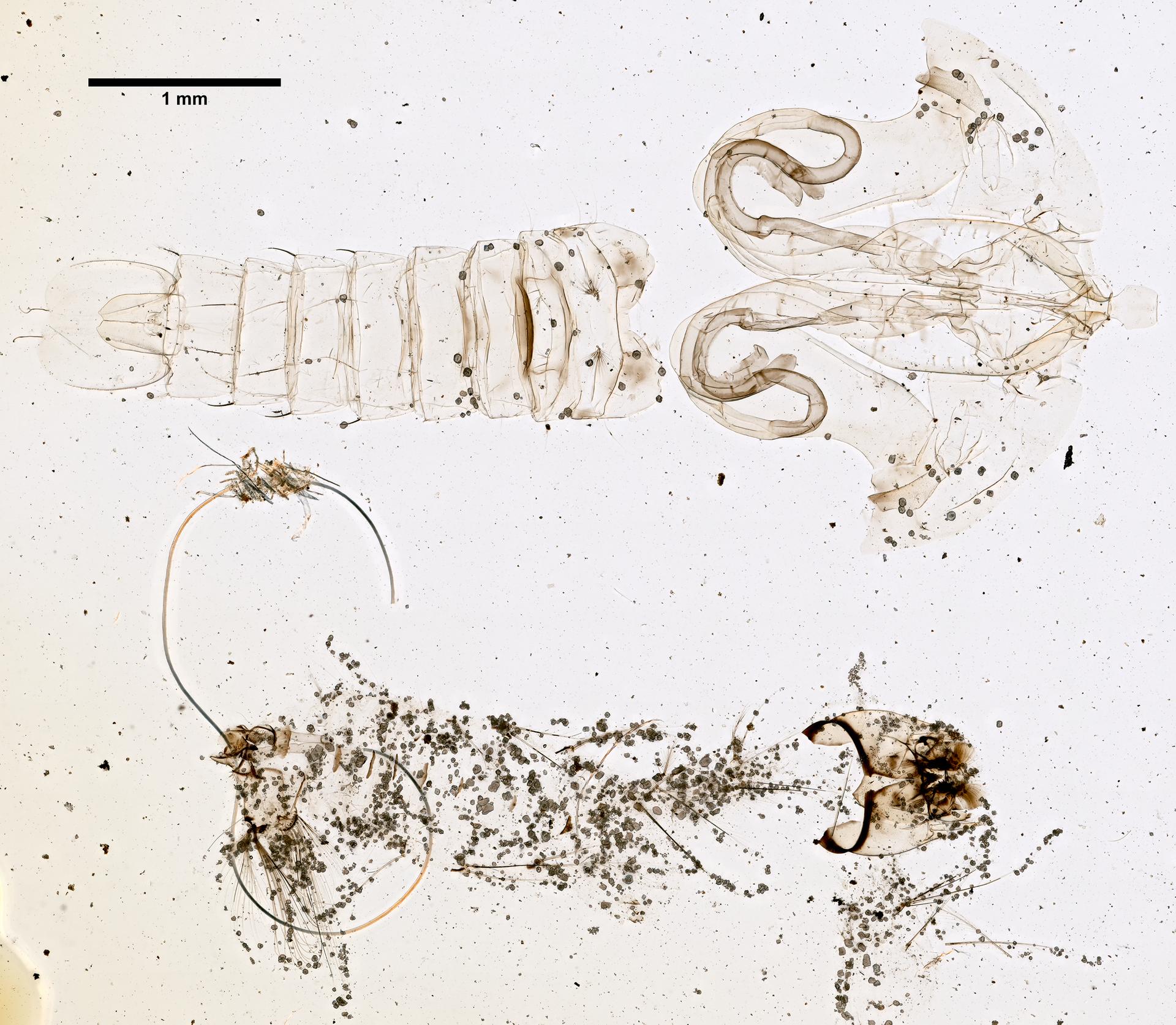
Based on observations of preserved specimens, Anopheles vagus exhibits the characteristic slender body form typical of the genus Anopheles. The specimens display the elongated, delicate legs and narrow wings associated with culicid morphology. The coloration is generally muted, consistent with dried museum specimens.[1]
Ecology and Distribution
Anopheles vagus is an abundant mosquito species found in the Mekong region, including Vietnam, Cambodia, and Laos. It is known to breed in open agricultural environments, such as rice fields, and serves as an indicator species for insecticide pressure resulting from agricultural practices. While the species exhibits a zoophilic trend, it is known to bite humans regularly, which may contribute to the maintenance of malaria at low or epidemic levels.[2]
Insecticide Resistance
Populations of An. vagus in the Mekong region have demonstrated widespread resistance to DDT. Resistance to pyrethroids has also been observed, particularly in Cambodia and southern Vietnam, where high levels of combined DDT and pyrethroid resistance have been identified. Genetic analysis has identified a leucine-to-serine (L1014S) knockdown resistance (kdr) mutation in the DIIS6 region of the para-type sodium channel gene. This mutation is found at low frequencies (0.7% to 15.7%) in the heterozygous form and is geographically limited to southern Vietnam and Cambodia near the Vietnamese border.[2]
Gallery
References
- 1 2 Dataset view for Animalia / Arthropoda / Insecta / Diptera / Culicidae / Anopheles / vagus constructed from imageomics/TreeOfLife-200M records under this taxonomic path. Hugging Face Datasets. https://huggingface.co/datasets/imageomics/TreeOfLife-200M.
- 1 2 Katrijn Verhaeghen; Wim Van Bortel; Ho Dinh Trung; Tho Sochantha; K. Keokenchanh; Marc Coosemans. Knockdown resistance in Anopheles vagus, An. sinensis, An. paraliae and An. peditaeniatus populations of the Mekong region. Parasites & Vectors. 2010. https://doi.org/10.1186/1756-3305-3-59.