Anopheles stephensi
Taxonomy
This page represents the following TreeOfLife-200M taxonomic path.[1]
- Kingdom: Animalia
- Phylum: Arthropoda
- Class: Insecta
- Order: Diptera
- Family: Culicidae
- Genus: Anopheles
- Species: Anopheles stephensi
Visual Description
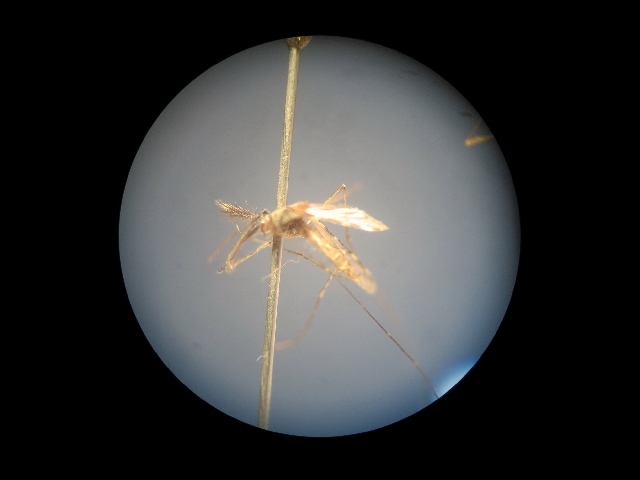
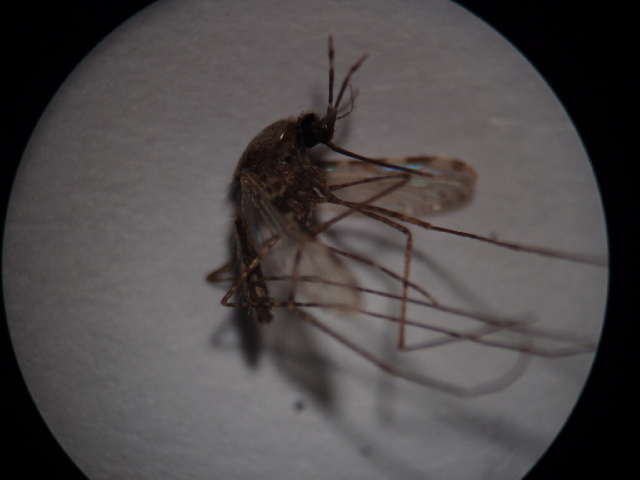
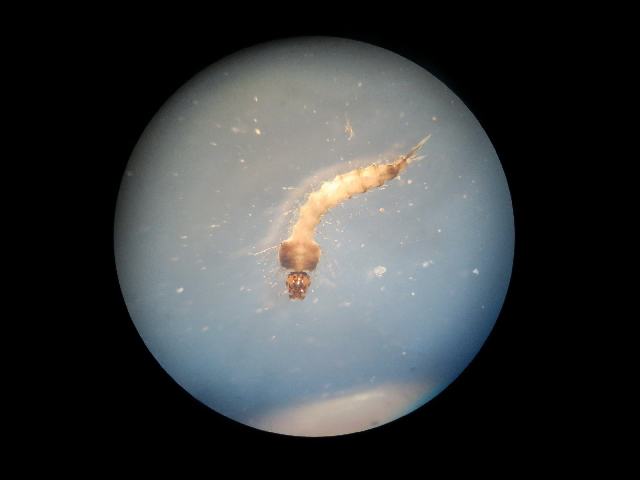
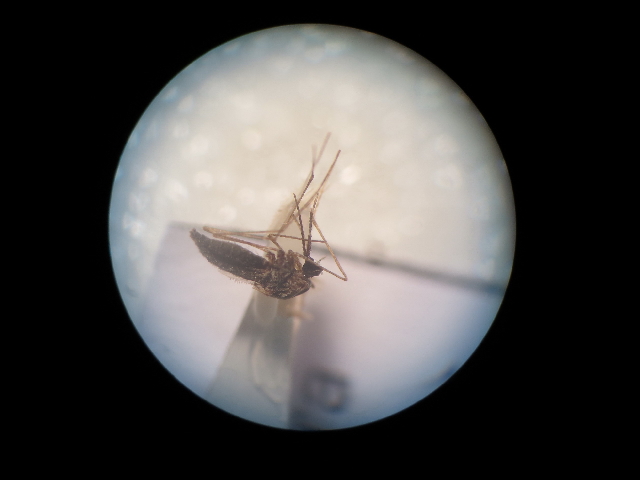
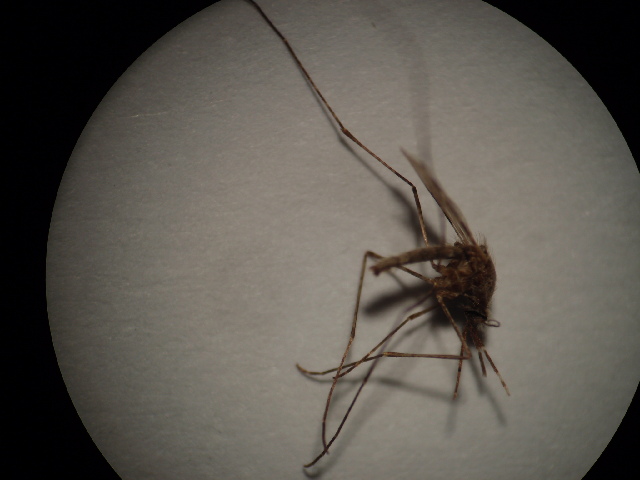
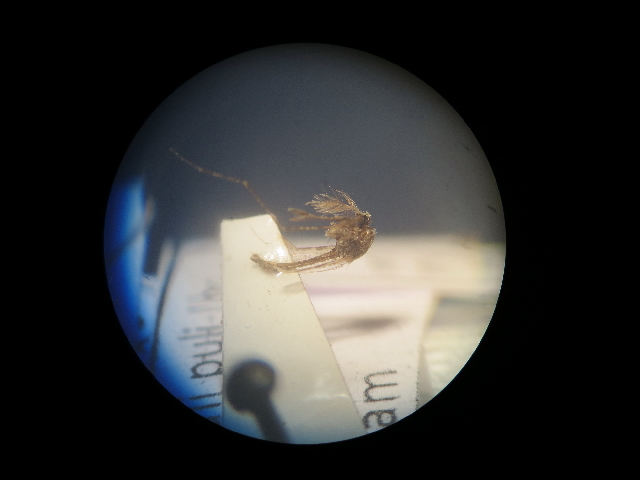
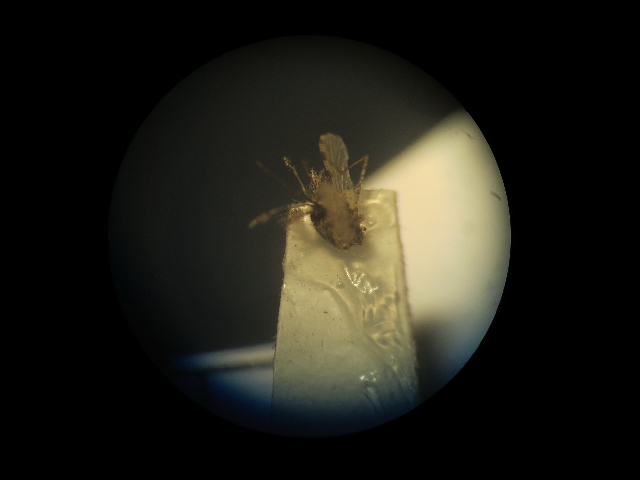
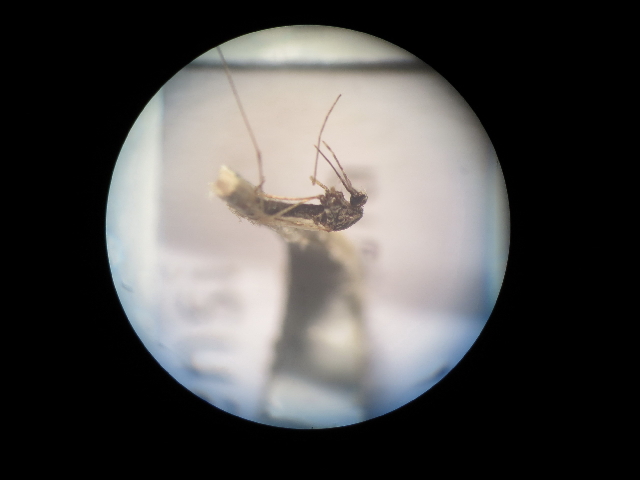
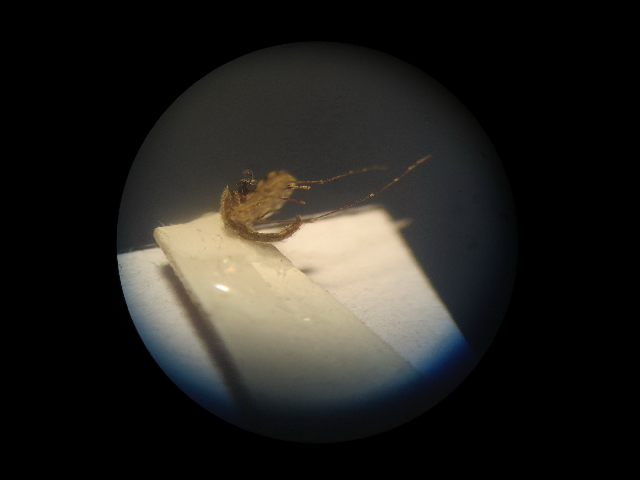
Anopheles stephensi is a mosquito characterized by typical culicid morphology. Observations of museum specimens from the TreeOfLife-200M dataset reveal a slender body structure, typical of the genus Anopheles.[1] The specimens exhibit characteristic long, slender legs and narrow wings. The head features prominent compound eyes and long, filiform antennae. The thorax is elongated, and the abdomen is slender, consistent with the general appearance of mosquitoes in this family.[1]
Biology and Interactions
Anopheles stephensi is a significant vector of malaria. Research into its midgut physiology has provided insights into the interactions between the mosquito and the malaria parasite, Plasmodium berghei.[2]
The "time bomb theory" describes how P. berghei ookinetes invade the midgut epithelial cells of A. stephensi. This invasion causes significant damage to the host cells, including the loss of microvilli and genomic DNA fragmentation. The mosquito midgut employs an actin-based repair mechanism, known as restitution, to remove these damaged cells and maintain the integrity of the midgut barrier.[2]
Gallery

References
- 1 2 3 Dataset view for Animalia / Arthropoda / Insecta / Diptera / Culicidae / Anopheles / stephensi constructed from imageomics/TreeOfLife-200M records under this taxonomic path. Hugging Face Datasets. https://huggingface.co/datasets/imageomics/TreeOfLife-200M.
- 1 2 Ye Han; Joanne Thompson; Fotis C. Kafatos; Carolina Barillas‐Mury. Molecular interactions between Anopheles stephensi midgut cells and Plasmodium berghei: the time bomb theory of ookinete invasion of mosquitoes. The EMBO Journal. 2000. https://doi.org/10.1093/emboj/19.22.6030.