Anopheles punctipennis
Taxonomy
This page represents the following TreeOfLife-200M taxonomic path.[1]
- Kingdom: Animalia
- Phylum: Arthropoda
- Class: Insecta
- Order: Diptera
- Family: Culicidae
- Genus: Anopheles
- Species: Anopheles punctipennis
Visual Description
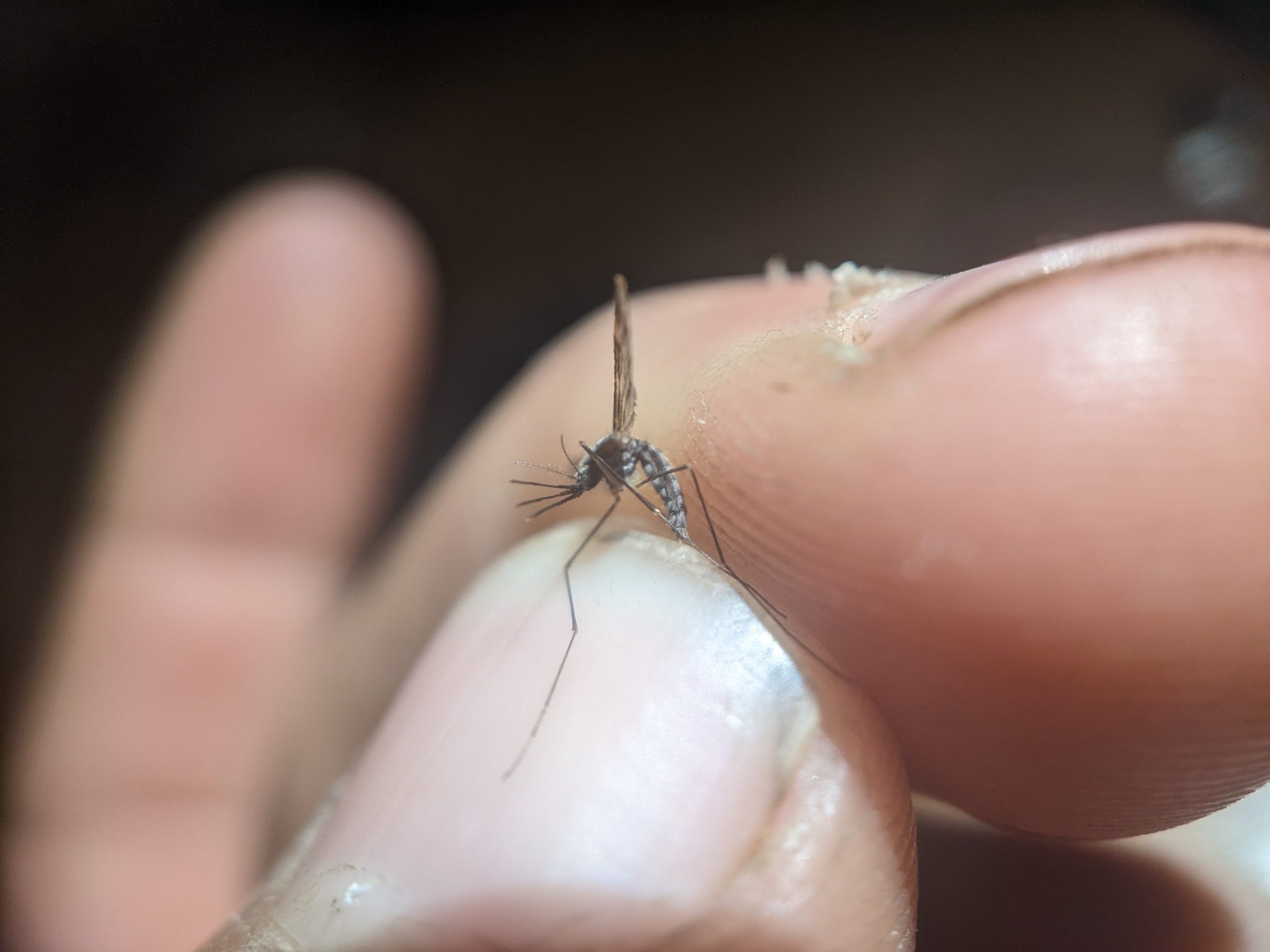
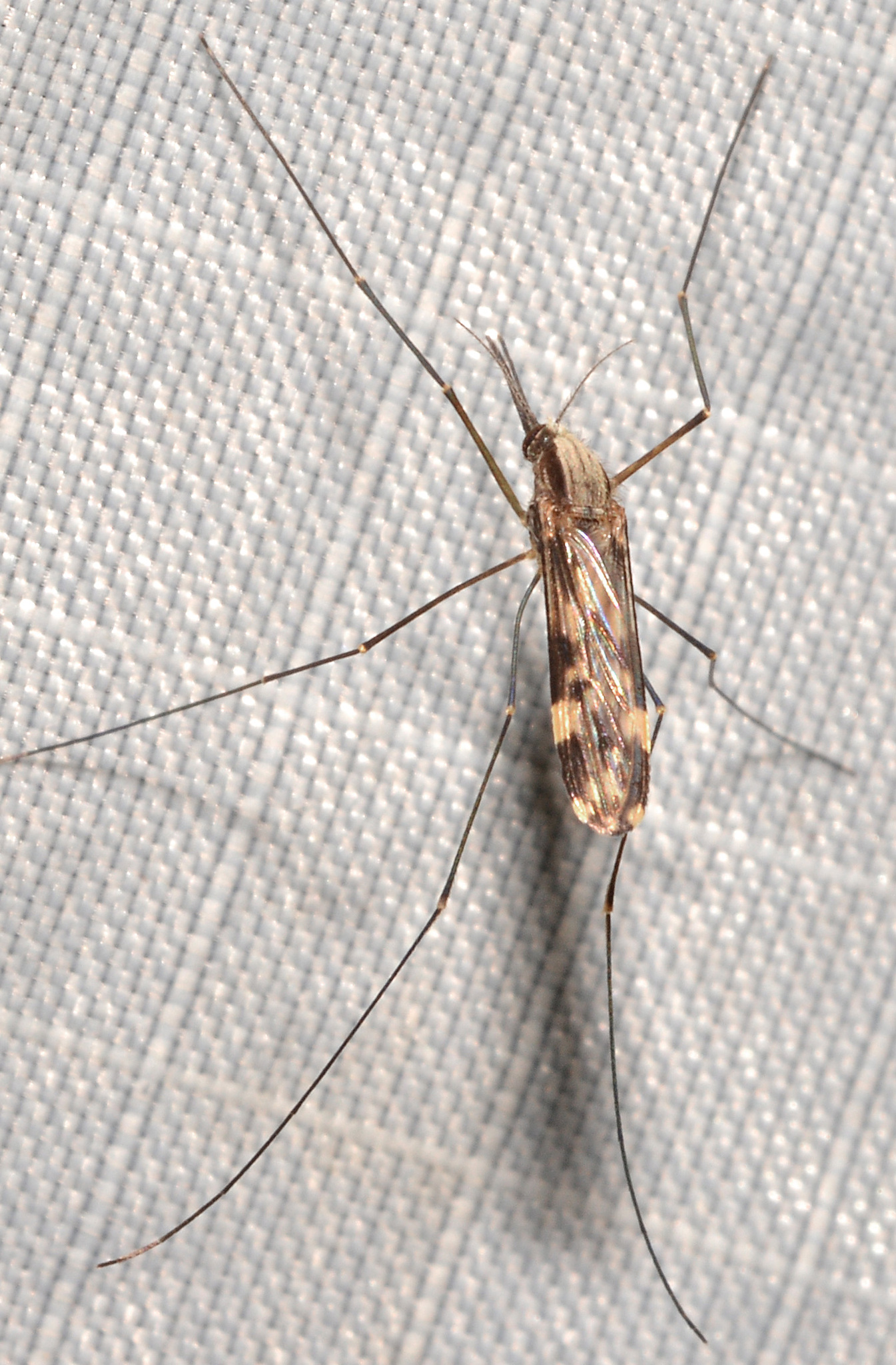
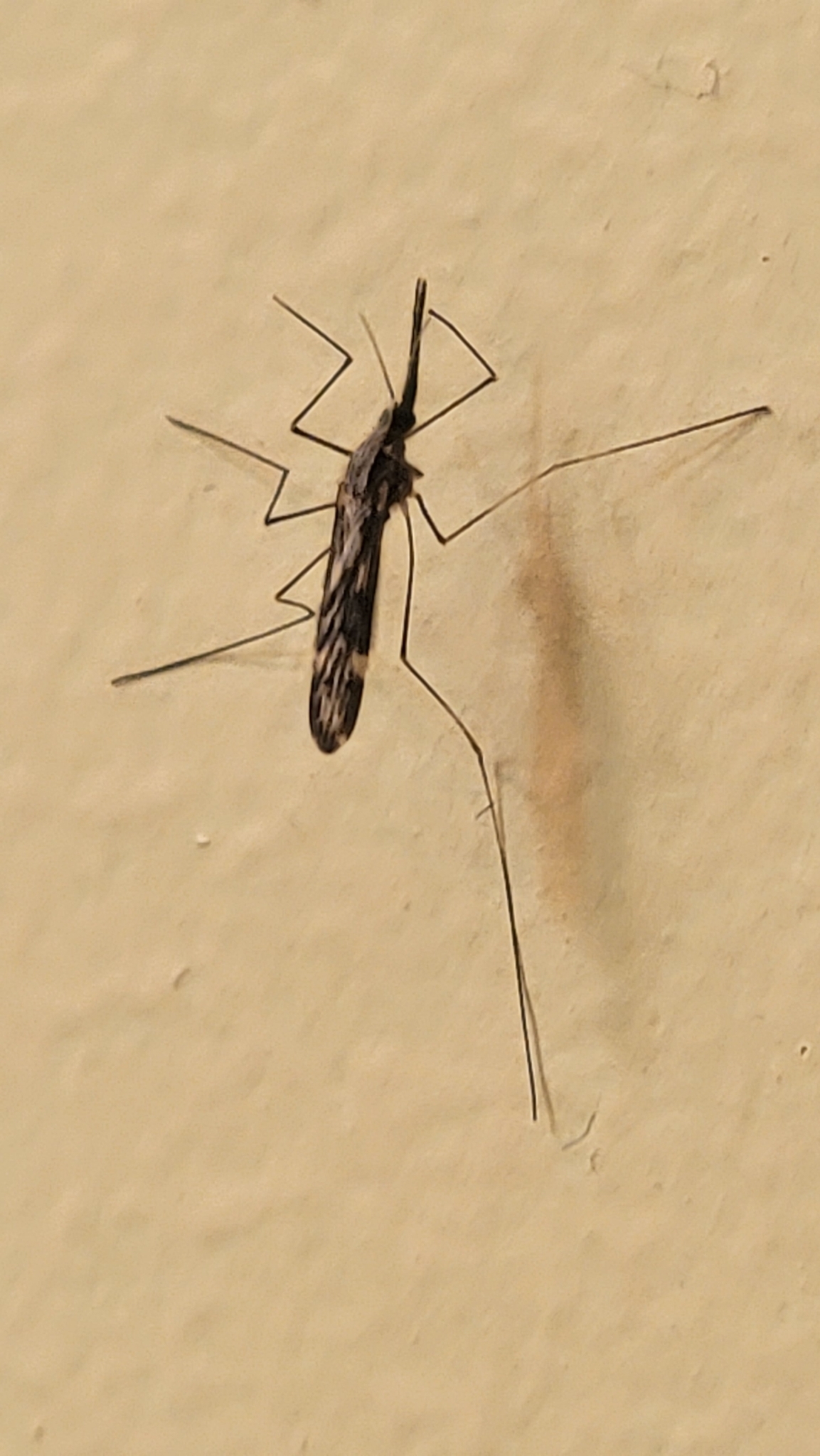
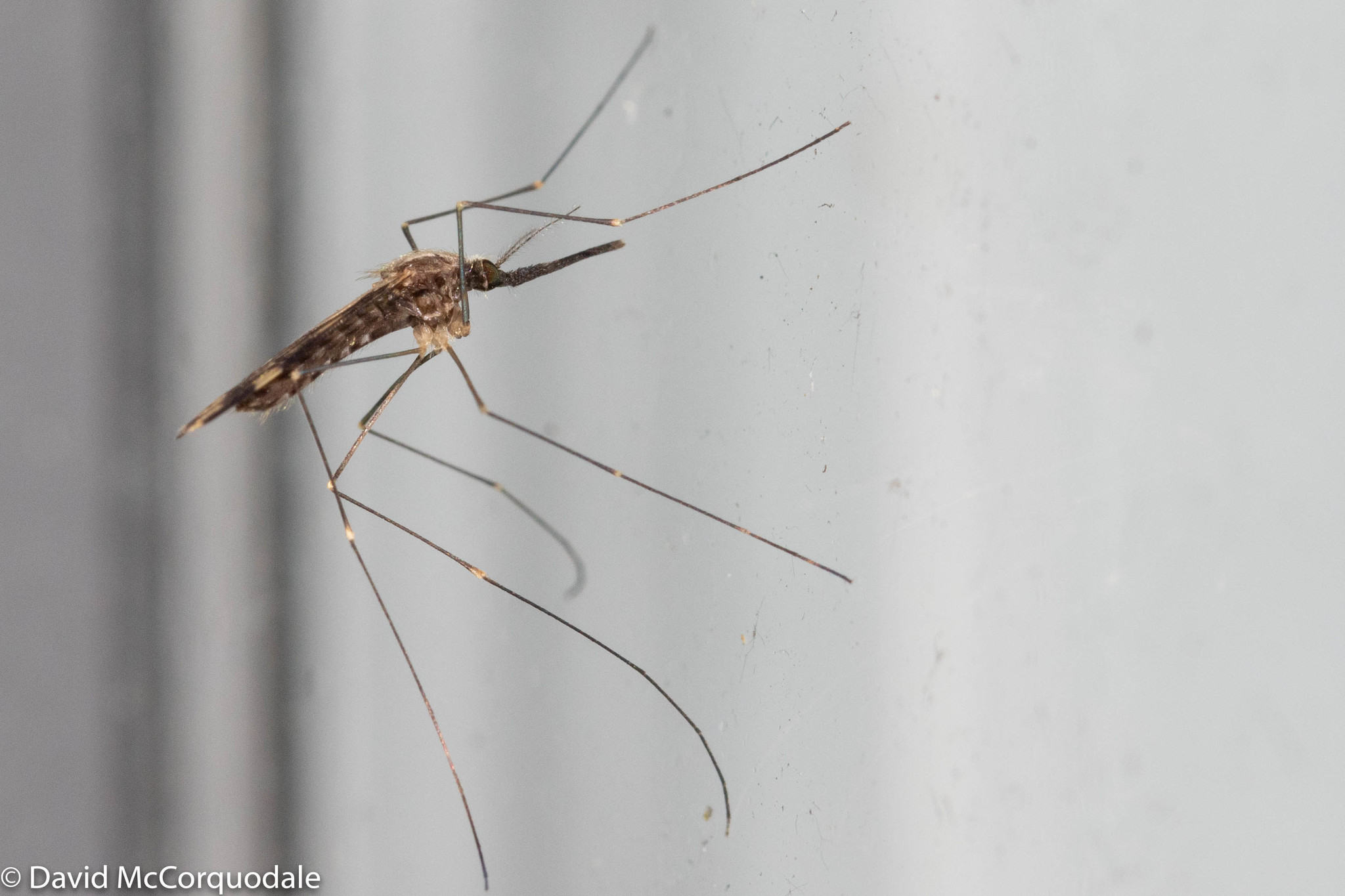
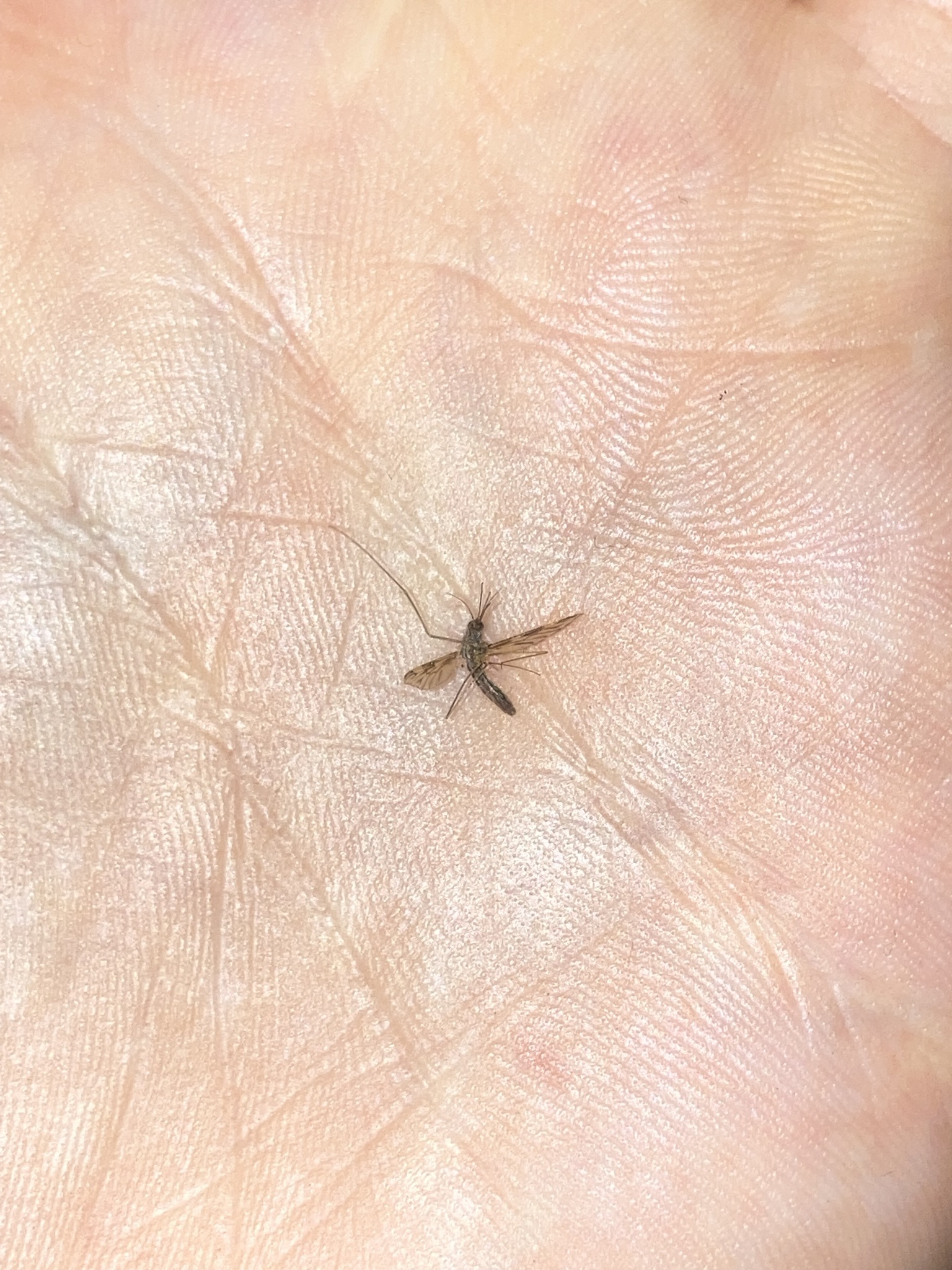
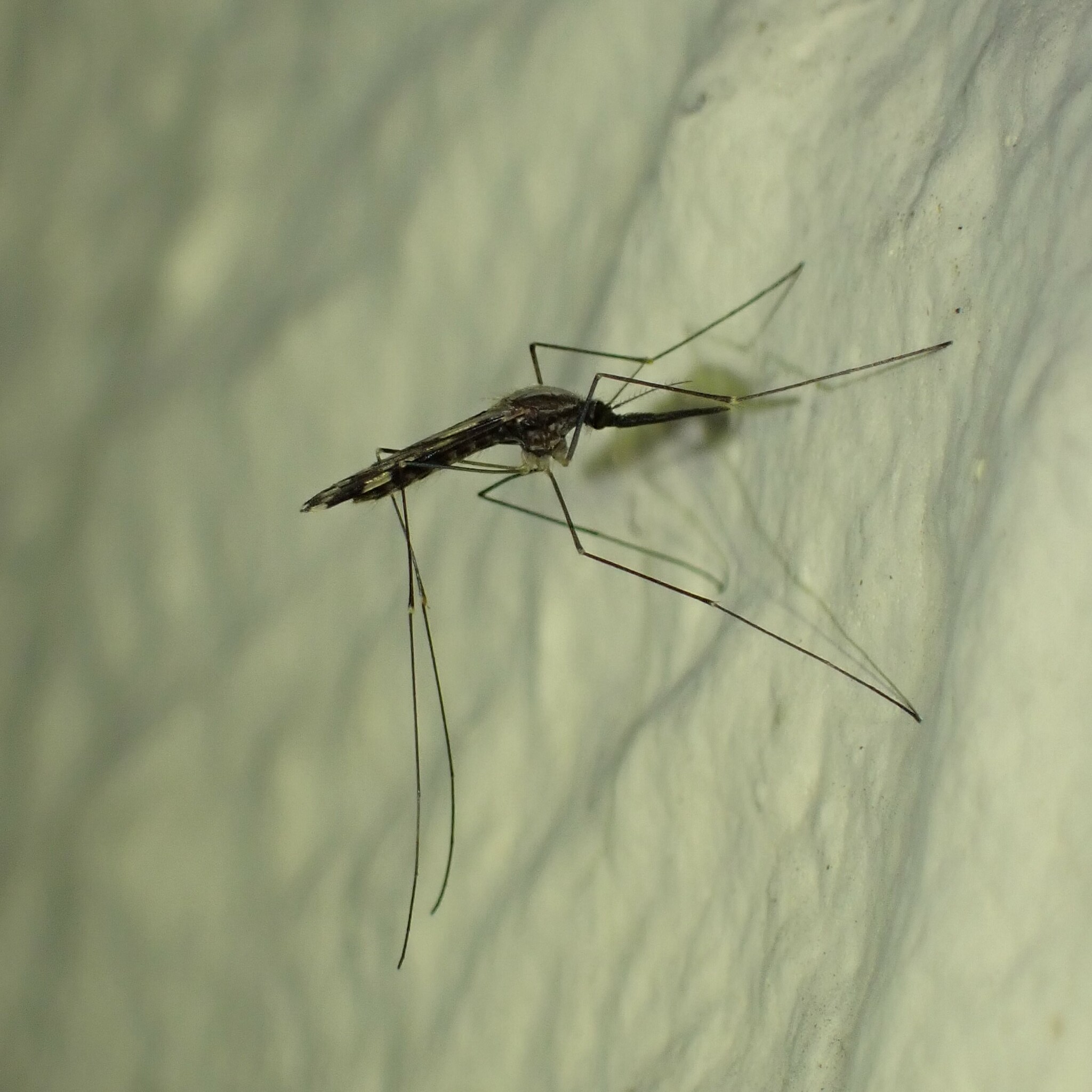
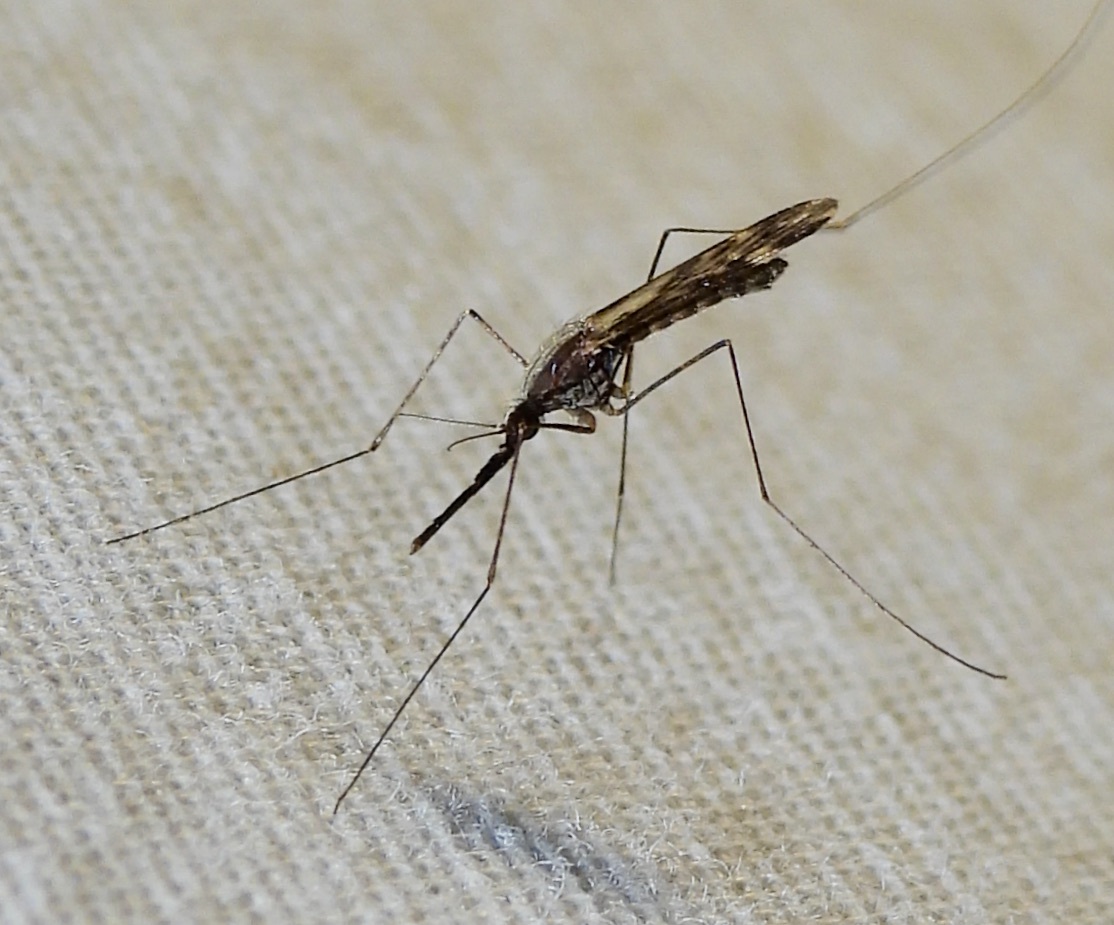
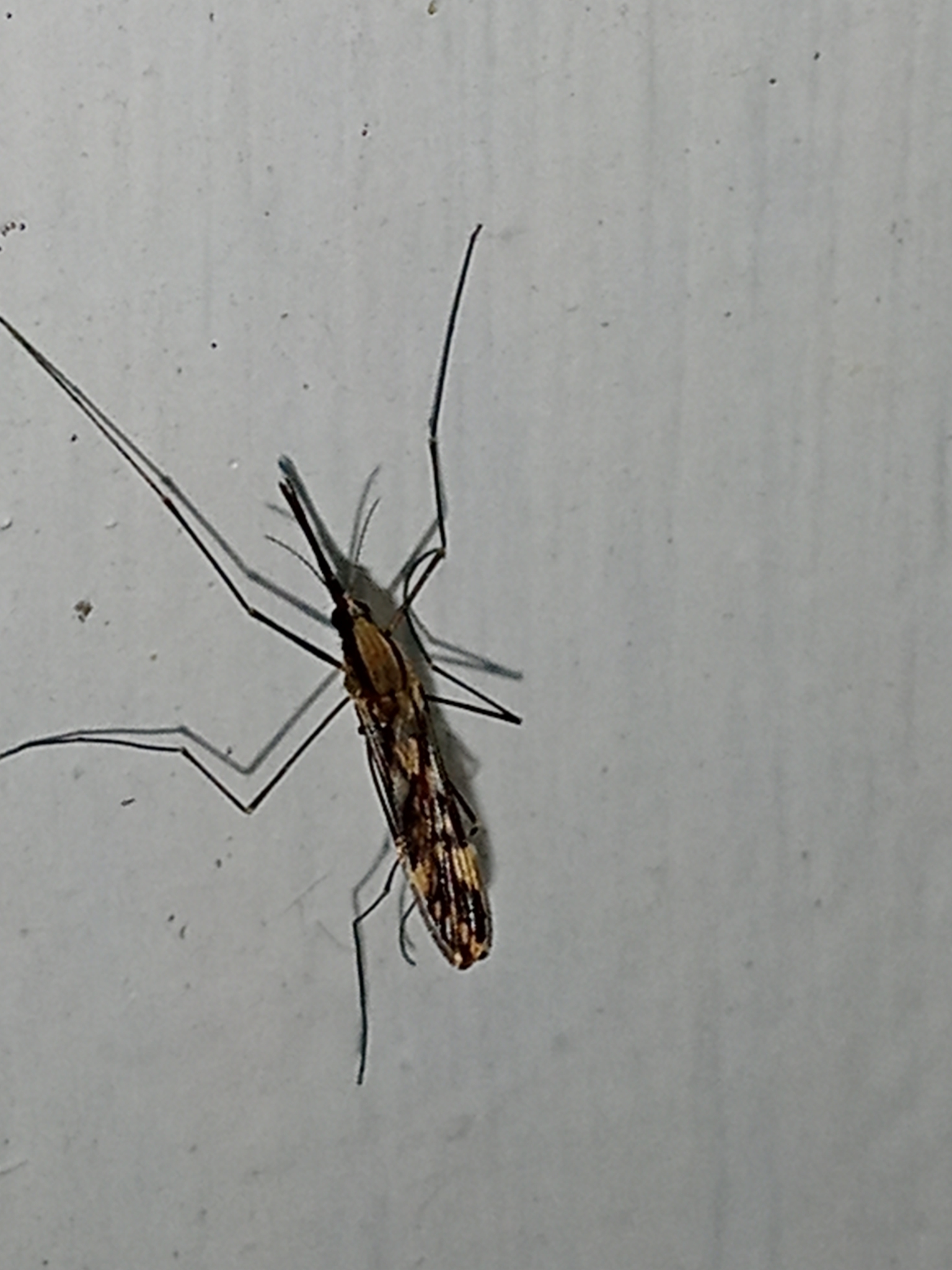
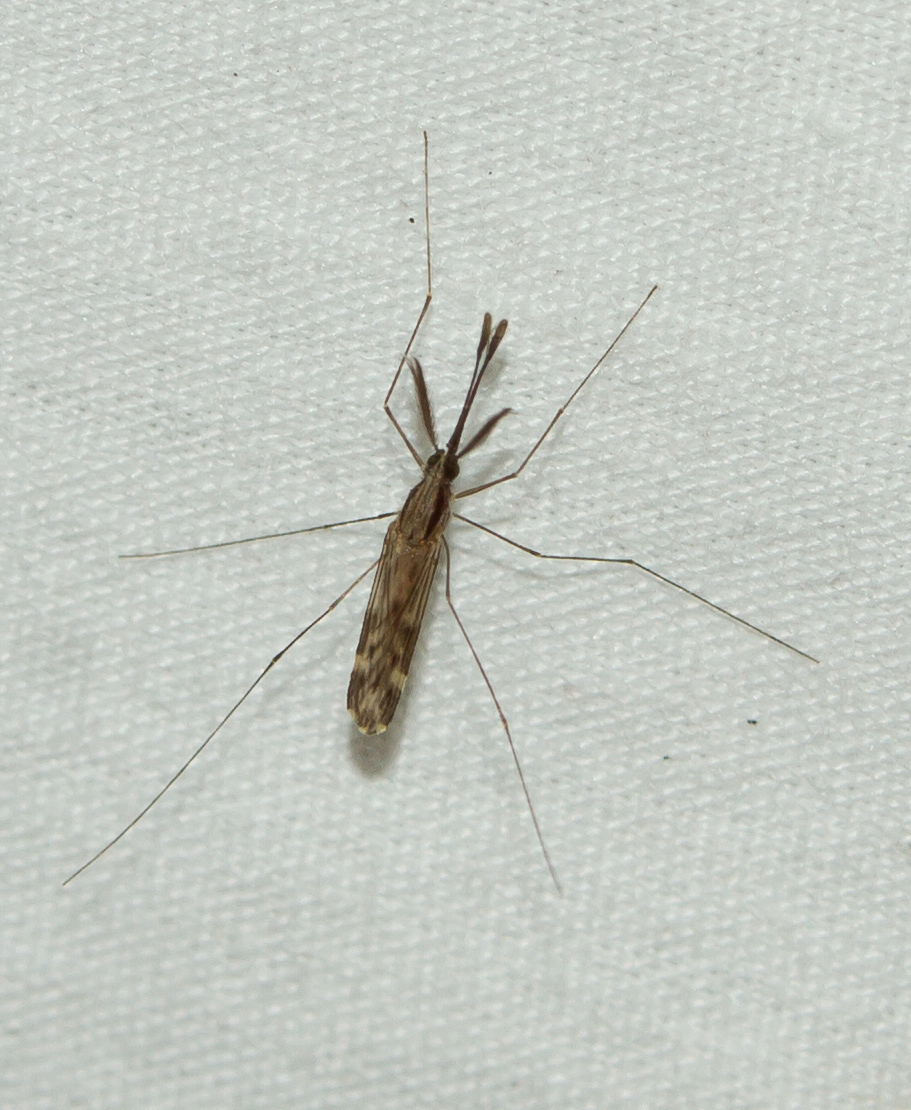
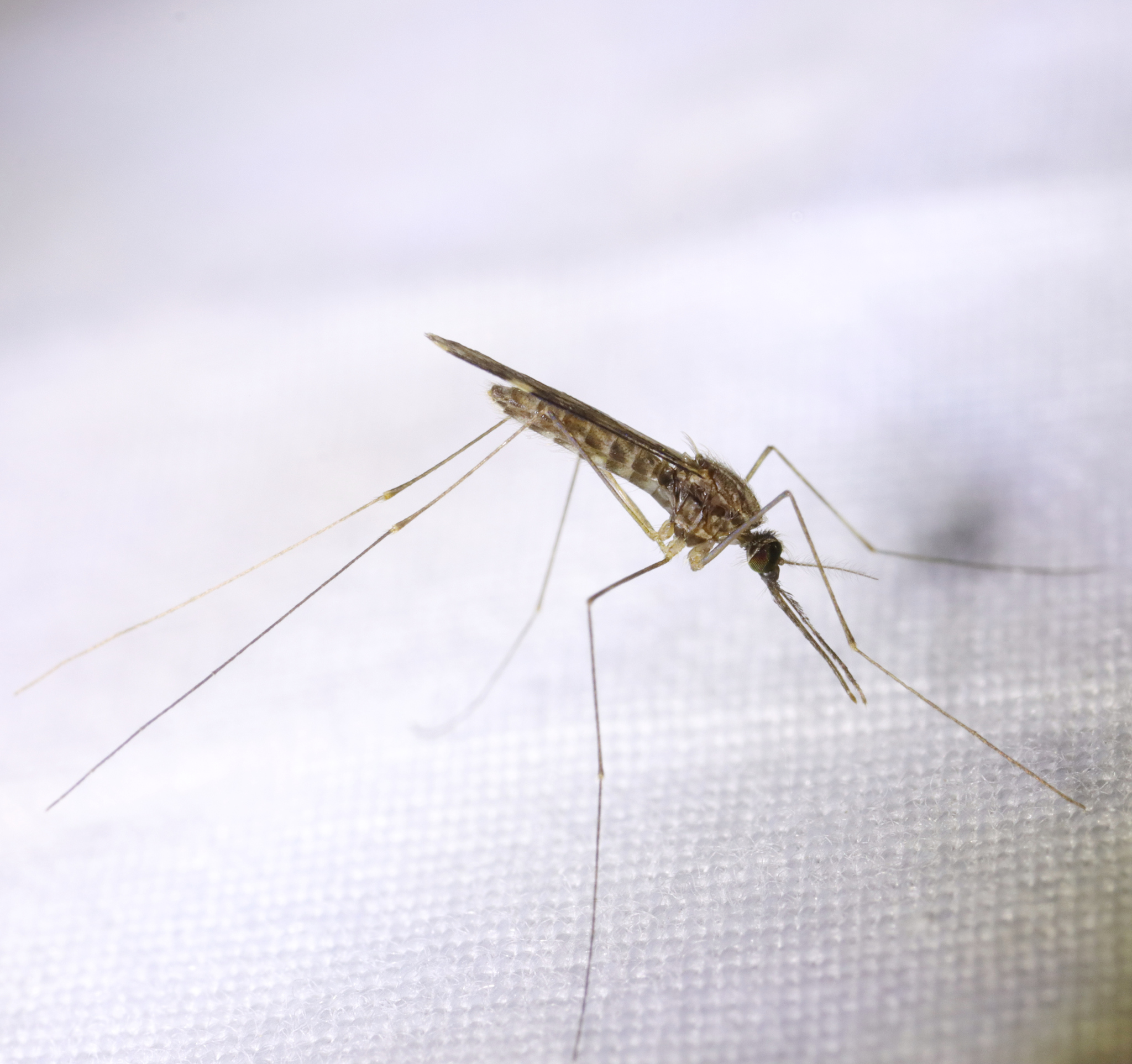
Anopheles punctipennis, commonly known as the woodland malaria mosquito, exhibits distinct morphological features characteristic of the genus Anopheles. Observations from the TreeOfLife-200M dataset reveal a slender body form typical of culicids. A prominent diagnostic trait is the presence of pale, yellowish-white spots on the wings, which contrast against the darker wing veins. The legs are generally long and slender, often appearing dark with pale banding at the joints. The proboscis is elongated and straight, adapted for feeding.[1]
Ecology and Distribution
Anopheles punctipennis is a widely distributed mosquito species in North America.[2] It is recognized as a common malaria vector in the region.[3]
Insecticide Resistance
A systematic review of knockdown resistance (kdr) mutations in malaria vectors examined Anopheles punctipennis alongside other species. The review found no evidence of kdr mutations at the voltage-gated sodium channel (VGSC) gene codons 1010, 1013, and 1014. Resistance to organochlorine insecticides in this species is likely attributed to alternative mechanisms, such as metabolic resistance, rather than kdr mutations.[3]
Gallery
References
- 1 2 Dataset view for Animalia / Arthropoda / Insecta / Diptera / Culicidae / Anopheles / punctipennis constructed from imageomics/TreeOfLife-200M records under this taxonomic path. Hugging Face Datasets. https://huggingface.co/datasets/imageomics/TreeOfLife-200M.
- ↑ Anopheles punctipennis. Wikipedia. https://en.wikipedia.org/wiki/Anopheles_punctipennis. Accessed 2026-07-14.
- 1 2 Ebrahim Abbasi; Salman Daliri. Knockdown Resistance (kdr) Associated Organochlorine Resistance in Mosquito-Borne Diseases (Anopheles albimanus, Anopheles darlingi, Anopheles dirus and Anopheles punctipennis): A Systematic Review Study. Research Square. 2024. https://doi.org/10.21203/rs.3.rs-5012727/v1.