Anopheles plumbeus
Anopheles plumbeus is a mosquito species widely distributed across Europe (excluding far-northern regions), the Middle East, and North Africa [1]. Traditionally a dendrolimnic species breeding in tree holes, it has increasingly exploited man-made larval habitats such as septic tanks, catch basins, tires, and cemetery vases, which are often rich in organic matter [1].
Taxonomy
This page represents the following TreeOfLife-200M taxonomic path.[2]
- Kingdom: Animalia
- Phylum: Arthropoda
- Class: Insecta
- Order: Diptera
- Family: Culicidae
- Genus: Anopheles
- Species: Anopheles plumbeus
Visual Description
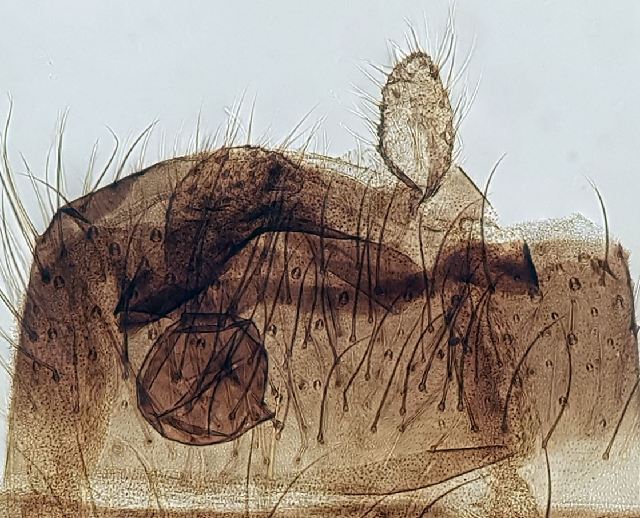
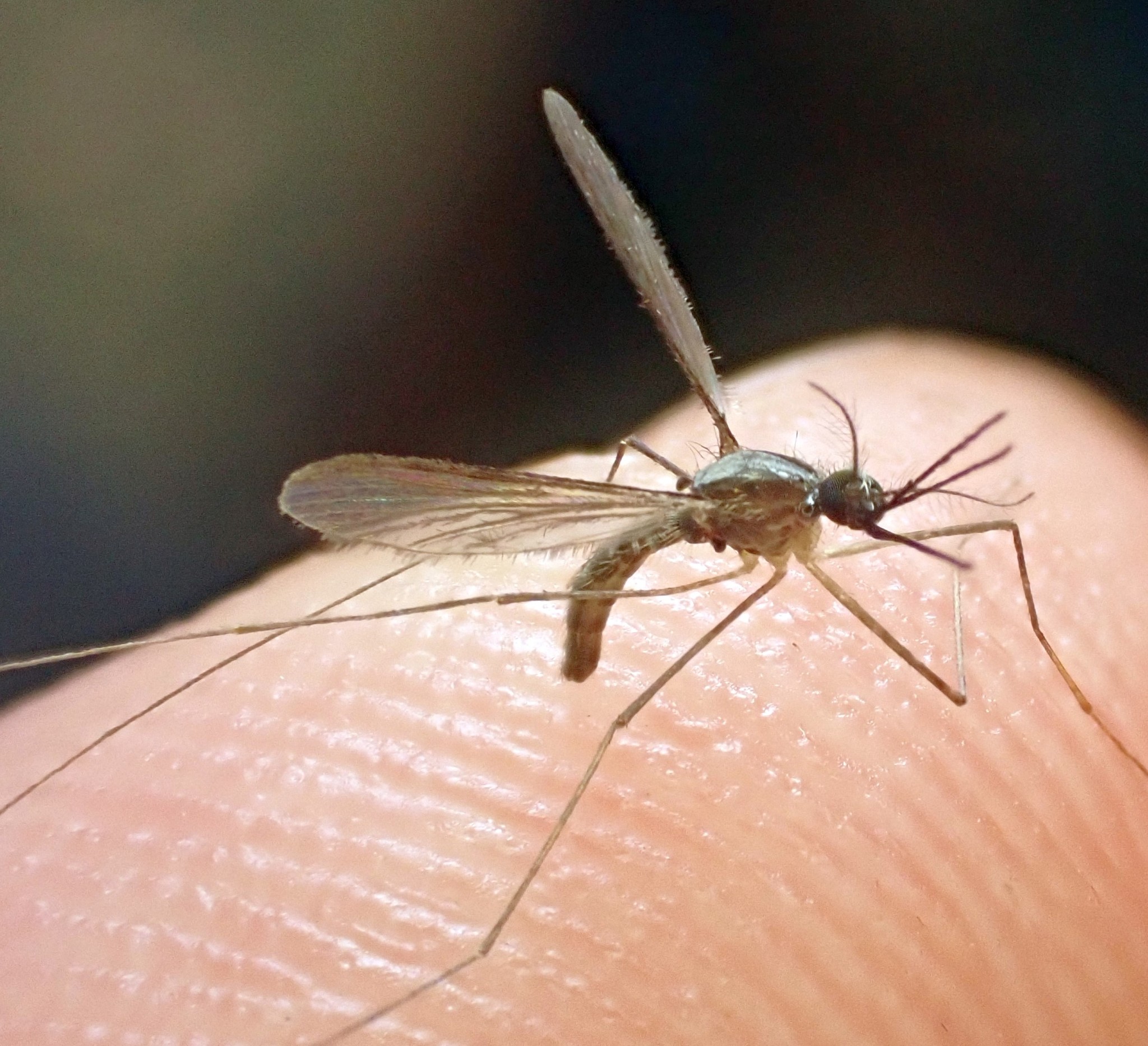
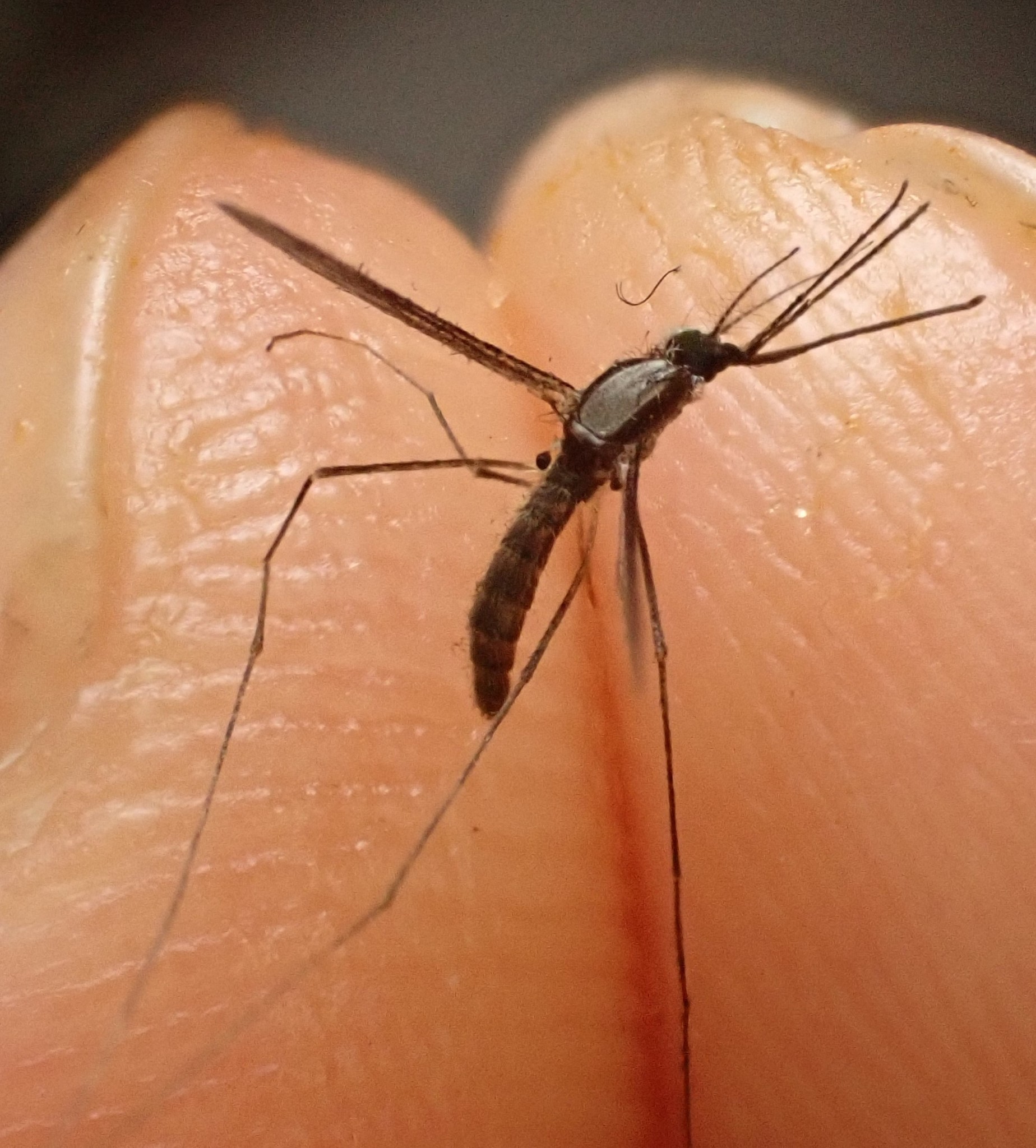
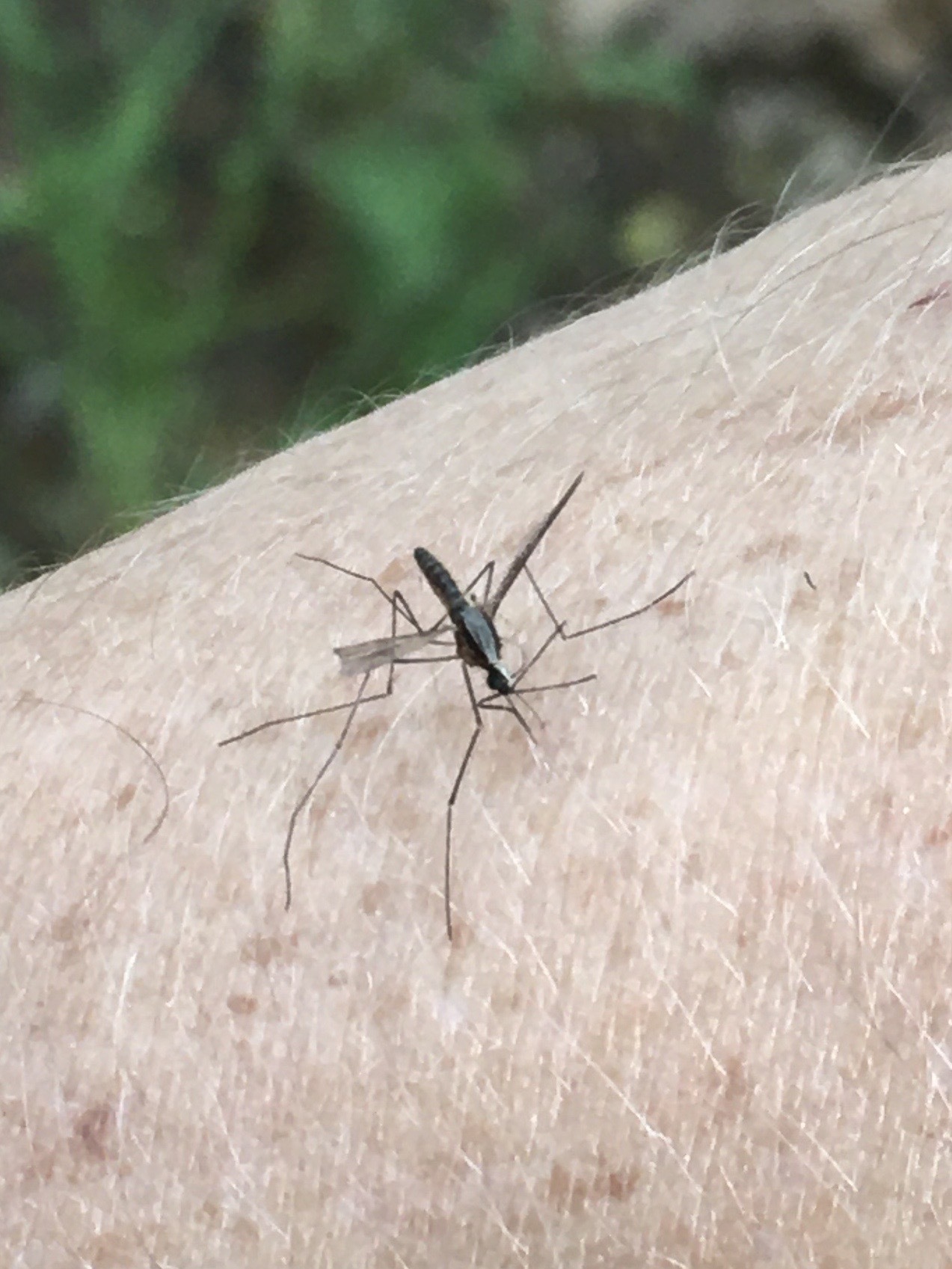
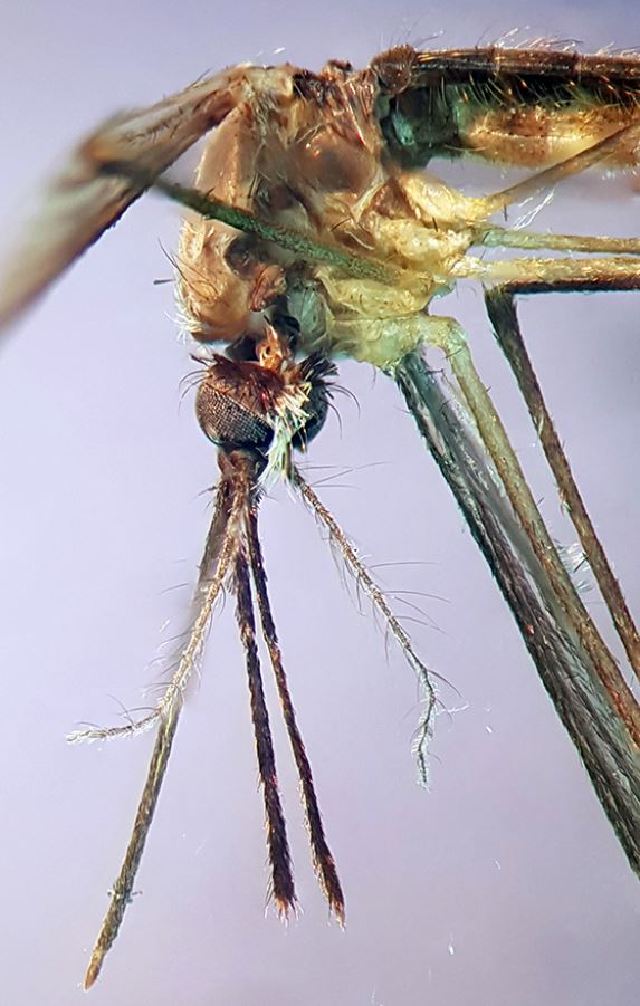
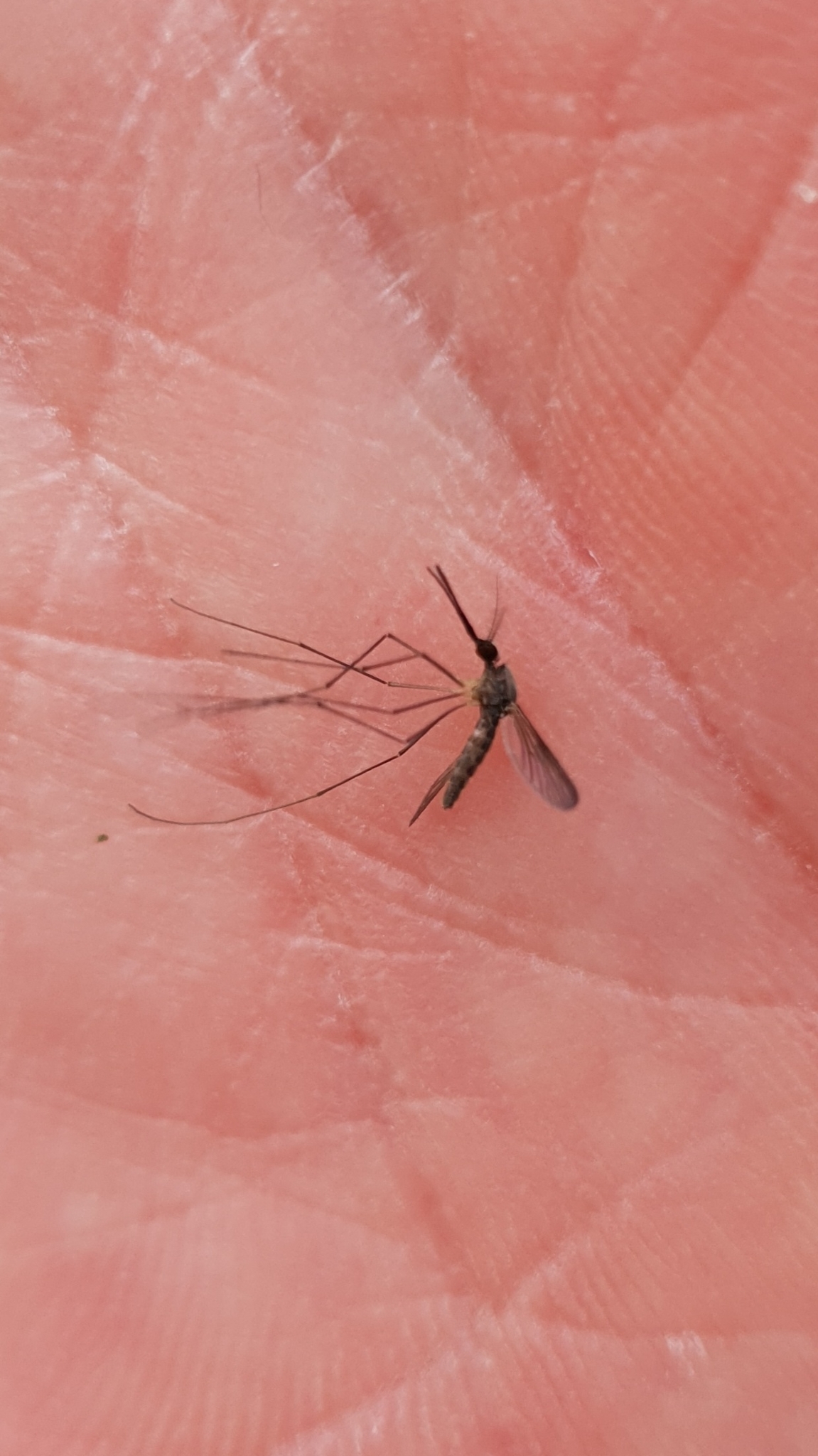
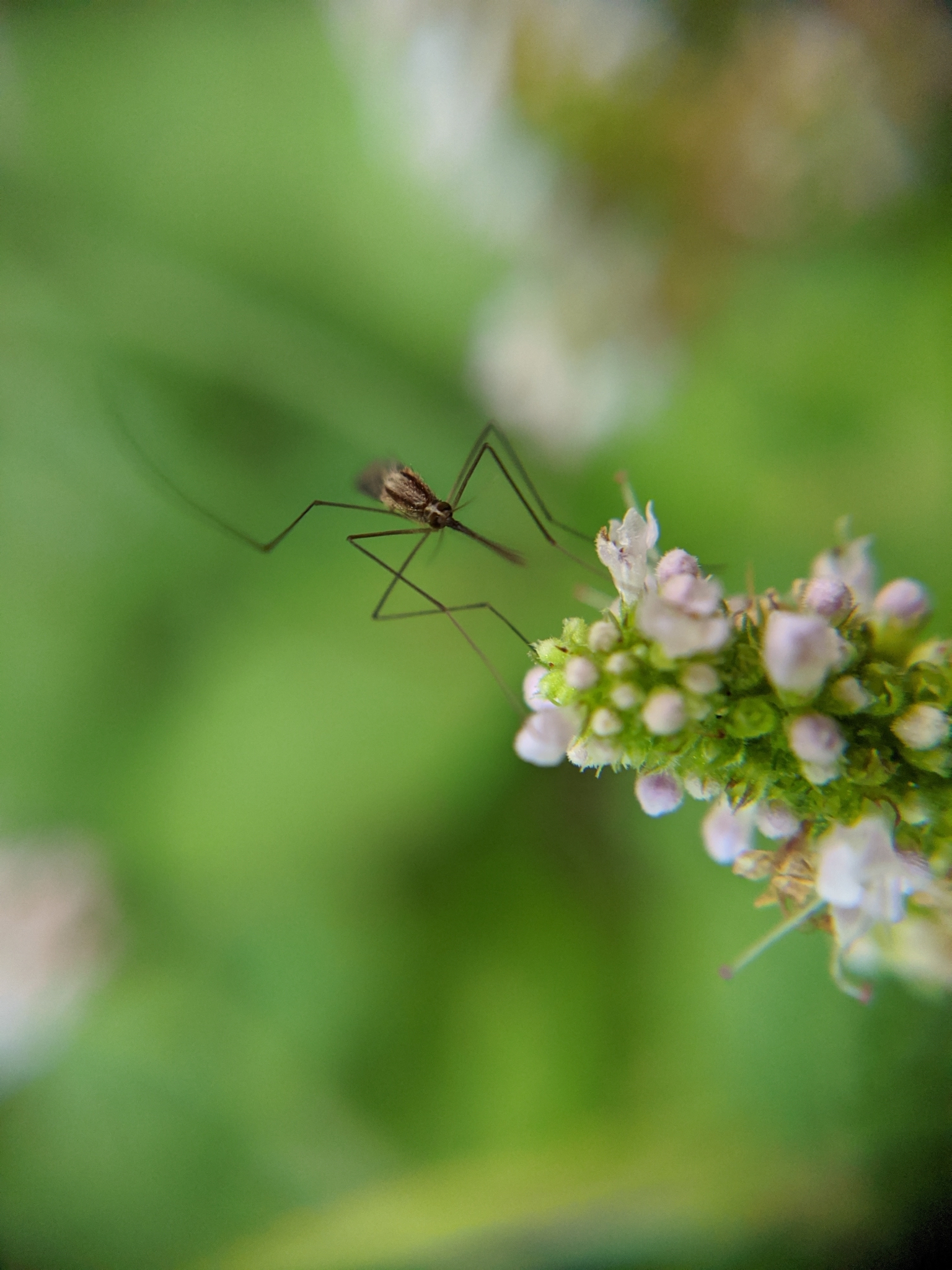
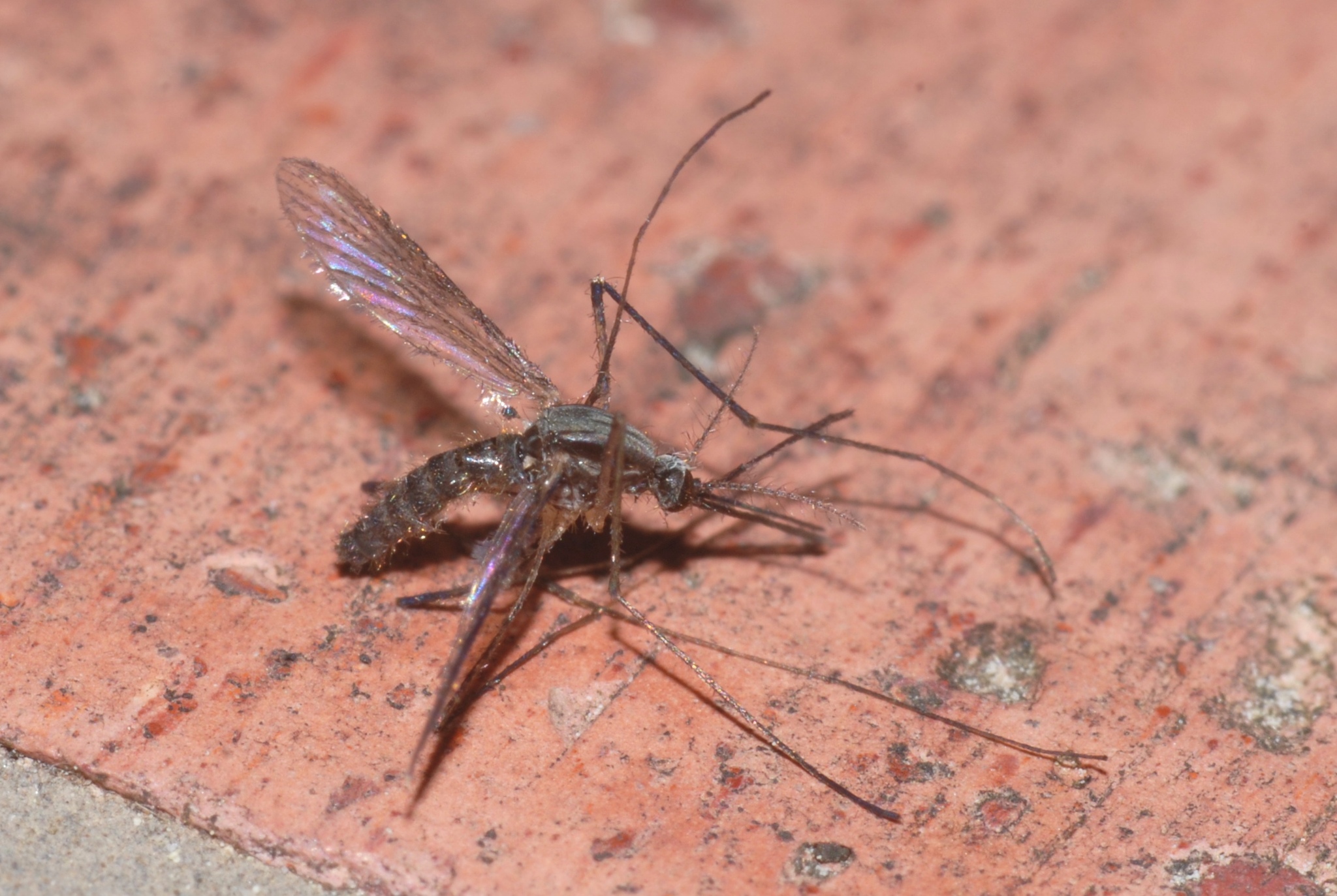
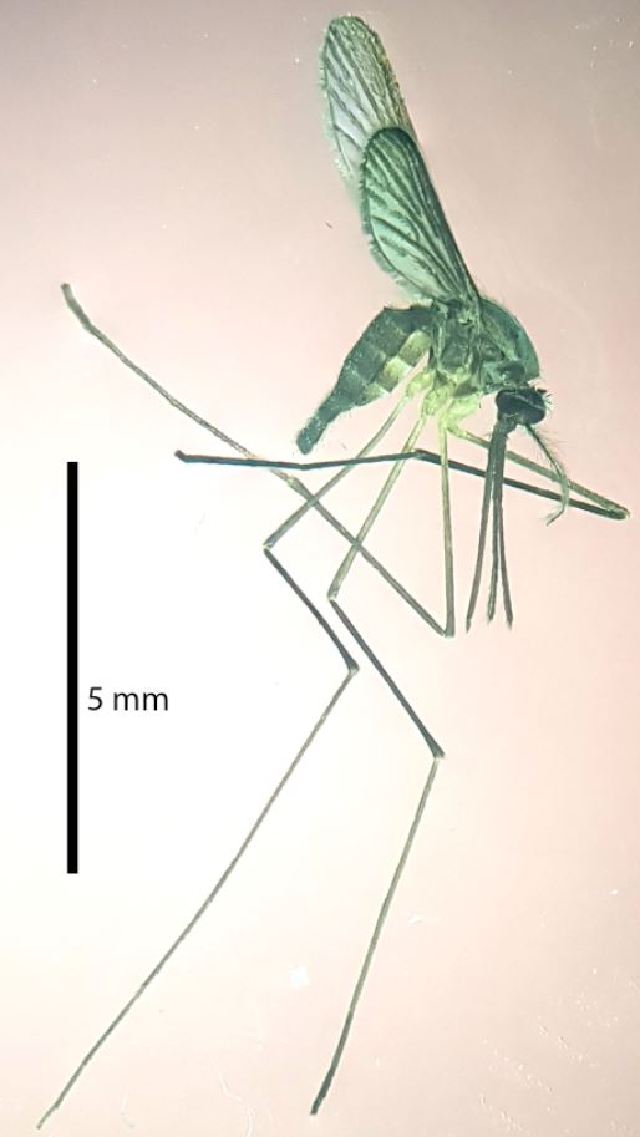
Anopheles plumbeus is a small to medium-sized mosquito. Observations of specimens in the TreeOfLife-200M dataset show a generally dark, often greyish or brownish coloration, consistent with its common name "blygrå frossmygga" (lead-grey malaria mosquito) [2]. The wings are typically dark-scaled, and the body lacks the prominent pale abdominal banding found in some other Anopheles species [2].
Ecology and Vector Potential
This expansion into human-associated breeding sites has led to increased population densities and significant nuisance, as the species is a fierce human biter [1].
Experimental studies have demonstrated that An. plumbeus is receptive to Plasmodium falciparum (isolate NF54) and capable of producing sporozoites, the stage infective to humans [1]. In laboratory challenges using large samples of field-caught An. plumbeus, the prevalence of sporozoite-positive mosquitoes was found to be high (31–88%), comparable to that of the highly receptive Anopheles gambiae control strain, although the mean number of sporozoites produced per infected An. plumbeus female was lower [1]. The species has also been historically incriminated as a vector of Plasmodium vivax and P. falciparum in Europe [1].
Given its proven vector competence, aggressive human-biting behavior, longevity (up to two months), and the recent exploitation of man-made breeding sites, An. plumbeus is considered a potential vector that could contribute to the risk of local malaria transmission in Central-Western Europe, particularly in areas with imported malaria cases and favorable environmental conditions [1].
Gallery

References
- 1 2 3 4 5 6 7 Francis Schaffner; Isabelle Thiéry; Christian Kaufmann; Agnès Zettor; Christian Lengeler; Alexander Mathis; Catherine Bourgouin. Anopheles plumbeus (Diptera: Culicidae) in Europe: a mere nuisance mosquito or potential malaria vector?. Malaria Journal. 2012. https://doi.org/10.1186/1475-2875-11-393.
- 1 2 3 Dataset view for Animalia / Arthropoda / Insecta / Diptera / Culicidae / Anopheles / plumbeus constructed from imageomics/TreeOfLife-200M records under this taxonomic path. Hugging Face Datasets. https://huggingface.co/datasets/imageomics/TreeOfLife-200M.