Anopheles peditaeniatus
Taxonomy
This page represents the following TreeOfLife-200M taxonomic path.[1]
- Kingdom: Animalia
- Phylum: Arthropoda
- Class: Insecta
- Order: Diptera
- Family: Culicidae
- Genus: Anopheles
- Species: Anopheles peditaeniatus
Visual Description
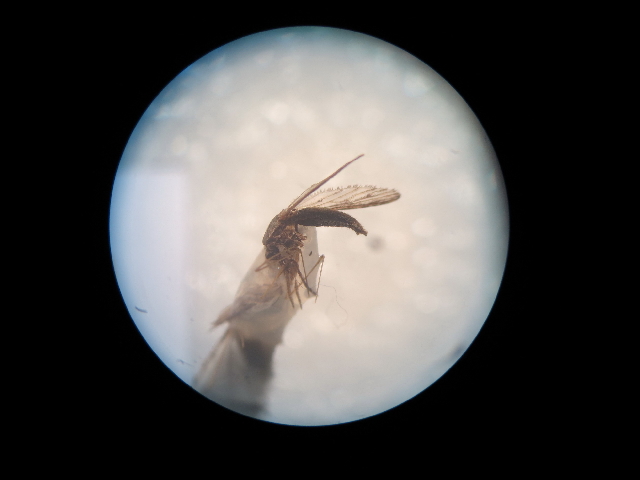
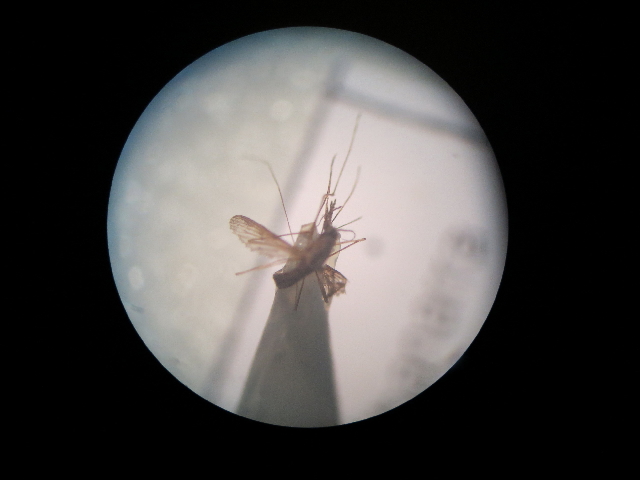
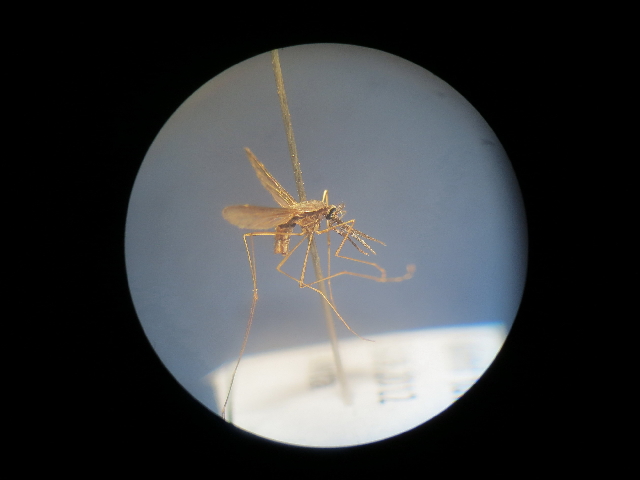
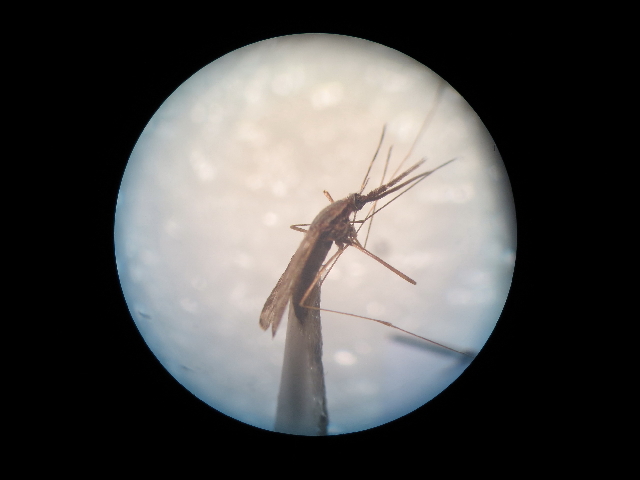
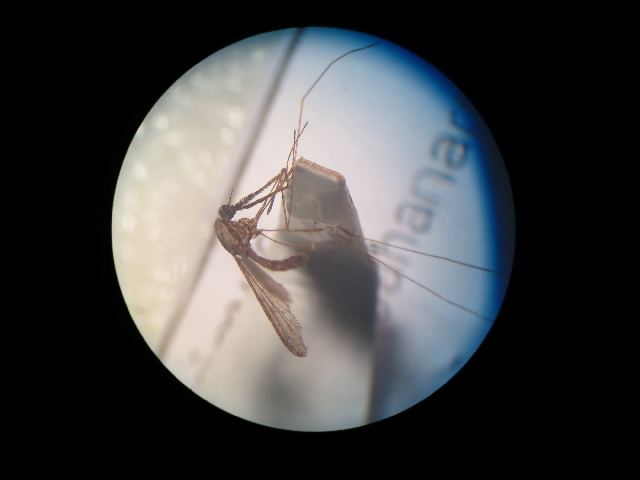
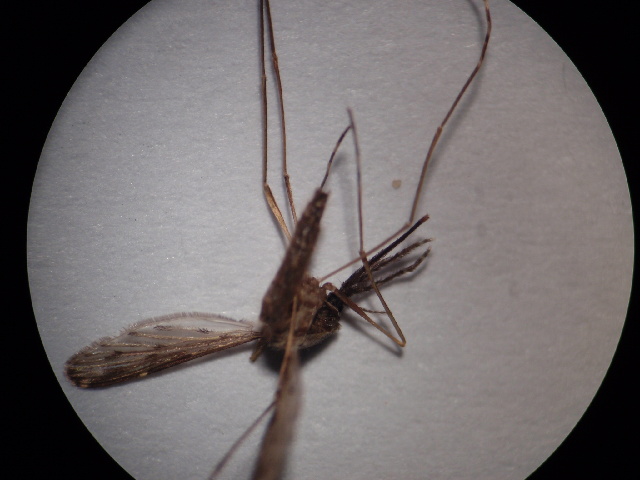
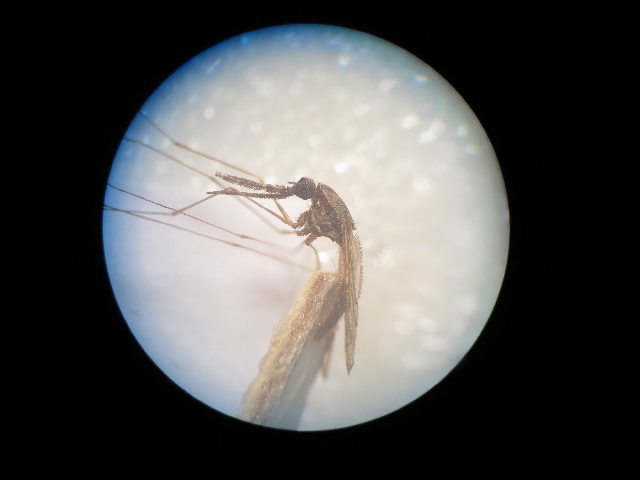
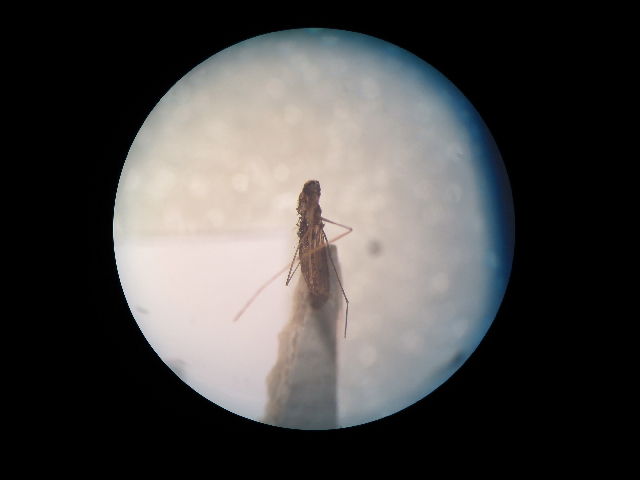
Based on observations from the TreeOfLife-200M dataset, Anopheles peditaeniatus exhibits the characteristic slender, elongated body form typical of the genus Anopheles.[1] The specimens show distinct, elongated legs and narrow, veined wings.[1]
Ecology and Public Health
Anopheles peditaeniatus is recognized as a potential malaria vector in Sri Lanka.[2] Like other malaria vectors in the region, this species has developed resistance to major insecticide groups, including organochlorines, organophosphates, carbamates, and pyrethroids.[2]
A study of the population genetic structure of An. peditaeniatus in Sri Lanka, using the mitochondrial cytochrome c oxidase subunit I (COI) gene, indicated high genetic diversity and evidence of gene flow between geographically distant populations.[2] This gene flow is facilitated by the continuity of freshwater breeding habitats and the absence of major geographical barriers, which may contribute to the spread of insecticide resistance genes across wide geographical areas.[2]
Gallery
References
- 1 2 3 Dataset view for Animalia / Arthropoda / Insecta / Diptera / Culicidae / Anopheles / peditaeniatus constructed from imageomics/TreeOfLife-200M records under this taxonomic path. Hugging Face Datasets. https://huggingface.co/datasets/imageomics/TreeOfLife-200M.
- 1 2 3 4 Thilini C. Weeraratne; Sinnathamby N. Surendran; Catherine Walton; S.H.P.P. Karunaratne. Genetic diversity and population structure of malaria vector mosquitoes Anopheles subpictus, Anopheles peditaeniatus, and Anopheles vagus in five districts of Sri Lanka. Malaria Journal. 2018. https://doi.org/10.1186/s12936-018-2419-x.