Anopheles hyrcanus
Taxonomy
This page represents the following TreeOfLife-200M taxonomic path.[1]
- Kingdom: Animalia
- Phylum: Arthropoda
- Class: Insecta
- Order: Diptera
- Family: Culicidae
- Genus: Anopheles
- Species: Anopheles hyrcanus
Visual Description
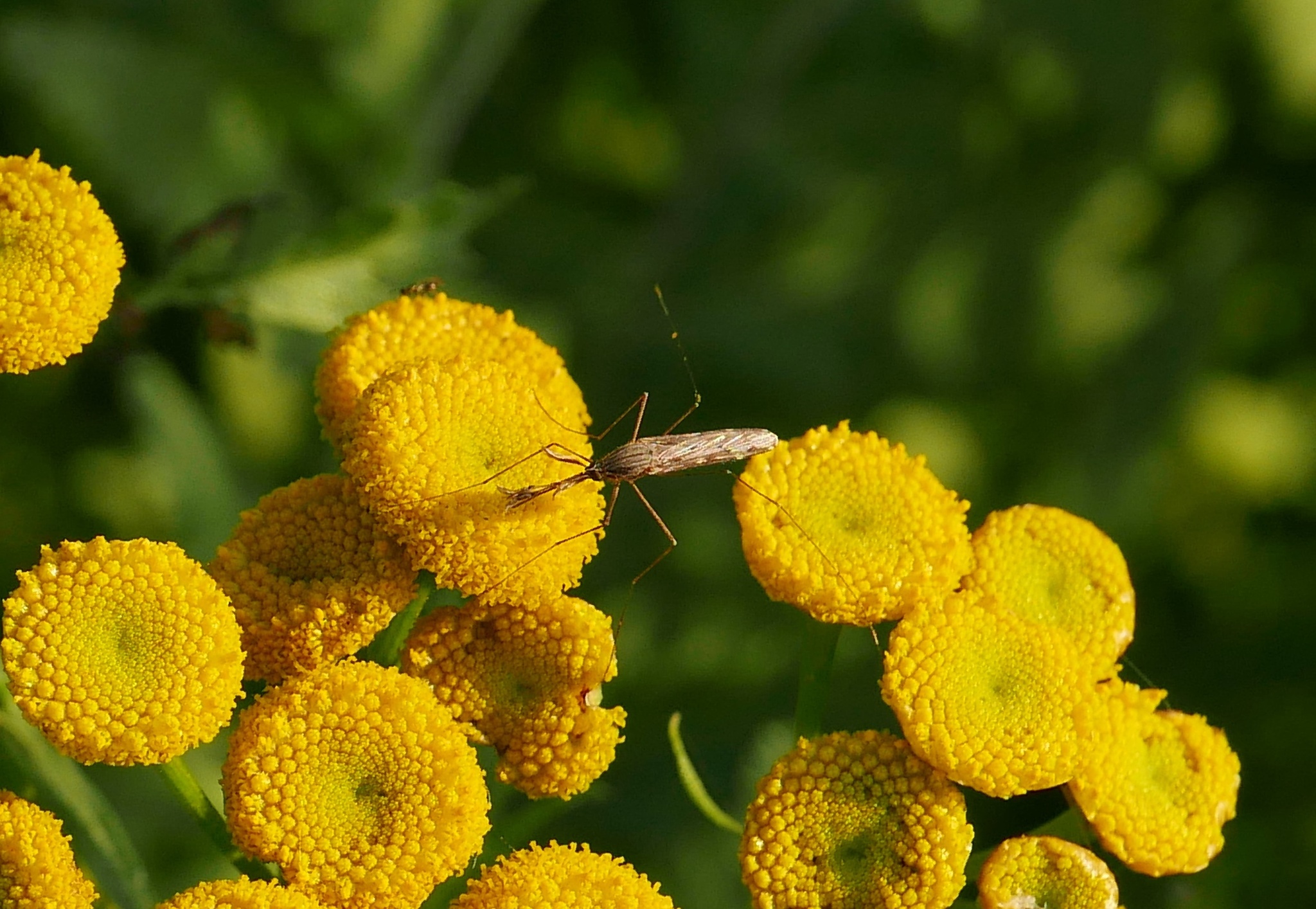
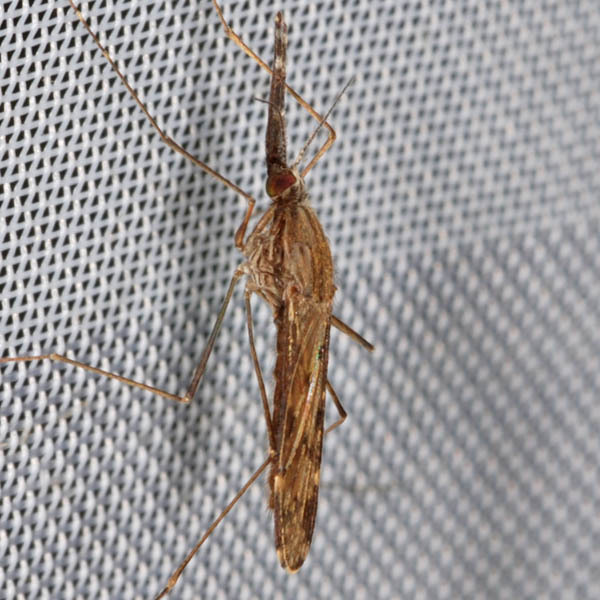
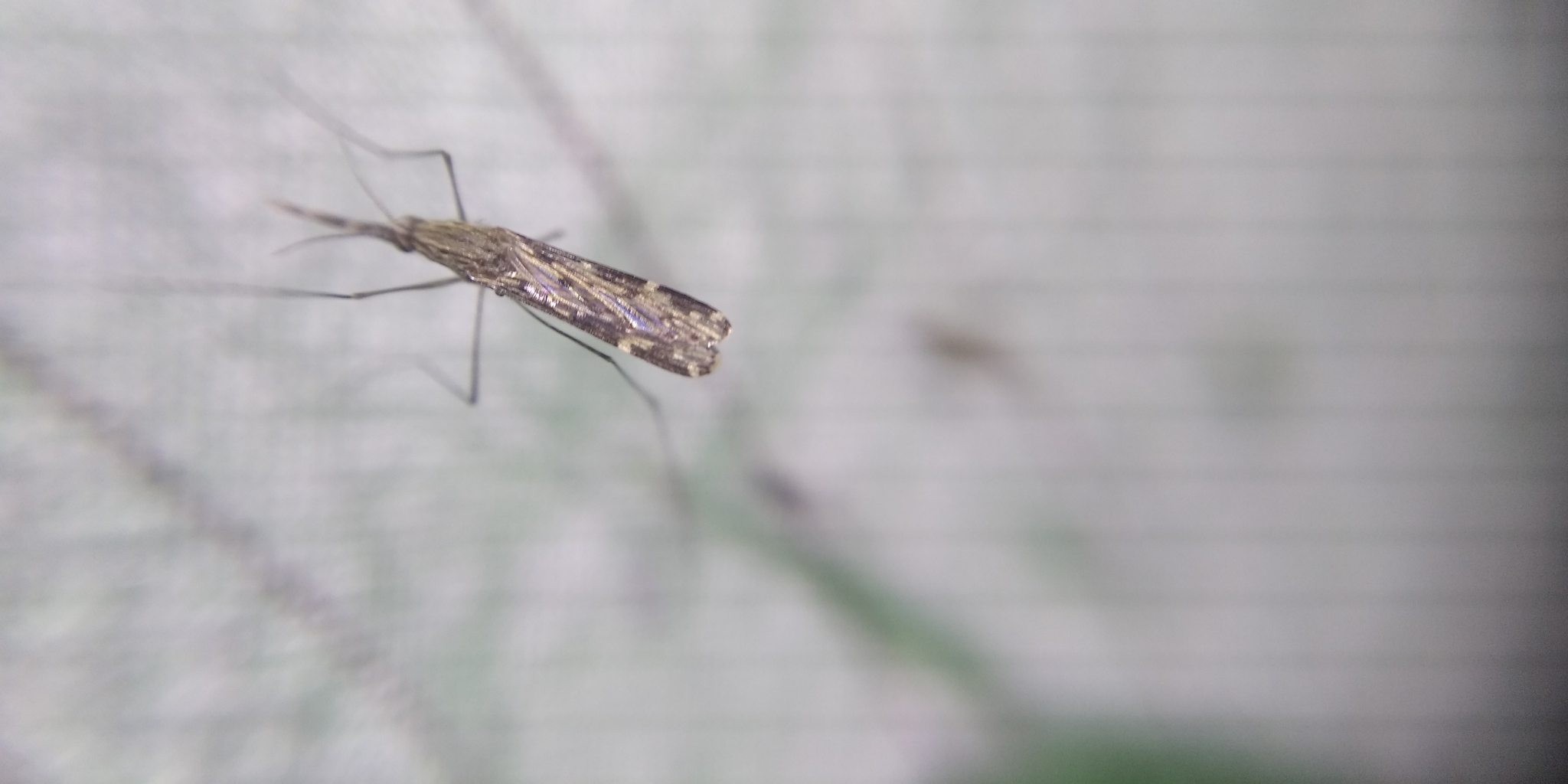
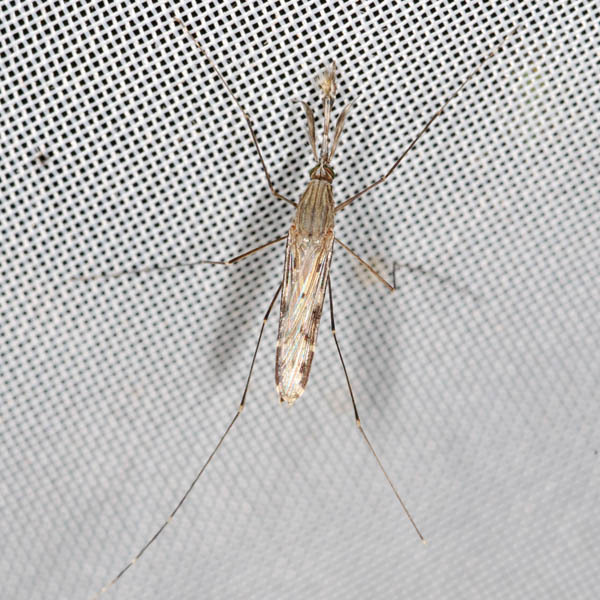
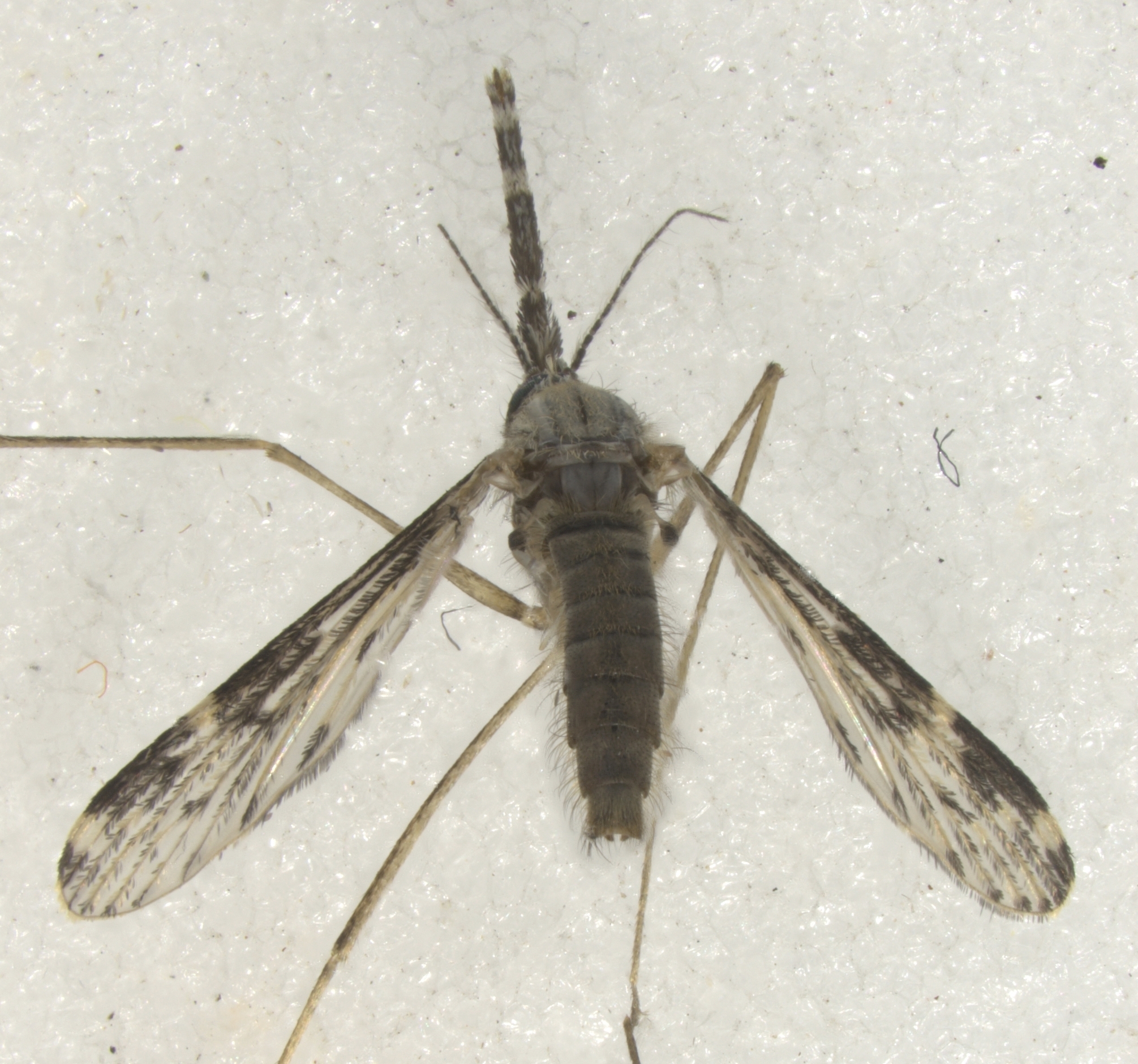
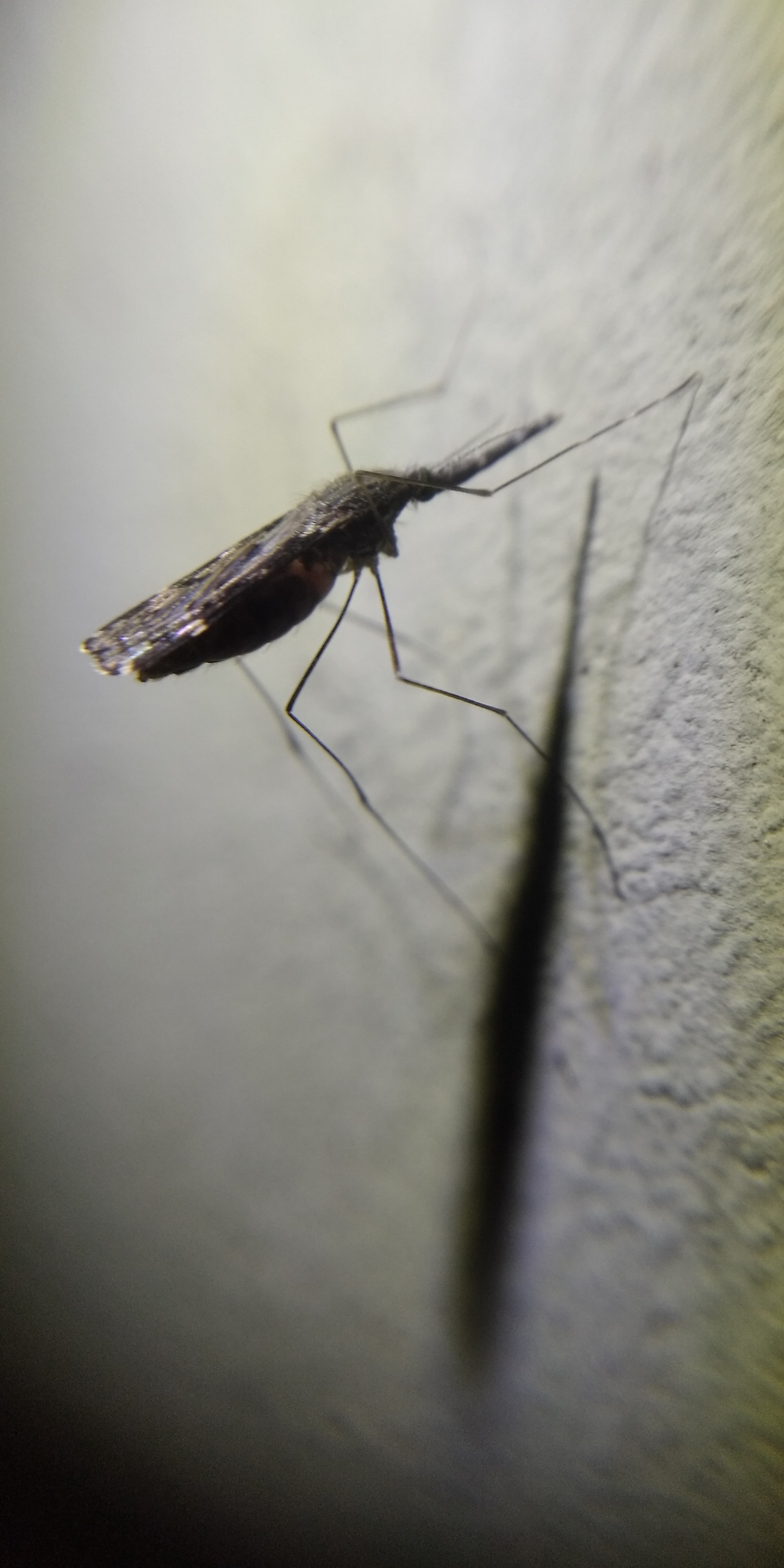
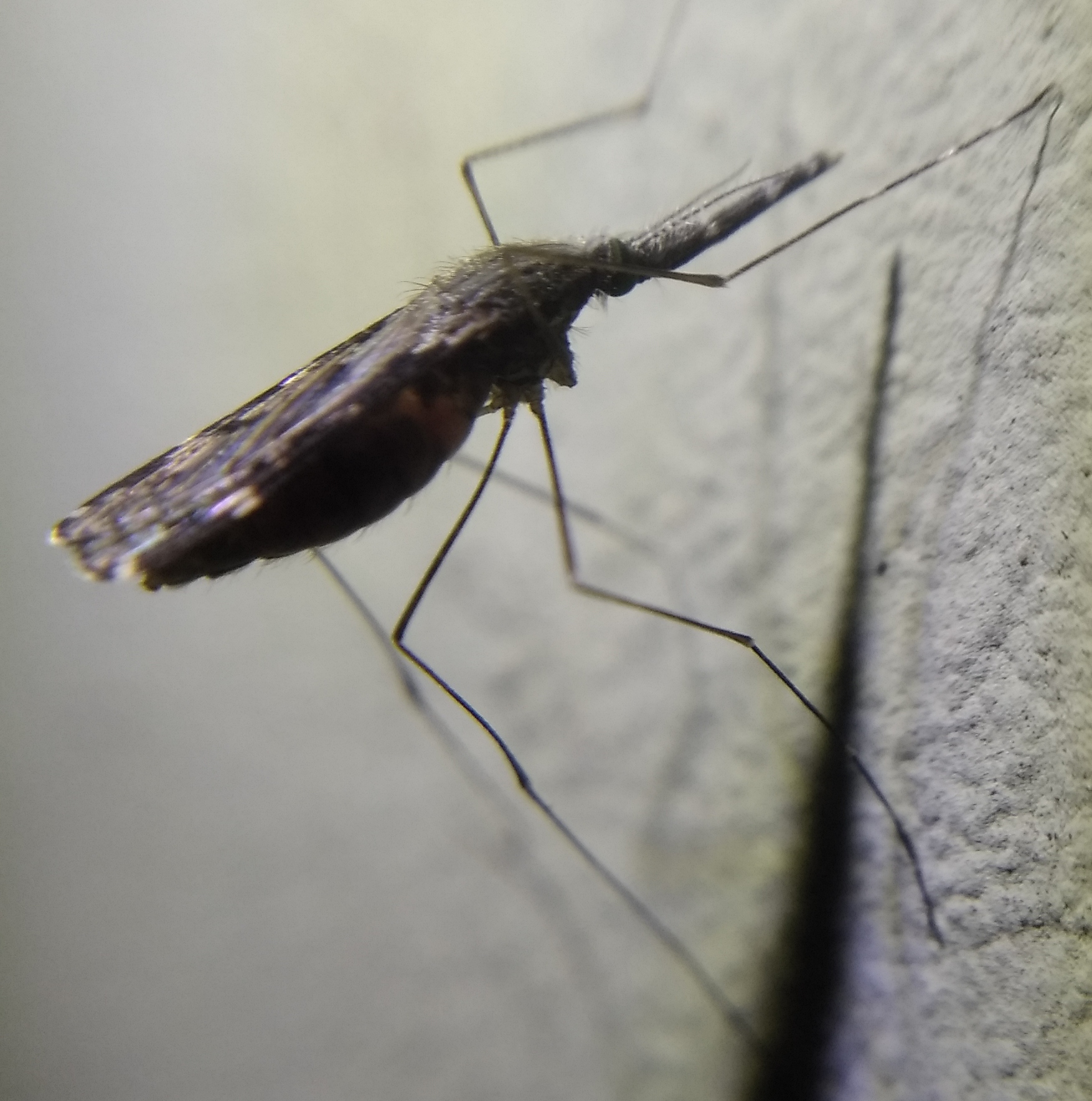
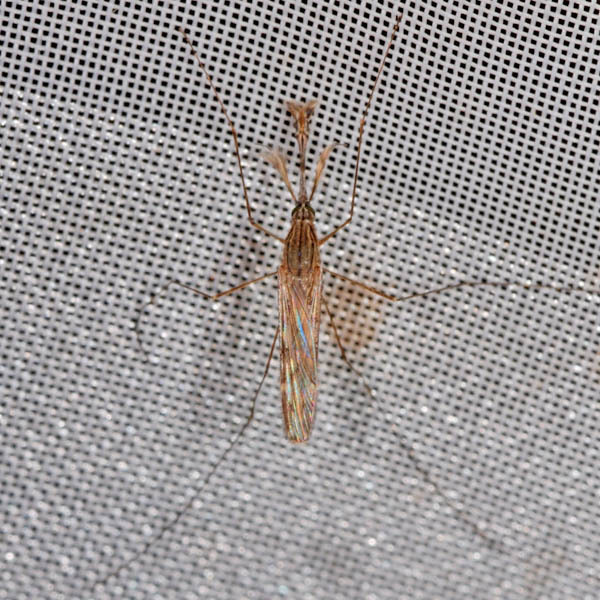
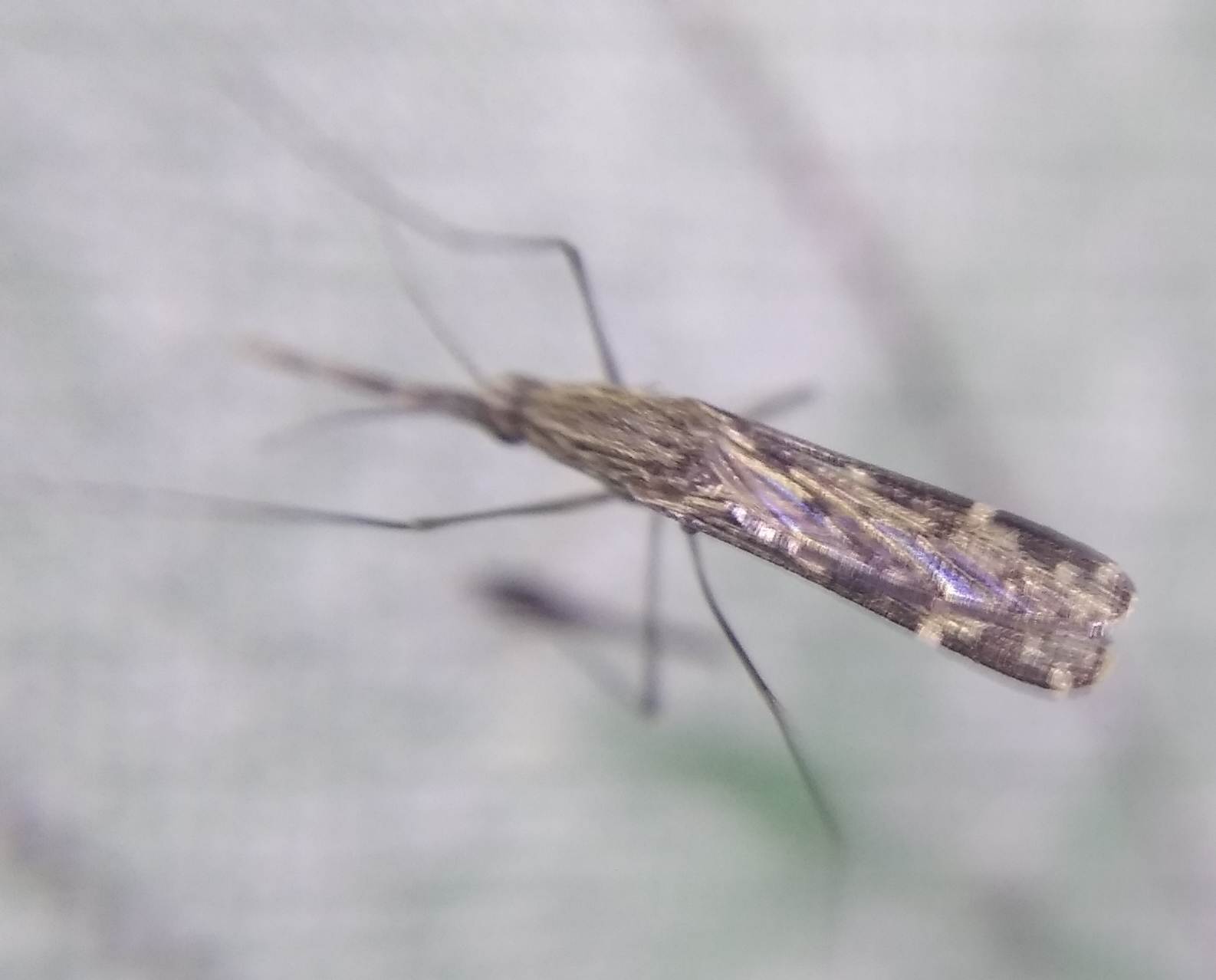
Anopheles hyrcanus exhibits the characteristic slender body form typical of the genus Anopheles. Based on observations from the TreeOfLife-200M dataset, the species displays a mottled or patterned appearance on the wings and body, which is consistent with its classification within the Anopheles hyrcanus group.[1]
Biology and Ecology
The Anopheles hyrcanus group is a complex comprising 25 species distributed across the Oriental and Palaearctic regions.[2] Several members of this group are known to act as vectors for diseases, including malaria, lymphatic filariasis, and Japanese encephalitis.[2]
Due to the presence of cryptic species and high morphological similarity among closely related members, molecular identification, particularly using the internal transcribed spacer 2 (ITS2) of ribosomal DNA, is essential for accurate taxonomy and vector surveillance.[2] Phylogenetic studies suggest that Anopheles hyrcanus (Pallas, 1771) and Anopheles pseudopictus (Grassi, 1899) may represent a single species.[2]
Anopheles hyrcanus has been documented as a host for various pathogens, including the West Nile virus and several flaviviruses.[3]
Gallery

References
- 1 2 Dataset view for Animalia / Arthropoda / Insecta / Diptera / Culicidae / Anopheles / hyrcanus constructed from imageomics/TreeOfLife-200M records under this taxonomic path. Hugging Face Datasets. https://huggingface.co/datasets/imageomics/TreeOfLife-200M.
- 1 2 3 4 Yuan Fang; Wenqi Shi; Yi Zhang. Molecular phylogeny of Anopheles hyrcanus group members based on ITS2 rDNA. Parasites & Vectors. 2017. https://doi.org/10.1186/s13071-017-2351-x.
- ↑ Anopheles hyrcanus. Global Biotic Interactions. https://www.globalbioticinteractions.org/?targetTaxon=Anopheles%20hyrcanus. Accessed 2026-07-14.