Anopheles fluviatilis
Taxonomy
This page represents the following TreeOfLife-200M taxonomic path.[1]
- Kingdom: Animalia
- Phylum: Arthropoda
- Class: Insecta
- Order: Diptera
- Family: Culicidae
- Genus: Anopheles
- Species: Anopheles fluviatilis
Visual Description
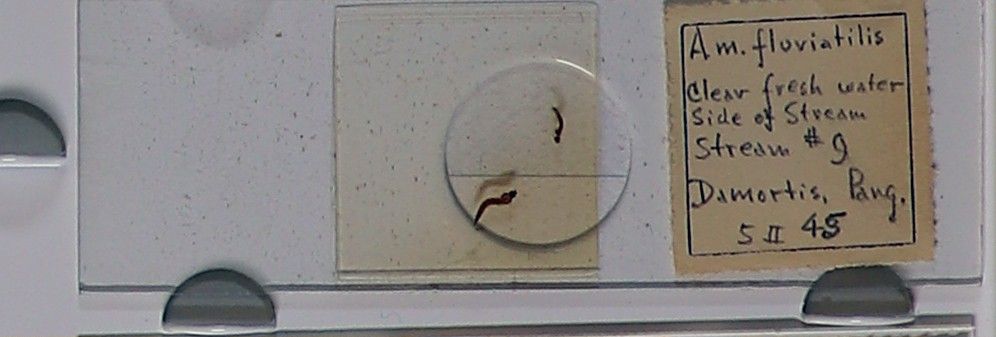
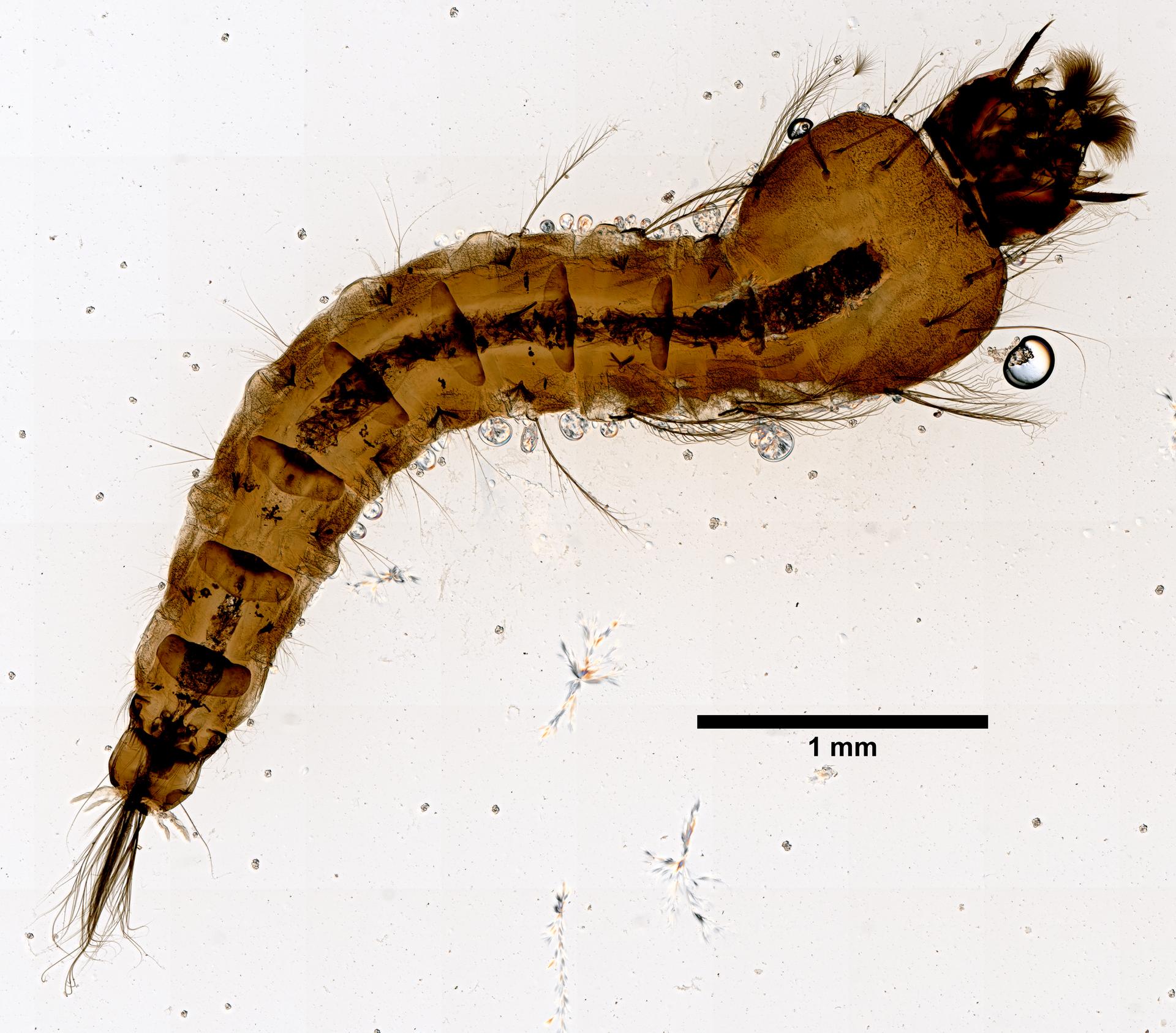
Anopheles fluviatilis specimens exhibit the characteristic morphology of the genus Anopheles, including a slender body form and long, thin legs. Observations of preserved specimens from the TreeOfLife-200M dataset reveal the typical mosquito body plan, with a distinct head, thorax, and abdomen. The wings are elongated and narrow, often showing characteristic venation patterns typical of the family Culicidae. The coloration is generally muted, consistent with many Anopheles species, providing camouflage in their natural environments.[1]
Biology and Distribution
Anopheles fluviatilis is recognized as a complex of cryptic, reproductively isolated species, which includes members designated as S, T, and U. These were originally identified through cytotaxonomic studies of polytene chromosomes in India.[2]
In Iran, this species is identified as a significant malaria vector, particularly in the foothills of the Zagros Mountains. Molecular studies have shown that populations in different regions of Iran may belong to different members of the complex. For instance, specimens from the Kazeroun and Khesht regions of Fars Province were identified as species U, while populations in other regions like Hormozgan, Kerman, and Sistan va Baluchestan showed genetic markers associated with species T.[2]
Gallery
References
- 1 2 Dataset view for Animalia / Arthropoda / Insecta / Diptera / Culicidae / Anopheles / fluviatilis constructed from imageomics/TreeOfLife-200M records under this taxonomic path. Hugging Face Datasets. https://huggingface.co/datasets/imageomics/TreeOfLife-200M.
- 1 2 Saied Reza Naddaf; Mohammad Razavi; Golnaz Bahramali. Molecular Variation and Distribution ofAnopheles fluviatilis(Diptera: Culicidae) Complex in Iran. Korean Journal of Parasitology. 2010. https://doi.org/10.3347/kjp.2010.48.3.231.