Anopheles dirus
Taxonomy
This page represents the following TreeOfLife-200M taxonomic path.[1]
- Kingdom: Animalia
- Phylum: Arthropoda
- Class: Insecta
- Order: Diptera
- Family: Culicidae
- Genus: Anopheles
- Species: Anopheles dirus
Visual Description
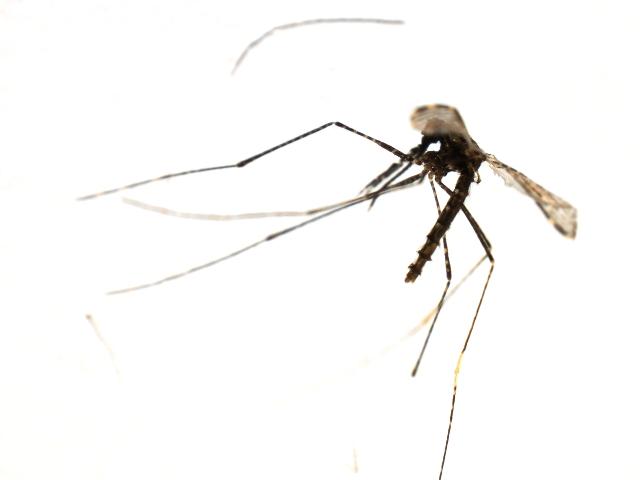
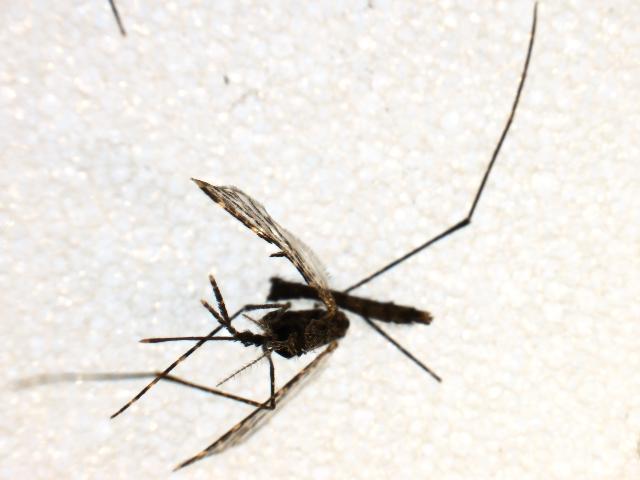
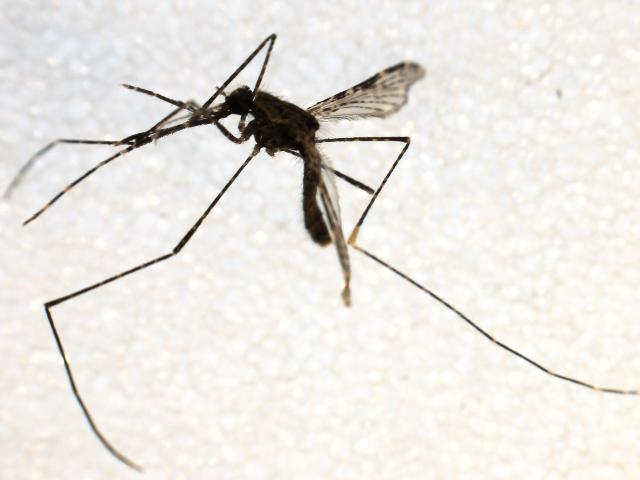
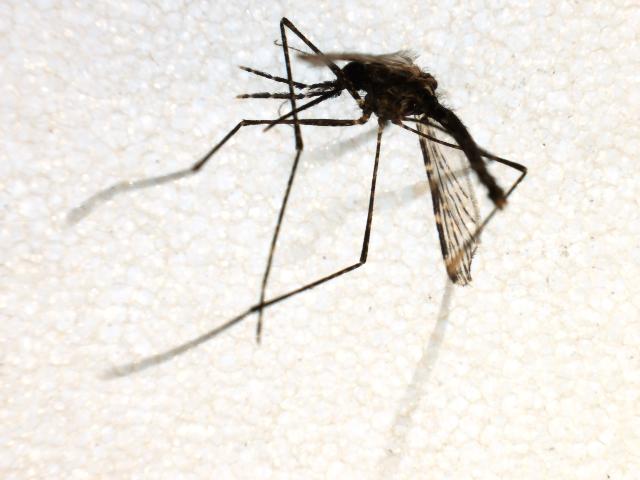
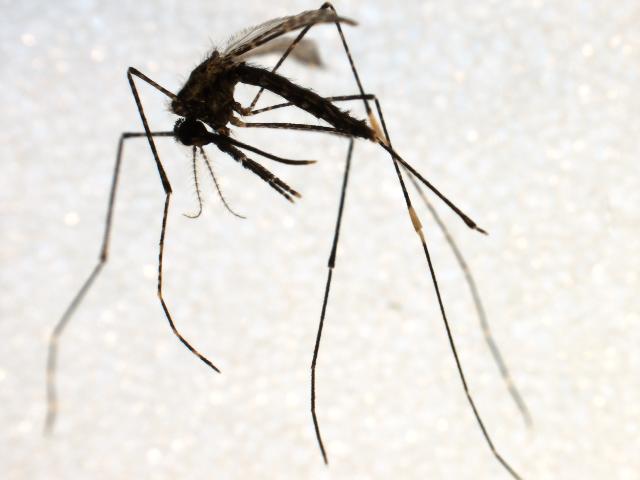
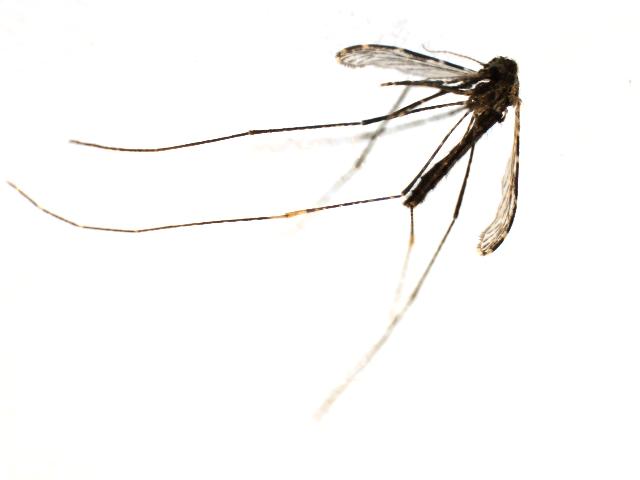
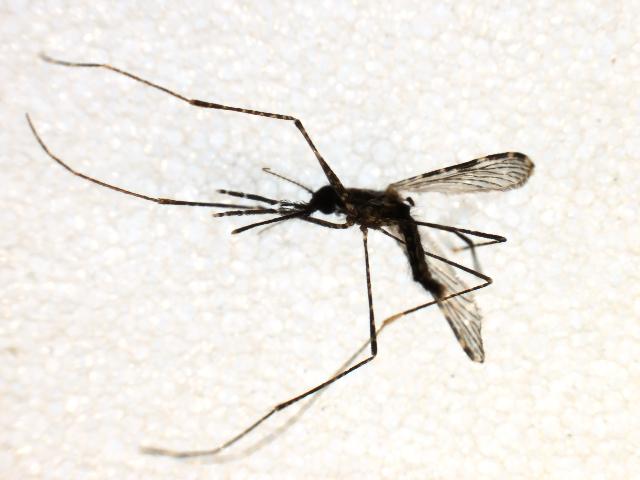
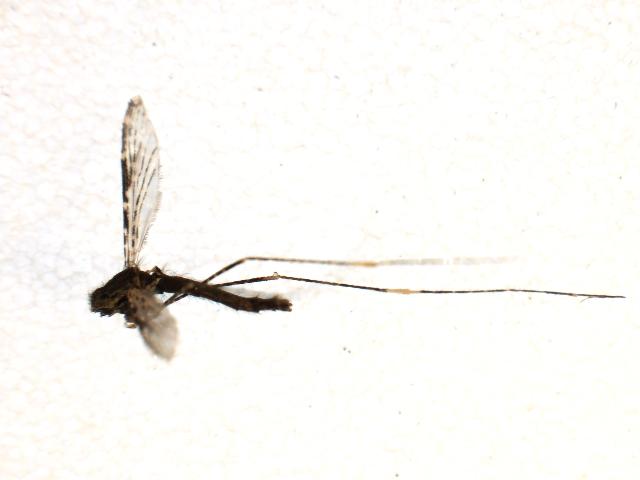
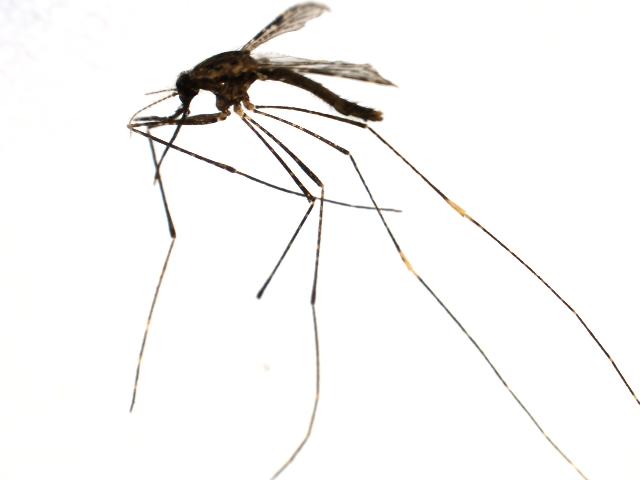
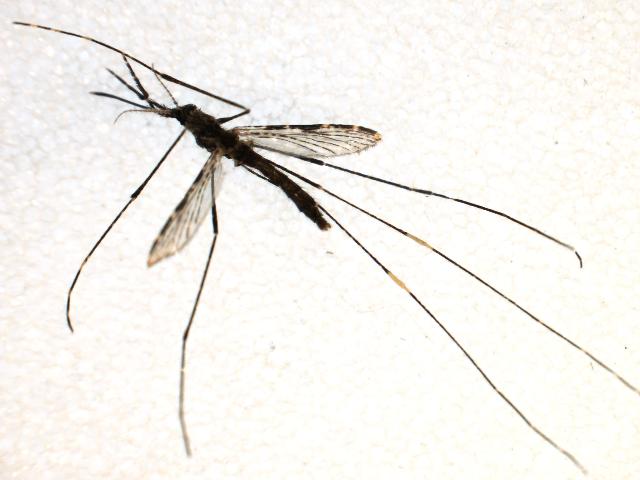
Anopheles dirus is a mosquito species characterized by typical culicid morphology. Observations from the TreeOfLife-200M dataset reveal a slender body form with long, delicate legs and narrow, elongated wings typical of the genus Anopheles[1]. The specimens exhibit a mottled or patterned appearance on the thorax and wings, which is consistent with the cryptic nature of species within the Anopheles leucosphyrus group[1].
Ecology and Behavior
Anopheles dirus is a member of the Anopheles dirus complex, a group of highly efficient malaria vectors found in the forested regions of Asia, ranging from India to Taiwan and the Malaysian peninsula[2]. These mosquitoes are primarily associated with deep forest environments, where they utilize temporary, shaded water bodies such as stream-bed pools, springs, and rock pools for larval development[2].
The species is known for being extremely anthropophilic, contributing to high rates of human-vector contact and malaria transmission, particularly of multi-drug resistant Plasmodium falciparum[2]. Their immature stages show remarkable adaptations to temporary habitats, including the ability of eggs to survive on moist soil for up to a month and the capacity of larvae to survive desiccation by burying themselves in mud[2].
Gallery
References
- 1 2 3 Dataset view for Animalia / Arthropoda / Insecta / Diptera / Culicidae / Anopheles / dirus constructed from imageomics/TreeOfLife-200M records under this taxonomic path. Hugging Face Datasets. https://huggingface.co/datasets/imageomics/TreeOfLife-200M.
- 1 2 3 4 Valérie Obsomer; Pierre Defourny; Marc Coosemans. The Anopheles dirus complex: spatial distribution and environmental drivers. Malaria Journal. 2007. https://doi.org/10.1186/1475-2875-6-26.