Anopheles annularis
Taxonomy
This page represents the following TreeOfLife-200M taxonomic path.[1]
- Kingdom: Animalia
- Phylum: Arthropoda
- Class: Insecta
- Order: Diptera
- Family: Culicidae
- Genus: Anopheles
- Species: Anopheles annularis
Visual Description
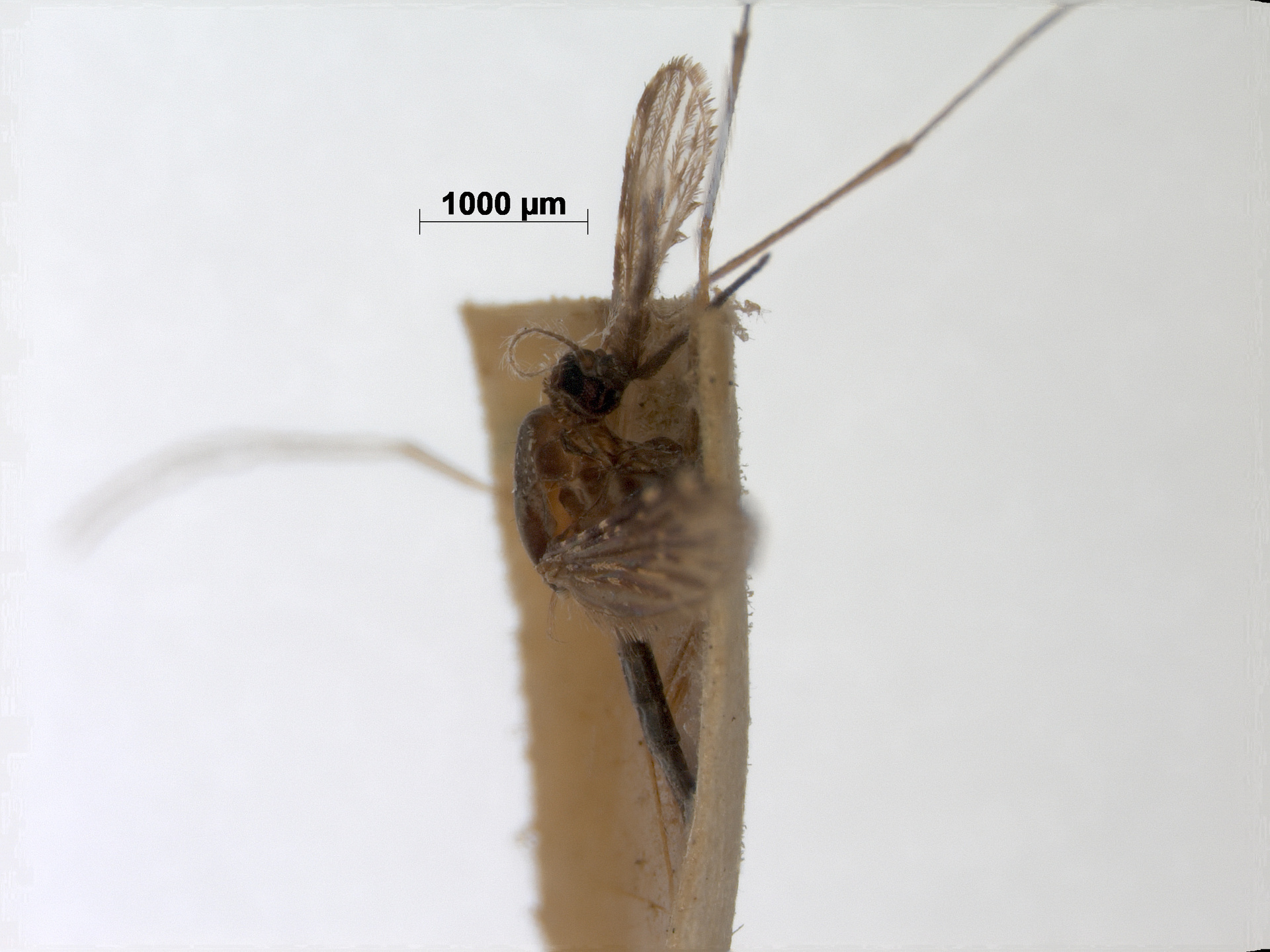
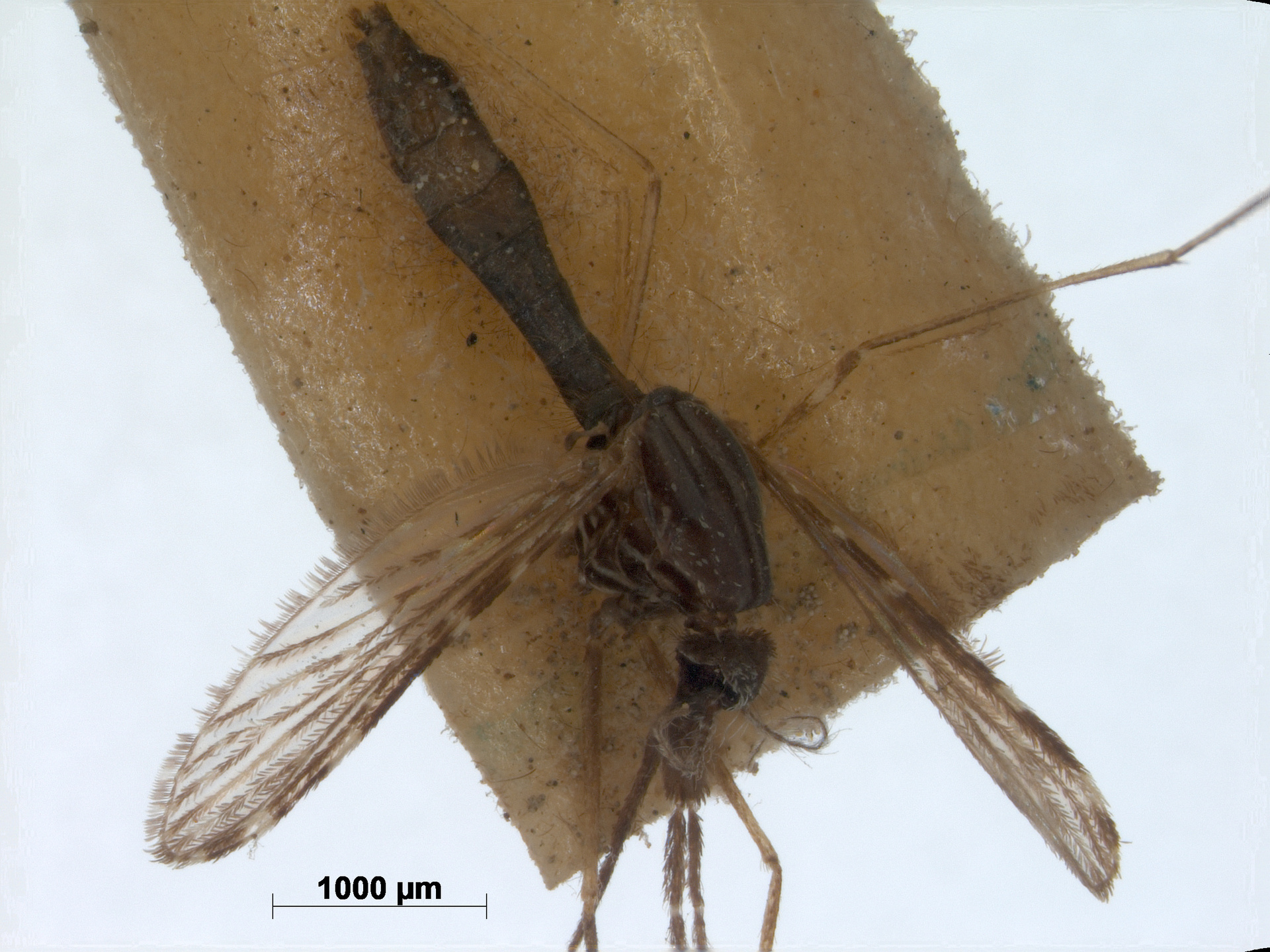
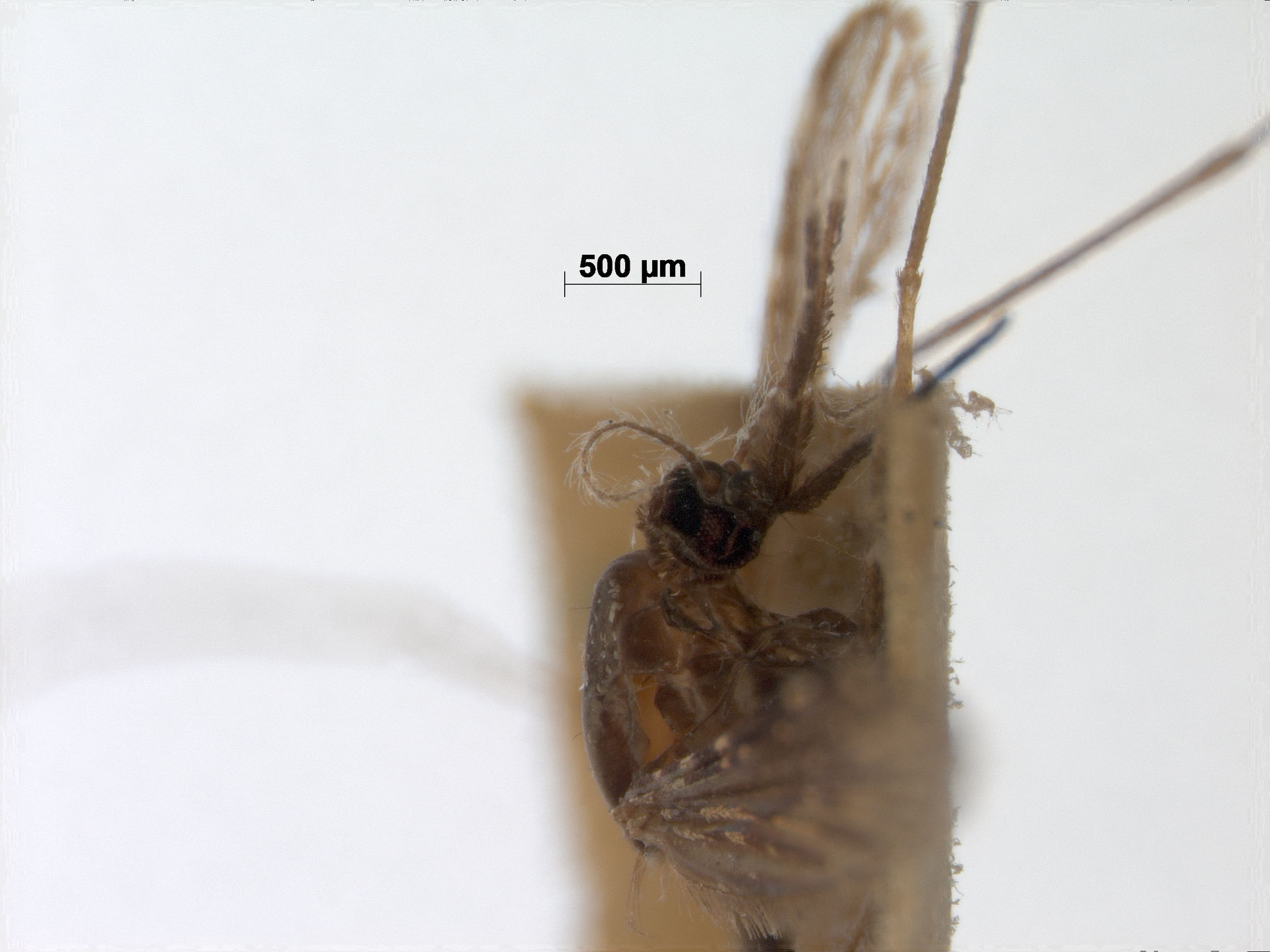
Based on observations of museum specimens in the TreeOfLife-200M dataset, Anopheles annularis exhibits the characteristic slender body form typical of the genus Anopheles.[1] The specimens display long, thin legs and narrow wings, consistent with culicid morphology.[1] Due to the nature of the preserved specimens, fine diagnostic scale patterns on the wings and thorax are not clearly resolved in these images.[1]
Malaria Vector Potential and Insecticide Susceptibility
Anopheles annularis sensu lato has been studied for its role as a malaria vector and its susceptibility to various insecticides.[2] Research conducted in Assam, India, indicated that populations of An. annularis s.l. are completely susceptible to insecticides such as deltamethrin, lambda-cyhalothrin, and malathion.[2] However, these populations have shown resistance to DDT.[2] Regarding its capacity to transmit malaria, the species has been found to harbor Plasmodium sporozoites, with a recorded minimum infection rate (MIR) of 0.22 in certain study areas.[2]
Gallery
References
- 1 2 3 4 Dataset view for Animalia / Arthropoda / Insecta / Diptera / Culicidae / Anopheles / annularis constructed from imageomics/TreeOfLife-200M records under this taxonomic path. Hugging Face Datasets. https://huggingface.co/datasets/imageomics/TreeOfLife-200M.
- 1 2 3 4 Sunil Dhiman; Kavita Yadav; Bipul Rabha; Diganta Goswami; S Hazarika; Varun Tyagi. Evaluation of Insecticides Susceptibility and Malaria Vector Potential of Anopheles annularis s.l. and Anopheles vagus in Assam, India. PLoS ONE. 2016. https://doi.org/10.1371/journal.pone.0151786.