Anopheles albimanus
Taxonomy
This page represents the following TreeOfLife-200M taxonomic path.[1]
- Kingdom: Animalia
- Phylum: Arthropoda
- Class: Insecta
- Order: Diptera
- Family: Culicidae
- Genus: Anopheles
- Species: Anopheles albimanus
Visual Description
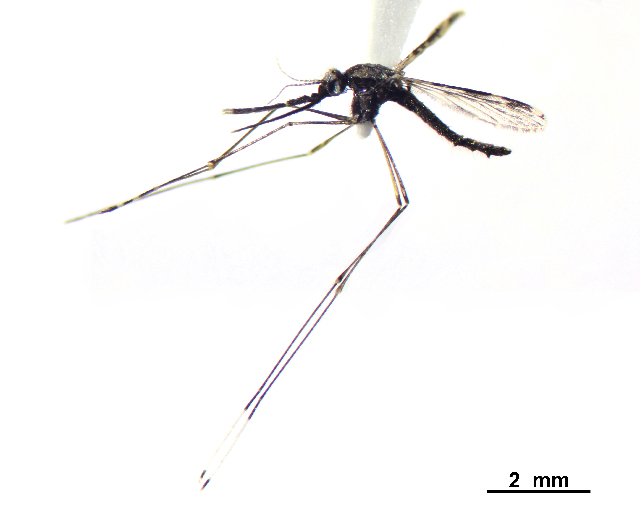
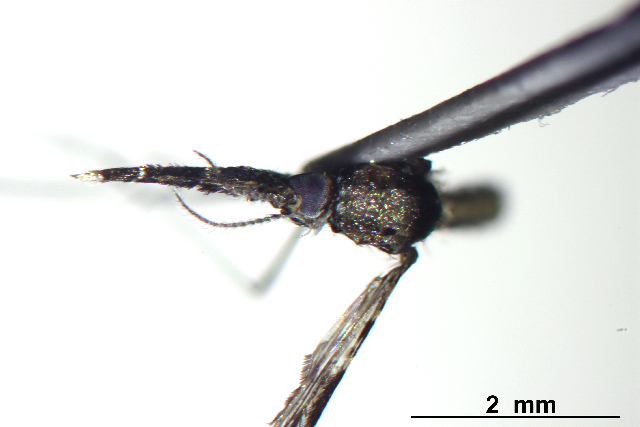
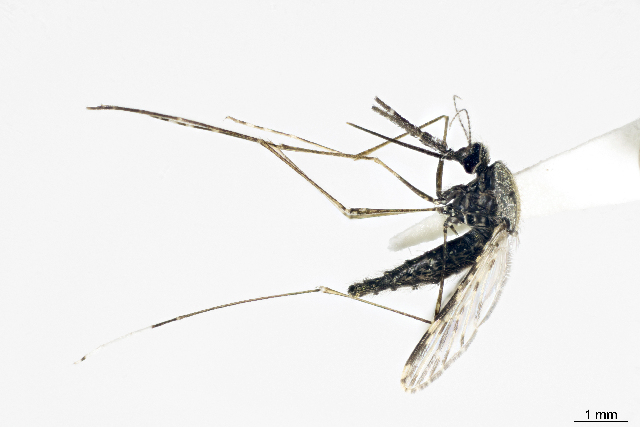
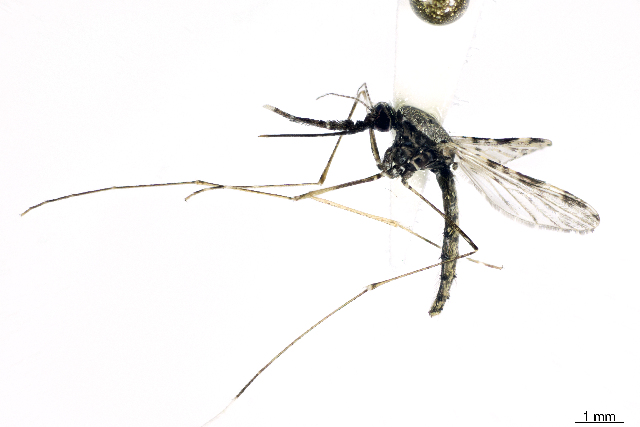
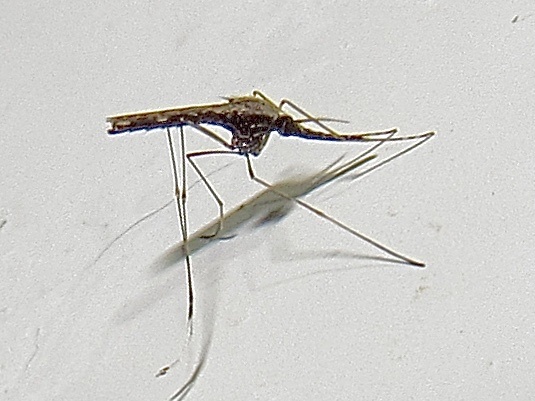
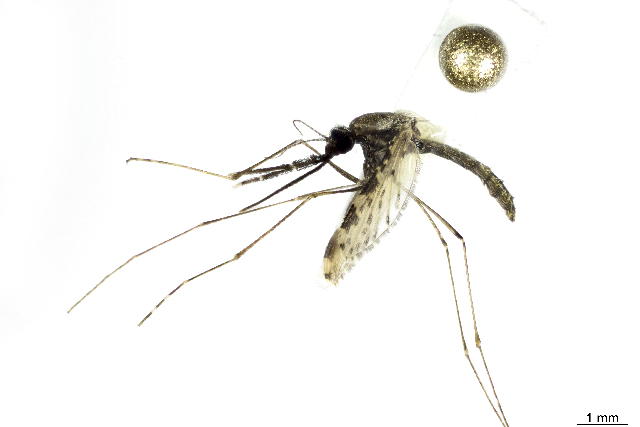
Anopheles albimanus is a mosquito species characterized by distinct morphological features. Based on observations from the TreeOfLife-200M dataset, the species exhibits typical culicid body proportions, including a slender abdomen, long legs, and prominent wings.[1]
Ecology and Microbiota
The microbiota of Anopheles albimanus is influenced by pyrethroid insecticide exposure, which can alter bacterial community composition.[2] While no significant differences in bacterial composition were observed between insecticide-resistant and insecticide-susceptible mosquitoes, significant differences were found between insecticide-exposed and non-exposed individuals, specifically for alphacypermethrin and permethrin exposure.[2]
Insecticide exposure may select for specific bacteria, including insecticide-metabolizing species such as Pantoea agglomerans and Pseudomonas fragi, which were found to be more abundant in insecticide-exposed adults compared to non-exposed controls.[2] These findings suggest that the mosquito microbiota may contribute to insecticide detoxification and the development of resistance.[2]
The cuticle surfaces of both larval and adult An. albimanus harbor more diverse bacterial communities than their internal microbial niches.[2] Microbial composition in An. albimanus is significantly affected by factors including developmental stage, collection location, microbial niche, and insecticide type.[2]
Gallery
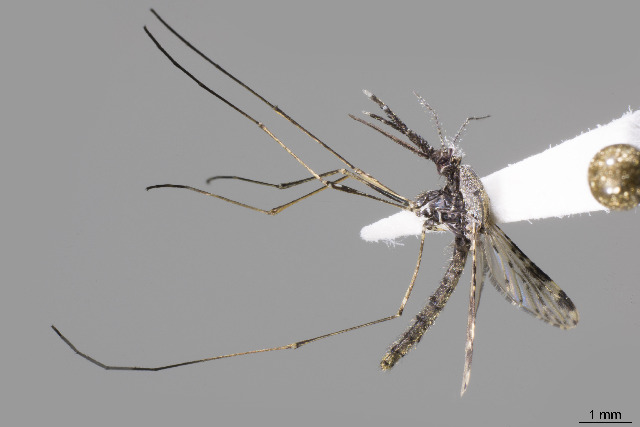
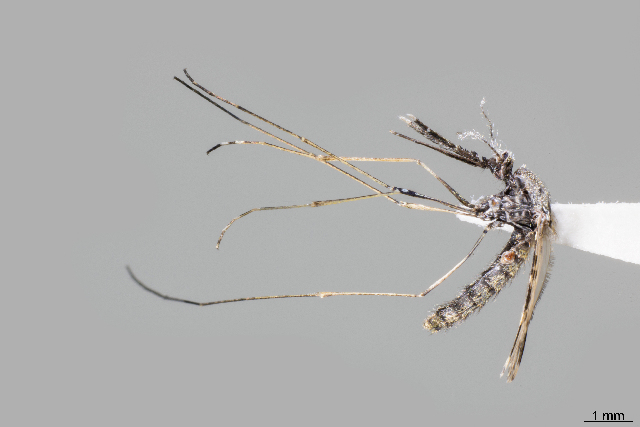
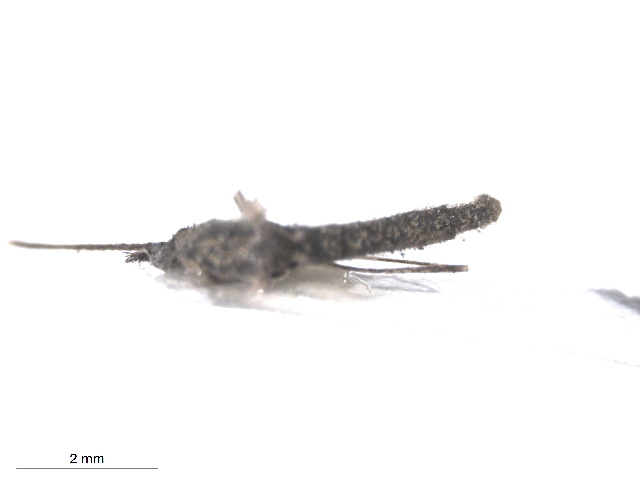
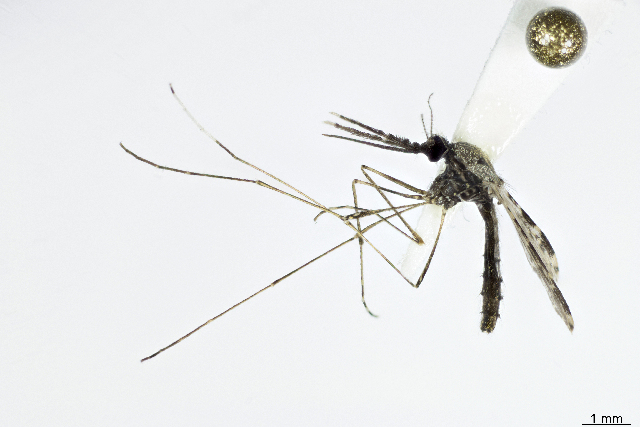
References
- 1 2 Dataset view for Animalia / Arthropoda / Insecta / Diptera / Culicidae / Anopheles / albimanus constructed from imageomics/TreeOfLife-200M records under this taxonomic path. Hugging Face Datasets. https://huggingface.co/datasets/imageomics/TreeOfLife-200M.
- 1 2 3 4 5 6 Nsa Dada; Juan C. Lol; Ana Cristina Benedict; Francisco López; Mili Sheth; Nicole Dzuris; Norma Padilla; Audrey Lenhart. Pyrethroid exposure alters internal and cuticle surface bacterial communities in Anopheles albimanus. The ISME Journal. 2019. https://doi.org/10.1038/s41396-019-0445-5.