Anopheles aconitus
Taxonomy
This page represents the following TreeOfLife-200M taxonomic path.[1]
- Kingdom: Animalia
- Phylum: Arthropoda
- Class: Insecta
- Order: Diptera
- Family: Culicidae
- Genus: Anopheles
- Species: Anopheles aconitus
Visual Description
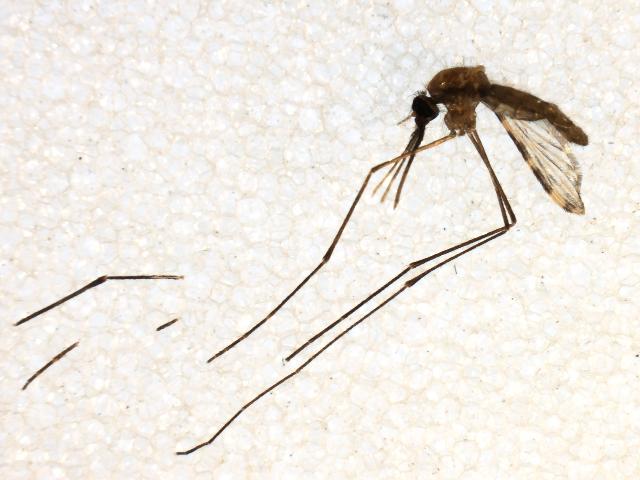
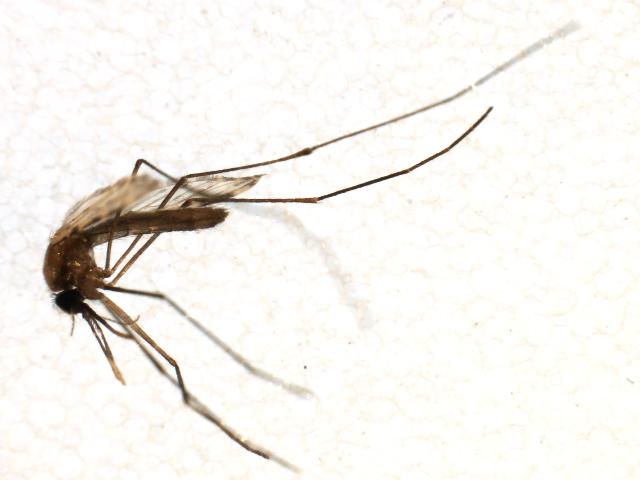
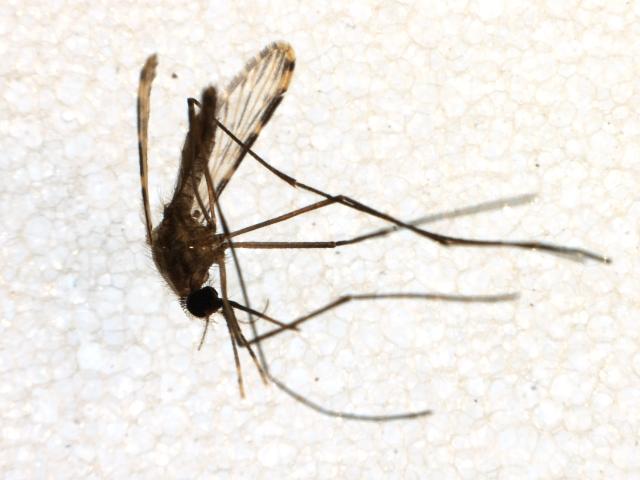
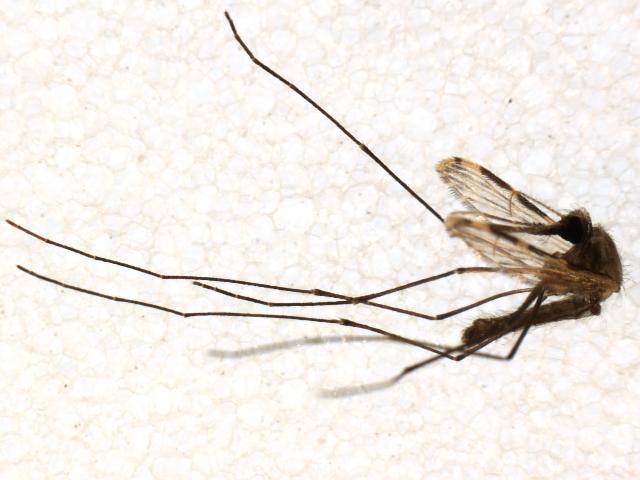
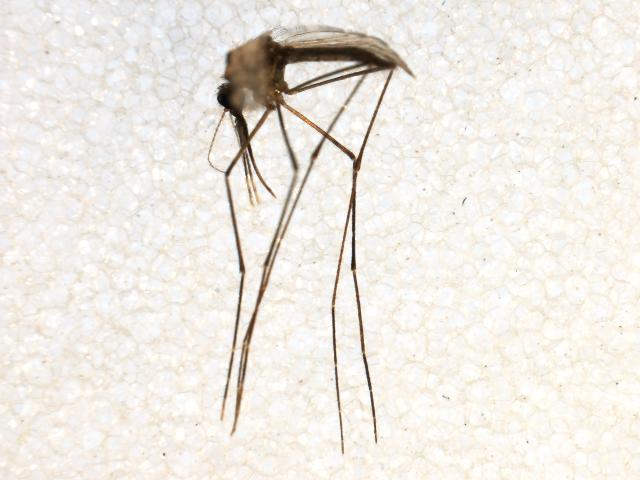
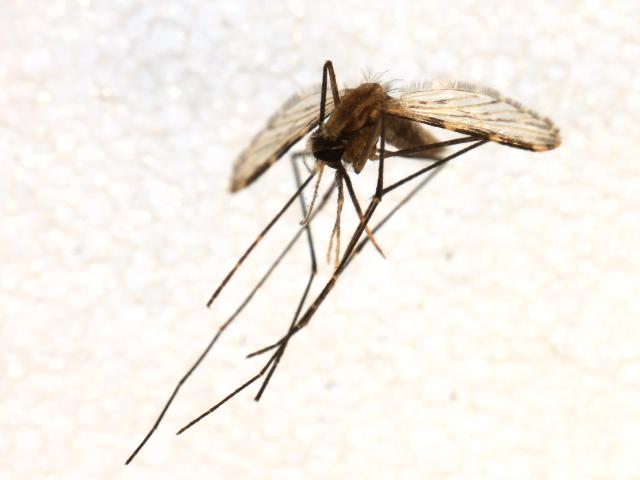
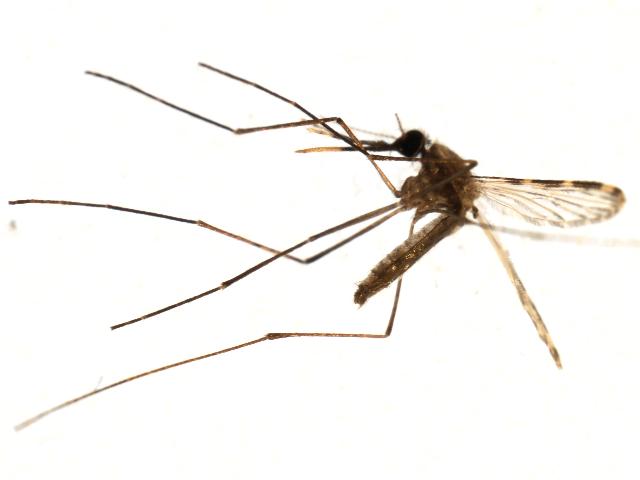
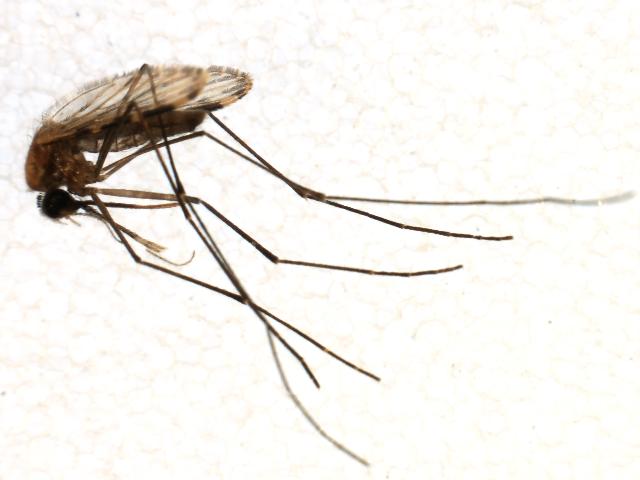
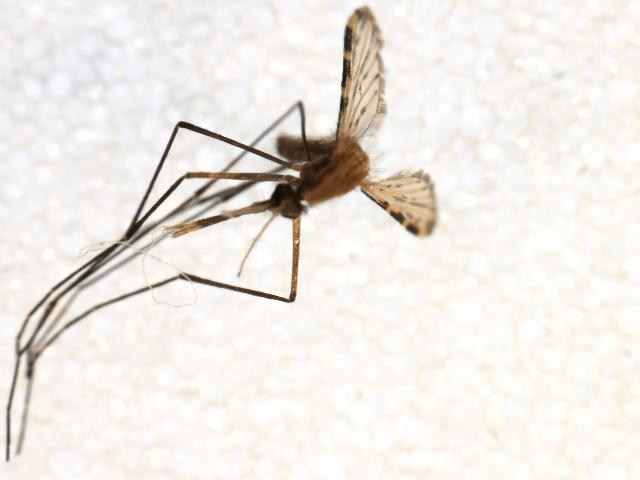
Based on observations of museum specimens, Anopheles aconitus exhibits the characteristic slender, long-legged body form typical of the genus Anopheles[1]. The specimens display a dark, elongated thorax and abdomen, with wings that are narrow and held in a characteristic position relative to the body. The legs are notably long and thin, consistent with the morphology of culicid mosquitoes[1].
Biology and Ecology
Anopheles aconitus is a widely distributed anopheline mosquito found in countries including Thailand, Indonesia, Bangladesh, and Malaysia. It is recognized as a secondary malaria vector in these regions[2].
Cytogenetic research has identified multiple karyotypic forms of this species. In northern Thailand, three forms (A, B, and C) have been described, while a fourth form (Form D) has been identified in Java, Indonesia. These forms are primarily distinguished by differences in their X and Y chromosomes[2].
Egg Morphology
The eggs of An. aconitus are boat-shaped, featuring a central deck bordered by two longitudinal, sclerotized, ridge-like frills. Floats are present on the middle region of each side. The egg surface is covered with outer chorionic tubercles, which are partially or nearly entirely obscured by a membrane-like sheet, depending on their position. The micropylar orifice is encircled by a smooth collar that has an irregular outer margin and 4–6 radially extending spurs. While the general surface topography is consistent, intraspecific variation exists in quantitative traits, such as float width and the number of posterior tubercles on the deck, between different strains of Forms B and C[2].
Gallery
References
- 1 2 3 Dataset view for Animalia / Arthropoda / Insecta / Diptera / Culicidae / Anopheles / aconitus constructed from imageomics/TreeOfLife-200M records under this taxonomic path. Hugging Face Datasets. https://huggingface.co/datasets/imageomics/TreeOfLife-200M.
- 1 2 3 Anuluck Junkum; Atchariya Jitpakdi; Narumon Komalamisra; Narissara Jariyapan; Pradya Somboon; Paul A. Bates; Wej Choochote. Comparative morphometry and morphology of Anopheles aconitus Form B and C eggs under scanning electron microscope. Revista do Instituto de Medicina Tropical de São Paulo. 2004. https://doi.org/10.1590/s0036-46652004000500005.