Anomotaenia
Taxonomy
Anomotaenia is a genus of tapeworms belonging to the family Dilepididae within the order Cyclophyllidea. Like other members of the class Cestoda, these organisms are parasitic flatworms characterized by a complex life cycle involving intermediate and definitive hosts.[1][2][3]
The genus exhibits a broad host range. Definitive hosts include a diverse array of birds, such as species in the orders Passeriformes and Charadriiformes, and occasionally mammals. Intermediate stages, specifically cysticercoids, have been identified in crustaceans, such as the euphausiid Thysanoëssa inermis. Additionally, some species have been associated with insect hosts, including the ant Temnothorax unifasciatus.[4][2]
Visual Description
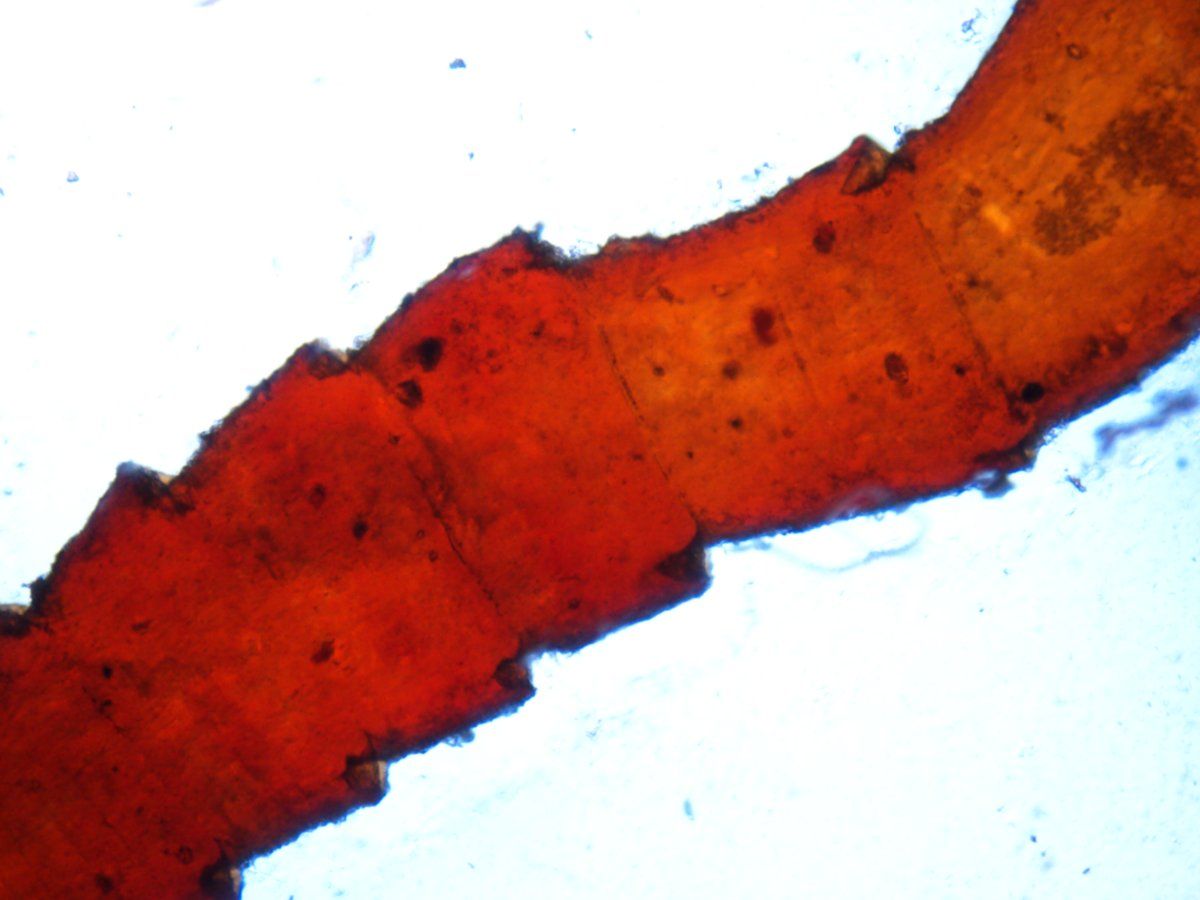
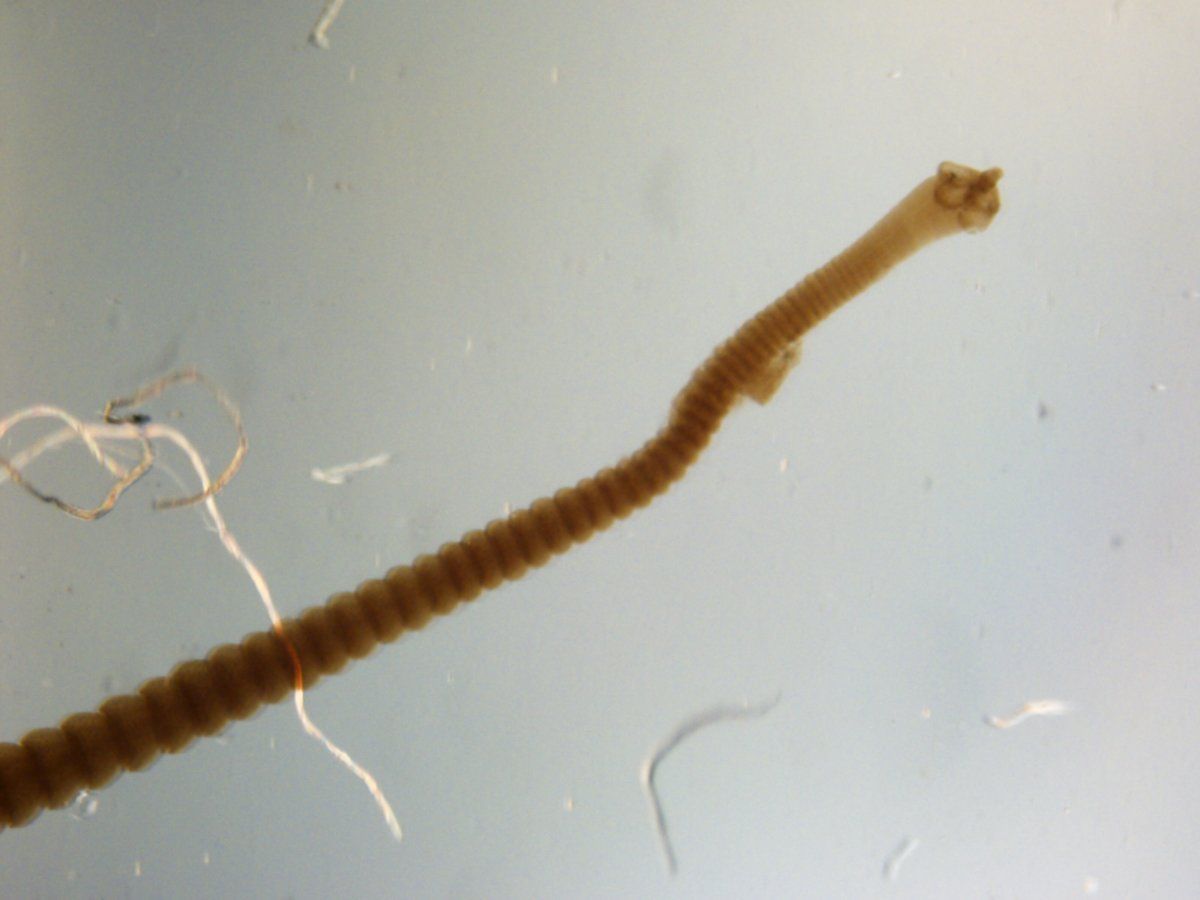
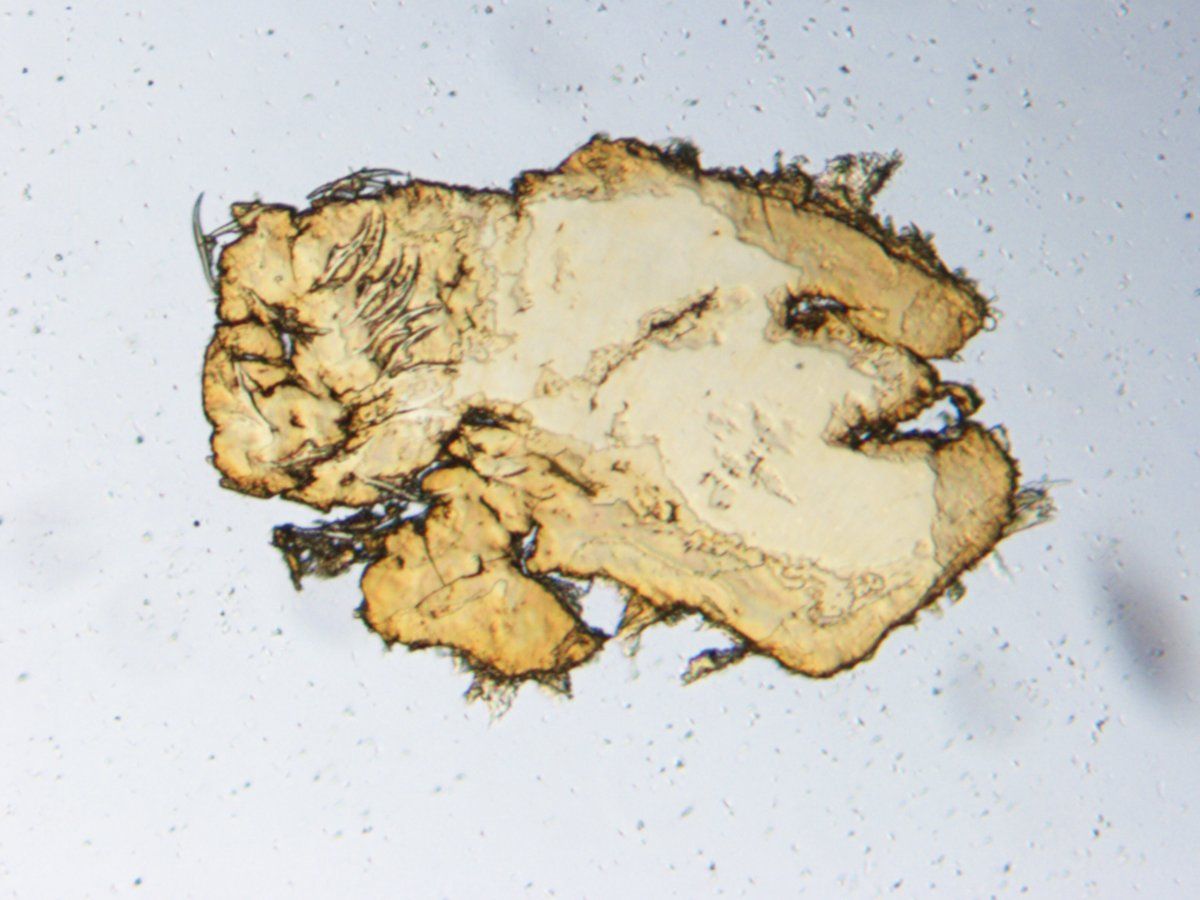
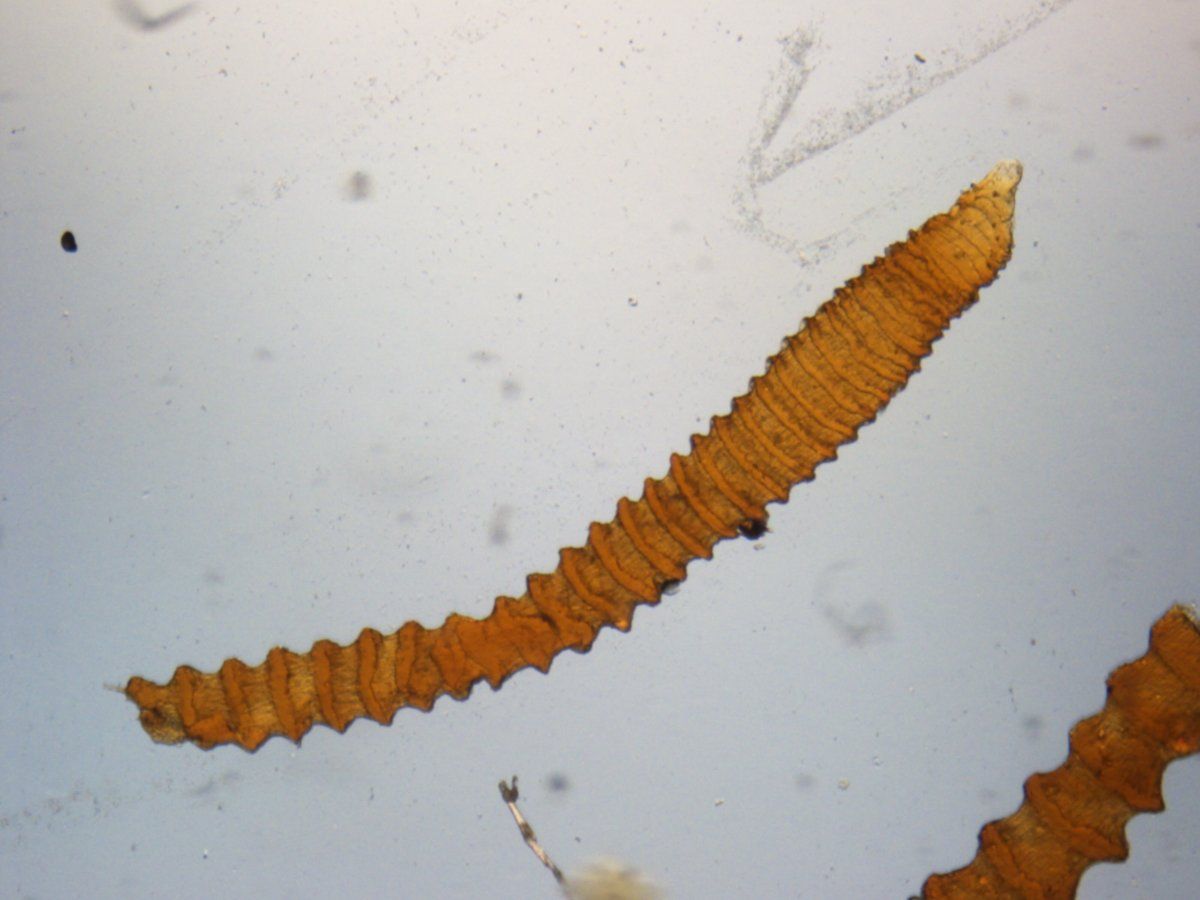
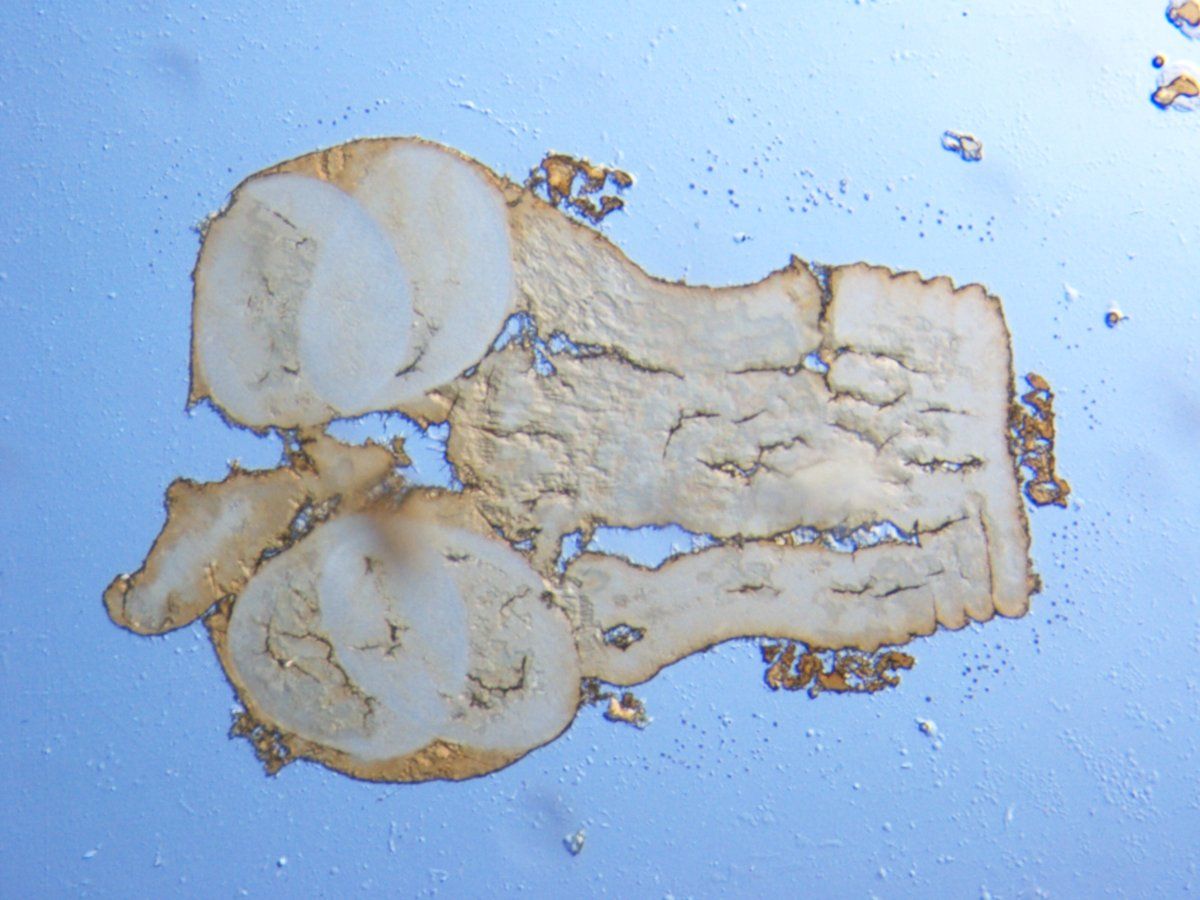
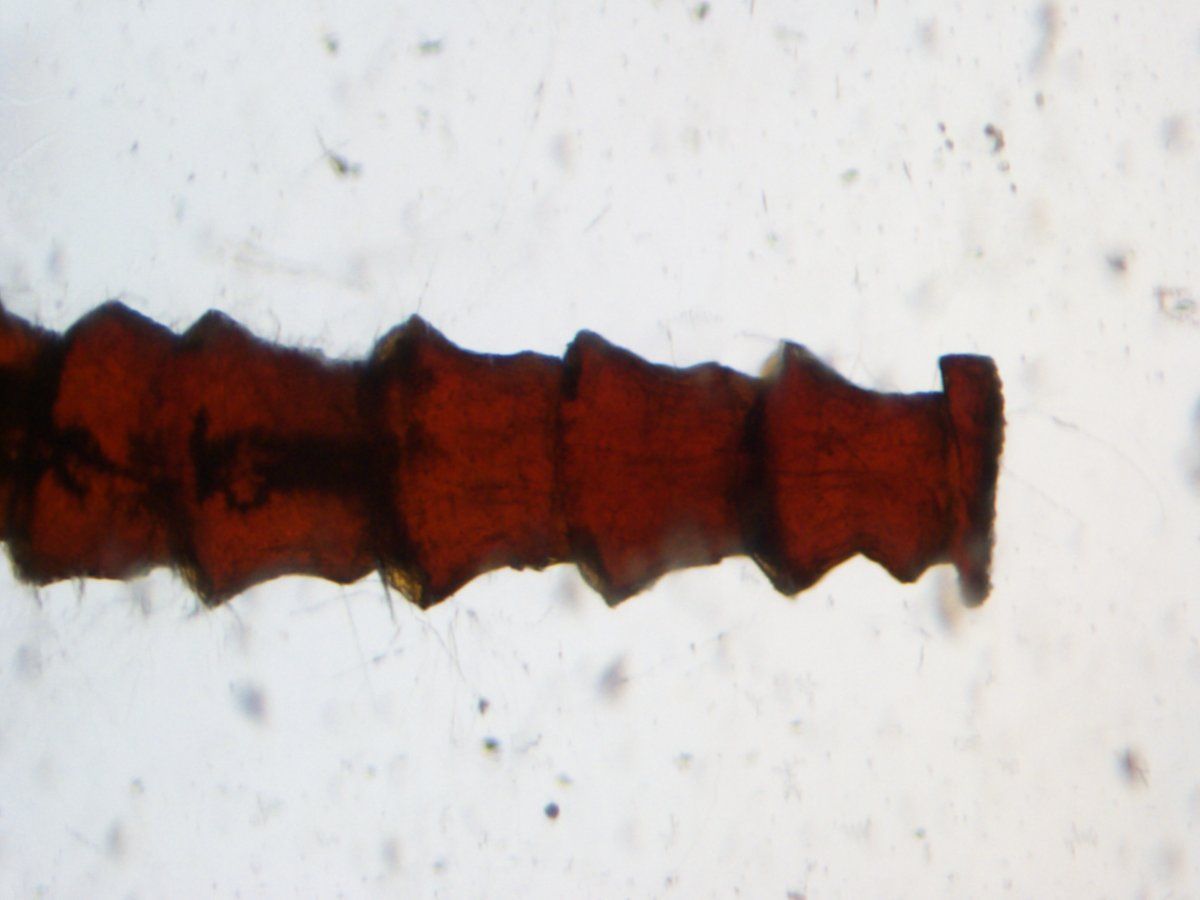
Specimens of Anomotaenia typically present as elongated, ribbon-like, segmented bodies (strobila). Microscopic examination of stained specimens reveals a distinct scolex equipped with suckers (acetabula) and hook-like structures, which are used for attachment to the host. The strobila consists of a series of well-defined proglottids, which may exhibit serrated margins along the lateral edges.
Gallery
References
- ↑ Anomotaenia. NCBI Nucleotide. https://www.ncbi.nlm.nih.gov/nuccore/?term=txid2783798[organism:exp]. Accessed 2026-09-05.
- 1 2 Anomotaenia. Global Biotic Interactions. https://www.globalbioticinteractions.org/?targetTaxon=Anomotaenia. Accessed 2026-09-05.
- ↑ Dataset view for Animalia / Platyhelminthes / Cestoda / Cyclophyllidea / Dilepididae / Anomotaenia constructed from imageomics/TreeOfLife-200M records under this taxonomic path. Hugging Face Datasets. https://huggingface.co/datasets/imageomics/TreeOfLife-200M
- ↑ Takeshi Shimazu. Some Cestode and Acanthocephalan Larvae from Euphausiid Crustaceans Collected in the Northern Northern North Pacific Ocean. NIPPON SUISAN GAKKAISHI. 1975. https://doi.org/10.2331/suisan.41.813.