Ankylorhynchus
Taxonomy
This page represents the following TreeOfLife-200M taxonomic path.[1]
- Kingdom: Animalia
- Phylum: Arthropoda
- Class: Insecta
- Order: Diptera
- Family: Culicidae
- Genus: Ankylorhynchus
Visual Description
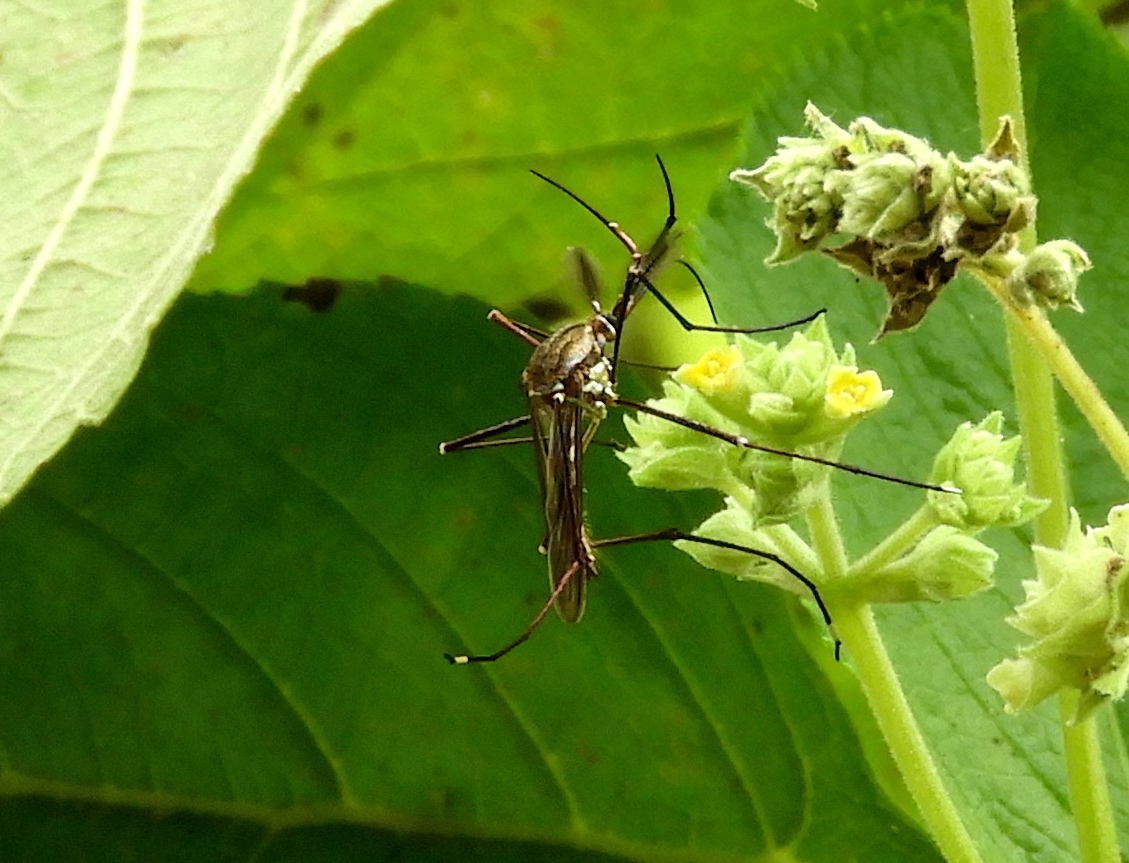
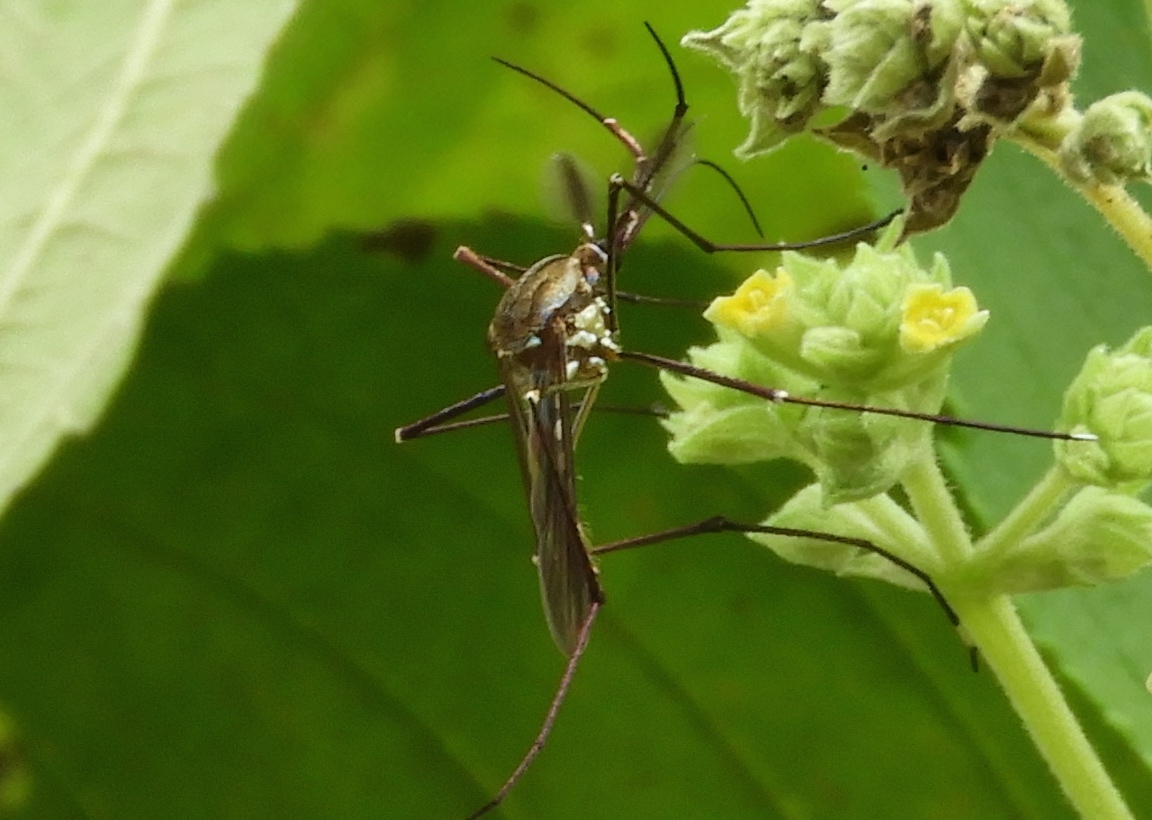
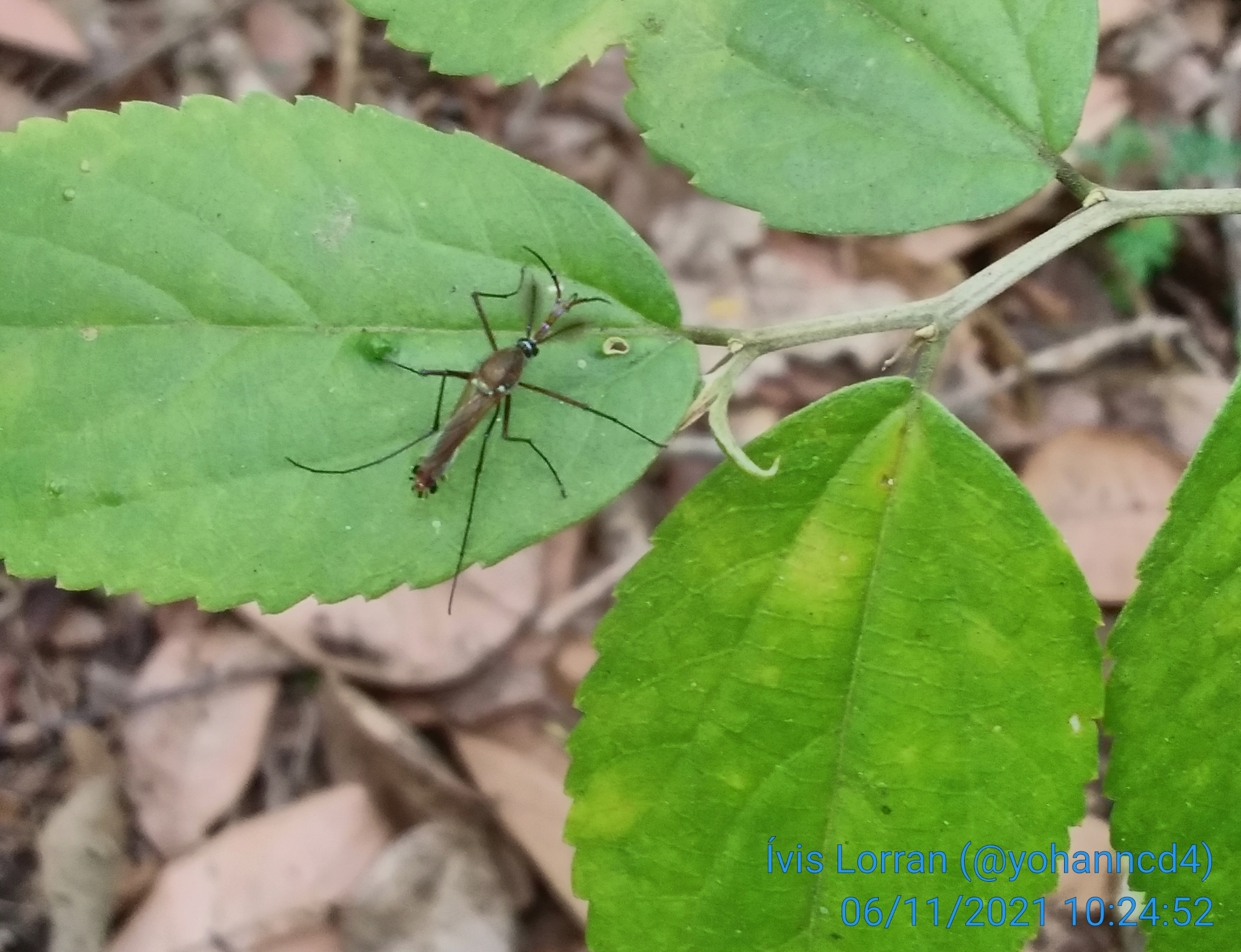
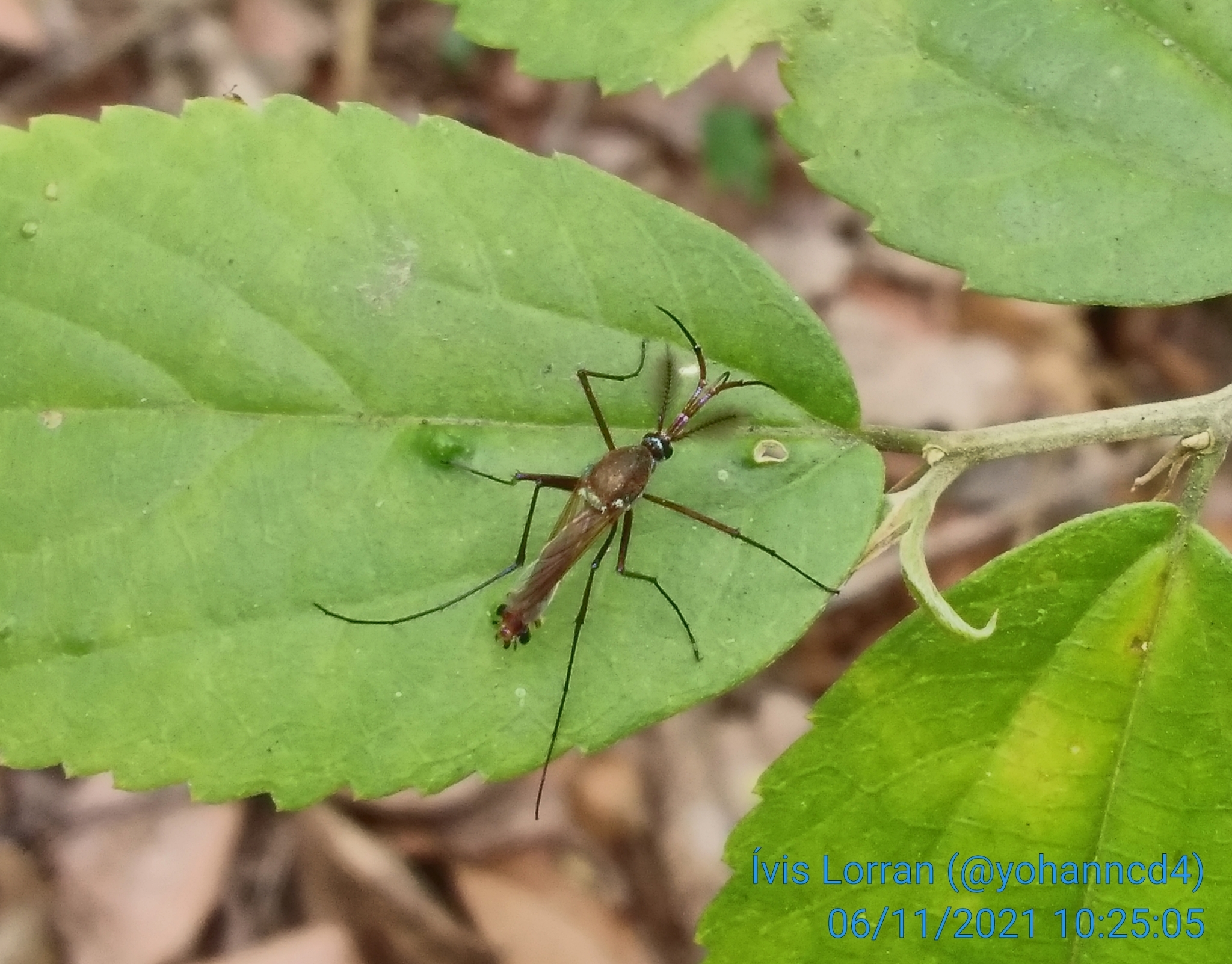
The genus Ankylorhynchus is characterized by features typical of the family Culicidae. Observations from the TreeOfLife-200M dataset indicate that these mosquitoes possess a slender, elongated body form with long, delicate legs and prominent, forward-projecting mouthparts (proboscis)[1]. The wings are typically narrow and membranous, often displaying a characteristic venation pattern consistent with the family[1].
Biological Context and Classification
The genus Ankylorhynchus was historically established as a distinct taxon. It included species such as Ankylorhynchus neglectus Lutz, 1904, which was described from larvae found in bromeliads, and Ankylorhynchus trichopygus Dyar, 1928, described from bamboo internodes[2].
These species were later determined to be synonymous and were subsequently reclassified within the genus Toxorhynchites[2]. Research conducted at the Poço das Antas Biological Reserve in Brazil has shown that Toxorhynchites (Ankylorhynchus) cf. trichopygus utilizes both bamboo internodes and bromeliads as breeding sites[2].
Gallery
References
- 1 2 3 Dataset view for Animalia / Arthropoda / Insecta / Diptera / Culicidae / Ankylorhynchus constructed from imageomics/TreeOfLife-200M records under this taxonomic path. Hugging Face Datasets. https://huggingface.co/datasets/imageomics/TreeOfLife-200M.
- 1 2 3 Gerson Azulim Müller; Cecília Ferreira de Mello; Anderson S. Bueno; Wellington Thadeu de Alcantara Azevedo; Jerónimo Alencar. Little noticed, but very important: The role of breeding sites formed by bamboos in maintaining the diversity of mosquitoes (Diptera: Culicidae) in the Atlantic Forest biome. PLoS ONE. 2022. https://doi.org/10.1371/journal.pone.0273774.