Anisostephus
Taxonomy
This page represents the following TreeOfLife-200M taxonomic path.[1]
- Kingdom: Animalia
- Phylum: Arthropoda
- Class: Insecta
- Order: Diptera
- Family: Cecidomyiidae
- Genus: Anisostephus
Visual Description
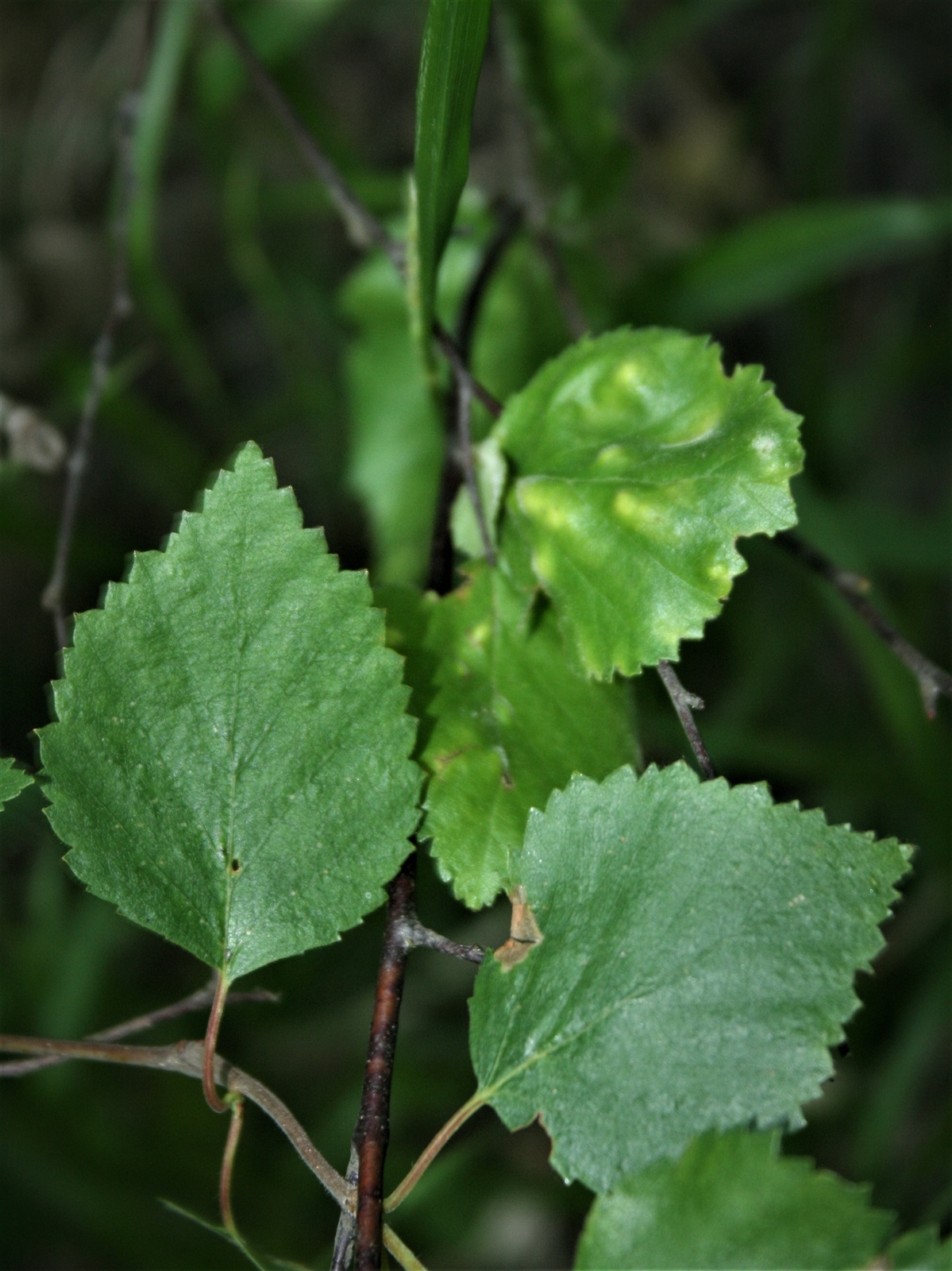
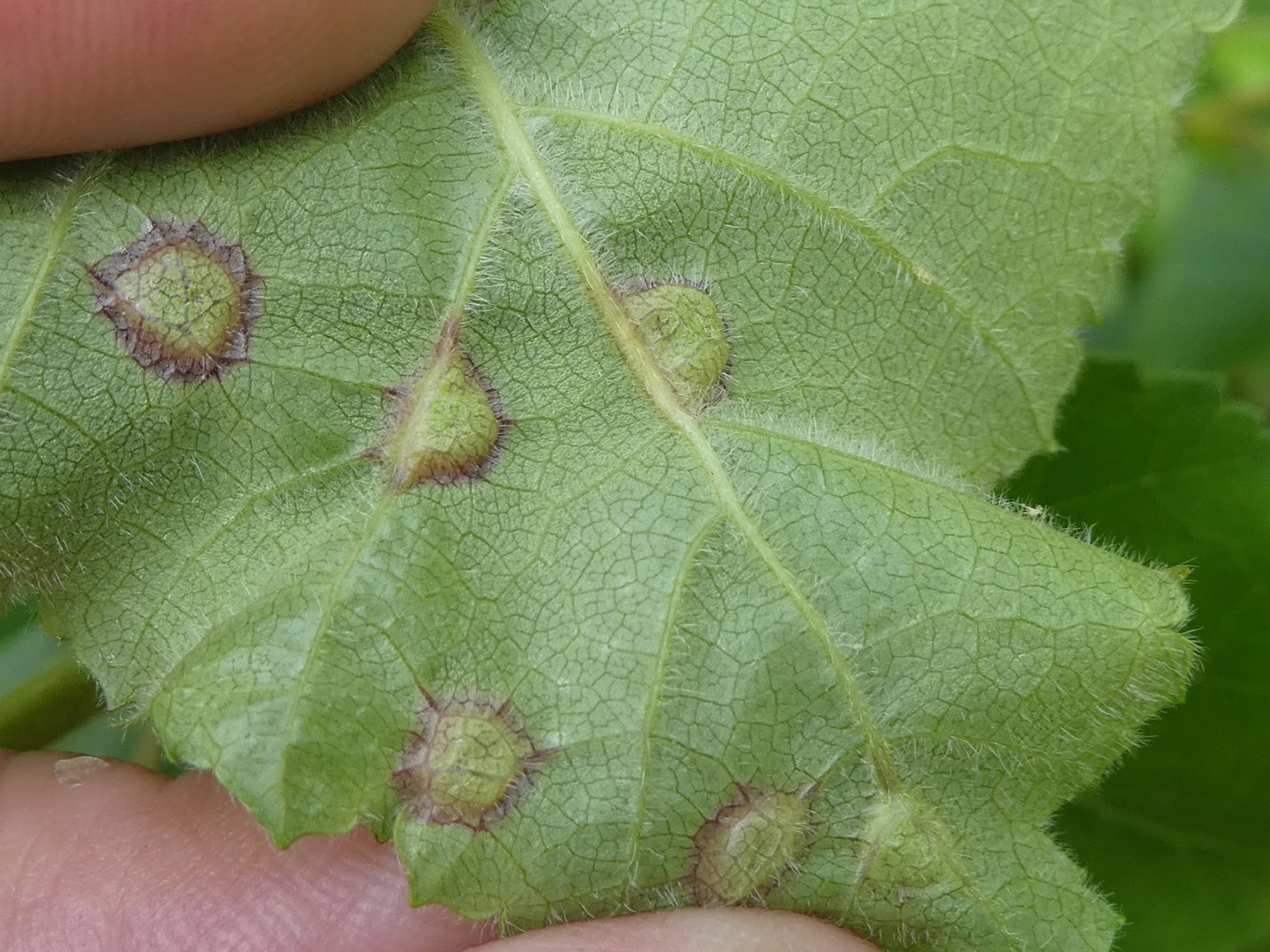
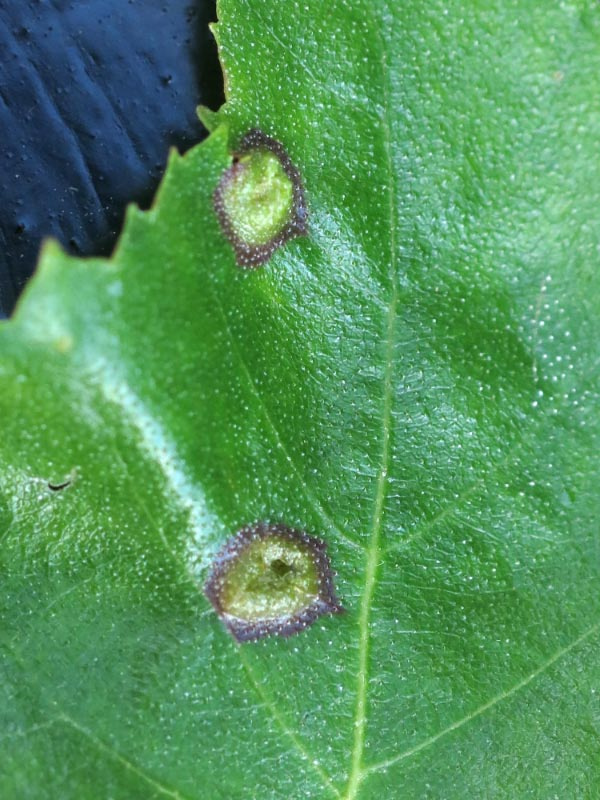
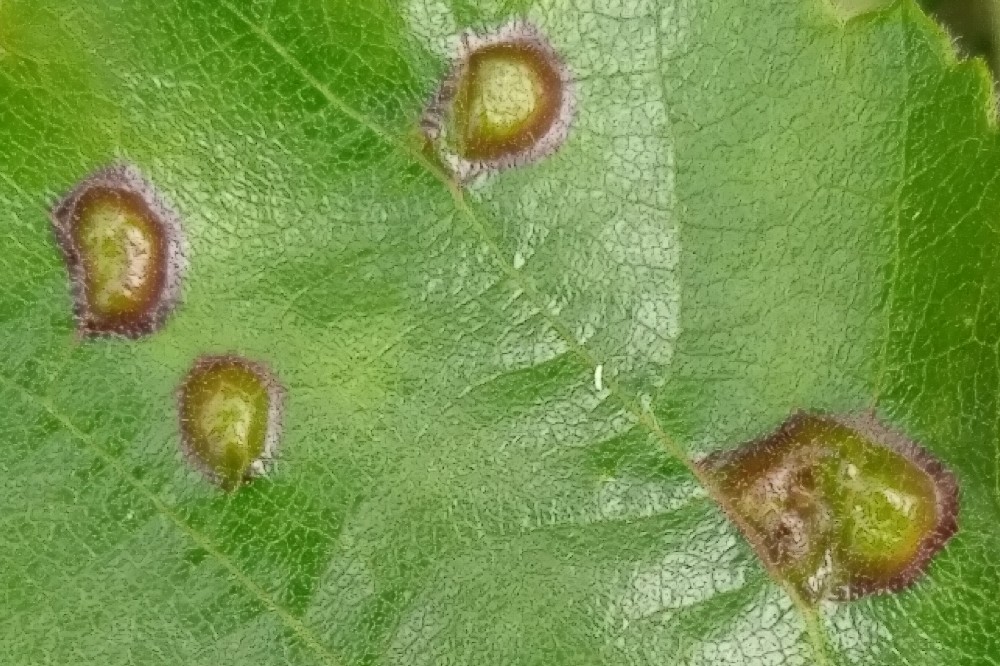
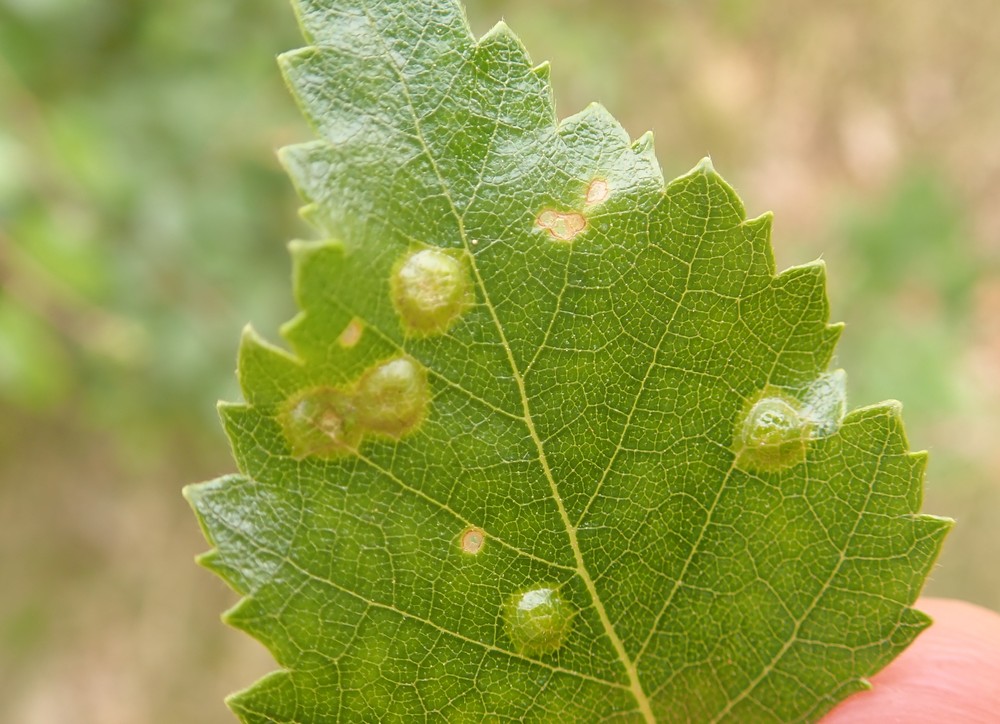
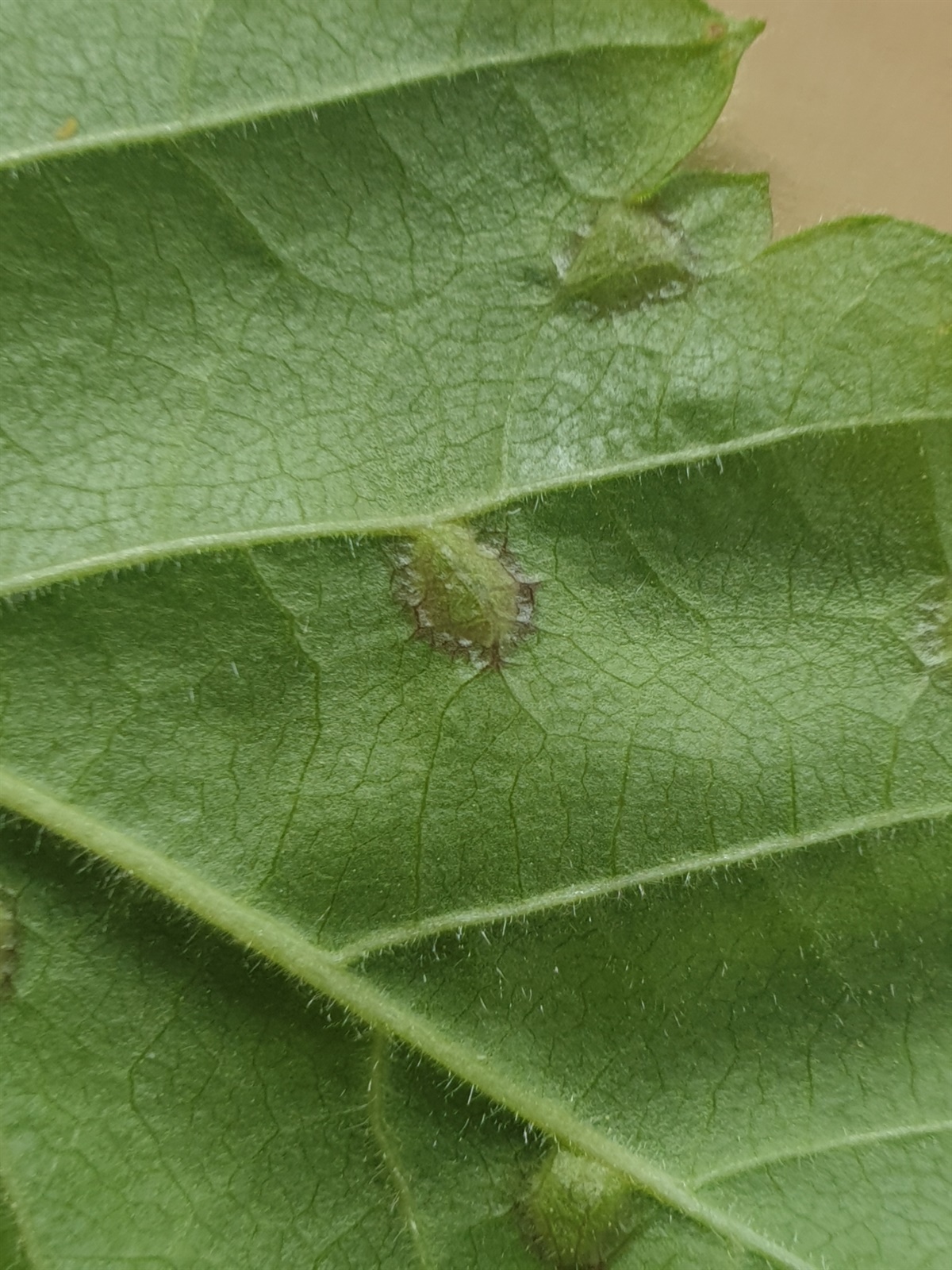
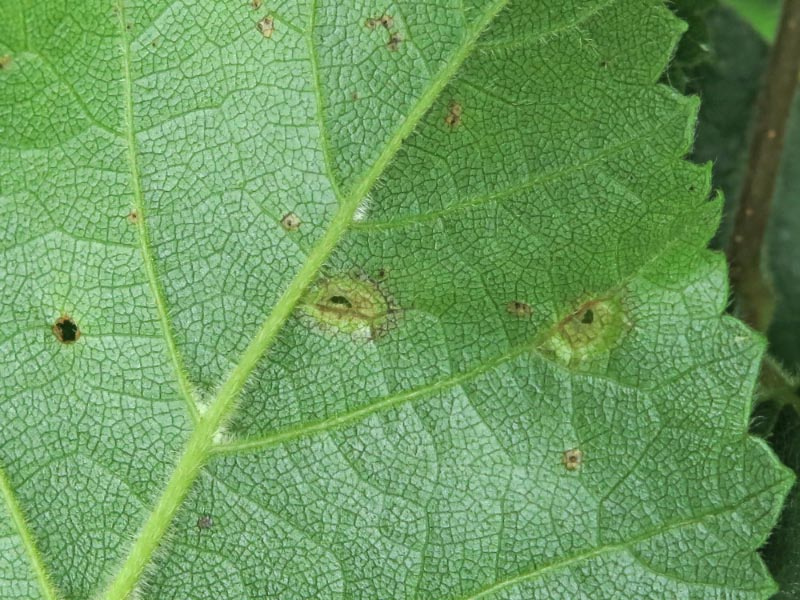
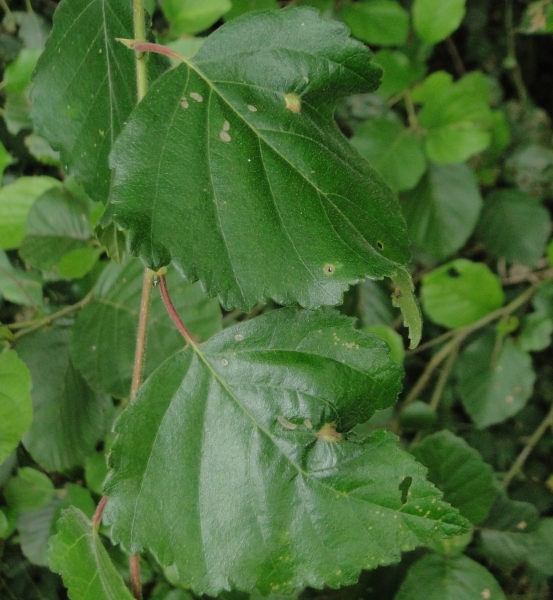
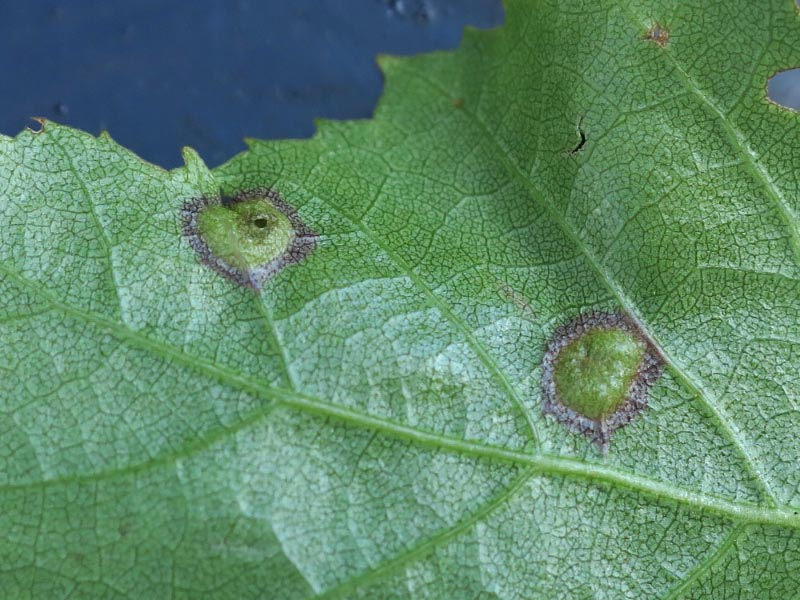
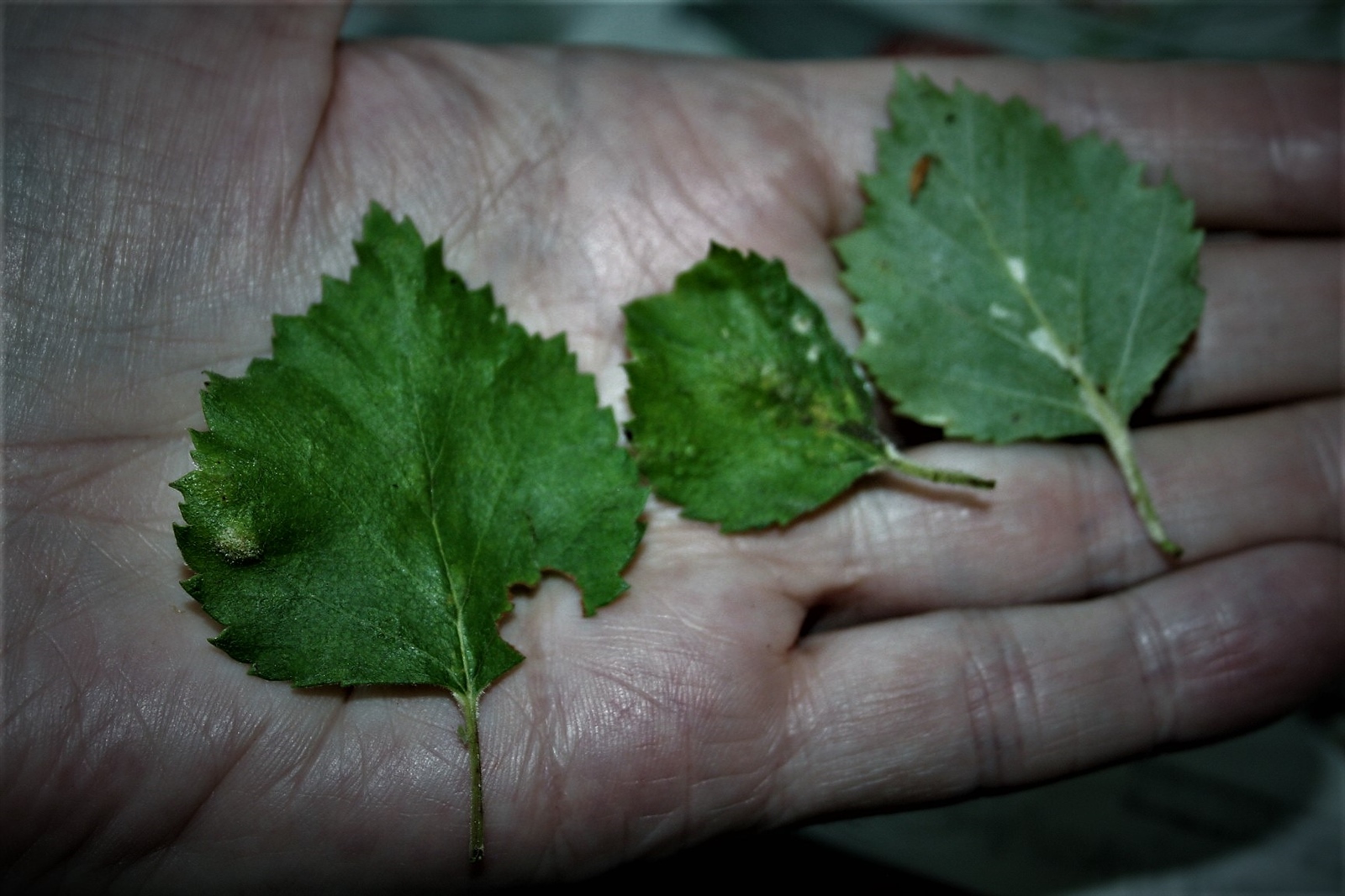
Based on observations from the TreeOfLife-200M dataset, members of the genus Anisostephus are typically associated with gall formations on host plants.[1] The visible structures often include distinct, bladder-like or blister-like galls on leaves, which may exhibit variations in color, ranging from green to reddish or yellowish tints depending on the developmental stage and host plant interaction.[1]
General Information
Anisostephus is a genus of gall midges within the family Cecidomyiidae.[2] It was described by Ewald Rübsaamen in 1917.[3] These insects are known for their role in inducing galls on plants, which are abnormal growths of plant tissue caused by the activity of the larvae.[4]
Gallery
References
- 1 2 3 Dataset view for Animalia / Arthropoda / Insecta / Diptera / Cecidomyiidae / Anisostephus constructed from imageomics/TreeOfLife-200M records under this taxonomic path. Hugging Face Datasets. https://huggingface.co/datasets/imageomics/TreeOfLife-200M.
- ↑ Anisostephus Rübsaamen, 1917. GBIF. https://www.gbif.org/species/1598214. Accessed 2026-07-14.
- ↑ Anisostephus Rubsaamen 1917 - Plazi TreatmentBank. Plazi TreatmentBank. http://tb.plazi.org/GgServer/xhtml/58317C7DB10CFF909F89DD87E5DD8216. Accessed 2026-07-14.
- ↑ Anisostephus. Global Biotic Interactions. https://www.globalbioticinteractions.org/?targetTaxon=Anisostephus. Accessed 2026-07-14.