Anevrina
Anevrina is a genus of flies belonging to the family Phoridae, commonly known as hump-backed flies. The genus was established by Paolo Lioy in 1864.[1]
Taxonomy
This page represents the following TreeOfLife-200M taxonomic path.[2]
- Kingdom: Animalia
- Phylum: Arthropoda
- Class: Insecta
- Order: Diptera
- Family: Phoridae
- Genus: Anevrina
Visual Description
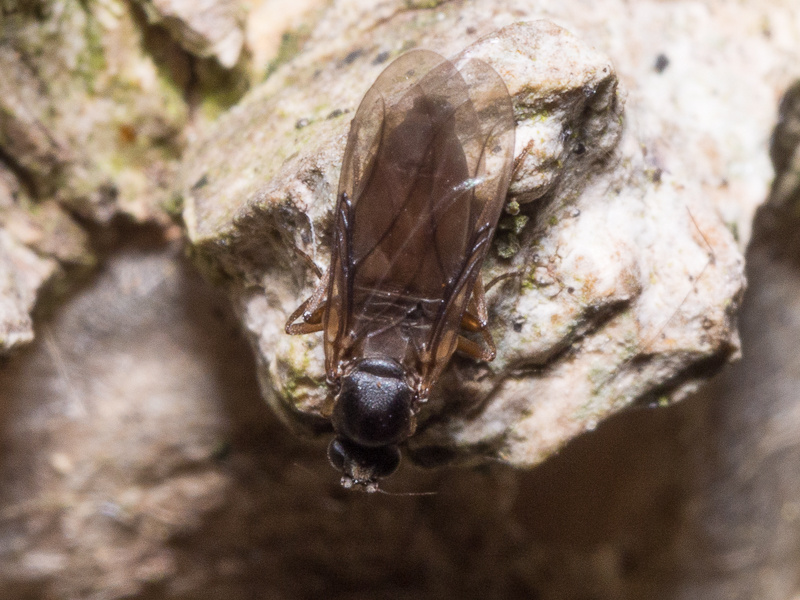
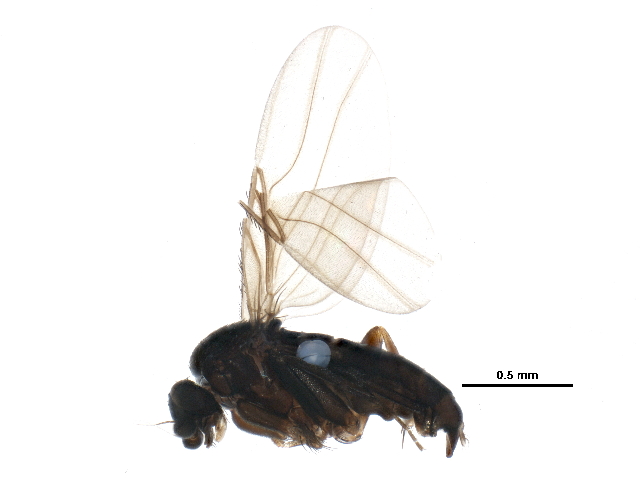
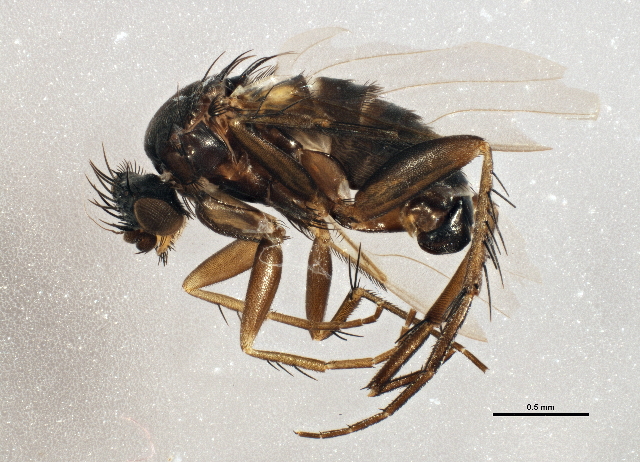
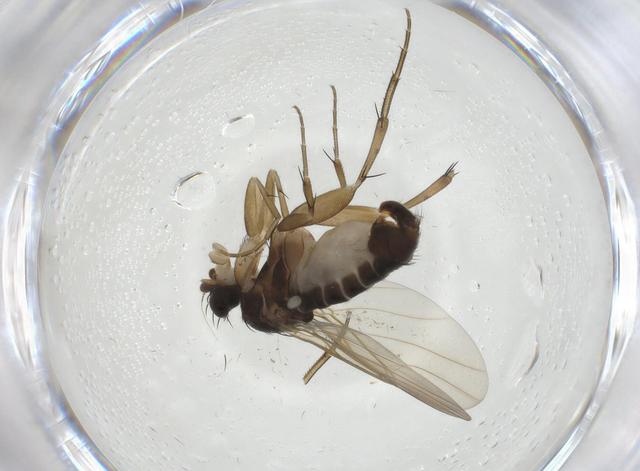
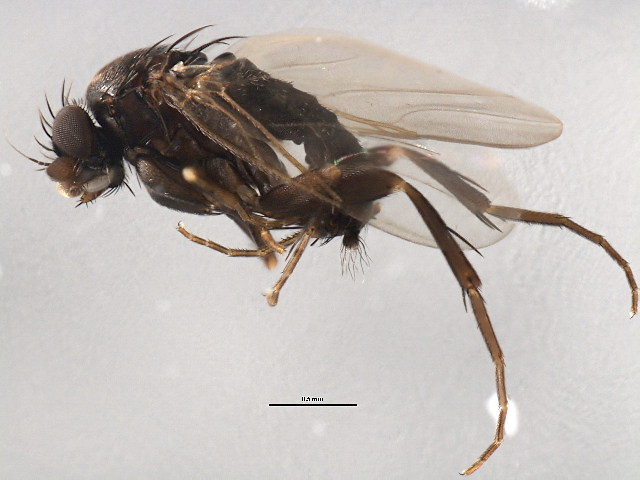
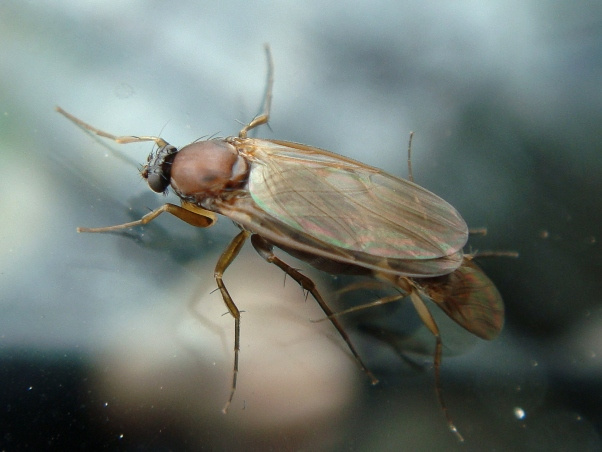
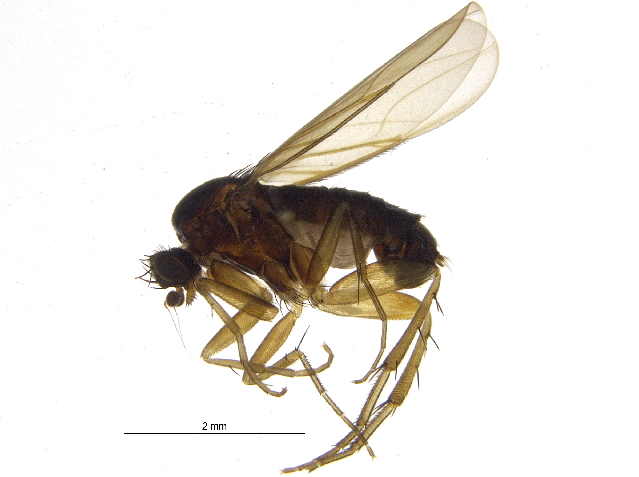
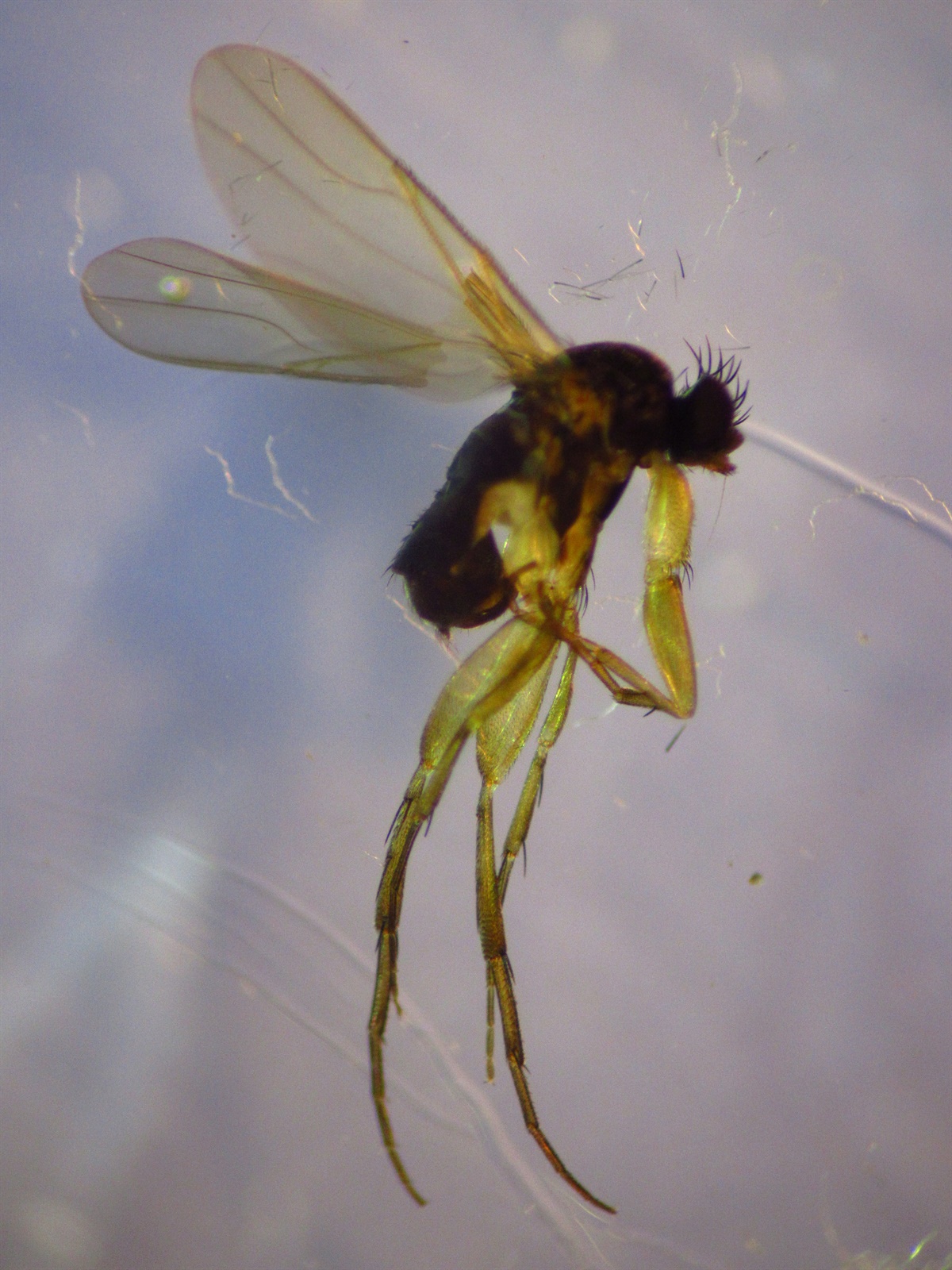
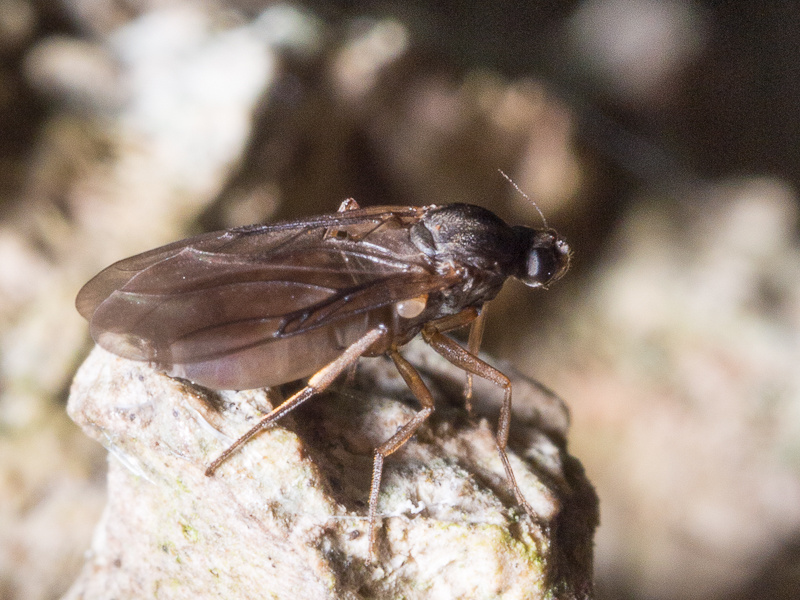
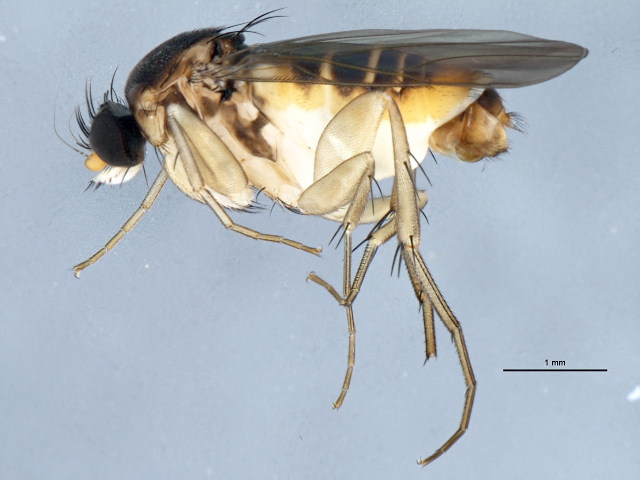
Based on observations of specimens in the TreeOfLife-200M dataset, members of the genus Anevrina exhibit the characteristic hump-backed body form typical of the family Phoridae.[2] The thorax is generally robust and arched, contributing to the distinct profile. The wings are typically clear or lightly tinted, with a venation pattern that includes a thickened costa extending along the anterior margin, a diagnostic feature for many phorids. The legs are often slender, with some species showing distinct setation or spines on the tibiae.[2]
Ecology and Behavior
Some species within the genus, such as Anevrina unispinosa, have been studied in the context of their attraction to decaying organic matter. In the Tokyo region, A. unispinosa has been observed to have a seasonal occurrence, appearing primarily in mid to late spring (April to May).[3] While historical records suggest an attraction to carrion, the specific seasonal patterns observed in Japan warrant further investigation to confirm whether these are related to environmental factors or potential migratory behaviors.[3]
Gallery
References
- ↑ Anevrina Lioy, 1864. GBIF. https://www.gbif.org/species/1545908. Accessed 2026-07-16.
- 1 2 3 Dataset view for Animalia / Arthropoda / Insecta / Diptera / Phoridae / Anevrina constructed from imageomics/TreeOfLife-200M records under this taxonomic path. Hugging Face Datasets. https://huggingface.co/datasets/imageomics/TreeOfLife-200M.
- 1 2 Hideyuki Mitsui; Hiroto Nakayama. Seasonal occurrence of phorid flies (Diptera) attracted to rotten flesh in and near Tokyo. Medical Entomology and Zoology. 2012. https://doi.org/10.7601/mez.63.205.