Ancyrocephalidae
Taxonomy
Ancyrocephalidae is a family of monogenean flatworms (class Monogenea) classified within the order Dactylogyridea and phylum Platyhelminthes. The family is a diverse group, with 1,612 recorded descendants and 5,649 occurrences documented across a broad geographic range, spanning latitudes from -42 to 59 and longitudes from -122 to 211. While sometimes considered a temporary name in certain databases, the family encompasses a large number of genera and species, including synonyms such as Bychowskymonogeninae, Engraulitrematidae, and Heterotesiidae.[1][2][3][4]
These flatworms are primarily gill parasites of teleost fish. Their host range is extensive, including cichlids, darters (Percidae), siluriforms (Pimelodidae), serrasalmids (Characiformes), centrarchid fishes, and African tetras (Alestidae). Representative genera include *Cichlidogyrus*, *Quadriacanthus*, *Heterothecium*, *Heteropriapulus*, *Parancyrocephaloides*, *Haliotrema*, and *Xenoligophoroides*.[1][5][6][4][7]
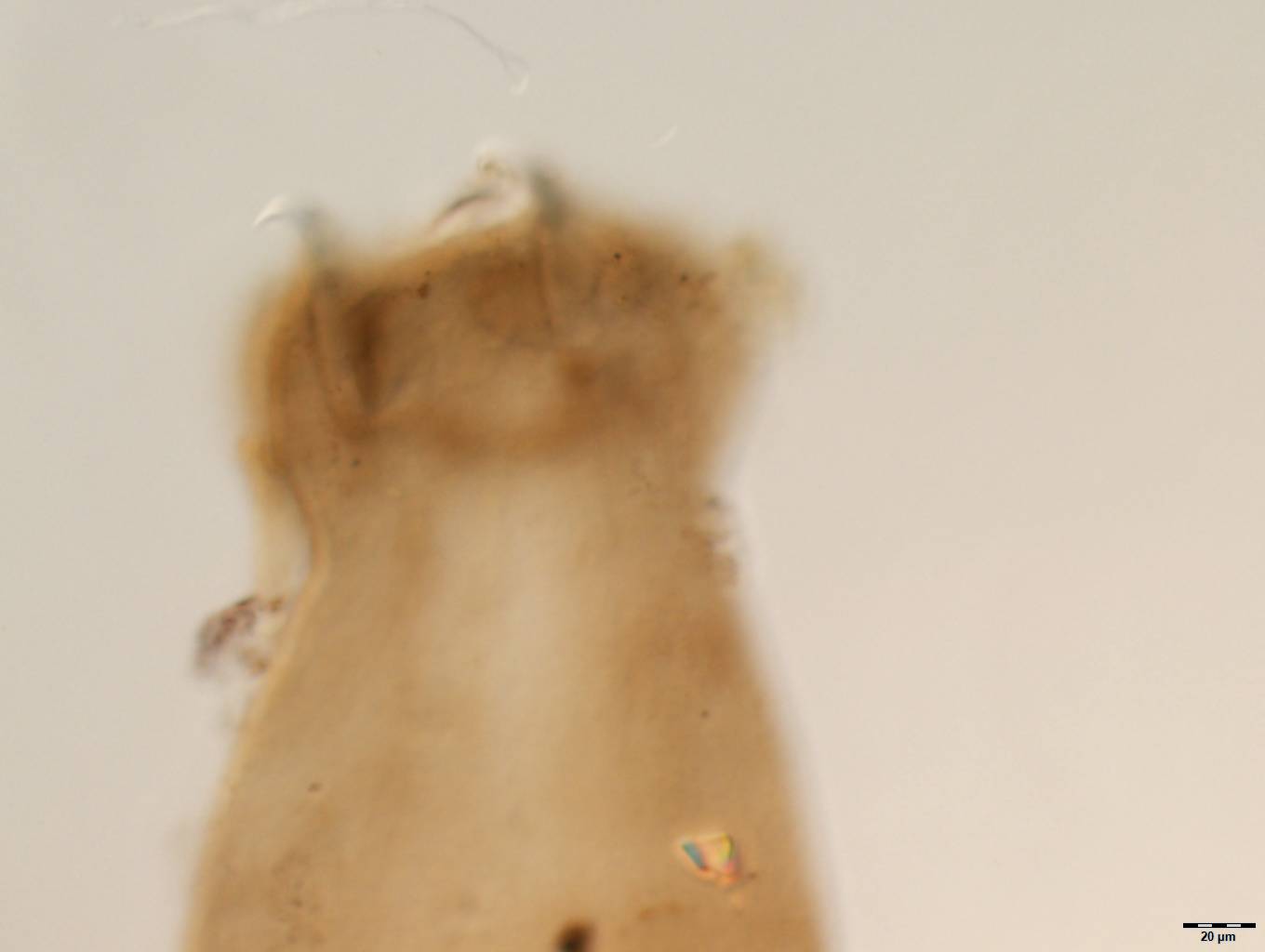
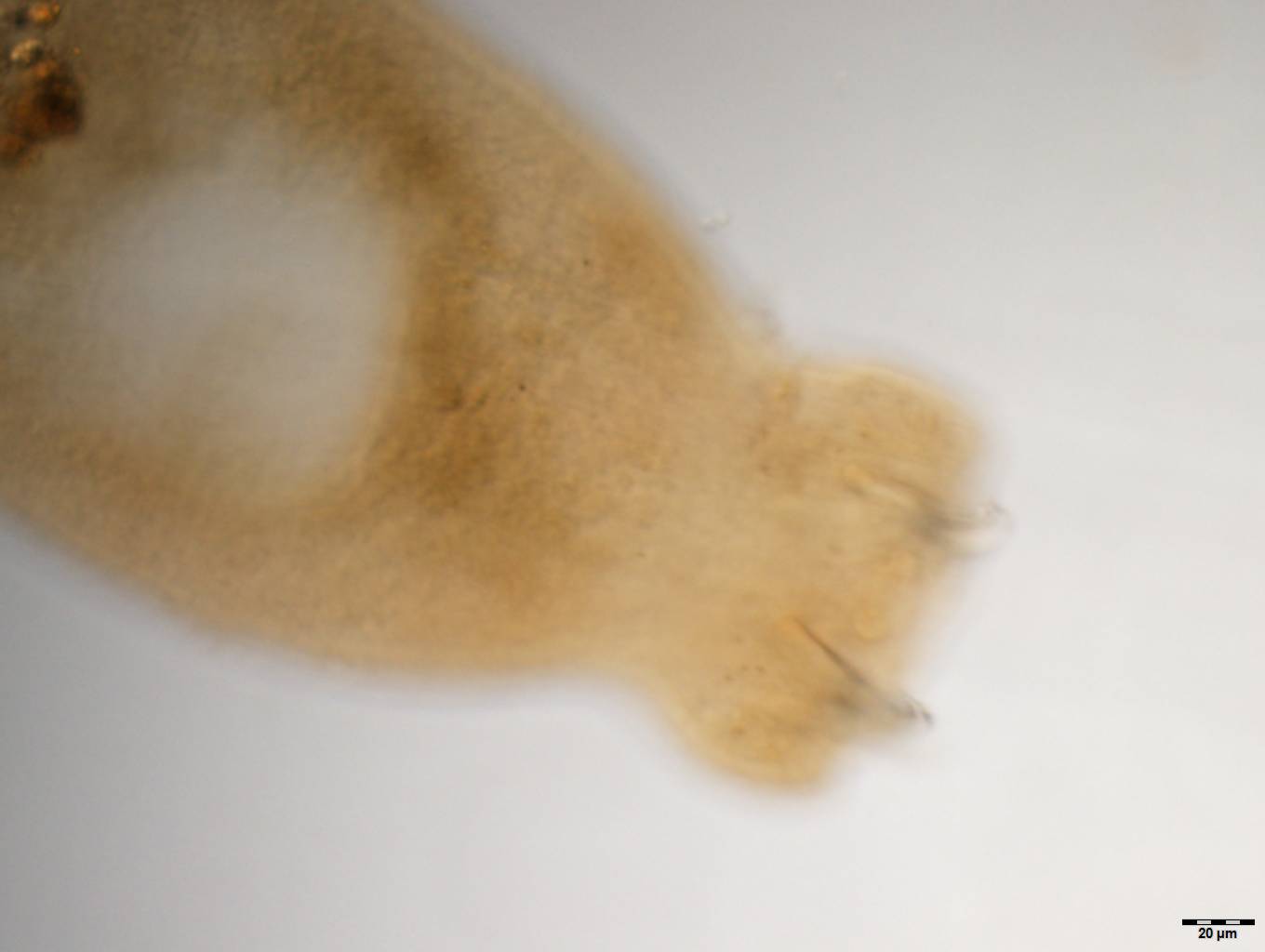
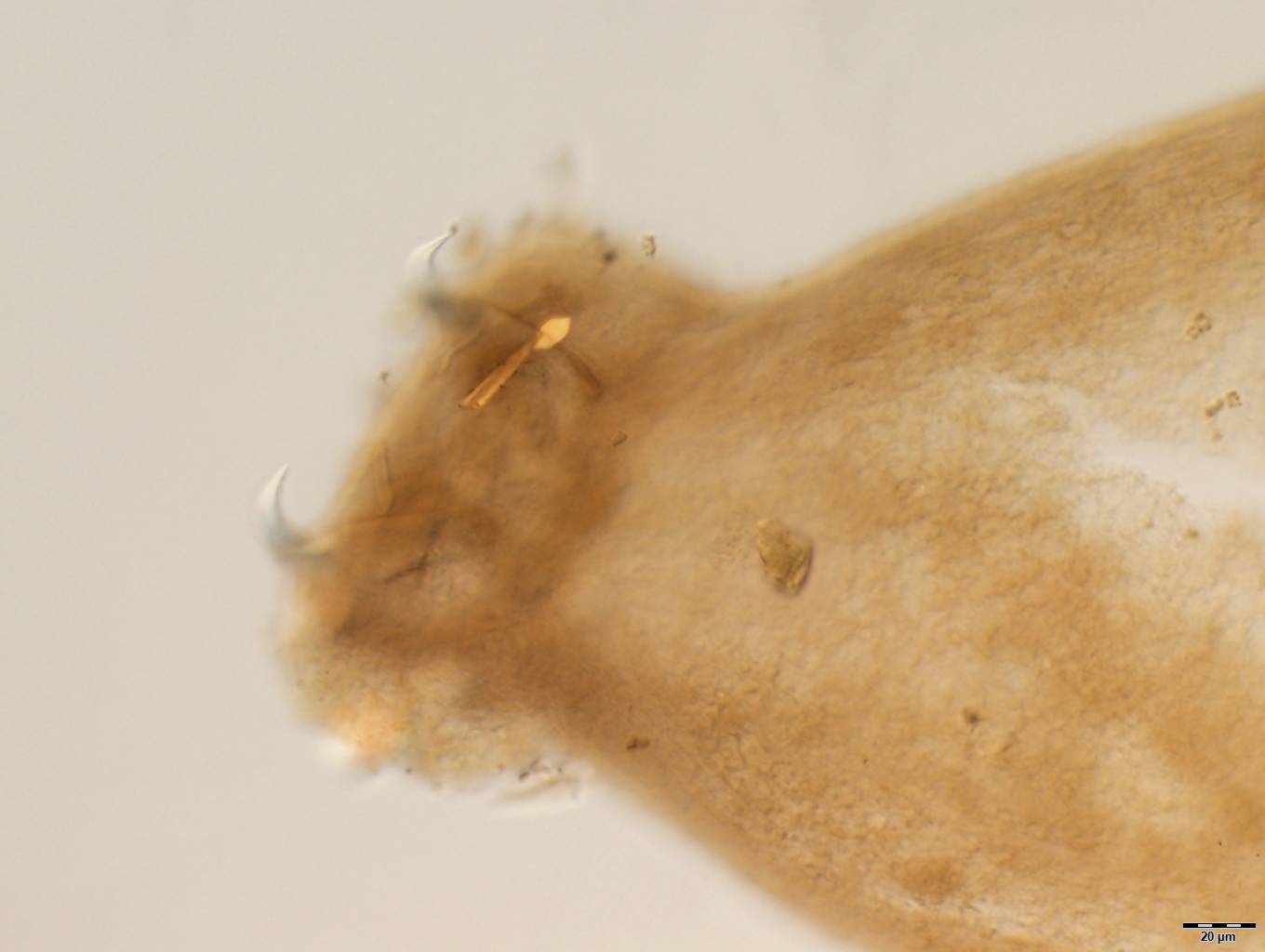
Morphological studies of Ancyrocephalidae frequently focus on the haptoral sclerites, specifically the uncinuli and gripi. The relative size and structure of these attachment organs are considered significant in relation to the microhabitat selection of the parasites on the gills of their hosts.[6]
Visual Description
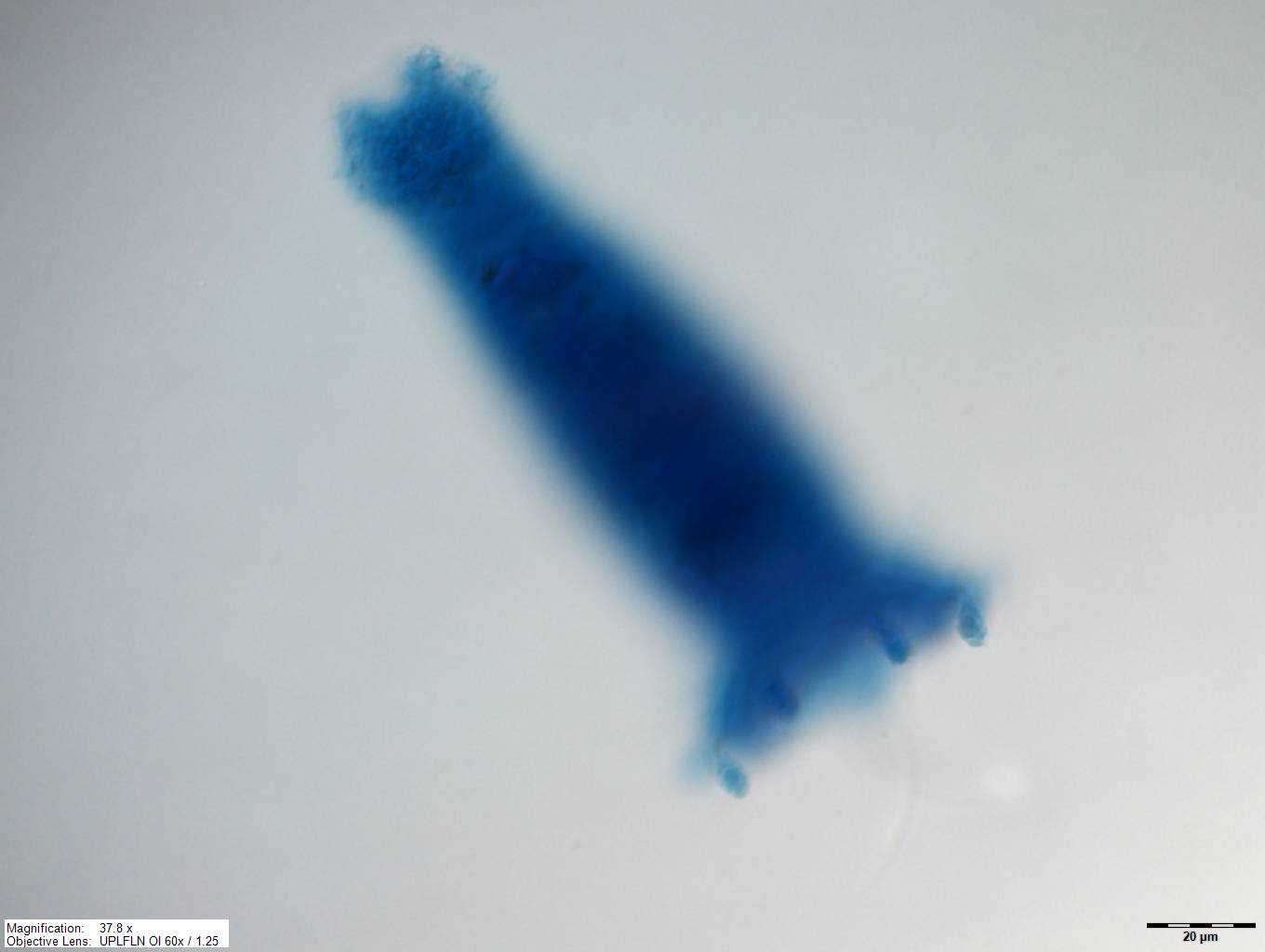
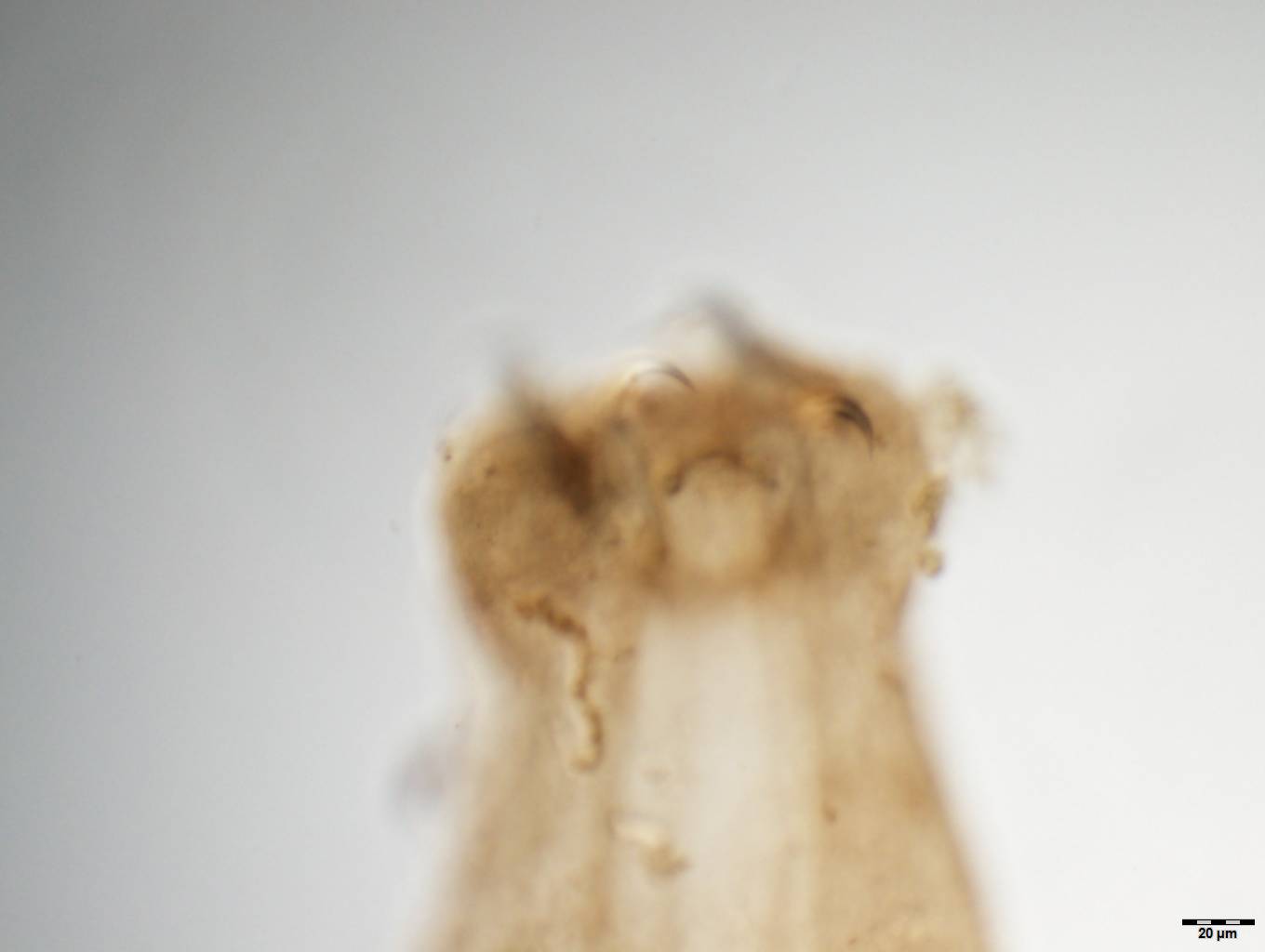
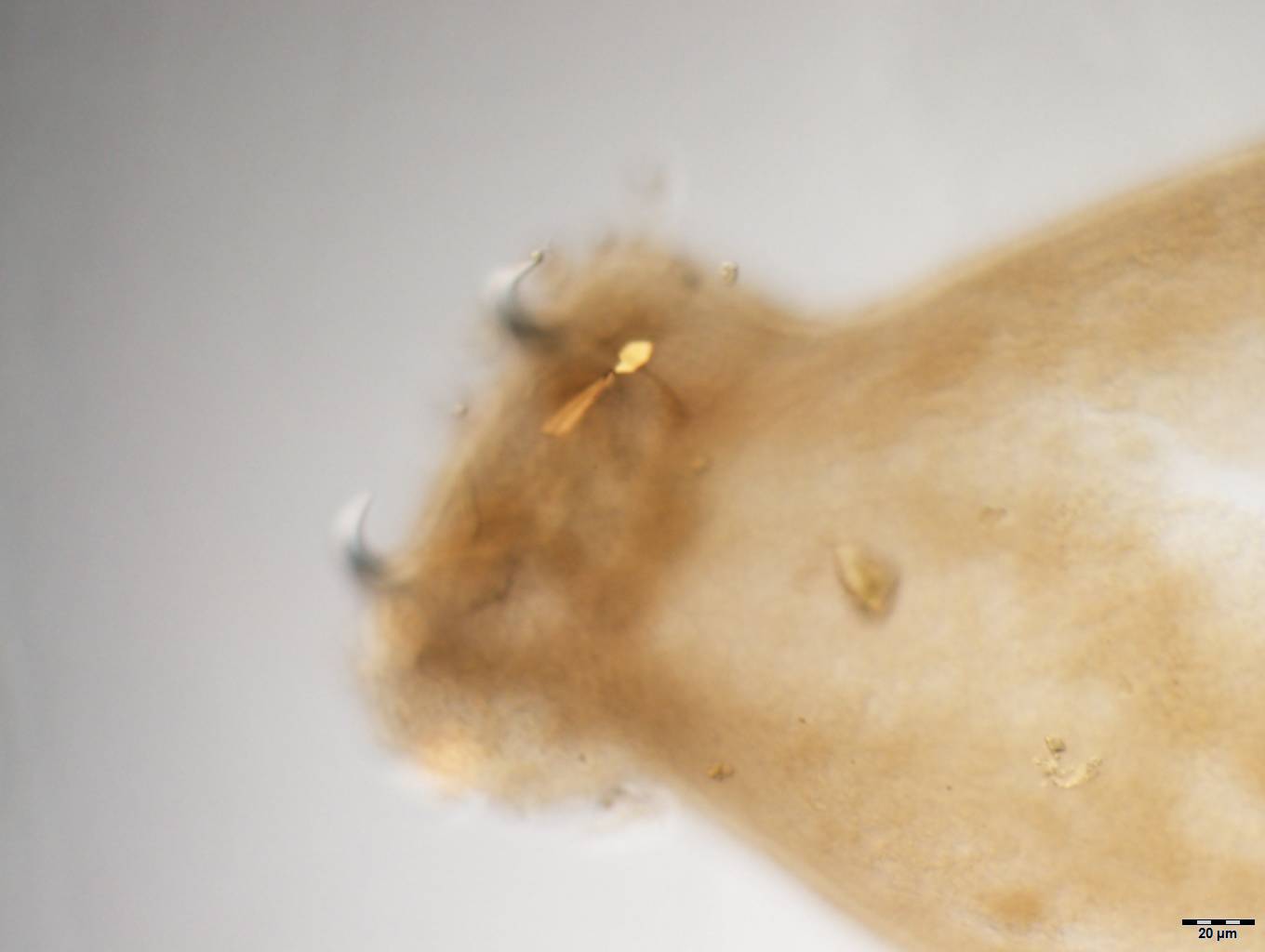
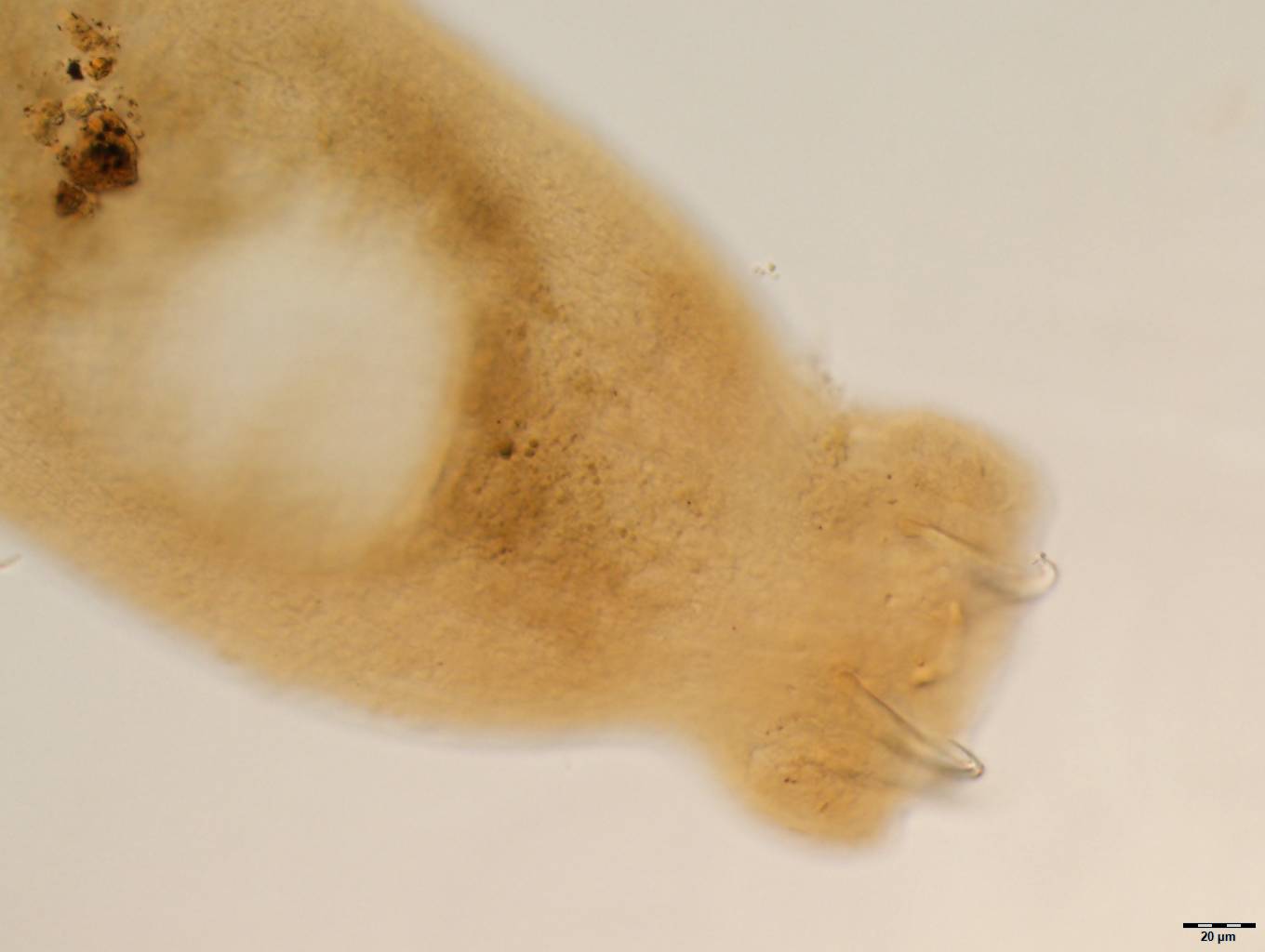
Members of the family exhibit a characteristic elongated body plan, featuring an anterior cephalic region with distinct cephalic lobes. The posterior end is equipped with a specialized attachment organ known as a haptor, which contains complex, sclerotized hooks (anchors) and associated bars used for anchoring to the host's gill tissue.
Gallery
References
- 1 2 Ancyrocephalidae Bychowsky 1937 - Plazi TreatmentBank. Plazi TreatmentBank. http://tb.plazi.org/GgServer/xhtml/A70CDA7B4D189F5BFCB8AA421BB3FE70. Accessed 2026-09-05.
- ↑ Ancyrocephalidae. NCBI Nucleotide. https://www.ncbi.nlm.nih.gov/nuccore/?term=txid67522[organism:exp]. Accessed 2026-09-05.
- ↑ Ancyrocephalidae. GBIF. https://www.gbif.org/species/4343296. Accessed 2026-09-05.
- 1 2 Ancyrocephalidae. Wikipedia. https://en.wikipedia.org/wiki/Ancyrocephalidae. Accessed 2026-09-05.
- ↑ Ancyrocephalidae. Global Biotic Interactions. https://www.globalbioticinteractions.org/?targetTaxon=Ancyrocephalidae. Accessed 2026-09-05.
- 1 2 Antoine Pariselle; Louis Euzet. Four new species of Cichlidogyrus (Monogenea: Ancyrocephalidae), gill parasites of Tilapia cabrae (Teleostei: Cichlidae), with discussion on relative length of haptoral sclerites. Folia Parasitologica. 2003. https://doi.org/10.14411/fp.2003.035.
- ↑ Dataset view for Animalia / Platyhelminthes / Monogenea / Dactylogyridea / Ancyrocephalidae constructed from imageomics/TreeOfLife-200M records under this taxonomic path. Hugging Face Datasets. https://huggingface.co/datasets/imageomics/TreeOfLife-200M