Anastrepha obliqua
Taxonomy
This page represents the following TreeOfLife-200M taxonomic path.[1]
- Kingdom: Animalia
- Phylum: Arthropoda
- Class: Insecta
- Order: Diptera
- Family: Tephritidae
- Genus: Anastrepha
- Species: Anastrepha obliqua
Visual Description
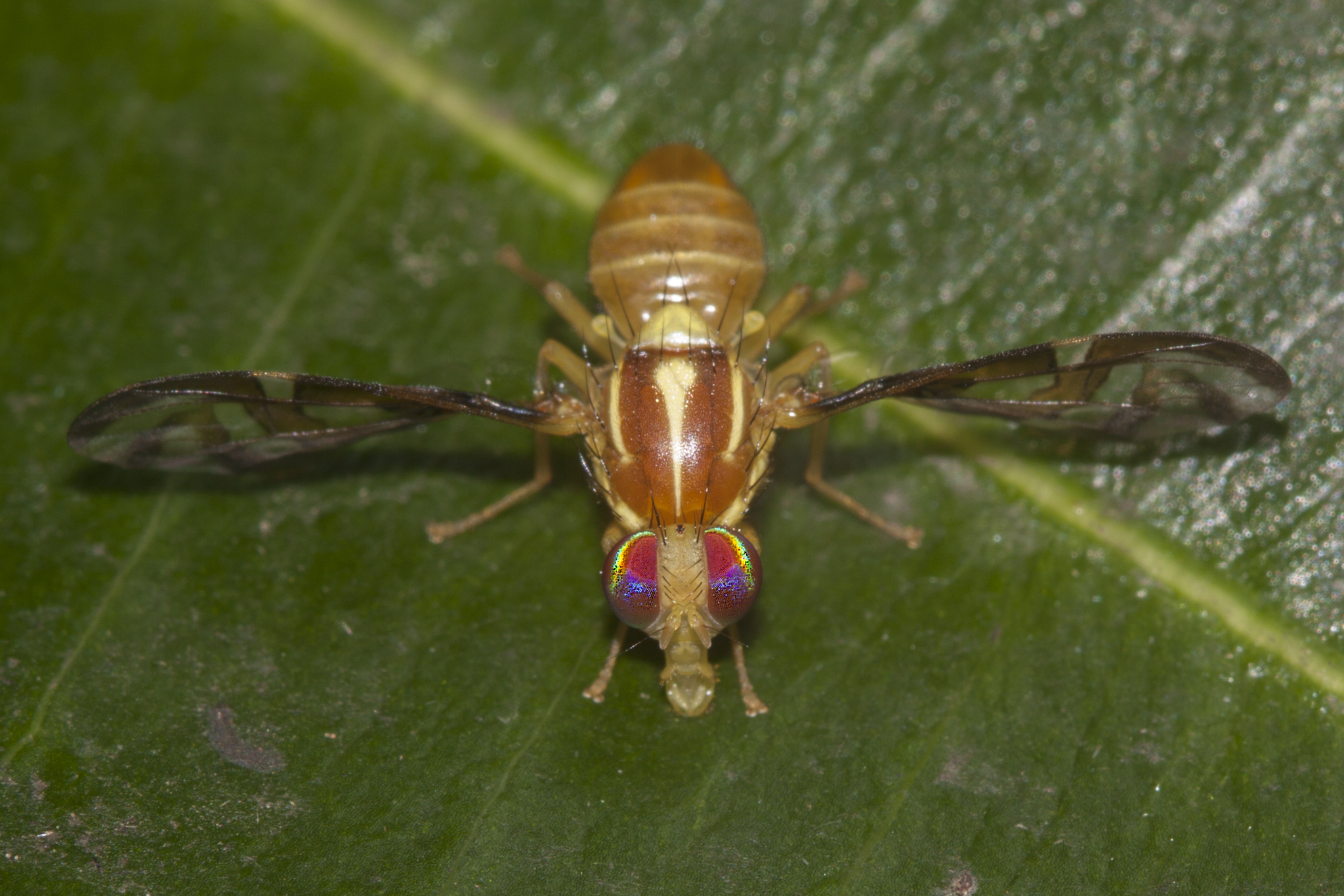
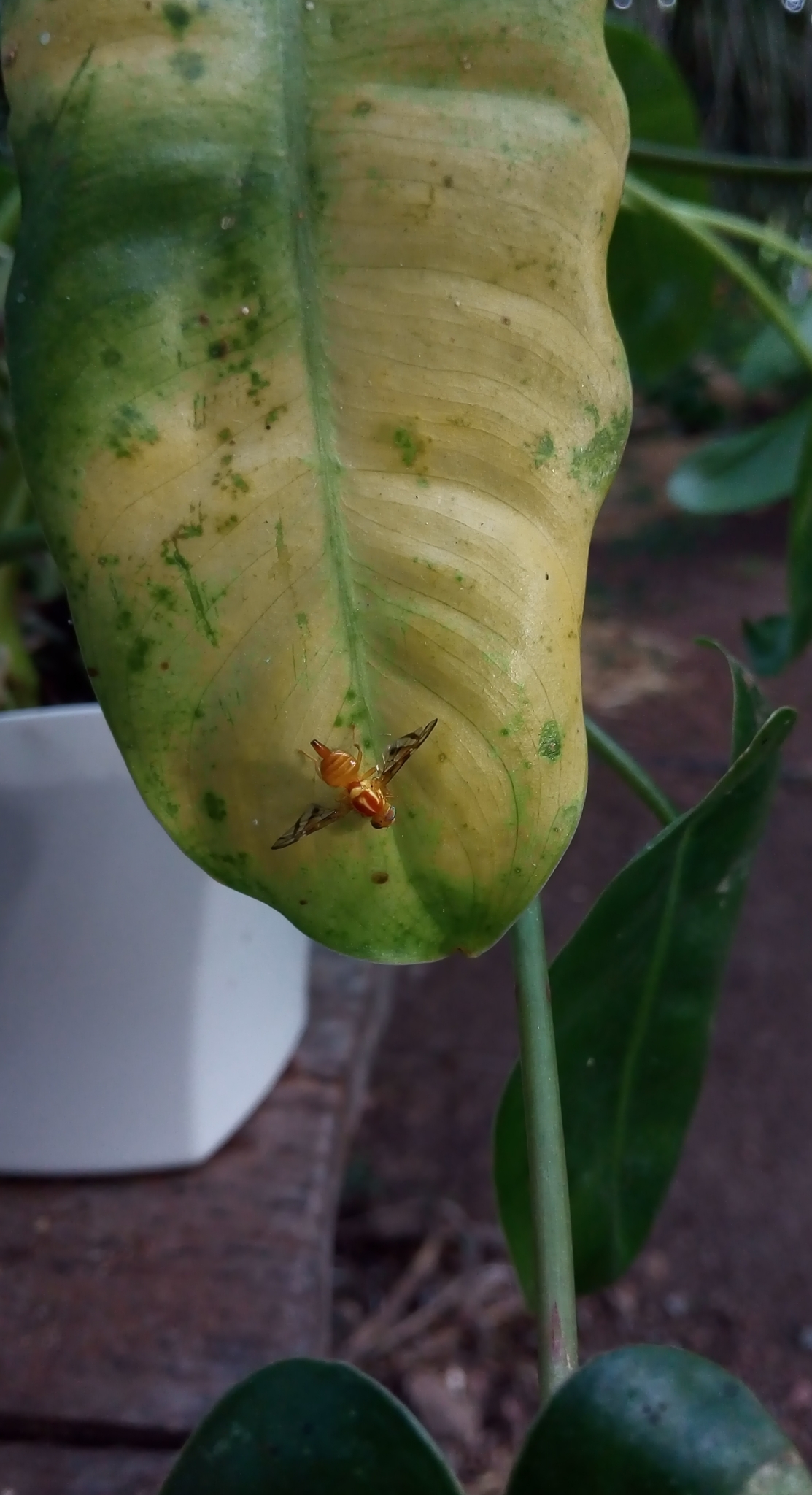
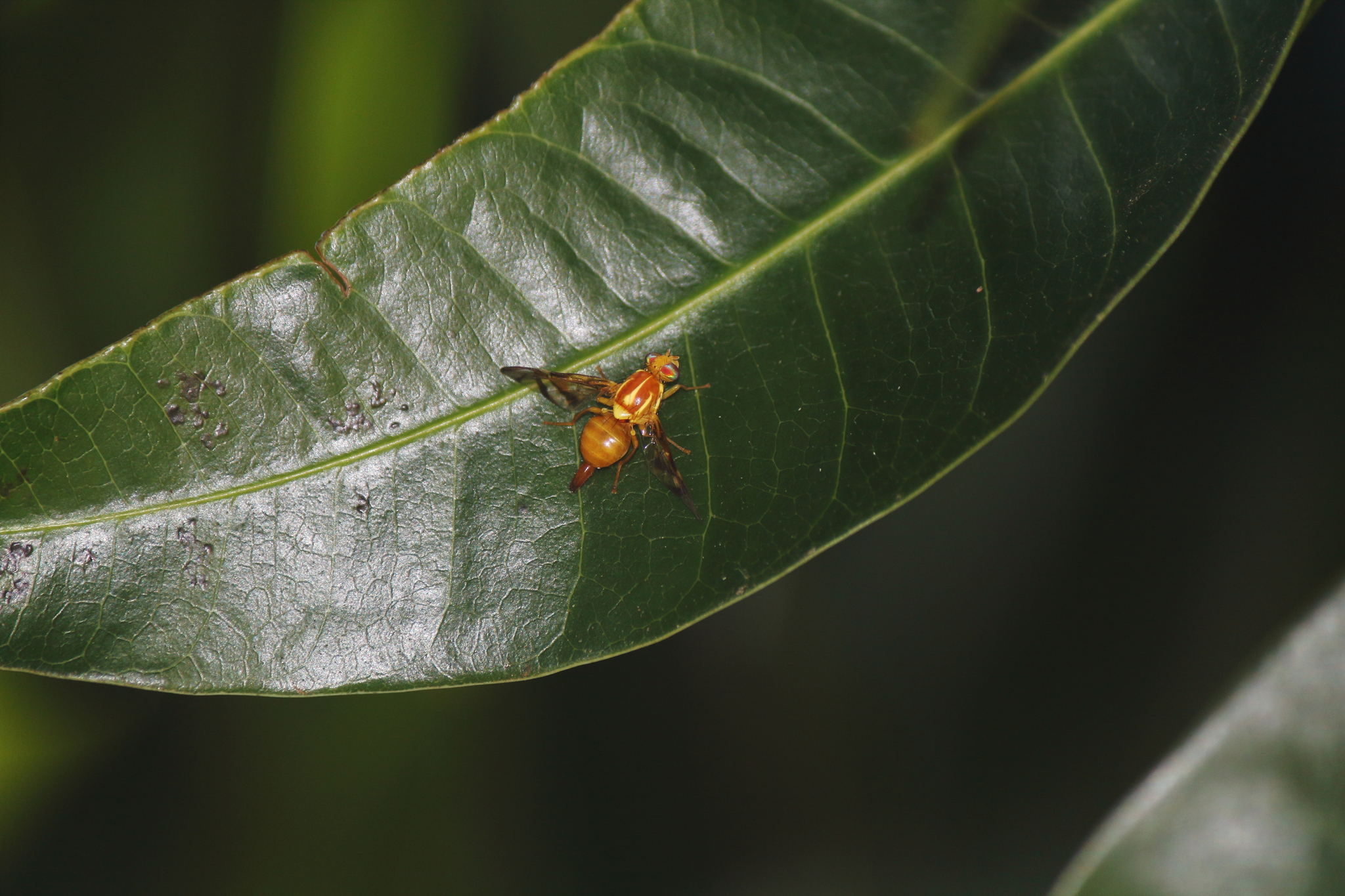
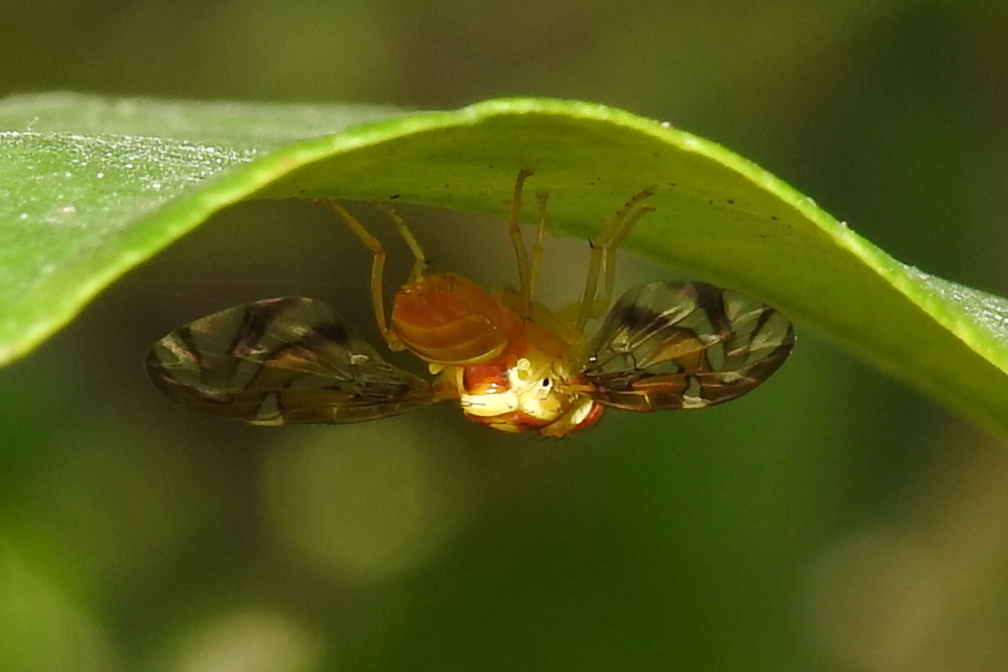
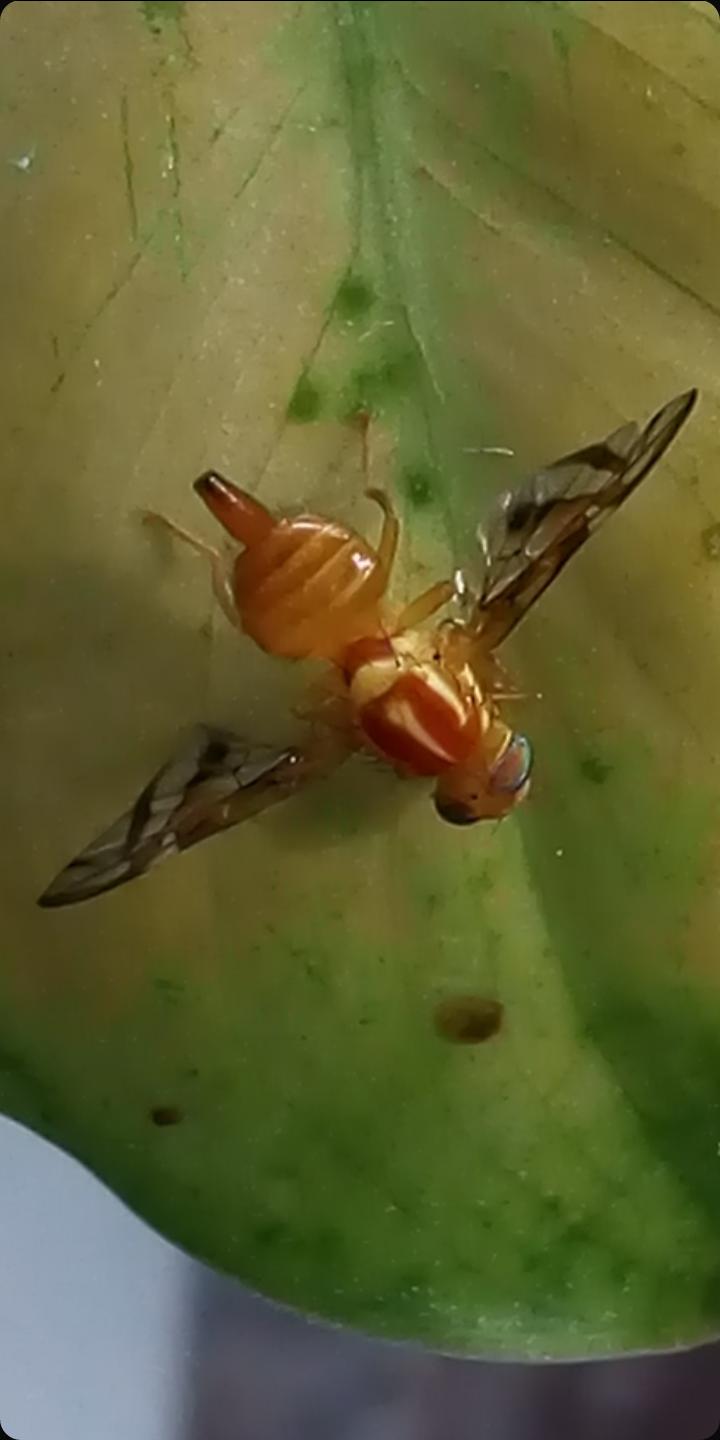
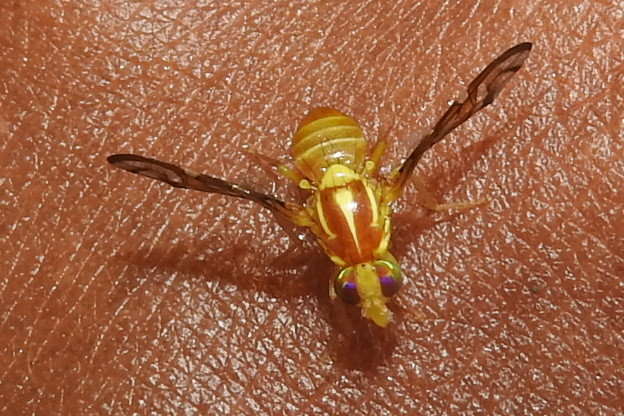
Anastrepha obliqua, commonly known as the West Indian fruit fly, is a tephritid fruit fly. Based on observations of museum specimens and field images, the adult fly exhibits the characteristic body form of the genus Anastrepha, with a distinct, patterned wing venation typical of the family Tephritidae. The body coloration is generally yellowish-brown, and the wings feature complex, dark brown or amber-colored markings, often forming a characteristic "V" or "Y" shaped pattern, which is a diagnostic feature for many species within this genus.[1]
Biology and Agricultural Importance
The West Indian fruit fly, Anastrepha obliqua, is a significant agricultural pest in the Neotropics.[2] Research into its chemosensory proteins, particularly Odorant Binding Proteins (OBPs), is crucial for developing sustainable pest control strategies, such as the Sterile Insect Technique (SIT), by identifying genes involved in reproduction and species recognition.[2]
Studies on gene expression in A. obliqua have identified reliable reference genes for qPCR normalization across developmental stages, including rpl18, rps17, and ef1a.[2] Expression profiling of specific OBP genes (Obp19d_2, Obp56a, and Obp99c) has shown differential expression patterns between sexes and mating states, highlighting their potential as targets for genetic control programs.[2]
Gallery




References
- 1 2 Dataset view for Animalia / Arthropoda / Insecta / Diptera / Tephritidae / Anastrepha / obliqua constructed from imageomics/TreeOfLife-200M records under this taxonomic path. Hugging Face Datasets. https://huggingface.co/datasets/imageomics/TreeOfLife-200M.
- 1 2 3 4 Aline Minali Nakamura; Samira Chahad‐Ehlers; André Luís A. Lima; Cristiane H. Taniguti; Iderval Sobrinho; Felipe Rafael Torres; Reinaldo Alves de Brito. Reference genes for accessing differential expression among developmental stages and analysis of differential expression of OBP genes in Anastrepha obliqua. Scientific Reports. 2016. https://doi.org/10.1038/srep17480.