Anastrepha ludens
Taxonomy
This page represents the following TreeOfLife-200M taxonomic path.[1]
- Kingdom: Animalia
- Phylum: Arthropoda
- Class: Insecta
- Order: Diptera
- Family: Tephritidae
- Genus: Anastrepha
- Species: Anastrepha ludens
Visual Description
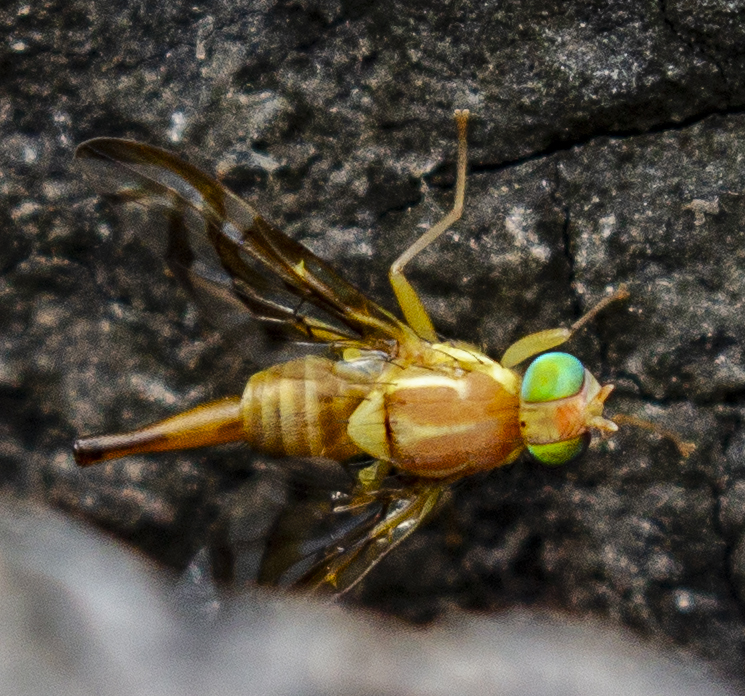
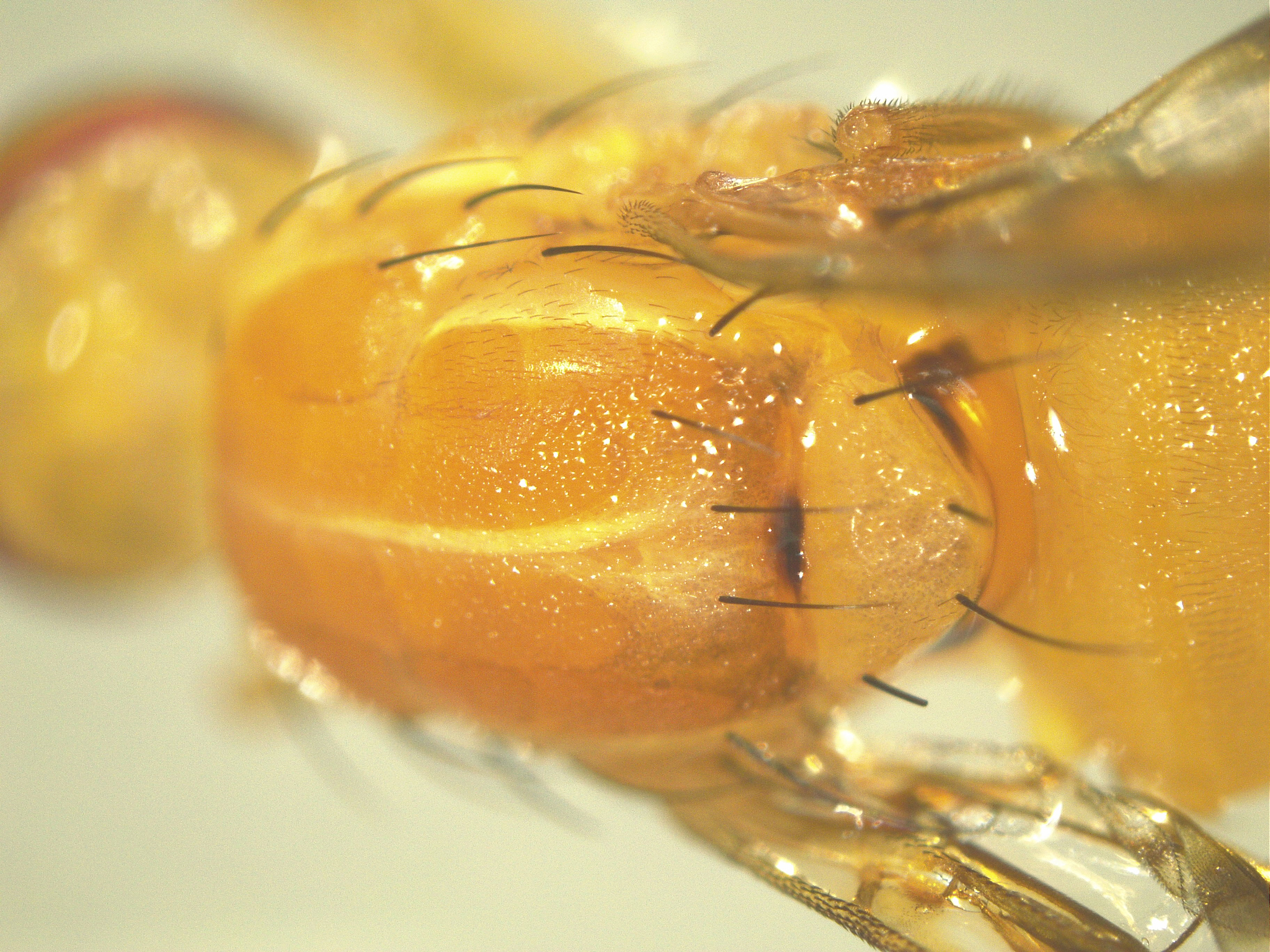
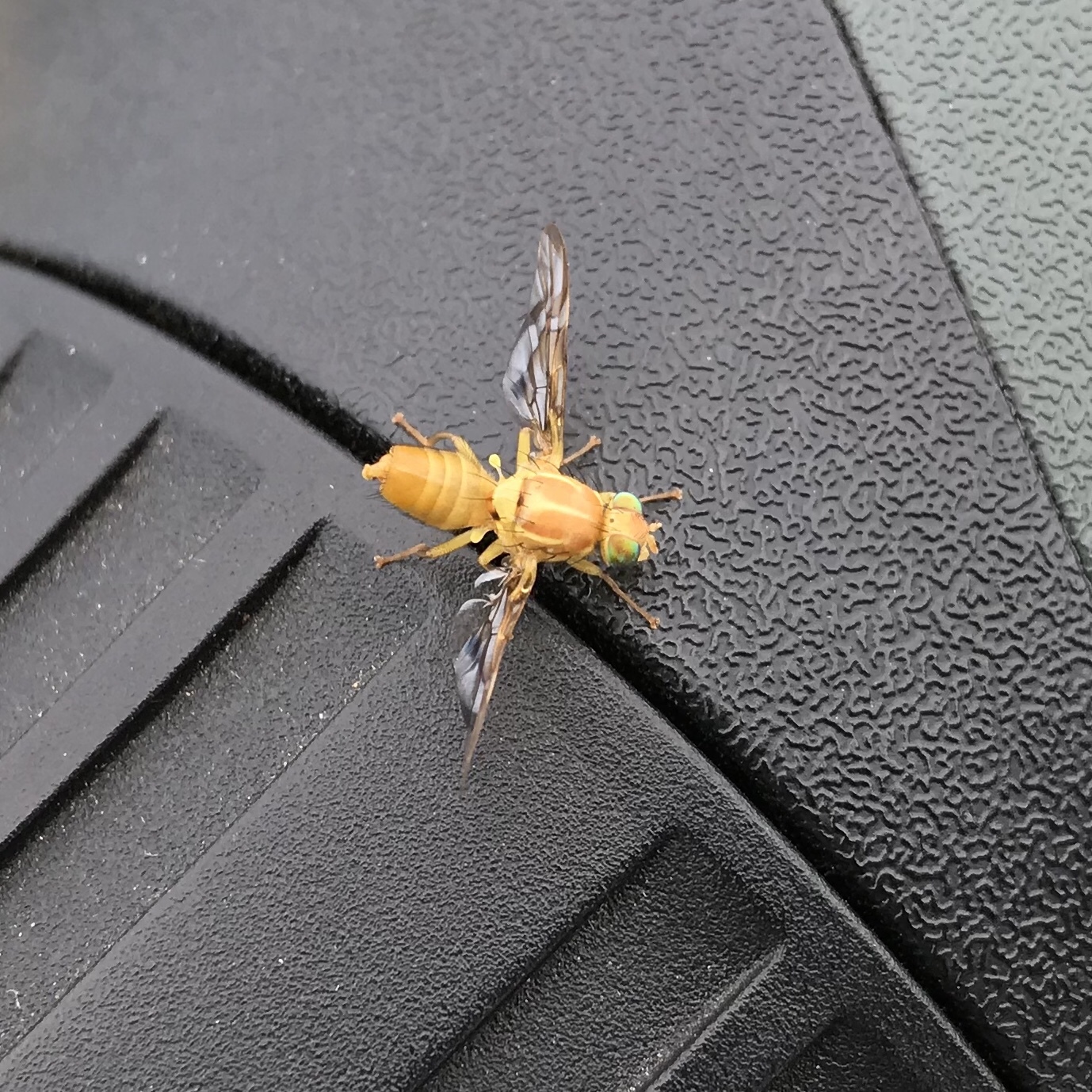
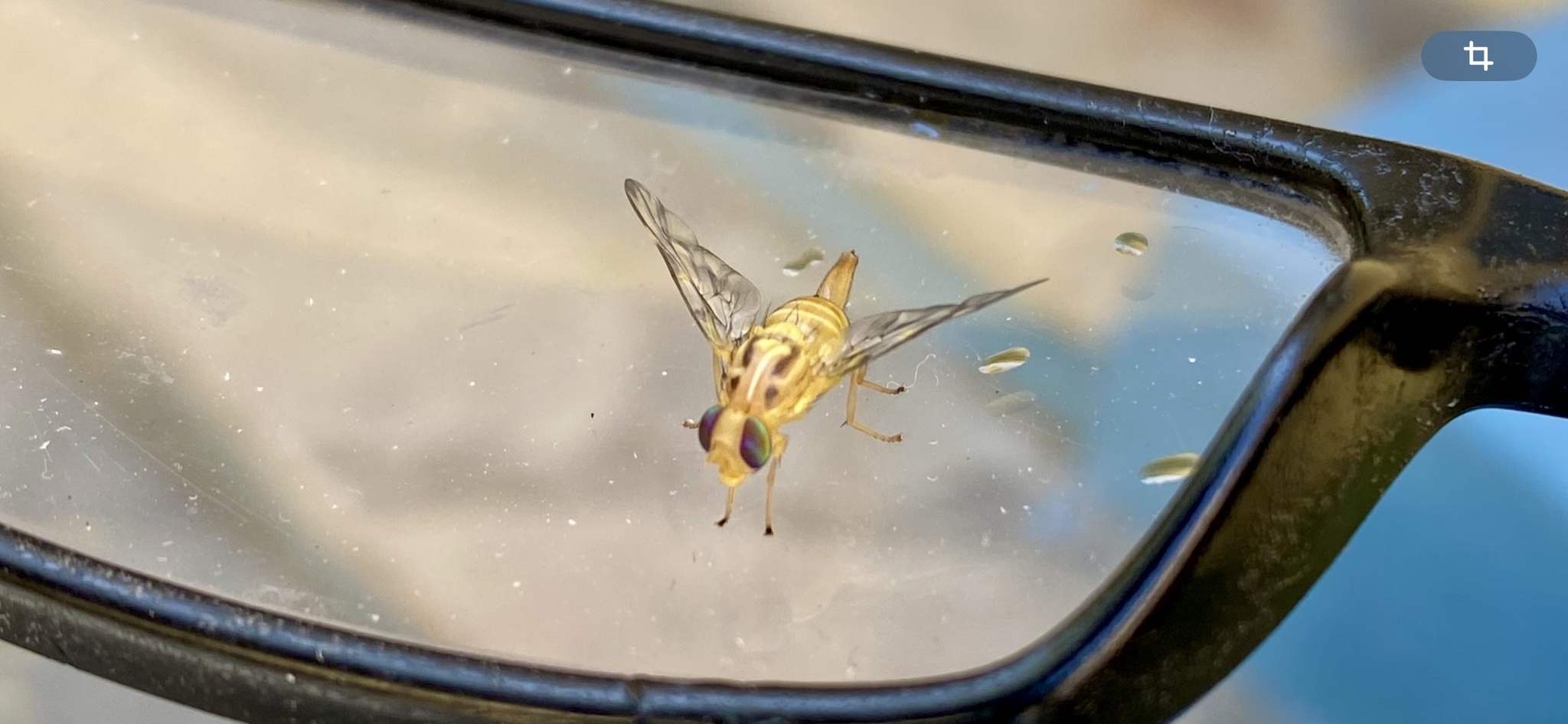
Anastrepha ludens, commonly known as the Mexican fruit fly, is a tephritid fruit fly. Observations from the TreeOfLife-200M dataset reveal a distinct, patterned appearance characteristic of the genus. The wings exhibit a complex, brownish-yellow reticulated pattern, typical of many Anastrepha species. The body is generally yellowish-brown, with darker markings on the thorax and abdomen. The compound eyes are large and prominent.[1]
Economic Importance and Management
Anastrepha ludens is recognized as a significant economic pest in Mexico, where it infests a variety of fruits, including citrus and mangoes.[2] The Mexican Federal government, through the Programa Nacional Moscas de la Fruta (SAGARPA-SENASICA), manages field populations of this species, primarily utilizing the sterile insect technique (SIT) as a control measure.[2]
To enhance the efficiency of SIT, researchers have developed genetic sexing strains (GSS). These strains utilize a pupal color dimorphism mechanism, where a reciprocal translocation between the Y chromosome and an autosome carrying the black pupae (bp) locus allows for the separation of wild-type (brown pupae) males and mutant (black pupae) females.[2]
Gallery





References
- 1 2 Dataset view for Animalia / Arthropoda / Insecta / Diptera / Tephritidae / Anastrepha / ludens constructed from imageomics/TreeOfLife-200M records under this taxonomic path. Hugging Face Datasets. https://huggingface.co/datasets/imageomics/TreeOfLife-200M.
- 1 2 3 Cristina Silvia Zepeda‐Cisneros; José S. Meza; Víctor García‐Martínez; Jorge Ibáñez‐Palacios; Antigone Zacharopoulou; Gérald Franz. Development, genetic and cytogenetic analyses of genetic sexing strains of the Mexican fruit fly, Anastrepha ludens Loew (Diptera: Tephritidae). BMC Genomic Data. 2014. https://doi.org/10.1186/1471-2156-15-s2-s1.