Anastrepha grandis
Taxonomy
This page represents the following TreeOfLife-200M taxonomic path.[1]
- Kingdom: Animalia
- Phylum: Arthropoda
- Class: Insecta
- Order: Diptera
- Family: Tephritidae
- Genus: Anastrepha
- Species: Anastrepha grandis
Visual Description
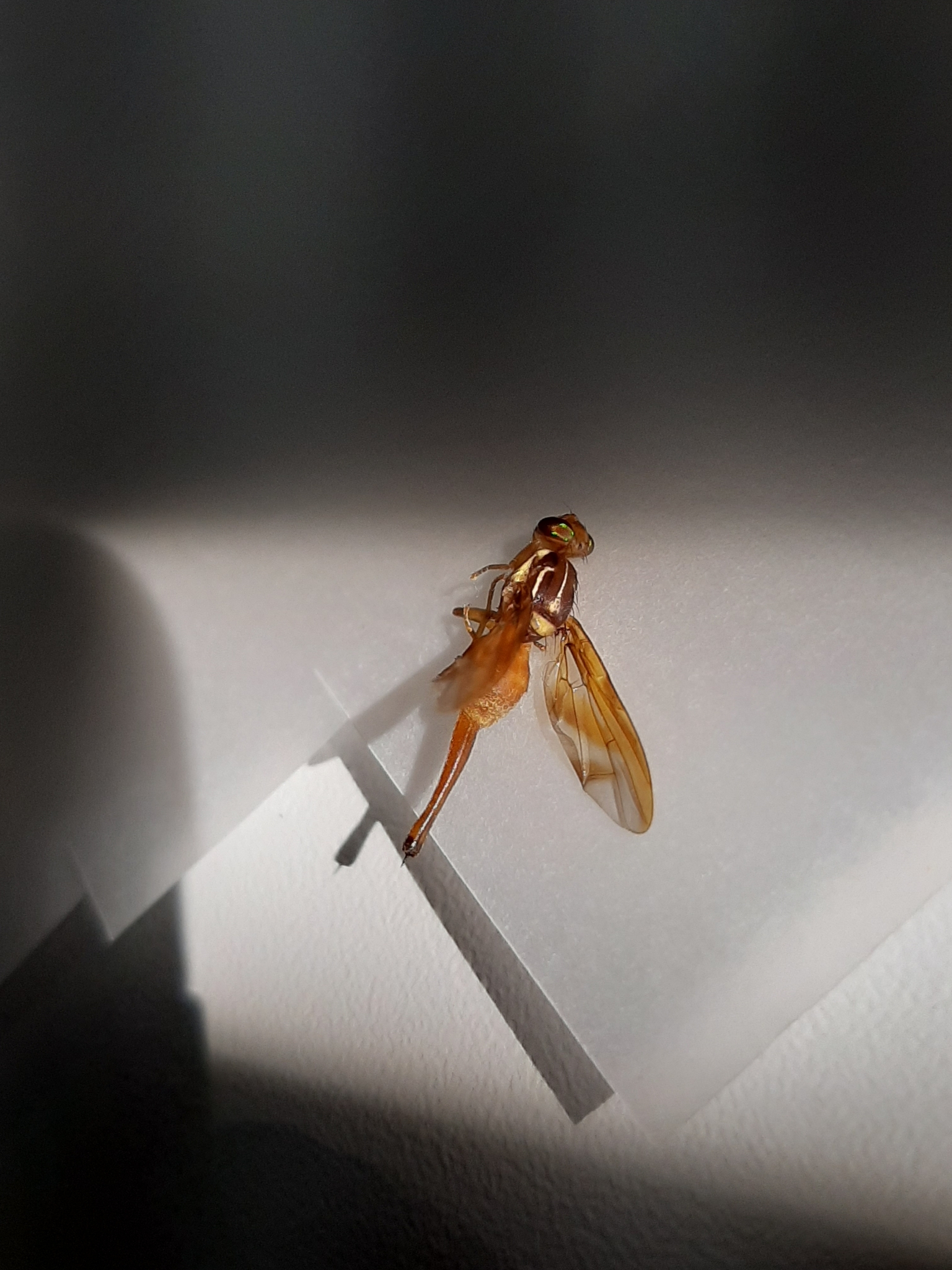
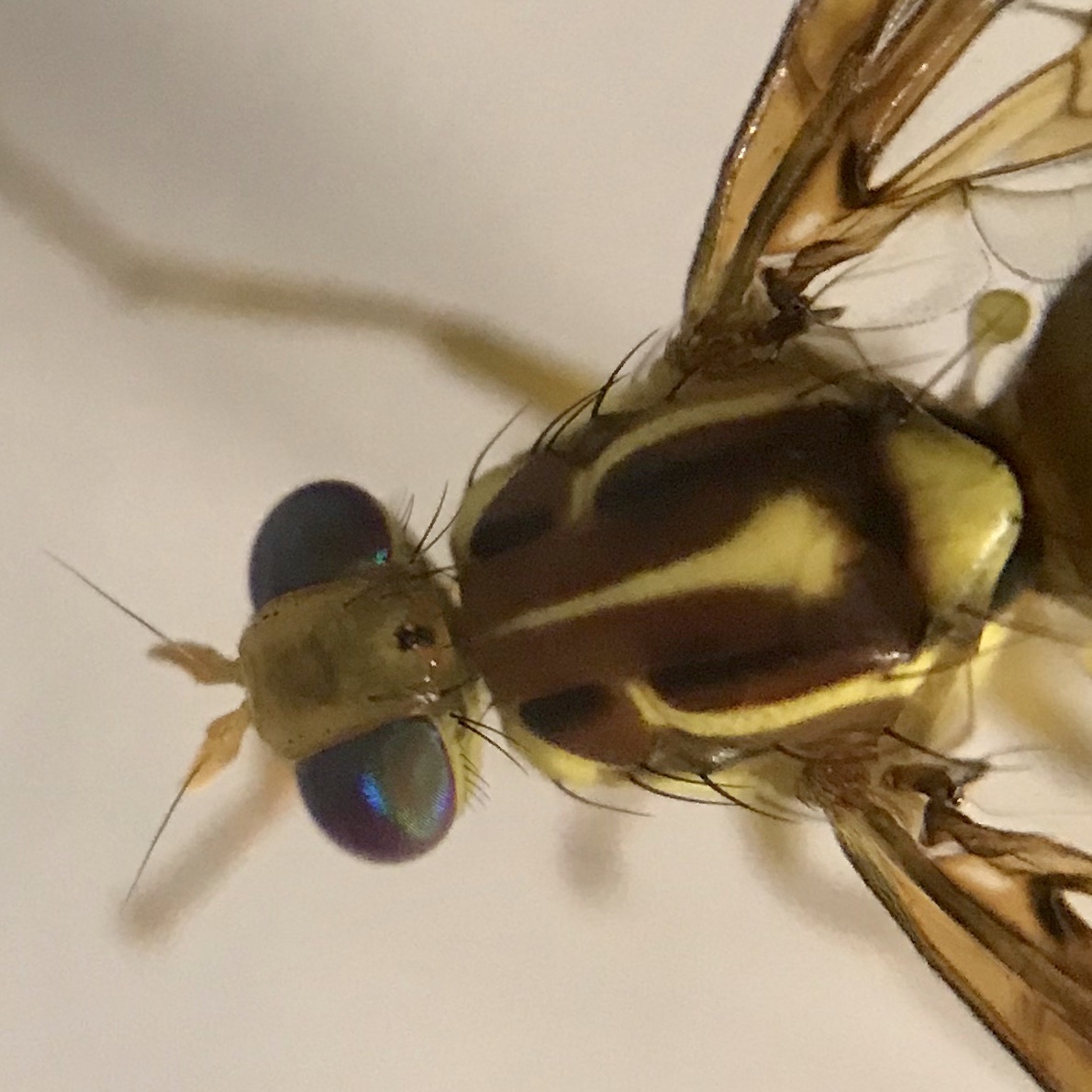
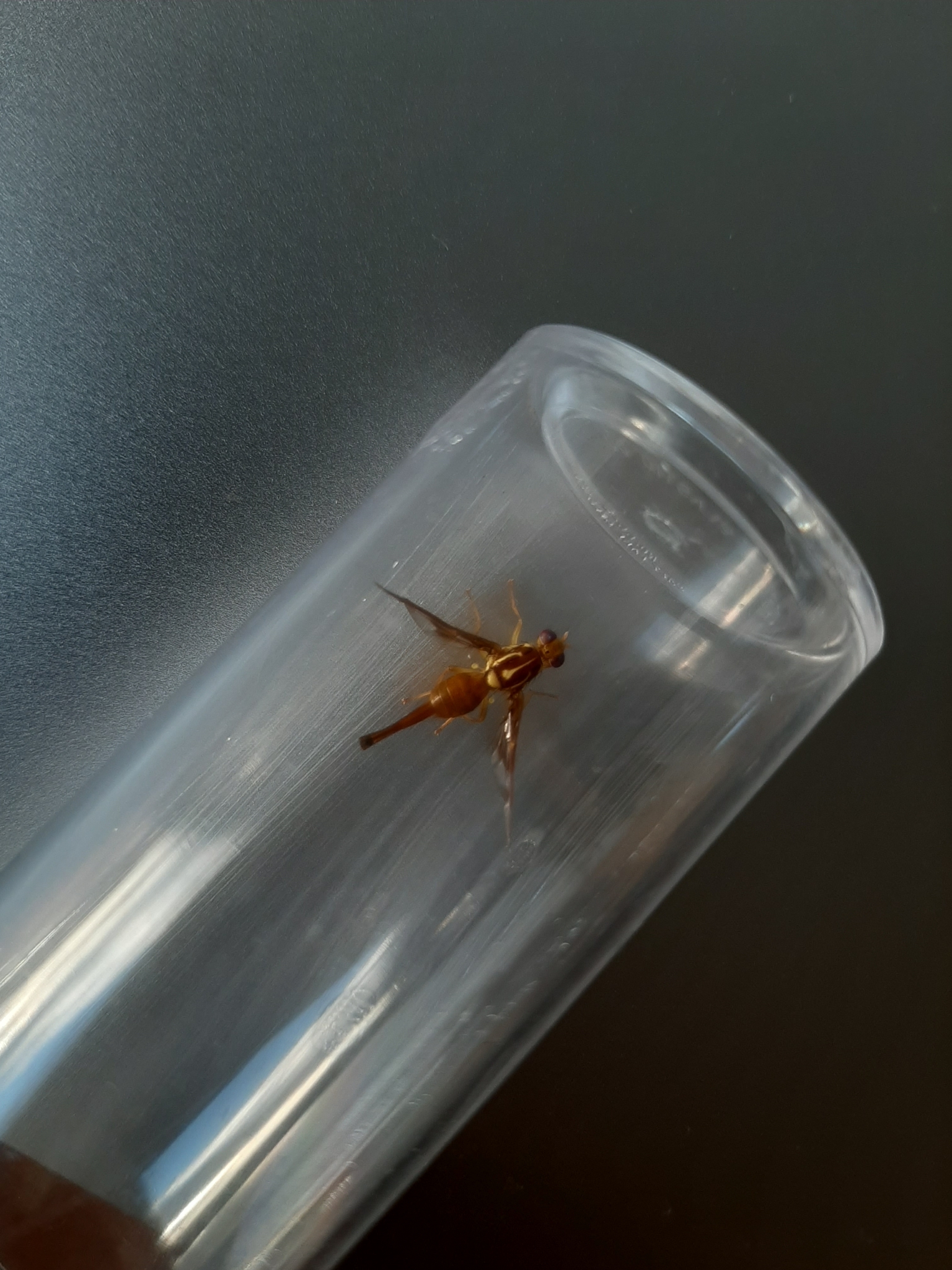
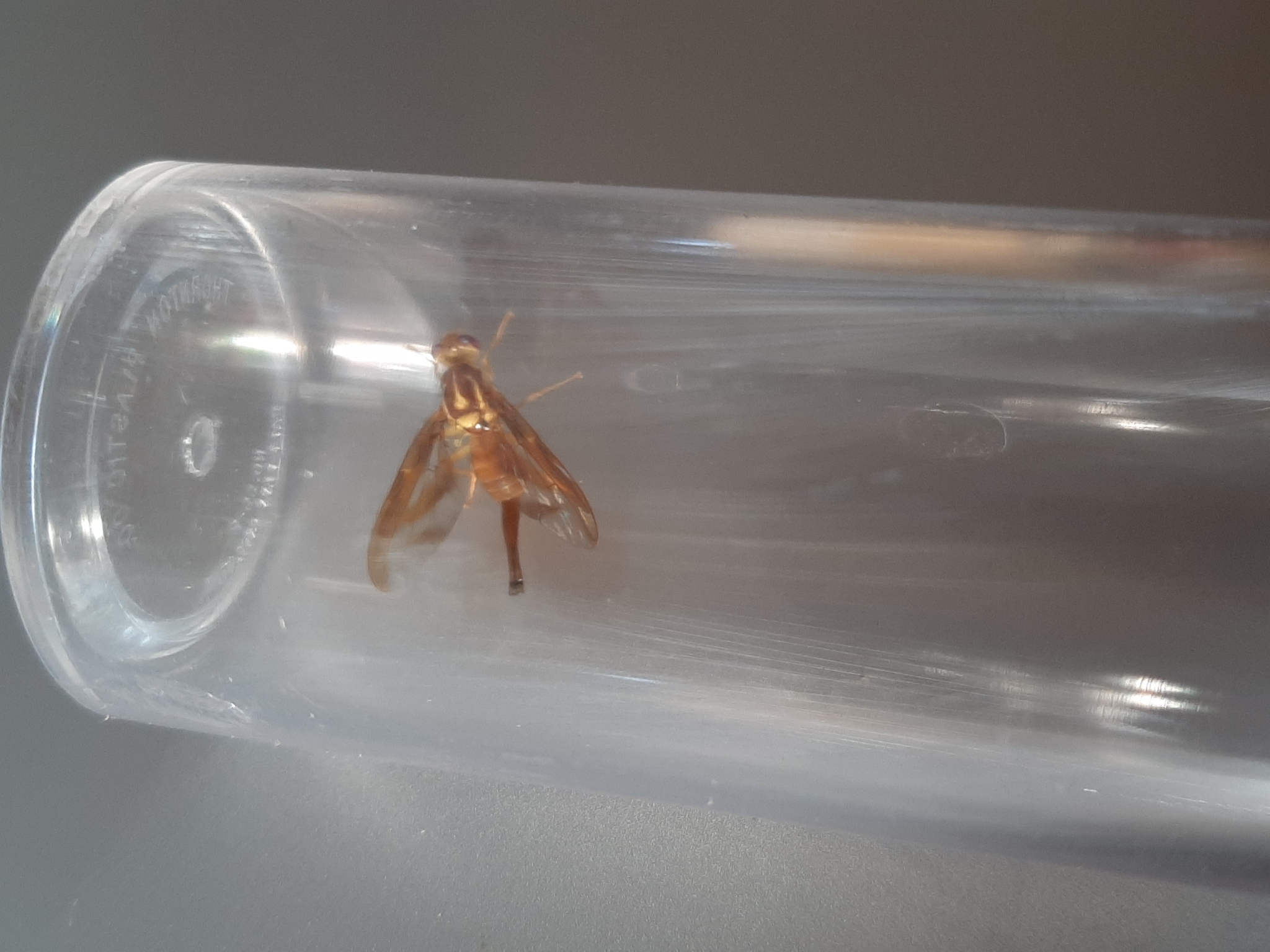
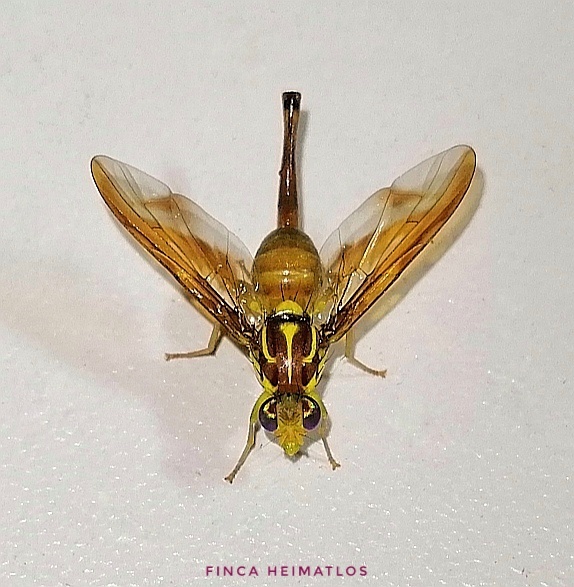
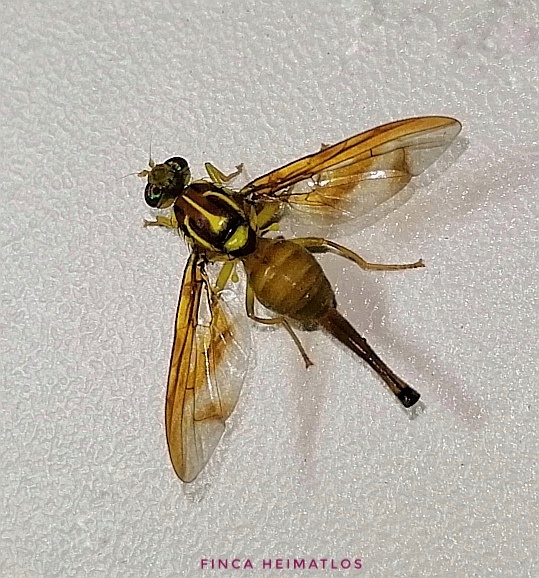
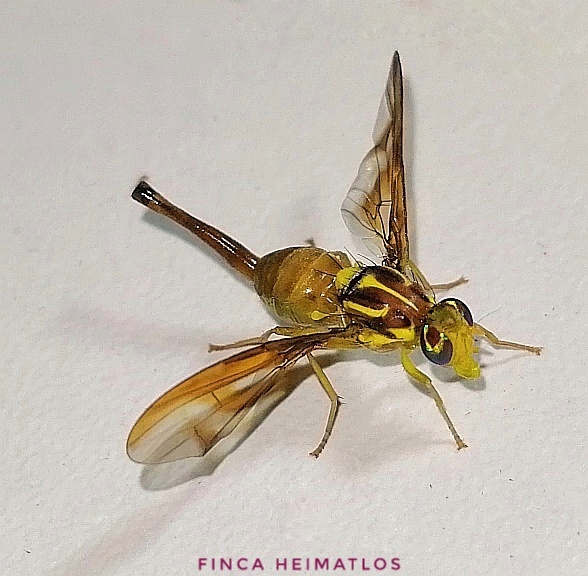
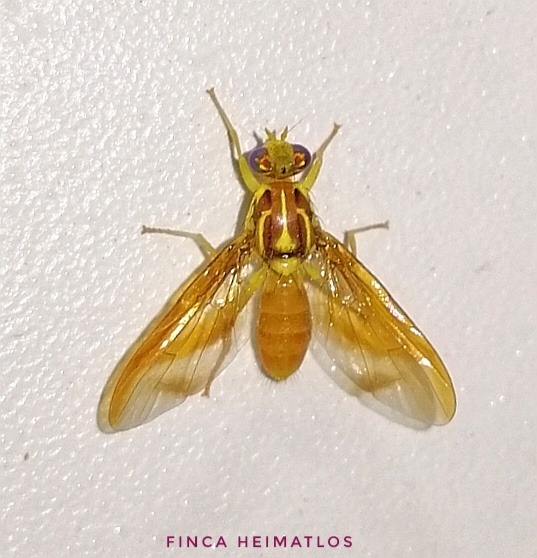
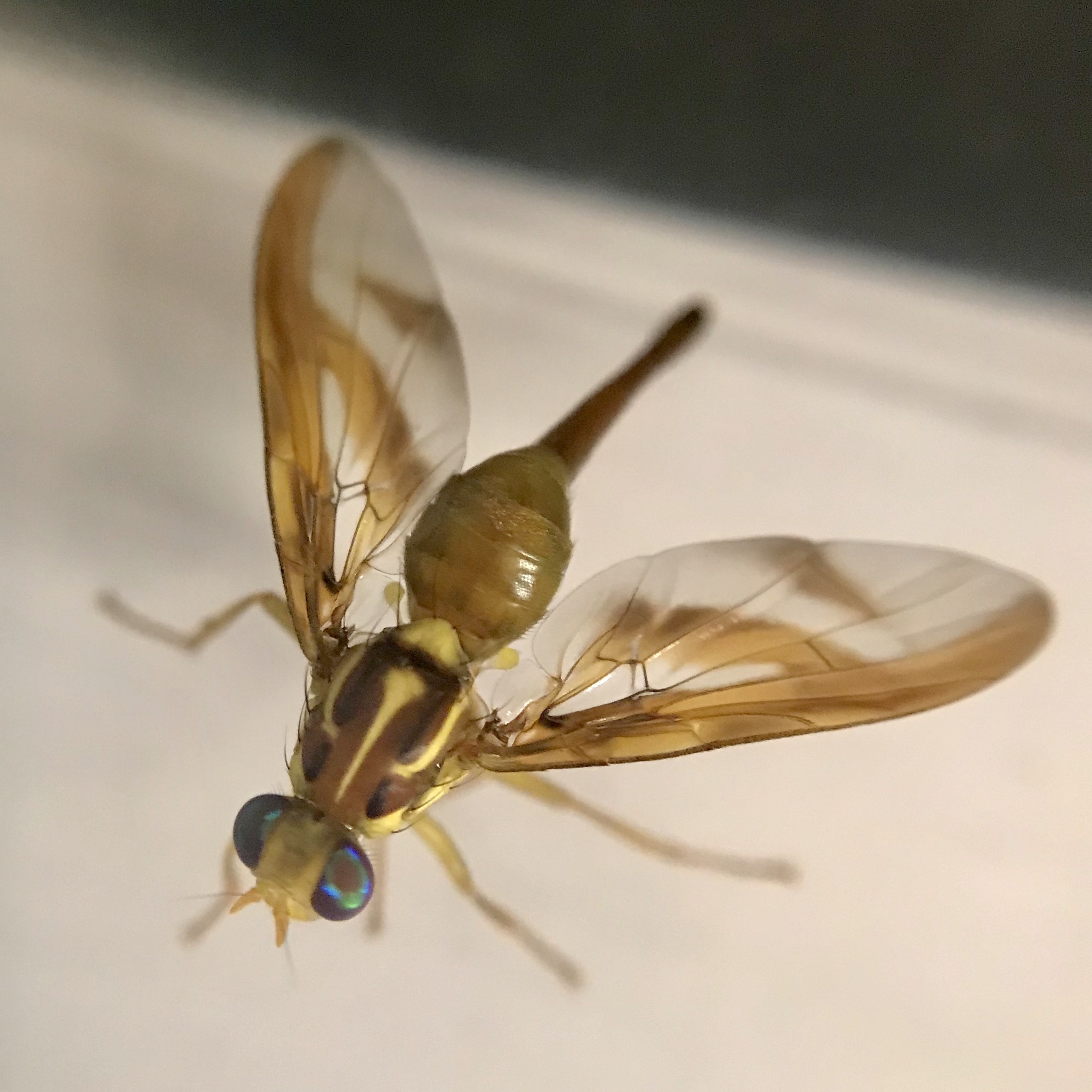
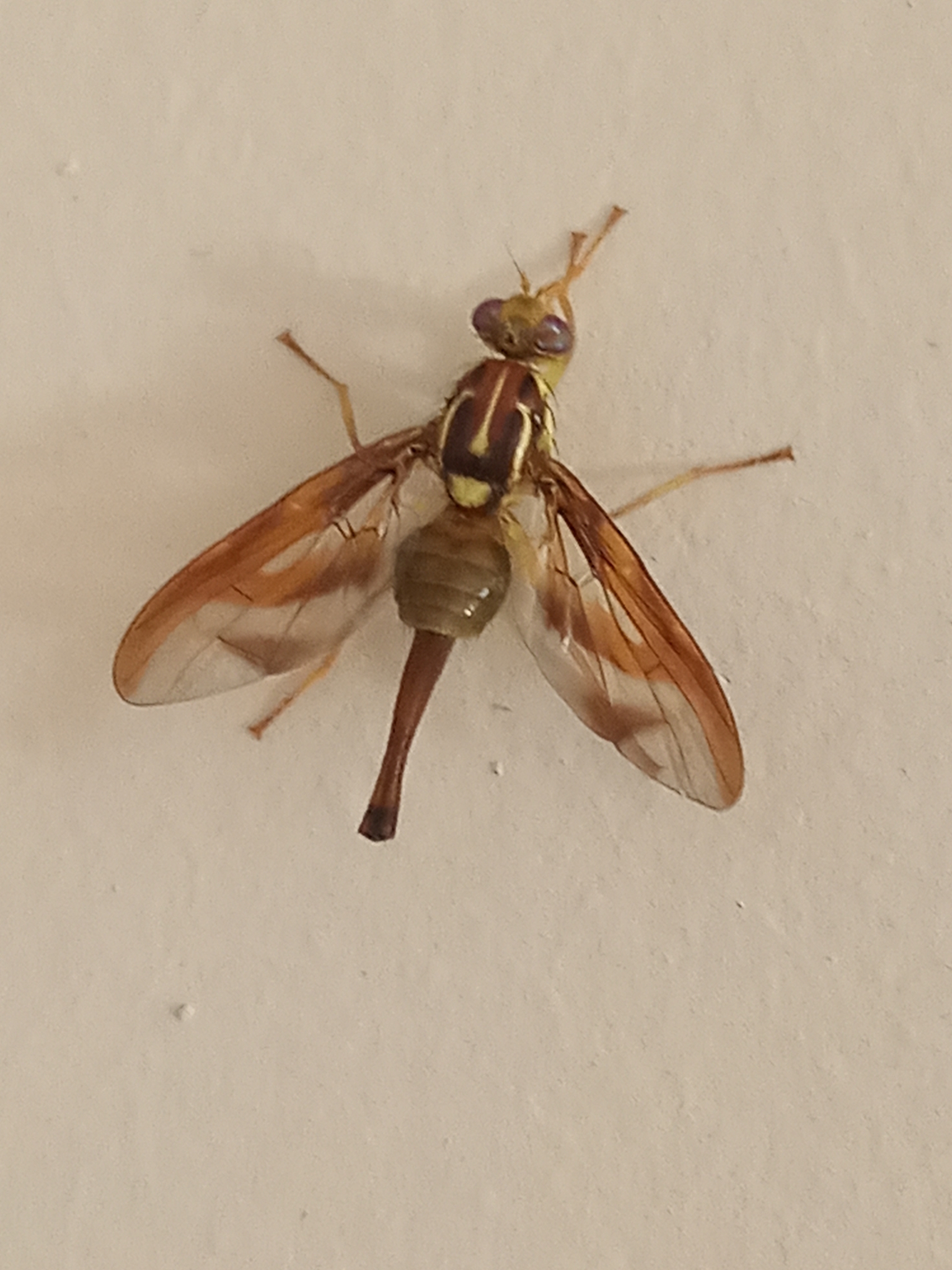
Adult Anastrepha grandis are relatively large fruit flies, with a wing length typically ranging from 9.0 to 10.5 mm and a mesonotum length of 3.3 to 4.0 mm [2]. They exhibit a yellow-brown body coloration with distinct yellow and dark-brown markings [2]. The wings are characterized by the presence of diffuse bands [2]. Observations from the TreeOfLife-200M dataset confirm these morphological features, showing the characteristic wing patterns and overall body structure typical of the genus Anastrepha [1].
Distribution and Ecology
Anastrepha grandis, commonly known as the South American cucurbit fruit fly, is distributed across several South American countries, including Argentina, Bolivia, Brazil (excluding the north), Colombia, Ecuador, Paraguay, Peru, and Venezuela [2]. Its presence in Panama is considered possible [2]. The species has been intercepted in the United States in shipments of produce, such as pumpkins from Argentina and Brazil [2].
The primary hosts of A. grandis are members of the family Cucurbitaceae, including watermelon (Citrullus lanatus), cucumber (Cucumis sativus), various pumpkins and squashes (Cucurbita maxima, Cucurbita pepo, Cucurbita moschata), gourds, marrow, and honeydew melon (Cucumis melo) [2]. It has also been recorded attacking common guava (Psidium guajava) [2]. The fly generally prefers immature fruits, although it may occasionally attack mature ones [2].
Identification and Management
Adults can be distinguished from related species in the Grandis group by the presence of black stripes on the mesoscutum and relatively little black coloration on the mesoscutum and pleura [2]. The female ovipositor sheath is 5.8–6.2 mm long, tapering posteriorly to a depressed and broadened apical third [2].
Monitoring of adult populations is conducted using stickyboard and baited traps [2]. Larval identification is considered difficult and typically requires rearing to the adult stage for confirmation [2].
Gallery
References
- ↑ Dataset view for Animalia / Arthropoda / Insecta / Diptera / Tephritidae / Anastrepha / grandis constructed from imageomics/TreeOfLife-200M records under this taxonomic path. Hugging Face Datasets. https://huggingface.co/datasets/imageomics/TreeOfLife-200M.