Anastrepha curvicauda
Taxonomy
This page represents the following TreeOfLife-200M taxonomic path.[1]
- Kingdom: Animalia
- Phylum: Arthropoda
- Class: Insecta
- Order: Diptera
- Family: Tephritidae
- Genus: Anastrepha
- Species: Anastrepha curvicauda
Visual Description
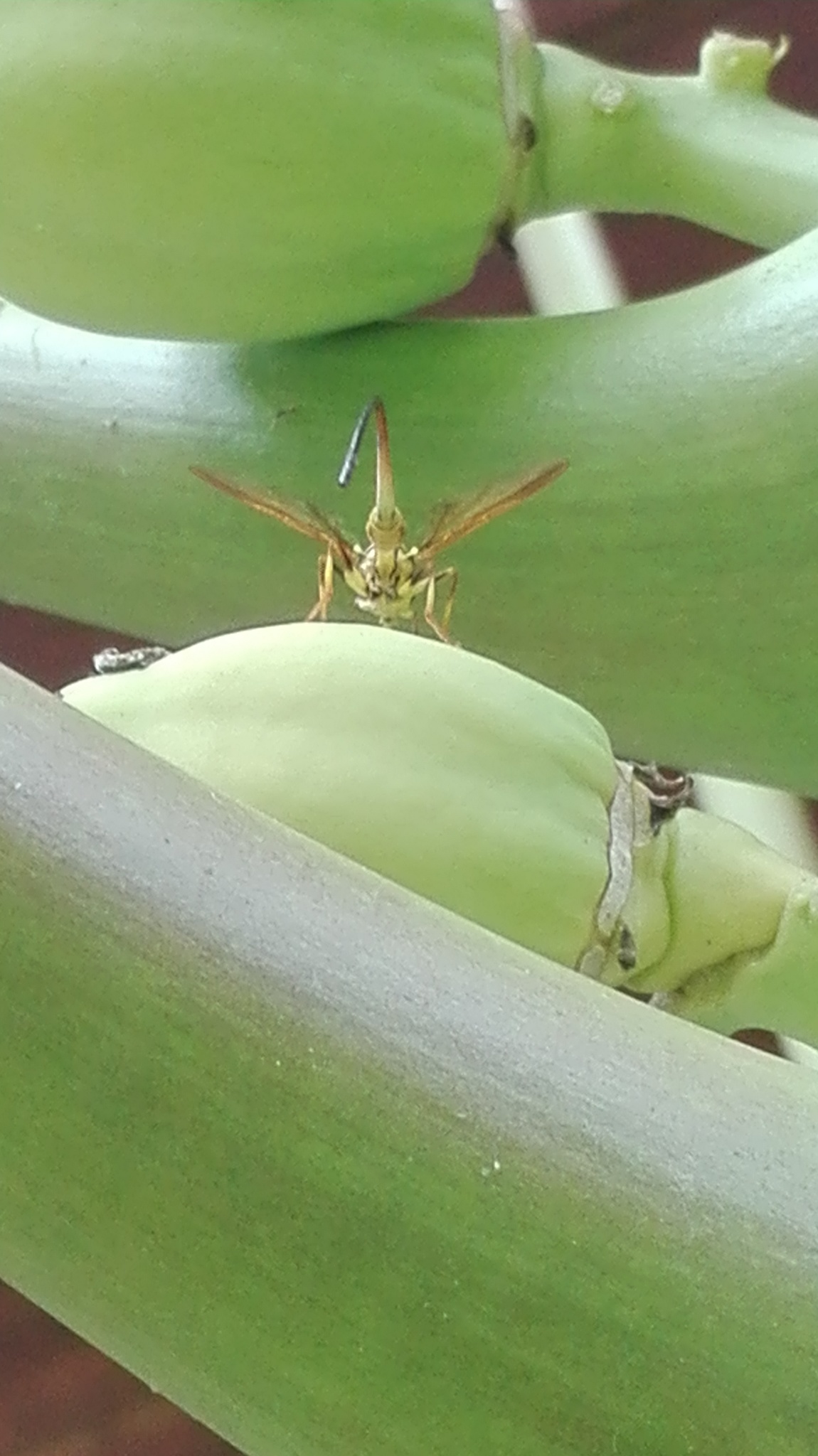
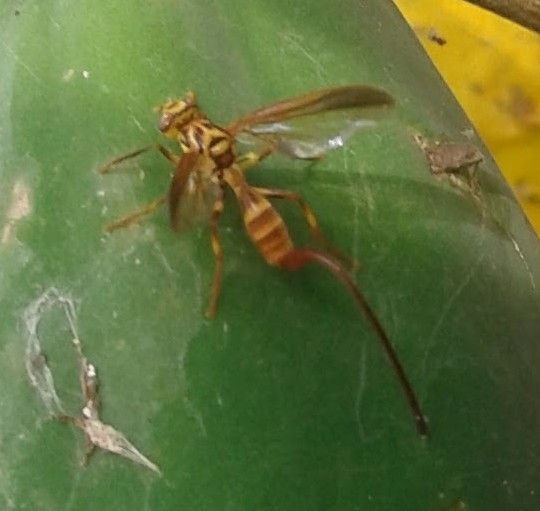
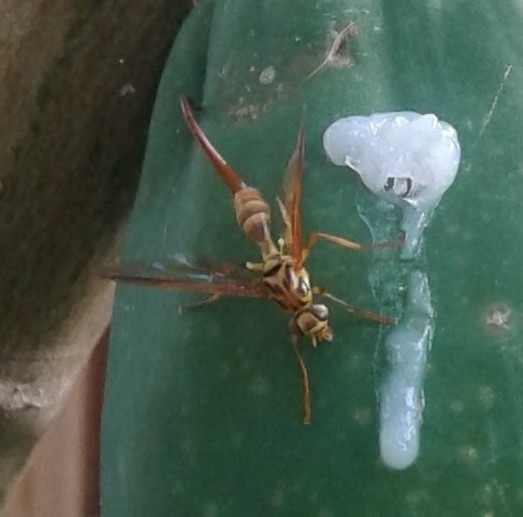
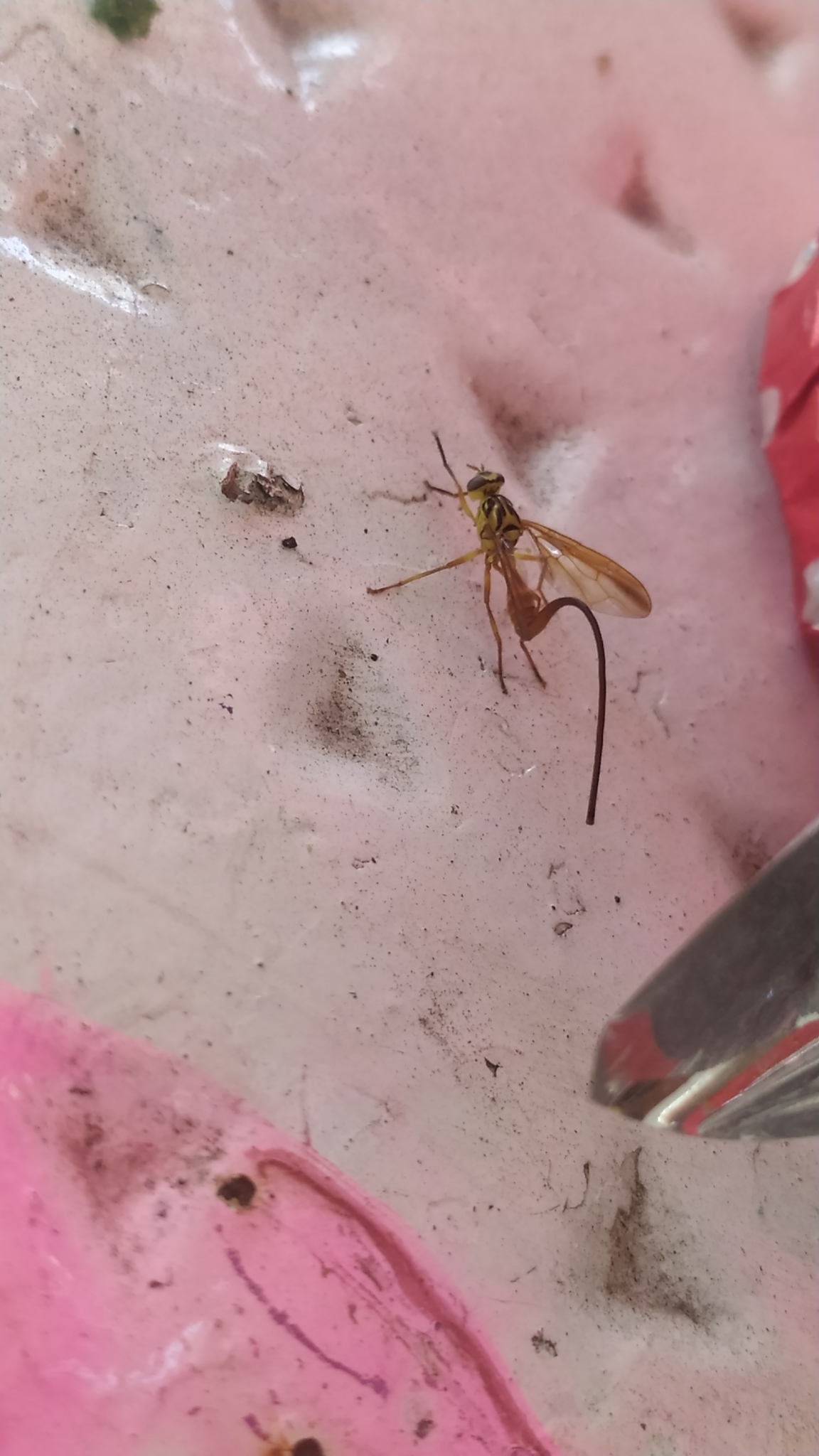
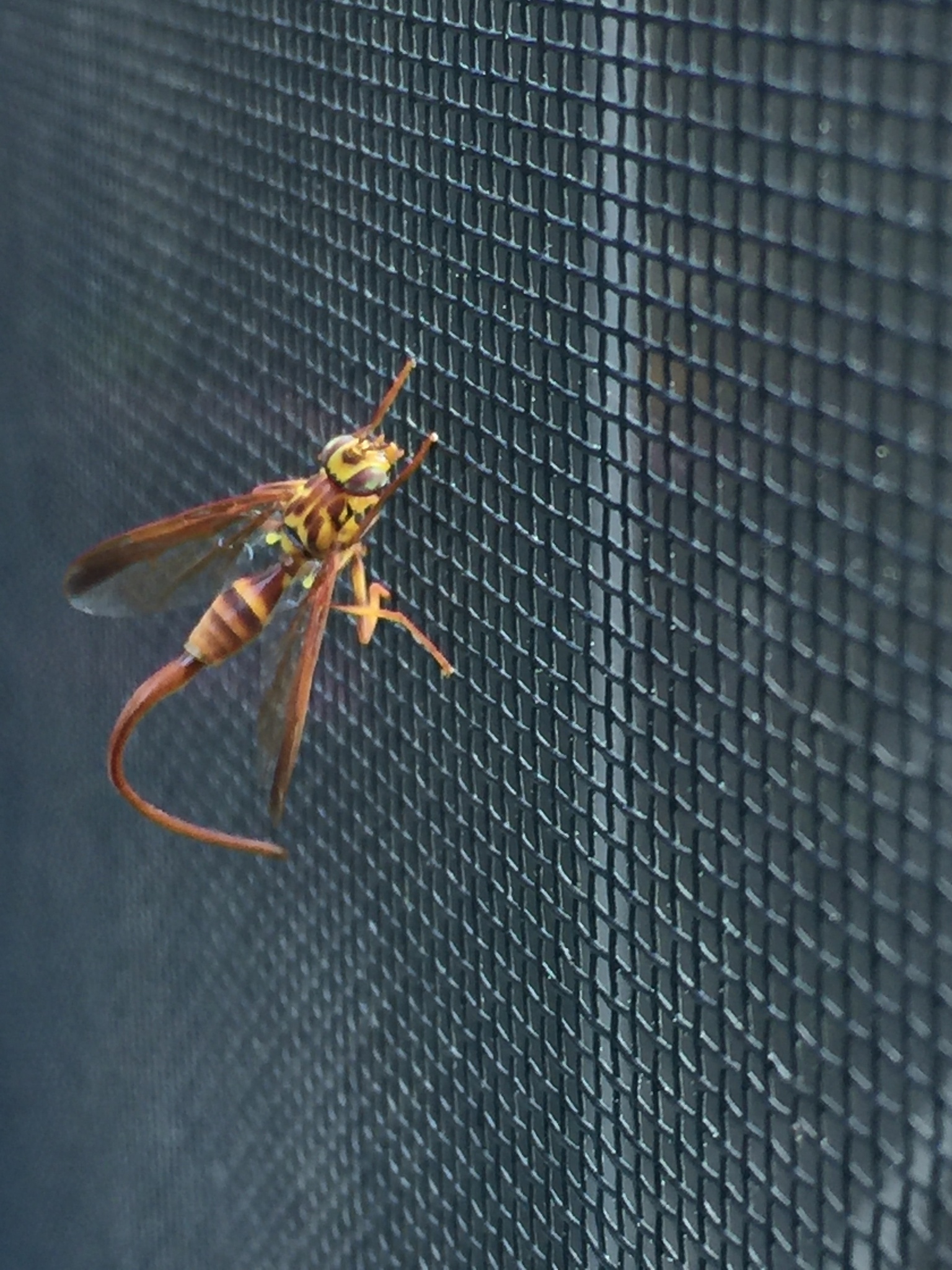
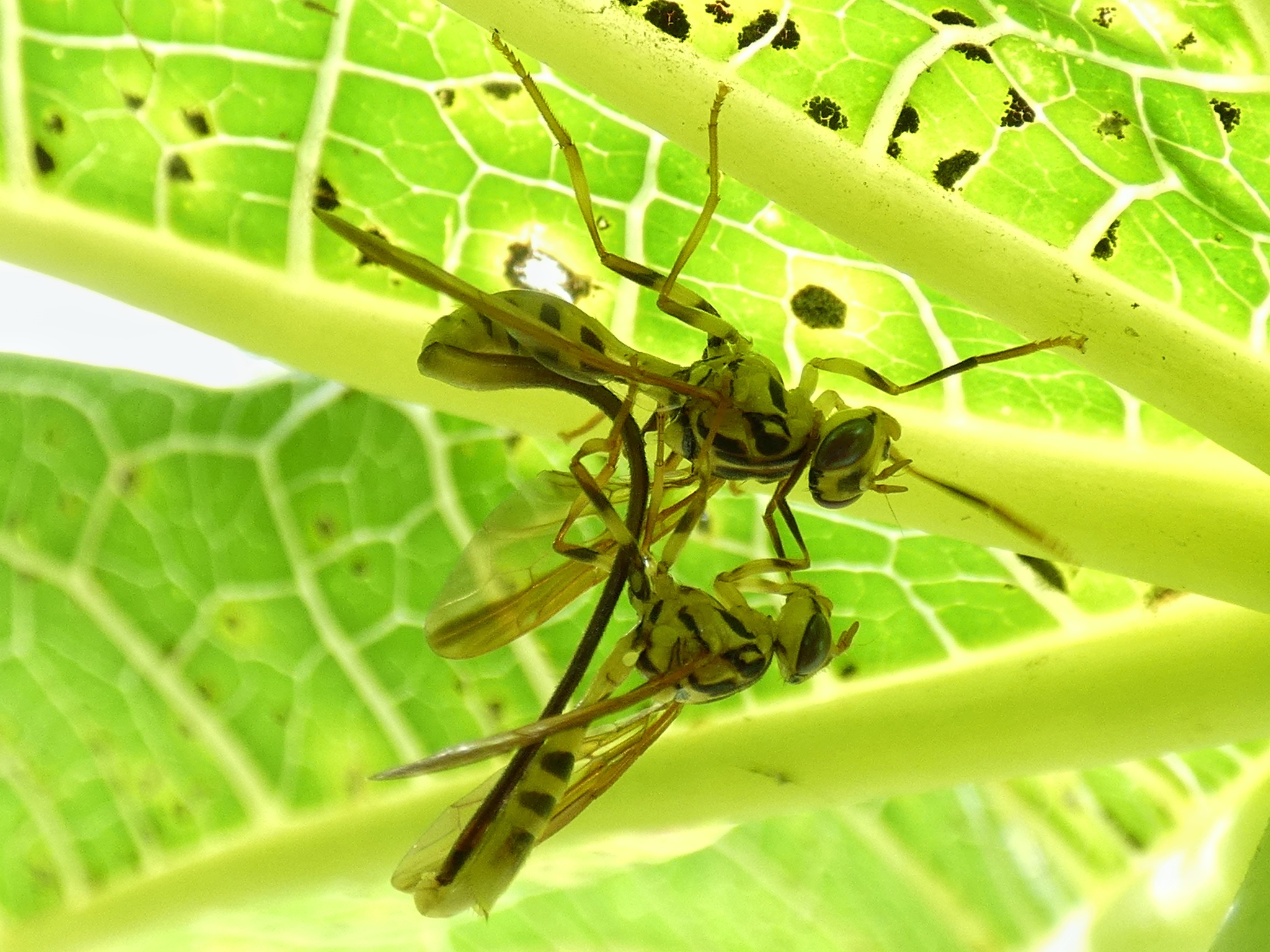
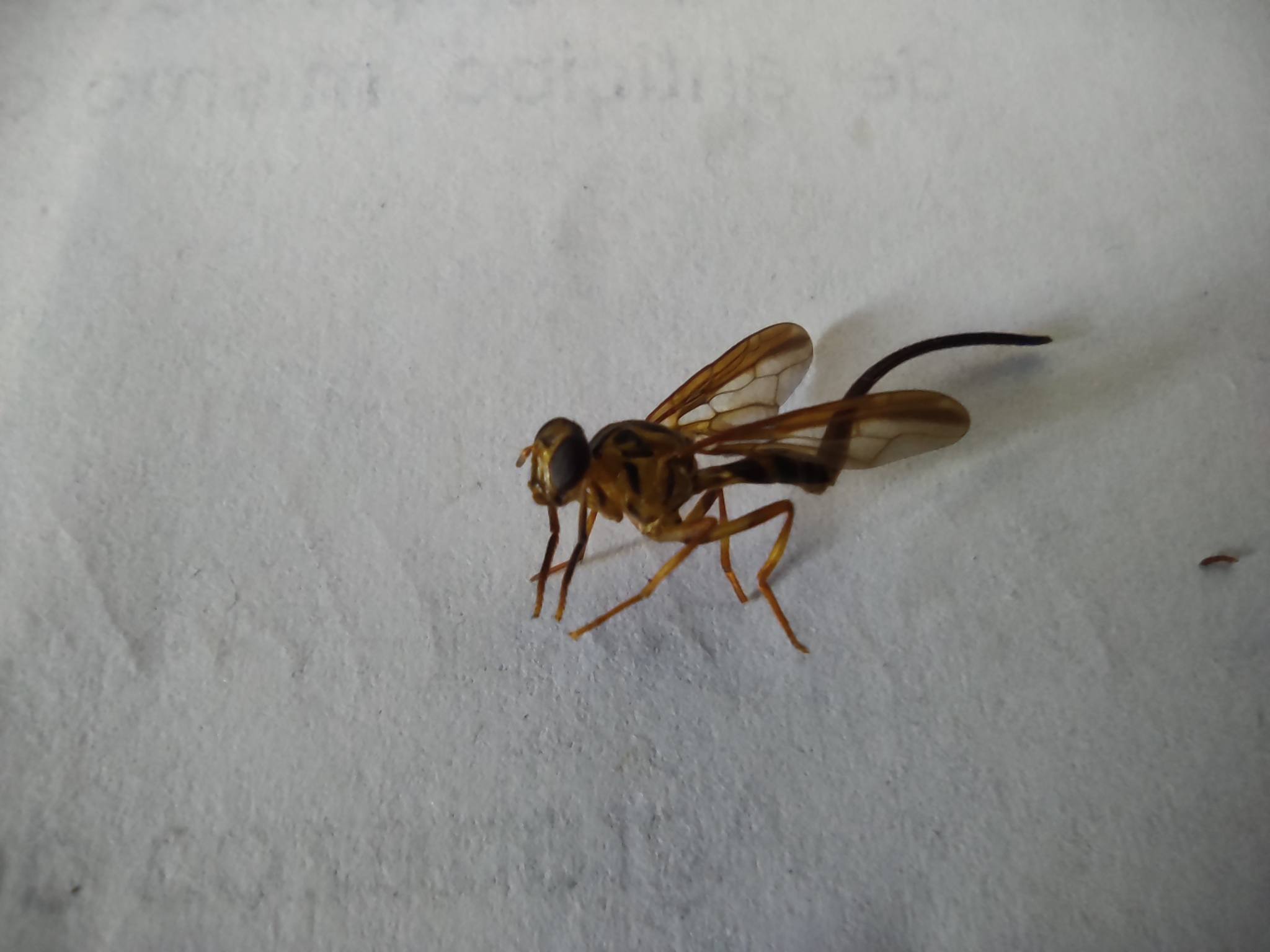
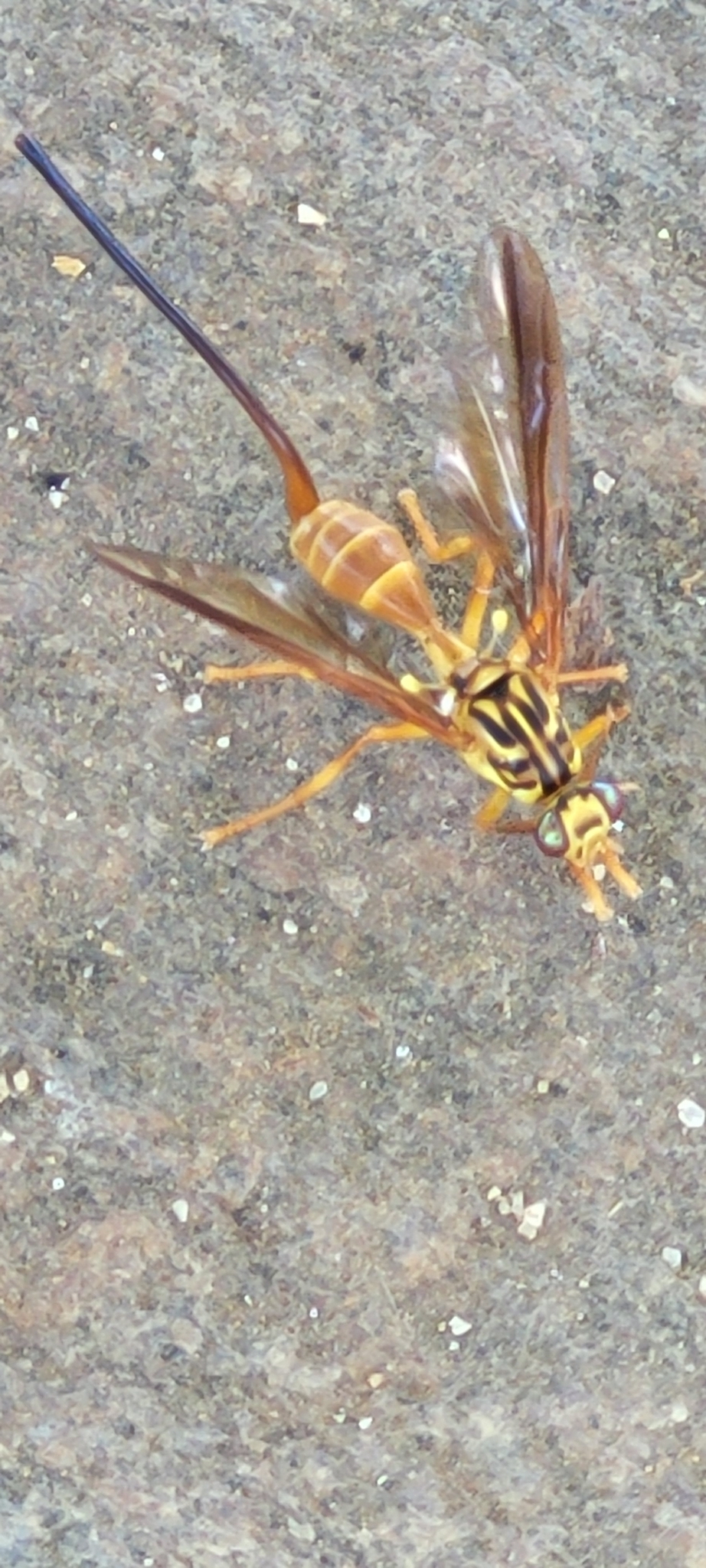
Anastrepha curvicauda, commonly known as the papaya fruit fly, is a relatively large insect, typically measuring 2–2.5 cm in length [2]. Observations of specimens in the TreeOfLife-200M dataset reveal a slender, elongated body form characteristic of this species [1]. The body exhibits a distinct yellowish-brown coloration. The wings are generally clear with characteristic dark, patterned markings, typical of many tephritid fruit flies [1].
Ecology and Biology
Anastrepha curvicauda (formerly Toxotrypana curvicauda) is a resource-based mating species [2]. Unlike many other species in the family, it does not form leks; instead, males defend papaya fruits, which serve as oviposition sites, from rival males [2]. Males release sex pheromones to attract females for mating [2].
Mating Behavior and Hierarchy
- Courtship: The male courtship repertoire is complex, consisting of 15 distinct behavioral elements: 12 precopulatory, one mating, and two postcopulatory (tandem and encounter) [2].
- Intrasexual Selection: Agonistic behavior among males establishes a dominance hierarchy. Dominant males are characterized by aggressive behavior, while subordinate males are those that lose these encounters [2].
- Mate Choice: While females accept both dominant and subordinate males in non-choice experiments, they show a significant preference for dominant males in choice experiments [2].
- Interference: Dominant males frequently threaten, attack, or chase away subordinate rivals. Subordinate males may attempt to interrupt mating pairs through "tandem" behavior, where they mount the dominant male already in copula with a female, though this rarely results in successful mating for the subordinate [2].
- Courtship Effort: Dominant males exhibit higher courtship vigor and achieve mating faster than subordinate males when in competition. They also perform the behavior "touches female with forelegs" significantly more frequently than subordinates [2].
Life History
Females reach sexual maturity at 4 days old, whereas newly emerged males are capable of courting and mating [2]. Both genders may mate more than once under laboratory conditions [2]. In the field, it is common to find one male per papaya fruit; the presence of two or more males on a single fruit is less common and typically leads to conflict [2].
Gallery


References
- ↑ Dataset view for Animalia / Arthropoda / Insecta / Diptera / Tephritidae / Anastrepha / curvicauda constructed from imageomics/TreeOfLife-200M records under this taxonomic path. Hugging Face Datasets. https://huggingface.co/datasets/imageomics/TreeOfLife-200M.