Anaphalantus
Taxonomy
This page represents the following TreeOfLife-200M taxonomic path.[1]
- Kingdom: Animalia
- Phylum: Arthropoda
- Class: Insecta
- Order: Diptera
- Family: Muscidae
- Genus: Anaphalantus
Visual Description
Based on observations from the TreeOfLife-200M dataset, members of the genus Anaphalantus exhibit typical muscid fly morphology.[1] They possess a robust, compact body structure with prominent, compound eyes that occupy a significant portion of the head. The wings are typically clear and held over the abdomen when at rest. The thorax and abdomen often display a pattern of dark bristles (setae) and may show subtle coloration variations, such as metallic or dull greyish-brown tones, which are characteristic of many flies within the family Muscidae.[1]
Ecology and Interactions
Anaphalantus is a genus within the family Muscidae.[2] Species such as Anaphalantus longicornis have been documented interacting with various flowering plants, including Pelargonium, Veltheimia bracteata, and Tecoma capensis, suggesting that these flies may play a role in flower visitation.[3]
Gallery
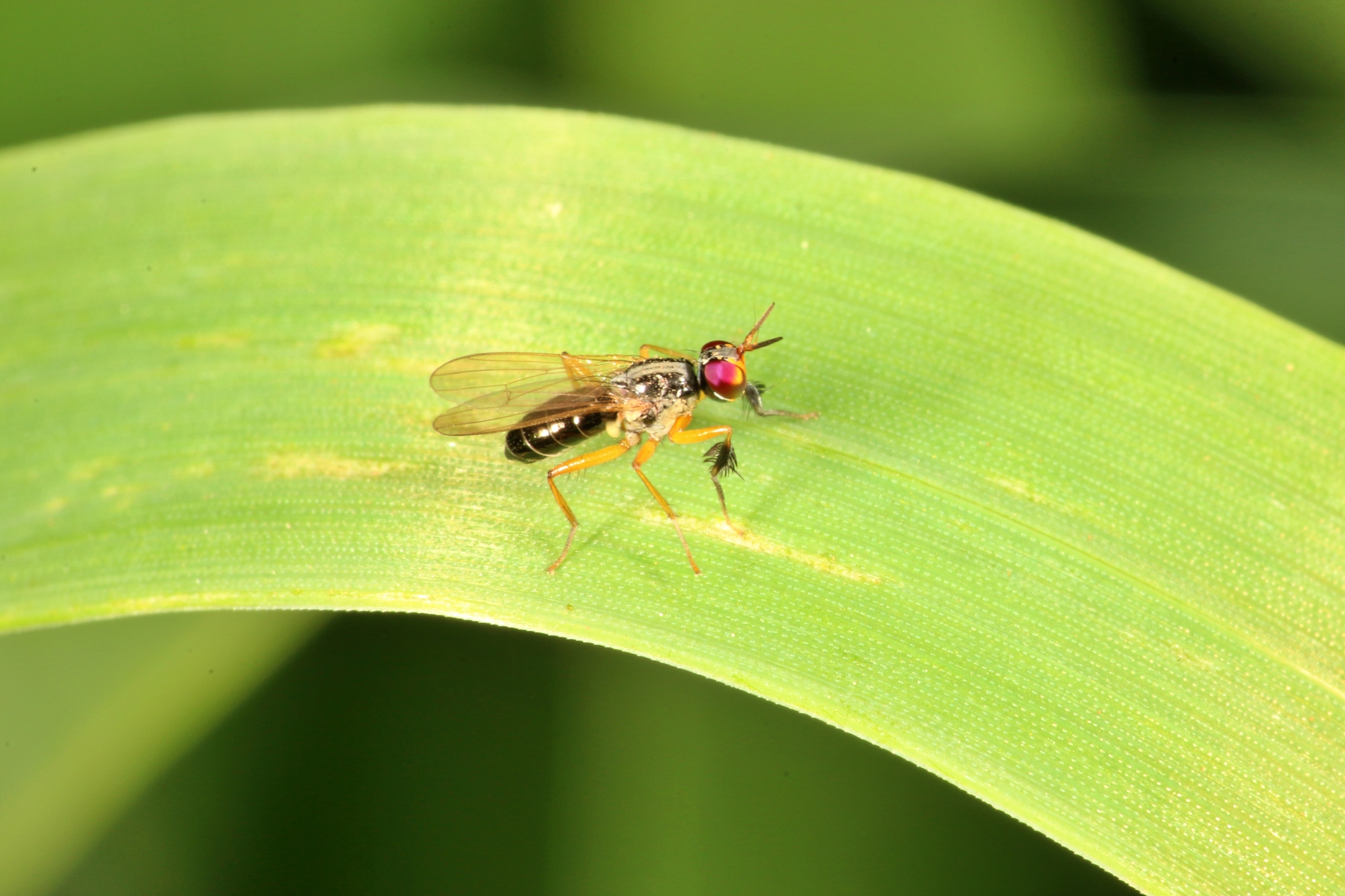


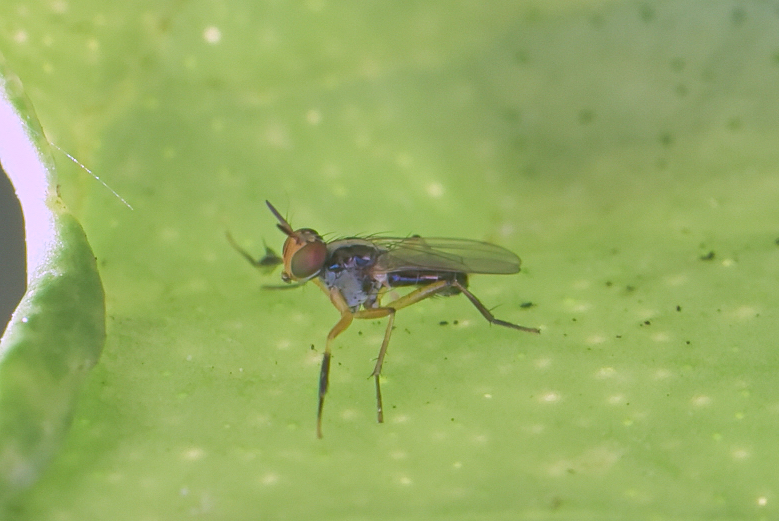


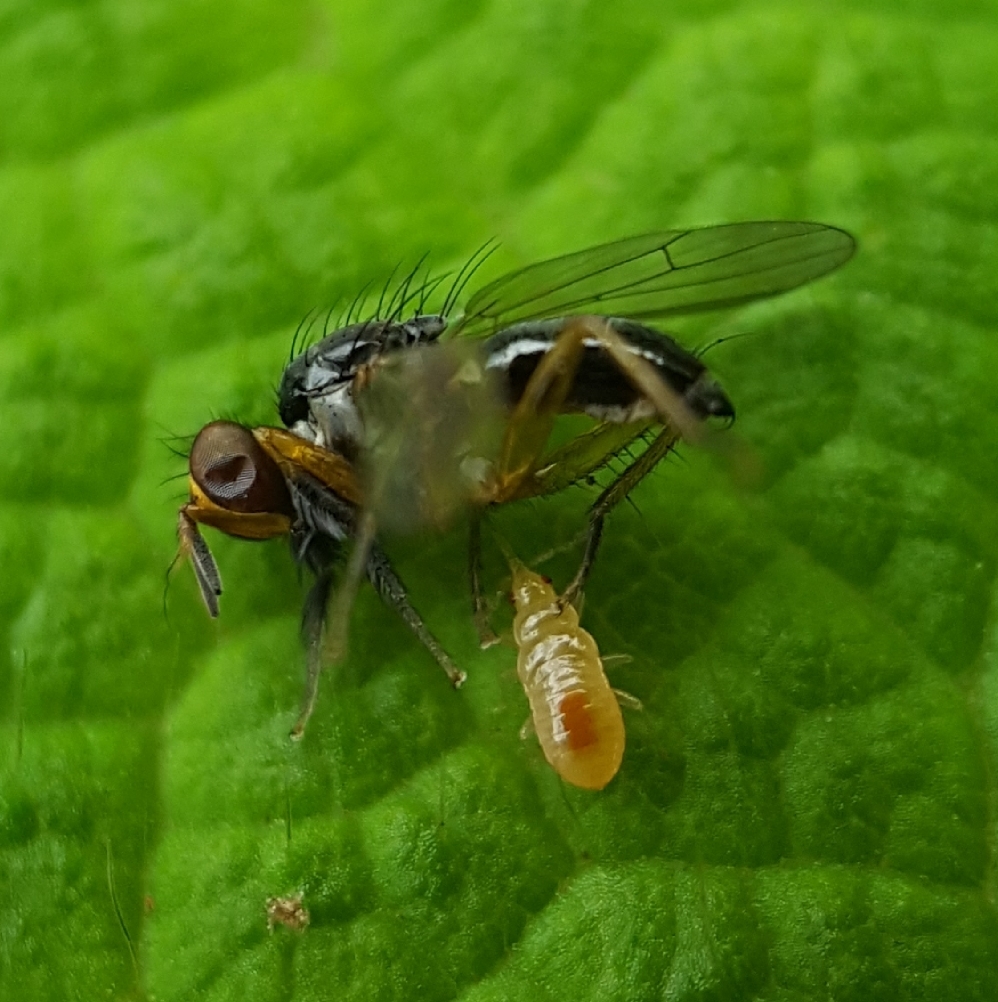
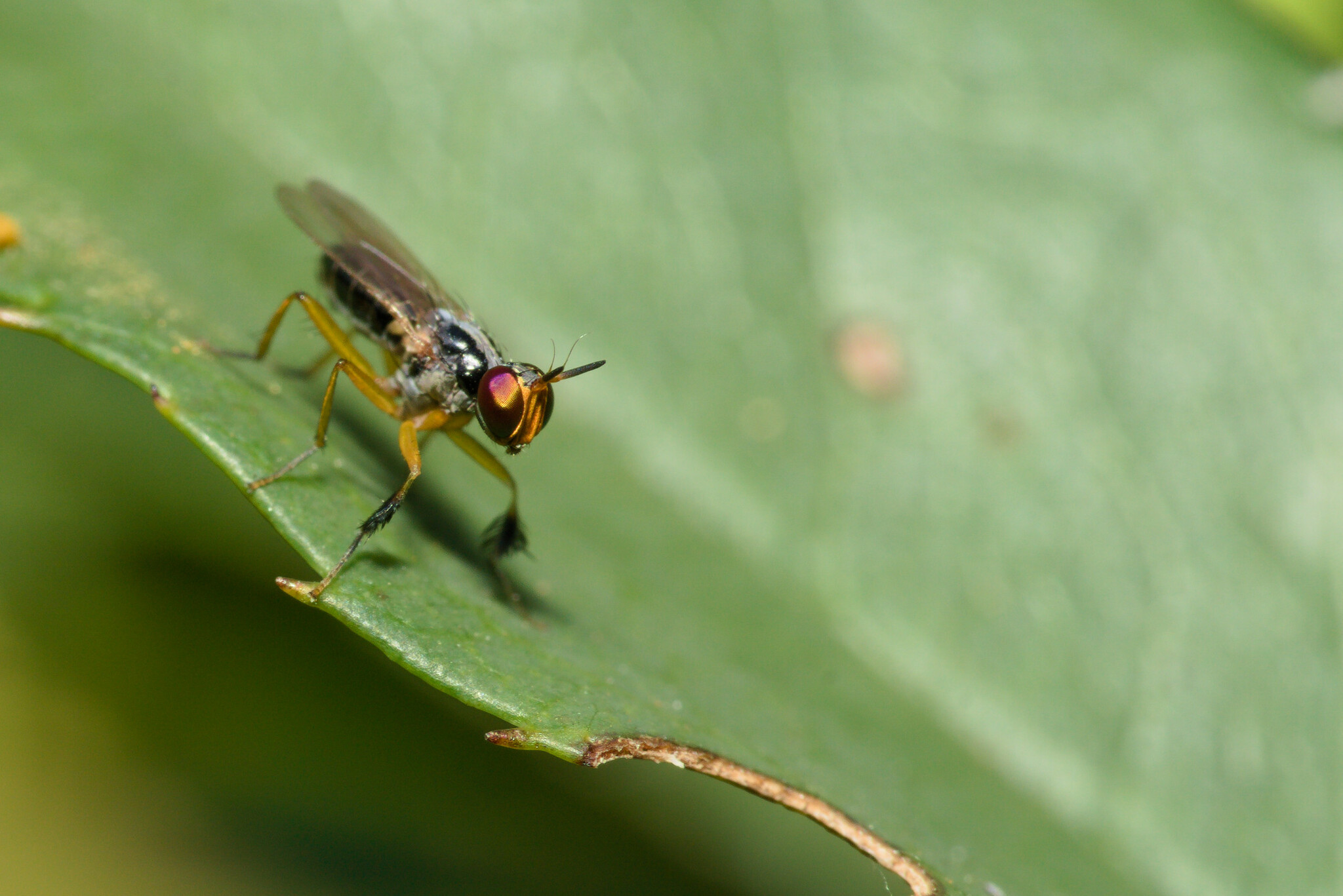
References
- 1 2 3 Dataset view for Animalia / Arthropoda / Insecta / Diptera / Muscidae / Anaphalantus constructed from imageomics/TreeOfLife-200M records under this taxonomic path. Hugging Face Datasets. https://huggingface.co/datasets/imageomics/TreeOfLife-200M.
- ↑ Anaphalantus Loew, 1857. GBIF. https://www.gbif.org/species/1527212. Accessed 2026-07-16.
- ↑ Anaphalantus. Global Biotic Interactions. https://www.globalbioticinteractions.org/?targetTaxon=Anaphalantus. Accessed 2026-07-15.