Amphoriscidae
Taxonomy
This page represents the following TreeOfLife-200M taxonomic path.[1]
- Kingdom: Animalia
- Phylum: Porifera
- Class: Calcarea
- Order: Leucosolenida
- Family: Amphoriscidae
Overview
Amphoriscidae is a family of calcareous sponges (class Calcarea) placed in the order Leucosolenida. Occurrence data in major biodiversity aggregators treat Amphoriscidae as an accepted family-level taxon within this lineage.[2]
Morphology & visual appearance
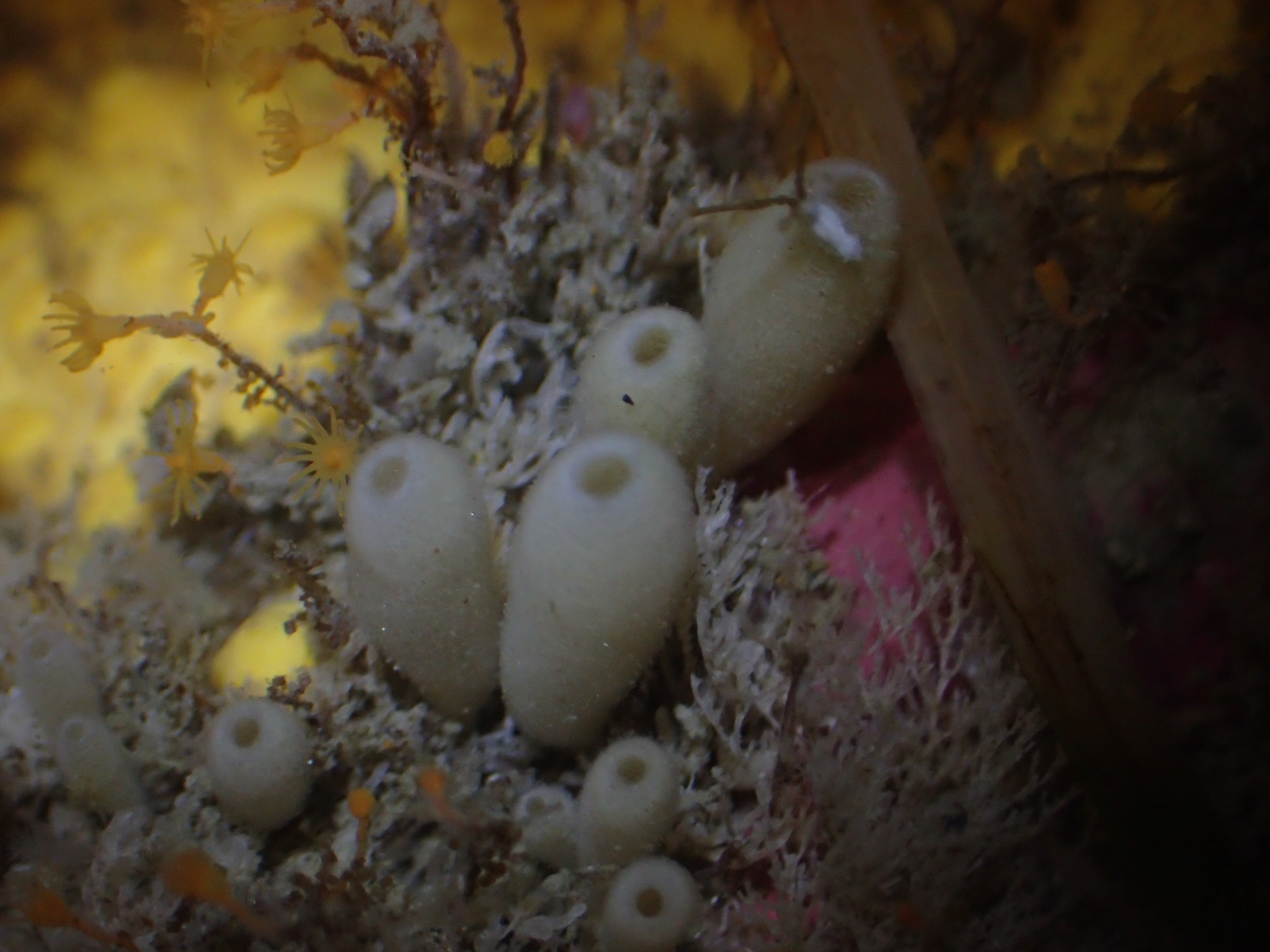
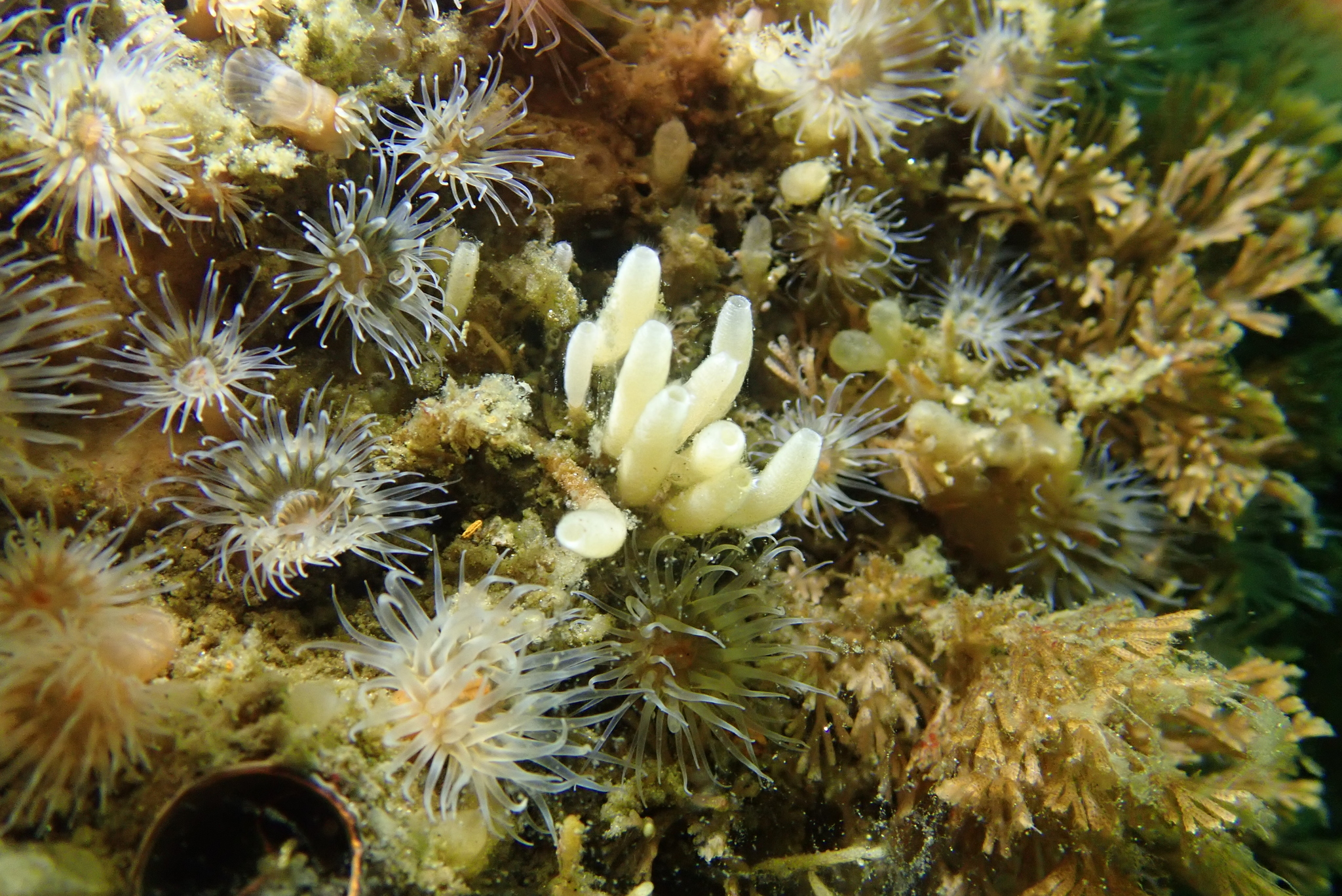
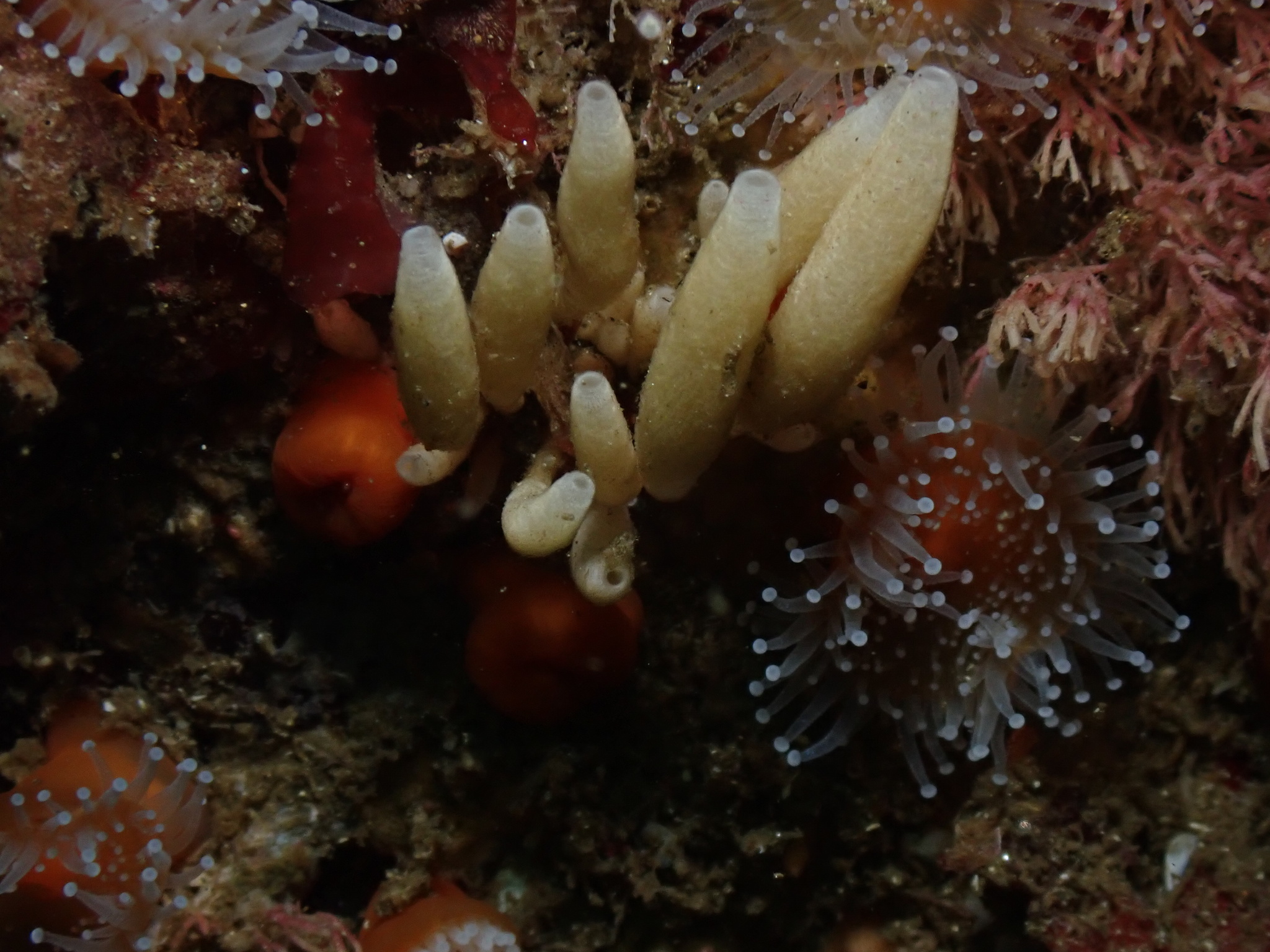
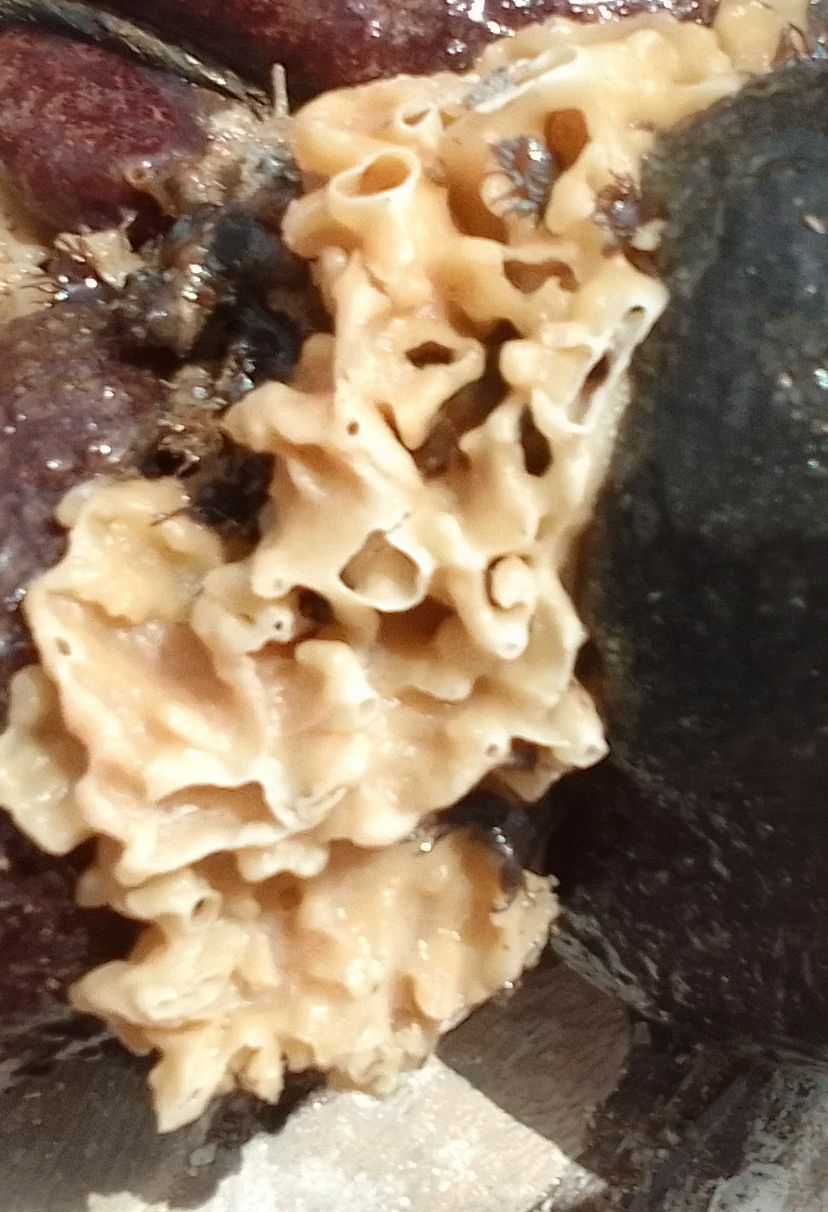
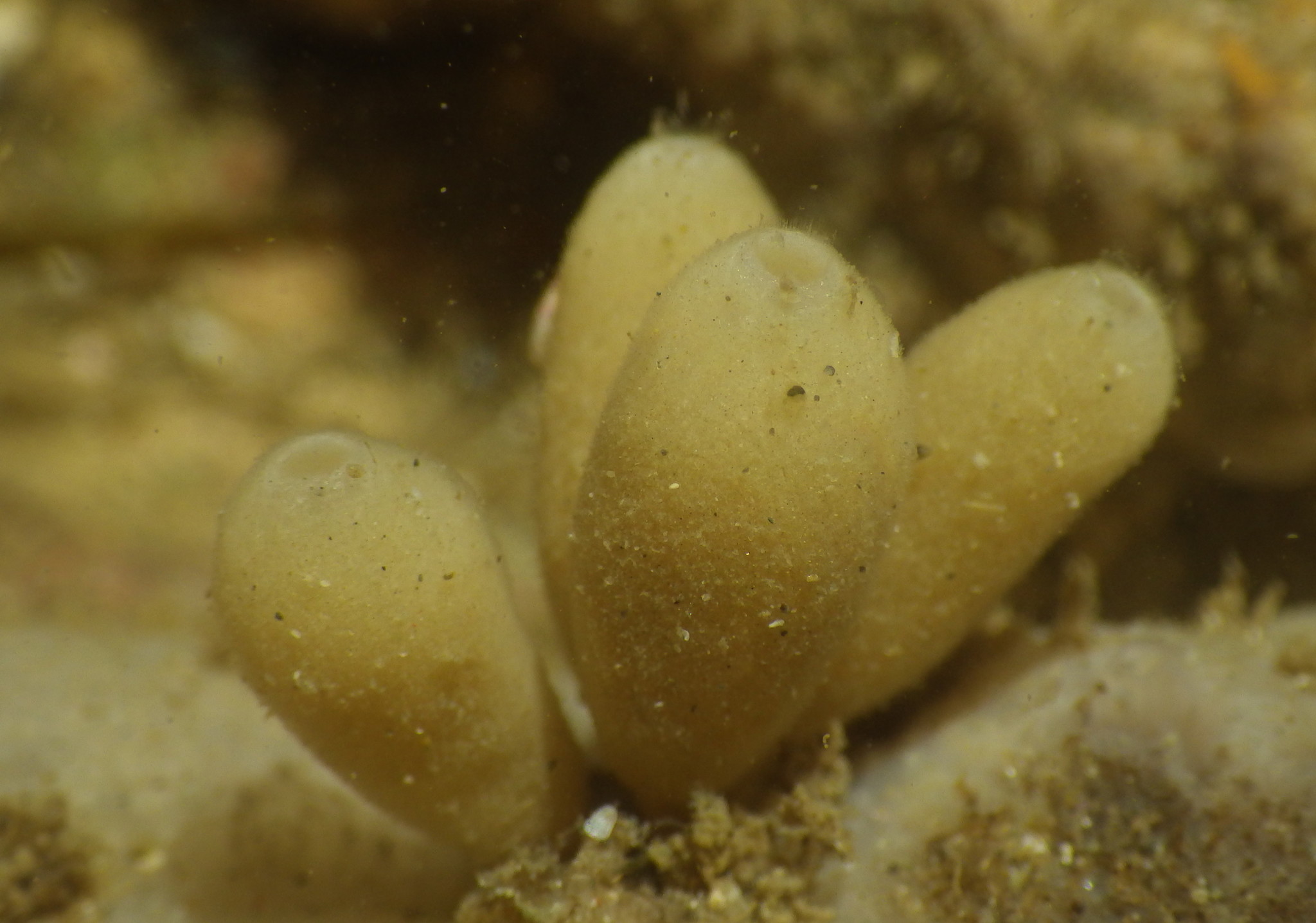
Members of Amphoriscidae are small calcareous sponges that form discrete colonies attached to hard substrates. Visual records for the family commonly show vase- or tube-like forms and can also present as branching or clustered growth patterns characteristic of leucosolenid calcarea.
Ecology & habitat
Amphoriscidae species are marine and typically attach to and grow on hard substrates (e.g., rocky or biogenic surfaces). Beyond natural substrates, some species are also encountered in human-influenced settings such as aquaculture infrastructure, where they can settle on artificial hard surfaces.
Human-mediated introductions and biofouling
A documented example within Amphoriscidae is Paraleucilla magna (family Amphoriscidae), reported as an alien sponge newly recorded from Moroccan Mediterranean waters. The record describes observations at mussel-farm aquaculture sites at shallow depths (~1–4 m), where the sponge was found cohabiting with cultured mussels on artificial substrates and aquaculture infrastructure (e.g., ropes/chains/buoys). Identification in the study relied on spicule morphology and skeletal architecture.
This case supports that, in Mediterranean contexts, some Amphoriscidae taxa can spread via human-mediated routes associated with biofouling on aquaculture equipment/vessels and can proliferate on artificial substrates. [3]
Molecular data availability
Nucleotide records exist in NCBI for Amphoriscidae (queried by taxon), indicating that genetic sequences have been generated for at least some members of the family. [4]
Visual Description
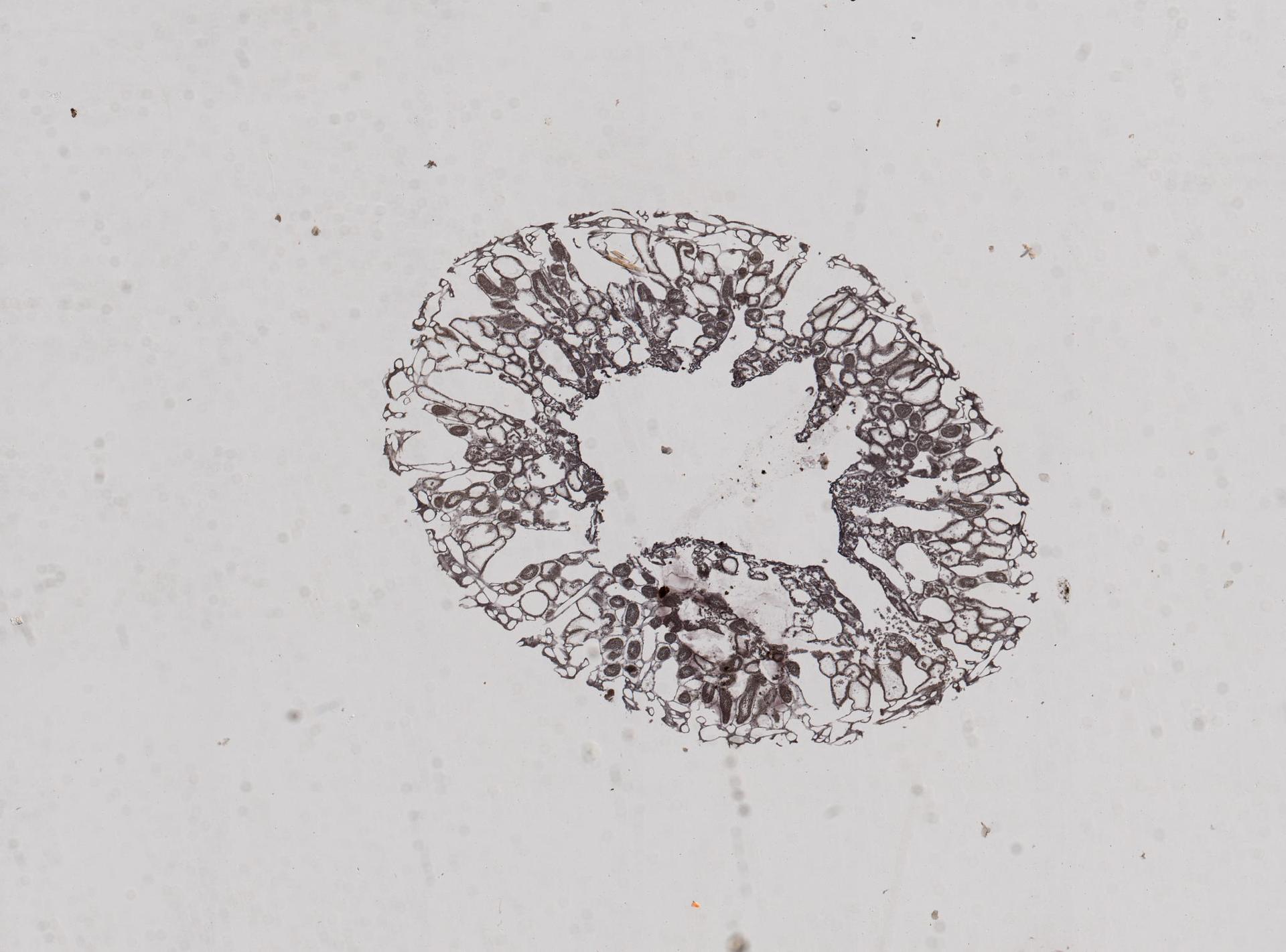
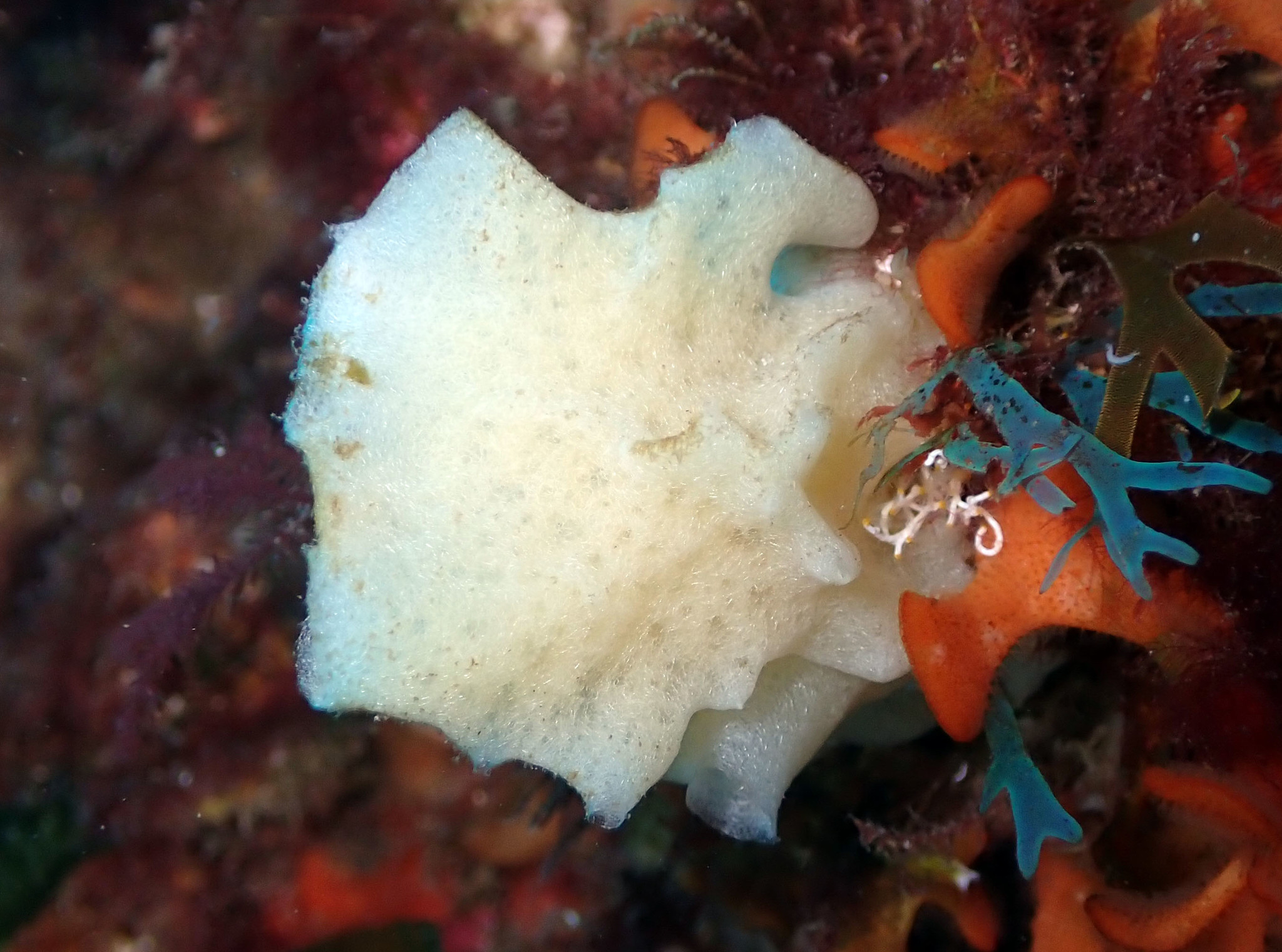
Photographs and specimen imagery for Amphoriscidae under the Leucosolenida–Calcarea lineage typically depict small calcareous sponge colonies attached to hard substrates, with forms that appear vase/tube-like or as clustered/branching growth.
Gallery


References
- ↑ Dataset view for Animalia / Porifera / Calcarea / Leucosolenida / Amphoriscidae constructed from imageomics/TreeOfLife-200M records under this taxonomic path. Hugging Face Datasets. https://huggingface.co/datasets/imageomics/TreeOfLife-200M.
- ↑ Amphoriscidae. GBIF. https://www.gbif.org/species/3770. Accessed 2026-07-09.
- ↑ A. El Moussaoui; Fátima El Aamri; Abderrahim Chiaar; Fatima El Asri; Naoufal Tamsouri. First record of the alien sponge Paraleucilla magna(Family Amphoriscidae) on the Moroccan Mediterranean coast. Acta Adriatica. 2024. https://doi.org/10.32582/aa.65.2.5.
- ↑ Amphoriscidae. NCBI Nucleotide. https://www.ncbi.nlm.nih.gov/nuccore/?term=txid73651[organism:exp]. Accessed 2026-07-10.