Amphimedon
Taxonomy
This page represents the following TreeOfLife-200M taxonomic path.[1]
- Kingdom: Animalia
- Phylum: Porifera
- Class: Demospongiae
- Order: Haplosclerida
- Family: Niphatidae
- Genus: Amphimedon
Visual Description
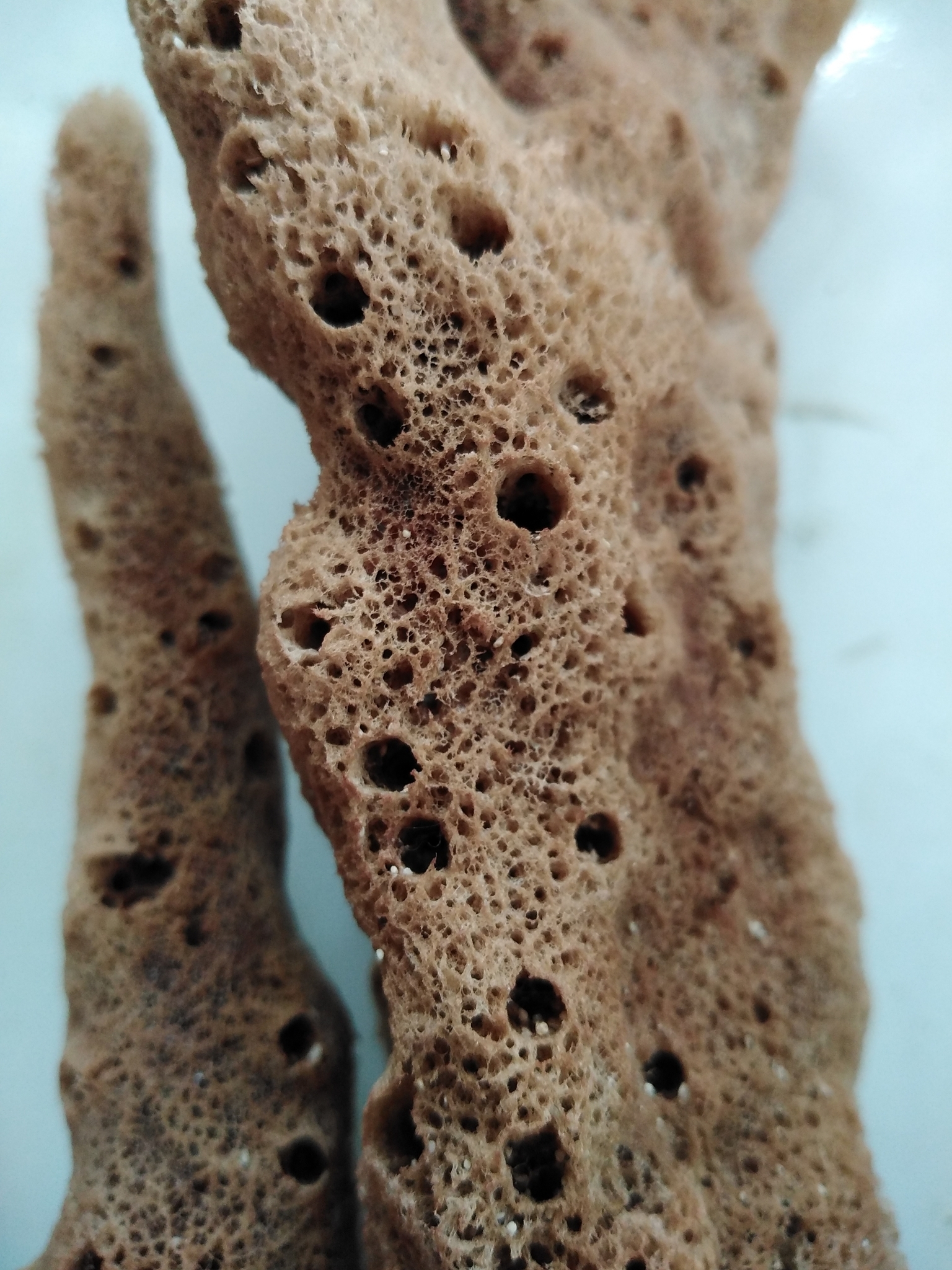
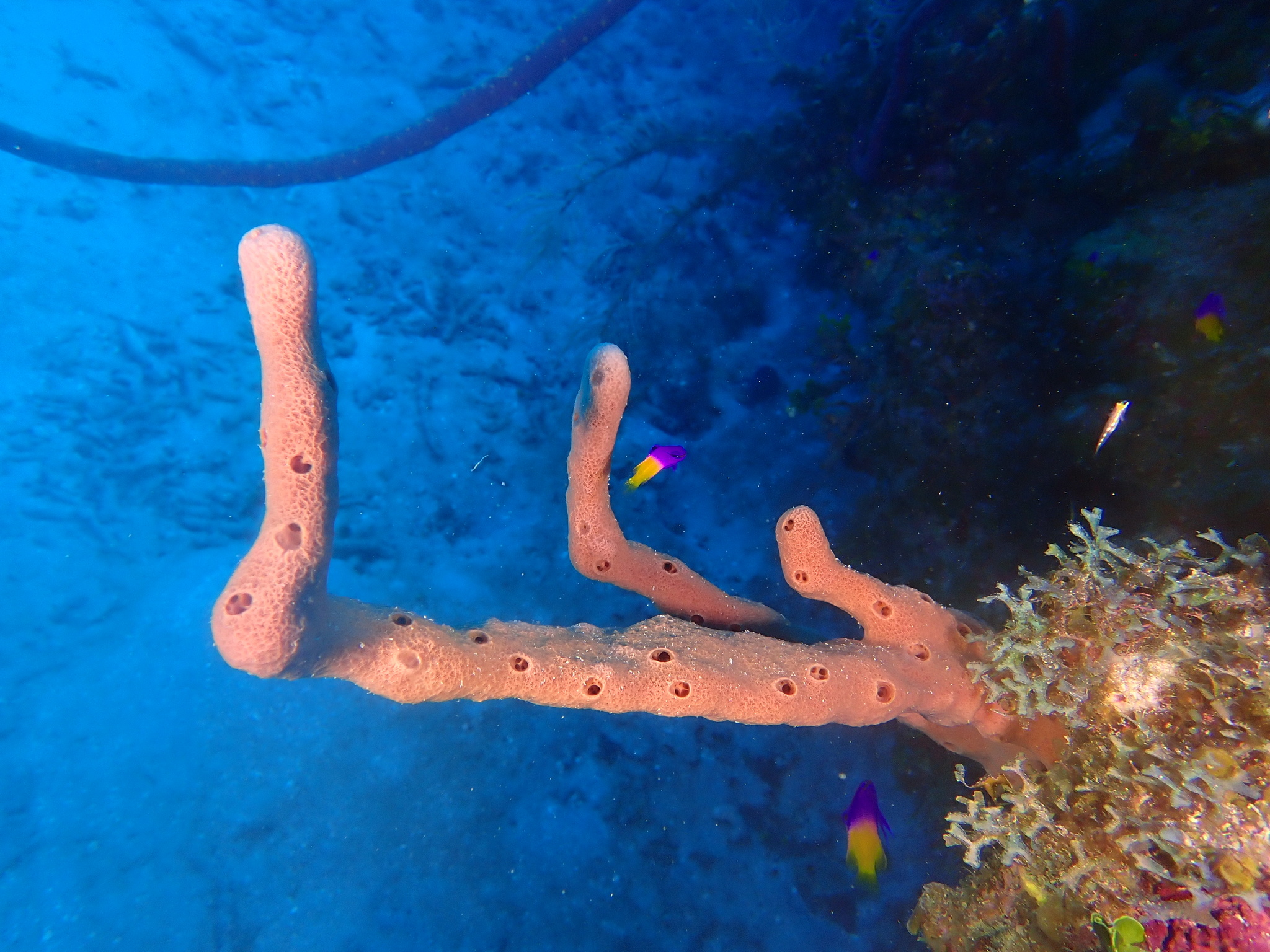
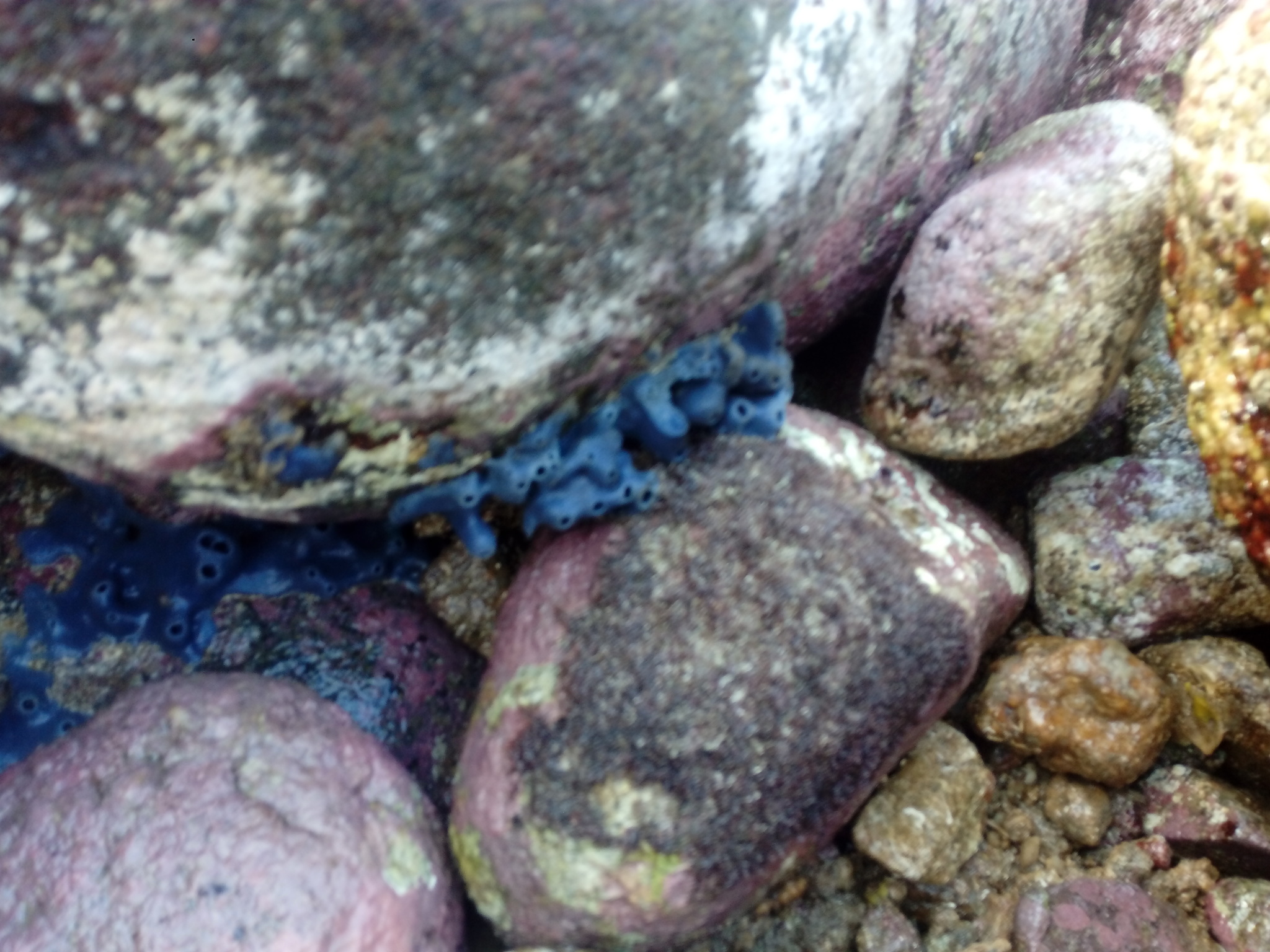
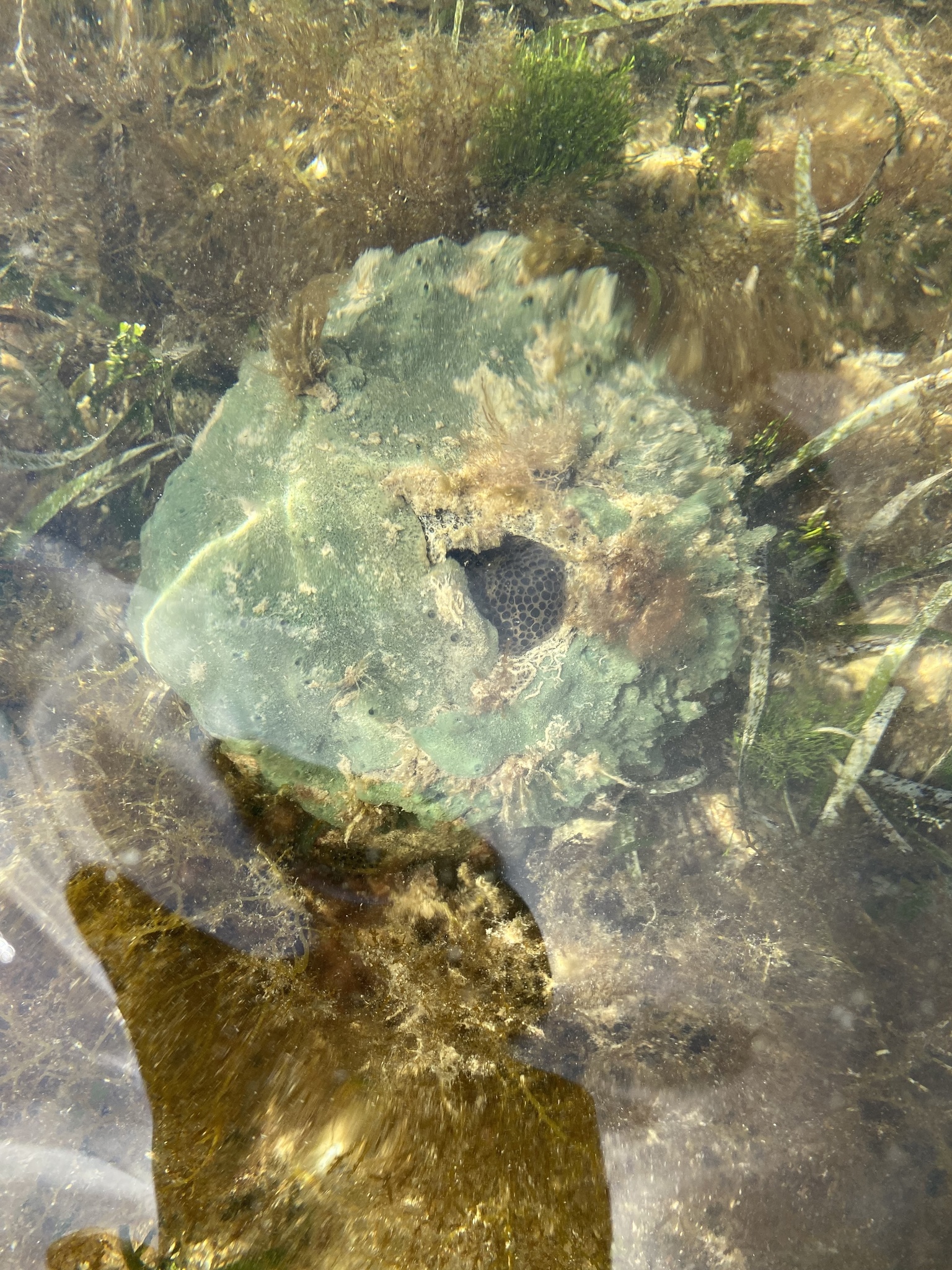
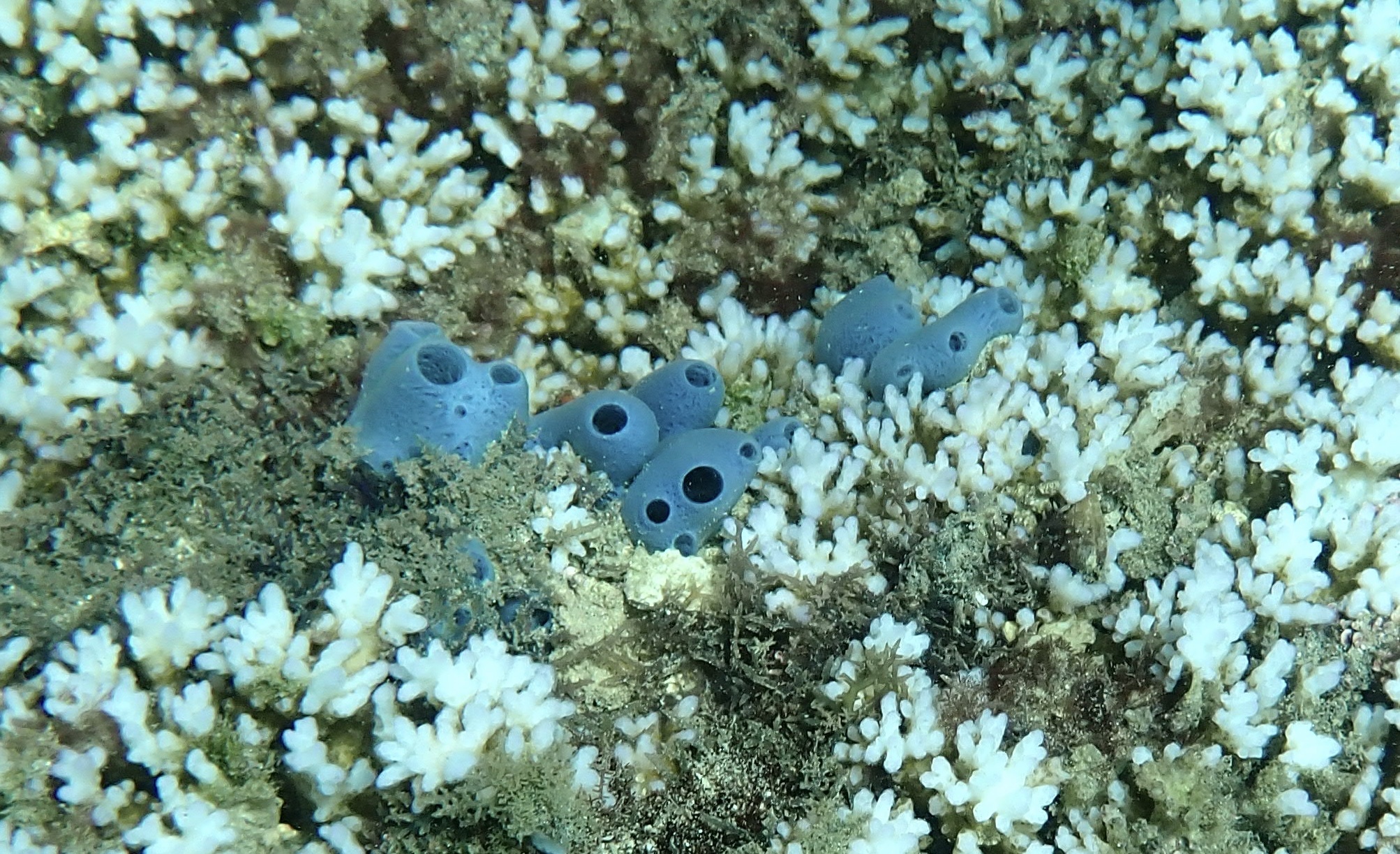
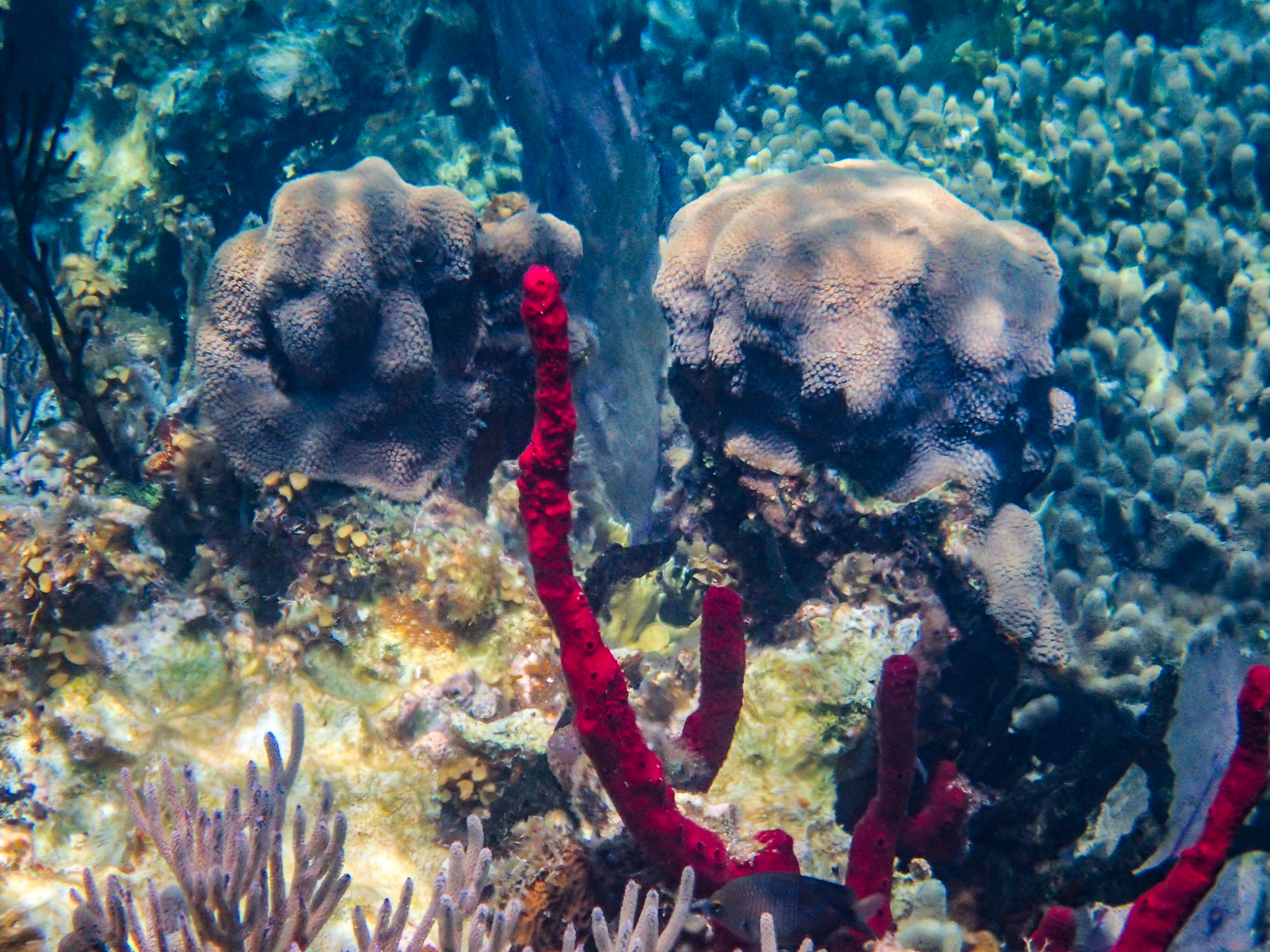
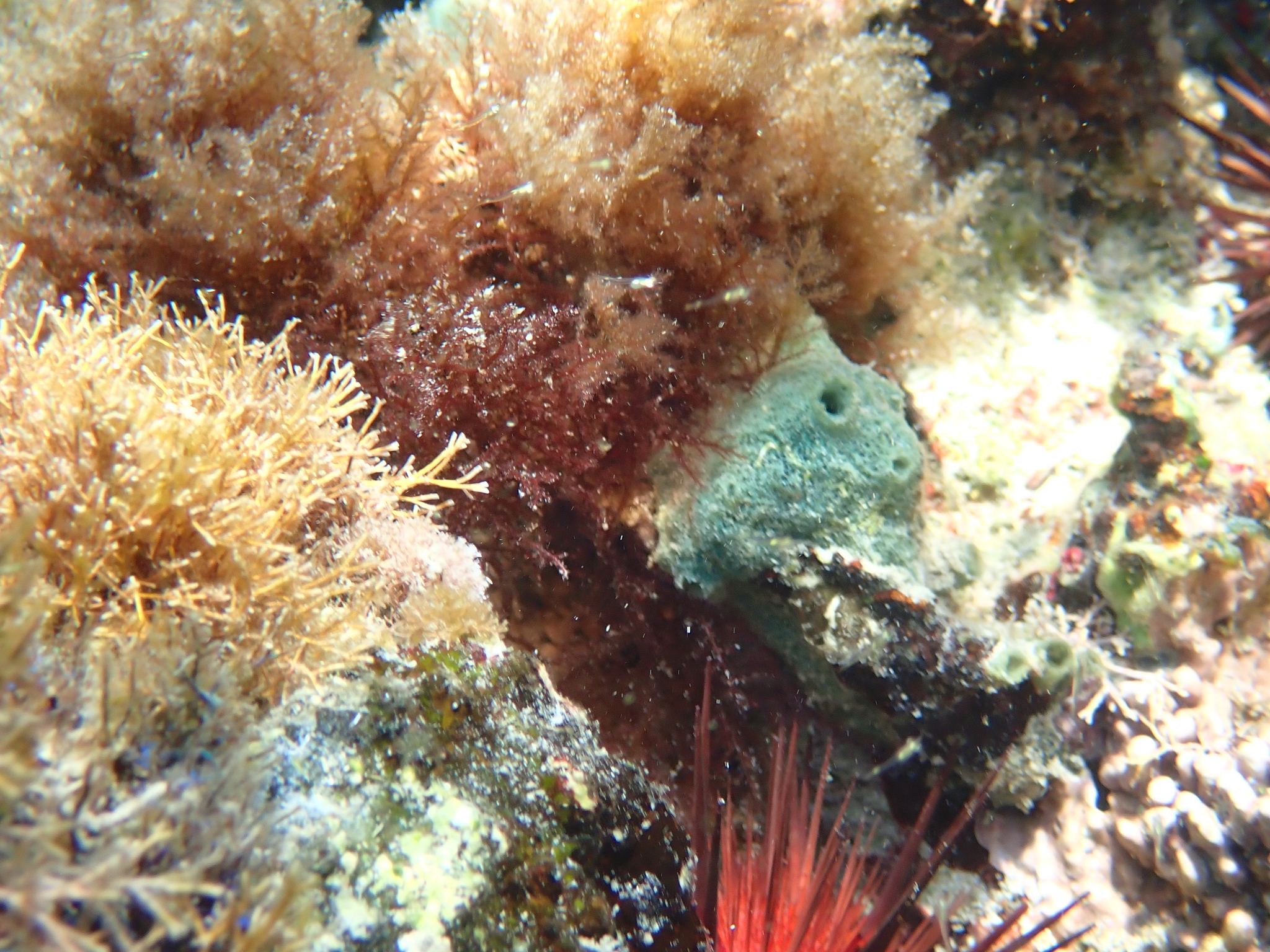
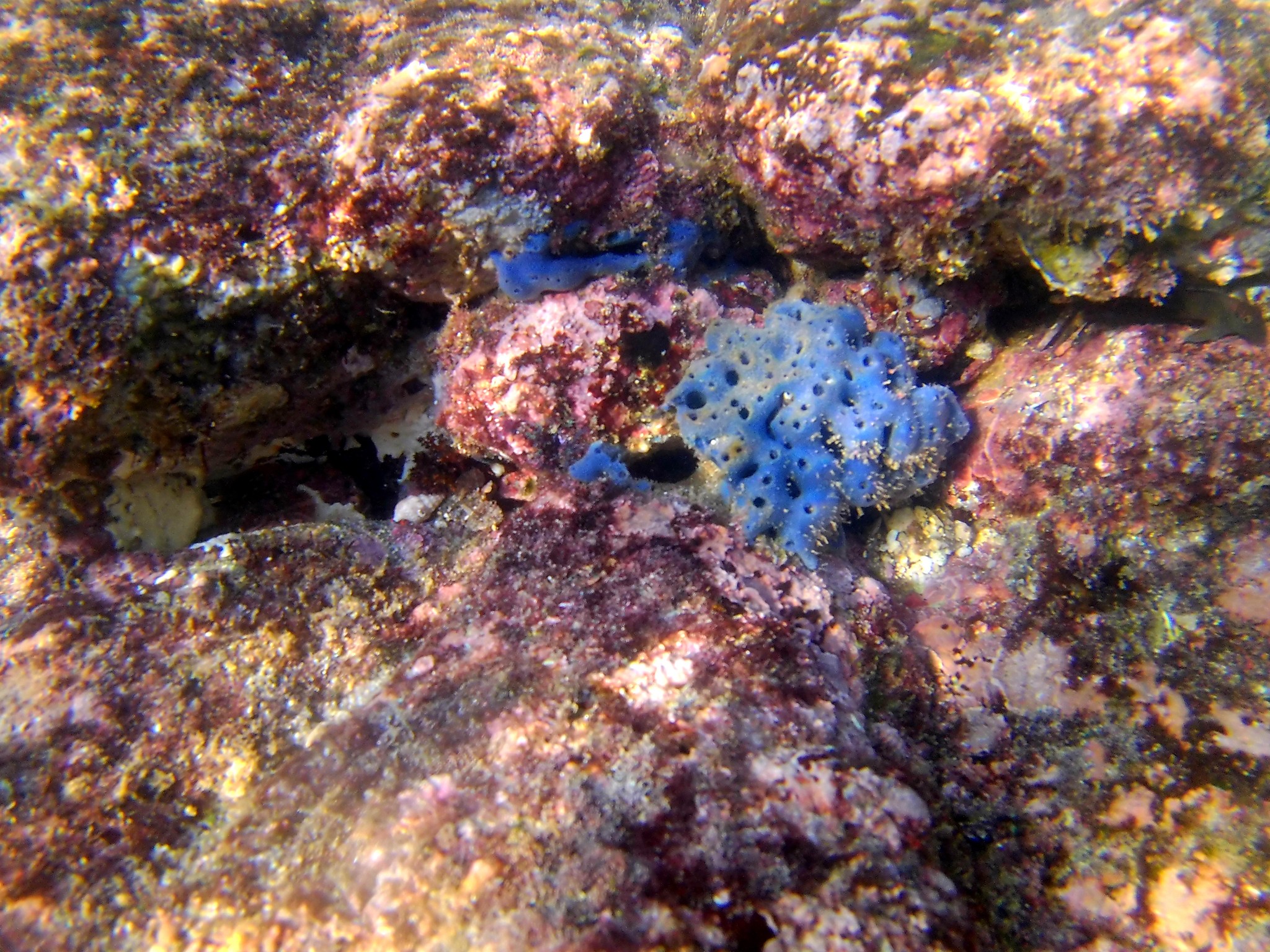
Members of the genus Amphimedon are marine demosponges with external body forms that are typically mass-forming and flattened to rounded in appearance. In images, individuals can appear as compact encrusting/low-relief growths or as thicker lobes/patches on hard substrates, with a surface that may look finely textured rather than smooth.
Developmental biology and patterning (generalizable)
Work on Amphimedon queenslandica shows that early sponge embryos/larvae use conserved developmental signaling pathways to establish axial patterning. Specifically, Wnt and TGF-β ligand genes have expression that begins from the earliest embryonic stages and becomes spatially localized along the anterior–posterior axis. Wnt becomes localized to the posterior pole during stages when anterior–posterior polarity emerges, while TGF-β is highest at the anterior pole. Later, their expression patterns intersect during formation of a simple tissue-like structure (a pigment ring) in the larva.
These results have been interpreted as supporting the idea that the last common ancestor of sponges, cnidarians, and bilaterians already had the capacity to direct body-plan features involving axes and tissue-like structures using such signaling pathways.
Ecology and interactions
Occurrence and interaction datasets report sponge–consumer relationships in Amphimedon (e.g., interactions recorded for Amphimedon compressa). For example, the genus is represented in records where the sponge is reported as preyed upon by fishes (Pomacanthidae) and also includes interactions with sea turtles as an eaten-by relationship.
Gallery
References
- ↑ Dataset view for Animalia / Porifera / Demospongiae / Haplosclerida / Niphatidae / Amphimedon constructed from imageomics/TreeOfLife-200M records under this taxonomic path. Hugging Face Datasets. https://huggingface.co/datasets/imageomics/TreeOfLife-200M.