Amphilectus fucorum
Taxonomy
This page represents the following TreeOfLife-200M taxonomic path.[1]
- Kingdom: Animalia
- Phylum: Porifera
- Class: Demospongiae
- Order: Poecilosclerida
- Family: Esperiopsidae
- Genus: Amphilectus
- Species: Amphilectus fucorum
Visual Description
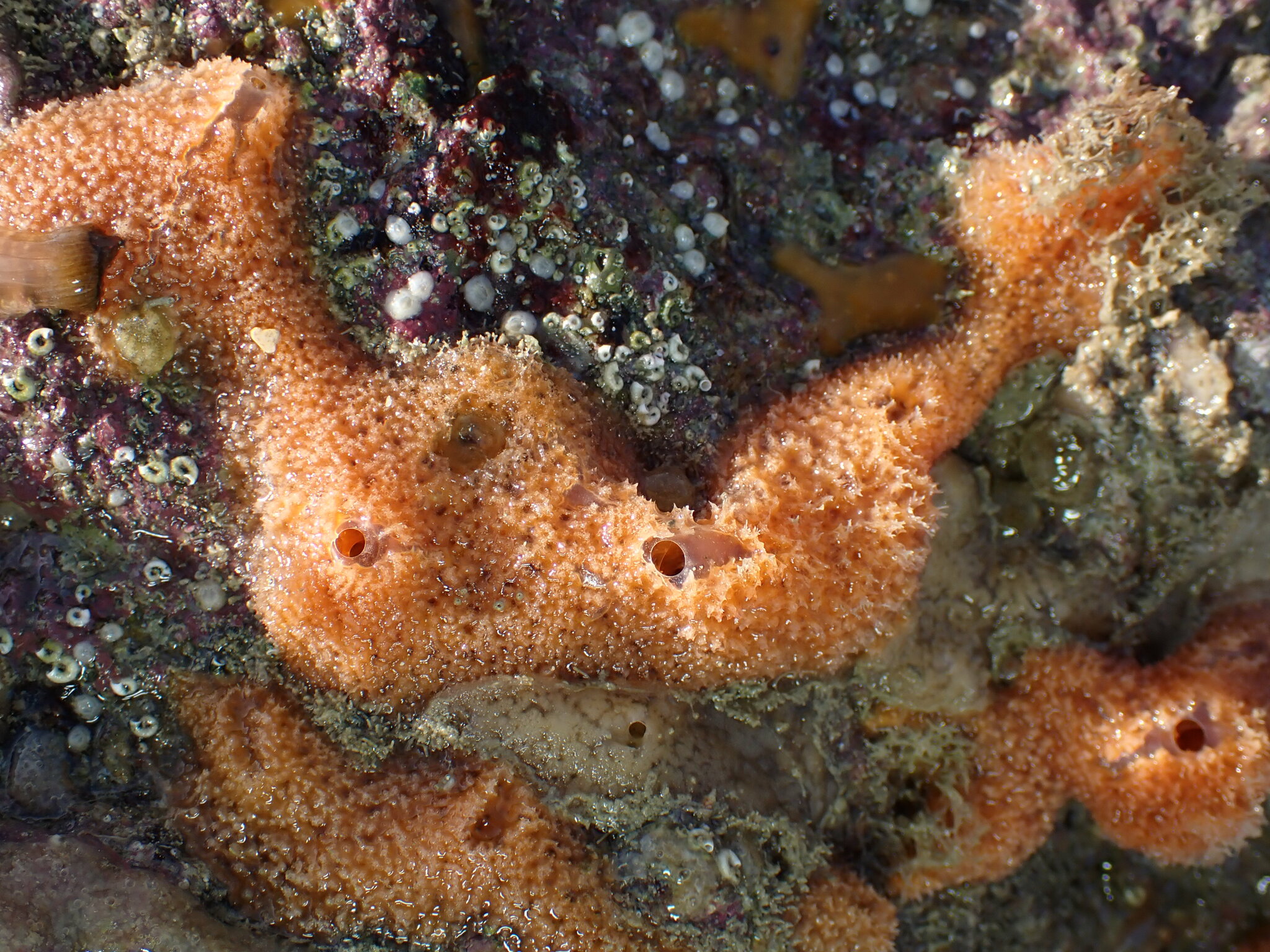
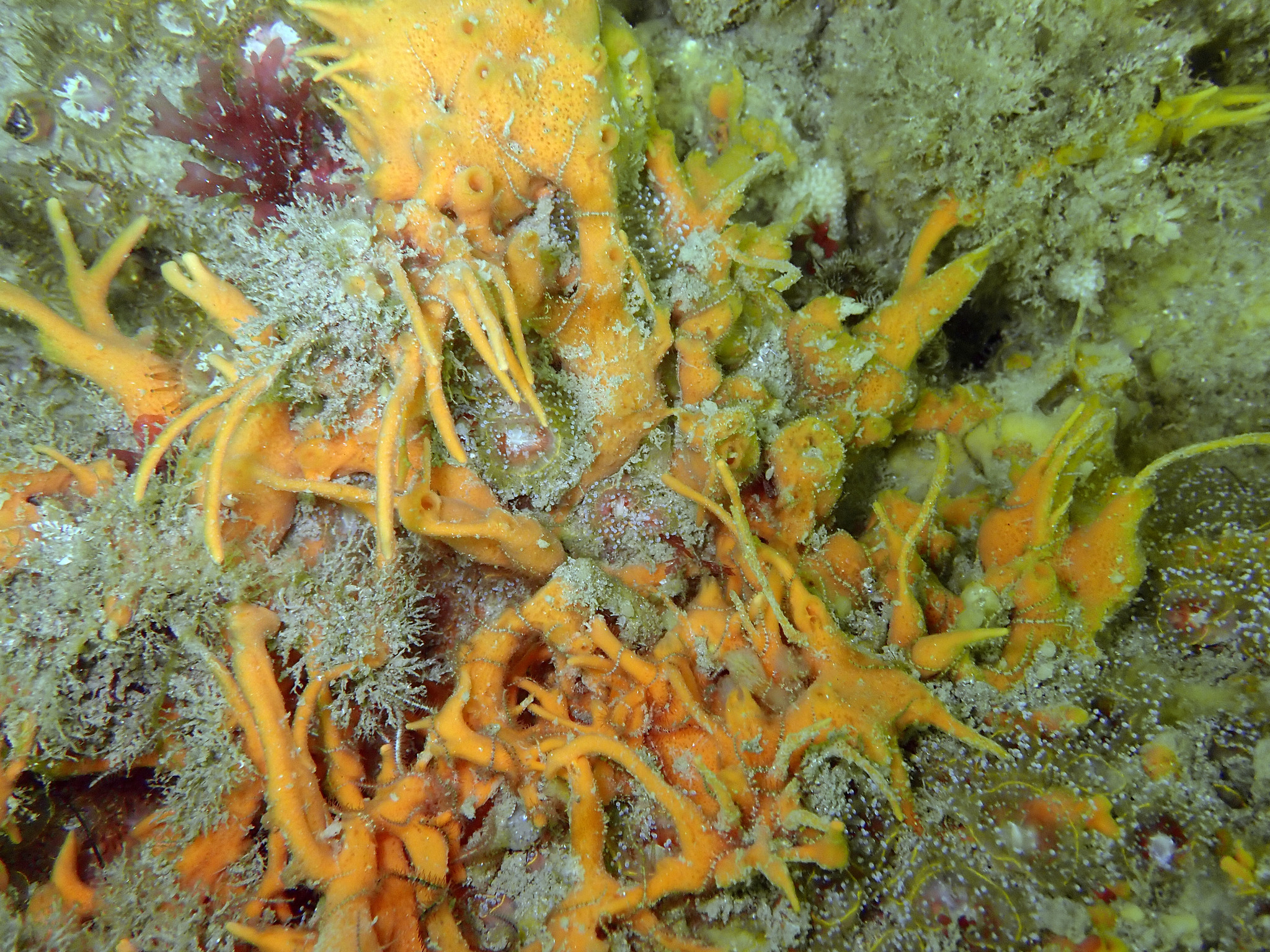
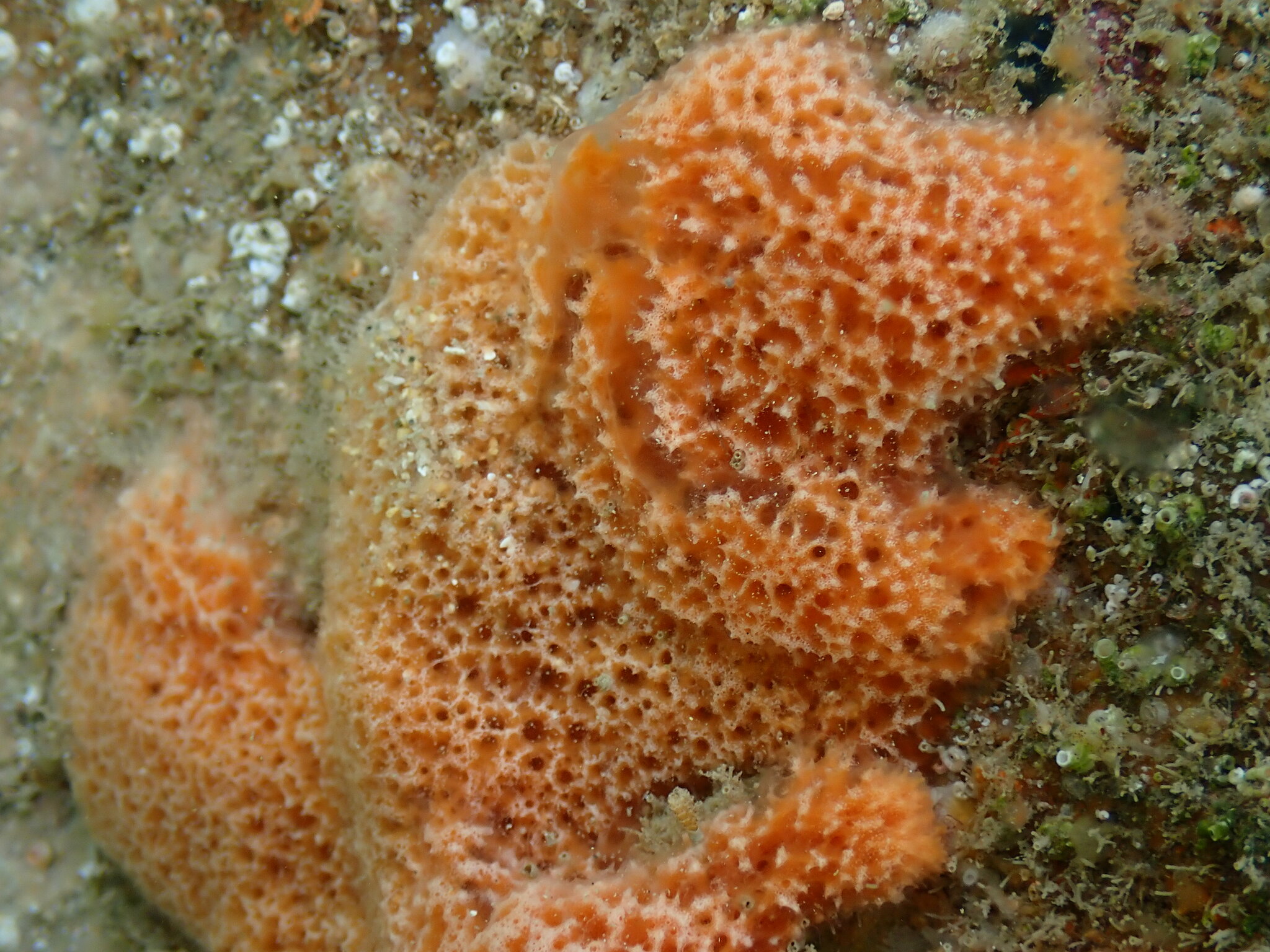
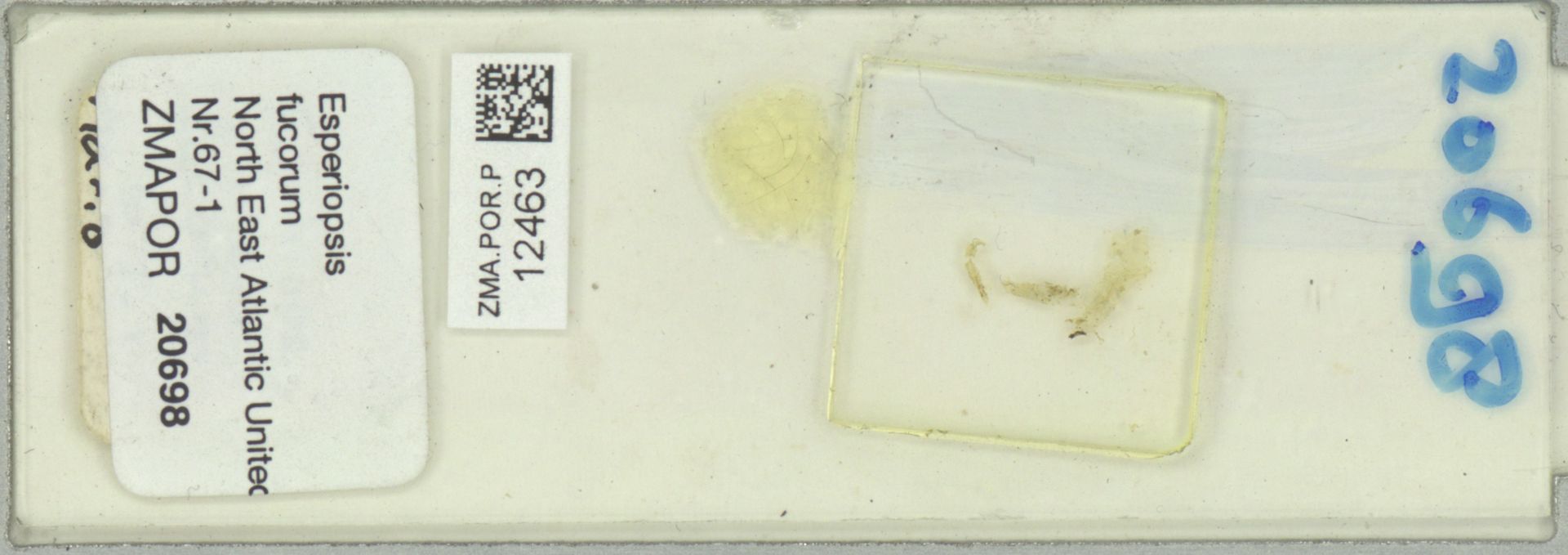
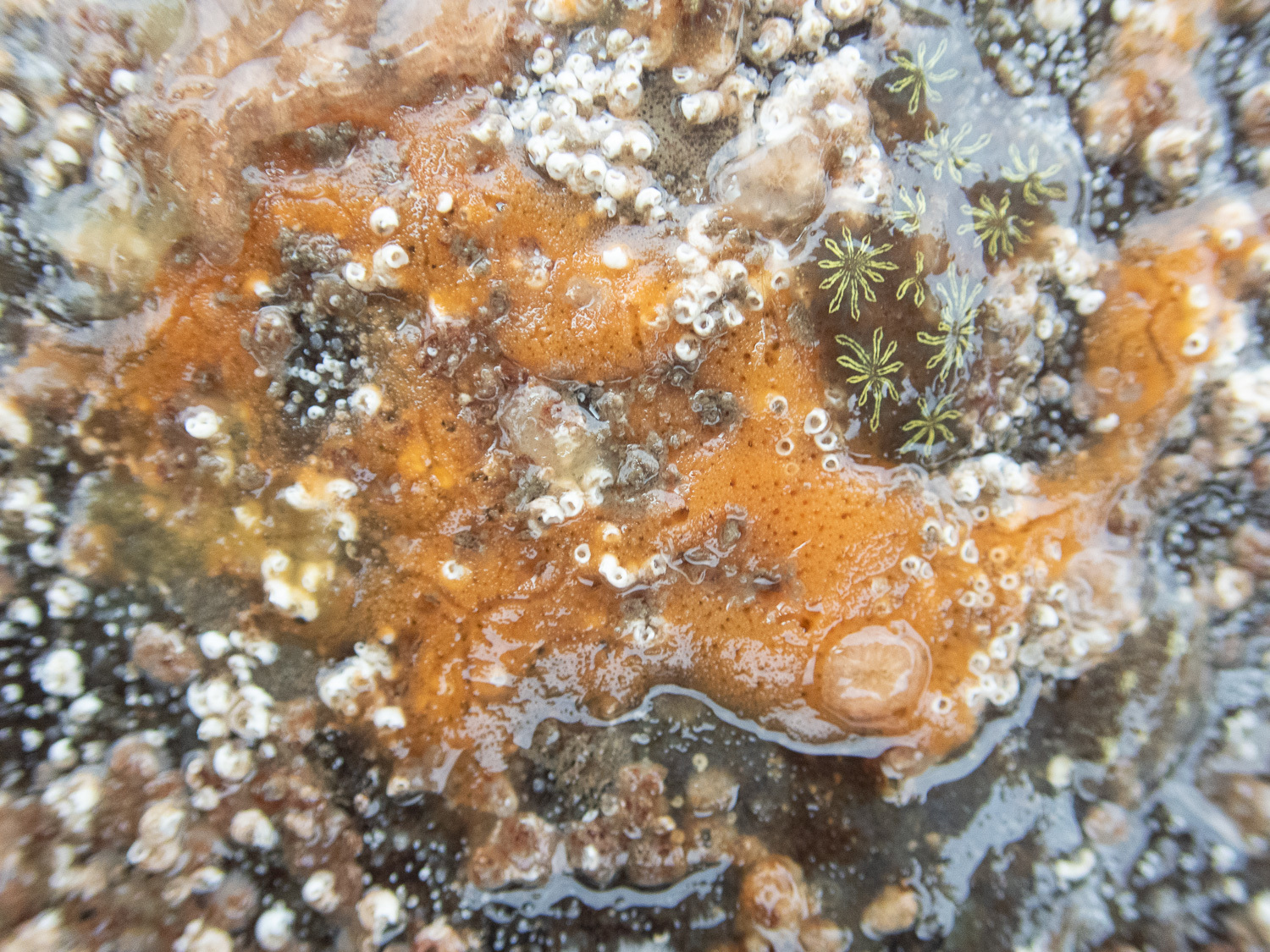
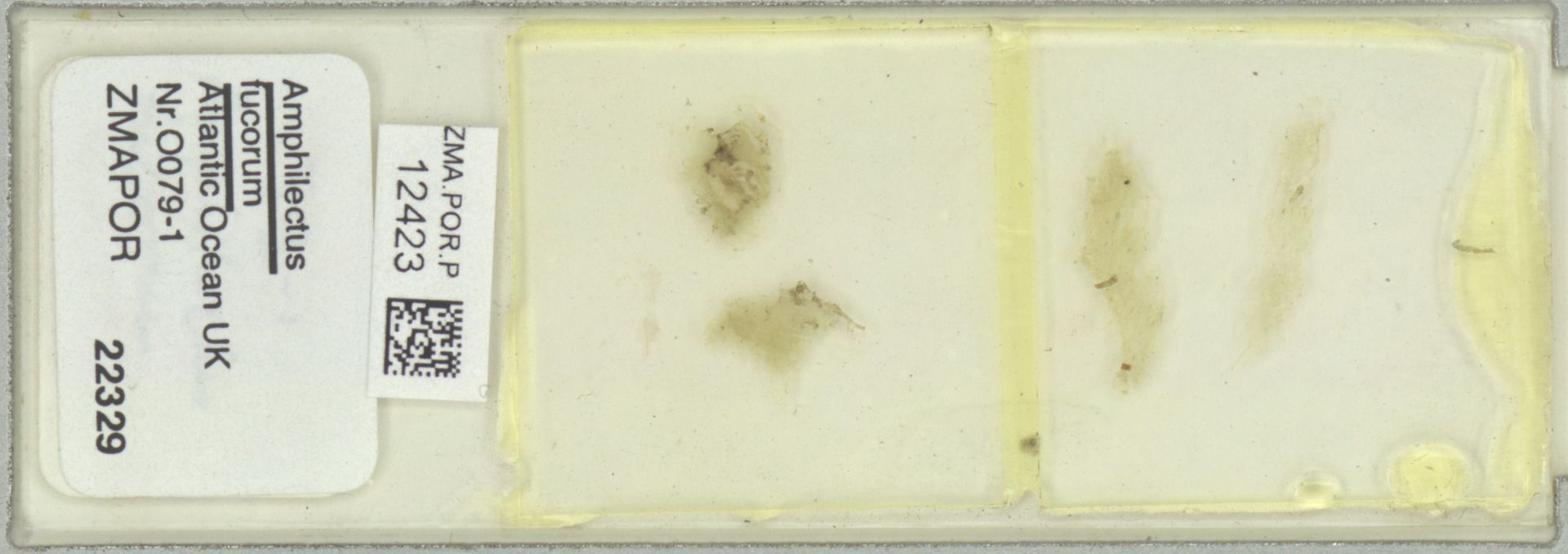
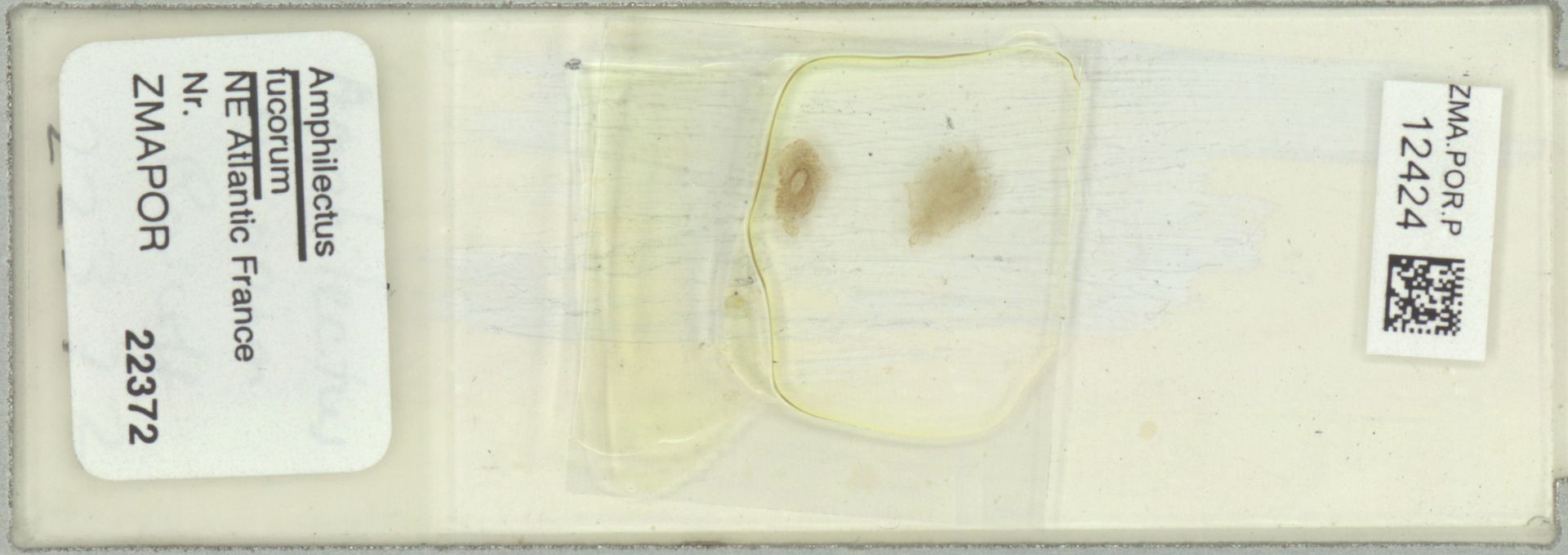
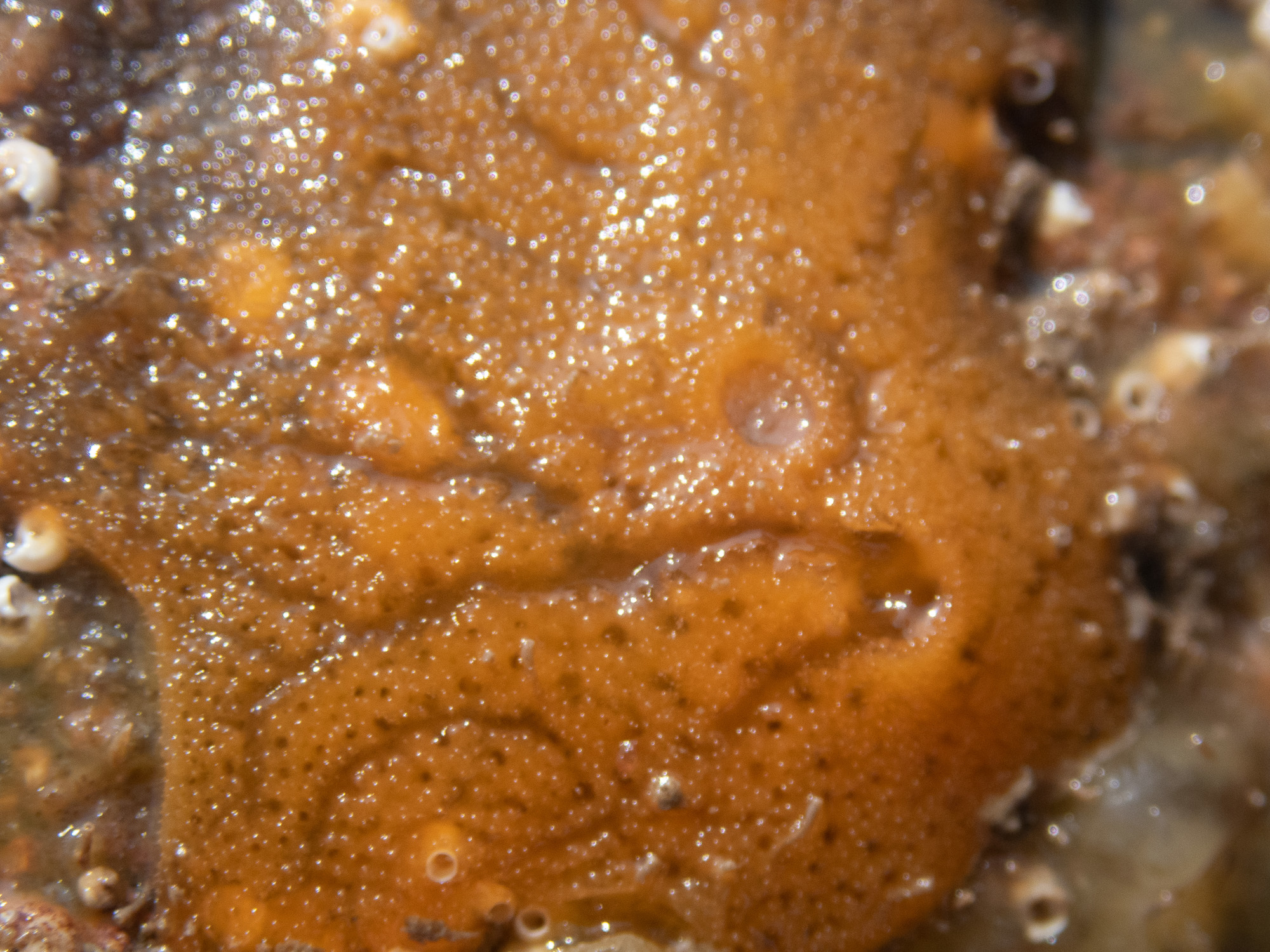
Across museum and field records, Amphilectus fucorum is portrayed as a sponge forming encrusting to irregularly ramose fragments. Reported surface appearance in examined material is soft and irregular, with brownish color in life and beige to whitish in preserved specimens. Fragment sizes reported for assigned material are about 2–3 cm.
Identification (diagnostic characters used in comparative work)
In West African Esperiopsidae, the 2012 taxonomic study uses a genus-level rule based on spicule complement: specimens are assigned to Amphilectus when they show only a single microsclere type (and not a second microsclere type); Esperiopsis is associated with the presence of sigmas, while Ulosa lacks microscleres.
For A. fucorum material examined from Mauritania, the reported spicule/skeleton profile includes:
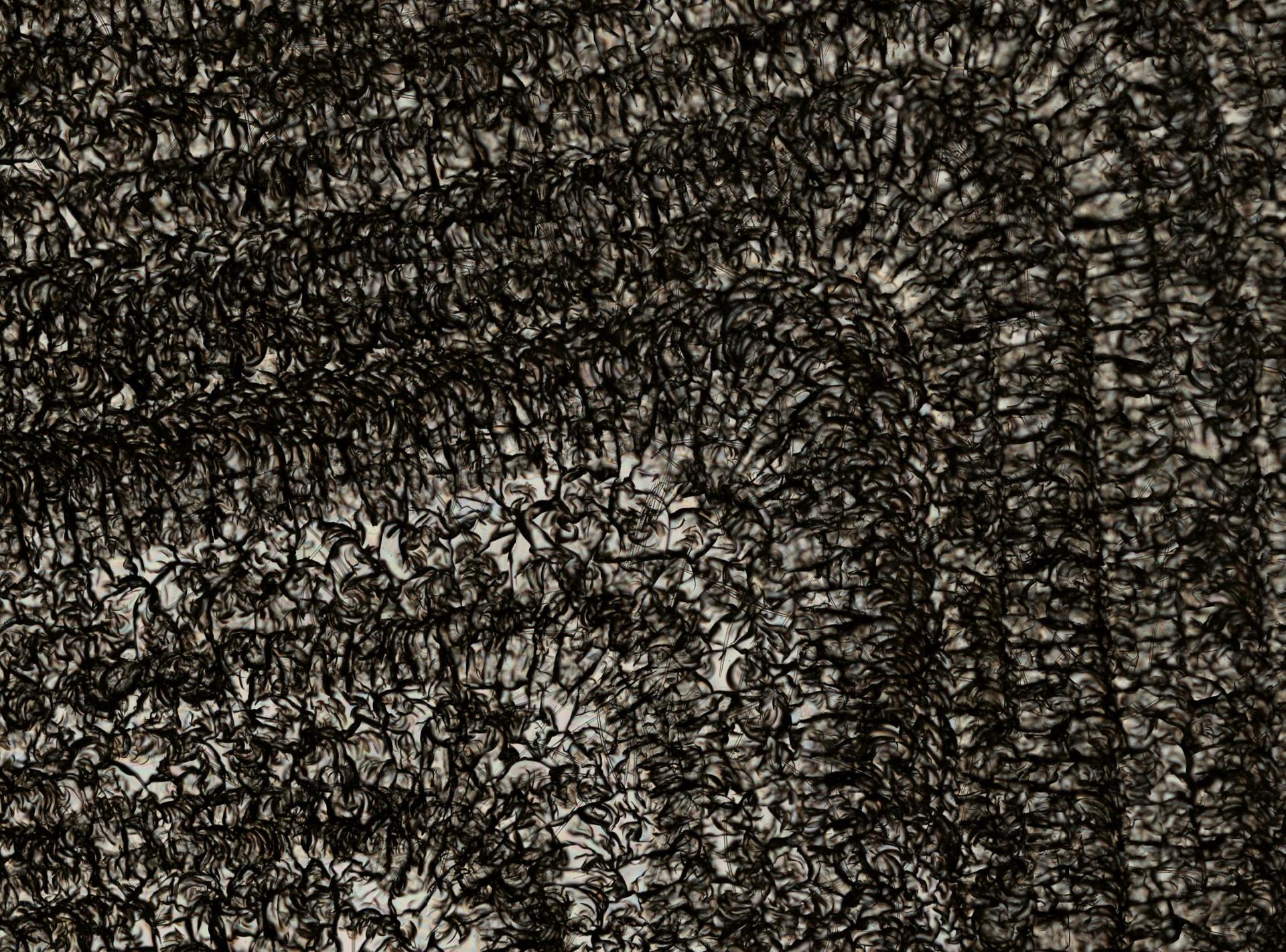
- Skeleton: irregularly plumoreticulate; loosely defined spicule bundles connected by individual spicules; spicules barely protrude beyond the surface; chelae clustered and also occurring singly within the interior.
- Megascleres: styles, reported as about 198–237.6 × 9–11.4–14 µm.
- Microscleres: palmate isochelae, “normal” with a slightly incurved shaft, reported as about 19–23.6–27 µm (ranges reported in the study).
Distribution and habitat
Amphilectus fucorum is widely treated as a common, distinctly orange-coloured species in shallow-water habitats of the British Isles and the west coast of France; however, deep-water specimens may appear less vividly coloured. Records in the study include specimens to about 100 m.
In the Mauritanian dataset, A. fucorum was reported from muddy seabed below ~50 m, specifically off Banc d’Arguin, with the study reporting depths roughly 48–100 m.
Species limits and uncertainty
Because the species has a broad range, the authors highlight that genetic comparisons may uncover additional diversity. They also treat some distant records (e.g., potentially misassigned “Southern Ocean” records) as requiring critical comparison before assuming conspecificity.
Gallery

References
- ↑ Dataset view for Animalia / Porifera / Demospongiae / Poecilosclerida / Esperiopsidae / Amphilectus / fucorum constructed from imageomics/TreeOfLife-200M records under this taxonomic path. Hugging Face Datasets. https://huggingface.co/datasets/imageomics/TreeOfLife-200M.