Americina vittata
Taxonomy
This page represents the following TreeOfLife-200M taxonomic path.[1]
- Kingdom: Animalia
- Phylum: Arthropoda
- Class: Insecta
- Order: Diptera
- Family: Scathophagidae
- Genus: Americina
- Species: Americina vittata
Visual Description
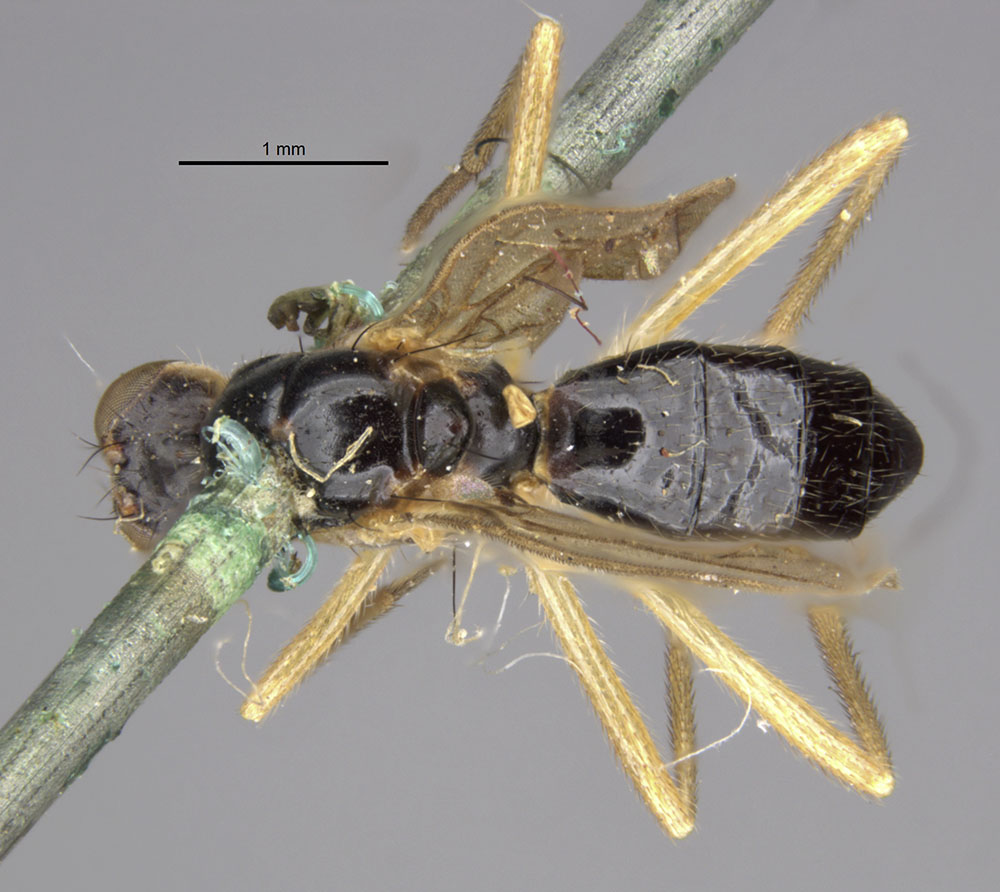
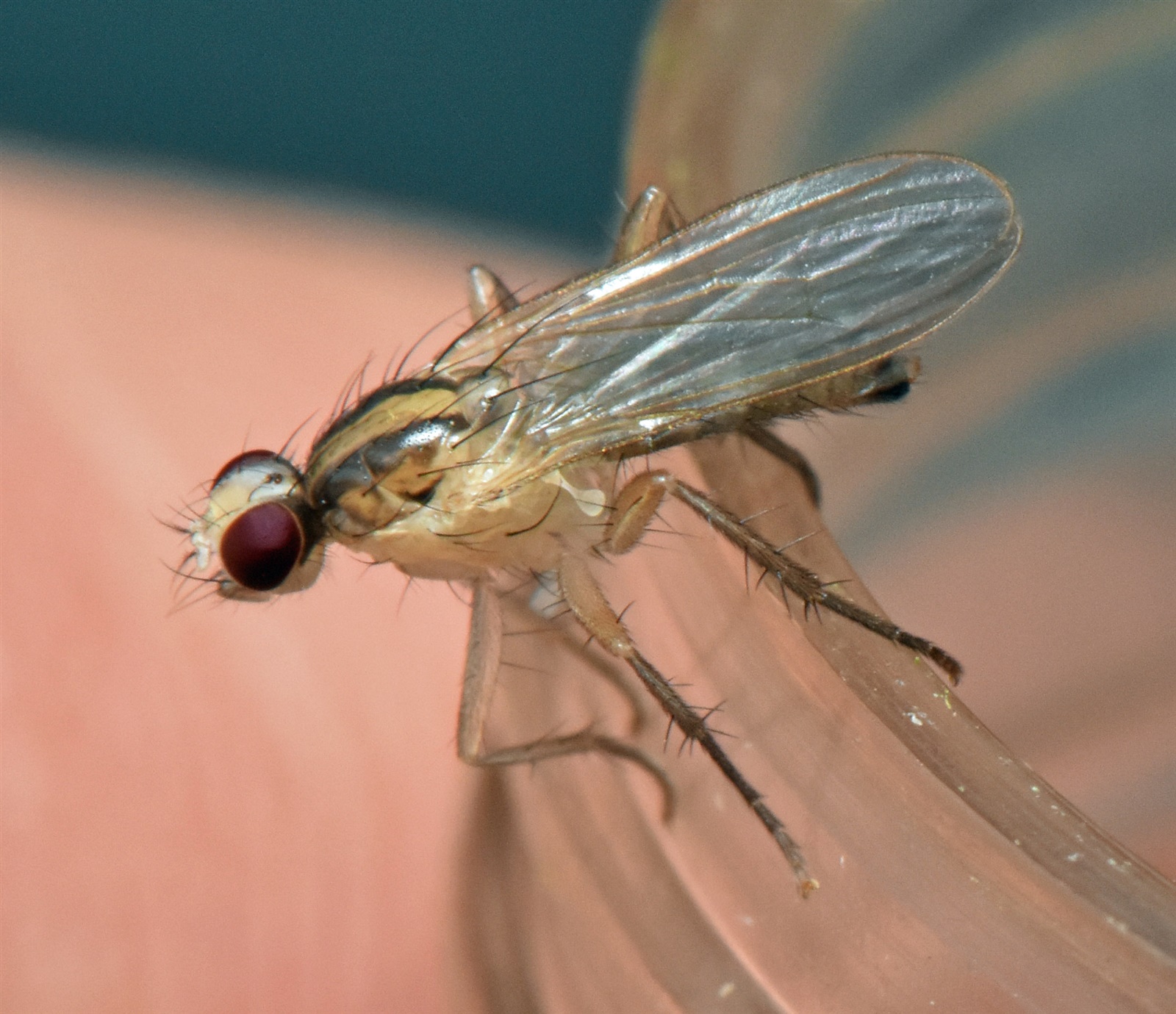
Americina vittata is a small fly belonging to the family Scathophagidae. Observations of specimens from the TreeOfLife-200M dataset reveal a slender body form typical of many acalyptrate flies. The thorax and abdomen exhibit a brownish to yellowish coloration, often with darker longitudinal markings or patterns along the dorsal surface. The wings are generally clear or slightly tinted, with distinct venation characteristic of the family. The legs are relatively long and slender, often showing a similar coloration to the body.[1]
Ecology and Biology
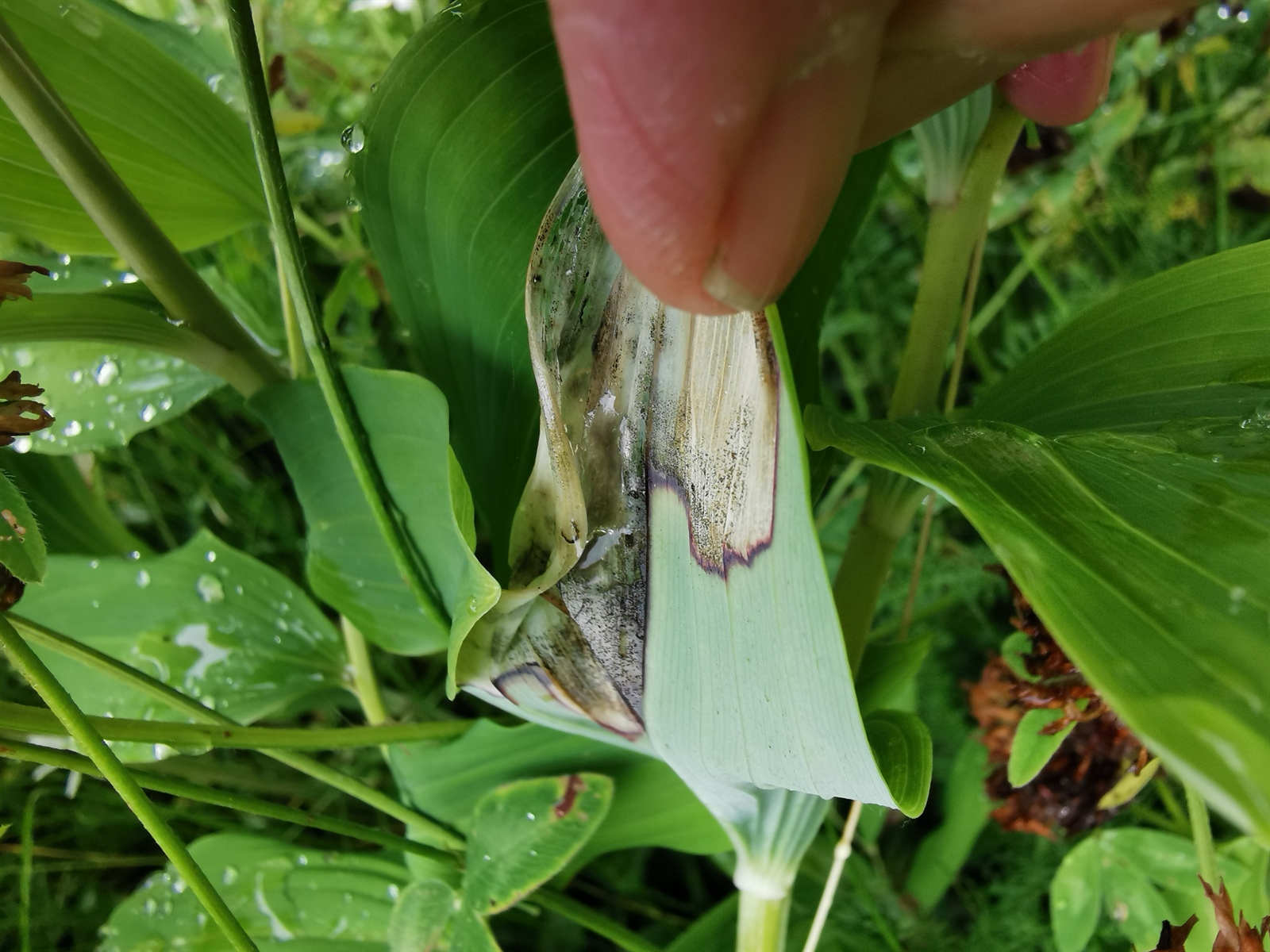
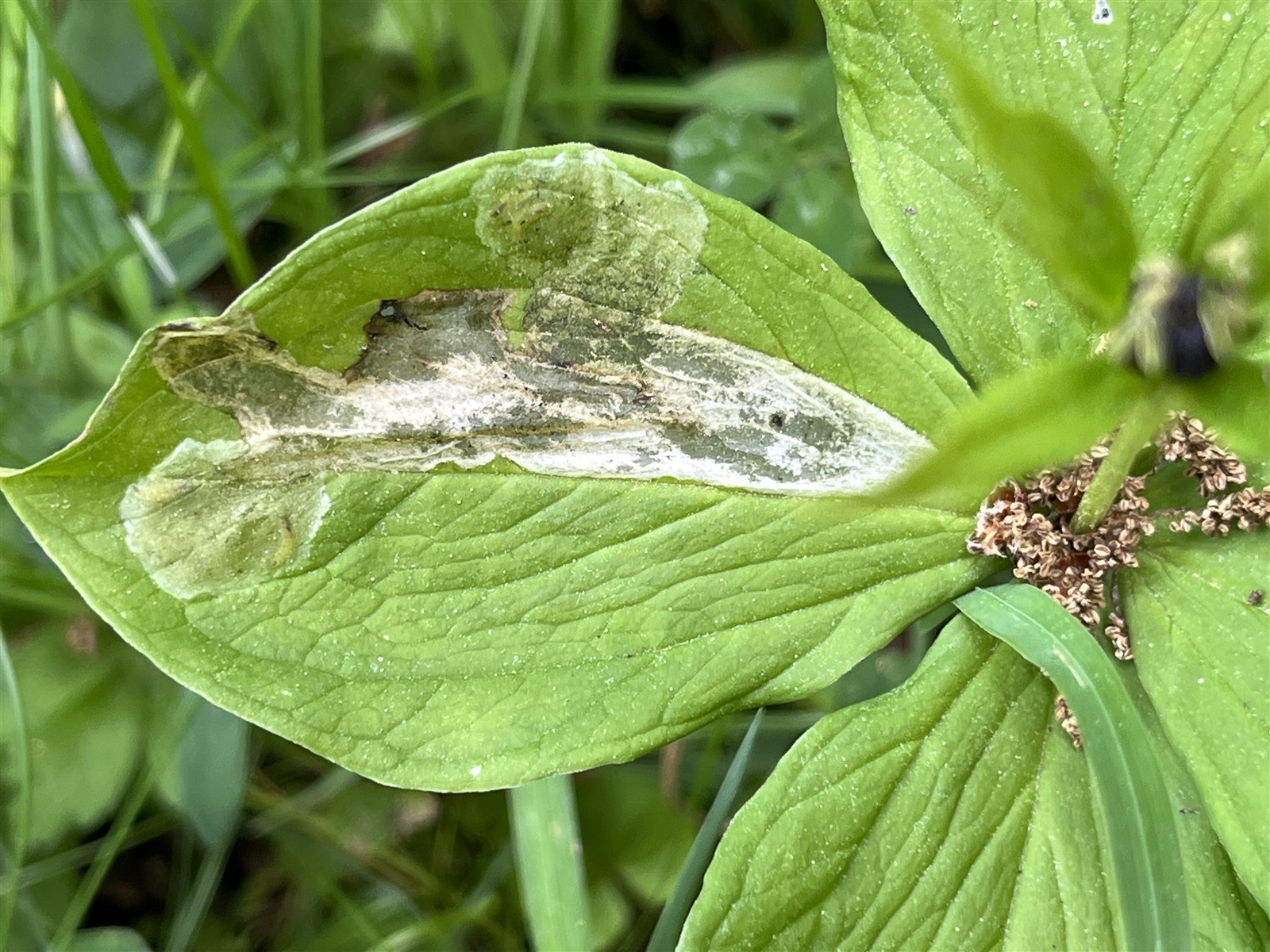
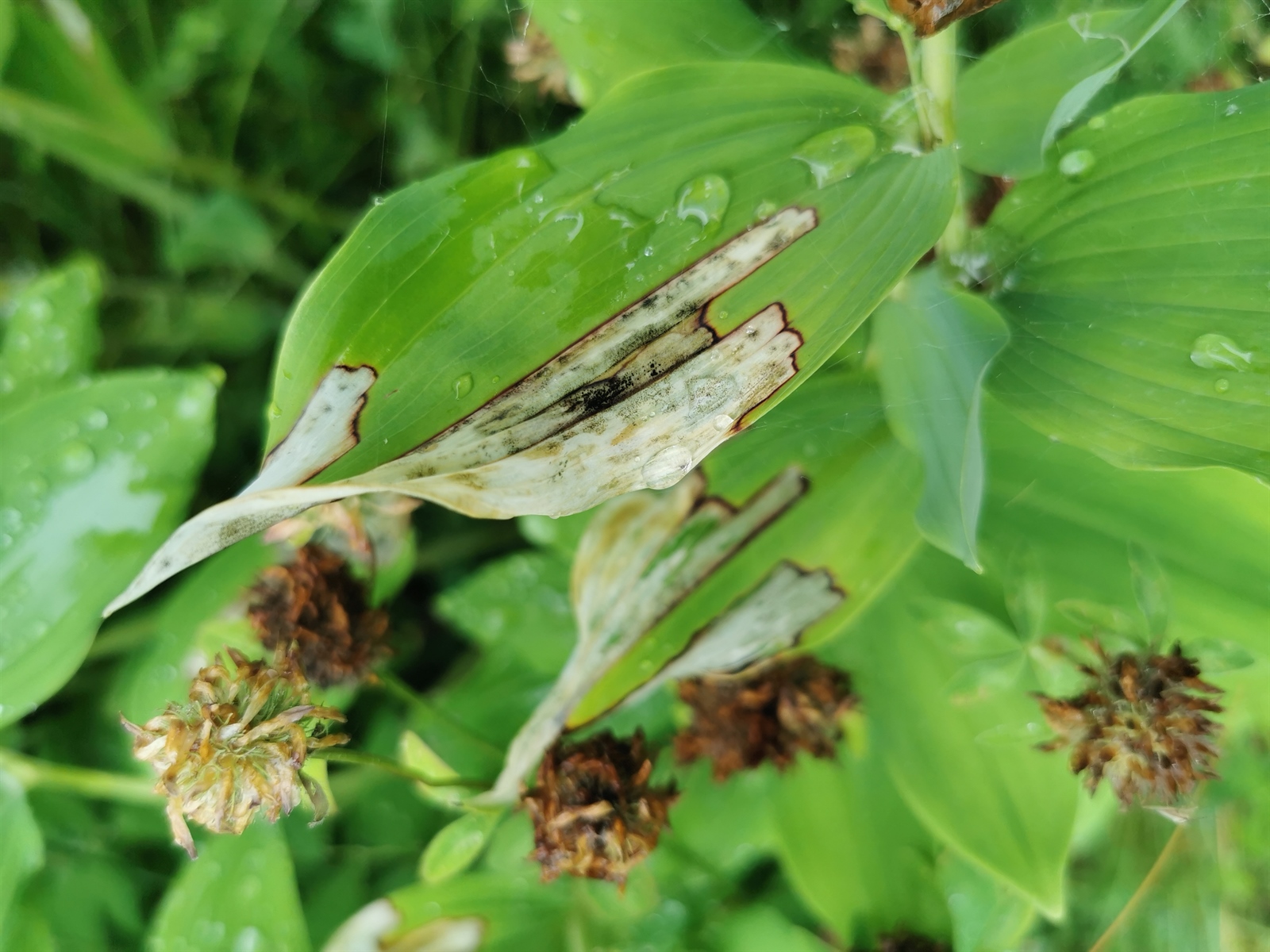
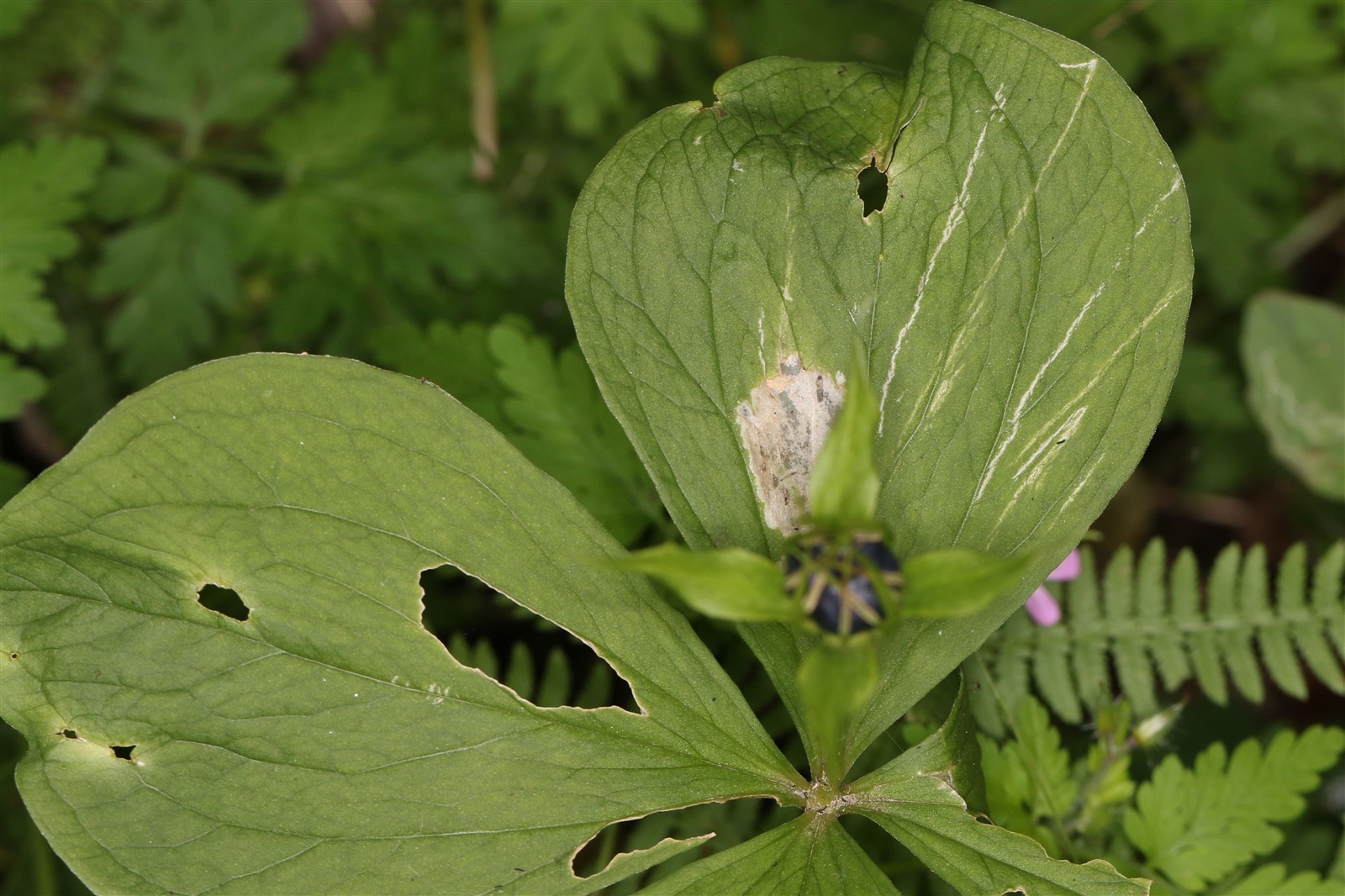
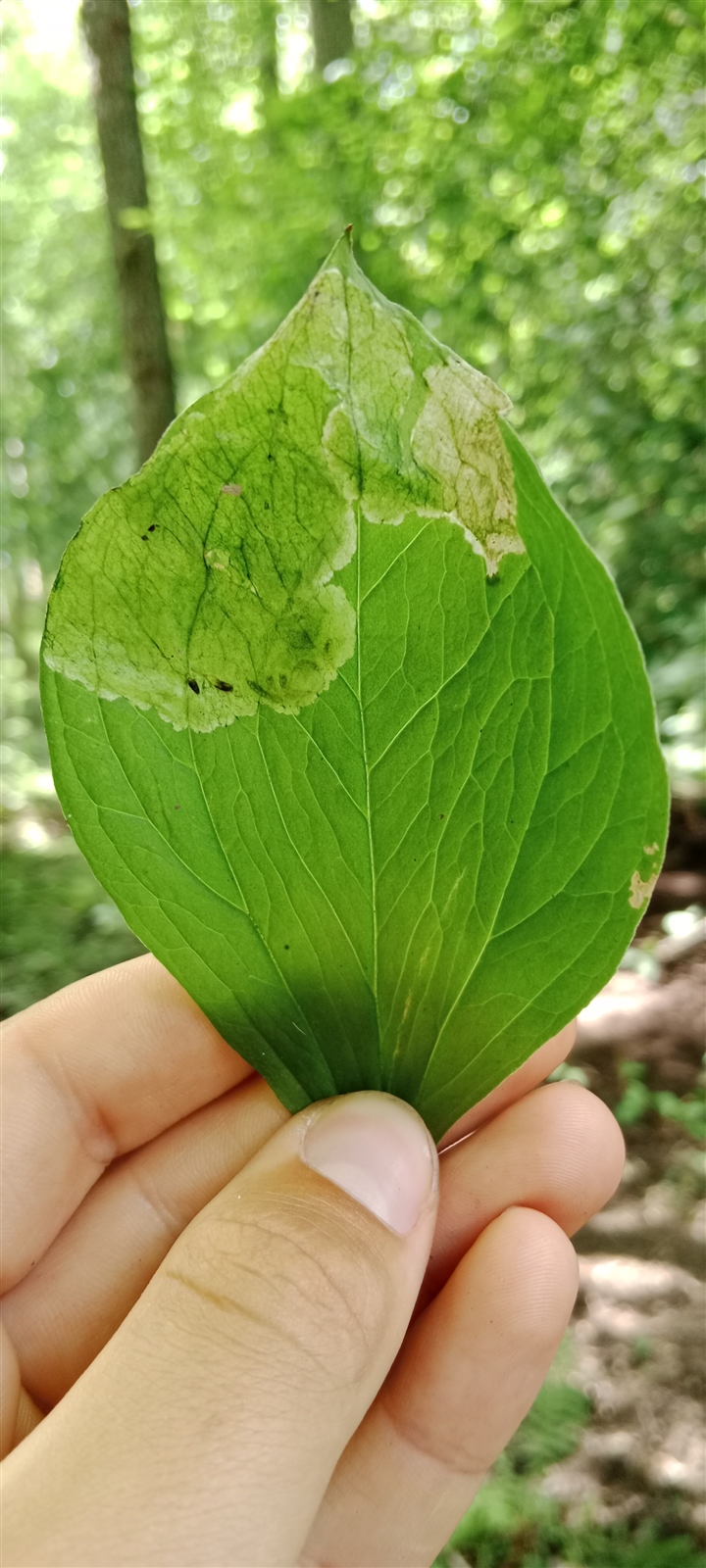
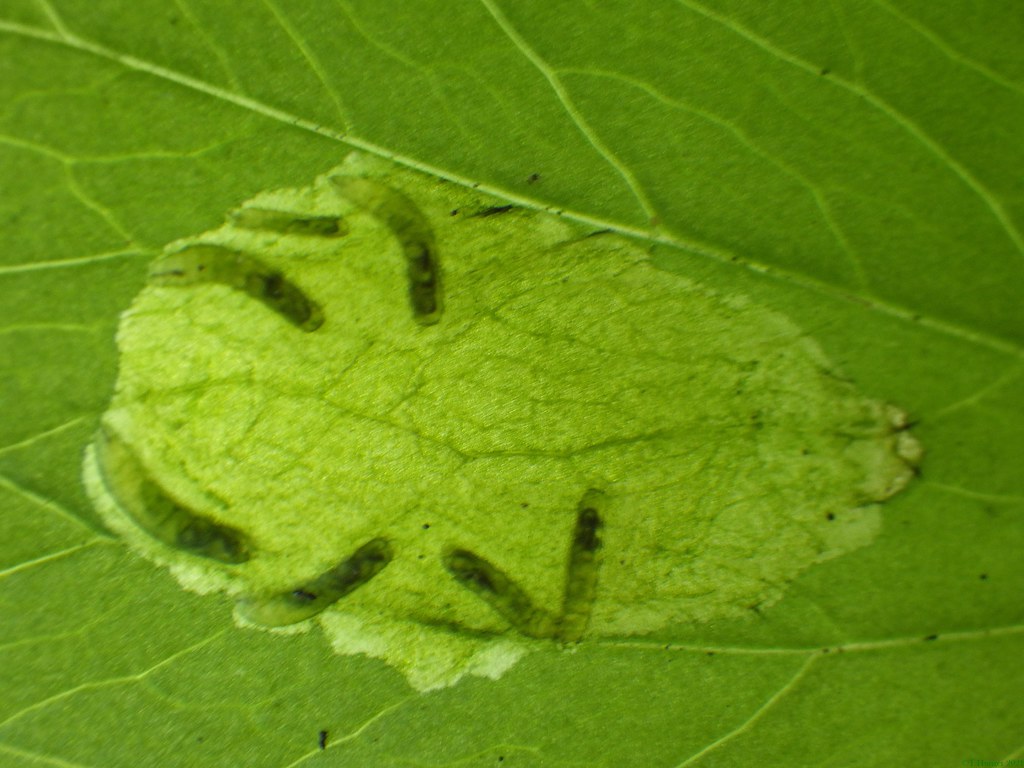
Americina vittata (also known as Parallelomma vittatum) is a Holarctic insect recognized as a leafminer that infests various orchid species.[2] Research in Gatineau Park, Québec, Canada, has documented its use of terrestrial orchids such as Cypripedium parviflorum var. pubescens, Cypripedium reginae, and the introduced Epipactis helleborine as host plants.[2]
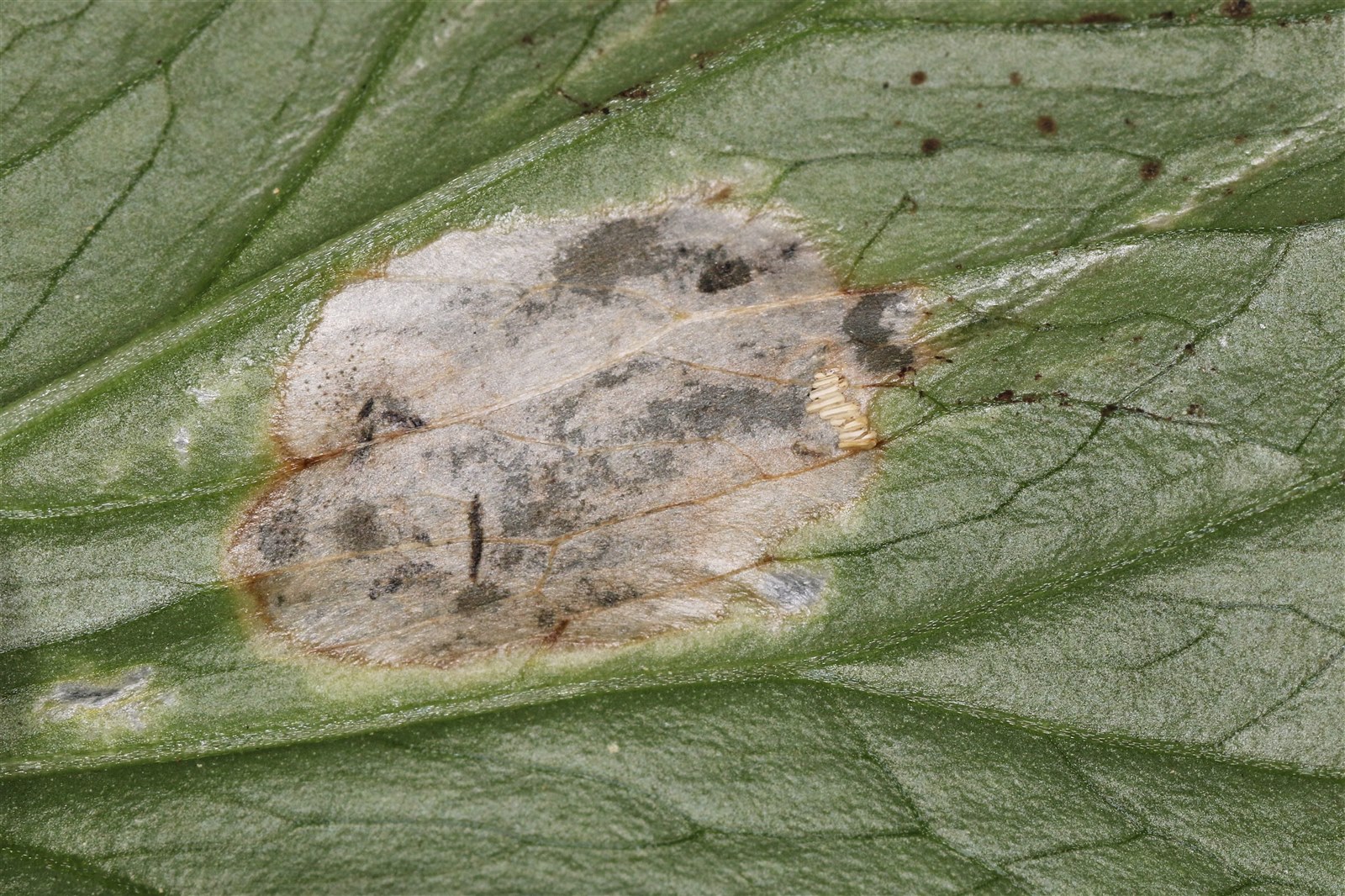
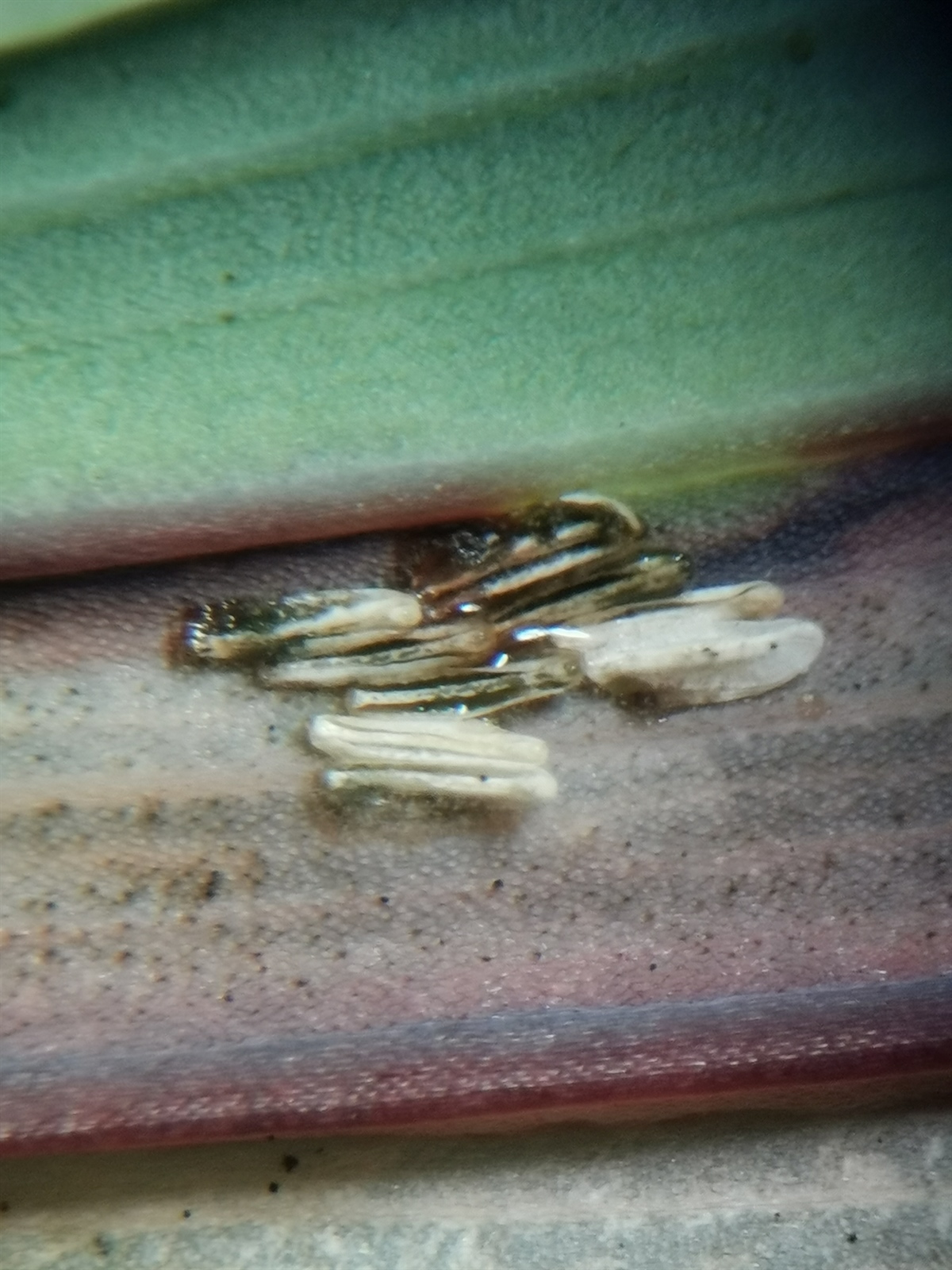
The oviposition behavior of A. vittata varies depending on the host plant. Infestation patterns can range from random, as observed in Cypripedium reginae, to highly specific, where certain individual plants of Cypripedium parviflorum var. pubescens are repeatedly infested over multiple years.[2] Eggs are laid in clutches and are firmly attached to the underside of the host's leaves; the remaining egg shells after hatching serve as a useful indicator for population monitoring.[2]
Populations of A. vittata are typically regulated by parasitoids, including egg parasitoids like Chrysocharis sp. and larval parasitoids of the genus Utetes.[2] However, climate-induced asynchrony between the leafminer and its parasitoids can lead to outbreaks that significantly impact host orchid populations.[2]
Gallery
References
- 1 2 Dataset view for Animalia / Arthropoda / Insecta / Diptera / Scathophagidae / Americina / vittata constructed from imageomics/TreeOfLife-200M records under this taxonomic path. Hugging Face Datasets. https://huggingface.co/datasets/imageomics/TreeOfLife-200M.
- 1 2 3 4 5 6 Marilyn H. S. Light; Michael Macconaill. Potential impact of insect herbivores on orchid conservation. EUROPEAN JOURNAL OF ENVIRONMENTAL SCIENCES. 2012. https://doi.org/10.14712/23361964.2015.54.