Alotanypus
Taxonomy
This page represents the following TreeOfLife-200M taxonomic path.[1]
- Kingdom: Animalia
- Phylum: Arthropoda
- Class: Insecta
- Order: Diptera
- Family: Chironomidae
- Genus: Alotanypus
Visual Description
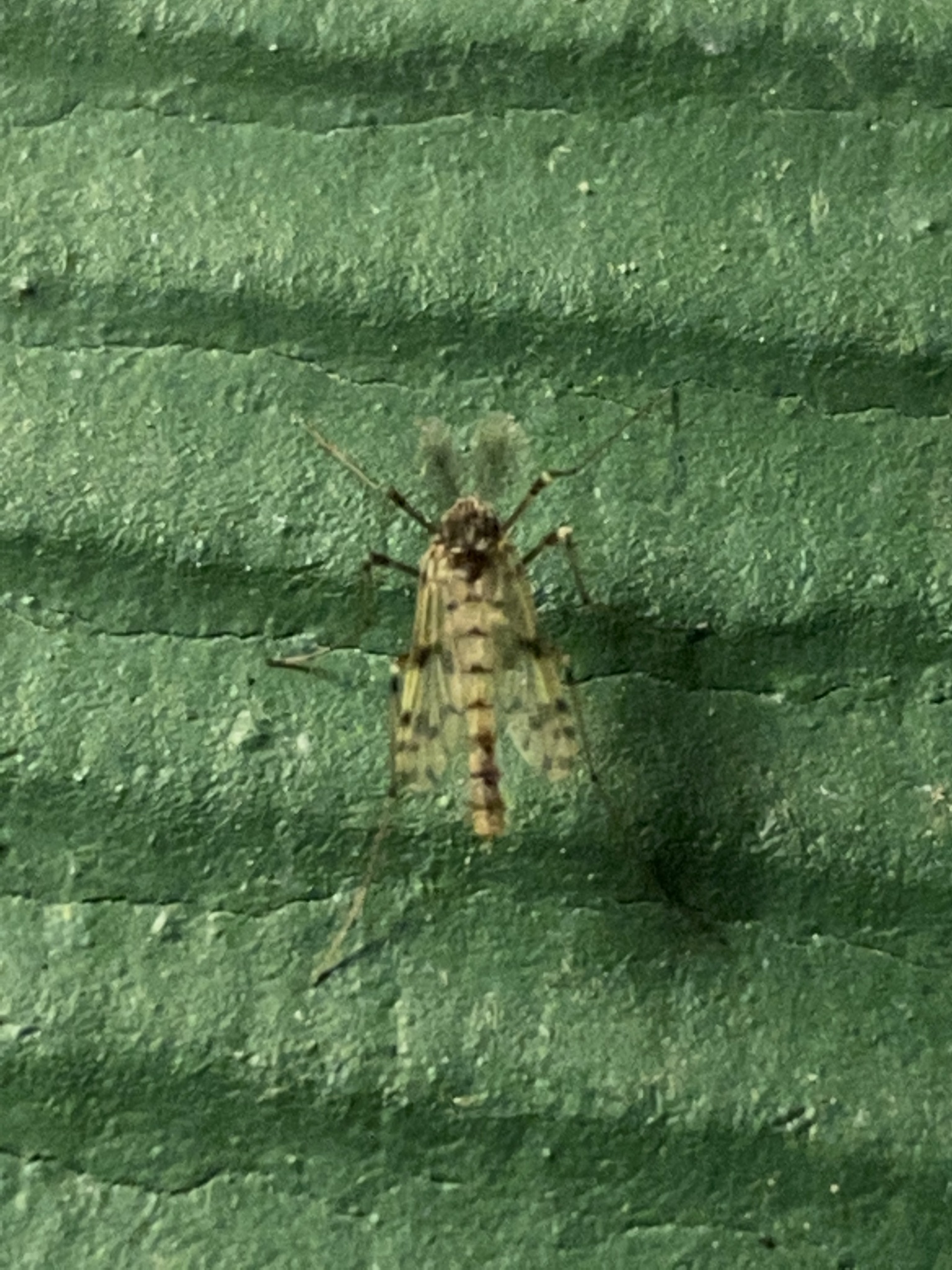
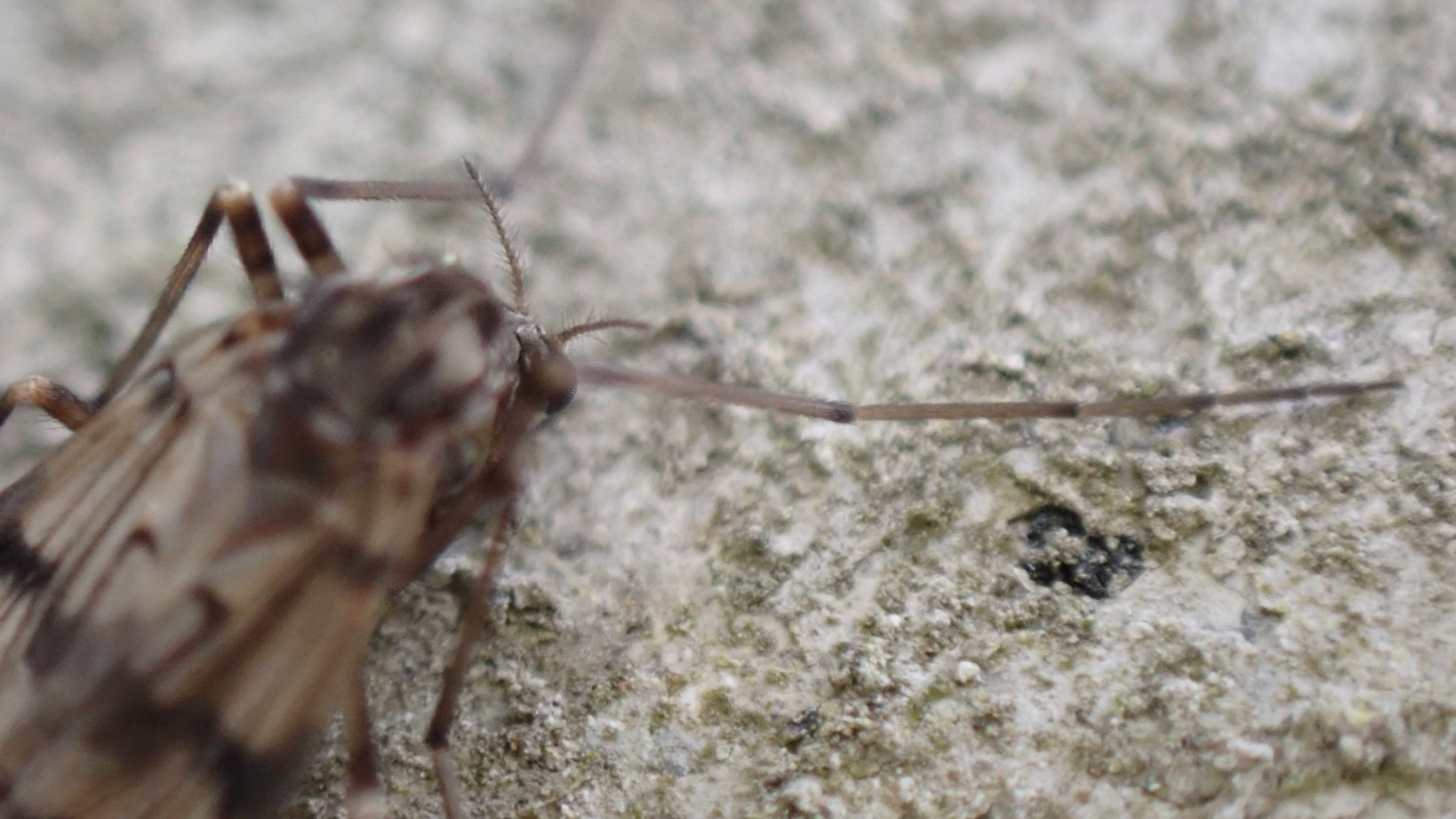
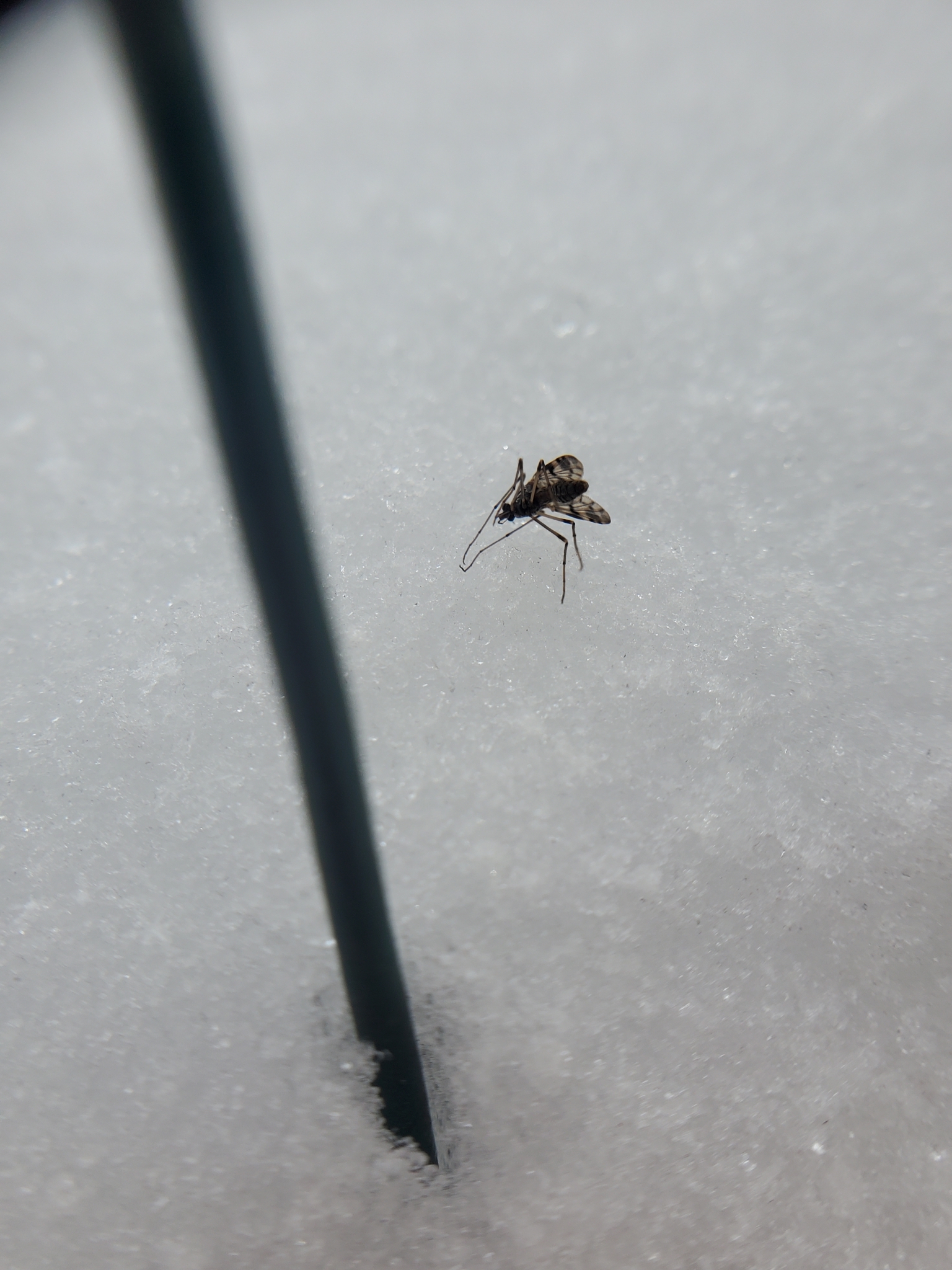
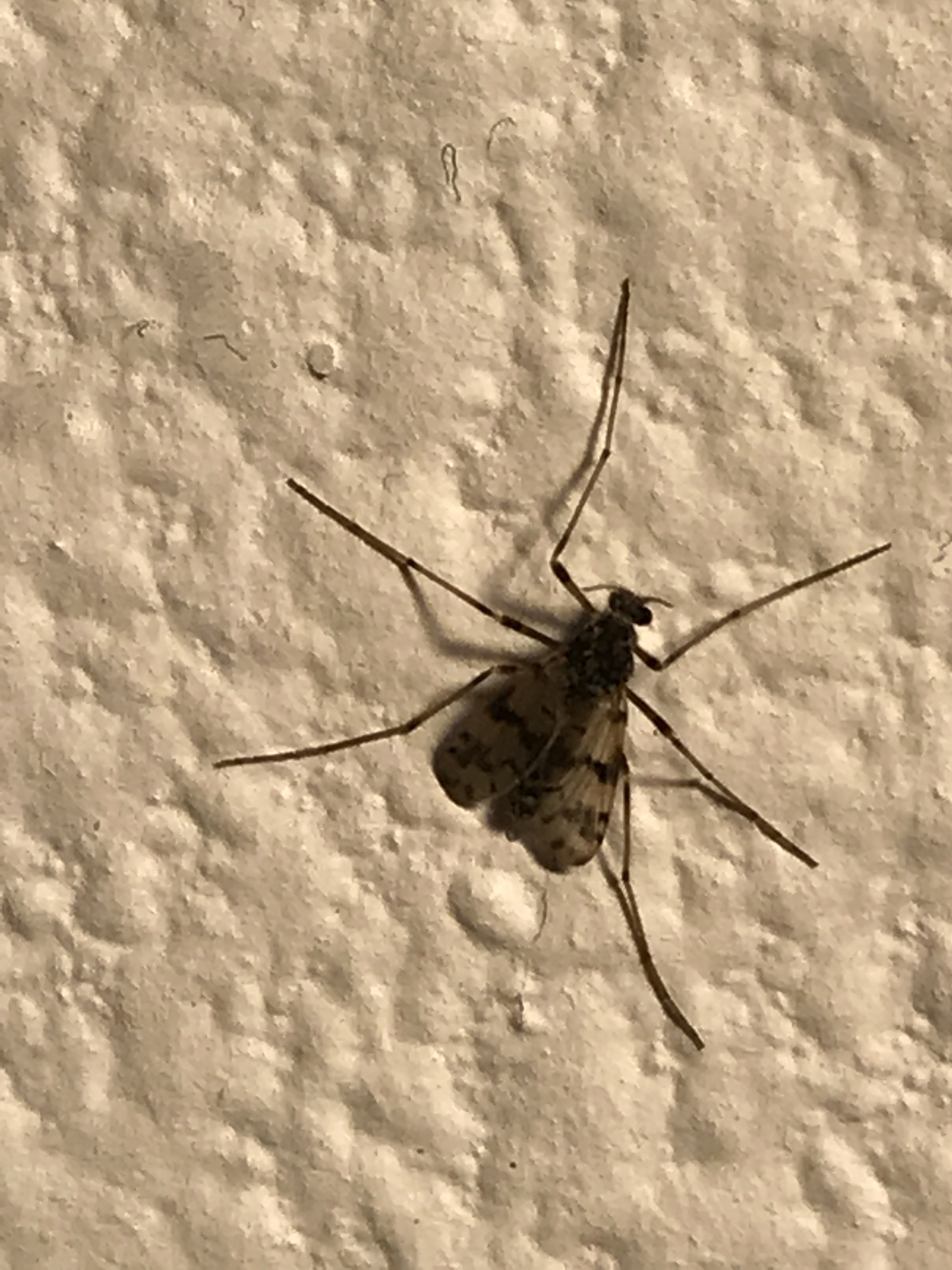
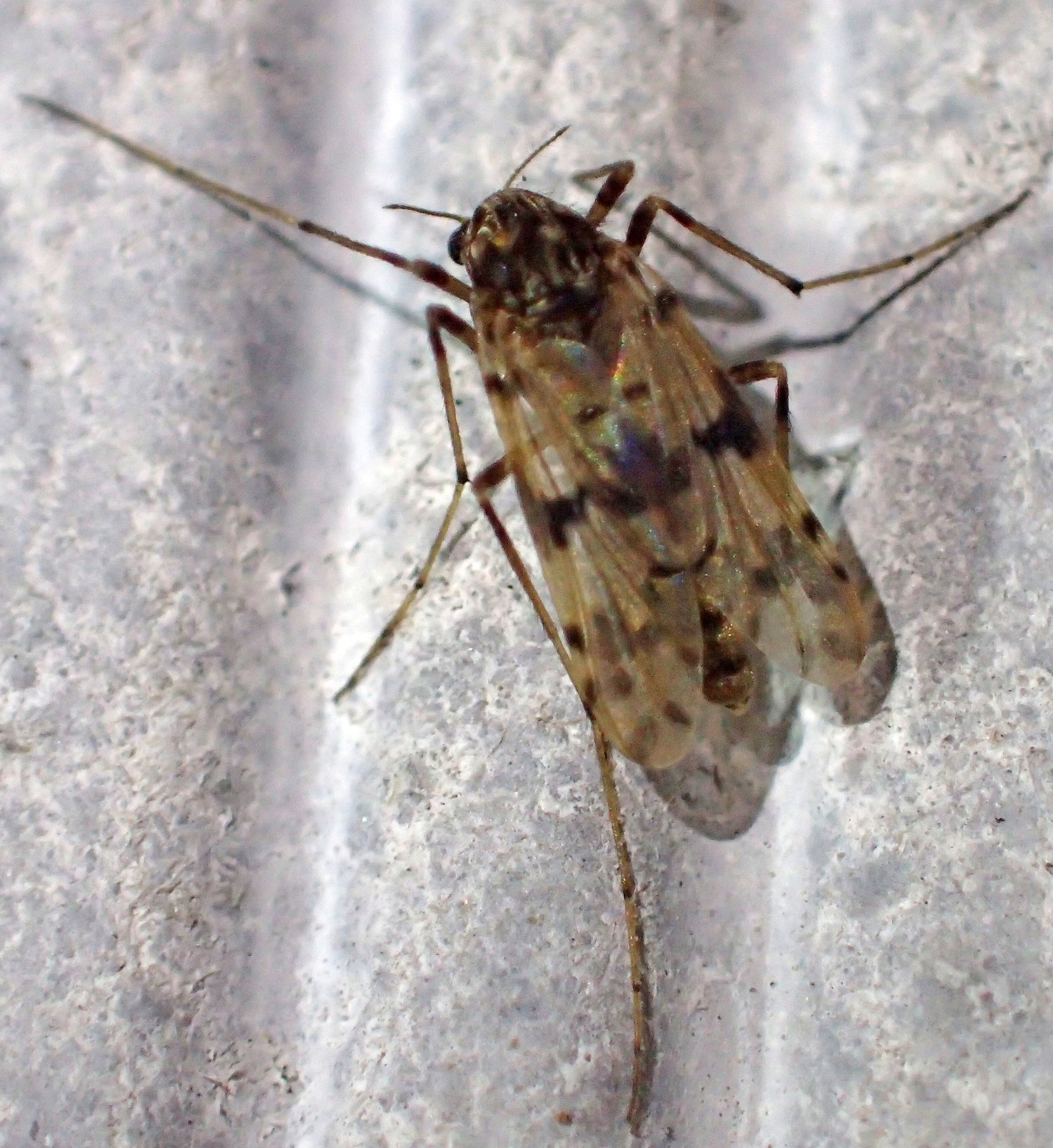
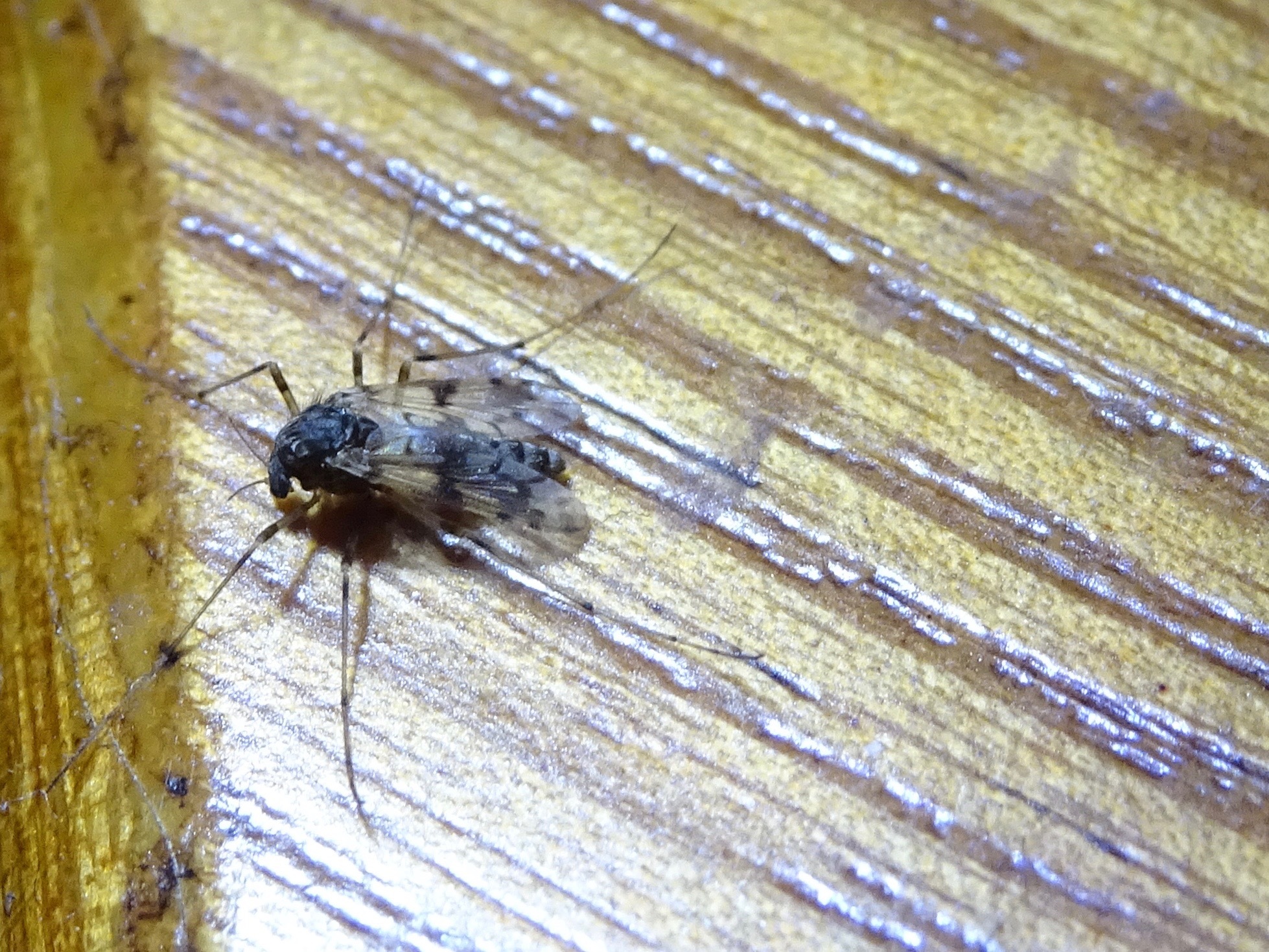
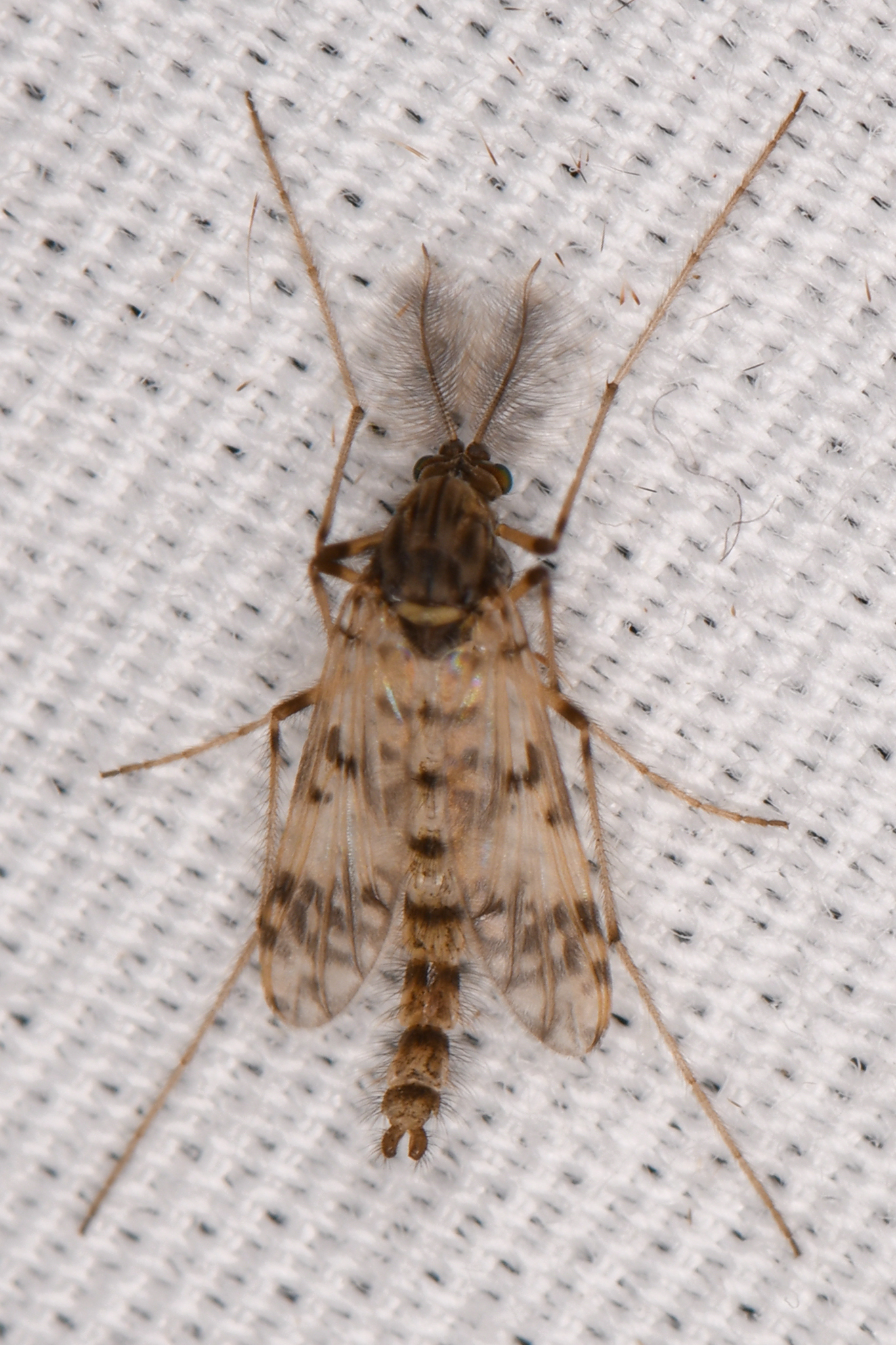
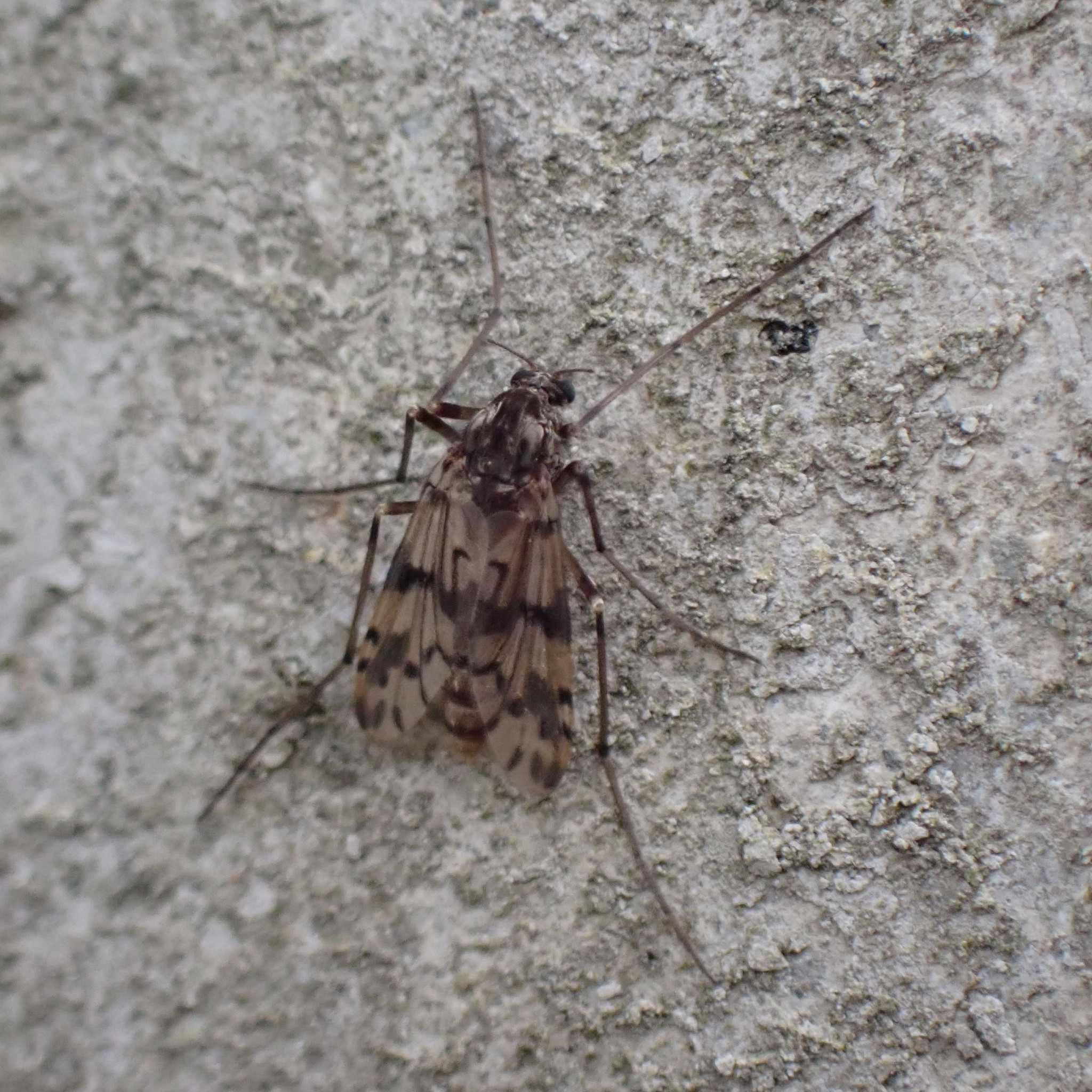
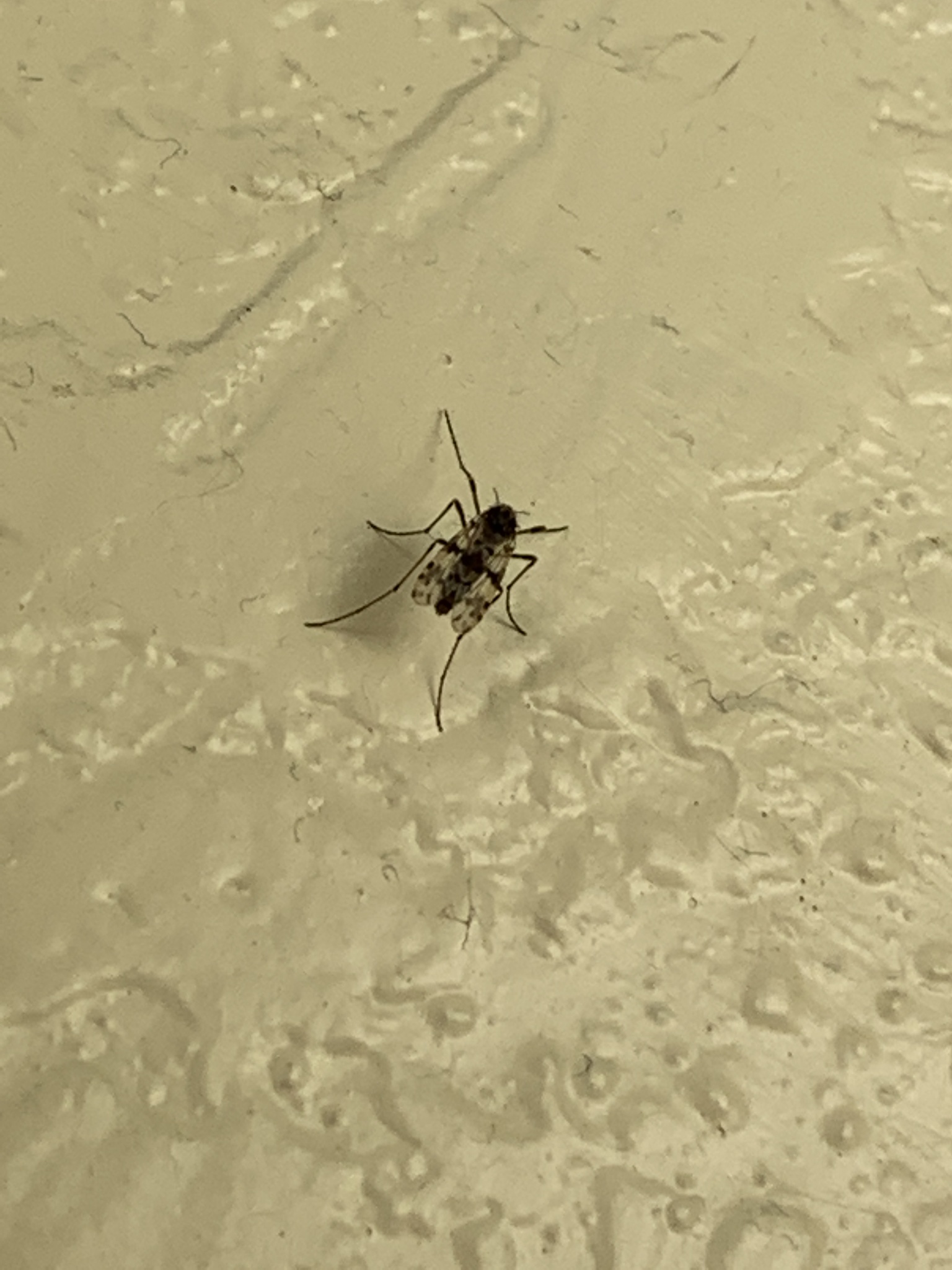
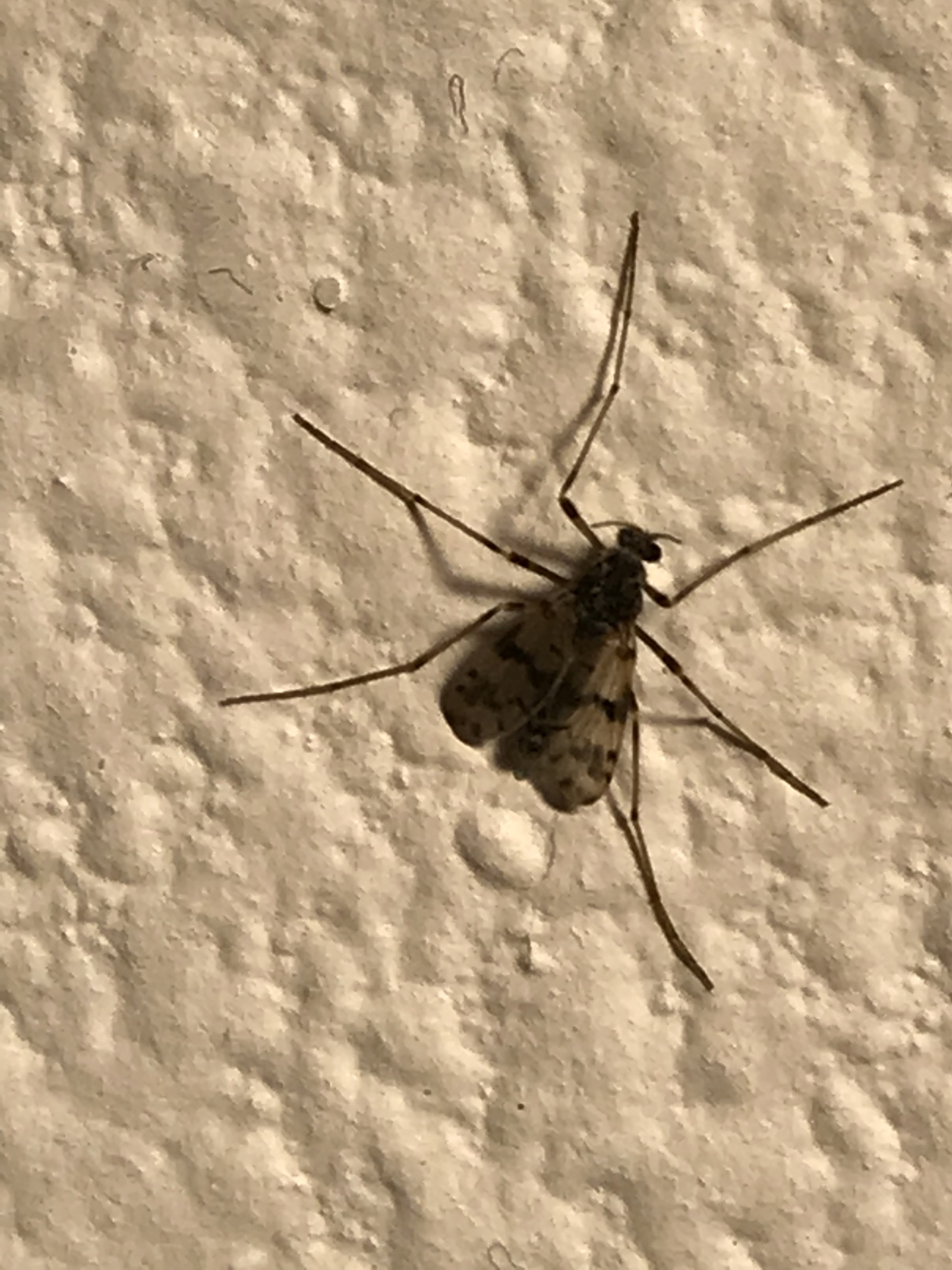
Based on observations from the TreeOfLife-200M dataset, members of the genus Alotanypus exhibit typical chironomid morphology.[1] Adult specimens are characterized by a slender, elongated body form with delicate, multi-segmented antennae and long, thin legs. The wings are typically transparent or lightly patterned, held in a characteristic resting position along the dorsal surface of the abdomen.[1]
Biology and Ecology
Alotanypus is a genus within the tribe Macropelopiini (subfamily Tanypodinae) [2]. The genus is characterized by the presence of well-developed fore- and hind-tibial combs in adult males and the absence of postnotal setae [2].
Pupae are distinguished by a thoracic horn with a narrow, occasionally sinuate or rugose respiratory atrium, and abdominal segments V and VI each having two pairs of L-setae [2]. Larval features include a dorsomentum divided into two plates and mandibles with only a few teeth on the base of the apical tooth [2].
Alotanypus kuroberobustus is known from the Palaearctic Region, with records in Japan [2]. Larvae of this species inhabit neutral standing waters [2].
Gallery
References
- 1 2 3 Dataset view for Animalia / Arthropoda / Insecta / Diptera / Chironomidae / Alotanypus constructed from imageomics/TreeOfLife-200M records under this taxonomic path. Hugging Face Datasets. https://huggingface.co/datasets/imageomics/TreeOfLife-200M.
- 1 2 3 4 5 6 Hiromi Niitsuma. Taxonomy and Distribution of Alotanypus kuroberobustus comb. nov. (Insecta: Diptera: Chironomidae) from the Palaearctic Region. Species Diversity. 2005. https://doi.org/10.12782/specdiv.10.135.