Agromyza parvicornis
Taxonomy
This page represents the following TreeOfLife-200M taxonomic path.[1]
- Kingdom: Animalia
- Phylum: Arthropoda
- Class: Insecta
- Order: Diptera
- Family: Agromyzidae
- Genus: Agromyza
- Species: Agromyza parvicornis
Visual Description
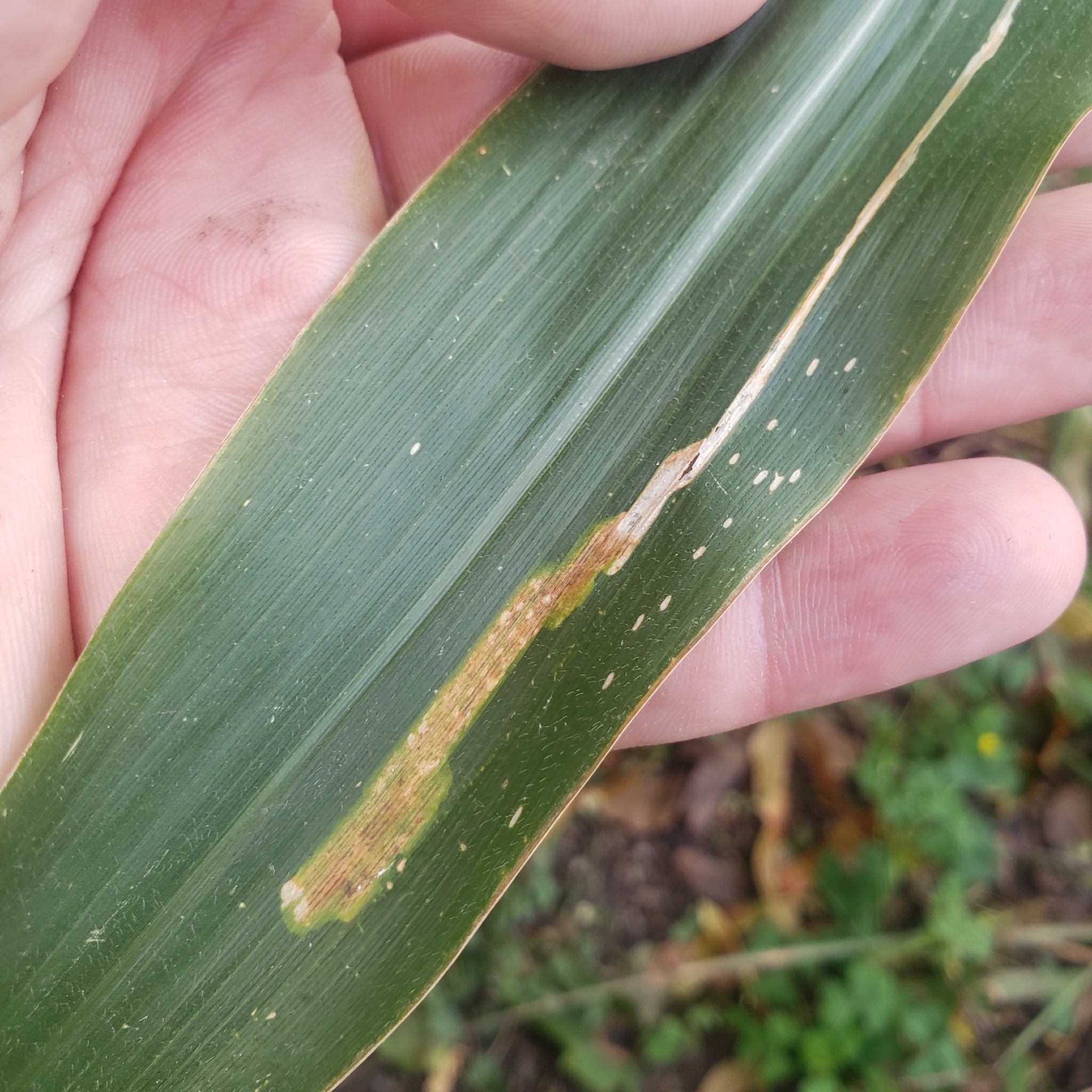
Agromyza parvicornis, commonly known as the corn blotch leafminer, is a small dipteran species. Adults are approximately 6 mm in length, characterized by a gray to brown body coloration. The wings are notably clear at the distal ends and exhibit a grayish tint toward the base.[2] Observations of specimens in the TreeOfLife-200M dataset confirm the presence of these small, fly-like morphological traits, including the characteristic wing structure and body proportions.[1]
Life Cycle and Ecology
Agromyza parvicornis completes its life cycle in three to six weeks, with four to five generations per year. The species overwinters as larvae or pupae in the soil.[2]
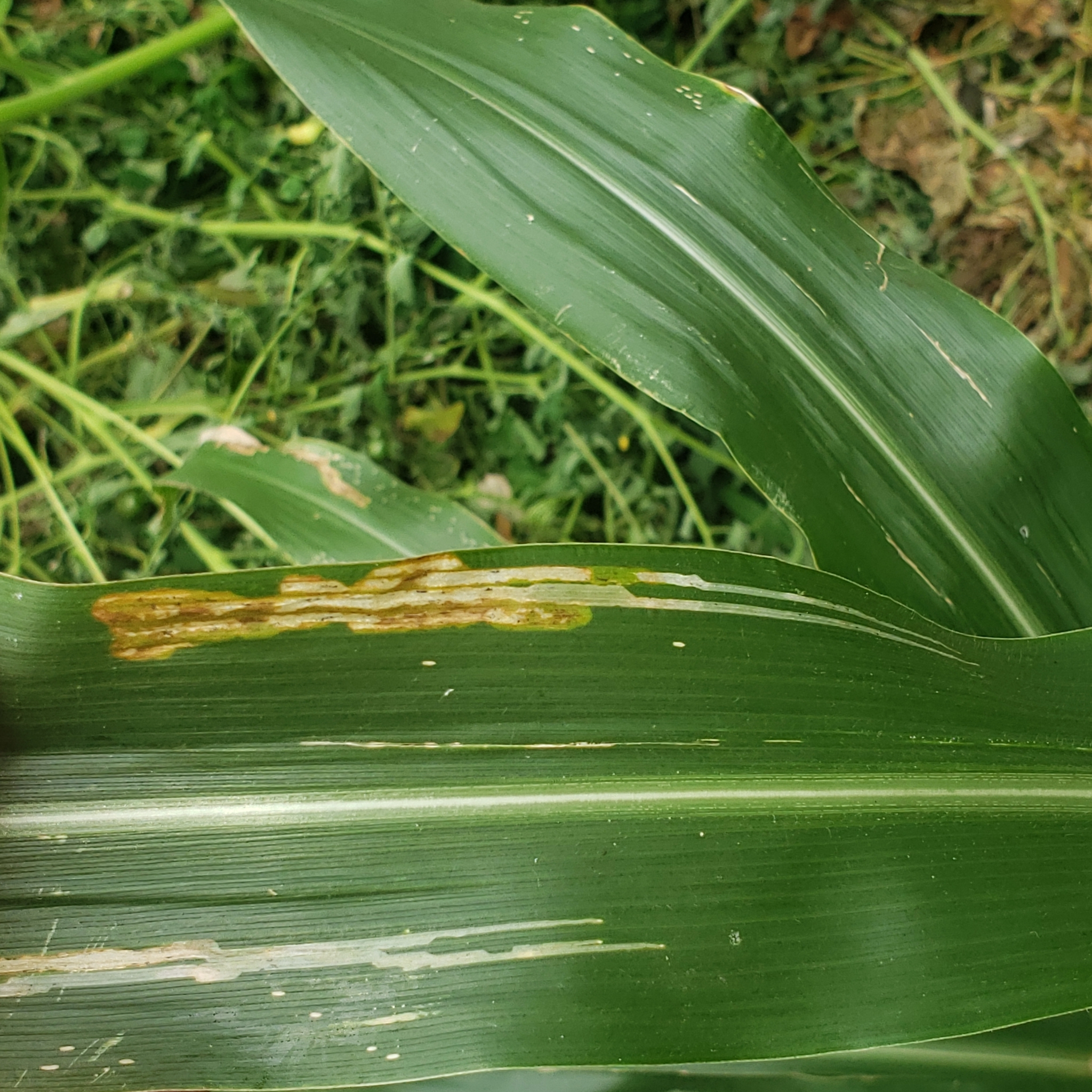
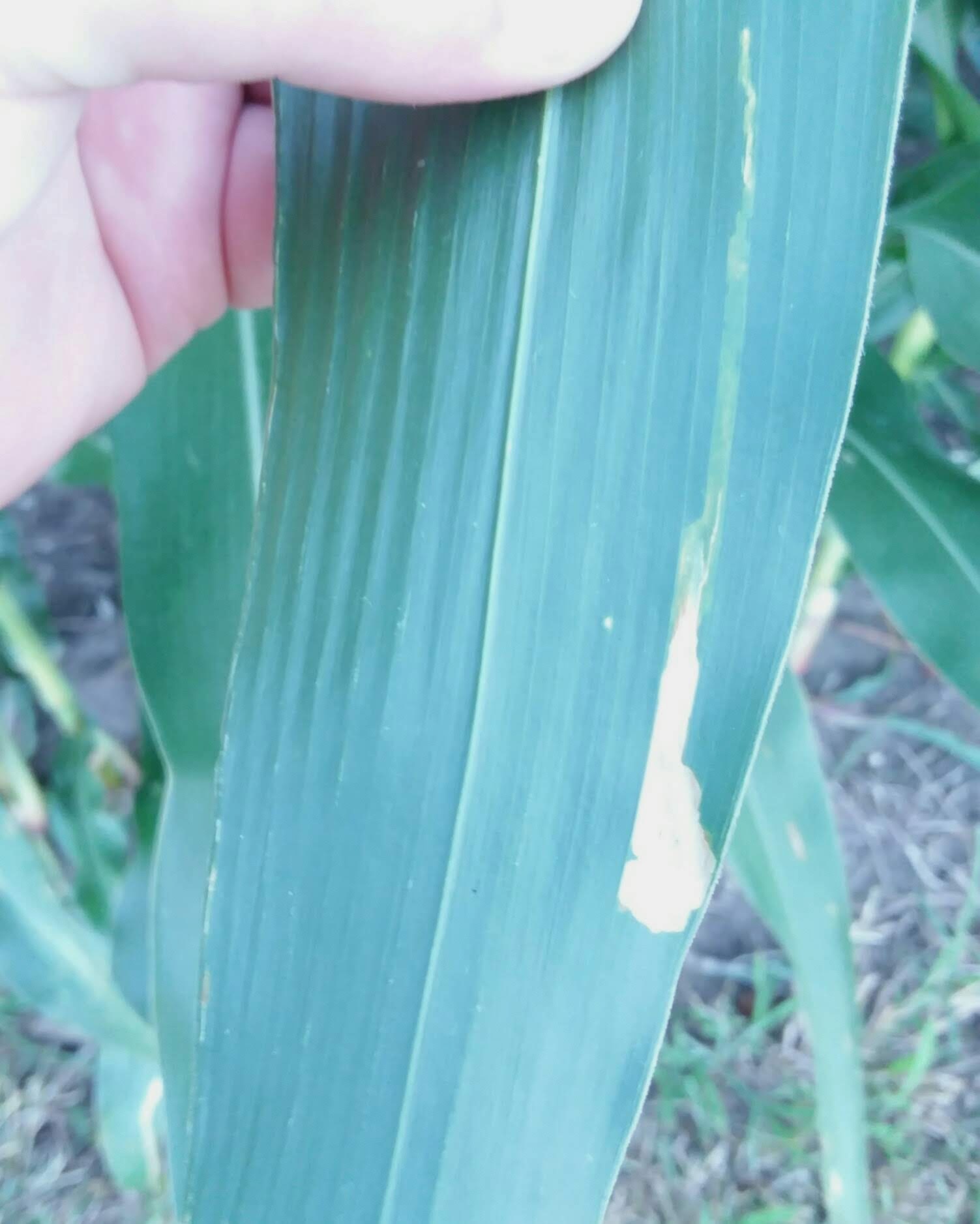
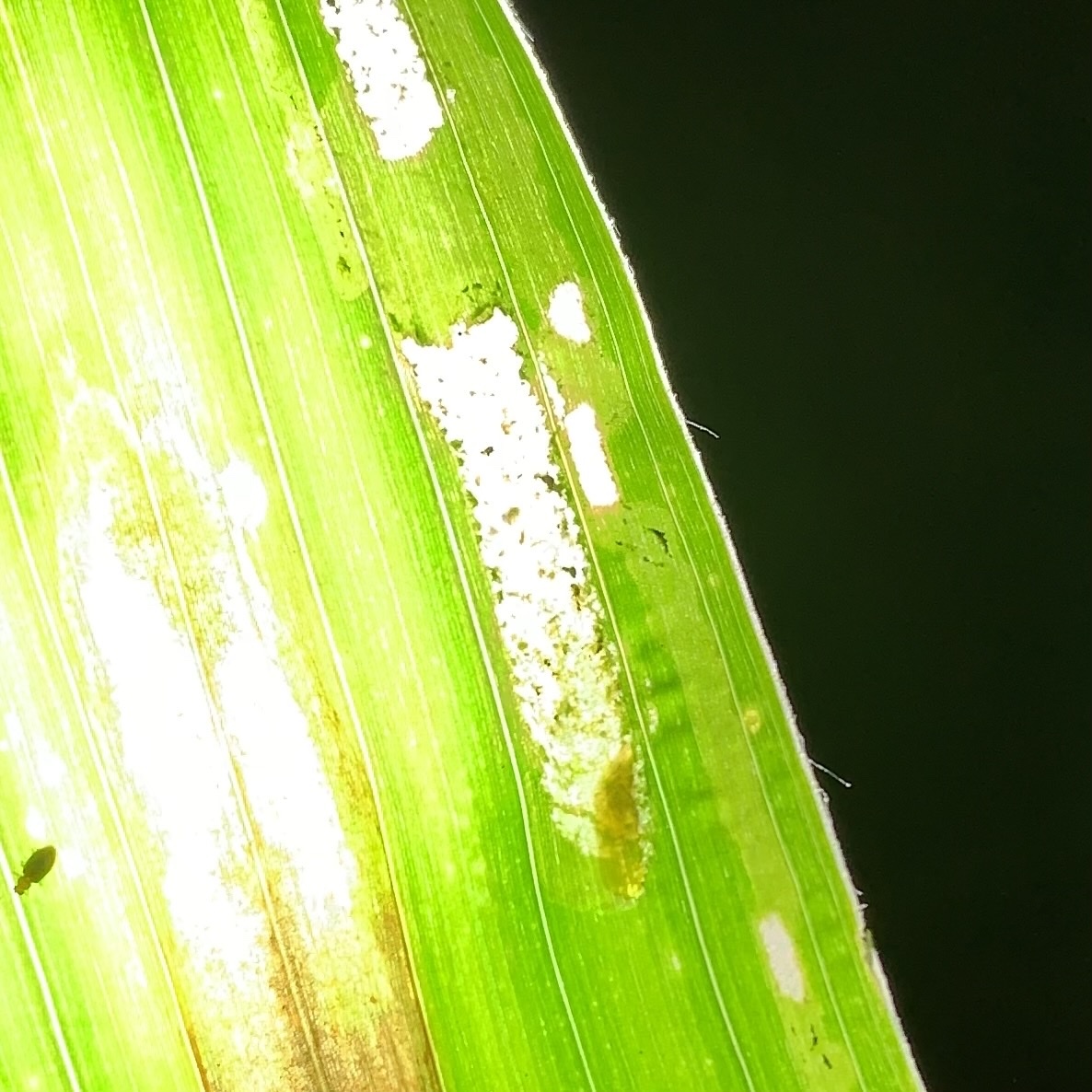
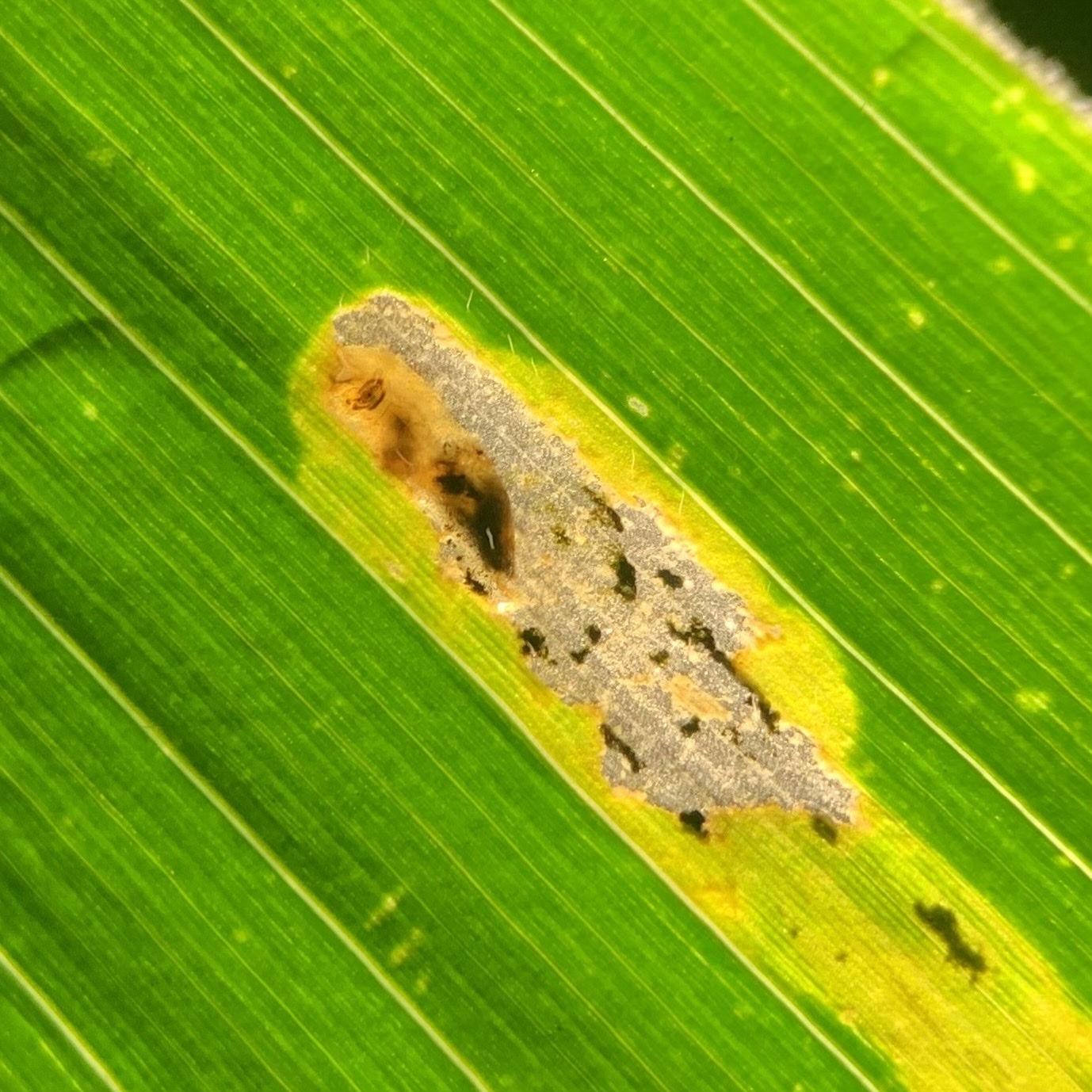
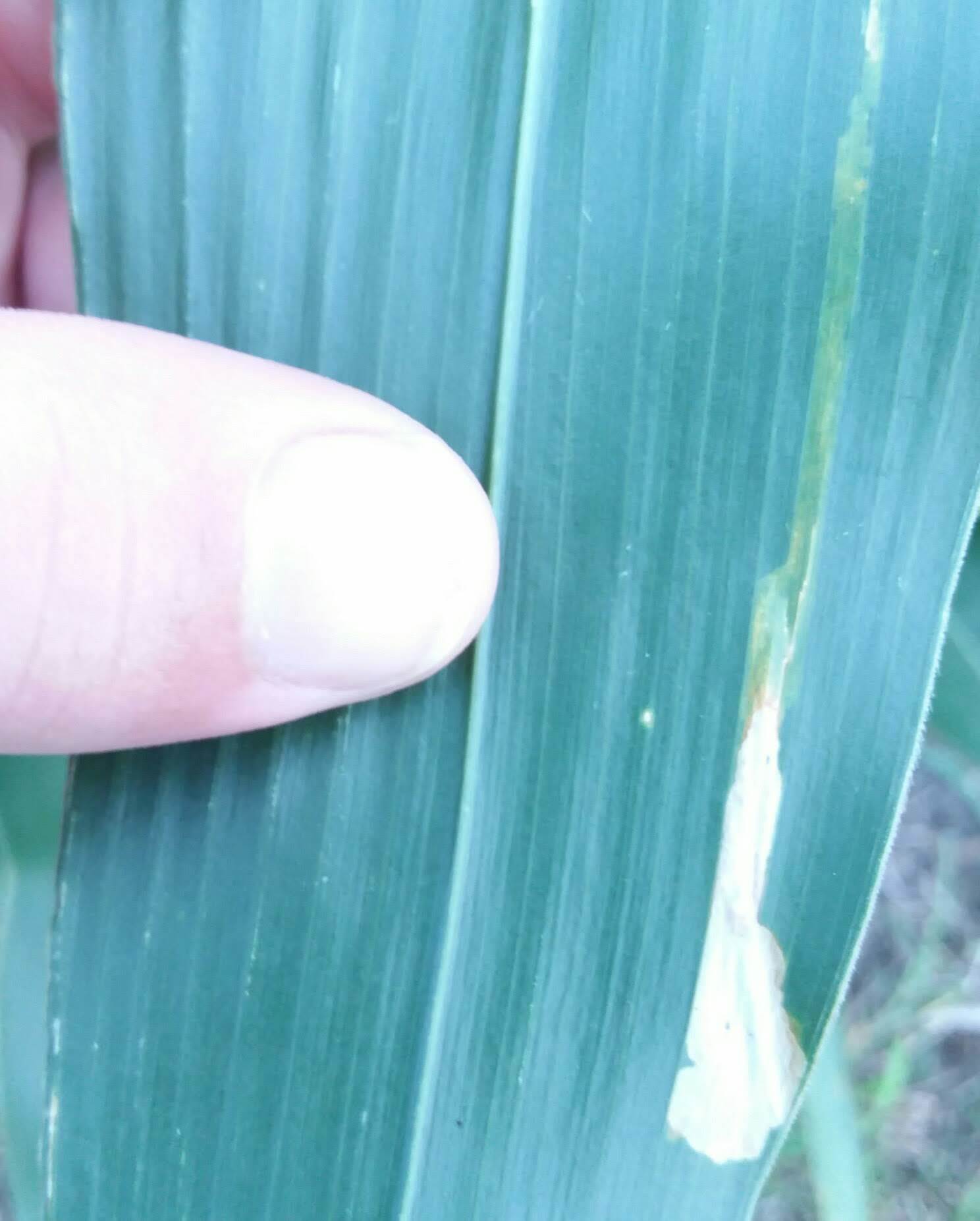
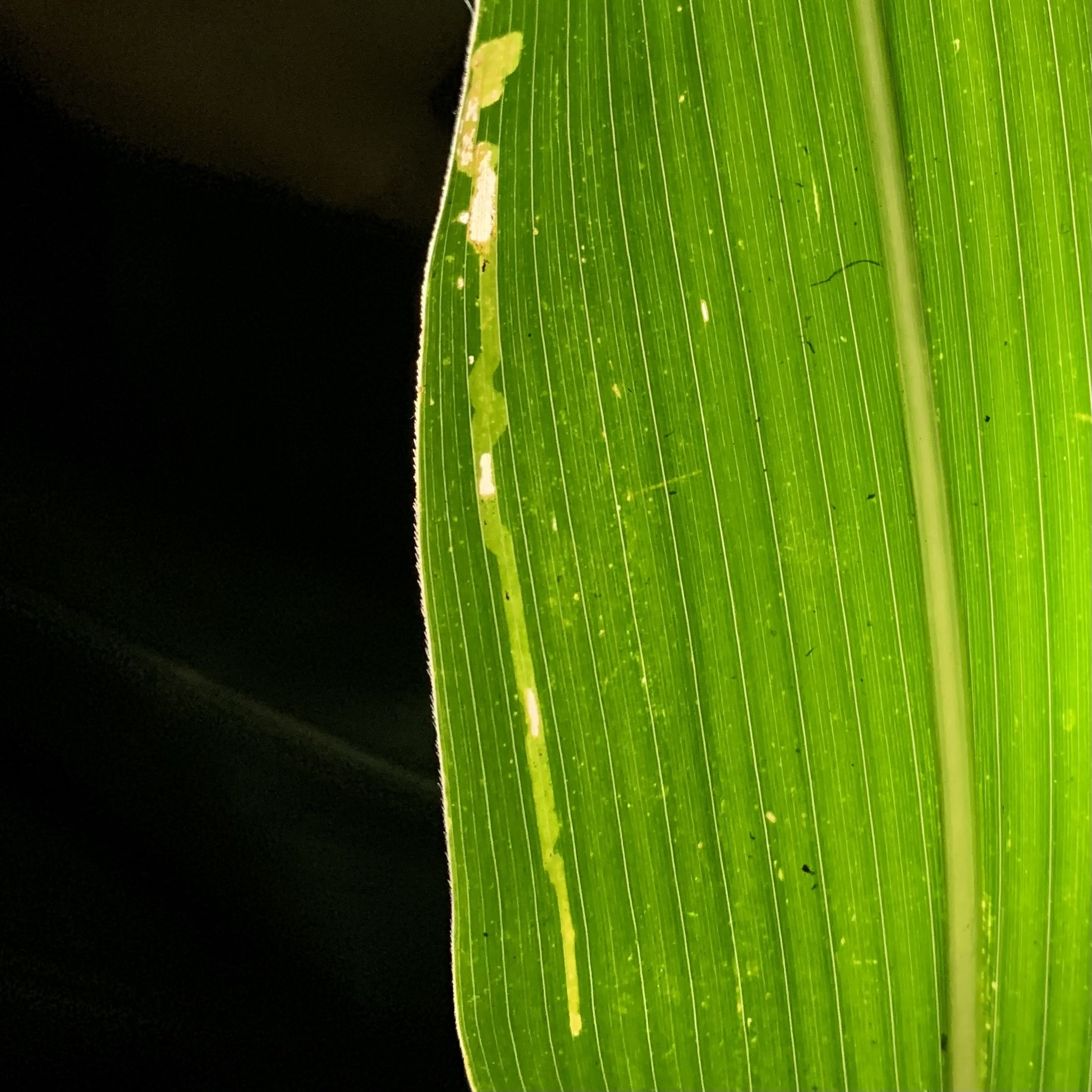
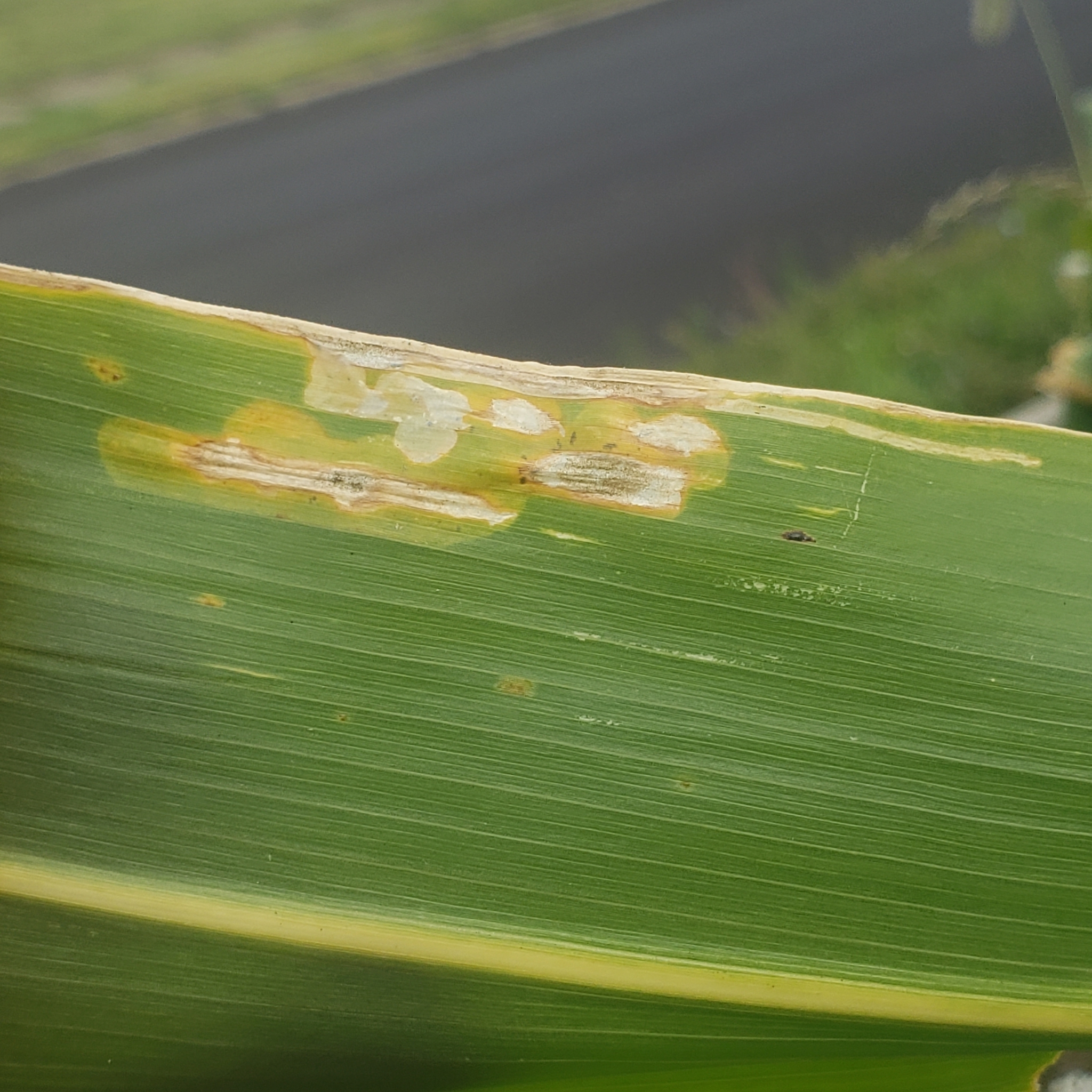
The larvae, which are the primary life stage associated with plant damage, are green to white upon emergence, eventually turning yellowish-white. They reach approximately 3 mm in length and 1 mm in width. Larvae possess retractable, black, chitinous mouth hooks used to scrape leaf tissue, resulting in characteristic blotchy mines. Pupation occurs either within these leaf mines or in the soil, inside a reddish-brown puparium.[2]
While corn is the primary host, the species also develops on various grassy weeds, such as barnyardgrass (Echinochloa crus-galli) and crabgrass (Panicum sanguinale).[2]
Economic Importance
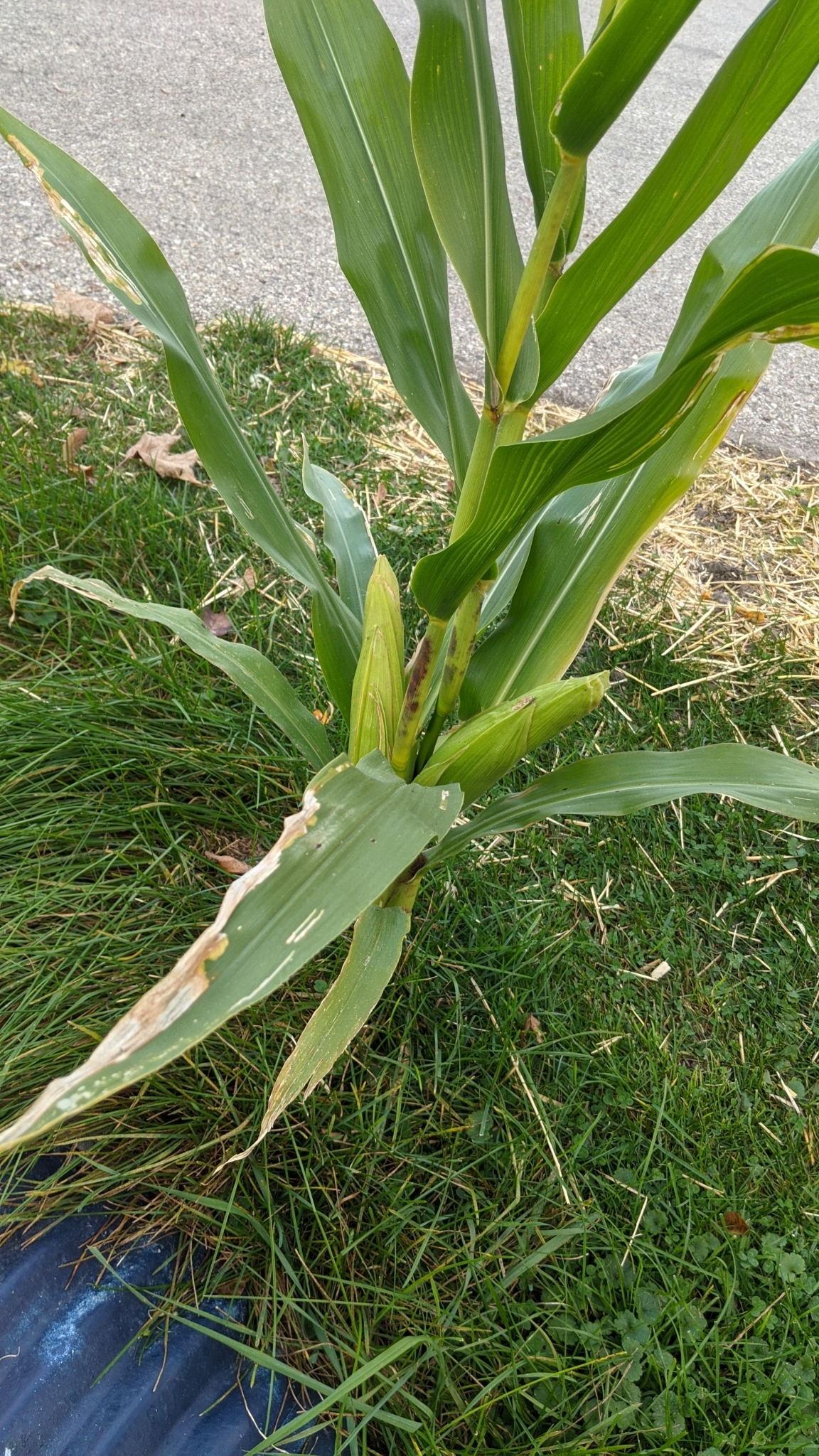
The corn blotch leafminer is considered a sporadic, minor pest of corn. Although large populations have occasionally caused economic losses in some regions, feeding and oviposition generally do not significantly affect the overall vitality of the host plants. Chemical control is challenging because the larvae are protected within the leaf tissue, and there are currently no registered chemicals specifically for this species. Natural biological control is provided by various parasitic Hymenopteran wasps from the families Eulophidae and Braconidae.[2]
Gallery
References
- 1 2 Dataset view for Animalia / Arthropoda / Insecta / Diptera / Agromyzidae / Agromyza / parvicornis constructed from imageomics/TreeOfLife-200M records under this taxonomic path. Hugging Face Datasets. https://huggingface.co/datasets/imageomics/TreeOfLife-200M.
- 1 2 3 4 5 Gaurav Goyal; Gregg S. Nuessly. Corn blotch leafminer Agromyza parvicornis Loew. EDIS. 2009. https://doi.org/10.32473/edis-in789-2008.