Aegialomyia
Taxonomy
This page represents the following TreeOfLife-200M taxonomic path.[1]
- Kingdom: Animalia
- Phylum: Arthropoda
- Class: Insecta
- Order: Diptera
- Family: Tabanidae
- Genus: Aegialomyia
Visual Description
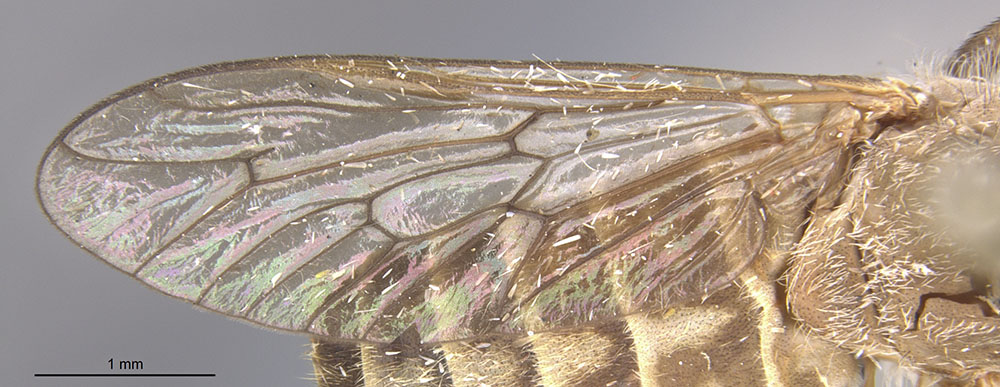
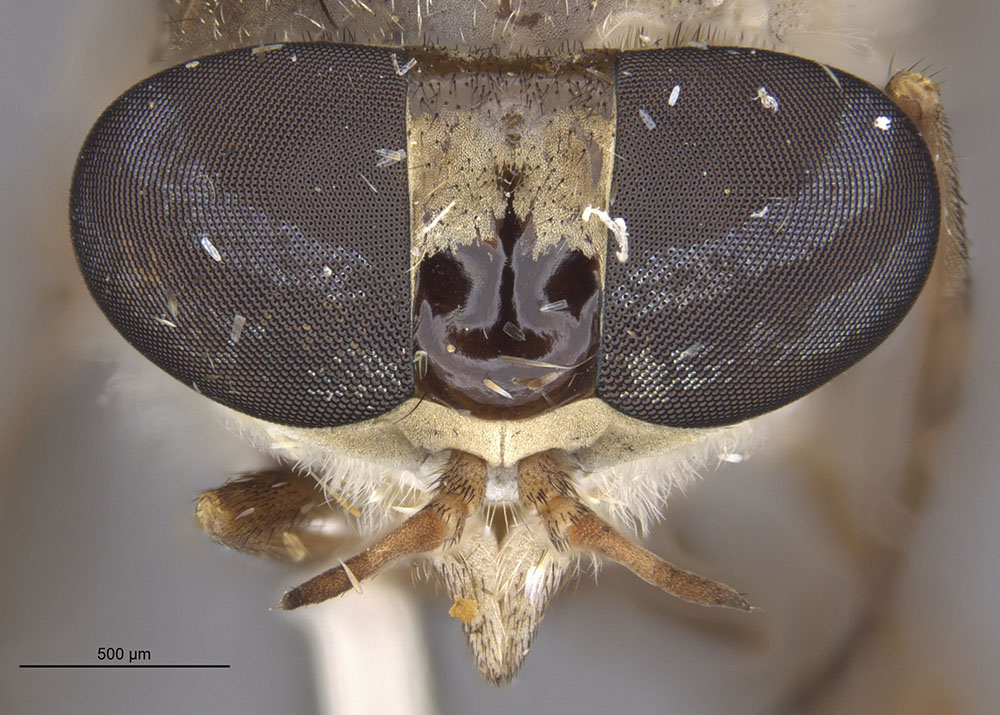
Based on examination of museum specimens, Aegialomyia exhibits typical tabanid morphology. The specimens show a robust body structure with large, prominent compound eyes characteristic of the family. The wings are well-developed, and the thorax and abdomen display a dense covering of setae.[1]
Distribution and Classification
The genus Aegialomyia is distinct from the tribe Diachlorini s. str. Research into the distribution patterns of Diachlorini indicates that Aegialomyia is excluded from this tribe.[2]
Gallery
References
- 1 2 Dataset view for Animalia / Arthropoda / Insecta / Diptera / Tabanidae / Aegialomyia constructed from imageomics/TreeOfLife-200M records under this taxonomic path. Hugging Face Datasets. https://huggingface.co/datasets/imageomics/TreeOfLife-200M.
- ↑ Przemysław Trojan. Distribution pattern of Diachlorini s. str. (Diptera: Tabanidae). Fragmenta Faunistica. 1997. https://doi.org/10.3161/00159301ff1997.40.6.059.