Aedes zammitii
Taxonomy
This page represents the following TreeOfLife-200M taxonomic path.[1]
- Kingdom: Animalia
- Phylum: Arthropoda
- Class: Insecta
- Order: Diptera
- Family: Culicidae
- Genus: Aedes
- Species: Aedes zammitii
Visual Description
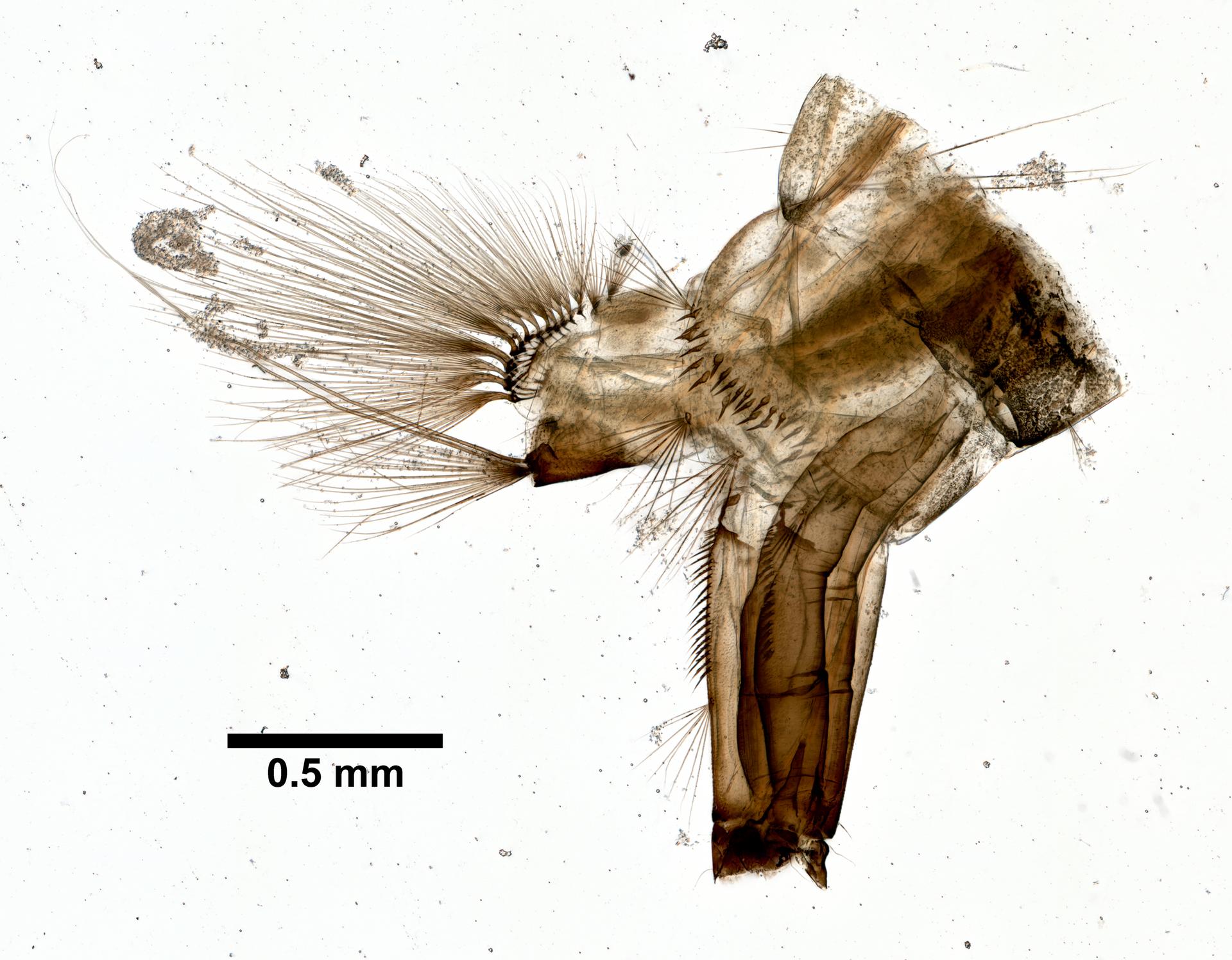
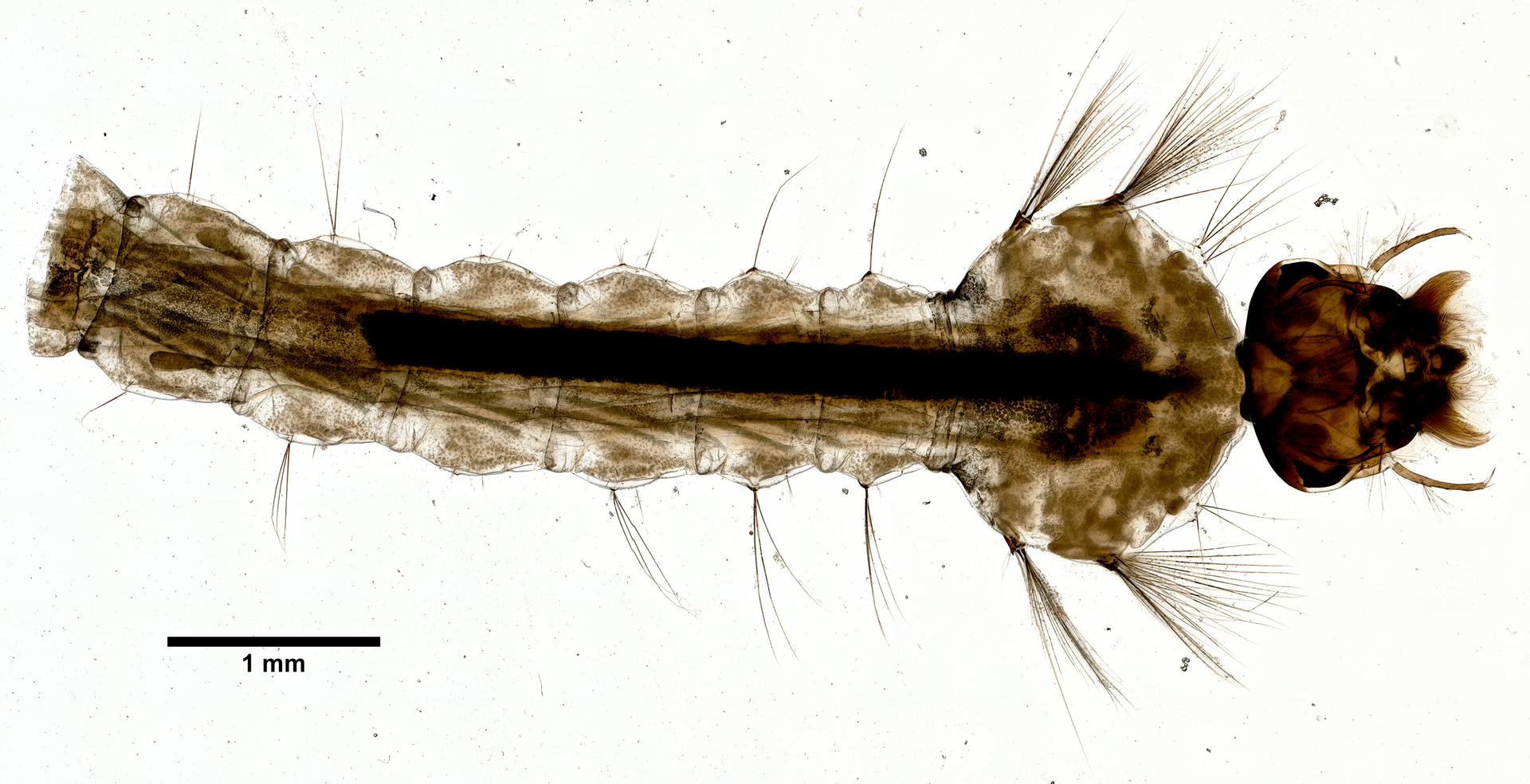
Aedes zammitii is a mosquito species. Observations of preserved specimens from the TreeOfLife-200M dataset reveal characteristic dipteran morphology, including a slender body, a pair of functional wings, and prominent, elongated antennae. The specimens exhibit typical culicid features such as a distinct head with large compound eyes and a proboscis adapted for feeding.[1]
Ecology and Behavior
Aedes zammitii is a coastal, nuisance mosquito species distributed across the Mediterranean region, including Italy, the Balkans, Sicily, Malta, Greece, and Türkiye.[2] It is a sibling species within the mariae group, which also includes Ae. mariae and Ae. phoeniciae, and is characterized by its development in rock pools along coastal areas.[2] The species exhibits zoo-anthropophilic blood-feeding behavior and can be a significant nuisance in coastal areas during late spring and summer, though it is not currently reported as a disease vector.[2]
Insecticide Resistance and Genetics
Research on Ae. zammitii populations in the Aegean and Mediterranean regions of Türkiye has indicated varied levels of resistance to several insecticides. Bioassays have shown resistance to organochlorines (DDT), organophosphates (malathion, fenitrothion), and carbamates (bendiocarb).[2] Permethrin was identified as the most effective insecticide among those tested, although populations showed "possible resistance" to it and deltamethrin.[2] The presence of the kdr (knockdown resistance) mutation, specifically the L1014F mutation associated with pyrethroid resistance, has been confirmed in these populations, with frequencies ranging from 55% to 70%.[2]
Gallery
References
- 1 2 Dataset view for Animalia / Arthropoda / Insecta / Diptera / Culicidae / Aedes / zammitii constructed from imageomics/TreeOfLife-200M records under this taxonomic path. Hugging Face Datasets. https://huggingface.co/datasets/imageomics/TreeOfLife-200M.
- 1 2 3 4 5 6 Fatma Bursalı. Investigating insecticide resistance, kdr mutation, and morphology of the coastal mosquito Aedes (Ochlerotatus) zammitii (Theobald, 1903) (Diptera: Culicidae). Turkish Journal of Entomology. 2024. https://doi.org/10.16970/entoted.1460509.